

VOTING POWER100.00%
DOWNVOTE POWER100.00%
RESOURCE CREDITS100.00%
REPUTATION PROGRESS99.21%
Net Worth
0.320USD
STEEM
1.043STEEM
SBD
0.000SBD
Effective Power
5.540SP
├── Own SP
4.469SP
└── Incoming DelegationsDeleg
+1.071SP
Detailed Balance
| STEEM | ||
| balance | 1.043STEEM | STEEM |
| market_balance | 0.000STEEM | STEEM |
| savings_balance | 0.000STEEM | STEEM |
| reward_steem_balance | 0.000STEEM | STEEM |
| STEEM POWER | ||
| Own SP | 4.469SP | SP |
| Delegated Out | 0.000SP | SP |
| Delegation In | 1.071SP | SP |
| Effective Power | 5.540SP | SP |
| Reward SP (pending) | 0.000SP | SP |
| SBD | ||
| sbd_balance | 0.000SBD | SBD |
| sbd_conversions | 0.000SBD | SBD |
| sbd_market_balance | 0.000SBD | SBD |
| savings_sbd_balance | 0.000SBD | SBD |
| reward_sbd_balance | 0.000SBD | SBD |
{
  "balance": "1.043 STEEM",
  "savings_balance": "0.000 STEEM",
  "reward_steem_balance": "0.000 STEEM",
  "vesting_shares": "7268.697591 VESTS",
  "delegated_vesting_shares": "0.000000 VESTS",
  "received_vesting_shares": "1741.904685 VESTS",
  "sbd_balance": "0.000 SBD",
  "savings_sbd_balance": "0.000 SBD",
  "reward_sbd_balance": "0.000 SBD",
  "conversions": []
}
Account Info
| name | hussa |
| id | 1810317 |
| rank | 214,136 |
| reputation | 277695449279 |
| created | 2023-04-23T15:05:45 |
| recovery_account | steemcurator01 |
| proxy | None |
| post_count | 189 |
| comment_count | 0 |
| lifetime_vote_count | 0 |
| witnesses_voted_for | 0 |
| last_post | 2023-08-09T13:39:33 |
| last_root_post | 2023-08-09T13:39:33 |
| last_vote_time | 2023-08-09T13:39:45 |
| proxied_vsf_votes | 0, 0, 0, 0 |
| can_vote | 1 |
| voting_power | 0 |
| delayed_votes | 0 |
| balance | 1.043 STEEM |
| savings_balance | 0.000 STEEM |
| sbd_balance | 0.000 SBD |
| savings_sbd_balance | 0.000 SBD |
| vesting_shares | 7268.697591 VESTS |
| delegated_vesting_shares | 0.000000 VESTS |
| received_vesting_shares | 1741.904685 VESTS |
| reward_vesting_balance | 0.000000 VESTS |
| vesting_balance | 0.000 STEEM |
| vesting_withdraw_rate | 0.000000 VESTS |
| next_vesting_withdrawal | 1969-12-31T23:59:59 |
| withdrawn | 0 |
| to_withdraw | 0 |
| withdraw_routes | 0 |
| savings_withdraw_requests | 0 |
| last_account_recovery | 1970-01-01T00:00:00 |
| reset_account | null |
| last_owner_update | 1970-01-01T00:00:00 |
| last_account_update | 2023-05-01T07:55:00 |
| mined | No |
| sbd_seconds | 0 |
| sbd_last_interest_payment | 1970-01-01T00:00:00 |
| savings_sbd_last_interest_payment | 1970-01-01T00:00:00 |
{
  "active": {
    "account_auths": [],
    "key_auths": [
      [
        "STM6nSPPuGqzQzEGbocPdQRgFuA9E23YfMHgyyoucS3qjYfzxEgMT",
        1
      ]
    ],
    "weight_threshold": 1
  },
  "balance": "1.043 STEEM",
  "can_vote": true,
  "comment_count": 0,
  "created": "2023-04-23T15:05:45",
  "curation_rewards": 0,
  "delegated_vesting_shares": "0.000000 VESTS",
  "downvote_manabar": {
    "current_mana": 2252650569,
    "last_update_time": 1699911117
  },
  "guest_bloggers": [],
  "id": 1810317,
  "json_metadata": "{}",
  "last_account_recovery": "1970-01-01T00:00:00",
  "last_account_update": "2023-05-01T07:55:00",
  "last_owner_update": "1970-01-01T00:00:00",
  "last_post": "2023-08-09T13:39:33",
  "last_root_post": "2023-08-09T13:39:33",
  "last_vote_time": "2023-08-09T13:39:45",
  "lifetime_vote_count": 0,
  "market_history": [],
  "memo_key": "STM7TgDaz49dgacYna2Lwdhu3jZe7eb1jQ3aavKLtqCMcZnyVn6YB",
  "mined": false,
  "name": "hussa",
  "next_vesting_withdrawal": "1969-12-31T23:59:59",
  "other_history": [],
  "owner": {
    "account_auths": [],
    "key_auths": [
      [
        "STM8Uto1G9FbQivz97TFzTwZWRChjh3MszGeuwUTpKDggT67puX86",
        1
      ]
    ],
    "weight_threshold": 1
  },
  "pending_claimed_accounts": 0,
  "post_bandwidth": 0,
  "post_count": 189,
  "post_history": [],
  "posting": {
    "account_auths": [],
    "key_auths": [
      [
        "STM5fWCkUrEcB435S9xHuy9B1GBz1Pfsf1RxgQYsxBSwoSTTqmWgn",
        1
      ]
    ],
    "weight_threshold": 1
  },
  "posting_json_metadata": "{\"profile\":{\"profile_image\":\"https://cdn.steemitimages.com/DQmaBoAMxuAeAkCKwpeg2yVRfuBLyYZfbge41fPEhTYXqrw/HERO.jpg\",\"name\":\"Hussain \",\"about\":\"blockchain developer  , Trader in cryptocurrencies , Javascript  programmer\",\"location\":\"Punjab\",\"website\":\"https://steemit.com/@hussa/\",\"version\":2}}",
  "posting_rewards": 8156,
  "proxied_vsf_votes": [
    0,
    0,
    0,
    0
  ],
  "proxy": "",
  "received_vesting_shares": "1741.904685 VESTS",
  "recovery_account": "steemcurator01",
  "reputation": "277695449279",
  "reset_account": "null",
  "reward_sbd_balance": "0.000 SBD",
  "reward_steem_balance": "0.000 STEEM",
  "reward_vesting_balance": "0.000000 VESTS",
  "reward_vesting_steem": "0.000 STEEM",
  "savings_balance": "0.000 STEEM",
  "savings_sbd_balance": "0.000 SBD",
  "savings_sbd_last_interest_payment": "1970-01-01T00:00:00",
  "savings_sbd_seconds": "0",
  "savings_sbd_seconds_last_update": "1970-01-01T00:00:00",
  "savings_withdraw_requests": 0,
  "sbd_balance": "0.000 SBD",
  "sbd_last_interest_payment": "1970-01-01T00:00:00",
  "sbd_seconds": "0",
  "sbd_seconds_last_update": "2023-06-08T15:38:09",
  "tags_usage": [],
  "to_withdraw": 0,
  "transfer_history": [],
  "vesting_balance": "0.000 STEEM",
  "vesting_shares": "7268.697591 VESTS",
  "vesting_withdraw_rate": "0.000000 VESTS",
  "vote_history": [],
  "voting_manabar": {
    "current_mana": "9010602276",
    "last_update_time": 1699911117
  },
  "voting_power": 0,
  "withdraw_routes": 0,
  "withdrawn": 0,
  "witness_votes": [],
  "witnesses_voted_for": 0,
  "rank": 214136
}
Withdraw Routes
| Incoming | Outgoing |
|---|---|
Empty | Empty |
{
  "incoming": [],
  "outgoing": []
}From Date
To Date
2023/11/13 21:31:57
2023/11/13 21:31:57
| delegatee | hussa |
| delegator | steem |
| vesting shares | 1741.904685 VESTS |
| Transaction Info | Block #79855646/Trx e6d13bfb23916037833311b8c13a362f0ee9e10d |
View Raw JSON Data
{
  "block": 79855646,
  "op": [
    "delegate_vesting_shares",
    {
      "delegatee": "hussa",
      "delegator": "steem",
      "vesting_shares": "1741.904685 VESTS"
    }
  ],
  "op_in_trx": 0,
  "timestamp": "2023-11-13T21:31:57",
  "trx_id": "e6d13bfb23916037833311b8c13a362f0ee9e10d",
  "trx_in_block": 5,
  "virtual_op": 0
}2023/09/21 23:01:51
2023/09/21 23:01:51
| delegatee | hussa |
| delegator | steem |
| vesting shares | 22596.534411 VESTS |
| Transaction Info | Block #78349266/Trx 3efb8586b87f1dd5d028d5cd0de134698c306fd1 |
View Raw JSON Data
{
  "block": 78349266,
  "op": [
    "delegate_vesting_shares",
    {
      "delegatee": "hussa",
      "delegator": "steem",
      "vesting_shares": "22596.534411 VESTS"
    }
  ],
  "op_in_trx": 0,
  "timestamp": "2023-09-21T23:01:51",
  "trx_id": "3efb8586b87f1dd5d028d5cd0de134698c306fd1",
  "trx_in_block": 2,
  "virtual_op": 0
}2023/08/14 08:08:30
2023/08/14 08:08:30
| author | marybest |
| body | There are many strategies that could favour traders all round. It all depends on the traders risk capacity and how much he/she is ready to put out because we learn everyday from our mistakes and we come across different strategurs often. These days, exchanges provide strategies like the Dual Investment and Smart trend. Not like it is 100% accurate, but it gives profit 70-80% of the time |
| json metadata | {"app":"steemit/0.2"} |
| parent author | hussa |
| parent permlink | mastering-crypto-trading-strategies-for-success |
| permlink | rzdfy1 |
| title | |
| Transaction Info | Block #77243816/Trx b16ba4ea4939062d2191df721bdb95d49f47e236 |
View Raw JSON Data
{
  "block": 77243816,
  "op": [
    "comment",
    {
      "author": "marybest",
      "body": "There are many strategies that could favour traders all round. It all depends on the traders risk capacity and how much he/she is ready to put out because we learn everyday from our mistakes and we come across different strategurs often.\n\nThese days, exchanges provide strategies like the Dual Investment and Smart trend. Not like it is 100% accurate, but it gives profit 70-80% of the time",
      "json_metadata": "{\"app\":\"steemit/0.2\"}",
      "parent_author": "hussa",
      "parent_permlink": "mastering-crypto-trading-strategies-for-success",
      "permlink": "rzdfy1",
      "title": ""
    }
  ],
  "op_in_trx": 0,
  "timestamp": "2023-08-14T08:08:30",
  "trx_id": "b16ba4ea4939062d2191df721bdb95d49f47e236",
  "trx_in_block": 0,
  "virtual_op": 0
}2023/08/09 13:39:45
2023/08/09 13:39:45
| author | hussa |
| permlink | navigating-the-frontier-human-vs-ai-unveiling-the-dynamics-and-collaborative-potential |
| voter | hussa |
| weight | 10000 (100.00%) |
| Transaction Info | Block #77106829/Trx 99321e650bba9e229c4df6481dfc9c05c02734bc |
View Raw JSON Data
{
  "block": 77106829,
  "op": [
    "vote",
    {
      "author": "hussa",
      "permlink": "navigating-the-frontier-human-vs-ai-unveiling-the-dynamics-and-collaborative-potential",
      "voter": "hussa",
      "weight": 10000
    }
  ],
  "op_in_trx": 0,
  "timestamp": "2023-08-09T13:39:45",
  "trx_id": "99321e650bba9e229c4df6481dfc9c05c02734bc",
  "trx_in_block": 2,
  "virtual_op": 0
}2023/08/09 13:39:33
2023/08/09 13:39:33
| author | hussa |
| body |  # Introduction: The ongoing advancement of artificial intelligence (AI) has ignited a profound debate: Are humans pitted against AI, or can these forces coexist harmoniously? In this blog post, we delve into the multifaceted relationship between human intelligence and artificial intelligence, exploring their differences, synergies, and the potential for collaborative progress. ## **Defining Human Intelligence:** Human intelligence, rooted in biological evolution, is characterized by emotions, empathy, creativity, and a deep understanding of context. Our ability to think critically, form complex connections, and adapt to ever-changing circumstances shapes the foundation of human cognition. ## **The Rise of Artificial Intelligence:** AI, a product of technological innovation, encompasses algorithms, machine learning, and neural networks. It excels in processing massive datasets, identifying patterns, and performing repetitive tasks with incredible speed and accuracy. ## **Divergence and Convergence:** While AI and human intelligence may seem distinct, they share commonalities. AI algorithms learn from human-generated data, and the algorithms themselves are conceived and programmed by humans. This points to a convergence of human and AI capabilities, where they complement each other's strengths. **AI's Prowess in Data Processing:** AI's computational prowess enables it to sift through enormous datasets to discern patterns, make predictions, and optimize outcomes. This analytical prowess is invaluable in fields such as healthcare, finance, and scientific research, where AI augments human decision-making. **Human Creativity and Innovation:** Human intelligence excels in creativity, emotional depth, and innovation. Our ability to think laterally, draw from diverse experiences, and conceptualize abstract ideas leads to breakthroughs in art, literature, and scientific discovery. ## **Empathy and Complex Understanding:** Empathy, a hallmark of human intelligence, remains a realm AI struggles to navigate. Human intuition, emotional intelligence, and the ability to comprehend nuances in human interactions contribute to our understanding of complex interpersonal dynamics. **Collaboration and Hybrid Intelligence:** The future lies in harnessing hybrid intelligence—a synergy between human and AI capabilities. Collaboration between the two can lead to novel solutions, where AI processes data and performs analytical tasks, while humans provide context, ethical considerations, and creative insights. **Ethical Considerations and Bias:** Human intelligence guides the ethical development of AI. Ensuring that AI algorithms are fair, unbiased, and aligned with human values is essential to prevent unintended consequences and reinforce positive collaboration. ## **Limitations of AI:** AI, despite its rapid progress, faces limitations. It lacks true consciousness, emotions, and a genuine understanding of human experience. The "common sense" reasoning that humans possess remains a challenge for AI to replicate. **Augmentation, Not Replacement:** Rather than viewing AI as a threat, embracing its potential for augmentation can elevate human capabilities. AI's ability to automate routine tasks can free humans to focus on higher-order thinking, problem-solving, and creative pursuits. **Conclusion: Shaping a Harmonious Future:** The dynamic between human intelligence and AI is not a zero-sum game. Both possess unique strengths that, when leveraged collaboratively, can drive unprecedented progress. As we navigate the ever-evolving landscape of AI, recognizing the interplay between human ingenuity and technological innovation is key to shaping a harmonious future where humans and AI coexist, each enhancing the other's capabilities. ## **AI in Healthcare: Enhancing Diagnostics and Treatment:** Explore how AI is transforming the healthcare sector, assisting doctors in diagnosing diseases, predicting patient outcomes, and personalizing treatment plans for improved patient care. **Education Evolution: Human Teachers and AI Tutors:** Delve into the role of AI in education, from personalized learning experiences to AI-powered tutors that adapt to individual student needs, creating a symbiotic relationship between human educators and AI technology. **AI in Finance: Risk Management and Algorithmic Trading:** Discuss how AI algorithms analyze market trends, manage risks, and execute trades with unparalleled speed and accuracy, shaping the future of financial markets and investments. ## **Entertainment Industry: AI-generated Art and Music:** Explore the intersection of AI and art, where algorithms generate visual art, music, and even literature, raising questions about creativity, originality, and the role of human artists. **AI and Cybersecurity: Protecting Against Evolving Threats:** Examine how AI is used to detect and prevent cyber threats, fortifying digital infrastructure and enabling faster responses to emerging security risks. **Sustainability and Environmental Impact: AI's Role in Climate Solutions:** Highlight how AI is being employed to model climate change, optimize energy consumption, and develop innovative solutions for environmental challenges. ## **Human-AI Interaction: Building Trust and Ethical AI:** Discuss the importance of transparency, fairness, and building trust between humans and AI, emphasizing the ethical considerations in AI development and deployment. **AI in Agriculture: Precision Farming and Sustainable Practices:** Explore how AI technology is transforming agriculture by enabling precision farming, monitoring crop health, and optimizing resource utilization for more sustainable food production. **Transportation and Autonomous Vehicles: The Road Ahead:** Examine the advancements in self-driving vehicles and their potential to revolutionize transportation, while considering the ethical and safety implications. ## **AI in Language Translation and Global Communication:** Discuss the impact of AI-powered language translation tools in breaking down language barriers, facilitating cross-cultural communication, and fostering global understanding. **Future of Work: Humans, AI, and the Evolving Job Landscape:** Examine how AI automation is reshaping industries and the workforce, prompting discussions on upskilling, reskilling, and the future roles of humans in the age of AI. ## **Conclusion: Shaping Tomorrow Together:** As humans continue to collaborate with AI across diverse sectors, the boundaries of possibility expand. The intricate relationship between human intelligence and artificial intelligence paints a picture of a future where innovation, creativity, and technology converge to create a world of boundless opportunities. Embracing the evolving landscape of AI ensures a future where humans and technology thrive together in harmony. |
| json metadata | {"tags":["frontier","dynamics","human","vs","ai","collaboration","potential"],"image":["https://cdn.steemitimages.com/DQmYD7qoCcpAxa3PfRWMhvygYsY2Qb5f2hJSK7W4rLLWaws/artificial-intelligence-3706562_1280.jpg"],"app":"steemit/0.2","format":"markdown"} |
| parent author | |
| parent permlink | hive-176199 |
| permlink | navigating-the-frontier-human-vs-ai-unveiling-the-dynamics-and-collaborative-potential |
| title | Navigating the Frontier: Human vs AI - Unveiling the Dynamics and Collaborative Potential |
| Transaction Info | Block #77106825/Trx 66cbcdb0e6d9966bcc0a0b2b17f040c5fd2cc2d1 |
View Raw JSON Data
{
"block": 77106825,
"op": [
"comment",
{
"author": "hussa",
"body": "\n\n\n\n# Introduction:\nThe ongoing advancement of artificial intelligence (AI) has ignited a profound debate: Are humans pitted against AI, or can these forces coexist harmoniously? In this blog post, we delve into the multifaceted relationship between human intelligence and artificial intelligence, exploring their differences, synergies, and the potential for collaborative progress.\n\n## **Defining Human Intelligence:**\nHuman intelligence, rooted in biological evolution, is characterized by emotions, empathy, creativity, and a deep understanding of context. Our ability to think critically, form complex connections, and adapt to ever-changing circumstances shapes the foundation of human cognition.\n\n## **The Rise of Artificial Intelligence:**\nAI, a product of technological innovation, encompasses algorithms, machine learning, and neural networks. It excels in processing massive datasets, identifying patterns, and performing repetitive tasks with incredible speed and accuracy.\n\n## **Divergence and Convergence:**\nWhile AI and human intelligence may seem distinct, they share commonalities. AI algorithms learn from human-generated data, and the algorithms themselves are conceived and programmed by humans. This points to a convergence of human and AI capabilities, where they complement each other's strengths.\n\n**AI's Prowess in Data Processing:**\nAI's computational prowess enables it to sift through enormous datasets to discern patterns, make predictions, and optimize outcomes. This analytical prowess is invaluable in fields such as healthcare, finance, and scientific research, where AI augments human decision-making.\n\n**Human Creativity and Innovation:**\nHuman intelligence excels in creativity, emotional depth, and innovation. Our ability to think laterally, draw from diverse experiences, and conceptualize abstract ideas leads to breakthroughs in art, literature, and scientific discovery.\n\n## **Empathy and Complex Understanding:**\nEmpathy, a hallmark of human intelligence, remains a realm AI struggles to navigate. Human intuition, emotional intelligence, and the ability to comprehend nuances in human interactions contribute to our understanding of complex interpersonal dynamics.\n\n**Collaboration and Hybrid Intelligence:**\nThe future lies in harnessing hybrid intelligence—a synergy between human and AI capabilities. Collaboration between the two can lead to novel solutions, where AI processes data and performs analytical tasks, while humans provide context, ethical considerations, and creative insights.\n\n**Ethical Considerations and Bias:**\nHuman intelligence guides the ethical development of AI. Ensuring that AI algorithms are fair, unbiased, and aligned with human values is essential to prevent unintended consequences and reinforce positive collaboration.\n\n## **Limitations of AI:**\nAI, despite its rapid progress, faces limitations. It lacks true consciousness, emotions, and a genuine understanding of human experience. The \"common sense\" reasoning that humans possess remains a challenge for AI to replicate.\n\n**Augmentation, Not Replacement:**\nRather than viewing AI as a threat, embracing its potential for augmentation can elevate human capabilities. AI's ability to automate routine tasks can free humans to focus on higher-order thinking, problem-solving, and creative pursuits.\n\n**Conclusion: Shaping a Harmonious Future:**\nThe dynamic between human intelligence and AI is not a zero-sum game. Both possess unique strengths that, when leveraged collaboratively, can drive unprecedented progress. As we navigate the ever-evolving landscape of AI, recognizing the interplay between human ingenuity and technological innovation is key to shaping a harmonious future where humans and AI coexist, each enhancing the other's capabilities.\n\n## **AI in Healthcare: Enhancing Diagnostics and Treatment:**\nExplore how AI is transforming the healthcare sector, assisting doctors in diagnosing diseases, predicting patient outcomes, and personalizing treatment plans for improved patient care.\n\n**Education Evolution: Human Teachers and AI Tutors:**\nDelve into the role of AI in education, from personalized learning experiences to AI-powered tutors that adapt to individual student needs, creating a symbiotic relationship between human educators and AI technology.\n\n**AI in Finance: Risk Management and Algorithmic Trading:**\nDiscuss how AI algorithms analyze market trends, manage risks, and execute trades with unparalleled speed and accuracy, shaping the future of financial markets and investments.\n\n## **Entertainment Industry: AI-generated Art and Music:**\nExplore the intersection of AI and art, where algorithms generate visual art, music, and even literature, raising questions about creativity, originality, and the role of human artists.\n\n**AI and Cybersecurity: Protecting Against Evolving Threats:**\nExamine how AI is used to detect and prevent cyber threats, fortifying digital infrastructure and enabling faster responses to emerging security risks.\n\n**Sustainability and Environmental Impact: AI's Role in Climate Solutions:**\nHighlight how AI is being employed to model climate change, optimize energy consumption, and develop innovative solutions for environmental challenges.\n\n## **Human-AI Interaction: Building Trust and Ethical AI:**\nDiscuss the importance of transparency, fairness, and building trust between humans and AI, emphasizing the ethical considerations in AI development and deployment.\n\n**AI in Agriculture: Precision Farming and Sustainable Practices:**\nExplore how AI technology is transforming agriculture by enabling precision farming, monitoring crop health, and optimizing resource utilization for more sustainable food production.\n\n**Transportation and Autonomous Vehicles: The Road Ahead:**\nExamine the advancements in self-driving vehicles and their potential to revolutionize transportation, while considering the ethical and safety implications.\n\n## **AI in Language Translation and Global Communication:**\nDiscuss the impact of AI-powered language translation tools in breaking down language barriers, facilitating cross-cultural communication, and fostering global understanding.\n\n**Future of Work: Humans, AI, and the Evolving Job Landscape:**\nExamine how AI automation is reshaping industries and the workforce, prompting discussions on upskilling, reskilling, and the future roles of humans in the age of AI.\n\n## **Conclusion: Shaping Tomorrow Together:**\nAs humans continue to collaborate with AI across diverse sectors, the boundaries of possibility expand. The intricate relationship between human intelligence and artificial intelligence paints a picture of a future where innovation, creativity, and technology converge to create a world of boundless opportunities. Embracing the evolving landscape of AI ensures a future where humans and technology thrive together in harmony.",
"json_metadata": "{\"tags\":[\"frontier\",\"dynamics\",\"human\",\"vs\",\"ai\",\"collaboration\",\"potential\"],\"image\":[\"https://cdn.steemitimages.com/DQmYD7qoCcpAxa3PfRWMhvygYsY2Qb5f2hJSK7W4rLLWaws/artificial-intelligence-3706562_1280.jpg\"],\"app\":\"steemit/0.2\",\"format\":\"markdown\"}",
"parent_author": "",
"parent_permlink": "hive-176199",
"permlink": "navigating-the-frontier-human-vs-ai-unveiling-the-dynamics-and-collaborative-potential",
"title": "Navigating the Frontier: Human vs AI - Unveiling the Dynamics and Collaborative Potential"
}
],
"op_in_trx": 0,
"timestamp": "2023-08-09T13:39:33",
"trx_id": "66cbcdb0e6d9966bcc0a0b2b17f040c5fd2cc2d1",
"trx_in_block": 2,
"virtual_op": 0
}jeff-kubitzupvoted (33.00%) @hussa / creating-a-token-for-free-a-step-by-step-guide2023/08/07 17:13:36
jeff-kubitzupvoted (33.00%) @hussa / creating-a-token-for-free-a-step-by-step-guide
2023/08/07 17:13:36
| author | hussa |
| permlink | creating-a-token-for-free-a-step-by-step-guide |
| voter | jeff-kubitz |
| weight | 3300 (33.00%) |
| Transaction Info | Block #77053659/Trx 63ba8ca891bf53cf160cca53078cff02bb94e4a1 |
View Raw JSON Data
{
  "block": 77053659,
  "op": [
    "vote",
    {
      "author": "hussa",
      "permlink": "creating-a-token-for-free-a-step-by-step-guide",
      "voter": "jeff-kubitz",
      "weight": 3300
    }
  ],
  "op_in_trx": 0,
  "timestamp": "2023-08-07T17:13:36",
  "trx_id": "63ba8ca891bf53cf160cca53078cff02bb94e4a1",
  "trx_in_block": 5,
  "virtual_op": 0
}hussaupvoted (100.00%) @hussa / the-transformative-influence-of-blockchain-technology-on-daily-life2023/08/07 13:56:33
hussaupvoted (100.00%) @hussa / the-transformative-influence-of-blockchain-technology-on-daily-life
2023/08/07 13:56:33
| author | hussa |
| permlink | the-transformative-influence-of-blockchain-technology-on-daily-life |
| voter | hussa |
| weight | 10000 (100.00%) |
| Transaction Info | Block #77049730/Trx 3ba009d1e4f525cd6375251a4b7fe087e2985add |
View Raw JSON Data
{
  "block": 77049730,
  "op": [
    "vote",
    {
      "author": "hussa",
      "permlink": "the-transformative-influence-of-blockchain-technology-on-daily-life",
      "voter": "hussa",
      "weight": 10000
    }
  ],
  "op_in_trx": 0,
  "timestamp": "2023-08-07T13:56:33",
  "trx_id": "3ba009d1e4f525cd6375251a4b7fe087e2985add",
  "trx_in_block": 4,
  "virtual_op": 0
}hussapublished a new post: the-transformative-influence-of-blockchain-technology-on-daily-life2023/08/07 13:56:21
hussapublished a new post: the-transformative-influence-of-blockchain-technology-on-daily-life
2023/08/07 13:56:21
| author | hussa |
| body |  # Introduction: Blockchain technology, once synonymous solely with cryptocurrencies, has evolved into a force that promises to reshape various aspects of our daily lives. This blog post explores the profound impact of blockchain on everyday activities and how it has the potential to enhance efficiency, transparency, and security across multiple domains. ## **Decentralized Data Management:** Blockchain's decentralized nature eliminates the need for centralized intermediaries to manage data. From personal records to healthcare information, blockchain enables individuals to have more control over their data, reducing the risk of data breaches and unauthorized access. ## **Secure Digital Identity:** Blockchain offers a secure solution for digital identity management. Users can have a self-sovereign identity that is verifiable without revealing unnecessary personal details, streamlining access to various services and reducing the need for repetitive identity verification processes. ## **Transparent Supply Chains:** Blockchain revolutionizes supply chain management by providing a transparent and immutable record of goods' journey from production to consumption. Consumers can trace the origin of products, ensuring authenticity, ethical sourcing, and quality. ## **Efficient Payments and Remittances:** Blockchain enables faster, cheaper, and more efficient cross-border payments and remittances. With reduced fees and quicker processing times, individuals can send and receive funds seamlessly, even across different currencies. ## **Smart Contracts for Automation:** Smart contracts, self-executing code stored on the blockchain, automate various processes. From rent agreements to insurance claims, these contracts enable parties to execute agreements without intermediaries, ensuring accurate and timely fulfillment. ## **Digital Art and Ownership:** Blockchain provides a secure platform for artists to create, authenticate, and sell digital art as non-fungible tokens (NFTs). This introduces new possibilities for creators to monetize their work while ensuring provenance and ownership. ## **Voting and Governance:** Blockchain technology can enhance the transparency and security of voting systems, preventing fraud and ensuring accurate results. Digital voting platforms can increase voter participation and trust in democratic processes. ## **Renewable Energy and Peer-to-Peer Energy Trading:** Blockchain facilitates peer-to-peer energy trading, allowing individuals to buy, sell, or exchange excess energy generated from renewable sources. This democratizes energy distribution and promotes sustainability. ## **Intellectual Property Protection:** Blockchain's timestamping and immutability can safeguard intellectual property rights. Creators can prove ownership and creation dates of digital assets, reducing disputes and enabling fair compensation. ## **Healthcare Records and Data Sharing:** Blockchain enhances the security and interoperability of electronic health records, enabling seamless sharing of medical information among authorized healthcare providers. This leads to more accurate diagnoses and personalized treatment plans. ## **Charitable Donations and Transparency:** Blockchain ensures transparency in charitable donations by providing a traceable record of funds. Donors can track how their contributions are used, fostering trust and accountability in philanthropic endeavors. **Ride-Sharing and Peer-to-Peer Transactions:** Blockchain-based platforms can disrupt industries like ride-sharing by allowing direct peer-to-peer transactions without intermediaries, enabling individuals to share resources efficiently. ## **A Paradigm Shift in Daily Life:** Blockchain technology's integration into our daily lives promises to be nothing short of transformative. From securing digital identities to revolutionizing supply chains, its potential to enhance efficiency, transparency, and security is immense. As blockchain continues to evolve and gain wider adoption, it has the power to create a more interconnected, efficient, and empowered society. ## **Decentralized Social Media:** Blockchain technology can disrupt the social media landscape by offering users more control over their data and interactions. Decentralized social media platforms empower users to own and monetize their content while ensuring transparency and authenticity. ## **Real Estate Transactions and Ownership:** Blockchain simplifies real estate transactions by providing a secure and transparent platform for buying, selling, and transferring property. This eliminates the need for intermediaries, reduces paperwork, and minimizes the risk of fraud. ## **Global Micropayments and Content Monetization:** Blockchain enables micropayments for digital content, allowing creators to earn revenue for their work without relying on advertising. This shift in monetization can lead to higher-quality content and more personalized user experiences. ## **Election Integrity and Tamper-Proof Voting:** Blockchain's immutability and transparency enhance the integrity of elections by providing a tamper-proof and auditable voting system. This ensures accurate vote counting and helps preserve the democratic process. ## **Automated Intellectual Property Licensing:** Blockchain-based smart contracts can automate the licensing and distribution of intellectual property, ensuring that creators receive fair compensation for the use of their work while reducing administrative overhead. ## **E-Governance and Public Services:** Blockchain technology can streamline government processes by providing secure and transparent digital platforms for citizen interactions, document verification, and public service delivery. ## **Immutable Academic Credentials:** Blockchain offers a solution for secure storage and verification of academic credentials. This ensures the authenticity of degrees and certifications while simplifying the verification process for employers and educational institutions. ## **Enhanced Cybersecurity:** Blockchain's cryptographic security measures can fortify cybersecurity systems, making them more resistant to hacks and data breaches. This helps protect sensitive information and prevents unauthorized access. ## **Reduced Counterfeiting:** Blockchain's ability to verify the authenticity and provenance of goods can significantly reduce counterfeiting in industries such as luxury goods, pharmaceuticals, and consumer products. ## **Emerging Opportunities and Continuous Learning:** As blockchain technology evolves, new opportunities for innovation and entrepreneurship emerge. Learning about blockchain positions individuals to stay at the forefront of technological advancements and capitalize on emerging trends. ### **Conclusion: Transforming Lives and Shaping the Future:** The potential of blockchain technology to impact our daily lives is vast and varied. From streamlining transactions to securing data, enhancing transparency, and fostering innovation, blockchain's influence spans across industries and sectors. Embracing blockchain education not only prepares individuals for the evolving job market but also empowers them to actively participate in shaping a more efficient, transparent, and interconnected world. |
| json metadata | {"tags":["blockchain","technology","daily","life","transformation","decentralized","data"],"image":["https://cdn.steemitimages.com/DQmPyQjVedrRgqZnjvbm4aZbmp289AY2M3NoCYDZ7gC1wF1/blockchain-3438501_1280.jpg"],"app":"steemit/0.2","format":"markdown"} |
| parent author | |
| parent permlink | hive-176199 |
| permlink | the-transformative-influence-of-blockchain-technology-on-daily-life |
| title | The Transformative Influence of Blockchain Technology on Daily Life |
| Transaction Info | Block #77049726/Trx 861a8cb518705dcc4f1f9612d16039057ce8bbab |
View Raw JSON Data
{
"block": 77049726,
"op": [
"comment",
{
"author": "hussa",
"body": "\n\n\n# Introduction:\nBlockchain technology, once synonymous solely with cryptocurrencies, has evolved into a force that promises to reshape various aspects of our daily lives. This blog post explores the profound impact of blockchain on everyday activities and how it has the potential to enhance efficiency, transparency, and security across multiple domains.\n\n## **Decentralized Data Management:**\nBlockchain's decentralized nature eliminates the need for centralized intermediaries to manage data. From personal records to healthcare information, blockchain enables individuals to have more control over their data, reducing the risk of data breaches and unauthorized access.\n\n## **Secure Digital Identity:**\nBlockchain offers a secure solution for digital identity management. Users can have a self-sovereign identity that is verifiable without revealing unnecessary personal details, streamlining access to various services and reducing the need for repetitive identity verification processes.\n\n## **Transparent Supply Chains:**\nBlockchain revolutionizes supply chain management by providing a transparent and immutable record of goods' journey from production to consumption. Consumers can trace the origin of products, ensuring authenticity, ethical sourcing, and quality.\n\n## **Efficient Payments and Remittances:**\nBlockchain enables faster, cheaper, and more efficient cross-border payments and remittances. With reduced fees and quicker processing times, individuals can send and receive funds seamlessly, even across different currencies.\n\n## **Smart Contracts for Automation:**\nSmart contracts, self-executing code stored on the blockchain, automate various processes. From rent agreements to insurance claims, these contracts enable parties to execute agreements without intermediaries, ensuring accurate and timely fulfillment.\n\n## **Digital Art and Ownership:**\nBlockchain provides a secure platform for artists to create, authenticate, and sell digital art as non-fungible tokens (NFTs). This introduces new possibilities for creators to monetize their work while ensuring provenance and ownership.\n\n## **Voting and Governance:**\nBlockchain technology can enhance the transparency and security of voting systems, preventing fraud and ensuring accurate results. Digital voting platforms can increase voter participation and trust in democratic processes.\n\n## **Renewable Energy and Peer-to-Peer Energy Trading:**\nBlockchain facilitates peer-to-peer energy trading, allowing individuals to buy, sell, or exchange excess energy generated from renewable sources. This democratizes energy distribution and promotes sustainability.\n\n## **Intellectual Property Protection:**\nBlockchain's timestamping and immutability can safeguard intellectual property rights. Creators can prove ownership and creation dates of digital assets, reducing disputes and enabling fair compensation.\n\n## **Healthcare Records and Data Sharing:**\nBlockchain enhances the security and interoperability of electronic health records, enabling seamless sharing of medical information among authorized healthcare providers. This leads to more accurate diagnoses and personalized treatment plans.\n\n## **Charitable Donations and Transparency:**\nBlockchain ensures transparency in charitable donations by providing a traceable record of funds. Donors can track how their contributions are used, fostering trust and accountability in philanthropic endeavors.\n\n**Ride-Sharing and Peer-to-Peer Transactions:**\nBlockchain-based platforms can disrupt industries like ride-sharing by allowing direct peer-to-peer transactions without intermediaries, enabling individuals to share resources efficiently.\n\n## **A Paradigm Shift in Daily Life:**\nBlockchain technology's integration into our daily lives promises to be nothing short of transformative. From securing digital identities to revolutionizing supply chains, its potential to enhance efficiency, transparency, and security is immense. As blockchain continues to evolve and gain wider adoption, it has the power to create a more interconnected, efficient, and empowered society.\n\n## **Decentralized Social Media:**\nBlockchain technology can disrupt the social media landscape by offering users more control over their data and interactions. Decentralized social media platforms empower users to own and monetize their content while ensuring transparency and authenticity.\n\n## **Real Estate Transactions and Ownership:**\nBlockchain simplifies real estate transactions by providing a secure and transparent platform for buying, selling, and transferring property. This eliminates the need for intermediaries, reduces paperwork, and minimizes the risk of fraud.\n\n## **Global Micropayments and Content Monetization:**\nBlockchain enables micropayments for digital content, allowing creators to earn revenue for their work without relying on advertising. This shift in monetization can lead to higher-quality content and more personalized user experiences.\n\n## **Election Integrity and Tamper-Proof Voting:**\nBlockchain's immutability and transparency enhance the integrity of elections by providing a tamper-proof and auditable voting system. This ensures accurate vote counting and helps preserve the democratic process.\n\n## **Automated Intellectual Property Licensing:**\nBlockchain-based smart contracts can automate the licensing and distribution of intellectual property, ensuring that creators receive fair compensation for the use of their work while reducing administrative overhead.\n\n## **E-Governance and Public Services:**\nBlockchain technology can streamline government processes by providing secure and transparent digital platforms for citizen interactions, document verification, and public service delivery.\n\n## **Immutable Academic Credentials:**\nBlockchain offers a solution for secure storage and verification of academic credentials. This ensures the authenticity of degrees and certifications while simplifying the verification process for employers and educational institutions.\n\n## **Enhanced Cybersecurity:**\nBlockchain's cryptographic security measures can fortify cybersecurity systems, making them more resistant to hacks and data breaches. This helps protect sensitive information and prevents unauthorized access.\n\n## **Reduced Counterfeiting:**\nBlockchain's ability to verify the authenticity and provenance of goods can significantly reduce counterfeiting in industries such as luxury goods, pharmaceuticals, and consumer products.\n\n## **Emerging Opportunities and Continuous Learning:**\nAs blockchain technology evolves, new opportunities for innovation and entrepreneurship emerge. Learning about blockchain positions individuals to stay at the forefront of technological advancements and capitalize on emerging trends.\n\n### **Conclusion: Transforming Lives and Shaping the Future:**\nThe potential of blockchain technology to impact our daily lives is vast and varied. From streamlining transactions to securing data, enhancing transparency, and fostering innovation, blockchain's influence spans across industries and sectors. Embracing blockchain education not only prepares individuals for the evolving job market but also empowers them to actively participate in shaping a more efficient, transparent, and interconnected world.",
"json_metadata": "{\"tags\":[\"blockchain\",\"technology\",\"daily\",\"life\",\"transformation\",\"decentralized\",\"data\"],\"image\":[\"https://cdn.steemitimages.com/DQmPyQjVedrRgqZnjvbm4aZbmp289AY2M3NoCYDZ7gC1wF1/blockchain-3438501_1280.jpg\"],\"app\":\"steemit/0.2\",\"format\":\"markdown\"}",
"parent_author": "",
"parent_permlink": "hive-176199",
"permlink": "the-transformative-influence-of-blockchain-technology-on-daily-life",
"title": "The Transformative Influence of Blockchain Technology on Daily Life"
}
],
"op_in_trx": 0,
"timestamp": "2023-08-07T13:56:21",
"trx_id": "861a8cb518705dcc4f1f9612d16039057ce8bbab",
"trx_in_block": 4,
"virtual_op": 0
}2023/08/07 13:49:15
2023/08/07 13:49:15
| author | hussa |
| permlink | unveiling-the-benefits-of-learning-blockchain-technology-and-its-lucrative-earning-potential |
| voter | hussa |
| weight | 10000 (100.00%) |
| Transaction Info | Block #77049585/Trx 1766f904cd96ed8cccd0ccddac0b6a5fe72ed0e8 |
View Raw JSON Data
{
  "block": 77049585,
  "op": [
    "vote",
    {
      "author": "hussa",
      "permlink": "unveiling-the-benefits-of-learning-blockchain-technology-and-its-lucrative-earning-potential",
      "voter": "hussa",
      "weight": 10000
    }
  ],
  "op_in_trx": 0,
  "timestamp": "2023-08-07T13:49:15",
  "trx_id": "1766f904cd96ed8cccd0ccddac0b6a5fe72ed0e8",
  "trx_in_block": 7,
  "virtual_op": 0
}2023/08/07 13:49:06
2023/08/07 13:49:06
| author | hussa |
| body | 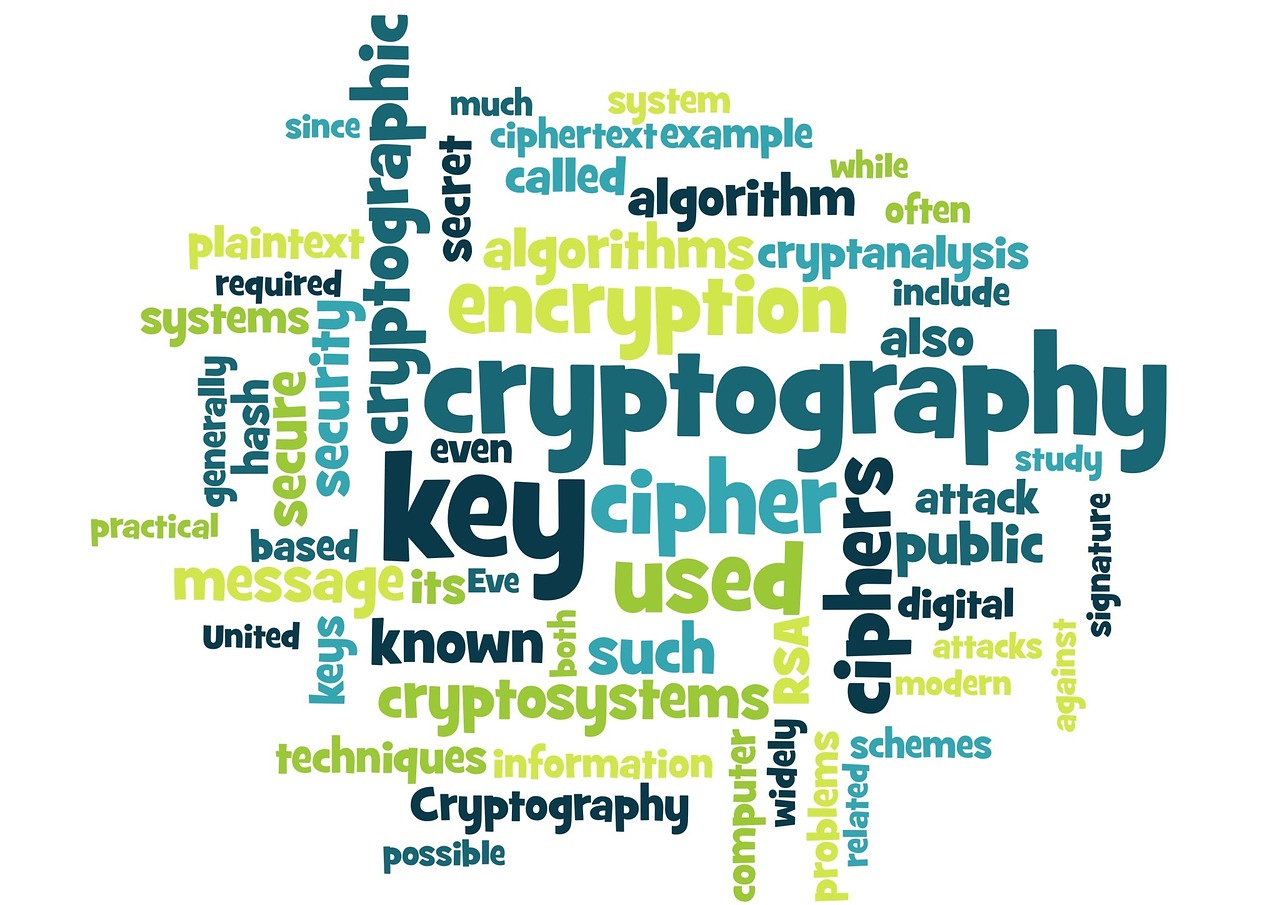 # Introduction: In the dynamic realm of technological innovation, learning blockchain technology not only offers an array of professional opportunities but also holds the promise of substantial earning potential. This blog post delves into the multifaceted advantages of acquiring proficiency in blockchain technology, highlighting the financial rewards it can bring to your career. ## **Understanding Blockchain's Financial Landscape:** Before we explore the earning potential, it's essential to grasp the economic impact of blockchain technology. Blockchain's disruption of traditional industries, its role in creating new revenue streams, and its influence on financial markets underscore its significance in the world of finance and beyond. ## **High Demand for Blockchain Professionals:** The demand for skilled blockchain professionals is on a steady rise. As more industries adopt blockchain for various use cases, there's a scarcity of experts who can design, implement, and manage blockchain solutions. This demand-supply gap translates into competitive salaries and lucrative compensation packages. ## **Blockchain Developer Salaries:** Among the most financially rewarding roles in the blockchain ecosystem are blockchain developers. Skilled developers proficient in languages like Solidity (for Ethereum) or languages compatible with other blockchain platforms are in exceptionally high demand. The median annual salary for blockchain developers is often significantly higher than that of traditional software developers. ## **Cryptocurrency and Token Economics:** Acquiring knowledge of blockchain technology also introduces you to the realm of cryptocurrencies and token economics. Proficiency in understanding and managing digital assets, creating blockchain-based tokens, and participating in Initial Coin Offerings (ICOs) can open avenues for substantial financial gains. ## **Freelance Opportunities and Consulting:** As a blockchain expert, you have the flexibility to work on freelance projects or offer consulting services to businesses seeking blockchain integration. The freelance market for blockchain professionals is robust, enabling you to set your rates and potentially earn a lucrative income. ## **Entrepreneurial Ventures:** Learning blockchain positions you to explore entrepreneurial ventures in the blockchain space. Whether you're launching your own Initial Token Offerings (ITOs), building decentralized applications (DApps), or pioneering innovative blockchain solutions, the financial rewards of successful ventures can be substantial. ## **Investment and Trading Opportunities:** Understanding blockchain and cryptocurrencies empowers you to make informed investment decisions and engage in trading activities. Proficiency in analyzing market trends, assessing token values, and executing strategic trades can lead to potential financial gains. ## **Industry-Specific Earnings:** The earning potential through blockchain technology extends to various industries. Whether you're in finance, healthcare, supply chain, or real estate, your blockchain expertise can enable you to earn higher compensation by driving innovation and efficiency within your sector. ## **Continual Learning and Career Advancement:** As blockchain technology evolves, your earning potential grows alongside it. By staying updated with the latest trends, advancements, and industry demands, you position yourself for continued career growth and the opportunity to command premium compensation. ## **Conclusion: A World of Financial Opportunities:** Learning blockchain technology isn't just about acquiring technical skills; it's about entering a realm of abundant financial opportunities. From lucrative developer roles to entrepreneurial ventures, investments, and industry-specific applications, blockchain proficiency can elevate your earning potential and establish you as a sought-after expert in a rapidly evolving digital landscape. |
| json metadata | {"tags":["blockchain","technology","earning","potential","career","opportunities","financial"],"image":["https://cdn.steemitimages.com/DQmY6SyJ48ox6qr7HcSYE6nLF4hEBGq29RRhhV7JaQTs3dn/cryptography-1091254_1280.jpg"],"app":"steemit/0.2","format":"markdown"} |
| parent author | |
| parent permlink | hive-176199 |
| permlink | unveiling-the-benefits-of-learning-blockchain-technology-and-its-lucrative-earning-potential |
| title | Unveiling the Benefits of Learning Blockchain Technology and Its Lucrative Earning Potential |
| Transaction Info | Block #77049582/Trx b49cb7bc4be71fa00459fa09e77652104b588d42 |
View Raw JSON Data
{
"block": 77049582,
"op": [
"comment",
{
"author": "hussa",
"body": "\n\n\n# Introduction:\nIn the dynamic realm of technological innovation, learning blockchain technology not only offers an array of professional opportunities but also holds the promise of substantial earning potential. This blog post delves into the multifaceted advantages of acquiring proficiency in blockchain technology, highlighting the financial rewards it can bring to your career.\n\n## **Understanding Blockchain's Financial Landscape:**\nBefore we explore the earning potential, it's essential to grasp the economic impact of blockchain technology. Blockchain's disruption of traditional industries, its role in creating new revenue streams, and its influence on financial markets underscore its significance in the world of finance and beyond.\n\n## **High Demand for Blockchain Professionals:**\nThe demand for skilled blockchain professionals is on a steady rise. As more industries adopt blockchain for various use cases, there's a scarcity of experts who can design, implement, and manage blockchain solutions. This demand-supply gap translates into competitive salaries and lucrative compensation packages.\n\n## **Blockchain Developer Salaries:**\nAmong the most financially rewarding roles in the blockchain ecosystem are blockchain developers. Skilled developers proficient in languages like Solidity (for Ethereum) or languages compatible with other blockchain platforms are in exceptionally high demand. The median annual salary for blockchain developers is often significantly higher than that of traditional software developers.\n\n## **Cryptocurrency and Token Economics:**\nAcquiring knowledge of blockchain technology also introduces you to the realm of cryptocurrencies and token economics. Proficiency in understanding and managing digital assets, creating blockchain-based tokens, and participating in Initial Coin Offerings (ICOs) can open avenues for substantial financial gains.\n\n## **Freelance Opportunities and Consulting:**\nAs a blockchain expert, you have the flexibility to work on freelance projects or offer consulting services to businesses seeking blockchain integration. The freelance market for blockchain professionals is robust, enabling you to set your rates and potentially earn a lucrative income.\n\n## **Entrepreneurial Ventures:**\nLearning blockchain positions you to explore entrepreneurial ventures in the blockchain space. Whether you're launching your own Initial Token Offerings (ITOs), building decentralized applications (DApps), or pioneering innovative blockchain solutions, the financial rewards of successful ventures can be substantial.\n\n## **Investment and Trading Opportunities:**\nUnderstanding blockchain and cryptocurrencies empowers you to make informed investment decisions and engage in trading activities. Proficiency in analyzing market trends, assessing token values, and executing strategic trades can lead to potential financial gains.\n\n## **Industry-Specific Earnings:**\nThe earning potential through blockchain technology extends to various industries. Whether you're in finance, healthcare, supply chain, or real estate, your blockchain expertise can enable you to earn higher compensation by driving innovation and efficiency within your sector.\n\n## **Continual Learning and Career Advancement:**\nAs blockchain technology evolves, your earning potential grows alongside it. By staying updated with the latest trends, advancements, and industry demands, you position yourself for continued career growth and the opportunity to command premium compensation.\n\n## **Conclusion: A World of Financial Opportunities:**\nLearning blockchain technology isn't just about acquiring technical skills; it's about entering a realm of abundant financial opportunities. From lucrative developer roles to entrepreneurial ventures, investments, and industry-specific applications, blockchain proficiency can elevate your earning potential and establish you as a sought-after expert in a rapidly evolving digital landscape.",
"json_metadata": "{\"tags\":[\"blockchain\",\"technology\",\"earning\",\"potential\",\"career\",\"opportunities\",\"financial\"],\"image\":[\"https://cdn.steemitimages.com/DQmY6SyJ48ox6qr7HcSYE6nLF4hEBGq29RRhhV7JaQTs3dn/cryptography-1091254_1280.jpg\"],\"app\":\"steemit/0.2\",\"format\":\"markdown\"}",
"parent_author": "",
"parent_permlink": "hive-176199",
"permlink": "unveiling-the-benefits-of-learning-blockchain-technology-and-its-lucrative-earning-potential",
"title": "Unveiling the Benefits of Learning Blockchain Technology and Its Lucrative Earning Potential"
}
],
"op_in_trx": 0,
"timestamp": "2023-08-07T13:49:06",
"trx_id": "b49cb7bc4be71fa00459fa09e77652104b588d42",
"trx_in_block": 0,
"virtual_op": 0
}2023/08/07 13:43:15
2023/08/07 13:43:15
| author | hussa |
| permlink | leveraging-bitcoin-mining-for-environmental-benefit-a-surprising-perspective |
| voter | hussa |
| weight | 10000 (100.00%) |
| Transaction Info | Block #77049465/Trx 025a8f495f3e1d6e722284e859ef21e6b435f39c |
View Raw JSON Data
{
  "block": 77049465,
  "op": [
    "vote",
    {
      "author": "hussa",
      "permlink": "leveraging-bitcoin-mining-for-environmental-benefit-a-surprising-perspective",
      "voter": "hussa",
      "weight": 10000
    }
  ],
  "op_in_trx": 0,
  "timestamp": "2023-08-07T13:43:15",
  "trx_id": "025a8f495f3e1d6e722284e859ef21e6b435f39c",
  "trx_in_block": 3,
  "virtual_op": 0
}hussapublished a new post: leveraging-bitcoin-mining-for-environmental-benefit-a-surprising-perspective2023/08/07 13:43:06
hussapublished a new post: leveraging-bitcoin-mining-for-environmental-benefit-a-surprising-perspective
2023/08/07 13:43:06
| author | hussa |
| body |  # Introduction: Bitcoin mining has often been criticized for its energy-intensive nature, but there's a side to this process that's less discussed – its potential positive impact on the environment. In this blog post, we'll explore how bitcoin mining can be harnessed to drive environmental benefits and contribute to a more sustainable future. ## **Harnessing Excess Energy:** One of the innovative ways that bitcoin mining can benefit the environment is by utilizing excess or stranded energy sources. By locating mining operations near renewable energy sites or repurposing wasted energy from industrial processes, miners can effectively "recycle" energy that would otherwise be lost. ## **Promoting Renewable Energy Adoption:** Bitcoin mining can incentivize the adoption of renewable energy sources, such as solar, wind, and hydroelectric power. Miners seeking cost-effective energy solutions are more likely to invest in green energy infrastructure, thereby driving demand for sustainable technologies. ## **Grid Stabilization and Energy Storage:** Bitcoin mining operations can play a role in grid stabilization by consuming excess energy during off-peak hours and providing an additional demand outlet. Moreover, miners can use their operations to help manage energy storage systems, balancing the grid and reducing waste. ## **Funding Renewable Energy Projects:** Mining farms can contribute to funding renewable energy projects by allocating a portion of their mining profits toward such initiatives. This financial support can accelerate the development and implementation of clean energy solutions. ## **Research and Technological Advancement:** Bitcoin mining encourages technological innovation in energy efficiency. Miners are continually seeking ways to optimize their operations and reduce energy consumption, which can lead to the development of more efficient hardware and energy-saving techniques. ## **Carbon Offsetting and Emission Reduction:** Some mining operations are actively working to offset their carbon emissions by participating in carbon credit programs or investing in reforestation projects. These initiatives can help mitigate the environmental impact of mining activities. ## **Creating Sustainable Economies:** Bitcoin mining has the potential to foster sustainable economic development in regions with abundant renewable energy resources. By attracting mining operations, these areas can experience job creation, increased revenue, and infrastructure development. ## **Raising Environmental Awareness:** The intersection of blockchain technology and environmental sustainability can bring attention to green initiatives and inspire a broader audience to explore renewable energy solutions. ## **Collaboration with Eco-Friendly Projects:** Miners can collaborate with eco-friendly projects and organizations that focus on environmental conservation, further aligning the mining industry with sustainability goals. ## **Shifting Perceptions and Narratives:** By highlighting the ways in which bitcoin mining can benefit the environment, the industry can shift public perception from viewing it solely as an energy-consuming activity to recognizing its potential positive role in advancing sustainability. While bitcoin mining's energy consumption is a topic of concern, it's important to acknowledge the potential environmental benefits that can arise from this process. By leveraging excess energy, promoting renewable sources, and actively engaging in eco-friendly initiatives, the mining industry has the opportunity to contribute to a greener, more sustainable future. By embracing innovative approaches and collaborating with other sectors, bitcoin mining can demonstrate its commitment to both technological advancement and environmental stewardship. ## **Green Mining Initiatives:** Mining companies and organizations are increasingly adopting green mining initiatives that prioritize environmental sustainability. These initiatives focus on reducing the carbon footprint of mining operations through the use of renewable energy, energy-efficient hardware, and responsible waste management practices. ## **Decentralized Energy Distribution:** Bitcoin mining can facilitate the development of decentralized energy distribution networks. In regions with limited access to traditional energy sources, distributed mining operations powered by solar panels or wind turbines can provide a reliable source of energy for local communities. ## **Eco-Friendly Proof-of-Work Algorithms:** Efforts are underway to develop eco-friendly proof-of-work (PoW) algorithms that require less energy-intensive computations. These new algorithms aim to maintain the security of the blockchain while minimizing the environmental impact of mining. ## **Circular Economy and E-Waste Management:** Bitcoin mining can promote a circular economy by encouraging the recycling and repurposing of electronic waste (e-waste). Mining operations can partner with recycling facilities to recover valuable components from discarded electronics, reducing the environmental impact of e-waste disposal. ## **Community Engagement and Education:** Bitcoin mining can engage local communities by creating educational programs and workshops on renewable energy, sustainable practices, and blockchain technology. This empowers communities to adopt cleaner energy solutions and actively participate in environmentally conscious initiatives. ## **Environmental Impact Assessments:** Mining operations can conduct thorough environmental impact assessments to identify potential risks and develop mitigation strategies. By proactively addressing environmental concerns, miners can ensure that their operations align with sustainable practices. ## **Collaboration with Research Institutions:** Bitcoin mining companies can collaborate with research institutions to explore innovative technologies and solutions for reducing energy consumption and carbon emissions. These partnerships can lead to groundbreaking advancements in energy-efficient mining. ## **Public-Private Partnerships:** Governments and private enterprises can form partnerships to support and incentivize eco-friendly bitcoin mining operations. Through subsidies, grants, or tax incentives, these partnerships can accelerate the adoption of sustainable mining practices. ## **Green Data Centers:** Bitcoin mining operations can invest in green data center infrastructure that incorporates energy-efficient cooling systems, efficient power distribution, and renewable energy sources to minimize the environmental impact of their operations. ## **Advocacy for Sustainable Mining:** The bitcoin mining industry can actively advocate for and participate in discussions surrounding sustainable practices within the broader blockchain and cryptocurrency ecosystem. By showcasing its commitment to environmental responsibility, the industry can drive positive change and encourage similar initiatives across the space. ## Conclusion: While bitcoin mining's energy consumption remains a valid concern, the industry is evolving to prioritize environmental sustainability and contribute to positive change. By embracing innovative technologies, collaborating with renewable energy initiatives, and promoting responsible practices, bitcoin mining can position itself as a catalyst for eco-friendly advancements. As the industry continues to adapt and innovate, it has the potential to redefine its role in the pursuit of a greener and more sustainable future. |
| json metadata | {"tags":["bitcoin","mining","environmental","sustainability","renewable","energy","efficiency"],"image":["https://cdn.steemitimages.com/DQmder1R8s8ZP5SJXT7C3HFjS6onBCodU4fuy21sZ2WU32n/matrix-3109378_1280.jpg"],"app":"steemit/0.2","format":"markdown"} |
| parent author | |
| parent permlink | hive-176199 |
| permlink | leveraging-bitcoin-mining-for-environmental-benefit-a-surprising-perspective |
| title | Leveraging Bitcoin Mining for Environmental Benefit: A Surprising Perspective |
| Transaction Info | Block #77049462/Trx 3438bffcb50ac52feee4a5deafc88076e8731692 |
View Raw JSON Data
{
"block": 77049462,
"op": [
"comment",
{
"author": "hussa",
"body": "\n\n\n# Introduction:\nBitcoin mining has often been criticized for its energy-intensive nature, but there's a side to this process that's less discussed – its potential positive impact on the environment. In this blog post, we'll explore how bitcoin mining can be harnessed to drive environmental benefits and contribute to a more sustainable future.\n\n## **Harnessing Excess Energy:**\nOne of the innovative ways that bitcoin mining can benefit the environment is by utilizing excess or stranded energy sources. By locating mining operations near renewable energy sites or repurposing wasted energy from industrial processes, miners can effectively \"recycle\" energy that would otherwise be lost.\n\n## **Promoting Renewable Energy Adoption:**\nBitcoin mining can incentivize the adoption of renewable energy sources, such as solar, wind, and hydroelectric power. Miners seeking cost-effective energy solutions are more likely to invest in green energy infrastructure, thereby driving demand for sustainable technologies.\n\n## **Grid Stabilization and Energy Storage:**\nBitcoin mining operations can play a role in grid stabilization by consuming excess energy during off-peak hours and providing an additional demand outlet. Moreover, miners can use their operations to help manage energy storage systems, balancing the grid and reducing waste.\n\n## **Funding Renewable Energy Projects:**\nMining farms can contribute to funding renewable energy projects by allocating a portion of their mining profits toward such initiatives. This financial support can accelerate the development and implementation of clean energy solutions.\n\n## **Research and Technological Advancement:**\nBitcoin mining encourages technological innovation in energy efficiency. Miners are continually seeking ways to optimize their operations and reduce energy consumption, which can lead to the development of more efficient hardware and energy-saving techniques.\n\n## **Carbon Offsetting and Emission Reduction:**\nSome mining operations are actively working to offset their carbon emissions by participating in carbon credit programs or investing in reforestation projects. These initiatives can help mitigate the environmental impact of mining activities.\n\n## **Creating Sustainable Economies:**\nBitcoin mining has the potential to foster sustainable economic development in regions with abundant renewable energy resources. By attracting mining operations, these areas can experience job creation, increased revenue, and infrastructure development.\n\n## **Raising Environmental Awareness:**\nThe intersection of blockchain technology and environmental sustainability can bring attention to green initiatives and inspire a broader audience to explore renewable energy solutions.\n\n## **Collaboration with Eco-Friendly Projects:**\nMiners can collaborate with eco-friendly projects and organizations that focus on environmental conservation, further aligning the mining industry with sustainability goals.\n\n## **Shifting Perceptions and Narratives:**\nBy highlighting the ways in which bitcoin mining can benefit the environment, the industry can shift public perception from viewing it solely as an energy-consuming activity to recognizing its potential positive role in advancing sustainability.\n\n\nWhile bitcoin mining's energy consumption is a topic of concern, it's important to acknowledge the potential environmental benefits that can arise from this process. By leveraging excess energy, promoting renewable sources, and actively engaging in eco-friendly initiatives, the mining industry has the opportunity to contribute to a greener, more sustainable future. By embracing innovative approaches and collaborating with other sectors, bitcoin mining can demonstrate its commitment to both technological advancement and environmental stewardship.\n\n## **Green Mining Initiatives:**\nMining companies and organizations are increasingly adopting green mining initiatives that prioritize environmental sustainability. These initiatives focus on reducing the carbon footprint of mining operations through the use of renewable energy, energy-efficient hardware, and responsible waste management practices.\n\n## **Decentralized Energy Distribution:**\nBitcoin mining can facilitate the development of decentralized energy distribution networks. In regions with limited access to traditional energy sources, distributed mining operations powered by solar panels or wind turbines can provide a reliable source of energy for local communities.\n\n## **Eco-Friendly Proof-of-Work Algorithms:**\nEfforts are underway to develop eco-friendly proof-of-work (PoW) algorithms that require less energy-intensive computations. These new algorithms aim to maintain the security of the blockchain while minimizing the environmental impact of mining.\n\n## **Circular Economy and E-Waste Management:**\nBitcoin mining can promote a circular economy by encouraging the recycling and repurposing of electronic waste (e-waste). Mining operations can partner with recycling facilities to recover valuable components from discarded electronics, reducing the environmental impact of e-waste disposal.\n\n## **Community Engagement and Education:**\nBitcoin mining can engage local communities by creating educational programs and workshops on renewable energy, sustainable practices, and blockchain technology. This empowers communities to adopt cleaner energy solutions and actively participate in environmentally conscious initiatives.\n\n## **Environmental Impact Assessments:**\nMining operations can conduct thorough environmental impact assessments to identify potential risks and develop mitigation strategies. By proactively addressing environmental concerns, miners can ensure that their operations align with sustainable practices.\n\n## **Collaboration with Research Institutions:**\nBitcoin mining companies can collaborate with research institutions to explore innovative technologies and solutions for reducing energy consumption and carbon emissions. These partnerships can lead to groundbreaking advancements in energy-efficient mining.\n\n## **Public-Private Partnerships:**\nGovernments and private enterprises can form partnerships to support and incentivize eco-friendly bitcoin mining operations. Through subsidies, grants, or tax incentives, these partnerships can accelerate the adoption of sustainable mining practices.\n\n## **Green Data Centers:**\nBitcoin mining operations can invest in green data center infrastructure that incorporates energy-efficient cooling systems, efficient power distribution, and renewable energy sources to minimize the environmental impact of their operations.\n\n## **Advocacy for Sustainable Mining:**\nThe bitcoin mining industry can actively advocate for and participate in discussions surrounding sustainable practices within the broader blockchain and cryptocurrency ecosystem. By showcasing its commitment to environmental responsibility, the industry can drive positive change and encourage similar initiatives across the space.\n\n## Conclusion:\nWhile bitcoin mining's energy consumption remains a valid concern, the industry is evolving to prioritize environmental sustainability and contribute to positive change. By embracing innovative technologies, collaborating with renewable energy initiatives, and promoting responsible practices, bitcoin mining can position itself as a catalyst for eco-friendly advancements. As the industry continues to adapt and innovate, it has the potential to redefine its role in the pursuit of a greener and more sustainable future.",
"json_metadata": "{\"tags\":[\"bitcoin\",\"mining\",\"environmental\",\"sustainability\",\"renewable\",\"energy\",\"efficiency\"],\"image\":[\"https://cdn.steemitimages.com/DQmder1R8s8ZP5SJXT7C3HFjS6onBCodU4fuy21sZ2WU32n/matrix-3109378_1280.jpg\"],\"app\":\"steemit/0.2\",\"format\":\"markdown\"}",
"parent_author": "",
"parent_permlink": "hive-176199",
"permlink": "leveraging-bitcoin-mining-for-environmental-benefit-a-surprising-perspective",
"title": "Leveraging Bitcoin Mining for Environmental Benefit: A Surprising Perspective"
}
],
"op_in_trx": 0,
"timestamp": "2023-08-07T13:43:06",
"trx_id": "3438bffcb50ac52feee4a5deafc88076e8731692",
"trx_in_block": 0,
"virtual_op": 0
}2023/08/07 13:24:33
2023/08/07 13:24:33
| author | hussa |
| permlink | unlocking-the-potential-why-connecting-your-business-with-blockchain-is-a-game-changer |
| voter | hussa |
| weight | 10000 (100.00%) |
| Transaction Info | Block #77049091/Trx 55448d2fd5bba74827990194f8f3e32860d30985 |
View Raw JSON Data
{
  "block": 77049091,
  "op": [
    "vote",
    {
      "author": "hussa",
      "permlink": "unlocking-the-potential-why-connecting-your-business-with-blockchain-is-a-game-changer",
      "voter": "hussa",
      "weight": 10000
    }
  ],
  "op_in_trx": 0,
  "timestamp": "2023-08-07T13:24:33",
  "trx_id": "55448d2fd5bba74827990194f8f3e32860d30985",
  "trx_in_block": 3,
  "virtual_op": 0
}2023/08/07 13:24:24
2023/08/07 13:24:24
| author | hussa |
| body |  # Introduction: In a world characterized by rapid technological advancements, blockchain technology has emerged as a transformative force with the potential to reshape industries and redefine business processes. This blog post explores the compelling reasons why your business should consider embracing blockchain technology and the myriad benefits it brings. ## **Enhanced Security and Immutability:** Blockchain's decentralized and cryptographic nature ensures that data is stored across a network of computers, making it highly resistant to tampering and unauthorized access. By connecting your business with blockchain, you fortify the security of your sensitive information, protecting it from breaches and cyber threats. ## **Transparency and Accountability:** Blockchain's transparent and tamper-proof ledger ensures that all transactions are recorded and visible to authorized parties. This fosters trust among stakeholders, as they can independently verify transactions and trace the origin of assets or products throughout the supply chain. ## **Streamlined Supply Chain Management:** Integrating your business with blockchain can revolutionize supply chain management by enabling real-time tracking, authentication, and verification of goods. Smart contracts automate processes such as payments and shipments, reducing delays and increasing operational efficiency. ## **Reduced Intermediaries and Costs:** Blockchain eliminates the need for intermediaries in transactions and processes, cutting down associated fees and operational costs. This direct peer-to-peer interaction can accelerate financial settlements and enhance overall cost-effectiveness. ## **Improved Data Management and Sharing:** Blockchain provides a secure and standardized way to share and manage data across different departments or organizations. This eliminates data silos, reduces data duplication, and ensures data consistency, leading to improved decision-making. ## **Enabling New Business Models:** By connecting your business with blockchain, you open the door to innovative business models. Tokenization allows you to create digital assets that represent ownership, access, or entitlements, enabling new revenue streams and customer engagement strategies. ## **Decentralized Finance (DeFi) Opportunities:** Blockchain enables access to decentralized financial services, including lending, borrowing, and yield farming. Integrating with DeFi platforms can offer your business new avenues for financing and investment. ## **Enhanced Customer Trust and Loyalty:** Blockchain's transparency and traceability can enhance customer trust by providing verifiable information about products, services, and transactions. This increased transparency can lead to stronger customer relationships and brand loyalty. ## **Intellectual Property Protection:** Blockchain's timestamping and immutable record-keeping can help protect intellectual property rights by providing an indisputable proof of ownership and creation date for digital assets. ## **Future-Proofing Your Business:** Blockchain is a rapidly evolving technology with the potential to disrupt various industries. By connecting your business with blockchain, you position yourself to adapt and thrive in a digital future, gaining a competitive edge over those who lag behind. As **blockchain technology** continues to mature and gain traction, the benefits of connecting your business with blockchain become increasingly evident. Enhanced security, transparency, cost savings, and the ability to innovate are just a few of the advantages that await those who embrace this transformative technology. By integrating blockchain into your business strategy, you position your organization at the forefront of innovation and ensure its relevance in the ever-evolving digital landscape. ## **Decentralization and Governance:** Blockchain's decentralized nature allows for distributed decision-making, enabling more democratic governance structures within your business. Decentralized applications (DApps) and smart contracts can facilitate voting, consensus-building, and collaborative decision-making among stakeholders. ## **Real-Time Auditing and Compliance:** Blockchain's transparent and immutable ledger simplifies auditing processes and ensures compliance with industry regulations. It provides a real-time, tamper-proof record of transactions and activities, reducing the complexity of regulatory reporting. ## **Global Market Access:** Blockchain enables borderless transactions and payments, allowing your business to expand its market reach beyond geographical limitations. Cryptocurrencies and blockchain-based tokens provide a means of conducting transactions with international customers without the need for currency conversion. ## **Data Privacy and Consent Management:** Blockchain allows individuals to have control over their personal data through self-sovereign identity solutions. By connecting your business with blockchain, you can empower customers to manage their data, grant consent for its use, and increase privacy protection. ## **Sustainable and Green Initiatives:** Blockchain can contribute to sustainability efforts by providing transparent tracking of supply chains, verifying the authenticity of sustainable practices, and reducing waste through efficient inventory management. ## **Cross-Industry Collaboration:** Blockchain enables secure and transparent collaboration among different stakeholders across industries. By connecting your business with blockchain, you can participate in consortia and alliances, fostering innovation and shared solutions. ## **Token Economy and Loyalty Programs:** Integrating blockchain allows you to create token-based loyalty programs, enhancing customer engagement and incentivizing repeat business. Tokens can be used to reward loyal customers, encouraging brand advocacy and boosting sales. ## **Resilience and Disaster Recovery:** Blockchain's distributed nature ensures data redundancy and reduces the risk of data loss due to centralized failures. It provides a more resilient infrastructure for disaster recovery and business continuity. ## **Reducing Counterfeit and Fraud:** Blockchain's ability to verify and track the origin of assets or products helps combat counterfeiting and fraud. It ensures that customers receive authentic and high-quality products, enhancing your brand's reputation. ## **Innovation and Competitive Advantage:** By embracing blockchain, your business signals its commitment to innovation, attracting tech-savvy customers and partners. Early adoption of blockchain technology can provide a competitive edge and establish your business as a leader in your industry. Conclusion: Connecting your business with blockchain is more than a technological upgrade; it's a strategic decision that can revolutionize the way you operate, interact with stakeholders, and drive growth. The diverse benefits, from enhanced security and transparency to innovation and global market access, position blockchain as a game-changer in the business landscape. By capitalizing on the opportunities presented by blockchain technology, you can future-proof your business and embark on a transformative journey toward success in the digital age. |
| json metadata | {"tags":["blockchain","technology","business","transformation","data","security","transparency"],"image":["https://cdn.steemitimages.com/DQmbX58jRQR3h7diKNA39QeRNde42ApL7qJ17w8pMG5pxUb/technology-5866650_1280.jpg"],"app":"steemit/0.2","format":"markdown"} |
| parent author | |
| parent permlink | hive-176199 |
| permlink | unlocking-the-potential-why-connecting-your-business-with-blockchain-is-a-game-changer |
| title | Unlocking the Potential: Why Connecting Your Business with Blockchain is a Game-Changer |
| Transaction Info | Block #77049088/Trx f32aa6a417e33e47539eb3d34c8c7e7b12327adf |
View Raw JSON Data
{
"block": 77049088,
"op": [
"comment",
{
"author": "hussa",
"body": "\n\n\n# Introduction:\nIn a world characterized by rapid technological advancements, blockchain technology has emerged as a transformative force with the potential to reshape industries and redefine business processes. This blog post explores the compelling reasons why your business should consider embracing blockchain technology and the myriad benefits it brings.\n\n## **Enhanced Security and Immutability:**\nBlockchain's decentralized and cryptographic nature ensures that data is stored across a network of computers, making it highly resistant to tampering and unauthorized access. By connecting your business with blockchain, you fortify the security of your sensitive information, protecting it from breaches and cyber threats.\n\n## **Transparency and Accountability:**\nBlockchain's transparent and tamper-proof ledger ensures that all transactions are recorded and visible to authorized parties. This fosters trust among stakeholders, as they can independently verify transactions and trace the origin of assets or products throughout the supply chain.\n\n## **Streamlined Supply Chain Management:**\nIntegrating your business with blockchain can revolutionize supply chain management by enabling real-time tracking, authentication, and verification of goods. Smart contracts automate processes such as payments and shipments, reducing delays and increasing operational efficiency.\n\n## **Reduced Intermediaries and Costs:**\nBlockchain eliminates the need for intermediaries in transactions and processes, cutting down associated fees and operational costs. This direct peer-to-peer interaction can accelerate financial settlements and enhance overall cost-effectiveness.\n\n## **Improved Data Management and Sharing:**\nBlockchain provides a secure and standardized way to share and manage data across different departments or organizations. This eliminates data silos, reduces data duplication, and ensures data consistency, leading to improved decision-making.\n\n## **Enabling New Business Models:**\nBy connecting your business with blockchain, you open the door to innovative business models. Tokenization allows you to create digital assets that represent ownership, access, or entitlements, enabling new revenue streams and customer engagement strategies.\n\n## **Decentralized Finance (DeFi) Opportunities:**\nBlockchain enables access to decentralized financial services, including lending, borrowing, and yield farming. Integrating with DeFi platforms can offer your business new avenues for financing and investment.\n\n## **Enhanced Customer Trust and Loyalty:**\nBlockchain's transparency and traceability can enhance customer trust by providing verifiable information about products, services, and transactions. This increased transparency can lead to stronger customer relationships and brand loyalty.\n\n## **Intellectual Property Protection:**\nBlockchain's timestamping and immutable record-keeping can help protect intellectual property rights by providing an indisputable proof of ownership and creation date for digital assets.\n\n## **Future-Proofing Your Business:**\nBlockchain is a rapidly evolving technology with the potential to disrupt various industries. By connecting your business with blockchain, you position yourself to adapt and thrive in a digital future, gaining a competitive edge over those who lag behind.\n\n\nAs **blockchain technology** continues to mature and gain traction, the benefits of connecting your business with blockchain become increasingly evident. Enhanced security, transparency, cost savings, and the ability to innovate are just a few of the advantages that await those who embrace this transformative technology. By integrating blockchain into your business strategy, you position your organization at the forefront of innovation and ensure its relevance in the ever-evolving digital landscape.\n\n## **Decentralization and Governance:**\nBlockchain's decentralized nature allows for distributed decision-making, enabling more democratic governance structures within your business. Decentralized applications (DApps) and smart contracts can facilitate voting, consensus-building, and collaborative decision-making among stakeholders.\n\n## **Real-Time Auditing and Compliance:**\nBlockchain's transparent and immutable ledger simplifies auditing processes and ensures compliance with industry regulations. It provides a real-time, tamper-proof record of transactions and activities, reducing the complexity of regulatory reporting.\n\n## **Global Market Access:**\nBlockchain enables borderless transactions and payments, allowing your business to expand its market reach beyond geographical limitations. Cryptocurrencies and blockchain-based tokens provide a means of conducting transactions with international customers without the need for currency conversion.\n\n## **Data Privacy and Consent Management:**\nBlockchain allows individuals to have control over their personal data through self-sovereign identity solutions. By connecting your business with blockchain, you can empower customers to manage their data, grant consent for its use, and increase privacy protection.\n\n## **Sustainable and Green Initiatives:**\nBlockchain can contribute to sustainability efforts by providing transparent tracking of supply chains, verifying the authenticity of sustainable practices, and reducing waste through efficient inventory management.\n\n## **Cross-Industry Collaboration:**\nBlockchain enables secure and transparent collaboration among different stakeholders across industries. By connecting your business with blockchain, you can participate in consortia and alliances, fostering innovation and shared solutions.\n\n## **Token Economy and Loyalty Programs:**\nIntegrating blockchain allows you to create token-based loyalty programs, enhancing customer engagement and incentivizing repeat business. Tokens can be used to reward loyal customers, encouraging brand advocacy and boosting sales.\n\n## **Resilience and Disaster Recovery:**\nBlockchain's distributed nature ensures data redundancy and reduces the risk of data loss due to centralized failures. It provides a more resilient infrastructure for disaster recovery and business continuity.\n\n## **Reducing Counterfeit and Fraud:**\nBlockchain's ability to verify and track the origin of assets or products helps combat counterfeiting and fraud. It ensures that customers receive authentic and high-quality products, enhancing your brand's reputation.\n\n## **Innovation and Competitive Advantage:**\nBy embracing blockchain, your business signals its commitment to innovation, attracting tech-savvy customers and partners. Early adoption of blockchain technology can provide a competitive edge and establish your business as a leader in your industry.\n\nConclusion:\nConnecting your business with blockchain is more than a technological upgrade; it's a strategic decision that can revolutionize the way you operate, interact with stakeholders, and drive growth. The diverse benefits, from enhanced security and transparency to innovation and global market access, position blockchain as a game-changer in the business landscape. By capitalizing on the opportunities presented by blockchain technology, you can future-proof your business and embark on a transformative journey toward success in the digital age.",
"json_metadata": "{\"tags\":[\"blockchain\",\"technology\",\"business\",\"transformation\",\"data\",\"security\",\"transparency\"],\"image\":[\"https://cdn.steemitimages.com/DQmbX58jRQR3h7diKNA39QeRNde42ApL7qJ17w8pMG5pxUb/technology-5866650_1280.jpg\"],\"app\":\"steemit/0.2\",\"format\":\"markdown\"}",
"parent_author": "",
"parent_permlink": "hive-176199",
"permlink": "unlocking-the-potential-why-connecting-your-business-with-blockchain-is-a-game-changer",
"title": "Unlocking the Potential: Why Connecting Your Business with Blockchain is a Game-Changer"
}
],
"op_in_trx": 0,
"timestamp": "2023-08-07T13:24:24",
"trx_id": "f32aa6a417e33e47539eb3d34c8c7e7b12327adf",
"trx_in_block": 2,
"virtual_op": 0
}hussacustom json: notify2023/08/07 13:17:21
hussacustom json: notify
2023/08/07 13:17:21
| id | notify |
| json | ["setLastRead",{"date":"2023-08-07T13:17:19"}] |
| required auths | [] |
| required posting auths | ["hussa"] |
| Transaction Info | Block #77048948/Trx ba10001df846f0939bab5b86e2f0a3779400ed3e |
View Raw JSON Data
{
  "block": 77048948,
  "op": [
    "custom_json",
    {
      "id": "notify",
      "json": "[\"setLastRead\",{\"date\":\"2023-08-07T13:17:19\"}]",
      "required_auths": [],
      "required_posting_auths": [
        "hussa"
      ]
    }
  ],
  "op_in_trx": 0,
  "timestamp": "2023-08-07T13:17:21",
  "trx_id": "ba10001df846f0939bab5b86e2f0a3779400ed3e",
  "trx_in_block": 0,
  "virtual_op": 0
}hussaupvoted (100.00%) @hussa / exploring-the-pros-and-cons-of-smart-contracts-in-blockchain-technology2023/08/07 13:16:54
hussaupvoted (100.00%) @hussa / exploring-the-pros-and-cons-of-smart-contracts-in-blockchain-technology
2023/08/07 13:16:54
| author | hussa |
| permlink | exploring-the-pros-and-cons-of-smart-contracts-in-blockchain-technology |
| voter | hussa |
| weight | 10000 (100.00%) |
| Transaction Info | Block #77048939/Trx 3e9f145279c72f627d7634565c5eae7bc6b9d444 |
View Raw JSON Data
{
  "block": 77048939,
  "op": [
    "vote",
    {
      "author": "hussa",
      "permlink": "exploring-the-pros-and-cons-of-smart-contracts-in-blockchain-technology",
      "voter": "hussa",
      "weight": 10000
    }
  ],
  "op_in_trx": 0,
  "timestamp": "2023-08-07T13:16:54",
  "trx_id": "3e9f145279c72f627d7634565c5eae7bc6b9d444",
  "trx_in_block": 0,
  "virtual_op": 0
}hussapublished a new post: exploring-the-pros-and-cons-of-smart-contracts-in-blockchain-technology2023/08/07 13:16:39
hussapublished a new post: exploring-the-pros-and-cons-of-smart-contracts-in-blockchain-technology
2023/08/07 13:16:39
| author | hussa |
| body | 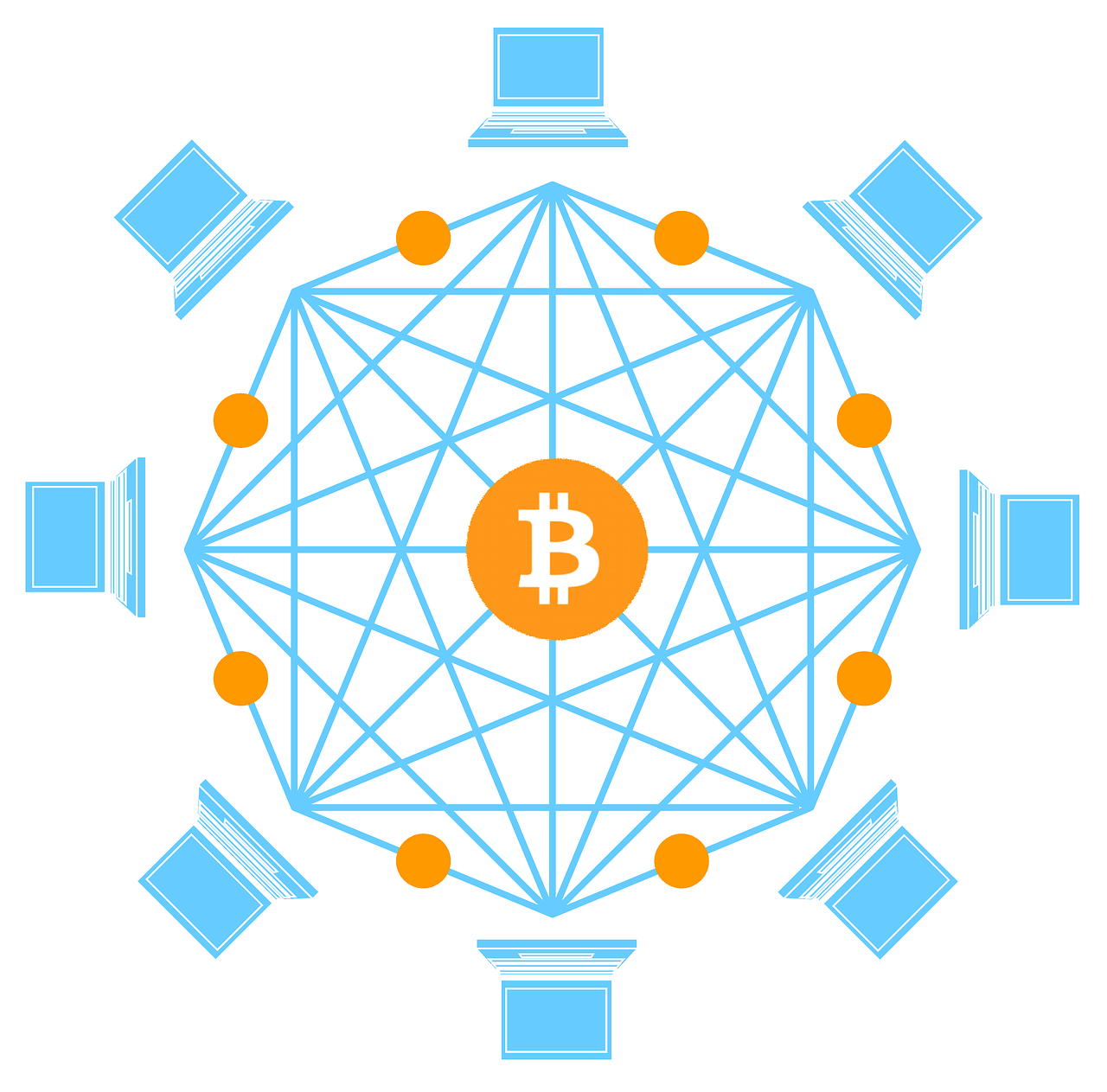 # Introduction: Smart contracts have emerged as a revolutionary application of blockchain technology, offering automated and secure execution of agreements. In this blog post, we will delve into the advantages and drawbacks of smart contracts, shedding light on their potential benefits and the challenges they present. # Pros of Smart Contracts: ## **1.1. Efficiency and Automation:** Smart contracts automate processes that traditionally require intermediaries, reducing human intervention and speeding up transactions. This efficiency leads to quicker execution, lower costs, and reduced chances of errors. ### **1.2. Trust and Security:** The transparent and tamper-resistant nature of blockchain ensures that smart contracts are executed exactly as programmed, eliminating the need to trust third parties. Once deployed, they cannot be altered or manipulated, enhancing the security and reliability of agreements. ### **1.3. Cost Savings:** By removing intermediaries, smart contracts reduce transaction fees and operational costs associated with traditional contract execution. This can be particularly advantageous for complex business processes involving multiple parties. ### **1.4. Transparency and Audibility:** Smart contracts operate on a decentralized ledger, providing all involved parties with real-time visibility into the contract's execution. This transparency enhances accountability and simplifies auditing processes. ### **1.5. Time-Saving:** Smart contracts significantly reduce the time required to negotiate, draft, and execute agreements. This speed is especially beneficial in time-sensitive industries, such as supply chain management and financial services. ### **1.6. Accessibility and Inclusivity:** Smart contracts can be accessed by anyone with an internet connection, enabling global participation without geographical restrictions. This inclusivity opens up new possibilities for businesses and individuals alike. # **2. Cons of Smart Contracts:** ## **2.1. Technical Complexity:** Developing and deploying smart contracts require expertise in programming and blockchain technology. The complexity can be a barrier for non-technical individuals and organizations, leading to potential errors or vulnerabilities. ### **2.2. Immutability Challenges:** While immutability is a strength, it can also be a drawback. In cases of bugs or errors in the code, it may be challenging to rectify them without disrupting the entire contract ecosystem. ### **2.3. Lack of Legal Recognition:** Smart contracts operate in a legal gray area in many jurisdictions. Traditional legal systems may not yet fully recognize the enforceability of smart contracts, leading to potential disputes. ### **2.4. External Data Dependence:** Smart contracts often require external data sources, known as oracles, to execute based on real-world conditions. Relying on external data introduces a potential point of failure and manipulation. ### **2.5. Irreversible Transactions:** Once a smart contract is deployed, its execution is irreversible. Mistakes or unintended actions cannot be undone, potentially leading to financial loss. ### **2.6. Scalability Challenges:** As blockchain networks become more congested, scalability issues can arise, affecting the efficiency and speed of smart contract execution. ### Conclusion: Smart contracts have the potential to revolutionize various industries by automating and streamlining agreements. Their benefits in terms of efficiency, transparency, and security are substantial. However, challenges related to technical complexity, legal recognition, and potential vulnerabilities must also be acknowledged. As the blockchain ecosystem evolves, addressing these cons while maximizing the pros will be crucial to realizing the full potential of smart contracts in the digital age. |
| json metadata | {"tags":["smart","contracts","blockchain","technology","efficiency","trust","security"],"image":["https://cdn.steemitimages.com/DQma8FZjsgjweNNhaQtfdRUySdR3ZtvxCs15J2aTfs2iQGh/bitcoin-3012035_1280.png"],"app":"steemit/0.2","format":"markdown"} |
| parent author | |
| parent permlink | hive-176199 |
| permlink | exploring-the-pros-and-cons-of-smart-contracts-in-blockchain-technology |
| title | Exploring the Pros and Cons of Smart Contracts in Blockchain Technology |
| Transaction Info | Block #77048934/Trx 82083a0e79b0b2ac8661c37f88f9d998bc520057 |
View Raw JSON Data
{
"block": 77048934,
"op": [
"comment",
{
"author": "hussa",
"body": "\n\n\n# Introduction:\nSmart contracts have emerged as a revolutionary application of blockchain technology, offering automated and secure execution of agreements. In this blog post, we will delve into the advantages and drawbacks of smart contracts, shedding light on their potential benefits and the challenges they present.\n\n# Pros of Smart Contracts:\n\n## **1.1. Efficiency and Automation:**\nSmart contracts automate processes that traditionally require intermediaries, reducing human intervention and speeding up transactions. This efficiency leads to quicker execution, lower costs, and reduced chances of errors.\n\n### **1.2. Trust and Security:**\nThe transparent and tamper-resistant nature of blockchain ensures that smart contracts are executed exactly as programmed, eliminating the need to trust third parties. Once deployed, they cannot be altered or manipulated, enhancing the security and reliability of agreements.\n\n### **1.3. Cost Savings:**\nBy removing intermediaries, smart contracts reduce transaction fees and operational costs associated with traditional contract execution. This can be particularly advantageous for complex business processes involving multiple parties.\n\n### **1.4. Transparency and Audibility:**\nSmart contracts operate on a decentralized ledger, providing all involved parties with real-time visibility into the contract's execution. This transparency enhances accountability and simplifies auditing processes.\n\n### **1.5. Time-Saving:**\nSmart contracts significantly reduce the time required to negotiate, draft, and execute agreements. This speed is especially beneficial in time-sensitive industries, such as supply chain management and financial services.\n\n### **1.6. Accessibility and Inclusivity:**\nSmart contracts can be accessed by anyone with an internet connection, enabling global participation without geographical restrictions. This inclusivity opens up new possibilities for businesses and individuals alike.\n\n# **2. Cons of Smart Contracts:**\n\n## **2.1. Technical Complexity:**\nDeveloping and deploying smart contracts require expertise in programming and blockchain technology. The complexity can be a barrier for non-technical individuals and organizations, leading to potential errors or vulnerabilities.\n\n### **2.2. Immutability Challenges:**\nWhile immutability is a strength, it can also be a drawback. In cases of bugs or errors in the code, it may be challenging to rectify them without disrupting the entire contract ecosystem.\n\n### **2.3. Lack of Legal Recognition:**\nSmart contracts operate in a legal gray area in many jurisdictions. Traditional legal systems may not yet fully recognize the enforceability of smart contracts, leading to potential disputes.\n\n### **2.4. External Data Dependence:**\nSmart contracts often require external data sources, known as oracles, to execute based on real-world conditions. Relying on external data introduces a potential point of failure and manipulation.\n\n### **2.5. Irreversible Transactions:**\nOnce a smart contract is deployed, its execution is irreversible. Mistakes or unintended actions cannot be undone, potentially leading to financial loss.\n\n### **2.6. Scalability Challenges:**\nAs blockchain networks become more congested, scalability issues can arise, affecting the efficiency and speed of smart contract execution.\n\n### Conclusion:\nSmart contracts have the potential to revolutionize various industries by automating and streamlining agreements. Their benefits in terms of efficiency, transparency, and security are substantial. However, challenges related to technical complexity, legal recognition, and potential vulnerabilities must also be acknowledged. As the blockchain ecosystem evolves, addressing these cons while maximizing the pros will be crucial to realizing the full potential of smart contracts in the digital age.",
"json_metadata": "{\"tags\":[\"smart\",\"contracts\",\"blockchain\",\"technology\",\"efficiency\",\"trust\",\"security\"],\"image\":[\"https://cdn.steemitimages.com/DQma8FZjsgjweNNhaQtfdRUySdR3ZtvxCs15J2aTfs2iQGh/bitcoin-3012035_1280.png\"],\"app\":\"steemit/0.2\",\"format\":\"markdown\"}",
"parent_author": "",
"parent_permlink": "hive-176199",
"permlink": "exploring-the-pros-and-cons-of-smart-contracts-in-blockchain-technology",
"title": "Exploring the Pros and Cons of Smart Contracts in Blockchain Technology"
}
],
"op_in_trx": 0,
"timestamp": "2023-08-07T13:16:39",
"trx_id": "82083a0e79b0b2ac8661c37f88f9d998bc520057",
"trx_in_block": 0,
"virtual_op": 0
}hussacustom json: follow2023/08/07 13:10:57
hussacustom json: follow
2023/08/07 13:10:57
| id | follow |
| json | ["reblog",{"account":"hussa","author":"hussa","permlink":"creating-a-token-for-free-a-step-by-step-guide"}] |
| required auths | [] |
| required posting auths | ["hussa"] |
| Transaction Info | Block #77048820/Trx b1380ad8a2067dbab6d19ea377aa600507cd0df5 |
View Raw JSON Data
{
  "block": 77048820,
  "op": [
    "custom_json",
    {
      "id": "follow",
      "json": "[\"reblog\",{\"account\":\"hussa\",\"author\":\"hussa\",\"permlink\":\"creating-a-token-for-free-a-step-by-step-guide\"}]",
      "required_auths": [],
      "required_posting_auths": [
        "hussa"
      ]
    }
  ],
  "op_in_trx": 0,
  "timestamp": "2023-08-07T13:10:57",
  "trx_id": "b1380ad8a2067dbab6d19ea377aa600507cd0df5",
  "trx_in_block": 1,
  "virtual_op": 0
}hussacustom json: notify2023/08/07 13:09:45
hussacustom json: notify
2023/08/07 13:09:45
| id | notify |
| json | ["setLastRead",{"date":"2023-08-07T13:09:43"}] |
| required auths | [] |
| required posting auths | ["hussa"] |
| Transaction Info | Block #77048796/Trx 835df6a5692428c363e383115e8c8c2a99bf154a |
View Raw JSON Data
{
  "block": 77048796,
  "op": [
    "custom_json",
    {
      "id": "notify",
      "json": "[\"setLastRead\",{\"date\":\"2023-08-07T13:09:43\"}]",
      "required_auths": [],
      "required_posting_auths": [
        "hussa"
      ]
    }
  ],
  "op_in_trx": 0,
  "timestamp": "2023-08-07T13:09:45",
  "trx_id": "835df6a5692428c363e383115e8c8c2a99bf154a",
  "trx_in_block": 4,
  "virtual_op": 0
}hussaupvoted (100.00%) @hussa / creating-a-token-for-free-a-step-by-step-guide2023/08/07 13:09:00
hussaupvoted (100.00%) @hussa / creating-a-token-for-free-a-step-by-step-guide
2023/08/07 13:09:00
| author | hussa |
| permlink | creating-a-token-for-free-a-step-by-step-guide |
| voter | hussa |
| weight | 10000 (100.00%) |
| Transaction Info | Block #77048781/Trx a4603b9942de440c05e780f8f29ecf0d2d060916 |
View Raw JSON Data
{
  "block": 77048781,
  "op": [
    "vote",
    {
      "author": "hussa",
      "permlink": "creating-a-token-for-free-a-step-by-step-guide",
      "voter": "hussa",
      "weight": 10000
    }
  ],
  "op_in_trx": 0,
  "timestamp": "2023-08-07T13:09:00",
  "trx_id": "a4603b9942de440c05e780f8f29ecf0d2d060916",
  "trx_in_block": 2,
  "virtual_op": 0
}hussapublished a new post: creating-a-token-for-free-a-step-by-step-guide2023/08/07 13:08:48
hussapublished a new post: creating-a-token-for-free-a-step-by-step-guide
2023/08/07 13:08:48
| author | hussa |
| body |  # Introduction: In the rapidly evolving world of blockchain and cryptocurrency, creating your own token has become an accessible endeavor. Tokens serve a variety of purposes, from representing digital assets to enabling functionality within decentralized applications. This guide will walk you through the process of creating a token for free, empowering you to explore this fascinating aspect of blockchain technology. ## Understanding Token Standards: Before diving into the creation process, it's crucial to grasp the different token standards available. The two most prominent ones are ERC-20 (Ethereum Request for Comment) and BEP-20 (Binance Smart Chain Token Standard). Each standard comes with its own set of features and advantages, so choose the one that aligns with your project's requirements. ## Choosing a Blockchain Platform: Decide on the blockchain platform you want to use for your token. Ethereum and Binance Smart Chain are popular choices, but other platforms like Tron and Solana also offer token creation capabilities. Research and compare the platforms to determine which one suits your needs best. ## Preparing the Development Environment: To create a token, you'll need to have a basic understanding of programming and development. Set up the necessary tools, such as a code editor and a browser with blockchain integration (e.g., MetaMask for Ethereum). ## Writing the Smart Contract: Creating a token involves writing a smart contract, which is a self-executing code that defines the token's behavior. Use a programming language like Solidity for Ethereum or Solidity-compatible languages for other platforms. Define the token's name, symbol, total supply, and other parameters within the smart contract code. ## Compiling and Deploying the Smart Contract: Compile the smart contract code into bytecode using a compiler like Solidity Compiler. Once compiled, deploy the smart contract to the chosen blockchain network using tools like Remix (for Ethereum) or Binance Smart Chain's deployment interface. ## Testing and Verification: Before making your token live, thoroughly test the smart contract on a testnet to ensure its functionality and security. Use test wallets and interact with your token to identify any bugs or vulnerabilities. Once satisfied, verify the smart contract's source code on platforms like Etherscan (for Ethereum) or BscScan (for Binance Smart Chain). ## Distributing Your Token: After successfully creating and verifying your token, you can distribute it to users. This could involve airdrops, giveaways, or partnerships. Make sure to communicate the token's use case and benefits clearly to your audience. ## Maintenance and Updates: Regularly monitor your token's performance and address any issues that arise. Consider implementing upgrades or improvements based on user feedback and changing market trends. ## Compliance and Legal Considerations: Before creating and distributing a token, be aware of the legal and regulatory requirements in your jurisdiction. Consult legal experts to ensure that your token complies with relevant laws and regulations. ## Community Building: Engage with your token's community by creating social media channels, forums, or Discord groups. Foster a sense of belonging and encourage discussions around the token's use cases and potential. Creating a token for free is an exciting way to participate in the blockchain and cryptocurrency ecosystem. By following this step-by-step guide, you'll be well-equipped to embark on your token creation journey, explore new possibilities, and contribute to the evolving world of decentralized technology. Remember, while creating a token is accessible, it requires careful planning, development, and ongoing maintenance to ensure its success. ## Designing a Tokenomics Model: Craft a tokenomics model that outlines the distribution, utility, and scarcity of your token. Consider factors like initial supply, inflation rate, and use cases within your project's ecosystem. A well-designed tokenomics model can enhance the value and adoption of your token. ## Creating a Whitepaper: Develop a comprehensive whitepaper that details your token's purpose, technology, use cases, and future plans. A whitepaper serves as a valuable resource for potential investors, partners, and community members, showcasing your project's vision and potential. ## Security Measures: Implement robust security measures to safeguard your token and its associated smart contract. Utilize best practices such as multi-signature wallets, timelocks, and audits by reputable third-party security firms to mitigate risks and protect users' assets. ## Liquidity and Exchanges: Consider listing your token on decentralized exchanges (DEXs) to provide liquidity and enable trading. Connect with DEX platforms like Uniswap, PancakeSwap, or SushiSwap to create trading pairs for your token. Enhanced liquidity can attract more users and increase token adoption. ## Marketing and Promotion: Develop a marketing strategy to promote your token within the cryptocurrency community. Leverage social media, influencer partnerships, and content creation to generate interest and awareness about your project. Engage with potential users and investors to build a strong community around your token. ## Staking and Yield Farming: Explore options for users to stake your token and earn rewards, or participate in yield farming to provide liquidity and earn additional tokens. Staking and yield farming mechanisms can incentivize users to hold and actively engage with your token. ## NFT Integration: Consider integrating non-fungible tokens (NFTs) into your token's ecosystem to enhance its utility and create unique experiences for users. NFTs can represent ownership of digital assets, artwork, virtual real estate, and more. ## Continuous Development: Maintain an active development roadmap to introduce new features, upgrades, and improvements to your token and associated applications. Regularly communicate updates to your community and solicit feedback to drive innovation. Governance and Decentralization: Implement governance mechanisms that empower token holders to participate in decision-making processes. Token-based governance can foster a sense of ownership and decentralization within your project's ecosystem. ## Legal Compliance and Transparency: Adhere to legal and regulatory requirements, and maintain transparency in your project's operations. Clearly communicate the risks, terms, and conditions associated with your token to ensure user trust and compliance. ## Seeking Partnerships: Collaborate with other projects, platforms, or organizations to expand your token's reach and impact. Partnerships can bring new opportunities, users, and use cases to your token's ecosystem. Conclusion: Creating a token goes beyond technical implementation; it involves careful planning, strategic thinking, and ongoing engagement with your community. By incorporating these additional steps into your token creation journey, you'll be better equipped to navigate the dynamic and evolving landscape of blockchain and cryptocurrency. Remember, the success of your token ultimately depends on its value proposition, utility, and the positive impact it brings to its users and the broader ecosystem. |
| json metadata | {"tags":["blockchain","cryptocurrency","token","smart","contract","development","programming"],"image":["https://cdn.steemitimages.com/DQmWJWHrtQp11AiQ8N7eAXekVE4WtT7JPzARWsNzES6dLWn/blockchain-3357567_1280.jpg"],"app":"steemit/0.2","format":"markdown"} |
| parent author | |
| parent permlink | hive-176199 |
| permlink | creating-a-token-for-free-a-step-by-step-guide |
| title | Creating a Token for Free: A Step-by-Step Guide |
| Transaction Info | Block #77048777/Trx ba5499d88d0cf511f4cc6e3b1d668d26bf2496d5 |
View Raw JSON Data
{
"block": 77048777,
"op": [
"comment",
{
"author": "hussa",
"body": "\n\n\n# Introduction:\nIn the rapidly evolving world of blockchain and cryptocurrency, creating your own token has become an accessible endeavor. Tokens serve a variety of purposes, from representing digital assets to enabling functionality within decentralized applications. This guide will walk you through the process of creating a token for free, empowering you to explore this fascinating aspect of blockchain technology.\n\n## Understanding Token Standards:\nBefore diving into the creation process, it's crucial to grasp the different token standards available. The two most prominent ones are ERC-20 (Ethereum Request for Comment) and BEP-20 (Binance Smart Chain Token Standard). Each standard comes with its own set of features and advantages, so choose the one that aligns with your project's requirements.\n\n## Choosing a Blockchain Platform:\nDecide on the blockchain platform you want to use for your token. Ethereum and Binance Smart Chain are popular choices, but other platforms like Tron and Solana also offer token creation capabilities. Research and compare the platforms to determine which one suits your needs best.\n\n## Preparing the Development Environment:\nTo create a token, you'll need to have a basic understanding of programming and development. Set up the necessary tools, such as a code editor and a browser with blockchain integration (e.g., MetaMask for Ethereum).\n\n## Writing the Smart Contract:\nCreating a token involves writing a smart contract, which is a self-executing code that defines the token's behavior. Use a programming language like Solidity for Ethereum or Solidity-compatible languages for other platforms. Define the token's name, symbol, total supply, and other parameters within the smart contract code.\n\n## Compiling and Deploying the Smart Contract:\nCompile the smart contract code into bytecode using a compiler like Solidity Compiler. Once compiled, deploy the smart contract to the chosen blockchain network using tools like Remix (for Ethereum) or Binance Smart Chain's deployment interface.\n\n## Testing and Verification:\nBefore making your token live, thoroughly test the smart contract on a testnet to ensure its functionality and security. Use test wallets and interact with your token to identify any bugs or vulnerabilities. Once satisfied, verify the smart contract's source code on platforms like Etherscan (for Ethereum) or BscScan (for Binance Smart Chain).\n\n## Distributing Your Token:\nAfter successfully creating and verifying your token, you can distribute it to users. This could involve airdrops, giveaways, or partnerships. Make sure to communicate the token's use case and benefits clearly to your audience.\n\n## Maintenance and Updates:\nRegularly monitor your token's performance and address any issues that arise. Consider implementing upgrades or improvements based on user feedback and changing market trends.\n\n## Compliance and Legal Considerations:\nBefore creating and distributing a token, be aware of the legal and regulatory requirements in your jurisdiction. Consult legal experts to ensure that your token complies with relevant laws and regulations.\n\n## Community Building:\nEngage with your token's community by creating social media channels, forums, or Discord groups. Foster a sense of belonging and encourage discussions around the token's use cases and potential.\n\n\nCreating a token for free is an exciting way to participate in the blockchain and cryptocurrency ecosystem. By following this step-by-step guide, you'll be well-equipped to embark on your token creation journey, explore new possibilities, and contribute to the evolving world of decentralized technology. Remember, while creating a token is accessible, it requires careful planning, development, and ongoing maintenance to ensure its success.\n\n## Designing a Tokenomics Model:\nCraft a tokenomics model that outlines the distribution, utility, and scarcity of your token. Consider factors like initial supply, inflation rate, and use cases within your project's ecosystem. A well-designed tokenomics model can enhance the value and adoption of your token.\n\n## Creating a Whitepaper:\nDevelop a comprehensive whitepaper that details your token's purpose, technology, use cases, and future plans. A whitepaper serves as a valuable resource for potential investors, partners, and community members, showcasing your project's vision and potential.\n\n## Security Measures:\nImplement robust security measures to safeguard your token and its associated smart contract. Utilize best practices such as multi-signature wallets, timelocks, and audits by reputable third-party security firms to mitigate risks and protect users' assets.\n\n## Liquidity and Exchanges:\nConsider listing your token on decentralized exchanges (DEXs) to provide liquidity and enable trading. Connect with DEX platforms like Uniswap, PancakeSwap, or SushiSwap to create trading pairs for your token. Enhanced liquidity can attract more users and increase token adoption.\n\n## Marketing and Promotion:\nDevelop a marketing strategy to promote your token within the cryptocurrency community. Leverage social media, influencer partnerships, and content creation to generate interest and awareness about your project. Engage with potential users and investors to build a strong community around your token.\n\n## Staking and Yield Farming:\nExplore options for users to stake your token and earn rewards, or participate in yield farming to provide liquidity and earn additional tokens. Staking and yield farming mechanisms can incentivize users to hold and actively engage with your token.\n\n## NFT Integration:\nConsider integrating non-fungible tokens (NFTs) into your token's ecosystem to enhance its utility and create unique experiences for users. NFTs can represent ownership of digital assets, artwork, virtual real estate, and more.\n\n## Continuous Development:\nMaintain an active development roadmap to introduce new features, upgrades, and improvements to your token and associated applications. Regularly communicate updates to your community and solicit feedback to drive innovation.\n\n Governance and Decentralization:\nImplement governance mechanisms that empower token holders to participate in decision-making processes. Token-based governance can foster a sense of ownership and decentralization within your project's ecosystem.\n\n## Legal Compliance and Transparency:\nAdhere to legal and regulatory requirements, and maintain transparency in your project's operations. Clearly communicate the risks, terms, and conditions associated with your token to ensure user trust and compliance.\n\n## Seeking Partnerships:\nCollaborate with other projects, platforms, or organizations to expand your token's reach and impact. Partnerships can bring new opportunities, users, and use cases to your token's ecosystem.\n\nConclusion:\nCreating a token goes beyond technical implementation; it involves careful planning, strategic thinking, and ongoing engagement with your community. By incorporating these additional steps into your token creation journey, you'll be better equipped to navigate the dynamic and evolving landscape of blockchain and cryptocurrency. Remember, the success of your token ultimately depends on its value proposition, utility, and the positive impact it brings to its users and the broader ecosystem.",
"json_metadata": "{\"tags\":[\"blockchain\",\"cryptocurrency\",\"token\",\"smart\",\"contract\",\"development\",\"programming\"],\"image\":[\"https://cdn.steemitimages.com/DQmWJWHrtQp11AiQ8N7eAXekVE4WtT7JPzARWsNzES6dLWn/blockchain-3357567_1280.jpg\"],\"app\":\"steemit/0.2\",\"format\":\"markdown\"}",
"parent_author": "",
"parent_permlink": "hive-176199",
"permlink": "creating-a-token-for-free-a-step-by-step-guide",
"title": "Creating a Token for Free: A Step-by-Step Guide"
}
],
"op_in_trx": 0,
"timestamp": "2023-08-07T13:08:48",
"trx_id": "ba5499d88d0cf511f4cc6e3b1d668d26bf2496d5",
"trx_in_block": 2,
"virtual_op": 0
}hussacustom json: community2023/08/07 13:02:06
hussacustom json: community
2023/08/07 13:02:06
| id | community |
| json | ["unpinPost",{"community":"hive-176199","account":"hussa","permlink":"blockchain-vs-traditional-banking-embracing-the-future-of-finance"}] |
| required auths | [] |
| required posting auths | ["hussa"] |
| Transaction Info | Block #77048643/Trx f3067162cc20f86bb691f857bd293f26e7bfcd77 |
View Raw JSON Data
{
  "block": 77048643,
  "op": [
    "custom_json",
    {
      "id": "community",
      "json": "[\"unpinPost\",{\"community\":\"hive-176199\",\"account\":\"hussa\",\"permlink\":\"blockchain-vs-traditional-banking-embracing-the-future-of-finance\"}]",
      "required_auths": [],
      "required_posting_auths": [
        "hussa"
      ]
    }
  ],
  "op_in_trx": 0,
  "timestamp": "2023-08-07T13:02:06",
  "trx_id": "f3067162cc20f86bb691f857bd293f26e7bfcd77",
  "trx_in_block": 3,
  "virtual_op": 0
}hussacustom json: community2023/08/07 13:01:42
hussacustom json: community
2023/08/07 13:01:42
| id | community |
| json | ["unpinPost",{"community":"hive-176199","account":"hussa","permlink":"transforming-real-estate-with-blockchain-revolutionizing-the-industry-for-the-future"}] |
| required auths | [] |
| required posting auths | ["hussa"] |
| Transaction Info | Block #77048635/Trx 556f1d5a7a6d7b7740ea7313251d0a226e6b14df |
View Raw JSON Data
{
  "block": 77048635,
  "op": [
    "custom_json",
    {
      "id": "community",
      "json": "[\"unpinPost\",{\"community\":\"hive-176199\",\"account\":\"hussa\",\"permlink\":\"transforming-real-estate-with-blockchain-revolutionizing-the-industry-for-the-future\"}]",
      "required_auths": [],
      "required_posting_auths": [
        "hussa"
      ]
    }
  ],
  "op_in_trx": 0,
  "timestamp": "2023-08-07T13:01:42",
  "trx_id": "556f1d5a7a6d7b7740ea7313251d0a226e6b14df",
  "trx_in_block": 3,
  "virtual_op": 0
}hussacustom json: community2023/08/07 13:01:27
hussacustom json: community
2023/08/07 13:01:27
| id | community |
| json | ["unpinPost",{"community":"hive-176199","account":"hussa","permlink":"navigating-the-risks-addressing-the-negative-impacts-of-ai-for-a-responsible-future"}] |
| required auths | [] |
| required posting auths | ["hussa"] |
| Transaction Info | Block #77048630/Trx e4ddde35369ad1f0bbde88d6e18b1b7b54ea57a1 |
View Raw JSON Data
{
  "block": 77048630,
  "op": [
    "custom_json",
    {
      "id": "community",
      "json": "[\"unpinPost\",{\"community\":\"hive-176199\",\"account\":\"hussa\",\"permlink\":\"navigating-the-risks-addressing-the-negative-impacts-of-ai-for-a-responsible-future\"}]",
      "required_auths": [],
      "required_posting_auths": [
        "hussa"
      ]
    }
  ],
  "op_in_trx": 0,
  "timestamp": "2023-08-07T13:01:27",
  "trx_id": "e4ddde35369ad1f0bbde88d6e18b1b7b54ea57a1",
  "trx_in_block": 4,
  "virtual_op": 0
}hussacustom json: community2023/08/07 13:01:21
hussacustom json: community
2023/08/07 13:01:21
| id | community |
| json | ["unpinPost",{"community":"hive-176199","account":"hussa","permlink":"blockchain-vs-hacking-reinventing-security-in-the-digital-age"}] |
| required auths | [] |
| required posting auths | ["hussa"] |
| Transaction Info | Block #77048628/Trx 952d42a105765af59e397ef96071f8b2301b8260 |
View Raw JSON Data
{
  "block": 77048628,
  "op": [
    "custom_json",
    {
      "id": "community",
      "json": "[\"unpinPost\",{\"community\":\"hive-176199\",\"account\":\"hussa\",\"permlink\":\"blockchain-vs-hacking-reinventing-security-in-the-digital-age\"}]",
      "required_auths": [],
      "required_posting_auths": [
        "hussa"
      ]
    }
  ],
  "op_in_trx": 0,
  "timestamp": "2023-08-07T13:01:21",
  "trx_id": "952d42a105765af59e397ef96071f8b2301b8260",
  "trx_in_block": 5,
  "virtual_op": 0
}hussacustom json: community2023/08/07 13:01:12
hussacustom json: community
2023/08/07 13:01:12
| id | community |
| json | ["unpinPost",{"community":"hive-176199","account":"hussa","permlink":"leveraging-blockchain-for-accelerated-business-growth-a-comprehensive-guide"}] |
| required auths | [] |
| required posting auths | ["hussa"] |
| Transaction Info | Block #77048625/Trx afecf6472607de274f17138cba38f6891aa5dfbe |
View Raw JSON Data
{
  "block": 77048625,
  "op": [
    "custom_json",
    {
      "id": "community",
      "json": "[\"unpinPost\",{\"community\":\"hive-176199\",\"account\":\"hussa\",\"permlink\":\"leveraging-blockchain-for-accelerated-business-growth-a-comprehensive-guide\"}]",
      "required_auths": [],
      "required_posting_auths": [
        "hussa"
      ]
    }
  ],
  "op_in_trx": 0,
  "timestamp": "2023-08-07T13:01:12",
  "trx_id": "afecf6472607de274f17138cba38f6891aa5dfbe",
  "trx_in_block": 1,
  "virtual_op": 0
}hussaupvoted (100.00%) @hussa / unveiling-the-dual-nature-of-cryptography-a-double-edged-sword2023/08/07 13:00:54
hussaupvoted (100.00%) @hussa / unveiling-the-dual-nature-of-cryptography-a-double-edged-sword
2023/08/07 13:00:54
| author | hussa |
| permlink | unveiling-the-dual-nature-of-cryptography-a-double-edged-sword |
| voter | hussa |
| weight | 10000 (100.00%) |
| Transaction Info | Block #77048619/Trx 447e0078bc18a98fe28b316383e1883eb6145864 |
View Raw JSON Data
{
  "block": 77048619,
  "op": [
    "vote",
    {
      "author": "hussa",
      "permlink": "unveiling-the-dual-nature-of-cryptography-a-double-edged-sword",
      "voter": "hussa",
      "weight": 10000
    }
  ],
  "op_in_trx": 0,
  "timestamp": "2023-08-07T13:00:54",
  "trx_id": "447e0078bc18a98fe28b316383e1883eb6145864",
  "trx_in_block": 5,
  "virtual_op": 0
}hussapublished a new post: unveiling-the-dual-nature-of-cryptography-a-double-edged-sword2023/08/07 13:00:39
hussapublished a new post: unveiling-the-dual-nature-of-cryptography-a-double-edged-sword
2023/08/07 13:00:39
| author | hussa |
| body |  # Introduction Cryptography, often hailed as the defender of digital security, possesses an intriguing duality. While it safeguards our online interactions, financial transactions, and personal data, it can also be wielded as a potent weapon in the hands of malicious actors. This blog post navigates the intricate landscape of the dangers associated with cryptography, shedding light on its potential for harm. ## The Power of Encryption: A Blessing and a Curse 1. **Enhancing Privacy and Security**: Delve into how encryption ensures confidentiality, keeping our sensitive information away from prying eyes, and fortifies data against unauthorized access. 2. **Dark Side of Privacy**: Examine the flip side of encryption, where criminals exploit its protective cloak to conduct illicit activities, making tracking and investigation challenging for law enforcement agencies. ## Cryptography in the Wrong Hands: The Threat Landscape 1. **Ransomware Attacks**: Explore the rise of ransomware attacks that leverage encryption to hold valuable data hostage, crippling businesses and organizations until a ransom is paid. 2. **Malware Concealment**: Understand how malicious software employs encryption to hide its presence, making detection and eradication a formidable task. 3. **Secure Communication for Criminal Networks**: Uncover how encrypted channels facilitate communication among cybercriminals, terrorists, and other nefarious actors, making their activities harder to intercept. ## Challenges for National Security and Law Enforcement 1. **Going Dark Debate**: Delve into the "going dark" debate, where technology companies' implementation of end-to-end encryption hampers law enforcement's ability to gather intelligence and prevent criminal activities. 2. **Balancing Privacy and Security**: Discuss the delicate balance between citizens' right to privacy and the need for national security, as the impenetrability of encryption becomes a roadblock for intelligence agencies. 3. **Cryptocurrency and Illicit Activities**: Examine the darker side of cryptocurrency, where its inherent encryption features enable anonymous transactions, aiding money laundering, tax evasion, and illegal trade. ## Emerging Threats and Evolving Solutions 1. **Quantum Computing and Cryptanalysis**: Examine the potential danger posed by quantum computers, which could render existing encryption methods obsolete, and how researchers are racing to develop quantum-resistant algorithms. 2. **Encryption Backdoors**: Analyze the controversial proposal of implementing encryption backdoors, allowing authorized entities access to encrypted data, and the ethical, technical, and security concerns it raises. **Mitigating Cryptographic Risks: A Collaborative Effort** 1. **Industry Collaboration**: Explore how technology companies, cybersecurity experts, and governments collaborate to tackle the challenges posed by malicious use of encryption, through research, policy-making, and innovation. 2. **User Education**: Highlight the importance of educating users about secure practices, the risks associated with unverified encryption tools, and the significance of staying informed. 3. **Legal and Ethical Frameworks**: Discuss the role of legal and ethical frameworks in regulating encryption's use, ensuring responsible implementation, and preventing potential abuses. ## Conclusion Cryptography's dual nature reflects the complex interplay between security and vulnerability. While it empowers individuals, businesses, and governments with an invaluable shield against cyber threats, it also presents opportunities for misuse. Striking a delicate balance between harnessing the power of encryption and addressing its potential dangers is crucial as we navigate the intricate landscape of the digital age. Only through a collaborative effort can we ensure that the sword of cryptography remains a force for good, guarding our digital realm without becoming a tool for harm. |
| json metadata | {"tags":["cryptography","dual","nature","security","technology","encryption","decryption"],"image":["https://cdn.steemitimages.com/DQmdCGAZiFTAhzsFDG6jiFM2bJgjdmh53jyMfSHWfaxJ18t/blockchain-gbf676e650_1280.jpg"],"app":"steemit/0.2","format":"markdown"} |
| parent author | |
| parent permlink | hive-176199 |
| permlink | unveiling-the-dual-nature-of-cryptography-a-double-edged-sword |
| title | Unveiling the Dual Nature of Cryptography: A Double-Edged Sword |
| Transaction Info | Block #77048614/Trx 2af169050f14d046f3262f667cfea50062c0a514 |
View Raw JSON Data
{
"block": 77048614,
"op": [
"comment",
{
"author": "hussa",
"body": "\n\n\n# Introduction\nCryptography, often hailed as the defender of digital security, possesses an intriguing duality. While it safeguards our online interactions, financial transactions, and personal data, it can also be wielded as a potent weapon in the hands of malicious actors. This blog post navigates the intricate landscape of the dangers associated with cryptography, shedding light on its potential for harm.\n\n## The Power of Encryption: A Blessing and a Curse\n1. **Enhancing Privacy and Security**: Delve into how encryption ensures confidentiality, keeping our sensitive information away from prying eyes, and fortifies data against unauthorized access.\n\n2. **Dark Side of Privacy**: Examine the flip side of encryption, where criminals exploit its protective cloak to conduct illicit activities, making tracking and investigation challenging for law enforcement agencies.\n\n## Cryptography in the Wrong Hands: The Threat Landscape\n1. **Ransomware Attacks**: Explore the rise of ransomware attacks that leverage encryption to hold valuable data hostage, crippling businesses and organizations until a ransom is paid.\n\n2. **Malware Concealment**: Understand how malicious software employs encryption to hide its presence, making detection and eradication a formidable task.\n\n3. **Secure Communication for Criminal Networks**: Uncover how encrypted channels facilitate communication among cybercriminals, terrorists, and other nefarious actors, making their activities harder to intercept.\n\n## Challenges for National Security and Law Enforcement\n1. **Going Dark Debate**: Delve into the \"going dark\" debate, where technology companies' implementation of end-to-end encryption hampers law enforcement's ability to gather intelligence and prevent criminal activities.\n\n2. **Balancing Privacy and Security**: Discuss the delicate balance between citizens' right to privacy and the need for national security, as the impenetrability of encryption becomes a roadblock for intelligence agencies.\n\n3. **Cryptocurrency and Illicit Activities**: Examine the darker side of cryptocurrency, where its inherent encryption features enable anonymous transactions, aiding money laundering, tax evasion, and illegal trade.\n\n## Emerging Threats and Evolving Solutions\n1. **Quantum Computing and Cryptanalysis**: Examine the potential danger posed by quantum computers, which could render existing encryption methods obsolete, and how researchers are racing to develop quantum-resistant algorithms.\n\n2. **Encryption Backdoors**: Analyze the controversial proposal of implementing encryption backdoors, allowing authorized entities access to encrypted data, and the ethical, technical, and security concerns it raises.\n\n**Mitigating Cryptographic Risks: A Collaborative Effort**\n1. **Industry Collaboration**: Explore how technology companies, cybersecurity experts, and governments collaborate to tackle the challenges posed by malicious use of encryption, through research, policy-making, and innovation.\n\n2. **User Education**: Highlight the importance of educating users about secure practices, the risks associated with unverified encryption tools, and the significance of staying informed.\n\n3. **Legal and Ethical Frameworks**: Discuss the role of legal and ethical frameworks in regulating encryption's use, ensuring responsible implementation, and preventing potential abuses.\n\n## Conclusion\nCryptography's dual nature reflects the complex interplay between security and vulnerability. While it empowers individuals, businesses, and governments with an invaluable shield against cyber threats, it also presents opportunities for misuse. Striking a delicate balance between harnessing the power of encryption and addressing its potential dangers is crucial as we navigate the intricate landscape of the digital age. Only through a collaborative effort can we ensure that the sword of cryptography remains a force for good, guarding our digital realm without becoming a tool for harm.",
"json_metadata": "{\"tags\":[\"cryptography\",\"dual\",\"nature\",\"security\",\"technology\",\"encryption\",\"decryption\"],\"image\":[\"https://cdn.steemitimages.com/DQmdCGAZiFTAhzsFDG6jiFM2bJgjdmh53jyMfSHWfaxJ18t/blockchain-gbf676e650_1280.jpg\"],\"app\":\"steemit/0.2\",\"format\":\"markdown\"}",
"parent_author": "",
"parent_permlink": "hive-176199",
"permlink": "unveiling-the-dual-nature-of-cryptography-a-double-edged-sword",
"title": "Unveiling the Dual Nature of Cryptography: A Double-Edged Sword"
}
],
"op_in_trx": 0,
"timestamp": "2023-08-07T13:00:39",
"trx_id": "2af169050f14d046f3262f667cfea50062c0a514",
"trx_in_block": 5,
"virtual_op": 0
}jennargupvoted (60.00%) @hussa / mastering-crypto-trading-strategies-for-success2023/08/04 20:43:51
jennargupvoted (60.00%) @hussa / mastering-crypto-trading-strategies-for-success
2023/08/04 20:43:51
| author | hussa |
| permlink | mastering-crypto-trading-strategies-for-success |
| voter | jennarg |
| weight | 6000 (60.00%) |
| Transaction Info | Block #76971692/Trx 34a9c0c9624e66ff10762c2a8272b58a122d9b17 |
View Raw JSON Data
{
  "block": 76971692,
  "op": [
    "vote",
    {
      "author": "hussa",
      "permlink": "mastering-crypto-trading-strategies-for-success",
      "voter": "jennarg",
      "weight": 6000
    }
  ],
  "op_in_trx": 0,
  "timestamp": "2023-08-04T20:43:51",
  "trx_id": "34a9c0c9624e66ff10762c2a8272b58a122d9b17",
  "trx_in_block": 1,
  "virtual_op": 0
}hussaupvoted (100.00%) @hussa / exploring-the-art-of-cryptography-securing-the-digital-realm2023/08/04 13:11:18
hussaupvoted (100.00%) @hussa / exploring-the-art-of-cryptography-securing-the-digital-realm
2023/08/04 13:11:18
| author | hussa |
| permlink | exploring-the-art-of-cryptography-securing-the-digital-realm |
| voter | hussa |
| weight | 10000 (100.00%) |
| Transaction Info | Block #76962666/Trx be80d77e0e0f344c62deabbe2410f9ec86b74538 |
View Raw JSON Data
{
  "block": 76962666,
  "op": [
    "vote",
    {
      "author": "hussa",
      "permlink": "exploring-the-art-of-cryptography-securing-the-digital-realm",
      "voter": "hussa",
      "weight": 10000
    }
  ],
  "op_in_trx": 0,
  "timestamp": "2023-08-04T13:11:18",
  "trx_id": "be80d77e0e0f344c62deabbe2410f9ec86b74538",
  "trx_in_block": 3,
  "virtual_op": 0
}hussapublished a new post: exploring-the-art-of-cryptography-securing-the-digital-realm2023/08/04 13:10:57
hussapublished a new post: exploring-the-art-of-cryptography-securing-the-digital-realm
2023/08/04 13:10:57
| author | hussa |
| body |  # Introduction In an age where our lives are intertwined with technology, the concept of cryptography plays a pivotal role in safeguarding our digital transactions, communications, and data. This blog post delves into the fascinating world of cryptography, unraveling its significance, methods, and real-world applications. ## Understanding Cryptography: A Primer Cryptocurrency is essentially the practice of converting information into a code to ensure secure transmission and storage. It involves the use of mathematical algorithms to encode data, rendering it unintelligible to unauthorized parties. Cryptography is the cornerstone of modern-day digital security, forming the basis for online banking, e-commerce, and secure communication. ## Historical Evolution of Cryptography From ancient times to modern-day, cryptography has been employed for both clandestine communication and secure data transmission. Explore the evolution of cryptography from the Caesar cipher used by Julius Caesar to the groundbreaking Enigma machine during World War II, and finally, the advent of public-key cryptography. # Key Concepts in Cryptography 1. **Symmetric Encryption**: Dive into the world of symmetric encryption where a single secret key is used for both encryption and decryption. Learn about its strengths and weaknesses. 2. **Asymmetric Encryption**: Understand the revolutionary concept of asymmetric encryption, which uses a pair of keys – public and private – to encrypt and decrypt data, respectively. 3. **Hash Functions**: Discover how hash functions transform data into fixed-size values, commonly used for data verification and digital signatures. ## Modern Cryptographic Techniques 1. **RSA Algorithm**: Unravel the mathematics behind the widely used RSA algorithm, a cornerstone of modern cryptography that relies on the difficulty of factoring large prime numbers. 2. **AES Encryption**: Explore the Advanced Encryption Standard (AES), a symmetric encryption algorithm used to secure sensitive data in various applications. 3. **Blockchain and Cryptography**: Delve into how cryptography is the backbone of blockchain technology, ensuring the immutability and security of transactions in cryptocurrencies like Bitcoin and Ethereum. ## Real-world Applications 1. **Secure Communication**: Understand how cryptography ensures the confidentiality and integrity of communication over the internet, safeguarding sensitive information from eavesdroppers. 2. **E-commerce and Online Banking**: Learn how cryptographic protocols protect online transactions, enabling safe online shopping and banking experiences. 3. **Data Privacy and GDPR**: Explore how cryptography aids in compliance with data protection regulations, securing personal information and upholding user privacy. ## Challenges and Future Directions 1. **Quantum Threat**: Discuss the potential impact of quantum computers on existing cryptographic methods and the ongoing research into quantum-resistant algorithms. 2. **Balancing Security and Usability**: Delve into the challenge of creating user-friendly cryptographic systems that do not compromise on security. 3. **Post-Quantum Cryptography**: Highlight the emerging field of post-quantum cryptography, which aims to develop encryption methods resilient to quantum attacks. ## Conclusion Cryptography stands as the guardian of our digital world, ensuring that our sensitive information remains confidential and our online interactions are secure. As technology continues to advance, cryptography will evolve to meet new challenges, providing a safe and reliable foundation for the digital age. Whether you're sending an encrypted message or making an online payment, the invisible hand of cryptography is at work, making our digital lives safer and more secure. |
| json metadata | {"tags":["cryptography","digital","security","encryption","data","protection","symmetric"],"image":["https://cdn.steemitimages.com/DQmd4iBgahzYQcidozJjBmZPgaiDvFrtcSNm45C1HJFnYeX/analytics-ga6674e6ac_1280.jpg"],"app":"steemit/0.2","format":"markdown"} |
| parent author | |
| parent permlink | cryptography |
| permlink | exploring-the-art-of-cryptography-securing-the-digital-realm |
| title | Exploring the Art of Cryptography: Securing the Digital Realm |
| Transaction Info | Block #76962659/Trx 17a35bd54b6f452d5e89cf335a9a720eedda1e91 |
View Raw JSON Data
{
"block": 76962659,
"op": [
"comment",
{
"author": "hussa",
"body": "\n\n\n# Introduction\nIn an age where our lives are intertwined with technology, the concept of cryptography plays a pivotal role in safeguarding our digital transactions, communications, and data. This blog post delves into the fascinating world of cryptography, unraveling its significance, methods, and real-world applications.\n\n## Understanding Cryptography: A Primer\nCryptocurrency is essentially the practice of converting information into a code to ensure secure transmission and storage. It involves the use of mathematical algorithms to encode data, rendering it unintelligible to unauthorized parties. Cryptography is the cornerstone of modern-day digital security, forming the basis for online banking, e-commerce, and secure communication.\n\n## Historical Evolution of Cryptography\nFrom ancient times to modern-day, cryptography has been employed for both clandestine communication and secure data transmission. Explore the evolution of cryptography from the Caesar cipher used by Julius Caesar to the groundbreaking Enigma machine during World War II, and finally, the advent of public-key cryptography.\n\n# Key Concepts in Cryptography\n1. **Symmetric Encryption**: Dive into the world of symmetric encryption where a single secret key is used for both encryption and decryption. Learn about its strengths and weaknesses.\n2. **Asymmetric Encryption**: Understand the revolutionary concept of asymmetric encryption, which uses a pair of keys – public and private – to encrypt and decrypt data, respectively.\n3. **Hash Functions**: Discover how hash functions transform data into fixed-size values, commonly used for data verification and digital signatures.\n\n## Modern Cryptographic Techniques\n1. **RSA Algorithm**: Unravel the mathematics behind the widely used RSA algorithm, a cornerstone of modern cryptography that relies on the difficulty of factoring large prime numbers.\n2. **AES Encryption**: Explore the Advanced Encryption Standard (AES), a symmetric encryption algorithm used to secure sensitive data in various applications.\n3. **Blockchain and Cryptography**: Delve into how cryptography is the backbone of blockchain technology, ensuring the immutability and security of transactions in cryptocurrencies like Bitcoin and Ethereum.\n\n## Real-world Applications\n1. **Secure Communication**: Understand how cryptography ensures the confidentiality and integrity of communication over the internet, safeguarding sensitive information from eavesdroppers.\n2. **E-commerce and Online Banking**: Learn how cryptographic protocols protect online transactions, enabling safe online shopping and banking experiences.\n3. **Data Privacy and GDPR**: Explore how cryptography aids in compliance with data protection regulations, securing personal information and upholding user privacy.\n\n## Challenges and Future Directions\n1. **Quantum Threat**: Discuss the potential impact of quantum computers on existing cryptographic methods and the ongoing research into quantum-resistant algorithms.\n2. **Balancing Security and Usability**: Delve into the challenge of creating user-friendly cryptographic systems that do not compromise on security.\n3. **Post-Quantum Cryptography**: Highlight the emerging field of post-quantum cryptography, which aims to develop encryption methods resilient to quantum attacks.\n\n## Conclusion\nCryptography stands as the guardian of our digital world, ensuring that our sensitive information remains confidential and our online interactions are secure. As technology continues to advance, cryptography will evolve to meet new challenges, providing a safe and reliable foundation for the digital age. Whether you're sending an encrypted message or making an online payment, the invisible hand of cryptography is at work, making our digital lives safer and more secure.",
"json_metadata": "{\"tags\":[\"cryptography\",\"digital\",\"security\",\"encryption\",\"data\",\"protection\",\"symmetric\"],\"image\":[\"https://cdn.steemitimages.com/DQmd4iBgahzYQcidozJjBmZPgaiDvFrtcSNm45C1HJFnYeX/analytics-ga6674e6ac_1280.jpg\"],\"app\":\"steemit/0.2\",\"format\":\"markdown\"}",
"parent_author": "",
"parent_permlink": "cryptography",
"permlink": "exploring-the-art-of-cryptography-securing-the-digital-realm",
"title": "Exploring the Art of Cryptography: Securing the Digital Realm"
}
],
"op_in_trx": 0,
"timestamp": "2023-08-04T13:10:57",
"trx_id": "17a35bd54b6f452d5e89cf335a9a720eedda1e91",
"trx_in_block": 1,
"virtual_op": 0
}hussaupvoted (100.00%) @hussa / understanding-blockchain-and-cryptocurrency2023/08/04 13:05:12
hussaupvoted (100.00%) @hussa / understanding-blockchain-and-cryptocurrency
2023/08/04 13:05:12
| author | hussa |
| permlink | understanding-blockchain-and-cryptocurrency |
| voter | hussa |
| weight | 10000 (100.00%) |
| Transaction Info | Block #76962544/Trx bd2f5fcb84293403a5d8a2df74bbe27723c9ff22 |
View Raw JSON Data
{
  "block": 76962544,
  "op": [
    "vote",
    {
      "author": "hussa",
      "permlink": "understanding-blockchain-and-cryptocurrency",
      "voter": "hussa",
      "weight": 10000
    }
  ],
  "op_in_trx": 0,
  "timestamp": "2023-08-04T13:05:12",
  "trx_id": "bd2f5fcb84293403a5d8a2df74bbe27723c9ff22",
  "trx_in_block": 2,
  "virtual_op": 0
}hussapublished a new post: understanding-blockchain-and-cryptocurrency2023/08/04 13:05:00
hussapublished a new post: understanding-blockchain-and-cryptocurrency
2023/08/04 13:05:00
| author | hussa |
| body |  Blockchain and cryptocurrency are two terms that have become increasingly prevalent in today's digital landscape. While often used interchangeably, they refer to distinct concepts that play pivotal roles in the world of technology and finance. In this blog post, we'll delve into the fundamental differences between blockchain and cryptocurrency, shedding light on their unique characteristics and their interconnectedness. # BreakingDownBlockchain **What is Blockchain?** Blockchain is a revolutionary technology that underpins the structure of many cryptocurrencies and extends its utility far beyond. At its core, a blockchain is a decentralized and immutable digital ledger that records transactions in a transparent and secure manner. It operates on a network of computers, known as nodes, which work collaboratively to validate and add new blocks of information to the chain. ### Key Features of Blockchain: - **Decentralization:** No central authority governs the blockchain, ensuring a distributed and tamper-resistant system. - **Transparency:** Transactions are visible to all participants, enhancing accountability and trust. - **Security:** Cryptographic techniques secure data, making it extremely challenging to alter or falsify records. - **Immutability:** Once information is added to the blockchain, it cannot be modified or deleted, enhancing the reliability of historical data. ## Use Cases of Blockchain: Blockchain finds applications beyond cryptocurrencies, including supply chain management, healthcare records, identity verification, and more. Its ability to establish trust and eliminate intermediaries has led to innovative solutions across industries. # Unraveling Cryptocurrency ## What is Cryptocurrency? Cryptocurrency is a digital or virtual form of money that uses cryptography for secure transactions and control of new units. Unlike traditional currencies issued by central banks, cryptocurrencies operate independently of any government authority. They leverage blockchain technology to enable secure peer-to-peer transactions and to create a transparent and immutable record of ownership. ## Key Characteristics of Cryptocurrency: - **Digital Nature**: Cryptocurrencies exist only in electronic form, without physical counterparts like coins or banknotes. - **Decentralization**: Similar to blockchain, most cryptocurrencies are decentralized, removing the need for intermediaries. - **Anonymity and Privacy**: While transactions are transparent, users' identities can remain pseudonymous, offering a level of privacy. - **Limited Supply**: Many cryptocurrencies have a predetermined supply cap, creating scarcity similar to precious metals. ## Varieties of Cryptocurrencies: Bitcoin, the first cryptocurrency, paved the way for thousands of others, collectively referred to as "altcoins." Each cryptocurrency often serves a specific purpose, from facilitating fast transactions (Litecoin) to enabling smart contracts (Ethereum). # The Symbiotic Relationship Blockchain and cryptocurrency share an intricate relationship. Cryptocurrencies rely on blockchain technology for secure and transparent transactions, while blockchains leverage cryptocurrencies as incentives for network participants. Blockchain's ability to revolutionize record-keeping and eliminate intermediaries has given birth to the digital currency phenomenon, propelling the growth of the cryptocurrency market. # Conclusion: Bridging the Gap In conclusion, blockchain and cryptocurrency, while interconnected, serve distinct purposes within the realms of technology and finance. Blockchain's revolutionary approach to transparent and secure record-keeping has given rise to the phenomenon of cryptocurrencies, disrupting traditional financial systems and fostering innovation across industries. By understanding the differences between these two concepts, we can navigate the evolving landscape of digital assets and decentralized technologies with greater clarity and insight. # Navigating The Digital Ecosystem ## Blockchain And Cryptocurrency In Depth ## Understanding Blockchain: Blockchain's transformative potential extends beyond its role in cryptocurrencies. Its decentralized, transparent, and secure nature has paved the way for revolutionary changes in various sectors. The technology's ability to create an incorruptible ledger has found applications in supply chain management, voting systems, intellectual property protection, and even combating counterfeit goods. ## The Evolution of Cryptocurrencies: Cryptocurrencies have evolved into a diverse ecosystem, each with its unique features and purposes. While Bitcoin remains the pioneer and digital gold, newer cryptocurrencies like Ethereum introduced the concept of smart contracts, enabling programmable and self-executing agreements. Ripple focuses on seamless cross-border payments, while others like Monero prioritize privacy and untraceability. ## Blockchain: The Architectural Foundation: Think of blockchain as the digital architecture that forms the backbone of cryptocurrencies. It provides the framework for recording, storing, and verifying transactions without the need for intermediaries. Every transaction is cryptographically linked to the previous one, creating an immutable chain. This decentralized structure ensures transparency and security, making fraudulent activities exceedingly difficult. ## Cryptocurrency: The Digital Asset: Cryptocurrencies are the digital representations of value, often backed by blockchain technology. They empower users with financial autonomy, allowing direct peer-to-peer transactions without the involvement of traditional financial institutions. The volatile yet potentially lucrative nature of cryptocurrencies has spurred a new breed of investors, traders, and even institutions seeking exposure to this digital asset class. ## The Role of Miners and Nodes: In both blockchain and cryptocurrency networks, participants play pivotal roles. Miners (or validators) maintain the blockchain's integrity by solving complex mathematical puzzles to add new blocks of transactions. Nodes, on the other hand, keep copies of the entire blockchain, ensuring consensus and validating transactions. Cryptocurrency miners are incentivized with newly minted coins and transaction fees, fostering network security. ## Blockchain's Impact on Trust and Security: One of the most profound impacts of blockchain technology is its potential to redefine trust and security in digital interactions. By removing the need for intermediaries and providing a transparent record of transactions, blockchain establishes a new level of accountability. This has transformative implications for industries where trust is paramount, such as real estate, where blockchain can streamline property transfers and eliminate fraud. ## Cryptocurrencies as a Financial Revolution: Cryptocurrencies have the potential to revolutionize traditional financial systems. They offer financial inclusivity to the unbanked population, enable rapid cross-border transactions, and provide a hedge against currency devaluation. Cryptocurrency projects also explore decentralized finance (DeFi), allowing users to lend, borrow, and earn interest without intermediaries, reimagining the traditional banking model. ## Conclusion: A Dual Revolution In the grand tapestry of the digital landscape, blockchain and cryptocurrency are two threads interwoven in a complex yet harmonious manner. Blockchain provides the structural foundation, enabling transparency and security, while cryptocurrencies fuel a financial revolution, reshaping the way we perceive and interact with money. Understanding these intertwined concepts empowers us to navigate the dynamic terrain of the digital era, unlocking opportunities and contributing to the ongoing transformation of industries worldwide. |
| json metadata | {"tags":["blockchain","technology","cryptocurrency","explained","digital","ecosystem","decentralization","privacy"],"image":["https://cdn.steemitimages.com/DQmd7DdYcPvbC6F31Gg9Zi2yX6HCRxejksYx5HeuvjKsaBr/network-g236a5b0c4_1280.jpg"],"app":"steemit/0.2","format":"markdown"} |
| parent author | |
| parent permlink | blockchain |
| permlink | understanding-blockchain-and-cryptocurrency |
| title | Understanding Blockchain And Cryptocurrency |
| Transaction Info | Block #76962540/Trx 137d5db27d630f418fc8fafe5cdc06422b73e1d9 |
View Raw JSON Data
{
"block": 76962540,
"op": [
"comment",
{
"author": "hussa",
"body": "\n\nBlockchain and cryptocurrency are two terms that have become increasingly prevalent in today's digital landscape. While often used interchangeably, they refer to distinct concepts that play pivotal roles in the world of technology and finance. In this blog post, we'll delve into the fundamental differences between blockchain and cryptocurrency, shedding light on their unique characteristics and their interconnectedness.\n\n# BreakingDownBlockchain\n\n**What is Blockchain?**\nBlockchain is a revolutionary technology that underpins the structure of many cryptocurrencies and extends its utility far beyond. At its core, a blockchain is a decentralized and immutable digital ledger that records transactions in a transparent and secure manner. It operates on a network of computers, known as nodes, which work collaboratively to validate and add new blocks of information to the chain.\n\n### Key Features of Blockchain:\n- **Decentralization:** No central authority governs the blockchain, ensuring a distributed and tamper-resistant system.\n- **Transparency:** Transactions are visible to all participants, enhancing accountability and trust.\n- **Security:** Cryptographic techniques secure data, making it extremely challenging to alter or falsify records.\n- **Immutability:** Once information is added to the blockchain, it cannot be modified or deleted, enhancing the reliability of historical data.\n\n## Use Cases of Blockchain:\nBlockchain finds applications beyond cryptocurrencies, including supply chain management, healthcare records, identity verification, and more. Its ability to establish trust and eliminate intermediaries has led to innovative solutions across industries.\n\n# Unraveling Cryptocurrency\n\n## What is Cryptocurrency?\nCryptocurrency is a digital or virtual form of money that uses cryptography for secure transactions and control of new units. Unlike traditional currencies issued by central banks, cryptocurrencies operate independently of any government authority. They leverage blockchain technology to enable secure peer-to-peer transactions and to create a transparent and immutable record of ownership.\n\n## Key Characteristics of Cryptocurrency:\n- **Digital Nature**: Cryptocurrencies exist only in electronic form, without physical counterparts like coins or banknotes.\n- **Decentralization**: Similar to blockchain, most cryptocurrencies are decentralized, removing the need for intermediaries.\n- **Anonymity and Privacy**: While transactions are transparent, users' identities can remain pseudonymous, offering a level of privacy.\n- **Limited Supply**: Many cryptocurrencies have a predetermined supply cap, creating scarcity similar to precious metals.\n\n## Varieties of Cryptocurrencies:\nBitcoin, the first cryptocurrency, paved the way for thousands of others, collectively referred to as \"altcoins.\" Each cryptocurrency often serves a specific purpose, from facilitating fast transactions (Litecoin) to enabling smart contracts (Ethereum).\n\n# The Symbiotic Relationship\n\nBlockchain and cryptocurrency share an intricate relationship. Cryptocurrencies rely on blockchain technology for secure and transparent transactions, while blockchains leverage cryptocurrencies as incentives for network participants. Blockchain's ability to revolutionize record-keeping and eliminate intermediaries has given birth to the digital currency phenomenon, propelling the growth of the cryptocurrency market.\n\n# Conclusion: Bridging the Gap\n\nIn conclusion, blockchain and cryptocurrency, while interconnected, serve distinct purposes within the realms of technology and finance. Blockchain's revolutionary approach to transparent and secure record-keeping has given rise to the phenomenon of cryptocurrencies, disrupting traditional financial systems and fostering innovation across industries. By understanding the differences between these two concepts, we can navigate the evolving landscape of digital assets and decentralized technologies with greater clarity and insight.\n\n# Navigating The Digital Ecosystem\n\n## Blockchain And Cryptocurrency In Depth\n\n## Understanding Blockchain:\nBlockchain's transformative potential extends beyond its role in cryptocurrencies. Its decentralized, transparent, and secure nature has paved the way for revolutionary changes in various sectors. The technology's ability to create an incorruptible ledger has found applications in supply chain management, voting systems, intellectual property protection, and even combating counterfeit goods.\n\n## The Evolution of Cryptocurrencies:\nCryptocurrencies have evolved into a diverse ecosystem, each with its unique features and purposes. While Bitcoin remains the pioneer and digital gold, newer cryptocurrencies like Ethereum introduced the concept of smart contracts, enabling programmable and self-executing agreements. Ripple focuses on seamless cross-border payments, while others like Monero prioritize privacy and untraceability.\n\n## Blockchain: The Architectural Foundation:\nThink of blockchain as the digital architecture that forms the backbone of cryptocurrencies. It provides the framework for recording, storing, and verifying transactions without the need for intermediaries. Every transaction is cryptographically linked to the previous one, creating an immutable chain. This decentralized structure ensures transparency and security, making fraudulent activities exceedingly difficult.\n\n## Cryptocurrency: The Digital Asset:\nCryptocurrencies are the digital representations of value, often backed by blockchain technology. They empower users with financial autonomy, allowing direct peer-to-peer transactions without the involvement of traditional financial institutions. The volatile yet potentially lucrative nature of cryptocurrencies has spurred a new breed of investors, traders, and even institutions seeking exposure to this digital asset class.\n\n## The Role of Miners and Nodes:\nIn both blockchain and cryptocurrency networks, participants play pivotal roles. Miners (or validators) maintain the blockchain's integrity by solving complex mathematical puzzles to add new blocks of transactions. Nodes, on the other hand, keep copies of the entire blockchain, ensuring consensus and validating transactions. Cryptocurrency miners are incentivized with newly minted coins and transaction fees, fostering network security.\n\n## Blockchain's Impact on Trust and Security:\nOne of the most profound impacts of blockchain technology is its potential to redefine trust and security in digital interactions. By removing the need for intermediaries and providing a transparent record of transactions, blockchain establishes a new level of accountability. This has transformative implications for industries where trust is paramount, such as real estate, where blockchain can streamline property transfers and eliminate fraud.\n\n## Cryptocurrencies as a Financial Revolution:\nCryptocurrencies have the potential to revolutionize traditional financial systems. They offer financial inclusivity to the unbanked population, enable rapid cross-border transactions, and provide a hedge against currency devaluation. Cryptocurrency projects also explore decentralized finance (DeFi), allowing users to lend, borrow, and earn interest without intermediaries, reimagining the traditional banking model.\n\n## Conclusion: A Dual Revolution\nIn the grand tapestry of the digital landscape, blockchain and cryptocurrency are two threads interwoven in a complex yet harmonious manner. Blockchain provides the structural foundation, enabling transparency and security, while cryptocurrencies fuel a financial revolution, reshaping the way we perceive and interact with money. Understanding these intertwined concepts empowers us to navigate the dynamic terrain of the digital era, unlocking opportunities and contributing to the ongoing transformation of industries worldwide.",
"json_metadata": "{\"tags\":[\"blockchain\",\"technology\",\"cryptocurrency\",\"explained\",\"digital\",\"ecosystem\",\"decentralization\",\"privacy\"],\"image\":[\"https://cdn.steemitimages.com/DQmd7DdYcPvbC6F31Gg9Zi2yX6HCRxejksYx5HeuvjKsaBr/network-g236a5b0c4_1280.jpg\"],\"app\":\"steemit/0.2\",\"format\":\"markdown\"}",
"parent_author": "",
"parent_permlink": "blockchain",
"permlink": "understanding-blockchain-and-cryptocurrency",
"title": "Understanding Blockchain And Cryptocurrency"
}
],
"op_in_trx": 0,
"timestamp": "2023-08-04T13:05:00",
"trx_id": "137d5db27d630f418fc8fafe5cdc06422b73e1d9",
"trx_in_block": 3,
"virtual_op": 0
}hussaupvoted (100.00%) @hussa / mastering-crypto-trading-strategies-for-success2023/08/04 12:17:57
hussaupvoted (100.00%) @hussa / mastering-crypto-trading-strategies-for-success
2023/08/04 12:17:57
| author | hussa |
| permlink | mastering-crypto-trading-strategies-for-success |
| voter | hussa |
| weight | 10000 (100.00%) |
| Transaction Info | Block #76961602/Trx 813a66d1c2ef9afecfa2c0a396a0b83d639ca68a |
View Raw JSON Data
{
  "block": 76961602,
  "op": [
    "vote",
    {
      "author": "hussa",
      "permlink": "mastering-crypto-trading-strategies-for-success",
      "voter": "hussa",
      "weight": 10000
    }
  ],
  "op_in_trx": 0,
  "timestamp": "2023-08-04T12:17:57",
  "trx_id": "813a66d1c2ef9afecfa2c0a396a0b83d639ca68a",
  "trx_in_block": 0,
  "virtual_op": 0
}hussapublished a new post: mastering-crypto-trading-strategies-for-success2023/08/04 12:17:42
hussapublished a new post: mastering-crypto-trading-strategies-for-success
2023/08/04 12:17:42
| author | hussa |
| body |  # Introduction: In recent years, the world of cryptocurrency trading has garnered immense attention, drawing both seasoned investors and newcomers into its exciting and volatile landscape. While the potential for substantial profits exists, so does the risk of significant losses. Navigating this intricate terrain requires a blend of knowledge, skill, and strategic thinking. In this blog post, we'll delve into effective strategies that can help you master the art of crypto trading. ## Educational Foundation: Understanding the Cryptocurrency Ecosystem Before embarking on your crypto trading journey, it's crucial to build a solid educational foundation. Dive deep into the mechanics of blockchain technology, grasp the differences between various cryptocurrencies, and comprehend the nuances of the market. This understanding will empower you to make informed decisions based on trends, news, and developments. ## Starting Small, Growing Steadily The allure of quick riches often tempts traders to go all-in with substantial investments. However, a prudent approach involves starting small. Begin with a modest investment that you can comfortably afford to lose. As you gain experience and confidence, you can gradually increase your investment portfolio. ## Diversification: Spreading Risk, Maximizing Opportunities The age-old adage "don't put all your eggs in one basket" rings true in the crypto trading realm. Diversification is a key strategy to manage risk. Allocate your funds across a range of cryptocurrencies to mitigate the impact of a single asset's poor performance on your overall portfolio. ## Risk Management: Setting Stop-Loss and Take-Profit Levels Effective risk management is non-negotiable in crypto trading. Establish clear stop-loss and take-profit levels for each trade. A stop-loss order helps limit potential losses by automatically selling an asset if its price drops to a certain level. Take-profit orders secure gains by automatically selling when an asset reaches a predetermined profit level. ## Harnessing Analysis: Technical and Fundamental Successful crypto trading involves a blend of technical and fundamental analysis. Technical analysis entails studying price charts, identifying patterns, and using indicators to predict potential market movements. On the other hand, fundamental analysis requires delving into the underlying technology, team, adoption potential, and market trends of a cryptocurrency. ## Keeping Emotions in Check Emotions can cloud judgment and lead to impulsive decisions. Fear of missing out (FOMO) or the fear of losing out (FOLO) can prompt hasty actions. Maintain a disciplined approach by sticking to your trading plan and avoiding emotional-driven trades. ## Choosing the Right Exchange: Security and Reliability Selecting a reputable and secure cryptocurrency exchange is paramount. Thoroughly research and compare exchanges based on factors such as security measures, fees, available assets, and user reviews. A reliable exchange ensures a safe platform for executing your trades. ## Long-Term Vision: Holding for Potential Growth While day trading and short-term strategies have their merits, consider a long-term perspective as well. Identify cryptocurrencies with strong fundamentals and long-term potential. Holding onto such assets can yield substantial gains over time. ## Simulated Practice: Paper Trading and Learning from Others Practice makes perfect. Engage in paper trading or utilize demo accounts to simulate real trading scenarios without risking actual funds. Additionally, connect with experienced traders, participate in forums, and attend webinars to learn from their insights and experiences. ## Conclusion: Mastering the art of crypto trading demands a blend of knowledge, strategy, and emotional discipline. By building a strong educational foundation, implementing effective risk management, and harnessing the power of analysis, you can navigate the crypto landscape with confidence. Remember, while the potential for profit is alluring, responsible and informed trading should always be your guiding principle. |
| json metadata | {"tags":["crypto","trading","strategies","cryptocurrency","education","risk","management"],"image":["https://cdn.steemitimages.com/DQmcrHCQZpAAe3mrNAUQYtTMSmTY7qbnund67eZmS598BoH/dollar-rate-g6d1038e88_1280.jpg"],"app":"steemit/0.2","format":"markdown"} |
| parent author | |
| parent permlink | hive-108451 |
| permlink | mastering-crypto-trading-strategies-for-success |
| title | Mastering Crypto Trading: Strategies for Success |
| Transaction Info | Block #76961597/Trx 194bca856313cc8f74c6d76fd03dabaa2cea268e |
View Raw JSON Data
{
"block": 76961597,
"op": [
"comment",
{
"author": "hussa",
"body": "\n\n\n# Introduction:\nIn recent years, the world of cryptocurrency trading has garnered immense attention, drawing both seasoned investors and newcomers into its exciting and volatile landscape. While the potential for substantial profits exists, so does the risk of significant losses. Navigating this intricate terrain requires a blend of knowledge, skill, and strategic thinking. In this blog post, we'll delve into effective strategies that can help you master the art of crypto trading.\n\n## Educational Foundation: Understanding the Cryptocurrency Ecosystem\nBefore embarking on your crypto trading journey, it's crucial to build a solid educational foundation. Dive deep into the mechanics of blockchain technology, grasp the differences between various cryptocurrencies, and comprehend the nuances of the market. This understanding will empower you to make informed decisions based on trends, news, and developments.\n\n## Starting Small, Growing Steadily\nThe allure of quick riches often tempts traders to go all-in with substantial investments. However, a prudent approach involves starting small. Begin with a modest investment that you can comfortably afford to lose. As you gain experience and confidence, you can gradually increase your investment portfolio.\n\n## Diversification: Spreading Risk, Maximizing Opportunities\nThe age-old adage \"don't put all your eggs in one basket\" rings true in the crypto trading realm. Diversification is a key strategy to manage risk. Allocate your funds across a range of cryptocurrencies to mitigate the impact of a single asset's poor performance on your overall portfolio.\n\n## Risk Management: Setting Stop-Loss and Take-Profit Levels\nEffective risk management is non-negotiable in crypto trading. Establish clear stop-loss and take-profit levels for each trade. A stop-loss order helps limit potential losses by automatically selling an asset if its price drops to a certain level. Take-profit orders secure gains by automatically selling when an asset reaches a predetermined profit level.\n\n## Harnessing Analysis: Technical and Fundamental\nSuccessful crypto trading involves a blend of technical and fundamental analysis. Technical analysis entails studying price charts, identifying patterns, and using indicators to predict potential market movements. On the other hand, fundamental analysis requires delving into the underlying technology, team, adoption potential, and market trends of a cryptocurrency.\n\n## Keeping Emotions in Check\nEmotions can cloud judgment and lead to impulsive decisions. Fear of missing out (FOMO) or the fear of losing out (FOLO) can prompt hasty actions. Maintain a disciplined approach by sticking to your trading plan and avoiding emotional-driven trades.\n\n## Choosing the Right Exchange: Security and Reliability\nSelecting a reputable and secure cryptocurrency exchange is paramount. Thoroughly research and compare exchanges based on factors such as security measures, fees, available assets, and user reviews. A reliable exchange ensures a safe platform for executing your trades.\n\n## Long-Term Vision: Holding for Potential Growth\nWhile day trading and short-term strategies have their merits, consider a long-term perspective as well. Identify cryptocurrencies with strong fundamentals and long-term potential. Holding onto such assets can yield substantial gains over time.\n\n## Simulated Practice: Paper Trading and Learning from Others\nPractice makes perfect. Engage in paper trading or utilize demo accounts to simulate real trading scenarios without risking actual funds. Additionally, connect with experienced traders, participate in forums, and attend webinars to learn from their insights and experiences.\n\n## Conclusion:\nMastering the art of crypto trading demands a blend of knowledge, strategy, and emotional discipline. By building a strong educational foundation, implementing effective risk management, and harnessing the power of analysis, you can navigate the crypto landscape with confidence. Remember, while the potential for profit is alluring, responsible and informed trading should always be your guiding principle.",
"json_metadata": "{\"tags\":[\"crypto\",\"trading\",\"strategies\",\"cryptocurrency\",\"education\",\"risk\",\"management\"],\"image\":[\"https://cdn.steemitimages.com/DQmcrHCQZpAAe3mrNAUQYtTMSmTY7qbnund67eZmS598BoH/dollar-rate-g6d1038e88_1280.jpg\"],\"app\":\"steemit/0.2\",\"format\":\"markdown\"}",
"parent_author": "",
"parent_permlink": "hive-108451",
"permlink": "mastering-crypto-trading-strategies-for-success",
"title": "Mastering Crypto Trading: Strategies for Success"
}
],
"op_in_trx": 0,
"timestamp": "2023-08-04T12:17:42",
"trx_id": "194bca856313cc8f74c6d76fd03dabaa2cea268e",
"trx_in_block": 6,
"virtual_op": 0
}hussaupvoted (100.00%) @hussa / navigating-the-enterprise-landscape-embracing-blockchain-s-potential2023/08/04 12:07:36
hussaupvoted (100.00%) @hussa / navigating-the-enterprise-landscape-embracing-blockchain-s-potential
2023/08/04 12:07:36
| author | hussa |
| permlink | navigating-the-enterprise-landscape-embracing-blockchain-s-potential |
| voter | hussa |
| weight | 10000 (100.00%) |
| Transaction Info | Block #76961395/Trx c880e738bd5aed0865ffa02db230538f0d1f2f41 |
View Raw JSON Data
{
  "block": 76961395,
  "op": [
    "vote",
    {
      "author": "hussa",
      "permlink": "navigating-the-enterprise-landscape-embracing-blockchain-s-potential",
      "voter": "hussa",
      "weight": 10000
    }
  ],
  "op_in_trx": 0,
  "timestamp": "2023-08-04T12:07:36",
  "trx_id": "c880e738bd5aed0865ffa02db230538f0d1f2f41",
  "trx_in_block": 7,
  "virtual_op": 0
}hussapublished a new post: navigating-the-enterprise-landscape-embracing-blockchain-s-potential2023/08/04 12:07:24
hussapublished a new post: navigating-the-enterprise-landscape-embracing-blockchain-s-potential
2023/08/04 12:07:24
| author | hussa |
| body |  ## Introduction: Unveiling Blockchain's Role in Enterprises As blockchain technology continues its global ascent, its transformative potential is not limited to specific industries—it also extends its reach to the very core of enterprise operations. In this article, we delve into the principles that steer the adoption of blockchain within the enterprise, exploring the applications that align with its strengths, and unraveling the challenges and considerations that shape its integration. ## Unveiling Blockchain's Value Proposition for Enterprises The question arises: Why should enterprises incorporate blockchain technology into their systems and applications? The answer lies in the unique capabilities that blockchain brings to the table. From enhancing transparency and security to revolutionizing transactional processes, blockchain offers a toolkit of possibilities that can reshape how enterprises operate. ## Fit for Purpose: Identifying Blockchain-Compatible Applications As enterprises embark on their blockchain journey, the selection of suitable applications becomes crucial. Defining criteria during the application design phase helps organizations identify the best-fitting use cases for blockchain integration. Several guiding principles emerge, highlighting scenarios where blockchain's impact is most pronounced. ## Harnessing the Power of Trade, Trust, and Ownership Blockchain's foundation rests on three pillars: trade, trust, and ownership. Applications that inherently embody these tenets thrive in a blockchain ecosystem. The interplay of transactions, ownership transfers, and immutable trust forms the bedrock upon which blockchain-driven systems flourish. ## Transactional Resonance: The Sweet Spot for Blockchain The transactional nature of an application plays a pivotal role in determining its compatibility with blockchain. While debates ensue about the efficacy of distributed databases, blockchain excels in scenarios with long-running processes, micro-transactions, and the need for verified validation. A multiparty transactional environment becomes the canvas for blockchain's prowess. ## Decentralized Dynamics: Orchestrating Business Networks Enterprises must navigate the distinction between distributed and decentralized computation models. Blockchain's trust systems thrive in consortium permissioned networks, where non-monopolistic participants forge a decentralized ecosystem. The balance between preventing centralized control and ensuring rational behavior drives the design of blockchain business networks. ## The Quest for Meaningful Adoption: Strategic Use Case Selection Amid the plethora of potential blockchain applications, enterprises must tread thoughtfully. A strategic use case selection approach prioritizes long-term business objectives and substantial returns on technological investments. Identifying industry-wide problems that align with the enterprise's challenges paves the way for meaningful blockchain integration. ## Navigating the Labyrinth: Addressing Blockchain Fragmentation While exploring blockchain solutions, enterprises encounter a diverse landscape characterized by innovative approaches. Specialized vendors offer tailored trust systems for specific use cases, promising rapid solutions aligned with consumer demands. The balance between harnessing blockchain's capabilities and avoiding overuse becomes pivotal. ## Perceptions and Challenges: Setting the Enterprise Tone for Blockchain As blockchain's potential shines brightly, challenges and perceptions loom on the horizon. The enterprise context demands a nuanced understanding of blockchain's implications, encompassing aspects of security, scalability, regulatory compliance, and cultural adoption. ## Charting the Enterprise Blockchain Odyssey The journey of blockchain within the enterprise is a symphony of innovation, strategic alignment, and technological navigation. Embracing blockchain's potential requires enterprises to wield its transformative capabilities judiciously, leveraging its strengths while addressing challenges. As blockchain transcends industries and reshapes operations, enterprises poised to harness its power will navigate the ever-evolving landscape with resilience and vision. ## The Perception Paradox: Blockchain's Maturity and Cultural Shifts As blockchain gains traction within the enterprise, a perception paradox emerges. On one hand, blockchain is seen as an evolving technology, marked by rapid advancements and ongoing development. On the other, the cultural shift required for blockchain adoption demands a comprehensive change in mindset, emphasizing collaboration, transparency, and decentralized decision-making. ## Scaling Horizons: Blockchain's Potential and Scalability Concerns While blockchain holds the promise of revolutionizing enterprise operations, scalability remains a critical consideration. Balancing the intricate network architecture with the need for high-speed, high-volume transactions poses challenges. Exploring layer-2 solutions, sharding, and consensus mechanisms becomes essential to address scalability concerns. ## Regulatory Realities: Navigating Compliance and Legal Frameworks Blockchain's decentralized nature presents both opportunities and challenges in the realm of regulatory compliance. Enterprises must navigate evolving legal landscapes, ensuring that blockchain applications adhere to industry-specific regulations. Striking a harmonious balance between innovation and compliance is pivotal for sustainable blockchain integration. ## Bridging Legacy Systems: Interoperability and Integration Enterprises often grapple with integrating blockchain into their existing legacy systems. Ensuring seamless interoperability between blockchain and conventional databases, ERP systems, and other technological infrastructure becomes a crucial endeavor. Bridging the gap between legacy and blockchain systems unlocks the full potential of blockchain's capabilities. ## Cultural Adoption: Embracing the Blockchain Mindset Beyond technology, blockchain's success within the enterprise hinges on cultural adoption. Fostering a mindset shift that embraces decentralization, transparency, and collaboration is a transformative journey. Enterprise leaders play a pivotal role in cultivating a blockchain-friendly culture that empowers employees to embrace the technology's ethos. ## Measuring Impact: Key Performance Indicators and Blockchain Success Quantifying the impact of blockchain integration necessitates defining relevant key performance indicators (KPIs). Enterprises must establish metrics that gauge the technology's influence on efficiency, cost savings, transparency, and user experience. The ability to measure and demonstrate blockchain's tangible benefits bolsters its case for widespread adoption. ## Training and Skill Development: Empowering the Blockchain Workforce A successful enterprise blockchain journey is underpinned by a skilled workforce equipped to navigate the complexities of the technology. Investing in training, skill development, and blockchain education empowers employees to leverage the technology effectively, fostering innovation and driving enterprise growth. ## Collaborative Ecosystems: Partnerships and Industry Consortia Enterprises do not embark on the blockchain journey alone. Collaborative ecosystems, industry consortia, and partnerships amplify blockchain's impact. Working collectively to establish standards, share best practices, and co-create innovative solutions propels the enterprise blockchain landscape forward. ## Pioneering New Horizons: Blockchain Beyond the Horizon As the enterprise blockchain narrative unfolds, a horizon of endless possibilities emerges. From supply chain optimization to identity management, traceability, and beyond, blockchain's potential knows no bounds. Enterprises that continuously explore and innovate will shape the future landscape of blockchain-driven industries. ## A Tapestry of Blockchain Empowerment The canvas of enterprise blockchain is a tapestry woven with innovation, challenges, and transformational aspirations. Embracing blockchain's potential requires a multifaceted approach that encompasses technology, culture, regulatory compliance, and strategic partnerships. As enterprises embark on this blockchain odyssey, they pave the way for a future where decentralized, transparent, and collaborative ecosystems redefine the very essence of business. |
| json metadata | {"tags":["enterprise","landscape","blockchain","potential","business","technology","innovation"],"image":["https://cdn.steemitimages.com/DQmWzZc1jybRiDdhEh2SqXVEVoefMQApzU6ihiwqAPMPtMs/network-ga1a83f007_1280.jpg"],"app":"steemit/0.2","format":"markdown"} |
| parent author | |
| parent permlink | hive-196917 |
| permlink | navigating-the-enterprise-landscape-embracing-blockchain-s-potential |
| title | Navigating the Enterprise Landscape: Embracing Blockchain's Potential |
| Transaction Info | Block #76961391/Trx 0a1355be59e91b8282bef48b514aaa51a9aaddcf |
View Raw JSON Data
{
"block": 76961391,
"op": [
"comment",
{
"author": "hussa",
"body": "\n\n## Introduction: Unveiling Blockchain's Role in Enterprises\nAs blockchain technology continues its global ascent, its transformative potential is not limited to specific industries—it also extends its reach to the very core of enterprise operations. In this article, we delve into the principles that steer the adoption of blockchain within the enterprise, exploring the applications that align with its strengths, and unraveling the challenges and considerations that shape its integration.\n\n## Unveiling Blockchain's Value Proposition for Enterprises\nThe question arises: Why should enterprises incorporate blockchain technology into their systems and applications? The answer lies in the unique capabilities that blockchain brings to the table. From enhancing transparency and security to revolutionizing transactional processes, blockchain offers a toolkit of possibilities that can reshape how enterprises operate.\n\n## Fit for Purpose: Identifying Blockchain-Compatible Applications\nAs enterprises embark on their blockchain journey, the selection of suitable applications becomes crucial. Defining criteria during the application design phase helps organizations identify the best-fitting use cases for blockchain integration. Several guiding principles emerge, highlighting scenarios where blockchain's impact is most pronounced.\n\n## Harnessing the Power of Trade, Trust, and Ownership\nBlockchain's foundation rests on three pillars: trade, trust, and ownership. Applications that inherently embody these tenets thrive in a blockchain ecosystem. The interplay of transactions, ownership transfers, and immutable trust forms the bedrock upon which blockchain-driven systems flourish.\n\n## Transactional Resonance: The Sweet Spot for Blockchain\nThe transactional nature of an application plays a pivotal role in determining its compatibility with blockchain. While debates ensue about the efficacy of distributed databases, blockchain excels in scenarios with long-running processes, micro-transactions, and the need for verified validation. A multiparty transactional environment becomes the canvas for blockchain's prowess.\n\n## Decentralized Dynamics: Orchestrating Business Networks\nEnterprises must navigate the distinction between distributed and decentralized computation models. Blockchain's trust systems thrive in consortium permissioned networks, where non-monopolistic participants forge a decentralized ecosystem. The balance between preventing centralized control and ensuring rational behavior drives the design of blockchain business networks.\n\n## The Quest for Meaningful Adoption: Strategic Use Case Selection\nAmid the plethora of potential blockchain applications, enterprises must tread thoughtfully. A strategic use case selection approach prioritizes long-term business objectives and substantial returns on technological investments. Identifying industry-wide problems that align with the enterprise's challenges paves the way for meaningful blockchain integration.\n\n## Navigating the Labyrinth: Addressing Blockchain Fragmentation\nWhile exploring blockchain solutions, enterprises encounter a diverse landscape characterized by innovative approaches. Specialized vendors offer tailored trust systems for specific use cases, promising rapid solutions aligned with consumer demands. The balance between harnessing blockchain's capabilities and avoiding overuse becomes pivotal.\n\n## Perceptions and Challenges: Setting the Enterprise Tone for Blockchain\nAs blockchain's potential shines brightly, challenges and perceptions loom on the horizon. The enterprise context demands a nuanced understanding of blockchain's implications, encompassing aspects of security, scalability, regulatory compliance, and cultural adoption.\n\n## Charting the Enterprise Blockchain Odyssey\nThe journey of blockchain within the enterprise is a symphony of innovation, strategic alignment, and technological navigation. Embracing blockchain's potential requires enterprises to wield its transformative capabilities judiciously, leveraging its strengths while addressing challenges. As blockchain transcends industries and reshapes operations, enterprises poised to harness its power will navigate the ever-evolving landscape with resilience and vision.\n\n## The Perception Paradox: Blockchain's Maturity and Cultural Shifts\nAs blockchain gains traction within the enterprise, a perception paradox emerges. On one hand, blockchain is seen as an evolving technology, marked by rapid advancements and ongoing development. On the other, the cultural shift required for blockchain adoption demands a comprehensive change in mindset, emphasizing collaboration, transparency, and decentralized decision-making.\n\n## Scaling Horizons: Blockchain's Potential and Scalability Concerns\nWhile blockchain holds the promise of revolutionizing enterprise operations, scalability remains a critical consideration. Balancing the intricate network architecture with the need for high-speed, high-volume transactions poses challenges. Exploring layer-2 solutions, sharding, and consensus mechanisms becomes essential to address scalability concerns.\n\n## Regulatory Realities: Navigating Compliance and Legal Frameworks\nBlockchain's decentralized nature presents both opportunities and challenges in the realm of regulatory compliance. Enterprises must navigate evolving legal landscapes, ensuring that blockchain applications adhere to industry-specific regulations. Striking a harmonious balance between innovation and compliance is pivotal for sustainable blockchain integration.\n\n## Bridging Legacy Systems: Interoperability and Integration\nEnterprises often grapple with integrating blockchain into their existing legacy systems. Ensuring seamless interoperability between blockchain and conventional databases, ERP systems, and other technological infrastructure becomes a crucial endeavor. Bridging the gap between legacy and blockchain systems unlocks the full potential of blockchain's capabilities.\n\n## Cultural Adoption: Embracing the Blockchain Mindset\nBeyond technology, blockchain's success within the enterprise hinges on cultural adoption. Fostering a mindset shift that embraces decentralization, transparency, and collaboration is a transformative journey. Enterprise leaders play a pivotal role in cultivating a blockchain-friendly culture that empowers employees to embrace the technology's ethos.\n\n## Measuring Impact: Key Performance Indicators and Blockchain Success\nQuantifying the impact of blockchain integration necessitates defining relevant key performance indicators (KPIs). Enterprises must establish metrics that gauge the technology's influence on efficiency, cost savings, transparency, and user experience. The ability to measure and demonstrate blockchain's tangible benefits bolsters its case for widespread adoption.\n\n## Training and Skill Development: Empowering the Blockchain Workforce\nA successful enterprise blockchain journey is underpinned by a skilled workforce equipped to navigate the complexities of the technology. Investing in training, skill development, and blockchain education empowers employees to leverage the technology effectively, fostering innovation and driving enterprise growth.\n\n## Collaborative Ecosystems: Partnerships and Industry Consortia\nEnterprises do not embark on the blockchain journey alone. Collaborative ecosystems, industry consortia, and partnerships amplify blockchain's impact. Working collectively to establish standards, share best practices, and co-create innovative solutions propels the enterprise blockchain landscape forward.\n\n## Pioneering New Horizons: Blockchain Beyond the Horizon\nAs the enterprise blockchain narrative unfolds, a horizon of endless possibilities emerges. From supply chain optimization to identity management, traceability, and beyond, blockchain's potential knows no bounds. Enterprises that continuously explore and innovate will shape the future landscape of blockchain-driven industries.\n\n## A Tapestry of Blockchain Empowerment\nThe canvas of enterprise blockchain is a tapestry woven with innovation, challenges, and transformational aspirations. Embracing blockchain's potential requires a multifaceted approach that encompasses technology, culture, regulatory compliance, and strategic partnerships. As enterprises embark on this blockchain odyssey, they pave the way for a future where decentralized, transparent, and collaborative ecosystems redefine the very essence of business.",
"json_metadata": "{\"tags\":[\"enterprise\",\"landscape\",\"blockchain\",\"potential\",\"business\",\"technology\",\"innovation\"],\"image\":[\"https://cdn.steemitimages.com/DQmWzZc1jybRiDdhEh2SqXVEVoefMQApzU6ihiwqAPMPtMs/network-ga1a83f007_1280.jpg\"],\"app\":\"steemit/0.2\",\"format\":\"markdown\"}",
"parent_author": "",
"parent_permlink": "hive-196917",
"permlink": "navigating-the-enterprise-landscape-embracing-blockchain-s-potential",
"title": "Navigating the Enterprise Landscape: Embracing Blockchain's Potential"
}
],
"op_in_trx": 0,
"timestamp": "2023-08-04T12:07:24",
"trx_id": "0a1355be59e91b8282bef48b514aaa51a9aaddcf",
"trx_in_block": 9,
"virtual_op": 0
}hussaupvoted (100.00%) @hussa / unveiling-the-economic-blueprint-a-model-for-blockchain-delivery2023/08/03 09:38:15
hussaupvoted (100.00%) @hussa / unveiling-the-economic-blueprint-a-model-for-blockchain-delivery
2023/08/03 09:38:15
| author | hussa |
| permlink | unveiling-the-economic-blueprint-a-model-for-blockchain-delivery |
| voter | hussa |
| weight | 10000 (100.00%) |
| Transaction Info | Block #76929731/Trx 9fa3e84452885fd67d342773d8f79f3f9db034cc |
View Raw JSON Data
{
  "block": 76929731,
  "op": [
    "vote",
    {
      "author": "hussa",
      "permlink": "unveiling-the-economic-blueprint-a-model-for-blockchain-delivery",
      "voter": "hussa",
      "weight": 10000
    }
  ],
  "op_in_trx": 0,
  "timestamp": "2023-08-03T09:38:15",
  "trx_id": "9fa3e84452885fd67d342773d8f79f3f9db034cc",
  "trx_in_block": 3,
  "virtual_op": 0
}hussapublished a new post: unveiling-the-economic-blueprint-a-model-for-blockchain-delivery2023/08/03 09:38:09
hussapublished a new post: unveiling-the-economic-blueprint-a-model-for-blockchain-delivery
2023/08/03 09:38:09
| author | hussa |
| body |  # Introduction: Navigating the Blockchain Economic Landscape The advent of blockchain technology has ushered in a new era of possibilities for businesses and industries, promising transformation, efficiency, and decentralized paradigms. As blockchain gains momentum, the need for a robust economic model becomes paramount. In this article, we delve into the economic underpinnings that drive the success of blockchain networks, from initial coin offerings (ICOs) to the enterprise landscape. ## The Quest for Economic Viability In the realm of blockchain, success is intricately linked to a sustainable economic model. Whether it's revolutionizing industries or introducing disruptive innovations, the foundation for thriving blockchain networks rests on sound economics. The lure of economic incentives plays a pivotal role in driving adoption, investment, and participation. ## Tokenomics: The Heartbeat of Blockchain ICOs have illuminated the path to a viable economic model through the concept of tokenomics. Tokenomics represents the economic ecosystem within a blockchain network, where tokens serve as the lifeblood of value exchange. These tokens, whether utility or security, embody the essence of the network's economic interactions, enabling seamless transactions and rewards distribution. ## Unraveling ICO Dynamics ICOs, powered by cryptocurrencies, have redefined fundraising mechanisms, challenging traditional venture capitalism. The distinction between security and utility tokens adds an element of disruption, shaping the landscape of future economic models. Decentralization, open governance, and transparency emerge as defining principles driving the ICO economic narrative. ## Enterprise Evolution: Proving the Blockchain Concept In the enterprise sphere, the focus shifts from ICOs to pragmatic applications. Businesses seek rapid proofs of concept and tangible use cases that demonstrate blockchain's potential. With an emphasis on innovation, blockchain serves as a catalyst for reimagining ecosystems, refining business models, and enhancing transparency. ## The Symphony of Blockchain: Realigning Industries Blockchain orchestrates a harmonious symphony of information dissemination, transactional control, and historical transparency. By design, blockchain paves the way for efficient workflows and transformed business processes. However, early projects often missed the core tenets of disintermediation, decentralization, and robust self-governance. ## Industry Realities: Balancing Disruption and Compliance The adoption of blockchain within industries encounters the juxtaposition of disruption and compliance. Conventional businesses prioritize existing models, growth trajectories, and regulatory adherence. This dichotomy highlights the challenge of steering established industries toward embracing disruptive models inherent in blockchain technology. ## The Trail Ahead: Navigating Economic Frontiers The economic journey of blockchain is marked by exploration, innovation, and collaboration. As industries adapt and integrate blockchain, the economic model will continue to evolve. Striking a harmonious balance between transformational technologies and existing business frameworks will be a defining factor in shaping blockchain's economic future. ## Forging the Economic Nexus In the intricate tapestry of blockchain adoption, the economic model weaves threads of value, innovation, and sustainability. From the pioneering days of ICOs to the contemporary enterprise landscape, blockchain's economic narrative is a testament to its transformative potential. As industries embrace the symphony of blockchain's disruptive harmonies, a new economic dawn emerges—one defined by decentralization, inclusivity, and a reimagined economic paradigm. ## Token Utility and Diversified Ecosystems Tokenomics goes beyond the surface of value exchange; it forms the basis for diverse and dynamic ecosystems. Tokens within a blockchain network possess unique utilities, ranging from accessing specific services to participating in governance decisions. The versatility of tokens enables the creation of intricate economic structures that cater to a wide array of stakeholders. ## Defining Value in a Decentralized Economy In a decentralized economy fueled by blockchain, the concept of value takes on a new dimension. Traditional valuation metrics shift as blockchain networks introduce novel ways to assess value creation. The fusion of technological innovation, user engagement, and economic incentives paints a picture of value that transcends traditional models. ## Evolving ICOs: Lessons and Innovations The evolution of ICOs reflects the maturation of blockchain's economic landscape. Lessons learned from early ICOs drive innovation and refinement in subsequent token offerings. Regulatory compliance, investor protection, and transparent token allocation emerge as critical considerations, shaping the path for future ICOs. ## DeFi and Tokenomics Synergy The decentralized finance (DeFi) movement intertwines seamlessly with tokenomics, amplifying the economic potential of blockchain networks. DeFi protocols leverage tokenomics to create decentralized lending, borrowing, and trading ecosystems. The synergy between DeFi and tokenomics propels blockchain into the forefront of reshaping the financial industry. ## Navigating Economic Challenges: Scalability and Sustainability As blockchain networks expand, scalability and sustainability pose significant economic challenges. Striking a balance between transaction speed, energy efficiency, and economic viability becomes imperative. Innovations like layer-2 solutions and energy-efficient consensus mechanisms aim to address these challenges and ensure the long-term economic health of blockchain ecosystems. ## User-Centric Design: Fostering Adoption A successful economic model hinges on user-centric design, ensuring that blockchain solutions resonate with a diverse user base. User-friendly interfaces, seamless transactions, and intuitive token usage bridge the gap between blockchain technology and mainstream adoption, fostering an ecosystem where users actively engage and contribute. ## Blockchain Convergence: Uniting Economic Narratives The blockchain landscape witnesses a convergence of economic narratives as diverse industries adopt blockchain technology. From supply chain management to healthcare and beyond, each sector brings its unique economic dynamics into the blockchain fold. This convergence not only enriches the overall blockchain ecosystem but also elevates industry-specific economic models. ## Ethical Considerations: Balancing Innovation and Responsibility While economic incentives drive blockchain adoption, ethical considerations are paramount. Ensuring fair distribution of tokens, addressing environmental impact, and promoting inclusivity are ethical imperatives that shape the economic fabric of blockchain networks. Balancing innovation with social responsibility is key to building a sustainable and equitable blockchain future. ## Collaborative Governance: Navigating Economic Evolution The evolution of blockchain's economic model is a collaborative endeavor that involves stakeholders, developers, regulators, and users. Transparent governance mechanisms, community-driven decision-making, and iterative feedback loops empower participants to collectively shape and refine the economic landscape of blockchain. ## The Unwritten Chapters: Future Economic Frontiers The future of blockchain economics is a canvas yet to be fully painted. Emerging technologies like decentralized autonomous organizations (DAOs), non-fungible tokens (NFTs), and cross-chain interoperability hold the potential to reshape tokenomics and extend blockchain's economic boundaries into uncharted territories. ## Conclusion: Pioneering Economic Renaissance As blockchain's economic model continues to unfold, it transcends its role as a disruptor and becomes a pioneer of a new economic renaissance. From tokenomics to DeFi, ethical considerations to collaborative governance, blockchain's economic journey is a testament to innovation's transformative power. Embracing this evolution, we embark on a path where blockchain not only revolutionizes industries but also redefines the very essence of value, economics, and societal collaboration. |
| json metadata | {"tags":["blockchain","economic","model","tokenomics","icos","decentralized","finance"],"image":["https://cdn.steemitimages.com/DQmXg3U12FMKXgTzmRQUDtj8VTbMPaVW6gi1i4gUM7Jhhk2/blockchain-g5019cd63f_1280.jpg"],"app":"steemit/0.2","format":"markdown"} |
| parent author | |
| parent permlink | hive-176199 |
| permlink | unveiling-the-economic-blueprint-a-model-for-blockchain-delivery |
| title | Unveiling the Economic Blueprint: A Model for Blockchain Delivery |
| Transaction Info | Block #76929729/Trx dcfdf1f3243affe1e15bfaaad50ba273b9b5698b |
View Raw JSON Data
{
"block": 76929729,
"op": [
"comment",
{
"author": "hussa",
"body": "\n\n\n# Introduction: Navigating the Blockchain Economic Landscape\nThe advent of blockchain technology has ushered in a new era of possibilities for businesses and industries, promising transformation, efficiency, and decentralized paradigms. As blockchain gains momentum, the need for a robust economic model becomes paramount. In this article, we delve into the economic underpinnings that drive the success of blockchain networks, from initial coin offerings (ICOs) to the enterprise landscape.\n\n## The Quest for Economic Viability\nIn the realm of blockchain, success is intricately linked to a sustainable economic model. Whether it's revolutionizing industries or introducing disruptive innovations, the foundation for thriving blockchain networks rests on sound economics. The lure of economic incentives plays a pivotal role in driving adoption, investment, and participation.\n\n## Tokenomics: The Heartbeat of Blockchain\nICOs have illuminated the path to a viable economic model through the concept of tokenomics. Tokenomics represents the economic ecosystem within a blockchain network, where tokens serve as the lifeblood of value exchange. These tokens, whether utility or security, embody the essence of the network's economic interactions, enabling seamless transactions and rewards distribution.\n\n## Unraveling ICO Dynamics\nICOs, powered by cryptocurrencies, have redefined fundraising mechanisms, challenging traditional venture capitalism. The distinction between security and utility tokens adds an element of disruption, shaping the landscape of future economic models. Decentralization, open governance, and transparency emerge as defining principles driving the ICO economic narrative.\n\n## Enterprise Evolution: Proving the Blockchain Concept\nIn the enterprise sphere, the focus shifts from ICOs to pragmatic applications. Businesses seek rapid proofs of concept and tangible use cases that demonstrate blockchain's potential. With an emphasis on innovation, blockchain serves as a catalyst for reimagining ecosystems, refining business models, and enhancing transparency.\n\n## The Symphony of Blockchain: Realigning Industries\nBlockchain orchestrates a harmonious symphony of information dissemination, transactional control, and historical transparency. By design, blockchain paves the way for efficient workflows and transformed business processes. However, early projects often missed the core tenets of disintermediation, decentralization, and robust self-governance.\n\n## Industry Realities: Balancing Disruption and Compliance\nThe adoption of blockchain within industries encounters the juxtaposition of disruption and compliance. Conventional businesses prioritize existing models, growth trajectories, and regulatory adherence. This dichotomy highlights the challenge of steering established industries toward embracing disruptive models inherent in blockchain technology.\n\n## The Trail Ahead: Navigating Economic Frontiers\nThe economic journey of blockchain is marked by exploration, innovation, and collaboration. As industries adapt and integrate blockchain, the economic model will continue to evolve. Striking a harmonious balance between transformational technologies and existing business frameworks will be a defining factor in shaping blockchain's economic future.\n\n## Forging the Economic Nexus\nIn the intricate tapestry of blockchain adoption, the economic model weaves threads of value, innovation, and sustainability. From the pioneering days of ICOs to the contemporary enterprise landscape, blockchain's economic narrative is a testament to its transformative potential. As industries embrace the symphony of blockchain's disruptive harmonies, a new economic dawn emerges—one defined by decentralization, inclusivity, and a reimagined economic paradigm.\n\n## Token Utility and Diversified Ecosystems\nTokenomics goes beyond the surface of value exchange; it forms the basis for diverse and dynamic ecosystems. Tokens within a blockchain network possess unique utilities, ranging from accessing specific services to participating in governance decisions. The versatility of tokens enables the creation of intricate economic structures that cater to a wide array of stakeholders.\n\n## Defining Value in a Decentralized Economy\nIn a decentralized economy fueled by blockchain, the concept of value takes on a new dimension. Traditional valuation metrics shift as blockchain networks introduce novel ways to assess value creation. The fusion of technological innovation, user engagement, and economic incentives paints a picture of value that transcends traditional models.\n\n## Evolving ICOs: Lessons and Innovations\nThe evolution of ICOs reflects the maturation of blockchain's economic landscape. Lessons learned from early ICOs drive innovation and refinement in subsequent token offerings. Regulatory compliance, investor protection, and transparent token allocation emerge as critical considerations, shaping the path for future ICOs.\n\n## DeFi and Tokenomics Synergy\nThe decentralized finance (DeFi) movement intertwines seamlessly with tokenomics, amplifying the economic potential of blockchain networks. DeFi protocols leverage tokenomics to create decentralized lending, borrowing, and trading ecosystems. The synergy between DeFi and tokenomics propels blockchain into the forefront of reshaping the financial industry.\n\n## Navigating Economic Challenges: Scalability and Sustainability\nAs blockchain networks expand, scalability and sustainability pose significant economic challenges. Striking a balance between transaction speed, energy efficiency, and economic viability becomes imperative. Innovations like layer-2 solutions and energy-efficient consensus mechanisms aim to address these challenges and ensure the long-term economic health of blockchain ecosystems.\n\n## User-Centric Design: Fostering Adoption\nA successful economic model hinges on user-centric design, ensuring that blockchain solutions resonate with a diverse user base. User-friendly interfaces, seamless transactions, and intuitive token usage bridge the gap between blockchain technology and mainstream adoption, fostering an ecosystem where users actively engage and contribute.\n\n## Blockchain Convergence: Uniting Economic Narratives\nThe blockchain landscape witnesses a convergence of economic narratives as diverse industries adopt blockchain technology. From supply chain management to healthcare and beyond, each sector brings its unique economic dynamics into the blockchain fold. This convergence not only enriches the overall blockchain ecosystem but also elevates industry-specific economic models.\n\n## Ethical Considerations: Balancing Innovation and Responsibility\nWhile economic incentives drive blockchain adoption, ethical considerations are paramount. Ensuring fair distribution of tokens, addressing environmental impact, and promoting inclusivity are ethical imperatives that shape the economic fabric of blockchain networks. Balancing innovation with social responsibility is key to building a sustainable and equitable blockchain future.\n\n## Collaborative Governance: Navigating Economic Evolution\nThe evolution of blockchain's economic model is a collaborative endeavor that involves stakeholders, developers, regulators, and users. Transparent governance mechanisms, community-driven decision-making, and iterative feedback loops empower participants to collectively shape and refine the economic landscape of blockchain.\n\n## The Unwritten Chapters: Future Economic Frontiers\nThe future of blockchain economics is a canvas yet to be fully painted. Emerging technologies like decentralized autonomous organizations (DAOs), non-fungible tokens (NFTs), and cross-chain interoperability hold the potential to reshape tokenomics and extend blockchain's economic boundaries into uncharted territories.\n\n## Conclusion: Pioneering Economic Renaissance\nAs blockchain's economic model continues to unfold, it transcends its role as a disruptor and becomes a pioneer of a new economic renaissance. From tokenomics to DeFi, ethical considerations to collaborative governance, blockchain's economic journey is a testament to innovation's transformative power. Embracing this evolution, we embark on a path where blockchain not only revolutionizes industries but also redefines the very essence of value, economics, and societal collaboration.",
"json_metadata": "{\"tags\":[\"blockchain\",\"economic\",\"model\",\"tokenomics\",\"icos\",\"decentralized\",\"finance\"],\"image\":[\"https://cdn.steemitimages.com/DQmXg3U12FMKXgTzmRQUDtj8VTbMPaVW6gi1i4gUM7Jhhk2/blockchain-g5019cd63f_1280.jpg\"],\"app\":\"steemit/0.2\",\"format\":\"markdown\"}",
"parent_author": "",
"parent_permlink": "hive-176199",
"permlink": "unveiling-the-economic-blueprint-a-model-for-blockchain-delivery",
"title": "Unveiling the Economic Blueprint: A Model for Blockchain Delivery"
}
],
"op_in_trx": 0,
"timestamp": "2023-08-03T09:38:09",
"trx_id": "dcfdf1f3243affe1e15bfaaad50ba273b9b5698b",
"trx_in_block": 0,
"virtual_op": 0
}hussaupvoted (100.00%) @hussa / navigating-the-path-ahead-the-future-of-the-ethereum-blockchain2023/08/03 09:30:12
hussaupvoted (100.00%) @hussa / navigating-the-path-ahead-the-future-of-the-ethereum-blockchain
2023/08/03 09:30:12
| author | hussa |
| permlink | navigating-the-path-ahead-the-future-of-the-ethereum-blockchain |
| voter | hussa |
| weight | 10000 (100.00%) |
| Transaction Info | Block #76929571/Trx 46a180ff9d48c9c1894d7fa2d0051c8d93b02e38 |
View Raw JSON Data
{
  "block": 76929571,
  "op": [
    "vote",
    {
      "author": "hussa",
      "permlink": "navigating-the-path-ahead-the-future-of-the-ethereum-blockchain",
      "voter": "hussa",
      "weight": 10000
    }
  ],
  "op_in_trx": 0,
  "timestamp": "2023-08-03T09:30:12",
  "trx_id": "46a180ff9d48c9c1894d7fa2d0051c8d93b02e38",
  "trx_in_block": 0,
  "virtual_op": 0
}hussapublished a new post: navigating-the-path-ahead-the-future-of-the-ethereum-blockchain2023/08/03 09:29:51
hussapublished a new post: navigating-the-path-ahead-the-future-of-the-ethereum-blockchain
2023/08/03 09:29:51
| author | hussa |
| body |  # Introduction: Anticipating the Ethereum Evolution As one of the pioneers and powerhouses in the blockchain space, Ethereum has continuously evolved since its inception. Its journey, marked by innovation and adaptability, prompts us to peer into the crystal ball and explore the exciting prospects that lie ahead for the Ethereum blockchain. ## Ethereum 2.0: A Paradigm Shift The Ethereum community's eagerly anticipated upgrade, Ethereum 2.0, promises to be a watershed moment. Transitioning from a proof-of-work (PoW) to a proof-of-stake (PoS) consensus mechanism, Ethereum 2.0 addresses scalability, sustainability, and energy efficiency. This transition, marked by the introduction of shard chains, holds the potential to catapult Ethereum into a new era of enhanced performance and security. ## Scalability: Taming the Beast Scalability has been a persistent challenge for Ethereum, especially during periods of high demand. Ethereum 2.0's shard chains are designed to tackle this challenge by allowing parallel processing of transactions. This multi-chain architecture holds the promise of significantly boosting Ethereum's transaction throughput, paving the way for mainstream adoption and use cases that demand high performance. ## DeFi and Beyond: Expanding Horizons Ethereum's role as the epicenter of decentralized finance (DeFi) is poised to grow even further. The rapid proliferation of DeFi protocols, yield farming, and decentralized exchanges showcases Ethereum's versatility. As Ethereum 2.0 enhances scalability, DeFi applications could achieve greater efficiency, accessibility, and inclusivity, redefining the financial landscape. ## EIPs and Innovation: The Pulse of Progress Ethereum Improvement Proposals (EIPs) underscore the collaborative and iterative nature of Ethereum's development. The Ethereum community's commitment to continuous improvement and innovation is likely to bring forth EIPs that enhance usability, security, and functionality. These proposals, often driven by community consensus, will shape Ethereum's trajectory and ensure its adaptability to evolving needs. ## Interoperability and Cross-Chain Collaboration In an increasingly interconnected blockchain landscape, Ethereum's role in fostering interoperability gains prominence. Projects like Polkadot and Cosmos are bridging different blockchains, allowing for seamless data and value transfer. Ethereum's vibrant ecosystem could position it as a hub for cross-chain collaborations, enabling a more cohesive and versatile blockchain ecosystem. ## Eth2 Staking and Decentralization: Community Empowerment Ethereum 2.0's PoS mechanism introduces staking, enabling ETH holders to participate in securing the network and earning rewards. This shift towards decentralization aligns with Ethereum's ethos of empowering individuals and fostering inclusivity. Eth2 staking not only enhances network security but also encourages active community engagement. ## Privacy Solutions and Layer-2 Scaling Ethereum's evolution extends to privacy enhancements and layer-2 scaling solutions. Technologies like zk-Rollups and Optimistic Rollups aim to improve scalability and transaction efficiency while maintaining data privacy. These advancements contribute to a more seamless and private user experience on the Ethereum blockchain. ## Real-World Use Cases: Industry Disruption As Ethereum's capabilities expand, its potential to disrupt traditional industries grows stronger. Sectors like supply chain management, digital identity, healthcare, and gaming are poised to leverage Ethereum's smart contracts and decentralized applications to revolutionize processes, enhance transparency, and drive efficiencies. ## Eth2's Environmental Impact: Navigating Sustainability Ethereum 2.0's transition to PoS not only enhances scalability but also reduces energy consumption. This shift aligns with the global call for sustainable blockchain solutions and positions Ethereum as a more environmentally friendly option compared to its PoW counterparts. ## Nurturing a Global Community: Cultural Legacy Ethereum's strength lies not just in its technology but in its vibrant and passionate global community. Events like Ethereum conferences, hackathons, and educational initiatives continue to foster a culture of collaboration, learning, and shared innovation, cementing Ethereum's status as a cornerstone of the blockchain revolution. ## A Thriving Ecosystem Beckons The future of the Ethereum blockchain is a tapestry woven with technical ingenuity, community collaboration, and a steadfast commitment to evolution. Ethereum 2.0's impending arrival, combined with its versatile ecosystem, positions Ethereum as a catalyst for transformative change in finance, technology, and beyond. As we traverse the uncharted territory ahead, Ethereum's journey promises to be one of continuous innovation, empowerment, and global impact. ## Decentralized Governance and DAOs: Empowering Decision-Making Ethereum's evolution goes beyond technical upgrades; it extends to the realm of decentralized governance. Decentralized Autonomous Organizations (DAOs) are emerging as platforms where participants can collaboratively make decisions and allocate resources. These DAOs embody the ethos of self-governance, empowering individuals to shape the direction of projects and initiatives on the Ethereum blockchain. ## Cross-Platform Compatibility: Bridging Ecosystems Ethereum's reach is not confined to its own blockchain. Projects like Wrapped Bitcoin (WBTC) and RenBTC allow Bitcoin to be tokenized and used on the Ethereum network, unlocking new possibilities for liquidity and DeFi applications. This cross-platform compatibility blurs the lines between different blockchain ecosystems, fostering innovation through collaboration. ## Enhanced User Experience: User-Centric Focus As Ethereum continues to evolve, a key focus is on improving user experience. Wallet integrations, gas fee optimizations, and intuitive interfaces contribute to a more user-friendly ecosystem. This emphasis on usability encourages broader adoption and ensures that Ethereum remains accessible to both newcomers and experienced users. ## Eth2's Roadmap and Beyond: Continual Advancements Ethereum 2.0 is not a destination but a milestone in an ongoing journey. The roadmap beyond the initial upgrade includes further refinements, improvements, and innovations. Layer-2 solutions, sharding optimizations, and research into advanced consensus mechanisms like proof-of-stake with sharding (PoS+Shard) suggest a dynamic future filled with continuous progress. ## Regulatory Maturity: Navigating Legal Landscape As Ethereum's influence grows, so does its interaction with regulatory frameworks. Clarity on issues like token classification, taxation, and compliance will be crucial for Ethereum's sustained growth. Collaborative efforts between the blockchain industry and regulators will shape a balanced and conducive environment for Ethereum's development. ## Decentralized Web (Web3): Ethereum's Role Ethereum's vision aligns with the concept of the decentralized web (Web3), where users have more control over their data and interactions. With Ethereum as a foundational layer, Web3 envisions a digital landscape that values privacy, security, and individual ownership, transforming the way we interact with online platforms. ## Cultural and Social Impact: Empowering Change Ethereum's impact transcends technology and seeps into cultural and social domains. Its potential to support censorship-resistant content, enable microtransactions, and foster trustless interactions has implications for free speech, content monetization, and global financial inclusion. ## Global Collaboration: Building Bridges The future of the Ethereum blockchain is intrinsically tied to global collaboration. Partnerships with governments, academia, industries, and other blockchains create a web of interconnected ecosystems that drive innovation, solve challenges, and accelerate the adoption of blockchain technology on a global scale. ## Eth2's Uncharted Frontiers: Navigating Challenges While Ethereum 2.0 holds immense promise, it also faces challenges on its journey. Ensuring a smooth transition, maintaining network security, and addressing potential vulnerabilities require vigilant attention and collaborative efforts from the Ethereum community and stakeholders. ## The Unwritten Chapters: Exploring the Unknown As we gaze into the future of the Ethereum blockchain, we are met with unwritten chapters that hold unforeseen breakthroughs, challenges, and opportunities. The beauty of Ethereum lies in its adaptability and resilience, enabling it to navigate uncharted territories and continue shaping the blockchain landscape for years to come. ##Conclusion: Pioneering the Next Era The future of the Ethereum blockchain is a canvas painted with innovation, inclusivity, and transformation. As Ethereum 2.0 unfurls its wings, it embarks on a journey that promises to redefine finance, reshape industries, and empower individuals. With a community united by a shared vision, Ethereum is poised to pioneer the next era of blockchain evolution, leaving an indelible mark on the digital landscape. |
| json metadata | {"tags":["ethereum","future","revolution","ethereum2","defi","security","technology"],"image":["https://cdn.steemitimages.com/DQmepJvBXamPga9mWnGBrqxYFewWbNFszkmDDV3UvfdBxF8/ethereum-g1ed219342_1280.jpg"],"app":"steemit/0.2","format":"markdown"} |
| parent author | |
| parent permlink | hive-176199 |
| permlink | navigating-the-path-ahead-the-future-of-the-ethereum-blockchain |
| title | Navigating the Path Ahead: The Future of the Ethereum Blockchain |
| Transaction Info | Block #76929564/Trx eaa49d248239e63c70526a7193e94559a1c1c4ec |
View Raw JSON Data
{
"block": 76929564,
"op": [
"comment",
{
"author": "hussa",
"body": "\n\n\n# Introduction: Anticipating the Ethereum Evolution\nAs one of the pioneers and powerhouses in the blockchain space, Ethereum has continuously evolved since its inception. Its journey, marked by innovation and adaptability, prompts us to peer into the crystal ball and explore the exciting prospects that lie ahead for the Ethereum blockchain.\n\n## Ethereum 2.0: A Paradigm Shift\nThe Ethereum community's eagerly anticipated upgrade, Ethereum 2.0, promises to be a watershed moment. Transitioning from a proof-of-work (PoW) to a proof-of-stake (PoS) consensus mechanism, Ethereum 2.0 addresses scalability, sustainability, and energy efficiency. This transition, marked by the introduction of shard chains, holds the potential to catapult Ethereum into a new era of enhanced performance and security.\n\n## Scalability: Taming the Beast\nScalability has been a persistent challenge for Ethereum, especially during periods of high demand. Ethereum 2.0's shard chains are designed to tackle this challenge by allowing parallel processing of transactions. This multi-chain architecture holds the promise of significantly boosting Ethereum's transaction throughput, paving the way for mainstream adoption and use cases that demand high performance.\n\n## DeFi and Beyond: Expanding Horizons\nEthereum's role as the epicenter of decentralized finance (DeFi) is poised to grow even further. The rapid proliferation of DeFi protocols, yield farming, and decentralized exchanges showcases Ethereum's versatility. As Ethereum 2.0 enhances scalability, DeFi applications could achieve greater efficiency, accessibility, and inclusivity, redefining the financial landscape.\n\n## EIPs and Innovation: The Pulse of Progress\nEthereum Improvement Proposals (EIPs) underscore the collaborative and iterative nature of Ethereum's development. The Ethereum community's commitment to continuous improvement and innovation is likely to bring forth EIPs that enhance usability, security, and functionality. These proposals, often driven by community consensus, will shape Ethereum's trajectory and ensure its adaptability to evolving needs.\n\n## Interoperability and Cross-Chain Collaboration\nIn an increasingly interconnected blockchain landscape, Ethereum's role in fostering interoperability gains prominence. Projects like Polkadot and Cosmos are bridging different blockchains, allowing for seamless data and value transfer. Ethereum's vibrant ecosystem could position it as a hub for cross-chain collaborations, enabling a more cohesive and versatile blockchain ecosystem.\n\n## Eth2 Staking and Decentralization: Community Empowerment\nEthereum 2.0's PoS mechanism introduces staking, enabling ETH holders to participate in securing the network and earning rewards. This shift towards decentralization aligns with Ethereum's ethos of empowering individuals and fostering inclusivity. Eth2 staking not only enhances network security but also encourages active community engagement.\n\n## Privacy Solutions and Layer-2 Scaling\nEthereum's evolution extends to privacy enhancements and layer-2 scaling solutions. Technologies like zk-Rollups and Optimistic Rollups aim to improve scalability and transaction efficiency while maintaining data privacy. These advancements contribute to a more seamless and private user experience on the Ethereum blockchain.\n\n## Real-World Use Cases: Industry Disruption\nAs Ethereum's capabilities expand, its potential to disrupt traditional industries grows stronger. Sectors like supply chain management, digital identity, healthcare, and gaming are poised to leverage Ethereum's smart contracts and decentralized applications to revolutionize processes, enhance transparency, and drive efficiencies.\n\n## Eth2's Environmental Impact: Navigating Sustainability\nEthereum 2.0's transition to PoS not only enhances scalability but also reduces energy consumption. This shift aligns with the global call for sustainable blockchain solutions and positions Ethereum as a more environmentally friendly option compared to its PoW counterparts.\n\n## Nurturing a Global Community: Cultural Legacy\nEthereum's strength lies not just in its technology but in its vibrant and passionate global community. Events like Ethereum conferences, hackathons, and educational initiatives continue to foster a culture of collaboration, learning, and shared innovation, cementing Ethereum's status as a cornerstone of the blockchain revolution.\n\n## A Thriving Ecosystem Beckons\nThe future of the Ethereum blockchain is a tapestry woven with technical ingenuity, community collaboration, and a steadfast commitment to evolution. Ethereum 2.0's impending arrival, combined with its versatile ecosystem, positions Ethereum as a catalyst for transformative change in finance, technology, and beyond. As we traverse the uncharted territory ahead, Ethereum's journey promises to be one of continuous innovation, empowerment, and global impact.\n\n## Decentralized Governance and DAOs: Empowering Decision-Making\nEthereum's evolution goes beyond technical upgrades; it extends to the realm of decentralized governance. Decentralized Autonomous Organizations (DAOs) are emerging as platforms where participants can collaboratively make decisions and allocate resources. These DAOs embody the ethos of self-governance, empowering individuals to shape the direction of projects and initiatives on the Ethereum blockchain.\n\n## Cross-Platform Compatibility: Bridging Ecosystems\nEthereum's reach is not confined to its own blockchain. Projects like Wrapped Bitcoin (WBTC) and RenBTC allow Bitcoin to be tokenized and used on the Ethereum network, unlocking new possibilities for liquidity and DeFi applications. This cross-platform compatibility blurs the lines between different blockchain ecosystems, fostering innovation through collaboration.\n\n## Enhanced User Experience: User-Centric Focus\nAs Ethereum continues to evolve, a key focus is on improving user experience. Wallet integrations, gas fee optimizations, and intuitive interfaces contribute to a more user-friendly ecosystem. This emphasis on usability encourages broader adoption and ensures that Ethereum remains accessible to both newcomers and experienced users.\n\n## Eth2's Roadmap and Beyond: Continual Advancements\nEthereum 2.0 is not a destination but a milestone in an ongoing journey. The roadmap beyond the initial upgrade includes further refinements, improvements, and innovations. Layer-2 solutions, sharding optimizations, and research into advanced consensus mechanisms like proof-of-stake with sharding (PoS+Shard) suggest a dynamic future filled with continuous progress.\n\n## Regulatory Maturity: Navigating Legal Landscape\nAs Ethereum's influence grows, so does its interaction with regulatory frameworks. Clarity on issues like token classification, taxation, and compliance will be crucial for Ethereum's sustained growth. Collaborative efforts between the blockchain industry and regulators will shape a balanced and conducive environment for Ethereum's development.\n\n## Decentralized Web (Web3): Ethereum's Role\nEthereum's vision aligns with the concept of the decentralized web (Web3), where users have more control over their data and interactions. With Ethereum as a foundational layer, Web3 envisions a digital landscape that values privacy, security, and individual ownership, transforming the way we interact with online platforms.\n\n## Cultural and Social Impact: Empowering Change\nEthereum's impact transcends technology and seeps into cultural and social domains. Its potential to support censorship-resistant content, enable microtransactions, and foster trustless interactions has implications for free speech, content monetization, and global financial inclusion.\n\n## Global Collaboration: Building Bridges\nThe future of the Ethereum blockchain is intrinsically tied to global collaboration. Partnerships with governments, academia, industries, and other blockchains create a web of interconnected ecosystems that drive innovation, solve challenges, and accelerate the adoption of blockchain technology on a global scale.\n\n## Eth2's Uncharted Frontiers: Navigating Challenges\nWhile Ethereum 2.0 holds immense promise, it also faces challenges on its journey. Ensuring a smooth transition, maintaining network security, and addressing potential vulnerabilities require vigilant attention and collaborative efforts from the Ethereum community and stakeholders.\n\n## The Unwritten Chapters: Exploring the Unknown\nAs we gaze into the future of the Ethereum blockchain, we are met with unwritten chapters that hold unforeseen breakthroughs, challenges, and opportunities. The beauty of Ethereum lies in its adaptability and resilience, enabling it to navigate uncharted territories and continue shaping the blockchain landscape for years to come.\n\n##Conclusion: Pioneering the Next Era\nThe future of the Ethereum blockchain is a canvas painted with innovation, inclusivity, and transformation. As Ethereum 2.0 unfurls its wings, it embarks on a journey that promises to redefine finance, reshape industries, and empower individuals. With a community united by a shared vision, Ethereum is poised to pioneer the next era of blockchain evolution, leaving an indelible mark on the digital landscape.",
"json_metadata": "{\"tags\":[\"ethereum\",\"future\",\"revolution\",\"ethereum2\",\"defi\",\"security\",\"technology\"],\"image\":[\"https://cdn.steemitimages.com/DQmepJvBXamPga9mWnGBrqxYFewWbNFszkmDDV3UvfdBxF8/ethereum-g1ed219342_1280.jpg\"],\"app\":\"steemit/0.2\",\"format\":\"markdown\"}",
"parent_author": "",
"parent_permlink": "hive-176199",
"permlink": "navigating-the-path-ahead-the-future-of-the-ethereum-blockchain",
"title": "Navigating the Path Ahead: The Future of the Ethereum Blockchain"
}
],
"op_in_trx": 0,
"timestamp": "2023-08-03T09:29:51",
"trx_id": "eaa49d248239e63c70526a7193e94559a1c1c4ec",
"trx_in_block": 0,
"virtual_op": 0
}2023/08/03 09:07:15
2023/08/03 09:07:15
| author | hussa |
| permlink | ethereum-blockchain-vs-bitcoin-blockchain-unveiling-the-contrasts-and-synergies |
| voter | hussa |
| weight | 10000 (100.00%) |
| Transaction Info | Block #76929117/Trx c8f588ba08de4b424148021c5b0d17eb9e0dad45 |
View Raw JSON Data
{
  "block": 76929117,
  "op": [
    "vote",
    {
      "author": "hussa",
      "permlink": "ethereum-blockchain-vs-bitcoin-blockchain-unveiling-the-contrasts-and-synergies",
      "voter": "hussa",
      "weight": 10000
    }
  ],
  "op_in_trx": 0,
  "timestamp": "2023-08-03T09:07:15",
  "trx_id": "c8f588ba08de4b424148021c5b0d17eb9e0dad45",
  "trx_in_block": 0,
  "virtual_op": 0
}hussapublished a new post: ethereum-blockchain-vs-bitcoin-blockchain-unveiling-the-contrasts-and-synergies2023/08/03 09:07:03
hussapublished a new post: ethereum-blockchain-vs-bitcoin-blockchain-unveiling-the-contrasts-and-synergies
2023/08/03 09:07:03
| author | hussa |
| body |  # Introduction: A Tale of Two Blockchains In the realm of cryptocurrencies and blockchain technology, two prominent names have risen to the forefront: Ethereum and Bitcoin. While both share the foundational concept of blockchain, they each embody unique features, purposes, and capabilities that set them apart. In this article, we embark on a journey to dissect the distinctions and explore the synergies between the Ethereum and Bitcoin blockchains. ## The Genesis: Birth and Purpose **Ethereum:** Born in 2015, Ethereum emerged as a revolutionary platform that expanded the capabilities of blockchain beyond mere transactions. Ethereum's primary purpose is to facilitate smart contracts and decentralized applications (DApps), allowing developers to create and deploy programmable code on its blockchain. **Bitcoin:** The pioneer itself, Bitcoin came into existence in 2009 as the first cryptocurrency and blockchain network. Bitcoin's primary objective is to serve as a peer-to-peer digital currency, enabling secure and censorship-resistant transactions without intermediaries. ## Underlying Technology: Consensus Mechanisms **Ethereum:** Ethereum is in the process of transitioning from a proof-of-work (PoW) to a proof-of-stake (PoS) consensus mechanism with Ethereum 2.0. This upgrade aims to enhance scalability, energy efficiency, and security while allowing users to "stake" their coins to secure the network. **Bitcoin:** Bitcoin operates on a PoW consensus mechanism, where miners compete to solve complex mathematical puzzles to validate transactions and add new blocks to the blockchain. This process ensures the network's security and transaction verification. ## Smart Contracts and DApps: Empowering Innovation **Ethereum:** A hallmark feature of Ethereum is its ability to execute smart contracts - self-executing agreements with predefined conditions. This functionality has given rise to a vibrant ecosystem of decentralized applications (DApps) spanning finance, gaming, supply chain, and more. **Bitcoin:** While Bitcoin's scripting language allows for some basic functionalities, it is primarily designed for peer-to-peer transactions. Bitcoin's focus on simplicity and security comes at the cost of more complex smart contract capabilities. ## Tokenization and Beyond: Expanding Use Cases **Ethereum:** Ethereum's platform is the breeding ground for a multitude of tokens beyond its native cryptocurrency, Ether (ETH). These tokens enable a wide range of use cases, from creating fungible and non-fungible tokens (NFTs) to facilitating tokenized assets and decentralized finance (DeFi) protocols. **Bitcoin:** Bitcoin's primary use case remains as a digital currency, though innovations like Wrapped Bitcoin (WBTC) have emerged to enable Bitcoin's representation on the Ethereum blockchain for DeFi applications. ## Scalability and Transactions per Second (TPS) **Ethereum:** Ethereum has grappled with scalability issues, particularly during periods of high demand. Ethereum 2.0's transition to PoS aims to address scalability concerns and increase the network's capacity for processing transactions. **Bitcoin:** Bitcoin's PoW mechanism also faces scalability challenges, leading to debates on block size and the adoption of second-layer solutions like the Lightning Network to enhance transaction throughput. ## Ecosystem and Community: Collaborative Evolution **Ethereum:** Ethereum's expansive ecosystem hosts a myriad of projects, protocols, and developers actively contributing to its growth. The Ethereum community's emphasis on innovation and experimentation has led to the proliferation of novel use cases. **Bitcoin:** Bitcoin boasts a robust and dedicated community, often referred to as "Bitcoin maximalists." This community prioritizes Bitcoin's role as digital gold and a store of value, fostering a resilient and unwavering ecosystem. ## Privacy Features: Anonymity and Transparency** **Ethereum:** Ethereum's focus on transparency means that all transactions and smart contracts are visible on the blockchain. While privacy solutions like zero-knowledge proofs are being explored, Ethereum's architecture leans toward pseudonymous transparency. **Bitcoin:** Bitcoin transactions are pseudonymous, meaning users' identities are not directly tied to their addresses. However, Bitcoin's public blockchain maintains a transparent ledger of all transactions. **A Symphony of Innovation and Purpose** The Ethereum and Bitcoin blockchains stand as distinct pillars within the blockchain landscape, each resonating with a unique purpose and set of capabilities. Ethereum's smart contracts and expansive ecosystem fuel a multitude of use cases and innovations, while Bitcoin's steadfast focus on decentralization and digital currency revolutionizes finance and trust. While their paths diverge, they are united by the underlying principles of blockchain technology, collectively contributing to the evolution of a decentralized future. ## Decentralized Finance (DeFi): The Ethereum Advantage **Ethereum:** The rise of decentralized finance (DeFi) has become synonymous with the Ethereum blockchain. DeFi platforms leverage Ethereum's smart contract capabilities to offer a wide array of financial services, including lending, borrowing, yield farming, and decentralized exchanges. The interoperability of different DeFi protocols has created a dynamic and rapidly evolving ecosystem, empowering users with greater control over their financial activities. **Bitcoin:** While Bitcoin's primary focus is on serving as a digital currency and store of value, the DeFi movement has also extended to the Bitcoin ecosystem through projects like RSK, which aims to bring smart contract capabilities to the Bitcoin blockchain. ## Governance and Upgrades: Community Decision-Making **Ethereum:** Ethereum's governance model involves community participants and stakeholders who propose and vote on upgrades to the network. This approach allows for adaptability and the implementation of changes aligned with the community's vision for Ethereum's evolution. **Bitcoin:** Bitcoin's governance is decentralized and relies on consensus among miners and developers. Major changes, such as protocol upgrades, require a high level of consensus to ensure network stability. ## Environmental Impact: Energy Consumption **Ethereum:** Ethereum's transition from PoW to PoS is driven, in part, by concerns about energy consumption. The shift to PoS is expected to significantly reduce Ethereum's energy footprint, making it a more environmentally friendly blockchain. **Bitcoin:** Bitcoin's PoW mechanism has faced criticism for its energy-intensive nature. However, proponents argue that the security and decentralization it provides justify the energy expenditure. ## Cross-Chain Compatibility: Bridging Blockchains **Ethereum:** Ethereum's dominance has led to the development of solutions that enable interoperability between different blockchains. Projects like Polkadot and Cosmos aim to create a multi-chain ecosystem, allowing different blockchains to communicate and share data. **Bitcoin:** Bitcoin's focus on security and simplicity has led to a more self-contained ecosystem. However, projects like Wrapped Bitcoin (WBTC) and the Lightning Network provide avenues for Bitcoin to interact with other blockchains. ## Future Outlook: Converging Trajectories While Ethereum and Bitcoin have distinct purposes and strengths, their trajectories are increasingly converging. The implementation of Ethereum 2.0's PoS mechanism aims to address scalability and environmental concerns, aligning with some of Bitcoin's principles. Similarly, Bitcoin's exploration of second-layer solutions demonstrates a willingness to embrace innovation beyond its original design. ## Synergies and Collaborations: Uniting for Progress As the blockchain ecosystem evolves, Ethereum and Bitcoin are not isolated entities. Collaboration between their communities and interoperability between their networks can unlock new possibilities. Shared values of decentralization, security, and empowerment pave the way for partnerships that harness the strengths of both blockchains to drive progress in the digital landscape. ## A Harmonious Coexistence The Ethereum and Bitcoin blockchains, while distinctive in purpose and functionality, coexist in a blockchain universe shaped by innovation, inclusivity, and decentralization. Ethereum's smart contracts and versatile ecosystem complement Bitcoin's role as a digital currency and store of value. As these two blockchain giants continue their journeys, their narratives intersect, creating a harmonious symphony that resonates with the ideals of a decentralized future. ## Enterprise Adoption: Blockchain Solutions **Ethereum:** The Ethereum blockchain has seen notable adoption by enterprises for various use cases beyond cryptocurrency. Companies have explored leveraging Ethereum's smart contracts for supply chain management, digital identity verification, and tokenization of assets. The programmable nature of Ethereum opens doors for tailored solutions across industries. **Bitcoin:** While Bitcoin's primary use case is as a digital currency, its simplicity and security have attracted interest from businesses seeking to incorporate it into their operations. Some companies have adopted Bitcoin for international remittances and cross-border transactions. ## Innovation and Iteration: Ethereum's Iterative Development **Ethereum:** Ethereum's development process emphasizes innovation and iteration. The Ethereum Improvement Proposals (EIPs) framework allows for the continuous enhancement of the platform. Upgrades like Ethereum 2.0 signify Ethereum's commitment to scalability, sustainability, and user experience. **Bitcoin:** Bitcoin's development process is cautious and deliberate, prioritizing security and stability. Major upgrades, such as Segregated Witness (SegWit) and Taproot, are carefully reviewed and implemented to ensure compatibility and maintain the network's integrity. ## Developer Ecosystem: Fostering Creativity **Ethereum:** Ethereum's expansive developer ecosystem is a hotbed of creativity and experimentation. Developers contribute to building a wide range of DApps, protocols, and decentralized autonomous organizations (DAOs), driving innovation and expanding the blockchain's utility. **Bitcoin:** Bitcoin's developer community is committed to maintaining its core principles of security and decentralization. While Bitcoin's use cases are more focused, the network's robustness and resilience remain its standout features. ## Regulatory Considerations: Navigating Challenges **Ethereum:** Ethereum's broader capabilities, including smart contracts and tokenization, introduce regulatory considerations. The application of securities laws to certain tokens and DApps has prompted discussions on regulatory compliance within the Ethereum ecosystem. **Bitcoin:** Bitcoin's primary use case as a currency has led to relatively clearer regulatory guidance. However, discussions around Bitcoin's legal status, taxation, and classification continue to evolve. ## Cultural Impact: Shaping Paradigms **Ethereum:** Ethereum's introduction of smart contracts and DApps has contributed to the mainstream understanding of blockchain technology. It has catalyzed conversations about decentralized systems, programmable money, and the potential disruption of traditional industries. **Bitcoin:** Bitcoin's emergence as a decentralized currency has ignited discussions about the role of financial institutions, monetary policy, and individual financial sovereignty. ## Community Engagement: A Driving Force Both Ethereum and Bitcoin owe their success to passionate and engaged communities. Community-driven initiatives, educational efforts, and advocacy play a pivotal role in shaping the narrative, adoption, and evolution of these blockchains. ## Symbiotic Evolution: Paving the Way Forward While Ethereum and Bitcoin have distinct narratives, they share a symbiotic relationship that drives the blockchain space forward. Ethereum's innovation complements Bitcoin's foundational role, and vice versa. As these blockchains continue to evolve, they inspire one another, enrich the broader ecosystem, and collectively pave the way for a decentralized future. ## Conclusion: A Tapestry of Possibilities In the intricate tapestry of the blockchain landscape, Ethereum and Bitcoin are vibrant threads that weave together innovation, decentralization, and empowerment. As they navigate their respective paths, these blockchains contribute to a shared vision: a world where technology empowers individuals, reshapes industries, and fosters a paradigm shift toward decentralized systems. ... |
| json metadata | {"tags":["ethereum","vs","bitcoin","blockchain","smart","contracts","decentralized"],"image":["https://cdn.steemitimages.com/DQmNnbJBLRSCLV5b5tbFmF8JpzeJj2vV8ysD6ibLQAGhdi2/network-g04912783d_1280.jpg"],"app":"steemit/0.2","format":"markdown"} |
| parent author | |
| parent permlink | hive-176199 |
| permlink | ethereum-blockchain-vs-bitcoin-blockchain-unveiling-the-contrasts-and-synergies |
| title | Ethereum Blockchain vs. Bitcoin Blockchain: Unveiling the Contrasts and Synergies |
| Transaction Info | Block #76929113/Trx 427d726805b76f2171b0145c645c949f3ea8bf28 |
View Raw JSON Data
{
"block": 76929113,
"op": [
"comment",
{
"author": "hussa",
"body": "\n\n\n# Introduction: A Tale of Two Blockchains\nIn the realm of cryptocurrencies and blockchain technology, two prominent names have risen to the forefront: Ethereum and Bitcoin. While both share the foundational concept of blockchain, they each embody unique features, purposes, and capabilities that set them apart. In this article, we embark on a journey to dissect the distinctions and explore the synergies between the Ethereum and Bitcoin blockchains.\n\n## The Genesis: Birth and Purpose\n**Ethereum:** Born in 2015, Ethereum emerged as a revolutionary platform that expanded the capabilities of blockchain beyond mere transactions. Ethereum's primary purpose is to facilitate smart contracts and decentralized applications (DApps), allowing developers to create and deploy programmable code on its blockchain.\n**Bitcoin:** The pioneer itself, Bitcoin came into existence in 2009 as the first cryptocurrency and blockchain network. Bitcoin's primary objective is to serve as a peer-to-peer digital currency, enabling secure and censorship-resistant transactions without intermediaries.\n\n## Underlying Technology: Consensus Mechanisms\n**Ethereum:** Ethereum is in the process of transitioning from a proof-of-work (PoW) to a proof-of-stake (PoS) consensus mechanism with Ethereum 2.0. This upgrade aims to enhance scalability, energy efficiency, and security while allowing users to \"stake\" their coins to secure the network.\n**Bitcoin:** Bitcoin operates on a PoW consensus mechanism, where miners compete to solve complex mathematical puzzles to validate transactions and add new blocks to the blockchain. This process ensures the network's security and transaction verification.\n\n## Smart Contracts and DApps: Empowering Innovation\n**Ethereum:** A hallmark feature of Ethereum is its ability to execute smart contracts - self-executing agreements with predefined conditions. This functionality has given rise to a vibrant ecosystem of decentralized applications (DApps) spanning finance, gaming, supply chain, and more.\n**Bitcoin:** While Bitcoin's scripting language allows for some basic functionalities, it is primarily designed for peer-to-peer transactions. Bitcoin's focus on simplicity and security comes at the cost of more complex smart contract capabilities.\n\n## Tokenization and Beyond: Expanding Use Cases\n**Ethereum:** Ethereum's platform is the breeding ground for a multitude of tokens beyond its native cryptocurrency, Ether (ETH). These tokens enable a wide range of use cases, from creating fungible and non-fungible tokens (NFTs) to facilitating tokenized assets and decentralized finance (DeFi) protocols.\n**Bitcoin:** Bitcoin's primary use case remains as a digital currency, though innovations like Wrapped Bitcoin (WBTC) have emerged to enable Bitcoin's representation on the Ethereum blockchain for DeFi applications.\n\n## Scalability and Transactions per Second (TPS)\n**Ethereum:** Ethereum has grappled with scalability issues, particularly during periods of high demand. Ethereum 2.0's transition to PoS aims to address scalability concerns and increase the network's capacity for processing transactions.\n**Bitcoin:** Bitcoin's PoW mechanism also faces scalability challenges, leading to debates on block size and the adoption of second-layer solutions like the Lightning Network to enhance transaction throughput.\n\n## Ecosystem and Community: Collaborative Evolution\n**Ethereum:** Ethereum's expansive ecosystem hosts a myriad of projects, protocols, and developers actively contributing to its growth. The Ethereum community's emphasis on innovation and experimentation has led to the proliferation of novel use cases.\n**Bitcoin:** Bitcoin boasts a robust and dedicated community, often referred to as \"Bitcoin maximalists.\" This community prioritizes Bitcoin's role as digital gold and a store of value, fostering a resilient and unwavering ecosystem.\n\n## Privacy Features: Anonymity and Transparency**\n**Ethereum:** Ethereum's focus on transparency means that all transactions and smart contracts are visible on the blockchain. While privacy solutions like zero-knowledge proofs are being explored, Ethereum's architecture leans toward pseudonymous transparency.\n**Bitcoin:** Bitcoin transactions are pseudonymous, meaning users' identities are not directly tied to their addresses. However, Bitcoin's public blockchain maintains a transparent ledger of all transactions.\n\n**A Symphony of Innovation and Purpose**\nThe Ethereum and Bitcoin blockchains stand as distinct pillars within the blockchain landscape, each resonating with a unique purpose and set of capabilities. Ethereum's smart contracts and expansive ecosystem fuel a multitude of use cases and innovations, while Bitcoin's steadfast focus on decentralization and digital currency revolutionizes finance and trust. While their paths diverge, they are united by the underlying principles of blockchain technology, collectively contributing to the evolution of a decentralized future.\n\n## Decentralized Finance (DeFi): The Ethereum Advantage\n**Ethereum:** The rise of decentralized finance (DeFi) has become synonymous with the Ethereum blockchain. DeFi platforms leverage Ethereum's smart contract capabilities to offer a wide array of financial services, including lending, borrowing, yield farming, and decentralized exchanges. The interoperability of different DeFi protocols has created a dynamic and rapidly evolving ecosystem, empowering users with greater control over their financial activities.\n**Bitcoin:** While Bitcoin's primary focus is on serving as a digital currency and store of value, the DeFi movement has also extended to the Bitcoin ecosystem through projects like RSK, which aims to bring smart contract capabilities to the Bitcoin blockchain.\n\n## Governance and Upgrades: Community Decision-Making\n**Ethereum:** Ethereum's governance model involves community participants and stakeholders who propose and vote on upgrades to the network. This approach allows for adaptability and the implementation of changes aligned with the community's vision for Ethereum's evolution.\n**Bitcoin:** Bitcoin's governance is decentralized and relies on consensus among miners and developers. Major changes, such as protocol upgrades, require a high level of consensus to ensure network stability.\n\n## Environmental Impact: Energy Consumption\n**Ethereum:** Ethereum's transition from PoW to PoS is driven, in part, by concerns about energy consumption. The shift to PoS is expected to significantly reduce Ethereum's energy footprint, making it a more environmentally friendly blockchain.\n**Bitcoin:** Bitcoin's PoW mechanism has faced criticism for its energy-intensive nature. However, proponents argue that the security and decentralization it provides justify the energy expenditure.\n\n## Cross-Chain Compatibility: Bridging Blockchains\n**Ethereum:** Ethereum's dominance has led to the development of solutions that enable interoperability between different blockchains. Projects like Polkadot and Cosmos aim to create a multi-chain ecosystem, allowing different blockchains to communicate and share data.\n**Bitcoin:** Bitcoin's focus on security and simplicity has led to a more self-contained ecosystem. However, projects like Wrapped Bitcoin (WBTC) and the Lightning Network provide avenues for Bitcoin to interact with other blockchains.\n\n## Future Outlook: Converging Trajectories\nWhile Ethereum and Bitcoin have distinct purposes and strengths, their trajectories are increasingly converging. The implementation of Ethereum 2.0's PoS mechanism aims to address scalability and environmental concerns, aligning with some of Bitcoin's principles. Similarly, Bitcoin's exploration of second-layer solutions demonstrates a willingness to embrace innovation beyond its original design.\n\n## Synergies and Collaborations: Uniting for Progress\nAs the blockchain ecosystem evolves, Ethereum and Bitcoin are not isolated entities. Collaboration between their communities and interoperability between their networks can unlock new possibilities. Shared values of decentralization, security, and empowerment pave the way for partnerships that harness the strengths of both blockchains to drive progress in the digital landscape.\n\n## A Harmonious Coexistence\nThe Ethereum and Bitcoin blockchains, while distinctive in purpose and functionality, coexist in a blockchain universe shaped by innovation, inclusivity, and decentralization. Ethereum's smart contracts and versatile ecosystem complement Bitcoin's role as a digital currency and store of value. As these two blockchain giants continue their journeys, their narratives intersect, creating a harmonious symphony that resonates with the ideals of a decentralized future.\n\n## Enterprise Adoption: Blockchain Solutions\n**Ethereum:** The Ethereum blockchain has seen notable adoption by enterprises for various use cases beyond cryptocurrency. Companies have explored leveraging Ethereum's smart contracts for supply chain management, digital identity verification, and tokenization of assets. The programmable nature of Ethereum opens doors for tailored solutions across industries.\n**Bitcoin:** While Bitcoin's primary use case is as a digital currency, its simplicity and security have attracted interest from businesses seeking to incorporate it into their operations. Some companies have adopted Bitcoin for international remittances and cross-border transactions.\n\n## Innovation and Iteration: Ethereum's Iterative Development\n**Ethereum:** Ethereum's development process emphasizes innovation and iteration. The Ethereum Improvement Proposals (EIPs) framework allows for the continuous enhancement of the platform. Upgrades like Ethereum 2.0 signify Ethereum's commitment to scalability, sustainability, and user experience.\n**Bitcoin:** Bitcoin's development process is cautious and deliberate, prioritizing security and stability. Major upgrades, such as Segregated Witness (SegWit) and Taproot, are carefully reviewed and implemented to ensure compatibility and maintain the network's integrity.\n\n## Developer Ecosystem: Fostering Creativity\n**Ethereum:** Ethereum's expansive developer ecosystem is a hotbed of creativity and experimentation. Developers contribute to building a wide range of DApps, protocols, and decentralized autonomous organizations (DAOs), driving innovation and expanding the blockchain's utility.\n**Bitcoin:** Bitcoin's developer community is committed to maintaining its core principles of security and decentralization. While Bitcoin's use cases are more focused, the network's robustness and resilience remain its standout features.\n\n## Regulatory Considerations: Navigating Challenges\n**Ethereum:** Ethereum's broader capabilities, including smart contracts and tokenization, introduce regulatory considerations. The application of securities laws to certain tokens and DApps has prompted discussions on regulatory compliance within the Ethereum ecosystem.\n**Bitcoin:** Bitcoin's primary use case as a currency has led to relatively clearer regulatory guidance. However, discussions around Bitcoin's legal status, taxation, and classification continue to evolve.\n\n## Cultural Impact: Shaping Paradigms\n**Ethereum:** Ethereum's introduction of smart contracts and DApps has contributed to the mainstream understanding of blockchain technology. It has catalyzed conversations about decentralized systems, programmable money, and the potential disruption of traditional industries.\n**Bitcoin:** Bitcoin's emergence as a decentralized currency has ignited discussions about the role of financial institutions, monetary policy, and individual financial sovereignty.\n\n## Community Engagement: A Driving Force\nBoth Ethereum and Bitcoin owe their success to passionate and engaged communities. Community-driven initiatives, educational efforts, and advocacy play a pivotal role in shaping the narrative, adoption, and evolution of these blockchains.\n\n## Symbiotic Evolution: Paving the Way Forward\nWhile Ethereum and Bitcoin have distinct narratives, they share a symbiotic relationship that drives the blockchain space forward. Ethereum's innovation complements Bitcoin's foundational role, and vice versa. As these blockchains continue to evolve, they inspire one another, enrich the broader ecosystem, and collectively pave the way for a decentralized future.\n\n## Conclusion: A Tapestry of Possibilities\nIn the intricate tapestry of the blockchain landscape, Ethereum and Bitcoin are vibrant threads that weave together innovation, decentralization, and empowerment. As they navigate their respective paths, these blockchains contribute to a shared vision: a world where technology empowers individuals, reshapes industries, and fosters a paradigm shift toward decentralized systems.\n...",
"json_metadata": "{\"tags\":[\"ethereum\",\"vs\",\"bitcoin\",\"blockchain\",\"smart\",\"contracts\",\"decentralized\"],\"image\":[\"https://cdn.steemitimages.com/DQmNnbJBLRSCLV5b5tbFmF8JpzeJj2vV8ysD6ibLQAGhdi2/network-g04912783d_1280.jpg\"],\"app\":\"steemit/0.2\",\"format\":\"markdown\"}",
"parent_author": "",
"parent_permlink": "hive-176199",
"permlink": "ethereum-blockchain-vs-bitcoin-blockchain-unveiling-the-contrasts-and-synergies",
"title": "Ethereum Blockchain vs. Bitcoin Blockchain: Unveiling the Contrasts and Synergies"
}
],
"op_in_trx": 0,
"timestamp": "2023-08-03T09:07:03",
"trx_id": "427d726805b76f2171b0145c645c949f3ea8bf28",
"trx_in_block": 8,
"virtual_op": 0
}2023/08/03 08:14:03
2023/08/03 08:14:03
| author | hussa |
| permlink | unveiling-the-secure-transaction-processing-protocol-in-blockchain-ensuring-cryptographic-integrity |
| voter | hussa |
| weight | 10000 (100.00%) |
| Transaction Info | Block #76928056/Trx 1b58910eb875057db0d3181c04752f1d88f4d73c |
View Raw JSON Data
{
  "block": 76928056,
  "op": [
    "vote",
    {
      "author": "hussa",
      "permlink": "unveiling-the-secure-transaction-processing-protocol-in-blockchain-ensuring-cryptographic-integrity",
      "voter": "hussa",
      "weight": 10000
    }
  ],
  "op_in_trx": 0,
  "timestamp": "2023-08-03T08:14:03",
  "trx_id": "1b58910eb875057db0d3181c04752f1d88f4d73c",
  "trx_in_block": 1,
  "virtual_op": 0
}2023/08/03 08:13:54
2023/08/03 08:13:54
| author | hussa |
| body |  ## Introduction: In the realm of blockchain technology, the seamless and secure execution of transactions is paramount. At the heart of this reliability lies a fundamental component: cryptography. This article delves into the core building blocks of a secure transaction processing protocol within a blockchain solution. We explore how cryptography weaves a cryptographically enforced interconnectivity, ensuring the stability and security of distributed ledgers. ## Cryptography: The Cornerstone of Blockchain Security Cryptography serves as the foundational bedrock upon which the security of blockchain solutions rests. The elegance of the bitcoin blockchain's security lies in the intricate cryptographical linkage binding its major components. This linkage ensures not only the integrity of data but also introduces crucial privacy characteristics that enhance the overall security framework. **The Merkle Tree: Forging Immutable Links** At the heart of the bitcoin blockchain's security architecture is the Merkle tree. This concept draws inspiration from the structure of a tree data model. Within this model, every leaf node derives a hash based on its data, while non-leaf nodes encompass hashes of their child nodes. This ingenious arrangement guarantees data integrity while preserving privacy. By removing private data leaves while retaining their hashes, the Merkle tree ensures a delicate balance between transparency and confidentiality. ## Cryptographic Interconnectivity: Stitching Transactions Together The power of cryptographic interconnectivity is exemplified in how transactions are seamlessly woven into the blockchain structure. Transactions find their cryptographic anchor within the Merkle tree, solidifying their linkage to the broader blockchain. This cryptographic cohesion is meticulously maintained through the inclusion of references to preceding block headers within each block's header. **Ensuring Stability and Security: The Ripple Effect** The ripple effect of this cryptographic linkage is profound. A malicious attempt to modify a single transaction within a block sends shockwaves through the blockchain's security. Such tampering disrupts the delicate balance, severing the links between transactions and their headers. Consequently, the Merkle tree's root no longer aligns with the one specified in the block header, erasing the critical connectivity that underpins blockchain security. ## The Resilience of Chain of Headers: Safeguarding the Security Model In a chain reaction of security measures, the stability of the blockchain's components is anchored in the chain of headers. Each block header encapsulates a vital link: a hash of the previous block header. This interdependence of headers fortifies the security model, rendering it tamper-resistant and robust in the face of potential attacks. **Fortifying Blockchain's Security Landscape** The secure transaction processing protocol within a blockchain solution is a testament to the elegance of cryptography. Through the artful construction of the Merkle tree and the intricate interplay of cryptographic links, blockchain technology achieves an unparalleled level of integrity and security. This protocol stands as a beacon of trust, ensuring that every transaction remains immutably bound to the blockchain's fabric. As the digital landscape evolves, the secure transaction processing protocol remains steadfast, safeguarding the very essence of blockchain's transformative potential. ## Dynamic Data Integrity: Safeguarding Against Tampering The dynamic data integrity enforced by the cryptographic Merkle tree extends its protective mantle over the blockchain. Any attempt to alter the contents of a transaction within a block triggers a cascading effect. As the Merkle tree recalculates hashes, the intricate links that maintain the blockchain's cohesiveness are disrupted. This immutable connection between data and cryptographic anchors ensures that even the slightest alteration is instantly detectable, fortifying the blockchain's resistance to unauthorized tampering. **Immutable Historical Trail: Preserving Transaction History** Beyond its role in transaction validation, the Merkle tree constructs an immutable historical trail that captures the evolution of the blockchain. Each block's header contains a reference to its predecessor, effectively forming a sequential chain. This historical continuum not only enhances transparency but also bolsters the blockchain's resilience against attempts to rewrite or manipulate its past, ensuring the integrity of the entire ledger. ## Adversarial Resilience: Thwarting Malicious Intent The cryptographic interconnectivity embedded within the blockchain blueprint serves as a bulwark against adversarial forces. Attempts to alter a single transaction resonate across the network, eliciting alert signals that thwart potential attackers. This resolute defense mechanism, fortified by cryptographic hashing and distributed consensus, underscores the resilience of blockchain systems in the face of concerted malicious intent. **Auditing and Accountability: Strengthening Enterprise Applications** The secure transaction processing protocol extends its benefits beyond the realm of cryptocurrency. In enterprise applications, the Merkle tree and cryptographic links facilitate auditing and accountability. Organizations can trace and validate every transaction, ensuring compliance with regulations, deterring fraud, and enhancing transparency within intricate business processes. ## Future Frontiers: Scaling the Secure Protocol As blockchain technology continues to evolve, the secure transaction processing protocol paves the way for scalability and innovation. As networks expand, mechanisms like sharding and advanced consensus algorithms build upon the cryptographic foundation, propelling blockchain into new frontiers of efficiency, speed, and security. **Collaborative Vigilance: Community Role in Security** While cryptography forms the bedrock, the vigilance of the blockchain community is equally pivotal. Collaborative efforts to detect and address vulnerabilities contribute to an ecosystem of collective security. Bug bounties, audits, and constant refinement of cryptographic techniques ensure that the secure transaction processing protocol remains an ever-adapting guardian of blockchain's integrity. **The Fortitude of Cryptographic Guardianship** The secure transaction processing protocol stands as a testament to the formidable fortitude of cryptography within blockchain technology. Through the Merkle tree's intricate links, data integrity resonates across the blockchain, safeguarding against tampering and preserving an immutable historical trail. This protocol forms an unyielding defense mechanism against adversarial forces, bolstering security and accountability in both cryptocurrency and enterprise applications. As blockchain journeys into uncharted territories, the secure transaction processing protocol remains an unwavering guardian, ensuring that the pillars of integrity, transparency, and trust continue to shape the future of digital transactions. ## Quantum-Resistant Encryption: Anticipating Future Threats As technological advancements continue, the emergence of quantum computing poses a potential challenge to traditional cryptographic methods. The secure transaction processing protocol's forward-thinking nature includes the exploration of quantum-resistant encryption techniques. By preemptively addressing the potential vulnerabilities posed by quantum computers, blockchain systems ensure the longevity and robustness of their cryptographic defenses. **Decentralization's Role: Strengthening Security** Decentralization, a foundational principle of blockchain, synergizes with the secure transaction processing protocol to amplify security. The distribution of transaction validation across a network of nodes reinforces the cryptographic interconnectivity. This decentralization not only enhances security against attacks but also mitigates the risk of a single point of failure, rendering blockchain systems resilient and fault-tolerant. **Collaborative Validation: Orchestrating Consensus** The secure transaction processing protocol's cryptographic links play a pivotal role in consensus mechanisms. Blockchain networks leverage these links to facilitate collaborative validation of transactions, ensuring that the majority of nodes agree on the validity of data. This harmonious orchestration of consensus further reinforces the blockchain's security architecture. ## Continuous Evolution: Adapting to Emerging Threats The secure transaction processing protocol's resilience lies in its ability to evolve in response to emerging threats. Blockchain communities engage in ongoing research and development to enhance cryptographic techniques, anticipate vulnerabilities, and fortify security measures. This iterative approach ensures that the protocol remains a stalwart guardian, impervious to evolving attack vectors. ## Education and Awareness: Empowering Users** A cornerstone of blockchain security is user awareness and education. The secure transaction processing protocol empowers users by fostering a deeper understanding of cryptographic principles and best practices. Educated users contribute to a safer ecosystem, making informed decisions that enhance the overall security of blockchain networks. ## Ethical Considerations: Balancing Security and Privacy While the secure transaction processing protocol enhances security, ethical considerations come into play. Striking a delicate balance between security and individual privacy is paramount. Blockchain communities continually grapple with the challenge of designing protocols that ensure robust security while respecting user confidentiality. ## Cross-Industry Impact: Transcending Boundaries*l The secure transaction processing protocol's influence transcends industries. Its security-enhancing principles find applications in domains beyond finance, spanning healthcare, supply chain management, identity verification, and more. The protocol's adaptability underscores its potential to revolutionize diverse sectors and redefine their security paradigms. ## Conclusion: A Triumph of Cryptographic Ingenuity The secure transaction processing protocol stands as a testament to the remarkable achievements of cryptographic ingenuity within blockchain technology. Through a dynamic interplay of cryptographic links, the protocol ensures data integrity, fortifies security, and empowers users with a deeper understanding of blockchain's intricacies. As the blockchain landscape evolves, this protocol remains a steadfast guardian, defending against threats, enabling innovation, and paving the way for a future where security is paramount and trust is inherent. |
| json metadata | {"tags":["blockchain","secure","transaction","processing","security","cryptography","consensus"],"image":["https://cdn.steemitimages.com/DQmXFn9mR2xskLiwC5hxQd3VkJFiwmCoyTZRmZkA96greNR/web-gbfbbb3ae7_1280.jpg"],"app":"steemit/0.2","format":"markdown"} |
| parent author | |
| parent permlink | hive-176199 |
| permlink | unveiling-the-secure-transaction-processing-protocol-in-blockchain-ensuring-cryptographic-integrity |
| title | Unveiling the Secure Transaction Processing Protocol in Blockchain: Ensuring Cryptographic Integrity |
| Transaction Info | Block #76928053/Trx d9ea16a40dba9aa4191a9f5fbd4da0c4f300992c |
View Raw JSON Data
{
"block": 76928053,
"op": [
"comment",
{
"author": "hussa",
"body": "\n\n\n## Introduction:\nIn the realm of blockchain technology, the seamless and secure execution of transactions is paramount. At the heart of this reliability lies a fundamental component: cryptography. This article delves into the core building blocks of a secure transaction processing protocol within a blockchain solution. We explore how cryptography weaves a cryptographically enforced interconnectivity, ensuring the stability and security of distributed ledgers.\n\n## Cryptography: The Cornerstone of Blockchain Security\nCryptography serves as the foundational bedrock upon which the security of blockchain solutions rests. The elegance of the bitcoin blockchain's security lies in the intricate cryptographical linkage binding its major components. This linkage ensures not only the integrity of data but also introduces crucial privacy characteristics that enhance the overall security framework.\n\n**The Merkle Tree: Forging Immutable Links**\nAt the heart of the bitcoin blockchain's security architecture is the Merkle tree. This concept draws inspiration from the structure of a tree data model. Within this model, every leaf node derives a hash based on its data, while non-leaf nodes encompass hashes of their child nodes. This ingenious arrangement guarantees data integrity while preserving privacy. By removing private data leaves while retaining their hashes, the Merkle tree ensures a delicate balance between transparency and confidentiality.\n\n## Cryptographic Interconnectivity: Stitching Transactions Together\nThe power of cryptographic interconnectivity is exemplified in how transactions are seamlessly woven into the blockchain structure. Transactions find their cryptographic anchor within the Merkle tree, solidifying their linkage to the broader blockchain. This cryptographic cohesion is meticulously maintained through the inclusion of references to preceding block headers within each block's header.\n\n**Ensuring Stability and Security: The Ripple Effect**\nThe ripple effect of this cryptographic linkage is profound. A malicious attempt to modify a single transaction within a block sends shockwaves through the blockchain's security. Such tampering disrupts the delicate balance, severing the links between transactions and their headers. Consequently, the Merkle tree's root no longer aligns with the one specified in the block header, erasing the critical connectivity that underpins blockchain security.\n\n## The Resilience of Chain of Headers: Safeguarding the Security Model\nIn a chain reaction of security measures, the stability of the blockchain's components is anchored in the chain of headers. Each block header encapsulates a vital link: a hash of the previous block header. This interdependence of headers fortifies the security model, rendering it tamper-resistant and robust in the face of potential attacks.\n\n**Fortifying Blockchain's Security Landscape**\nThe secure transaction processing protocol within a blockchain solution is a testament to the elegance of cryptography. Through the artful construction of the Merkle tree and the intricate interplay of cryptographic links, blockchain technology achieves an unparalleled level of integrity and security. This protocol stands as a beacon of trust, ensuring that every transaction remains immutably bound to the blockchain's fabric. As the digital landscape evolves, the secure transaction processing protocol remains steadfast, safeguarding the very essence of blockchain's transformative potential.\n\n## Dynamic Data Integrity: Safeguarding Against Tampering\nThe dynamic data integrity enforced by the cryptographic Merkle tree extends its protective mantle over the blockchain. Any attempt to alter the contents of a transaction within a block triggers a cascading effect. As the Merkle tree recalculates hashes, the intricate links that maintain the blockchain's cohesiveness are disrupted. This immutable connection between data and cryptographic anchors ensures that even the slightest alteration is instantly detectable, fortifying the blockchain's resistance to unauthorized tampering.\n\n**Immutable Historical Trail: Preserving Transaction History**\nBeyond its role in transaction validation, the Merkle tree constructs an immutable historical trail that captures the evolution of the blockchain. Each block's header contains a reference to its predecessor, effectively forming a sequential chain. This historical continuum not only enhances transparency but also bolsters the blockchain's resilience against attempts to rewrite or manipulate its past, ensuring the integrity of the entire ledger.\n\n## Adversarial Resilience: Thwarting Malicious Intent\nThe cryptographic interconnectivity embedded within the blockchain blueprint serves as a bulwark against adversarial forces. Attempts to alter a single transaction resonate across the network, eliciting alert signals that thwart potential attackers. This resolute defense mechanism, fortified by cryptographic hashing and distributed consensus, underscores the resilience of blockchain systems in the face of concerted malicious intent.\n\n**Auditing and Accountability: Strengthening Enterprise Applications**\nThe secure transaction processing protocol extends its benefits beyond the realm of cryptocurrency. In enterprise applications, the Merkle tree and cryptographic links facilitate auditing and accountability. Organizations can trace and validate every transaction, ensuring compliance with regulations, deterring fraud, and enhancing transparency within intricate business processes.\n\n## Future Frontiers: Scaling the Secure Protocol\nAs blockchain technology continues to evolve, the secure transaction processing protocol paves the way for scalability and innovation. As networks expand, mechanisms like sharding and advanced consensus algorithms build upon the cryptographic foundation, propelling blockchain into new frontiers of efficiency, speed, and security.\n\n**Collaborative Vigilance: Community Role in Security**\nWhile cryptography forms the bedrock, the vigilance of the blockchain community is equally pivotal. Collaborative efforts to detect and address vulnerabilities contribute to an ecosystem of collective security. Bug bounties, audits, and constant refinement of cryptographic techniques ensure that the secure transaction processing protocol remains an ever-adapting guardian of blockchain's integrity.\n\n**The Fortitude of Cryptographic Guardianship**\nThe secure transaction processing protocol stands as a testament to the formidable fortitude of cryptography within blockchain technology. Through the Merkle tree's intricate links, data integrity resonates across the blockchain, safeguarding against tampering and preserving an immutable historical trail. This protocol forms an unyielding defense mechanism against adversarial forces, bolstering security and accountability in both cryptocurrency and enterprise applications. As blockchain journeys into uncharted territories, the secure transaction processing protocol remains an unwavering guardian, ensuring that the pillars of integrity, transparency, and trust continue to shape the future of digital transactions.\n\n## Quantum-Resistant Encryption: Anticipating Future Threats\nAs technological advancements continue, the emergence of quantum computing poses a potential challenge to traditional cryptographic methods. The secure transaction processing protocol's forward-thinking nature includes the exploration of quantum-resistant encryption techniques. By preemptively addressing the potential vulnerabilities posed by quantum computers, blockchain systems ensure the longevity and robustness of their cryptographic defenses.\n\n**Decentralization's Role: Strengthening Security**\nDecentralization, a foundational principle of blockchain, synergizes with the secure transaction processing protocol to amplify security. The distribution of transaction validation across a network of nodes reinforces the cryptographic interconnectivity. This decentralization not only enhances security against attacks but also mitigates the risk of a single point of failure, rendering blockchain systems resilient and fault-tolerant.\n\n**Collaborative Validation: Orchestrating Consensus**\nThe secure transaction processing protocol's cryptographic links play a pivotal role in consensus mechanisms. Blockchain networks leverage these links to facilitate collaborative validation of transactions, ensuring that the majority of nodes agree on the validity of data. This harmonious orchestration of consensus further reinforces the blockchain's security architecture.\n\n## Continuous Evolution: Adapting to Emerging Threats\nThe secure transaction processing protocol's resilience lies in its ability to evolve in response to emerging threats. Blockchain communities engage in ongoing research and development to enhance cryptographic techniques, anticipate vulnerabilities, and fortify security measures. This iterative approach ensures that the protocol remains a stalwart guardian, impervious to evolving attack vectors.\n\n## Education and Awareness: Empowering Users**\nA cornerstone of blockchain security is user awareness and education. The secure transaction processing protocol empowers users by fostering a deeper understanding of cryptographic principles and best practices. Educated users contribute to a safer ecosystem, making informed decisions that enhance the overall security of blockchain networks.\n\n## Ethical Considerations: Balancing Security and Privacy\nWhile the secure transaction processing protocol enhances security, ethical considerations come into play. Striking a delicate balance between security and individual privacy is paramount. Blockchain communities continually grapple with the challenge of designing protocols that ensure robust security while respecting user confidentiality.\n\n## Cross-Industry Impact: Transcending Boundaries*l\nThe secure transaction processing protocol's influence transcends industries. Its security-enhancing principles find applications in domains beyond finance, spanning healthcare, supply chain management, identity verification, and more. The protocol's adaptability underscores its potential to revolutionize diverse sectors and redefine their security paradigms.\n\n## Conclusion: A Triumph of Cryptographic Ingenuity\nThe secure transaction processing protocol stands as a testament to the remarkable achievements of cryptographic ingenuity within blockchain technology. Through a dynamic interplay of cryptographic links, the protocol ensures data integrity, fortifies security, and empowers users with a deeper understanding of blockchain's intricacies. As the blockchain landscape evolves, this protocol remains a steadfast guardian, defending against threats, enabling innovation, and paving the way for a future where security is paramount and trust is inherent.",
"json_metadata": "{\"tags\":[\"blockchain\",\"secure\",\"transaction\",\"processing\",\"security\",\"cryptography\",\"consensus\"],\"image\":[\"https://cdn.steemitimages.com/DQmXFn9mR2xskLiwC5hxQd3VkJFiwmCoyTZRmZkA96greNR/web-gbfbbb3ae7_1280.jpg\"],\"app\":\"steemit/0.2\",\"format\":\"markdown\"}",
"parent_author": "",
"parent_permlink": "hive-176199",
"permlink": "unveiling-the-secure-transaction-processing-protocol-in-blockchain-ensuring-cryptographic-integrity",
"title": "Unveiling the Secure Transaction Processing Protocol in Blockchain: Ensuring Cryptographic Integrity"
}
],
"op_in_trx": 0,
"timestamp": "2023-08-03T08:13:54",
"trx_id": "d9ea16a40dba9aa4191a9f5fbd4da0c4f300992c",
"trx_in_block": 5,
"virtual_op": 0
}2023/08/03 08:04:39
2023/08/03 08:04:39
| author | hussa |
| permlink | enhancing-enterprise-blockchain-proposals-unveiling-key-additional-capabilities |
| voter | hussa |
| weight | 10000 (100.00%) |
| Transaction Info | Block #76927869/Trx 842aca4ce9c35fe4c62c9daccd46602924fff381 |
View Raw JSON Data
{
  "block": 76927869,
  "op": [
    "vote",
    {
      "author": "hussa",
      "permlink": "enhancing-enterprise-blockchain-proposals-unveiling-key-additional-capabilities",
      "voter": "hussa",
      "weight": 10000
    }
  ],
  "op_in_trx": 0,
  "timestamp": "2023-08-03T08:04:39",
  "trx_id": "842aca4ce9c35fe4c62c9daccd46602924fff381",
  "trx_in_block": 1,
  "virtual_op": 0
}hussapublished a new post: enhancing-enterprise-blockchain-proposals-unveiling-key-additional-capabilities2023/08/03 08:04:27
hussapublished a new post: enhancing-enterprise-blockchain-proposals-unveiling-key-additional-capabilities
2023/08/03 08:04:27
| author | hussa |
| body |  # Introduction: As the adoption of blockchain technology continues to surge within enterprises, it becomes crucial to ensure that blockchain proposals encompass a comprehensive array of capabilities. Beyond the fundamental elements, this article delves into a range of additional capabilities that enterprises should consider when crafting blockchain proposals. These capabilities play a pivotal role in addressing regulations, seamlessly integrating with existing systems, and laying the groundwork for a successful blockchain implementation. ## Auditing and Logging: Ensuring Transparency and Accountability The integration of auditing and logging functionalities within a blockchain solution serves as a cornerstone for addressing regulatory requirements and bolstering transparency. By meticulously recording transaction history and activities, enterprises can establish a solid foundation for non-repudiation, fraud analysis, and technology root cause analysis. These capabilities not only enhance compliance but also provide a robust mechanism for detecting and mitigating fraudulent activities. **Seamless Enterprise Integration: Bridging the Gap Between Systems** A paramount consideration for any blockchain proposal is how the technology seamlessly integrates into the existing enterprise landscape. This integration can take several forms: - **Integration with Incumbent Systems of Record (SoR):** A strategic alignment between the blockchain solution and existing systems such as CRM, business intelligence, and reporting ensures a harmonious coexistence, allowing for data synchronization and streamlined operations. - **Integration as a Transaction Processing System:** For a phased adoption of blockchain, integrating it as a transaction processing system alongside the existing system of record can provide a gradual transition while reaping the benefits of blockchain's capabilities. - **Designing with Future Blockchain Inclusion:** Crafting the blockchain proposal with a forward-looking approach that minimizes disruption to existing systems accelerates the enterprise's journey toward embracing blockchain technology. ## Monitoring: Ensuring Performance and Compliance Robust monitoring capabilities are essential for maintaining high availability, adherence to capacity requirements, and early detection of anomalies. Monitoring supports pattern recognition and fault identification, contributing to a resilient blockchain ecosystem that meets stringent performance standards and regulatory obligations. ## Addressing Reporting and Regulatory Demands: A Prerequisite for Compliance Enterprises must be prepared to navigate regulatory intricacies, even during the interim adoption of blockchain as a transaction processing system. To streamline this process, establishing connectors between the blockchain and existing Systems of Record (SoR) can offload reporting and regulatory requirements. This approach ensures that compliance obligations are met without disrupting the ongoing blockchain implementation. ## Enterprise Authentication, Authorization, and Accountability: Setting the Ground Rules In the realm of permissioned enterprise blockchains, participants' identification and roles are paramount. Robust authentication, authorization, and accounting mechanisms are essential to establish a controlled and secure environment. Defining participants' roles within the ecosystem ensures that the blockchain operates within the boundaries of the enterprise's established governance and security frameworks. **Crafting Comprehensive Blockchain Proposals** As enterprises embark on the journey of adopting blockchain technology, the depth and breadth of capabilities included in their proposals become integral to success. The addition of auditing and logging, seamless integration, robust monitoring, compliance-focused reporting, and enterprise authentication sets the stage for a blockchain implementation that aligns with regulatory demands, operational efficiency, and future scalability. By considering these supplementary capabilities, enterprises position themselves to leverage the full potential of blockchain, driving innovation and transformation across industries. As blockchain matures and evolves, these capabilities will play a pivotal role in shaping a resilient and adaptable blockchain ecosystem within the enterprise realm. ## Scalability Strategies: Meeting Growing Demands The scalability of a blockchain solution is a critical consideration, especially as adoption expands. Enterprises should explore strategies to handle an increasing volume of transactions without compromising performance. Techniques like sharding, sidechains, and layer-two solutions offer avenues to enhance scalability, ensuring that the blockchain ecosystem can accommodate the growing demands of users and applications. **Interoperability Solutions: Bridging Blockchains** In an increasingly interconnected digital landscape, interoperability between different blockchains gains significance. Enterprises should contemplate how their proposed blockchain solution can seamlessly communicate and transact with other blockchain networks. Interoperability opens doors to cross-chain transactions, data sharing, and collaborative efforts that transcend individual blockchain ecosystems. ## Data Privacy and Compliance: Navigating Regulatory Frameworks With data privacy regulations becoming more stringent, enterprises must prioritize mechanisms that safeguard sensitive information within the blockchain. Solutions like zero-knowledge proofs and confidential transactions enable secure data sharing while ensuring compliance with privacy regulations such as GDPR. Integrating privacy-enhancing technologies ensures that the blockchain proposal aligns with evolving data protection standards. ## Immutable Identity and Reputation Systems: Enhancing Trust Establishing a robust identity and reputation system within the blockchain can elevate trust and credibility. Enterprises can explore methods to link real-world identities with blockchain accounts, creating an environment where participants' history and behavior contribute to a reputation score. This reputation score can enhance trust in transactions, particularly in scenarios involving multiple parties. **Tokenization and Asset Management: Expanding Use Cases Tokenization, the representation of real-world assets as digital tokens on the blockchain, offers a multitude of use cases beyond traditional financial applications. Enterprises should assess how tokenization can revolutionize asset management, enabling fractional ownership, simplifying trade settlement, and enhancing liquidity in markets such as real estate and supply chain. ## Consensus Mechanisms for Efficiency: Beyond Proof-of-Work While the original blockchain utilized proof-of-work consensus, enterprises can explore alternative mechanisms that align with their goals. Proof-of-stake, delegated proof-of-stake, and practical Byzantine fault tolerance are among the options that enhance energy efficiency, reduce computational requirements, and facilitate faster transaction validation. **Regulatory Sandboxes and Collaboration: Navigating Uncertainties** Given the evolving nature of blockchain regulations, enterprises can engage with regulatory sandboxes or collaborate with regulatory authorities. These avenues allow for testing and refining the blockchain solution in a controlled environment while fostering open communication with regulators to address concerns and shape conducive regulatory frameworks. ## Conclusion: Elevating Enterprise Blockchain Proposals to New Heights The augmentation of enterprise blockchain proposals with these additional capabilities signifies a strategic approach towards harnessing the full potential of this transformative technology. Scalability strategies, interoperability solutions, data privacy measures, immutable identity systems, tokenization, alternative consensus mechanisms, and regulatory engagement collectively propel blockchain beyond its foundational elements. By embracing these enhancements, enterprises pave the way for innovation, efficiency, and resilience in a rapidly evolving digital landscape. As blockchain continues its journey, these supplementary capabilities will serve as the catalysts that drive forward-looking enterprises toward a future marked by collaboration, trust, and technological excellence. |
| json metadata | {"tags":["blockchain","capabilities","auditing","logging","enterprise","integration","monitoring"],"image":["https://cdn.steemitimages.com/DQmXcVXTndoYfwC93nwnbuEE5cjrF8BCgeCJof8qYzFC81M/network-g4266e05c2_1280.jpg"],"app":"steemit/0.2","format":"markdown"} |
| parent author | |
| parent permlink | hive-176199 |
| permlink | enhancing-enterprise-blockchain-proposals-unveiling-key-additional-capabilities |
| title | Enhancing Enterprise Blockchain Proposals: Unveiling Key Additional Capabilities |
| Transaction Info | Block #76927865/Trx 6b0f57071e60a3bf08f2ec4efc9bd67f3eae204a |
View Raw JSON Data
{
"block": 76927865,
"op": [
"comment",
{
"author": "hussa",
"body": "\n\n\n# Introduction:\nAs the adoption of blockchain technology continues to surge within enterprises, it becomes crucial to ensure that blockchain proposals encompass a comprehensive array of capabilities. Beyond the fundamental elements, this article delves into a range of additional capabilities that enterprises should consider when crafting blockchain proposals. These capabilities play a pivotal role in addressing regulations, seamlessly integrating with existing systems, and laying the groundwork for a successful blockchain implementation.\n\n## Auditing and Logging: Ensuring Transparency and Accountability\nThe integration of auditing and logging functionalities within a blockchain solution serves as a cornerstone for addressing regulatory requirements and bolstering transparency. By meticulously recording transaction history and activities, enterprises can establish a solid foundation for non-repudiation, fraud analysis, and technology root cause analysis. These capabilities not only enhance compliance but also provide a robust mechanism for detecting and mitigating fraudulent activities.\n\n**Seamless Enterprise Integration: Bridging the Gap Between Systems**\nA paramount consideration for any blockchain proposal is how the technology seamlessly integrates into the existing enterprise landscape. This integration can take several forms:\n- **Integration with Incumbent Systems of Record (SoR):** A strategic alignment between the blockchain solution and existing systems such as CRM, business intelligence, and reporting ensures a harmonious coexistence, allowing for data synchronization and streamlined operations.\n- **Integration as a Transaction Processing System:** For a phased adoption of blockchain, integrating it as a transaction processing system alongside the existing system of record can provide a gradual transition while reaping the benefits of blockchain's capabilities.\n- **Designing with Future Blockchain Inclusion:** Crafting the blockchain proposal with a forward-looking approach that minimizes disruption to existing systems accelerates the enterprise's journey toward embracing blockchain technology.\n\n## Monitoring: Ensuring Performance and Compliance\nRobust monitoring capabilities are essential for maintaining high availability, adherence to capacity requirements, and early detection of anomalies. Monitoring supports pattern recognition and fault identification, contributing to a resilient blockchain ecosystem that meets stringent performance standards and regulatory obligations.\n\n## Addressing Reporting and Regulatory Demands: A Prerequisite for Compliance\nEnterprises must be prepared to navigate regulatory intricacies, even during the interim adoption of blockchain as a transaction processing system. To streamline this process, establishing connectors between the blockchain and existing Systems of Record (SoR) can offload reporting and regulatory requirements. This approach ensures that compliance obligations are met without disrupting the ongoing blockchain implementation.\n\n## Enterprise Authentication, Authorization, and Accountability: Setting the Ground Rules\nIn the realm of permissioned enterprise blockchains, participants' identification and roles are paramount. Robust authentication, authorization, and accounting mechanisms are essential to establish a controlled and secure environment. Defining participants' roles within the ecosystem ensures that the blockchain operates within the boundaries of the enterprise's established governance and security frameworks.\n\n**Crafting Comprehensive Blockchain Proposals**\nAs enterprises embark on the journey of adopting blockchain technology, the depth and breadth of capabilities included in their proposals become integral to success. The addition of auditing and logging, seamless integration, robust monitoring, compliance-focused reporting, and enterprise authentication sets the stage for a blockchain implementation that aligns with regulatory demands, operational efficiency, and future scalability. By considering these supplementary capabilities, enterprises position themselves to leverage the full potential of blockchain, driving innovation and transformation across industries. As blockchain matures and evolves, these capabilities will play a pivotal role in shaping a resilient and adaptable blockchain ecosystem within the enterprise realm.\n\n## Scalability Strategies: Meeting Growing Demands\nThe scalability of a blockchain solution is a critical consideration, especially as adoption expands. Enterprises should explore strategies to handle an increasing volume of transactions without compromising performance. Techniques like sharding, sidechains, and layer-two solutions offer avenues to enhance scalability, ensuring that the blockchain ecosystem can accommodate the growing demands of users and applications.\n\n**Interoperability Solutions: Bridging Blockchains**\nIn an increasingly interconnected digital landscape, interoperability between different blockchains gains significance. Enterprises should contemplate how their proposed blockchain solution can seamlessly communicate and transact with other blockchain networks. Interoperability opens doors to cross-chain transactions, data sharing, and collaborative efforts that transcend individual blockchain ecosystems.\n\n## Data Privacy and Compliance: Navigating Regulatory Frameworks\nWith data privacy regulations becoming more stringent, enterprises must prioritize mechanisms that safeguard sensitive information within the blockchain. Solutions like zero-knowledge proofs and confidential transactions enable secure data sharing while ensuring compliance with privacy regulations such as GDPR. Integrating privacy-enhancing technologies ensures that the blockchain proposal aligns with evolving data protection standards.\n\n## Immutable Identity and Reputation Systems: Enhancing Trust\nEstablishing a robust identity and reputation system within the blockchain can elevate trust and credibility. Enterprises can explore methods to link real-world identities with blockchain accounts, creating an environment where participants' history and behavior contribute to a reputation score. This reputation score can enhance trust in transactions, particularly in scenarios involving multiple parties.\n\n**Tokenization and Asset Management: Expanding Use Cases\nTokenization, the representation of real-world assets as digital tokens on the blockchain, offers a multitude of use cases beyond traditional financial applications. Enterprises should assess how tokenization can revolutionize asset management, enabling fractional ownership, simplifying trade settlement, and enhancing liquidity in markets such as real estate and supply chain.\n\n## Consensus Mechanisms for Efficiency: Beyond Proof-of-Work\nWhile the original blockchain utilized proof-of-work consensus, enterprises can explore alternative mechanisms that align with their goals. Proof-of-stake, delegated proof-of-stake, and practical Byzantine fault tolerance are among the options that enhance energy efficiency, reduce computational requirements, and facilitate faster transaction validation.\n\n**Regulatory Sandboxes and Collaboration: Navigating Uncertainties**\nGiven the evolving nature of blockchain regulations, enterprises can engage with regulatory sandboxes or collaborate with regulatory authorities. These avenues allow for testing and refining the blockchain solution in a controlled environment while fostering open communication with regulators to address concerns and shape conducive regulatory frameworks.\n\n## Conclusion: Elevating Enterprise Blockchain Proposals to New Heights\nThe augmentation of enterprise blockchain proposals with these additional capabilities signifies a strategic approach towards harnessing the full potential of this transformative technology. Scalability strategies, interoperability solutions, data privacy measures, immutable identity systems, tokenization, alternative consensus mechanisms, and regulatory engagement collectively propel blockchain beyond its foundational elements. By embracing these enhancements, enterprises pave the way for innovation, efficiency, and resilience in a rapidly evolving digital landscape. As blockchain continues its journey, these supplementary capabilities will serve as the catalysts that drive forward-looking enterprises toward a future marked by collaboration, trust, and technological excellence.",
"json_metadata": "{\"tags\":[\"blockchain\",\"capabilities\",\"auditing\",\"logging\",\"enterprise\",\"integration\",\"monitoring\"],\"image\":[\"https://cdn.steemitimages.com/DQmXcVXTndoYfwC93nwnbuEE5cjrF8BCgeCJof8qYzFC81M/network-g4266e05c2_1280.jpg\"],\"app\":\"steemit/0.2\",\"format\":\"markdown\"}",
"parent_author": "",
"parent_permlink": "hive-176199",
"permlink": "enhancing-enterprise-blockchain-proposals-unveiling-key-additional-capabilities",
"title": "Enhancing Enterprise Blockchain Proposals: Unveiling Key Additional Capabilities"
}
],
"op_in_trx": 0,
"timestamp": "2023-08-03T08:04:27",
"trx_id": "6b0f57071e60a3bf08f2ec4efc9bd67f3eae204a",
"trx_in_block": 2,
"virtual_op": 0
}2023/08/03 08:00:30
2023/08/03 08:00:30
| author | hussa |
| permlink | the-core-pillars-of-blockchain-frameworks-unraveling-the-building-blocks |
| voter | godman22 |
| weight | 10000 (100.00%) |
| Transaction Info | Block #76927786/Trx 69e6b415077c2af4de554462fe99c132be5207f6 |
View Raw JSON Data
{
  "block": 76927786,
  "op": [
    "vote",
    {
      "author": "hussa",
      "permlink": "the-core-pillars-of-blockchain-frameworks-unraveling-the-building-blocks",
      "voter": "godman22",
      "weight": 10000
    }
  ],
  "op_in_trx": 0,
  "timestamp": "2023-08-03T08:00:30",
  "trx_id": "69e6b415077c2af4de554462fe99c132be5207f6",
  "trx_in_block": 3,
  "virtual_op": 0
}hussaupvoted (100.00%) @hussa / the-core-pillars-of-blockchain-frameworks-unraveling-the-building-blocks2023/08/03 07:56:33
hussaupvoted (100.00%) @hussa / the-core-pillars-of-blockchain-frameworks-unraveling-the-building-blocks
2023/08/03 07:56:33
| author | hussa |
| permlink | the-core-pillars-of-blockchain-frameworks-unraveling-the-building-blocks |
| voter | hussa |
| weight | 10000 (100.00%) |
| Transaction Info | Block #76927707/Trx 4b27ece3d8c0861d059875ff72cd6cd132fcd838 |
View Raw JSON Data
{
  "block": 76927707,
  "op": [
    "vote",
    {
      "author": "hussa",
      "permlink": "the-core-pillars-of-blockchain-frameworks-unraveling-the-building-blocks",
      "voter": "hussa",
      "weight": 10000
    }
  ],
  "op_in_trx": 0,
  "timestamp": "2023-08-03T07:56:33",
  "trx_id": "4b27ece3d8c0861d059875ff72cd6cd132fcd838",
  "trx_in_block": 1,
  "virtual_op": 0
}hussapublished a new post: the-core-pillars-of-blockchain-frameworks-unraveling-the-building-blocks2023/08/03 07:56:24
hussapublished a new post: the-core-pillars-of-blockchain-frameworks-unraveling-the-building-blocks
2023/08/03 07:56:24
| author | hussa |
| body |  # Introduction: Blockchain, a technology synonymous with cryptocurrencies, has expanded its influence beyond digital currencies. At the heart of blockchain lie four core building blocks that form the foundation of its frameworks. In this article, we delve into these essential components, understanding their significance, and exploring their role in shaping the future of blockchain applications. ## A Shared Ledger: Democratizing Visibility The shared ledger is the bedrock of blockchain technology. It enables multiple participants to access and append distributed transaction records. Initially designed to democratize visibility, the shared ledger has evolved to address consumer data regulations. Achieving immutability and append-only semantics requires a well-configured SQL or noSQL distributed database. This critical building block ensures data transparency and integrity within the blockchain ecosystem. **Cryptography: Ensuring Security and Trust** Cryptography forms the second pillar of blockchain frameworks, ensuring authentication and verifiable transactions. Computational hardness and robust encryption make it difficult for adversaries to compromise the system. However, in permissioned business ledger networks, considerations around cryptography vary, highlighting the adaptability of this component to different blockchain models. ## Trust Systems or Consensus: The Backbone of Blockchain Applications Trust systems, often referred to as consensus systems, hold the key to blockchain's functioning. At the heart of blockchain applications, trust systems rely on the network's power to verify transactions. The design and investment in blockchain infrastructure heavily depend on this foundational element. From inter-company transactions to P2P and sharing economy models, trust governs trade and ownership in the blockchain ecosystem. Different blockchain use cases call for specialized variations in the trust system, emphasizing the ongoing evolution and refinement of this vital building block. **Business Rules or Smart Contracts: Orchestrating Transactions** Smart contracts serve as the business terms embedded in a blockchain transaction database. Executed with transactions, they define the flow of value and the state of each transaction. These rules are instrumental in ensuring seamless and secure execution of agreements within the blockchain framework. From financial transactions to supply chain management, smart contracts automate processes, enhance efficiency, and instill trust in the ecosystem. ## Case Studies: Real-World Applications of the Four Building Blocks To fully grasp the significance of these building blocks, exploring real-world case studies is essential. We examine successful blockchain implementations that leverage the shared ledger, cryptography, trust systems, and smart contracts to achieve tangible benefits. From financial institutions to supply chain networks, these case studies illustrate the transformative potential of blockchain technology. **Challenges and Opportunities: Navigating the Future of Blockchain Frameworks** While the four core building blocks provide a solid foundation, challenges persist in defining the optimal trust systems for specific use cases. As the blockchain space continues to evolve, a constant quest for innovative solutions and best practices remains. We explore the opportunities that lie ahead and the steps needed to overcome obstacles in the pursuit of blockchain's full potential. ## Embracing the Essence of Blockchain Frameworks As blockchain technology disrupts traditional systems and unlocks new possibilities, understanding its core building blocks becomes vital. The shared ledger, cryptography, trust systems, and smart contracts work in harmony to revolutionize various industries. Embracing the essence of these components empowers businesses, governments, and individuals to explore the transformative power of blockchain and pave the way for a decentralized, transparent, and secure future. The journey is ongoing, and as the blockchain landscape continues to evolve, the integration of these building blocks will shape a new era of digital transformation, redefining the way we interact, transact, and trust in the global economy. ## Privacy and Permissioned Access: Tailoring Blockchain for Business Needs In certain blockchain applications, especially within enterprise settings, the need for privacy and restricted access arises. Permissioned blockchains allow organizations to control who can participate in the network and access transaction data. This customization of access ensures that sensitive business information is shared only with authorized participants, striking a balance between transparency and confidentiality. **Interoperability: Bridging the Gap Between Blockchains** As blockchain adoption continues to expand, the challenge of interoperability arises. Different blockchain networks often operate in isolation, limiting seamless communication and data exchange. The drive for interoperability seeks to establish standards that facilitate smooth interactions between diverse blockchains, enabling a more connected and efficient ecosystem. ## Scalability: Meeting the Growing Demands As blockchain applications gain traction, scalability becomes a critical consideration. Traditional public blockchains like Bitcoin and Ethereum face limitations in processing a high volume of transactions quickly. Solutions like sharding and layer-two protocols aim to enhance scalability, ensuring that blockchain networks can handle increased demands without compromising efficiency. **Environmental Impact: Energy Efficiency and Sustainability** The energy consumption of blockchain networks, particularly in proof-of-work protocols, has raised concerns about their environmental impact. Innovations such as proof-of-stake and energy-efficient consensus mechanisms aim to address these issues, making blockchain technology more sustainable and aligned with global efforts for environmental conservation. ## Regulation and Legal Frameworks: Navigating Legal Complexities The rapid evolution of blockchain technology has outpaced regulatory frameworks in many jurisdictions. As blockchain-based applications span various industries, legal considerations surrounding smart contracts, data privacy, and cross-border transactions come to the forefront. Collaboration between policymakers, legal experts, and the blockchain community is crucial to establish comprehensive and adaptable regulations. **Education and Skill Development: Empowering the Blockchain Workforce** As blockchain continues to shape industries, there is a growing demand for skilled professionals who understand its intricacies. Educational initiatives, training programs, and workshops play a pivotal role in equipping the workforce with the knowledge and skills needed to harness the full potential of blockchain technology. ## Evolution Beyond Cryptocurrencies: Diverse Applications of Blockchain While blockchain's association with cryptocurrencies is strong, its potential extends far beyond digital coins. From healthcare to supply chain management, blockchain finds applications in verifying authenticity, tracking provenance, and enhancing data security. Exploring these diverse use cases showcases the versatility of blockchain in addressing real-world challenges. **The Future Unveiled: Pioneering New Frontiers** As the journey of blockchain continues, it leads us toward uncharted territories. The fusion of blockchain with emerging technologies like artificial intelligence, the Internet of Things, and quantum computing opens doors to innovative possibilities. This evolving landscape invites pioneers to explore, experiment, and redefine the boundaries of what blockchain can achieve. ## Conclusion: A Tapestry of Innovation and Collaboration The four core building blocks are the foundation upon which the intricate tapestry of blockchain technology is woven. However, this tapestry is far from complete. The additional layers of privacy, interoperability, scalability, sustainability, regulation, education, and diverse applications contribute to a narrative of continuous innovation and collaboration. As we embrace these extensions to the core, we embark on a collective journey to harness the boundless potential of blockchain, shaping a future where transparency, efficiency, and trust redefine industries and empower societies worldwide. ... |
| json metadata | {"tags":["blockchain","building-blocks","privacyand","interoperability","scalability","environmental","sustainability"],"image":["https://cdn.steemitimages.com/DQmPdWGeodS3533mY7ZDeGgCLKtkth9CKD757J1RK8UjbTP/web-g27f83d7b1_1920.jpg"],"app":"steemit/0.2","format":"markdown"} |
| parent author | |
| parent permlink | hive-176199 |
| permlink | the-core-pillars-of-blockchain-frameworks-unraveling-the-building-blocks |
| title | The Core Pillars of Blockchain Frameworks: Unraveling the Building Blocks |
| Transaction Info | Block #76927704/Trx cf06c066ba5050e263414c74c8a0b3566a0b49dc |
View Raw JSON Data
{
"block": 76927704,
"op": [
"comment",
{
"author": "hussa",
"body": "\n\n\n# Introduction:\nBlockchain, a technology synonymous with cryptocurrencies, has expanded its influence beyond digital currencies. At the heart of blockchain lie four core building blocks that form the foundation of its frameworks. In this article, we delve into these essential components, understanding their significance, and exploring their role in shaping the future of blockchain applications.\n\n## A Shared Ledger: Democratizing Visibility\nThe shared ledger is the bedrock of blockchain technology. It enables multiple participants to access and append distributed transaction records. Initially designed to democratize visibility, the shared ledger has evolved to address consumer data regulations. Achieving immutability and append-only semantics requires a well-configured SQL or noSQL distributed database. This critical building block ensures data transparency and integrity within the blockchain ecosystem.\n**Cryptography: Ensuring Security and Trust**\nCryptography forms the second pillar of blockchain frameworks, ensuring authentication and verifiable transactions. Computational hardness and robust encryption make it difficult for adversaries to compromise the system. However, in permissioned business ledger networks, considerations around cryptography vary, highlighting the adaptability of this component to different blockchain models.\n\n## Trust Systems or Consensus: The Backbone of Blockchain Applications\nTrust systems, often referred to as consensus systems, hold the key to blockchain's functioning. At the heart of blockchain applications, trust systems rely on the network's power to verify transactions. The design and investment in blockchain infrastructure heavily depend on this foundational element. From inter-company transactions to P2P and sharing economy models, trust governs trade and ownership in the blockchain ecosystem. Different blockchain use cases call for specialized variations in the trust system, emphasizing the ongoing evolution and refinement of this vital building block.\n\n**Business Rules or Smart Contracts: Orchestrating Transactions**\nSmart contracts serve as the business terms embedded in a blockchain transaction database. Executed with transactions, they define the flow of value and the state of each transaction. These rules are instrumental in ensuring seamless and secure execution of agreements within the blockchain framework. From financial transactions to supply chain management, smart contracts automate processes, enhance efficiency, and instill trust in the ecosystem.\n\n## Case Studies: Real-World Applications of the Four Building Blocks\nTo fully grasp the significance of these building blocks, exploring real-world case studies is essential. We examine successful blockchain implementations that leverage the shared ledger, cryptography, trust systems, and smart contracts to achieve tangible benefits. From financial institutions to supply chain networks, these case studies illustrate the transformative potential of blockchain technology.\n**Challenges and Opportunities: Navigating the Future of Blockchain Frameworks**\nWhile the four core building blocks provide a solid foundation, challenges persist in defining the optimal trust systems for specific use cases. As the blockchain space continues to evolve, a constant quest for innovative solutions and best practices remains. We explore the opportunities that lie ahead and the steps needed to overcome obstacles in the pursuit of blockchain's full potential.\n\n## Embracing the Essence of Blockchain Frameworks\nAs blockchain technology disrupts traditional systems and unlocks new possibilities, understanding its core building blocks becomes vital. The shared ledger, cryptography, trust systems, and smart contracts work in harmony to revolutionize various industries. Embracing the essence of these components empowers businesses, governments, and individuals to explore the transformative power of blockchain and pave the way for a decentralized, transparent, and secure future. The journey is ongoing, and as the blockchain landscape continues to evolve, the integration of these building blocks will shape a new era of digital transformation, redefining the way we interact, transact, and trust in the global economy.\n\n## Privacy and Permissioned Access: Tailoring Blockchain for Business Needs\nIn certain blockchain applications, especially within enterprise settings, the need for privacy and restricted access arises. Permissioned blockchains allow organizations to control who can participate in the network and access transaction data. This customization of access ensures that sensitive business information is shared only with authorized participants, striking a balance between transparency and confidentiality.\n\n**Interoperability: Bridging the Gap Between Blockchains**\nAs blockchain adoption continues to expand, the challenge of interoperability arises. Different blockchain networks often operate in isolation, limiting seamless communication and data exchange. The drive for interoperability seeks to establish standards that facilitate smooth interactions between diverse blockchains, enabling a more connected and efficient ecosystem.\n\n## Scalability: Meeting the Growing Demands\nAs blockchain applications gain traction, scalability becomes a critical consideration. Traditional public blockchains like Bitcoin and Ethereum face limitations in processing a high volume of transactions quickly. Solutions like sharding and layer-two protocols aim to enhance scalability, ensuring that blockchain networks can handle increased demands without compromising efficiency.\n\n**Environmental Impact: Energy Efficiency and Sustainability**\nThe energy consumption of blockchain networks, particularly in proof-of-work protocols, has raised concerns about their environmental impact. Innovations such as proof-of-stake and energy-efficient consensus mechanisms aim to address these issues, making blockchain technology more sustainable and aligned with global efforts for environmental conservation.\n\n## Regulation and Legal Frameworks: Navigating Legal Complexities\nThe rapid evolution of blockchain technology has outpaced regulatory frameworks in many jurisdictions. As blockchain-based applications span various industries, legal considerations surrounding smart contracts, data privacy, and cross-border transactions come to the forefront. Collaboration between policymakers, legal experts, and the blockchain community is crucial to establish comprehensive and adaptable regulations.\n\n**Education and Skill Development: Empowering the Blockchain Workforce**\nAs blockchain continues to shape industries, there is a growing demand for skilled professionals who understand its intricacies. Educational initiatives, training programs, and workshops play a pivotal role in equipping the workforce with the knowledge and skills needed to harness the full potential of blockchain technology.\n\n## Evolution Beyond Cryptocurrencies: Diverse Applications of Blockchain\nWhile blockchain's association with cryptocurrencies is strong, its potential extends far beyond digital coins. From healthcare to supply chain management, blockchain finds applications in verifying authenticity, tracking provenance, and enhancing data security. Exploring these diverse use cases showcases the versatility of blockchain in addressing real-world challenges.\n\n**The Future Unveiled: Pioneering New Frontiers**\nAs the journey of blockchain continues, it leads us toward uncharted territories. The fusion of blockchain with emerging technologies like artificial intelligence, the Internet of Things, and quantum computing opens doors to innovative possibilities. This evolving landscape invites pioneers to explore, experiment, and redefine the boundaries of what blockchain can achieve.\n\n## Conclusion: A Tapestry of Innovation and Collaboration\nThe four core building blocks are the foundation upon which the intricate tapestry of blockchain technology is woven. However, this tapestry is far from complete. The additional layers of privacy, interoperability, scalability, sustainability, regulation, education, and diverse applications contribute to a narrative of continuous innovation and collaboration. As we embrace these extensions to the core, we embark on a collective journey to harness the boundless potential of blockchain, shaping a future where transparency, efficiency, and trust redefine industries and empower societies worldwide.\n...",
"json_metadata": "{\"tags\":[\"blockchain\",\"building-blocks\",\"privacyand\",\"interoperability\",\"scalability\",\"environmental\",\"sustainability\"],\"image\":[\"https://cdn.steemitimages.com/DQmPdWGeodS3533mY7ZDeGgCLKtkth9CKD757J1RK8UjbTP/web-g27f83d7b1_1920.jpg\"],\"app\":\"steemit/0.2\",\"format\":\"markdown\"}",
"parent_author": "",
"parent_permlink": "hive-176199",
"permlink": "the-core-pillars-of-blockchain-frameworks-unraveling-the-building-blocks",
"title": "The Core Pillars of Blockchain Frameworks: Unraveling the Building Blocks"
}
],
"op_in_trx": 0,
"timestamp": "2023-08-03T07:56:24",
"trx_id": "cf06c066ba5050e263414c74c8a0b3566a0b49dc",
"trx_in_block": 12,
"virtual_op": 0
}2023/08/03 05:33:27
2023/08/03 05:33:27
| author | hussa |
| permlink | the-evolution-of-banking-how-blockchain-is-transforming-the-financial-landscape |
| voter | hussa |
| weight | 10000 (100.00%) |
| Transaction Info | Block #76924854/Trx 1531258a167fce432e7d1e8b3e354339184d5348 |
View Raw JSON Data
{
  "block": 76924854,
  "op": [
    "vote",
    {
      "author": "hussa",
      "permlink": "the-evolution-of-banking-how-blockchain-is-transforming-the-financial-landscape",
      "voter": "hussa",
      "weight": 10000
    }
  ],
  "op_in_trx": 0,
  "timestamp": "2023-08-03T05:33:27",
  "trx_id": "1531258a167fce432e7d1e8b3e354339184d5348",
  "trx_in_block": 2,
  "virtual_op": 0
}hussapublished a new post: the-evolution-of-banking-how-blockchain-is-transforming-the-financial-landscape2023/08/03 05:33:15
hussapublished a new post: the-evolution-of-banking-how-blockchain-is-transforming-the-financial-landscape
2023/08/03 05:33:15
| author | hussa |
| body | 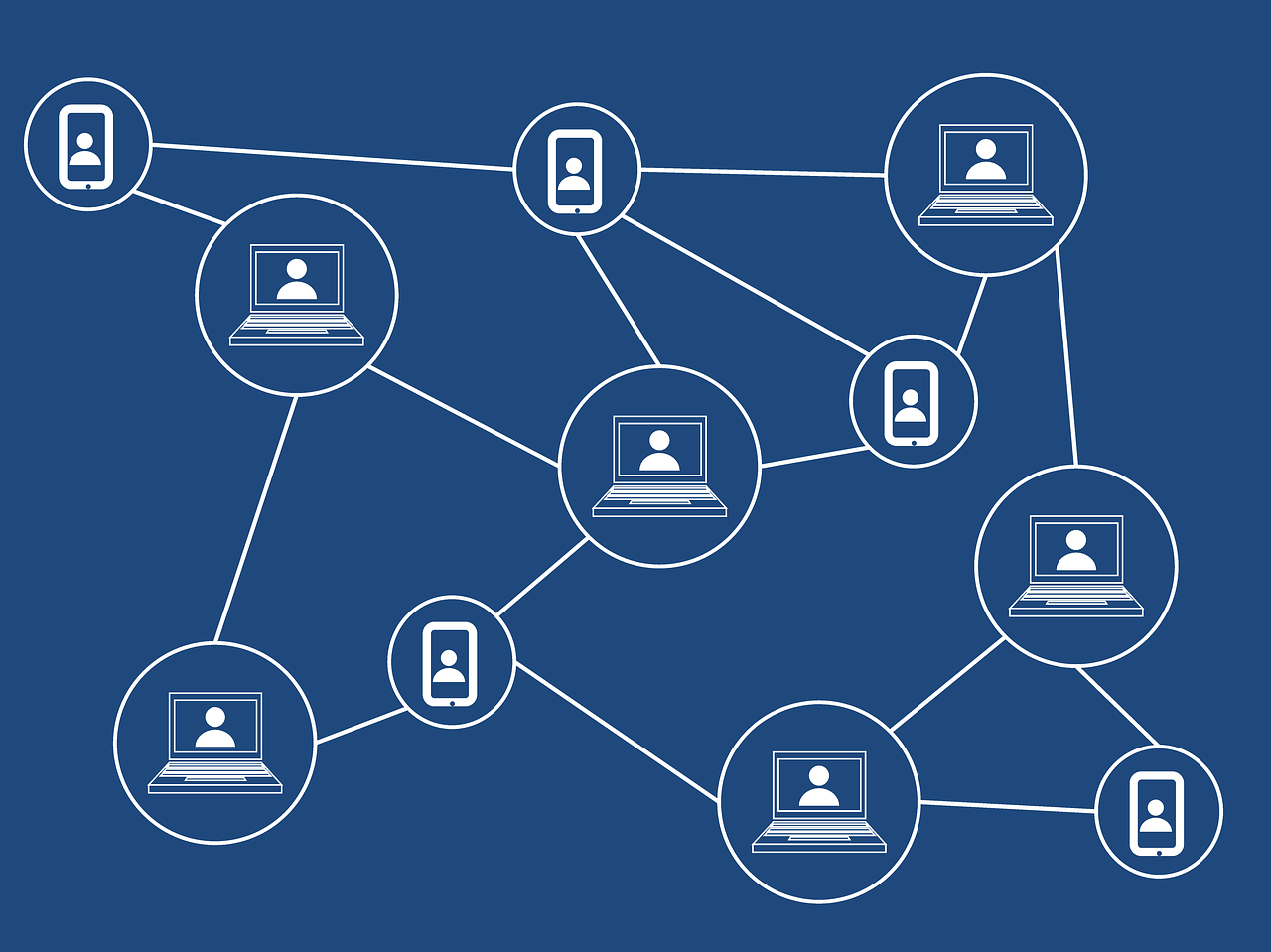 # Introduction: In a world where technological innovation has become the cornerstone of progress, the integration of blockchain technology has emerged as a disruptor in the realm of traditional banking. With its decentralized, transparent, and secure nature, blockchain is poised to revolutionize the way financial institutions operate. In this article, we delve into the profound impact of blockchain on the banking system, exploring its implications, benefits, and challenges. ## The Foundation of Trust: Decentralization and Transparency Blockchain's core strength lies in its decentralized nature, which eliminates the need for intermediaries and central authorities. This shift from a centralized model to a decentralized one allows banks to conduct transactions directly, enhancing transparency and trust. Every transaction is recorded on an immutable ledger, ensuring data integrity and reducing the risk of fraud. ## Streamlining Cross-Border Payments and Remittances: Blockchain has the potential to streamline cross-border payments, traditionally plagued by high fees, delays, and intermediaries. Through blockchain, transactions can be executed in real-time, with lower costs and enhanced security. This efficiency is particularly advantageous for remittances, enabling individuals to send funds across borders without the need for intermediaries. **Smart Contracts: Automating Financial Processes** Smart contracts are self-executing agreements with terms directly written into code. They can automate complex financial processes, such as loan approvals, trade settlements, and compliance checks. This automation not only accelerates processes but also reduces human error, ensuring accuracy and efficiency. ## Enhanced Security and Fraud Prevention: Blockchain's cryptographic techniques provide robust security measures, safeguarding sensitive financial data from cyber threats. With data stored across a distributed network, the risk of a single point of failure is minimized. Additionally, the transparent nature of blockchain makes it easier to trace and identify fraudulent activities, enhancing the overall security of the banking system. **Financial Inclusion: Reaching the Unbanked Population** A significant portion of the global population remains unbanked or underbanked due to limited access to traditional financial services. Blockchain's accessibility and borderless nature open the door to financial inclusion, allowing individuals without access to traditional banks to participate in the global economy. ## Tokenization and Asset Management: Blockchain enables the tokenization of assets, converting real-world assets into digital tokens. This innovation simplifies the process of managing and trading assets, such as stocks, real estate, and commodities. Investors can trade fractional ownership, reducing barriers to entry and democratizing investment opportunities. **Regulatory Challenges and Compliance:** While blockchain offers a plethora of advantages, its implementation in banking requires navigating regulatory complexities. Striking a balance between innovation and compliance is crucial. Governments and financial institutions need to work collaboratively to establish frameworks that harness blockchain's benefits while adhering to existing regulations. ## Collaborative Ecosystem: Consortiums and Partnerships: To maximize the potential of blockchain, banks are increasingly forming consortiums and partnerships. Collaborative efforts allow banks to jointly develop blockchain solutions, share insights, and pool resources. This approach accelerates the adoption of blockchain technology within the industry. **Data Privacy and Customer Empowerment:** Blockchain has the potential to empower customers with greater control over their financial data. With permissioned access to their transaction history, customers can securely share data with authorized parties, streamlining processes such as loan applications and credit assessments. ## Evolution of Identity Verification: Traditional identity verification processes can be time-consuming and vulnerable to data breaches. Blockchain offers a secure and decentralized solution for verifying identities, reducing the risk of identity theft and fraud. **Redefining Auditing and Compliance:** Blockchain's transparent and tamper-proof nature can transform auditing and compliance processes within the banking sector. Regulators can have real-time access to transaction data, simplifying audits and ensuring adherence to regulatory standards. ***Embracing the Future of Banking*** The banking system, with its centuries-old traditions, is on the cusp of transformation. Blockchain's impact on banking is far-reaching, touching upon processes, security, accessibility, and innovation. As financial institutions continue to explore and harness the potential of blockchain, they embark on a journey toward a more efficient, inclusive, and secure financial landscape. While challenges remain, the promise of blockchain's positive influence on the banking system is undeniable, paving the way for a new era of banking that is decentralized, transparent, and technologically advanced. With careful integration and collaboration, blockchain is set to reshape the banking industry and redefine the way we perceive and interact with financial services. ## Collaborative Ecosystem: Consortiums and Partnerships: To maximize the potential of blockchain, banks are increasingly forming consortiums and partnerships. Collaborative efforts allow banks to jointly develop blockchain solutions, share insights, and pool resources. This approach accelerates the adoption of blockchain technology within the industry. **Data Privacy and Customer Empowerment:** Blockchain has the potential to empower customers with greater control over their financial data. With permissioned access to their transaction history, customers can securely share data with authorized parties, streamlining processes such as loan applications and credit assessments. ## Evolution of Identity Verification: Traditional identity verification processes can be time-consuming and vulnerable to data breaches. Blockchain offers a secure and decentralized solution for verifying identities, reducing the risk of identity theft and fraud. **Redefining Auditing and Compliance:** Blockchain's transparent and tamper-proof nature can transform auditing and compliance processes within the banking sector. Regulators can have real-time access to transaction data, simplifying audits and ensuring adherence to regulatory standards. ## Future Challenges and Considerations: Regulatory Frameworks and Scalability While blockchain offers promising solutions, challenges remain. Developing standardized regulatory frameworks to govern blockchain-based financial activities is essential. Additionally, addressing scalability issues to accommodate a high volume of transactions without compromising speed and efficiency is crucial. **Real-World Implementations: Case Studies of Blockchain in Banking** Several financial institutions have embraced blockchain technology to enhance their operations. Case studies highlight how banks have utilized blockchain for trade finance, cross-border payments, and supply chain financing, showcasing real-world benefits and insights. ## Beyond Banking: Expanding Blockchain's Horizon Beyond its immediate impact on banking operations, blockchain holds potential for collaboration with other sectors, such as healthcare, supply chain management, and government services. Its versatile nature paves the way for cross-industry synergies and innovative solutions. **Educating the Workforce: Skill Development and Training** As blockchain adoption grows, there is a need to equip the banking workforce with the necessary skills to leverage this technology effectively. Training programs and educational initiatives can empower professionals to navigate the evolving landscape. **A Paradigm Shift in Banking** The transformative potential of blockchain technology within the banking system is undeniable. From enhancing transparency and security to revolutionizing cross-border payments and automating processes, blockchain is reshaping the future of finance. While challenges and regulatory considerations persist, the collaborative efforts of financial institutions and regulatory bodies can pave the way for a seamless integration of blockchain, ushering in a new era of banking that is efficient, inclusive, and technologically advanced. The journey has begun, and as blockchain's influence continues to expand, the banking industry stands at the threshold of a paradigm shift that will redefine banking as we know it. ## Environmental Sustainability: Green Banking through Blockchain Blockchain technology has the potential to contribute to environmental sustainability efforts within the banking sector. By enhancing supply chain transparency and tracking, blockchain can enable banks to support eco-friendly initiatives, such as responsible sourcing and reducing carbon footprints. **Regulatory Sandboxes: Fostering Innovation in a Controlled Environment** To encourage innovation while maintaining regulatory compliance, many countries have established regulatory sandboxes. These sandboxes allow banks and fintech companies to test blockchain solutions in a controlled environment, fostering collaboration and accelerating technological advancements. **Bridging the Gap: Blockchain and Traditional Banking Infrastructure** The integration of blockchain doesn't necessarily entail a complete overhaul of existing banking systems. Instead, hybrid solutions that combine blockchain's strengths with traditional infrastructure can provide a seamless transition, allowing banks to leverage the benefits of both worlds. ## Cultural Shift: Embracing Change and Adaptation Blockchain's impact extends beyond technology; it necessitates a cultural shift within banks. Embracing change, fostering a culture of innovation, and encouraging open collaboration can accelerate the adoption of blockchain technology and position banks as pioneers in the digital era. **21. Ethical Considerations: Balancing Innovation and Responsibility** As blockchain disrupts traditional banking, ethical considerations come to the forefront. Striking a balance between innovation and ethical responsibility requires careful consideration of data privacy, security, and the potential impact on vulnerable populations. **The Road Ahead: Continued Exploration and Integration** The journey of blockchain within the banking system is an ongoing one. The path forward involves continuous exploration, learning from successes and challenges, and refining blockchain solutions to meet the evolving needs of banks and their customers. ##A Global Movement: Collaborative Efforts for Industry Transformation Blockchain's impact on the banking system is not limited by geographical boundaries. It's a global movement that requires collaborative efforts from banks, regulators, policymakers, and technology experts worldwide to unlock its full potential. ## Embracing Possibilities: Transformative Power of Blockchain In embracing blockchain technology, banks embark on a transformative journey that transcends traditional paradigms. The intersection of technology and finance is reshaping banking into a dynamic, responsive, and innovative ecosystem that has the power to redefine how we interact with money, conduct transactions, and envision the future of finance. ###Conclusion: Shaping a New Era of Banking. The integration of blockchain technology into the banking system is more than just a technological upgrade; it's a catalyst for a new era of banking. As financial institutions harness the capabilities of blockchain, they unlock opportunities for greater efficiency, security, inclusivity, and collaboration. While challenges remain, the journey towards a blockchain-powered future is marked by innovation, adaptability, and a shared vision of a financial landscape that empowers individuals, businesses, and economies on a global scale. ... |
| json metadata | {"tags":["blockchain","banking","fintech","transformation","decentralization","smart","contracts"],"image":["https://cdn.steemitimages.com/DQmWuMXuR24yEuyvFeTNVPbx7tQtgHFCnJ3RxRxpggYuAm1/blockchain-g5a427599c_1280.png"],"app":"steemit/0.2","format":"markdown"} |
| parent author | |
| parent permlink | hive-176199 |
| permlink | the-evolution-of-banking-how-blockchain-is-transforming-the-financial-landscape |
| title | The Evolution of Banking: How Blockchain is Transforming the Financial Landscape |
| Transaction Info | Block #76924850/Trx f054bf3c211748d1c11252ef31c16c747e15a315 |
View Raw JSON Data
{
"block": 76924850,
"op": [
"comment",
{
"author": "hussa",
"body": "\n\n\n# Introduction:\nIn a world where technological innovation has become the cornerstone of progress, the integration of blockchain technology has emerged as a disruptor in the realm of traditional banking. With its decentralized, transparent, and secure nature, blockchain is poised to revolutionize the way financial institutions operate. In this article, we delve into the profound impact of blockchain on the banking system, exploring its implications, benefits, and challenges.\n\n## The Foundation of Trust: Decentralization and Transparency\nBlockchain's core strength lies in its decentralized nature, which eliminates the need for intermediaries and central authorities. This shift from a centralized model to a decentralized one allows banks to conduct transactions directly, enhancing transparency and trust. Every transaction is recorded on an immutable ledger, ensuring data integrity and reducing the risk of fraud.\n\n## Streamlining Cross-Border Payments and Remittances:\nBlockchain has the potential to streamline cross-border payments, traditionally plagued by high fees, delays, and intermediaries. Through blockchain, transactions can be executed in real-time, with lower costs and enhanced security. This efficiency is particularly advantageous for remittances, enabling individuals to send funds across borders without the need for intermediaries.\n**Smart Contracts: Automating Financial Processes**\nSmart contracts are self-executing agreements with terms directly written into code. They can automate complex financial processes, such as loan approvals, trade settlements, and compliance checks. This automation not only accelerates processes but also reduces human error, ensuring accuracy and efficiency.\n\n## Enhanced Security and Fraud Prevention:\nBlockchain's cryptographic techniques provide robust security measures, safeguarding sensitive financial data from cyber threats. With data stored across a distributed network, the risk of a single point of failure is minimized. Additionally, the transparent nature of blockchain makes it easier to trace and identify fraudulent activities, enhancing the overall security of the banking system.\n\n**Financial Inclusion: Reaching the Unbanked Population**\nA significant portion of the global population remains unbanked or underbanked due to limited access to traditional financial services. Blockchain's accessibility and borderless nature open the door to financial inclusion, allowing individuals without access to traditional banks to participate in the global economy.\n\n## Tokenization and Asset Management:\nBlockchain enables the tokenization of assets, converting real-world assets into digital tokens. This innovation simplifies the process of managing and trading assets, such as stocks, real estate, and commodities. Investors can trade fractional ownership, reducing barriers to entry and democratizing investment opportunities.\n**Regulatory Challenges and Compliance:**\nWhile blockchain offers a plethora of advantages, its implementation in banking requires navigating regulatory complexities. Striking a balance between innovation and compliance is crucial. Governments and financial institutions need to work collaboratively to establish frameworks that harness blockchain's benefits while adhering to existing regulations.\n\n## Collaborative Ecosystem: Consortiums and Partnerships:\nTo maximize the potential of blockchain, banks are increasingly forming consortiums and partnerships. Collaborative efforts allow banks to jointly develop blockchain solutions, share insights, and pool resources. This approach accelerates the adoption of blockchain technology within the industry.\n\n**Data Privacy and Customer Empowerment:**\nBlockchain has the potential to empower customers with greater control over their financial data. With permissioned access to their transaction history, customers can securely share data with authorized parties, streamlining processes such as loan applications and credit assessments.\n\n## Evolution of Identity Verification:\nTraditional identity verification processes can be time-consuming and vulnerable to data breaches. Blockchain offers a secure and decentralized solution for verifying identities, reducing the risk of identity theft and fraud.\n**Redefining Auditing and Compliance:**\nBlockchain's transparent and tamper-proof nature can transform auditing and compliance processes within the banking sector. Regulators can have real-time access to transaction data, simplifying audits and ensuring adherence to regulatory standards.\n\n***Embracing the Future of Banking***\nThe banking system, with its centuries-old traditions, is on the cusp of transformation. Blockchain's impact on banking is far-reaching, touching upon processes, security, accessibility, and innovation. As financial institutions continue to explore and harness the potential of blockchain, they embark on a journey toward a more efficient, inclusive, and secure financial landscape. While challenges remain, the promise of blockchain's positive influence on the banking system is undeniable, paving the way for a new era of banking that is decentralized, transparent, and technologically advanced. With careful integration and collaboration, blockchain is set to reshape the banking industry and redefine the way we perceive and interact with financial services.\n\n## Collaborative Ecosystem: Consortiums and Partnerships:\nTo maximize the potential of blockchain, banks are increasingly forming consortiums and partnerships. Collaborative efforts allow banks to jointly develop blockchain solutions, share insights, and pool resources. This approach accelerates the adoption of blockchain technology within the industry.\n\n**Data Privacy and Customer Empowerment:**\nBlockchain has the potential to empower customers with greater control over their financial data. With permissioned access to their transaction history, customers can securely share data with authorized parties, streamlining processes such as loan applications and credit assessments.\n\n## Evolution of Identity Verification:\nTraditional identity verification processes can be time-consuming and vulnerable to data breaches. Blockchain offers a secure and decentralized solution for verifying identities, reducing the risk of identity theft and fraud.\n\n**Redefining Auditing and Compliance:**\nBlockchain's transparent and tamper-proof nature can transform auditing and compliance processes within the banking sector. Regulators can have real-time access to transaction data, simplifying audits and ensuring adherence to regulatory standards.\n\n## Future Challenges and Considerations: Regulatory Frameworks and Scalability\nWhile blockchain offers promising solutions, challenges remain. Developing standardized regulatory frameworks to govern blockchain-based financial activities is essential. Additionally, addressing scalability issues to accommodate a high volume of transactions without compromising speed and efficiency is crucial.\n\n**Real-World Implementations: Case Studies of Blockchain in Banking**\nSeveral financial institutions have embraced blockchain technology to enhance their operations. Case studies highlight how banks have utilized blockchain for trade finance, cross-border payments, and supply chain financing, showcasing real-world benefits and insights.\n\n## Beyond Banking: Expanding Blockchain's Horizon\nBeyond its immediate impact on banking operations, blockchain holds potential for collaboration with other sectors, such as healthcare, supply chain management, and government services. Its versatile nature paves the way for cross-industry synergies and innovative solutions.\n\n**Educating the Workforce: Skill Development and Training**\nAs blockchain adoption grows, there is a need to equip the banking workforce with the necessary skills to leverage this technology effectively. Training programs and educational initiatives can empower professionals to navigate the evolving landscape.\n\n**A Paradigm Shift in Banking**\nThe transformative potential of blockchain technology within the banking system is undeniable. From enhancing transparency and security to revolutionizing cross-border payments and automating processes, blockchain is reshaping the future of finance. While challenges and regulatory considerations persist, the collaborative efforts of financial institutions and regulatory bodies can pave the way for a seamless integration of blockchain, ushering in a new era of banking that is efficient, inclusive, and technologically advanced. The journey has begun, and as blockchain's influence continues to expand, the banking industry stands at the threshold of a paradigm shift that will redefine banking as we know it.\n\n## Environmental Sustainability: Green Banking through Blockchain\nBlockchain technology has the potential to contribute to environmental sustainability efforts within the banking sector. By enhancing supply chain transparency and tracking, blockchain can enable banks to support eco-friendly initiatives, such as responsible sourcing and reducing carbon footprints.\n\n**Regulatory Sandboxes: Fostering Innovation in a Controlled Environment**\nTo encourage innovation while maintaining regulatory compliance, many countries have established regulatory sandboxes. These sandboxes allow banks and fintech companies to test blockchain solutions in a controlled environment, fostering collaboration and accelerating technological advancements.\n\n**Bridging the Gap: Blockchain and Traditional Banking Infrastructure**\nThe integration of blockchain doesn't necessarily entail a complete overhaul of existing banking systems. Instead, hybrid solutions that combine blockchain's strengths with traditional infrastructure can provide a seamless transition, allowing banks to leverage the benefits of both worlds.\n\n## Cultural Shift: Embracing Change and Adaptation\nBlockchain's impact extends beyond technology; it necessitates a cultural shift within banks. Embracing change, fostering a culture of innovation, and encouraging open collaboration can accelerate the adoption of blockchain technology and position banks as pioneers in the digital era.\n\n**21. Ethical Considerations: Balancing Innovation and Responsibility**\nAs blockchain disrupts traditional banking, ethical considerations come to the forefront. Striking a balance between innovation and ethical responsibility requires careful consideration of data privacy, security, and the potential impact on vulnerable populations.\n\n**The Road Ahead: Continued Exploration and Integration**\nThe journey of blockchain within the banking system is an ongoing one. The path forward involves continuous exploration, learning from successes and challenges, and refining blockchain solutions to meet the evolving needs of banks and their customers.\n\n##A Global Movement: Collaborative Efforts for Industry Transformation\nBlockchain's impact on the banking system is not limited by geographical boundaries. It's a global movement that requires collaborative efforts from banks, regulators, policymakers, and technology experts worldwide to unlock its full potential.\n\n## Embracing Possibilities: Transformative Power of Blockchain\nIn embracing blockchain technology, banks embark on a transformative journey that transcends traditional paradigms. The intersection of technology and finance is reshaping banking into a dynamic, responsive, and innovative ecosystem that has the power to redefine how we interact with money, conduct transactions, and envision the future of finance.\n\n###Conclusion: Shaping a New Era of Banking.\nThe integration of blockchain technology into the banking system is more than just a technological upgrade; it's a catalyst for a new era of banking. As financial institutions harness the capabilities of blockchain, they unlock opportunities for greater efficiency, security, inclusivity, and collaboration. While challenges remain, the journey towards a blockchain-powered future is marked by innovation, adaptability, and a shared vision of a financial landscape that empowers individuals, businesses, and economies on a global scale.\n...",
"json_metadata": "{\"tags\":[\"blockchain\",\"banking\",\"fintech\",\"transformation\",\"decentralization\",\"smart\",\"contracts\"],\"image\":[\"https://cdn.steemitimages.com/DQmWuMXuR24yEuyvFeTNVPbx7tQtgHFCnJ3RxRxpggYuAm1/blockchain-g5a427599c_1280.png\"],\"app\":\"steemit/0.2\",\"format\":\"markdown\"}",
"parent_author": "",
"parent_permlink": "hive-176199",
"permlink": "the-evolution-of-banking-how-blockchain-is-transforming-the-financial-landscape",
"title": "The Evolution of Banking: How Blockchain is Transforming the Financial Landscape"
}
],
"op_in_trx": 0,
"timestamp": "2023-08-03T05:33:15",
"trx_id": "f054bf3c211748d1c11252ef31c16c747e15a315",
"trx_in_block": 2,
"virtual_op": 0
}2023/08/03 05:18:00
2023/08/03 05:18:00
| author | hussa |
| permlink | navigating-the-enigma-of-price-and-systemic-inflation-unmasking-economic-realities |
| voter | hussa |
| weight | 10000 (100.00%) |
| Transaction Info | Block #76924548/Trx 33aab7bb78af7d00be83ddbfebb27e00449a9068 |
View Raw JSON Data
{
  "block": 76924548,
  "op": [
    "vote",
    {
      "author": "hussa",
      "permlink": "navigating-the-enigma-of-price-and-systemic-inflation-unmasking-economic-realities",
      "voter": "hussa",
      "weight": 10000
    }
  ],
  "op_in_trx": 0,
  "timestamp": "2023-08-03T05:18:00",
  "trx_id": "33aab7bb78af7d00be83ddbfebb27e00449a9068",
  "trx_in_block": 10,
  "virtual_op": 0
}hussapublished a new post: navigating-the-enigma-of-price-and-systemic-inflation-unmasking-economic-realities2023/08/03 05:17:42
hussapublished a new post: navigating-the-enigma-of-price-and-systemic-inflation-unmasking-economic-realities
2023/08/03 05:17:42
| author | hussa |
| body |  # Introduction: Inflation, the silent force that silently erodes purchasing power, is a phenomenon central to economic discourse. Yet, traditional measures like the Consumer Price Index (CPI) and Producer Price Index (PPI) offer only a partial glimpse into the complex interplay of rising prices. This article embarks on a journey to dissect the limitations of these indices, shed light on the intricacies of systemic inflation, and explore alternative perspectives on assessing inflation's impact. # The CPI and PPI: A Narrow Lens on Inflation: The CPI and PPI serve as the barometers of inflation, attempting to capture price changes for a basket of goods. Yet, these measures are not immune to manipulation. Through techniques like substitutions and hedonics, their accuracy comes under scrutiny. A stark example is the CPI's use of "owner equivalent rent" instead of home sales data, obscuring the true surge in housing prices. ## Core vs. Headline Inflation: The Tug of War: Core inflation, sans volatile food and energy prices, offers stability for short-term analysis. However, as monthly volatility smooths out over time, it fails to capture consistent trends. Meanwhile, headline inflation encapsulates the entire inflationary impact, yet authorities often emphasize core figures to downplay the true magnitude of rising prices. ## Peering into the Abyss of Systemic Inflation: Beyond the CPI and PPI lies the enigmatic realm of systemic inflation, the inflation that is yet to infiltrate consumer and producer prices. The Federal Reserve's monetary machinations, often referred to as "printing money," introduce new currency into the system, influencing asset values and purchasing power. Yet, quantifying this unreflected inflation remains a daunting task. ## The Ripple Effect: Government-Induced Inflation's Echo: As the government dilutes the value of the dollar, it leaves an indelible mark on the economy. The erosion of purchasing power trickles down to impact stocks, real estate, and other assets. This surreptitious wealth tax poses challenges for individuals trying to gauge true investment value amid a backdrop of obscured systemic inflation. ## Illuminating the Path with Gold: A Beacon of Objectivity: In the labyrinth of inflation measurement, gold emerges as an objective benchmark. A timeless store of value, its consistency provides an unadulterated perspective on price changes. Historical ratios between gold and nominal prices serve as guides, offering insights into the degree of inflation interwoven within those prices. ## Balancing Act: Inflation's Tightrope in Economic Decision-Making: As economies grapple with inflation's specter, accurate measurement becomes paramount. The limitations of conventional indices call for a broader understanding of systemic inflation's influence. Armed with knowledge, individuals, businesses, and policymakers can make informed decisions, mitigating the impact of rising prices on financial health. ## Unveiling the Unseen: Economic Implications of Inflation: The implications of inflation reach beyond price tags. Savings erode, purchasing power diminishes, and retirement plans face uncertainty. Businesses grapple with cost fluctuations, while policymakers navigate the delicate balance between economic growth and stability. Understanding inflation's multifaceted nature empowers proactive strategies. **Weathering the Inflation Storm: Practical Strategies for Individuals:** In an inflation-prone environment, strategic financial planning becomes a necessity. Diversified investments, hedging strategies, and considering alternative assets gain prominence. Adapting consumption patterns and building emergency funds provide a buffer against rising costs, ensuring resilience in uncertain times. ## Policy Reckoning: Addressing Inflation's Impact on Society: Governments and central banks face the challenge of curbing runaway inflation while supporting economic growth. Striking this balance requires prudent monetary and fiscal policies. Transparency in reporting and addressing systemic inflation empowers citizens and fosters a sense of economic stability. ## Innovation and Economic Resilience: Lessons from Inflationary Challenges: History has shown that economies can innovate and adapt during periods of inflation. Technological advancements, entrepreneurial endeavors, and shifts in consumer behavior can drive economic growth even in the face of rising prices. Embracing innovation becomes a catalyst for resilience. ## Global Dynamics: Inflation's Cross-Border Impact: In a globally interconnected world, inflation in one region can ripple across borders. Trade imbalances, currency fluctuations, and supply chain disruptions amplify the reach of inflation's impact. Collaborative international efforts are crucial to managing inflation's global implications. **Beyond Numbers: The Human Story of Inflation:** Behind the numbers and economic theories lies the human experience of inflation. Families adjust their lifestyles, businesses recalibrate strategies, and societies navigate changing dynamics. Recognizing and empathizing with these stories enriches our understanding of inflation's profound societal impact. ## The Road Ahead: Navigating Uncertainty with Informed Choices: Inflation remains an ever-present economic phenomenon, demanding vigilance and informed decision-making. As the world grapples with evolving economic landscapes, the lessons learned from understanding price and systemic inflation become invaluable guides for a prosperous and resilient future. ### Conclusion: The world of inflation measurement is a complex puzzle, with the CPI and PPI representing just a few pieces. The hidden force of systemic inflation dances in the shadows, defying precise quantification. As we navigate this intricate landscape, the importance of alternative benchmarks like gold becomes evident. Armed with a multidimensional perspective, individuals and stakeholders can traverse the convoluted terrain of inflation, making informed choices that safeguard financial well-being in the face of an ever-evolving economic tapestry. |
| json metadata | {"tags":["inflation","economic","indicators","cpippi","monetarypolicy","government","policy"],"image":["https://cdn.steemitimages.com/DQmaCgQKb2uSPFGRPrD2tvgMubdfhYfANrMMvqaAMSFyWbQ/analysis-g6aebf5138_1280.jpg"],"app":"steemit/0.2","format":"markdown"} |
| parent author | |
| parent permlink | hive-176199 |
| permlink | navigating-the-enigma-of-price-and-systemic-inflation-unmasking-economic-realities |
| title | Navigating the Enigma of Price and Systemic Inflation: Unmasking Economic Realities |
| Transaction Info | Block #76924542/Trx 114ba4dbe997a27f45e406ac38054d337d558a07 |
View Raw JSON Data
{
"block": 76924542,
"op": [
"comment",
{
"author": "hussa",
"body": "\n\n# Introduction:\nInflation, the silent force that silently erodes purchasing power, is a phenomenon central to economic discourse. Yet, traditional measures like the Consumer Price Index (CPI) and Producer Price Index (PPI) offer only a partial glimpse into the complex interplay of rising prices. This article embarks on a journey to dissect the limitations of these indices, shed light on the intricacies of systemic inflation, and explore alternative perspectives on assessing inflation's impact.\n\n# The CPI and PPI: A Narrow Lens on Inflation:\nThe CPI and PPI serve as the barometers of inflation, attempting to capture price changes for a basket of goods. Yet, these measures are not immune to manipulation. Through techniques like substitutions and hedonics, their accuracy comes under scrutiny. A stark example is the CPI's use of \"owner equivalent rent\" instead of home sales data, obscuring the true surge in housing prices.\n\n## Core vs. Headline Inflation: The Tug of War:\nCore inflation, sans volatile food and energy prices, offers stability for short-term analysis. However, as monthly volatility smooths out over time, it fails to capture consistent trends. Meanwhile, headline inflation encapsulates the entire inflationary impact, yet authorities often emphasize core figures to downplay the true magnitude of rising prices.\n\n## Peering into the Abyss of Systemic Inflation:\nBeyond the CPI and PPI lies the enigmatic realm of systemic inflation, the inflation that is yet to infiltrate consumer and producer prices. The Federal Reserve's monetary machinations, often referred to as \"printing money,\" introduce new currency into the system, influencing asset values and purchasing power. Yet, quantifying this unreflected inflation remains a daunting task.\n\n## The Ripple Effect: Government-Induced Inflation's Echo:\nAs the government dilutes the value of the dollar, it leaves an indelible mark on the economy. The erosion of purchasing power trickles down to impact stocks, real estate, and other assets. This surreptitious wealth tax poses challenges for individuals trying to gauge true investment value amid a backdrop of obscured systemic inflation.\n\n## Illuminating the Path with Gold: A Beacon of Objectivity:\nIn the labyrinth of inflation measurement, gold emerges as an objective benchmark. A timeless store of value, its consistency provides an unadulterated perspective on price changes. Historical ratios between gold and nominal prices serve as guides, offering insights into the degree of inflation interwoven within those prices.\n\n## Balancing Act: Inflation's Tightrope in Economic Decision-Making:\nAs economies grapple with inflation's specter, accurate measurement becomes paramount. The limitations of conventional indices call for a broader understanding of systemic inflation's influence. Armed with knowledge, individuals, businesses, and policymakers can make informed decisions, mitigating the impact of rising prices on financial health.\n\n## Unveiling the Unseen: Economic Implications of Inflation:\nThe implications of inflation reach beyond price tags. Savings erode, purchasing power diminishes, and retirement plans face uncertainty. Businesses grapple with cost fluctuations, while policymakers navigate the delicate balance between economic growth and stability. Understanding inflation's multifaceted nature empowers proactive strategies.\n**Weathering the Inflation Storm: Practical Strategies for Individuals:**\nIn an inflation-prone environment, strategic financial planning becomes a necessity. Diversified investments, hedging strategies, and considering alternative assets gain prominence. Adapting consumption patterns and building emergency funds provide a buffer against rising costs, ensuring resilience in uncertain times.\n\n\n\n## Policy Reckoning: Addressing Inflation's Impact on Society:\nGovernments and central banks face the challenge of curbing runaway inflation while supporting economic growth. Striking this balance requires prudent monetary and fiscal policies. Transparency in reporting and addressing systemic inflation empowers citizens and fosters a sense of economic stability.\n\n## Innovation and Economic Resilience: Lessons from Inflationary Challenges:\nHistory has shown that economies can innovate and adapt during periods of inflation. Technological advancements, entrepreneurial endeavors, and shifts in consumer behavior can drive economic growth even in the face of rising prices. Embracing innovation becomes a catalyst for resilience.\n\n## Global Dynamics: Inflation's Cross-Border Impact:\nIn a globally interconnected world, inflation in one region can ripple across borders. Trade imbalances, currency fluctuations, and supply chain disruptions amplify the reach of inflation's impact. Collaborative international efforts are crucial to managing inflation's global implications.\n\n**Beyond Numbers: The Human Story of Inflation:**\nBehind the numbers and economic theories lies the human experience of inflation. Families adjust their lifestyles, businesses recalibrate strategies, and societies navigate changing dynamics. Recognizing and empathizing with these stories enriches our understanding of inflation's profound societal impact.\n\n## The Road Ahead: Navigating Uncertainty with Informed Choices:\nInflation remains an ever-present economic phenomenon, demanding vigilance and informed decision-making. As the world grapples with evolving economic landscapes, the lessons learned from understanding price and systemic inflation become invaluable guides for a prosperous and resilient future.\n\n### Conclusion:\nThe world of inflation measurement is a complex puzzle, with the CPI and PPI representing just a few pieces. The hidden force of systemic inflation dances in the shadows, defying precise quantification. As we navigate this intricate landscape, the importance of alternative benchmarks like gold becomes evident. Armed with a multidimensional perspective, individuals and stakeholders can traverse the convoluted terrain of inflation, making informed choices that safeguard financial well-being in the face of an ever-evolving economic tapestry.",
"json_metadata": "{\"tags\":[\"inflation\",\"economic\",\"indicators\",\"cpippi\",\"monetarypolicy\",\"government\",\"policy\"],\"image\":[\"https://cdn.steemitimages.com/DQmaCgQKb2uSPFGRPrD2tvgMubdfhYfANrMMvqaAMSFyWbQ/analysis-g6aebf5138_1280.jpg\"],\"app\":\"steemit/0.2\",\"format\":\"markdown\"}",
"parent_author": "",
"parent_permlink": "hive-176199",
"permlink": "navigating-the-enigma-of-price-and-systemic-inflation-unmasking-economic-realities",
"title": "Navigating the Enigma of Price and Systemic Inflation: Unmasking Economic Realities"
}
],
"op_in_trx": 0,
"timestamp": "2023-08-03T05:17:42",
"trx_id": "114ba4dbe997a27f45e406ac38054d337d558a07",
"trx_in_block": 2,
"virtual_op": 0
}hussacustom json: community2023/08/03 02:46:57
hussacustom json: community
2023/08/03 02:46:57
| id | community |
| json | ["pinPost",{"community":"hive-176199","account":"hussa","permlink":"leveraging-blockchain-for-accelerated-business-growth-a-comprehensive-guide"}] |
| required auths | [] |
| required posting auths | ["hussa"] |
| Transaction Info | Block #76921546/Trx 84263f6c1c5fd5ffcac0f501d6140d21e90ced6d |
View Raw JSON Data
{
  "block": 76921546,
  "op": [
    "custom_json",
    {
      "id": "community",
      "json": "[\"pinPost\",{\"community\":\"hive-176199\",\"account\":\"hussa\",\"permlink\":\"leveraging-blockchain-for-accelerated-business-growth-a-comprehensive-guide\"}]",
      "required_auths": [],
      "required_posting_auths": [
        "hussa"
      ]
    }
  ],
  "op_in_trx": 0,
  "timestamp": "2023-08-03T02:46:57",
  "trx_id": "84263f6c1c5fd5ffcac0f501d6140d21e90ced6d",
  "trx_in_block": 1,
  "virtual_op": 0
}2023/08/03 02:45:39
2023/08/03 02:45:39
| author | hussa |
| permlink | transforming-real-estate-with-blockchain-revolutionizing-the-industry-for-the-future |
| voter | bhekhu |
| weight | 10000 (100.00%) |
| Transaction Info | Block #76921520/Trx 34704fa6a72a518f38459903df4375c8743e537b |
View Raw JSON Data
{
  "block": 76921520,
  "op": [
    "vote",
    {
      "author": "hussa",
      "permlink": "transforming-real-estate-with-blockchain-revolutionizing-the-industry-for-the-future",
      "voter": "bhekhu",
      "weight": 10000
    }
  ],
  "op_in_trx": 0,
  "timestamp": "2023-08-03T02:45:39",
  "trx_id": "34704fa6a72a518f38459903df4375c8743e537b",
  "trx_in_block": 6,
  "virtual_op": 0
}2023/08/03 02:45:30
2023/08/03 02:45:30
| author | hussa |
| permlink | leveraging-blockchain-for-accelerated-business-growth-a-comprehensive-guide |
| voter | hussa |
| weight | 10000 (100.00%) |
| Transaction Info | Block #76921517/Trx 214bab46de191833dd533dbdb13c6e2bda3c7b39 |
View Raw JSON Data
{
  "block": 76921517,
  "op": [
    "vote",
    {
      "author": "hussa",
      "permlink": "leveraging-blockchain-for-accelerated-business-growth-a-comprehensive-guide",
      "voter": "hussa",
      "weight": 10000
    }
  ],
  "op_in_trx": 0,
  "timestamp": "2023-08-03T02:45:30",
  "trx_id": "214bab46de191833dd533dbdb13c6e2bda3c7b39",
  "trx_in_block": 10,
  "virtual_op": 0
}hussapublished a new post: leveraging-blockchain-for-accelerated-business-growth-a-comprehensive-guide2023/08/03 02:45:09
hussapublished a new post: leveraging-blockchain-for-accelerated-business-growth-a-comprehensive-guide
2023/08/03 02:45:09
| author | hussa |
| body |  # Introduction: In today's rapidly evolving business landscape, staying ahead of the competition requires innovative strategies that harness cutting-edge technologies. Blockchain, once synonymous only with cryptocurrencies, has emerged as a transformative force with the potential to revolutionize various industries. This article delves into the myriad ways businesses can leverage blockchain to drive sustainable growth and secure a competitive advantage. ## 1. Enhancing Supply Chain Transparency and Efficiency Blockchain's decentralized and immutable ledger offers unprecedented transparency across the supply chain. By recording every step of the journey, from raw materials to the end product, businesses can verify authenticity, trace origins, and detect inefficiencies. This fosters stronger supplier relationships, reduces fraud, and minimizes delays, resulting in optimized inventory management and cost savings. ## 2. Revolutionizing Contracts with Smart Contracts Traditional contract management is time-consuming and susceptible to disputes. Enter smart contracts: self-executing agreements powered by blockchain. These contracts automatically trigger actions when predefined conditions are met, streamlining processes, reducing administrative overhead, and ensuring trust between parties. Businesses can now focus on value creation rather than contract enforcement. ## 3. Securing Transactions and Building Trust Fraud and security breaches can erode customer trust and hinder growth. Blockchain's cryptographic techniques and tamper-proof nature provide a secure platform for transactions. By implementing blockchain-based payment systems, businesses can protect sensitive data, prevent fraud, and enhance customer confidence, thereby stimulating growth. ## 4. Exploring the World of Decentralized Finance (DeFi) Blockchain has given rise to DeFi, a decentralized financial ecosystem offering innovative fundraising and lending solutions. Businesses can tap into DeFi to access new capital sources, streamline fundraising efforts, and explore innovative ways to fuel expansion. The borderless nature of DeFi also facilitates global financial transactions, opening up opportunities for international growth. ## 5. Empowering Customers through Data Management Privacy concerns and data breaches have prompted a shift towards customer-centric data management. Blockchain enables customers to control their data, granting permission for specific use cases and enhancing trust. Businesses that prioritize data privacy can cultivate stronger customer relationships, driving repeat business and fostering growth. ## 6. Strengthening Identity Verification with Blockchain Identity theft and verification challenges can impede business growth. Blockchain offers a secure and decentralized solution for identity verification. By incorporating blockchain-based identity protocols, businesses can streamline onboarding processes, reduce fraud, and create a seamless customer experience. ## 7. Tokenization: Redefining Ownership and Revenue Streams Blockchain's ability to tokenize assets or services opens doors to fractional ownership and new revenue streams. Businesses can create digital tokens representing real-world assets, enabling investors to buy fractions of high-value assets such as real estate or artwork. This innovation democratizes investing and stimulates business growth. ## 8. Designing Transparent and Engaging Loyalty Programs Traditional loyalty programs often lack transparency and fail to captivate customers. Blockchain-powered loyalty programs offer traceability and immutability, fostering customer engagement and repeat business. By rewarding customers with blockchain-based tokens, businesses can create more meaningful and rewarding relationships. ## 9. Streamlining International Trade with Blockchain Cross-border transactions come with complexities and delays. Blockchain's streamlined documentation and compliance verification can expedite international trade. Businesses can reduce friction in customs processes, minimize delays, and enhance their global reach, ultimately driving growth in new markets. ## 10. Building Decentralized Marketplaces Blockchain enables the creation of decentralized marketplaces, connecting buyers and sellers directly. By eliminating intermediaries, businesses can reduce costs, enhance market efficiency, and create a more competitive environment. Decentralized marketplaces also empower smaller businesses, fostering healthy competition and driving overall industry growth. ## 11. Enhancing Product Lifecycle Management Blockchain offers an effective way to track the entire lifecycle of a product, from manufacturing to disposal. This can improve quality control, ensure compliance with regulations, and enhance sustainability efforts, ultimately boosting brand reputation and customer trust. ## 12. Supporting Sustainable Practices and ESG Goals Blockchain's transparency can help businesses monitor and verify sustainable practices along their supply chain. This aids in meeting Environmental, Social, and Governance (ESG) goals, attracting socially conscious consumers, investors, and partners. ## 13. Realizing Intellectual Property (IP) Protection Blockchain's immutability can be utilized to protect intellectual property rights. By registering patents, copyrights, and trademarks on the blockchain, businesses can establish ownership and prevent unauthorized use, fostering innovation and growth. ## 14. Facilitating Cross-Industry Collaboration Blockchain consortiums bring together businesses from diverse sectors to collaborate on common challenges. This collaborative approach can lead to shared insights, innovative solutions, and accelerated growth across industries. Conclusion: Blockchain technology is a versatile tool that holds immense potential for driving business growth across diverse sectors. By embracing its features - transparency, security, efficiency, and decentralization - businesses can unlock new avenues of innovation, streamline operations, and create lasting value in an increasingly dynamic and competitive global landscape. As we journey forward, those who harness the power of blockchain are poised to lead the charge toward a more prosperous and sustainable future. |
| json metadata | {"tags":["hive-176199","blockchain","for","business","businessgrowth","supplychaintransparency","smartcontracts","decentralizedfinance"],"image":["https://cdn.steemitimages.com/DQmX2Tz87QU5AhpmoayoNQj3GuKn3kQUMX9BSyfJKqgZUJb/pexels-mario-cuadros-2887582.jpg"],"app":"steemit/0.2","format":"markdown"} |
| parent author | |
| parent permlink | hive-176199 |
| permlink | leveraging-blockchain-for-accelerated-business-growth-a-comprehensive-guide |
| title | Leveraging Blockchain for Accelerated Business Growth: A Comprehensive Guide |
| Transaction Info | Block #76921510/Trx 4974ebd32c242d9a5cc539d9a8154b5c9957bb5d |
View Raw JSON Data
{
"block": 76921510,
"op": [
"comment",
{
"author": "hussa",
"body": "\n\n\n# Introduction:\nIn today's rapidly evolving business landscape, staying ahead of the competition requires innovative strategies that harness cutting-edge technologies. Blockchain, once synonymous only with cryptocurrencies, has emerged as a transformative force with the potential to revolutionize various industries. This article delves into the myriad ways businesses can leverage blockchain to drive sustainable growth and secure a competitive advantage.\n\n## 1. Enhancing Supply Chain Transparency and Efficiency\nBlockchain's decentralized and immutable ledger offers unprecedented transparency across the supply chain. By recording every step of the journey, from raw materials to the end product, businesses can verify authenticity, trace origins, and detect inefficiencies. This fosters stronger supplier relationships, reduces fraud, and minimizes delays, resulting in optimized inventory management and cost savings.\n\n## 2. Revolutionizing Contracts with Smart Contracts\nTraditional contract management is time-consuming and susceptible to disputes. Enter smart contracts: self-executing agreements powered by blockchain. These contracts automatically trigger actions when predefined conditions are met, streamlining processes, reducing administrative overhead, and ensuring trust between parties. Businesses can now focus on value creation rather than contract enforcement.\n\n## 3. Securing Transactions and Building Trust\nFraud and security breaches can erode customer trust and hinder growth. Blockchain's cryptographic techniques and tamper-proof nature provide a secure platform for transactions. By implementing blockchain-based payment systems, businesses can protect sensitive data, prevent fraud, and enhance customer confidence, thereby stimulating growth.\n\n## 4. Exploring the World of Decentralized Finance (DeFi)\nBlockchain has given rise to DeFi, a decentralized financial ecosystem offering innovative fundraising and lending solutions. Businesses can tap into DeFi to access new capital sources, streamline fundraising efforts, and explore innovative ways to fuel expansion. The borderless nature of DeFi also facilitates global financial transactions, opening up opportunities for international growth.\n\n## 5. Empowering Customers through Data Management\nPrivacy concerns and data breaches have prompted a shift towards customer-centric data management. Blockchain enables customers to control their data, granting permission for specific use cases and enhancing trust. Businesses that prioritize data privacy can cultivate stronger customer relationships, driving repeat business and fostering growth.\n\n## 6. Strengthening Identity Verification with Blockchain\nIdentity theft and verification challenges can impede business growth. Blockchain offers a secure and decentralized solution for identity verification. By incorporating blockchain-based identity protocols, businesses can streamline onboarding processes, reduce fraud, and create a seamless customer experience.\n\n## 7. Tokenization: Redefining Ownership and Revenue Streams\nBlockchain's ability to tokenize assets or services opens doors to fractional ownership and new revenue streams. Businesses can create digital tokens representing real-world assets, enabling investors to buy fractions of high-value assets such as real estate or artwork. This innovation democratizes investing and stimulates business growth.\n\n## 8. Designing Transparent and Engaging Loyalty Programs\nTraditional loyalty programs often lack transparency and fail to captivate customers. Blockchain-powered loyalty programs offer traceability and immutability, fostering customer engagement and repeat business. By rewarding customers with blockchain-based tokens, businesses can create more meaningful and rewarding relationships.\n\n## 9. Streamlining International Trade with Blockchain\nCross-border transactions come with complexities and delays. Blockchain's streamlined documentation and compliance verification can expedite international trade. Businesses can reduce friction in customs processes, minimize delays, and enhance their global reach, ultimately driving growth in new markets.\n\n## 10. Building Decentralized Marketplaces\nBlockchain enables the creation of decentralized marketplaces, connecting buyers and sellers directly. By eliminating intermediaries, businesses can reduce costs, enhance market efficiency, and create a more competitive environment. Decentralized marketplaces also empower smaller businesses, fostering healthy competition and driving overall industry growth.\n\n## 11. Enhancing Product Lifecycle Management\nBlockchain offers an effective way to track the entire lifecycle of a product, from manufacturing to disposal. This can improve quality control, ensure compliance with regulations, and enhance sustainability efforts, ultimately boosting brand reputation and customer trust.\n\n## 12. Supporting Sustainable Practices and ESG Goals\nBlockchain's transparency can help businesses monitor and verify sustainable practices along their supply chain. This aids in meeting Environmental, Social, and Governance (ESG) goals, attracting socially conscious consumers, investors, and partners.\n\n## 13. Realizing Intellectual Property (IP) Protection\nBlockchain's immutability can be utilized to protect intellectual property rights. By registering patents, copyrights, and trademarks on the blockchain, businesses can establish ownership and prevent unauthorized use, fostering innovation and growth.\n\n## 14. Facilitating Cross-Industry Collaboration\nBlockchain consortiums bring together businesses from diverse sectors to collaborate on common challenges. This collaborative approach can lead to shared insights, innovative solutions, and accelerated growth across industries.\n\nConclusion:\nBlockchain technology is a versatile tool that holds immense potential for driving business growth across diverse sectors. By embracing its features - transparency, security, efficiency, and decentralization - businesses can unlock new avenues of innovation, streamline operations, and create lasting value in an increasingly dynamic and competitive global landscape. As we journey forward, those who harness the power of blockchain are poised to lead the charge toward a more prosperous and sustainable future.",
"json_metadata": "{\"tags\":[\"hive-176199\",\"blockchain\",\"for\",\"business\",\"businessgrowth\",\"supplychaintransparency\",\"smartcontracts\",\"decentralizedfinance\"],\"image\":[\"https://cdn.steemitimages.com/DQmX2Tz87QU5AhpmoayoNQj3GuKn3kQUMX9BSyfJKqgZUJb/pexels-mario-cuadros-2887582.jpg\"],\"app\":\"steemit/0.2\",\"format\":\"markdown\"}",
"parent_author": "",
"parent_permlink": "hive-176199",
"permlink": "leveraging-blockchain-for-accelerated-business-growth-a-comprehensive-guide",
"title": "Leveraging Blockchain for Accelerated Business Growth: A Comprehensive Guide"
}
],
"op_in_trx": 0,
"timestamp": "2023-08-03T02:45:09",
"trx_id": "4974ebd32c242d9a5cc539d9a8154b5c9957bb5d",
"trx_in_block": 6,
"virtual_op": 0
}2023/08/03 02:42:00
2023/08/03 02:42:00
| author | hussa |
| permlink | transforming-real-estate-with-blockchain-revolutionizing-the-industry-for-the-future |
| voter | bhekhu |
| weight | 10000 (100.00%) |
| Transaction Info | Block #76921448/Trx 1665c72c88899652e0a266afb977fc9a86cbe41e |
View Raw JSON Data
{
  "block": 76921448,
  "op": [
    "vote",
    {
      "author": "hussa",
      "permlink": "transforming-real-estate-with-blockchain-revolutionizing-the-industry-for-the-future",
      "voter": "bhekhu",
      "weight": 10000
    }
  ],
  "op_in_trx": 0,
  "timestamp": "2023-08-03T02:42:00",
  "trx_id": "1665c72c88899652e0a266afb977fc9a86cbe41e",
  "trx_in_block": 3,
  "virtual_op": 0
}2023/08/03 00:52:36
2023/08/03 00:52:36
| author | hussa |
| permlink | blockchain-for-a-sustainable-future-advancing-environmental-conservation-and-climate-action |
| voter | hussa |
| weight | 10000 (100.00%) |
| Transaction Info | Block #76919266/Trx 480c41ba70e906648361352b40e6bcbc008d2af8 |
View Raw JSON Data
{
  "block": 76919266,
  "op": [
    "vote",
    {
      "author": "hussa",
      "permlink": "blockchain-for-a-sustainable-future-advancing-environmental-conservation-and-climate-action",
      "voter": "hussa",
      "weight": 10000
    }
  ],
  "op_in_trx": 0,
  "timestamp": "2023-08-03T00:52:36",
  "trx_id": "480c41ba70e906648361352b40e6bcbc008d2af8",
  "trx_in_block": 5,
  "virtual_op": 0
}2023/08/03 00:52:27
2023/08/03 00:52:27
| author | hussa |
| body |  # Introduction: As the global community grapples with pressing environmental challenges and the urgency of climate action, innovative solutions are needed to drive positive change. Blockchain technology, best known for its applications in finance and cryptocurrencies, is increasingly recognized as a powerful tool for environmental conservation and sustainability. In this blog post, we will explore how blockchain is transforming the environmental landscape, promoting transparency, efficiency, and collaboration in environmental initiatives worldwide. # Understanding Environmental Challenges The world faces a range of environmental challenges, including climate change, deforestation, loss of biodiversity, water pollution, and waste management. We'll explore the scale of these challenges and the need for innovative approaches to address them effectively. **Environmental challenges** are pressing issues that impact the well-being of our planet and its inhabitants. Climate change, driven by greenhouse gas emissions, leads to rising temperatures, extreme weather events, and sea-level rise. Deforestation, driven by human activities such as logging and land conversion, threatens ecosystems and contributes to climate change. Loss of biodiversity, as species disappear at an alarming rate, disrupts the delicate balance of ecosystems. Water pollution from industrial and agricultural activities contaminates freshwater sources, affecting human health and wildlife. Improper waste management leads to pollution and the accumulation of plastic and other waste in landfills and oceans, harming the environment. These environmental challenges are global in scope and require urgent and collective action to mitigate their impact and work towards sustainable solutions. The traditional approaches to environmental conservation have often faced limitations due to issues of transparency, accountability, and cooperation among different stakeholders. **Blockchain technology** presents a potential solution to address these challenges by providing a decentralized, transparent, and secure platform for environmental initiatives. It can revolutionize the way we track and manage carbon emissions, protect wildlife, ensure sustainable supply chains, and incentivize eco-friendly behavior. By leveraging blockchain's unique features, we can foster trust, collaboration, and data integrity in environmental efforts, enabling a more effective and impactful response to the pressing challenges facing our planet. ## Introducing Blockchain Technology Before delving into blockchain's environmental applications, we'll provide an overview of blockchain technology, including its decentralized nature, immutability, and cryptographic security. Understanding these fundamental features is crucial to appreciating its potential in environmental conservation. ## Carbon Emission Tracking and Management Blockchain's transparent and immutable ledger enables accurate tracking of carbon emissions and offsets. We'll discuss how blockchain-based platforms can help organizations and governments monitor their carbon footprints, facilitating more effective emission reduction strategies. ## Enhancing Supply Chain Sustainability Blockchain's ability to create transparent supply chain networks has significant implications for sustainability. We'll explore how blockchain helps trace products from their origin to the end consumer, ensuring sustainable and ethical practices throughout the supply chain. ## Wildlife Conservation and Anti-Poaching Efforts Blockchain's tamper-resistant ledger can be leveraged to combat wildlife poaching and protect endangered species. We'll discuss how blockchain facilitates secure data collection, enabling real-time monitoring of wildlife habitats and thwarting illegal activities. ## Decentralized Energy Management Blockchain can revolutionize the energy sector by enabling decentralized energy trading, optimizing energy distribution, and promoting the use of renewable energy sources. We'll explore how blockchain can drive the transition to a sustainable and decentralized energy landscape. ## Community-Led Environmental Initiatives Blockchain's decentralized governance models empower communities to engage in environmental initiatives. We'll discuss how blockchain platforms facilitate transparent decision-making and resource allocation for community-driven conservation efforts. **Building Trust in Environmental Projects** The lack of trust and transparency often hinders fundraising for environmental projects. We'll explore how blockchain-powered crowdfunding and smart contracts foster trust among donors, ensuring that funds are allocated to genuine and impactful initiatives. **Water Resource Management and Blockchain** Water scarcity is a critical issue in many regions worldwide. We'll discuss how blockchain can optimize water resource management, ensuring equitable distribution, monitoring water quality, and promoting responsible usage. ## Encouraging Eco-Friendly Behavior with Incentive Programs Blockchain's tokenization capabilities enable the development of eco-friendly incentive programs. We'll explore how blockchain-based reward systems motivate individuals to adopt sustainable practices, such as recycling and reducing energy consumption. ## Blockchain and Circular Economy Solutions Blockchain technology can facilitate the implementation of circular economy models, promoting the recycling and repurposing of materials. We'll discuss how blockchain enhances traceability and transparency in the circular economy supply chain. ## Preserving Ecosystem Data and Research Blockchain's immutable ledger can secure ecosystem data and research findings for long-term preservation. We'll explore how blockchain supports data integrity and ensures the accessibility of crucial environmental research. **Collaboration and Data Sharing Among** Environmental Organizations Blockchain facilitates secure data sharing and collaboration among diverse stakeholders in the environmental sector. We'll discuss how blockchain networks foster cooperation between NGOs, governments, and research institutions, maximizing the collective impact of conservation efforts. ## Addressing Environmental Governance Challenges Environmental governance requires transparent and accountable systems. We'll explore how blockchain's decentralized governance mechanisms can foster effective decision-making and collaborative efforts in tackling environmental challenges. **Promoting Sustainable Supply Chains in Industries** Blockchain's application extends to various industries, enabling sustainable supply chain management. We'll explore how blockchain enhances transparency and accountability, encouraging industries to adopt eco-friendly practices. **Blockchain technology's** potential to promote environmental conservation and sustainable practices is vast and transformative. From carbon emission tracking and wildlife conservation to sustainable supply chain management and community-driven initiatives, blockchain's applications are reshaping the landscape of environmental efforts. Embracing this innovative technology and fostering collaboration among stakeholders are essential for driving positive change and working towards a sustainable future. As blockchain continues to evolve and integrate with environmental initiatives, it holds the promise of creating a greener, more transparent, and resilient world for generations to come. |
| json metadata | {"tags":["blockchain","sustainability","environmental","conservation","climate","technology","information"],"image":["https://cdn.steemitimages.com/DQmdYgPTBank1AM5Uj2AFE1TNXAJgqRr4KJG5F3NwGU4zJR/pexels-photo-4741970.jpeg"],"app":"steemit/0.2","format":"markdown"} |
| parent author | |
| parent permlink | hive-176199 |
| permlink | blockchain-for-a-sustainable-future-advancing-environmental-conservation-and-climate-action |
| title | Blockchain for a Sustainable Future: Advancing Environmental Conservation and Climate Action |
| Transaction Info | Block #76919263/Trx edcbc59952cb251f18d6af91a24503f7fda15632 |
View Raw JSON Data
{
"block": 76919263,
"op": [
"comment",
{
"author": "hussa",
"body": "\n\n\n# Introduction:\nAs the global community grapples with pressing environmental challenges and the urgency of climate action, innovative solutions are needed to drive positive change. Blockchain technology, best known for its applications in finance and cryptocurrencies, is increasingly recognized as a powerful tool for environmental conservation and sustainability. In this blog post, we will explore how blockchain is transforming the environmental landscape, promoting transparency, efficiency, and collaboration in environmental initiatives worldwide.\n\n# Understanding Environmental Challenges\nThe world faces a range of environmental challenges, including climate change, deforestation, loss of biodiversity, water pollution, and waste management. We'll explore the scale of these challenges and the need for innovative approaches to address them effectively.\n\n**Environmental challenges** are pressing issues that impact the well-being of our planet and its inhabitants. Climate change, driven by greenhouse gas emissions, leads to rising temperatures, extreme weather events, and sea-level rise. Deforestation, driven by human activities such as logging and land conversion, threatens ecosystems and contributes to climate change. Loss of biodiversity, as species disappear at an alarming rate, disrupts the delicate balance of ecosystems. Water pollution from industrial and agricultural activities contaminates freshwater sources, affecting human health and wildlife. Improper waste management leads to pollution and the accumulation of plastic and other waste in landfills and oceans, harming the environment.\n\nThese environmental challenges are global in scope and require urgent and collective action to mitigate their impact and work towards sustainable solutions. The traditional approaches to environmental conservation have often faced limitations due to issues of transparency, accountability, and cooperation among different stakeholders.\n\n**Blockchain technology** presents a potential solution to address these challenges by providing a decentralized, transparent, and secure platform for environmental initiatives. It can revolutionize the way we track and manage carbon emissions, protect wildlife, ensure sustainable supply chains, and incentivize eco-friendly behavior. By leveraging blockchain's unique features, we can foster trust, collaboration, and data integrity in environmental efforts, enabling a more effective and impactful response to the pressing challenges facing our planet.\n\n\n## Introducing Blockchain Technology\nBefore delving into blockchain's environmental applications, we'll provide an overview of blockchain technology, including its decentralized nature, immutability, and cryptographic security. Understanding these fundamental features is crucial to appreciating its potential in environmental conservation.\n\n## Carbon Emission Tracking and Management\nBlockchain's transparent and immutable ledger enables accurate tracking of carbon emissions and offsets. We'll discuss how blockchain-based platforms can help organizations and governments monitor their carbon footprints, facilitating more effective emission reduction strategies.\n\n## Enhancing Supply Chain Sustainability\nBlockchain's ability to create transparent supply chain networks has significant implications for sustainability. We'll explore how blockchain helps trace products from their origin to the end consumer, ensuring sustainable and ethical practices throughout the supply chain.\n\n## Wildlife Conservation and Anti-Poaching Efforts\nBlockchain's tamper-resistant ledger can be leveraged to combat wildlife poaching and protect endangered species. We'll discuss how blockchain facilitates secure data collection, enabling real-time monitoring of wildlife habitats and thwarting illegal activities.\n\n## Decentralized Energy Management\nBlockchain can revolutionize the energy sector by enabling decentralized energy trading, optimizing energy distribution, and promoting the use of renewable energy sources. We'll explore how blockchain can drive the transition to a sustainable and decentralized energy landscape.\n\n## Community-Led Environmental Initiatives\nBlockchain's decentralized governance models empower communities to engage in environmental initiatives. We'll discuss how blockchain platforms facilitate transparent decision-making and resource allocation for community-driven conservation efforts.\n\n**Building Trust in Environmental Projects**\nThe lack of trust and transparency often hinders fundraising for environmental projects. We'll explore how blockchain-powered crowdfunding and smart contracts foster trust among donors, ensuring that funds are allocated to genuine and impactful initiatives.\n\n**Water Resource Management and Blockchain**\nWater scarcity is a critical issue in many regions worldwide. We'll discuss how blockchain can optimize water resource management, ensuring equitable distribution, monitoring water quality, and promoting responsible usage.\n\n## Encouraging Eco-Friendly Behavior with Incentive Programs\nBlockchain's tokenization capabilities enable the development of eco-friendly incentive programs. We'll explore how blockchain-based reward systems motivate individuals to adopt sustainable practices, such as recycling and reducing energy consumption.\n\n## Blockchain and Circular Economy Solutions\nBlockchain technology can facilitate the implementation of circular economy models, promoting the recycling and repurposing of materials. We'll discuss how blockchain enhances traceability and transparency in the circular economy supply chain.\n\n## Preserving Ecosystem Data and Research\nBlockchain's immutable ledger can secure ecosystem data and research findings for long-term preservation. We'll explore how blockchain supports data integrity and ensures the accessibility of crucial environmental research.\n\n**Collaboration and Data Sharing Among** Environmental Organizations\nBlockchain facilitates secure data sharing and collaboration among diverse stakeholders in the environmental sector. We'll discuss how blockchain networks foster cooperation between NGOs, governments, and research institutions, maximizing the collective impact of conservation efforts.\n\n## Addressing Environmental Governance Challenges\nEnvironmental governance requires transparent and accountable systems. We'll explore how blockchain's decentralized governance mechanisms can foster effective decision-making and collaborative efforts in tackling environmental challenges.\n\n**Promoting Sustainable Supply Chains in Industries**\nBlockchain's application extends to various industries, enabling sustainable supply chain management. We'll explore how blockchain enhances transparency and accountability, encouraging industries to adopt eco-friendly practices.\n\n**Blockchain technology's** potential to promote environmental conservation and sustainable practices is vast and transformative. From carbon emission tracking and wildlife conservation to sustainable supply chain management and community-driven initiatives, blockchain's applications are reshaping the landscape of environmental efforts. Embracing this innovative technology and fostering collaboration among stakeholders are essential for driving positive change and working towards a sustainable future. As blockchain continues to evolve and integrate with environmental initiatives, it holds the promise of creating a greener, more transparent, and resilient world for generations to come.",
"json_metadata": "{\"tags\":[\"blockchain\",\"sustainability\",\"environmental\",\"conservation\",\"climate\",\"technology\",\"information\"],\"image\":[\"https://cdn.steemitimages.com/DQmdYgPTBank1AM5Uj2AFE1TNXAJgqRr4KJG5F3NwGU4zJR/pexels-photo-4741970.jpeg\"],\"app\":\"steemit/0.2\",\"format\":\"markdown\"}",
"parent_author": "",
"parent_permlink": "hive-176199",
"permlink": "blockchain-for-a-sustainable-future-advancing-environmental-conservation-and-climate-action",
"title": "Blockchain for a Sustainable Future: Advancing Environmental Conservation and Climate Action"
}
],
"op_in_trx": 0,
"timestamp": "2023-08-03T00:52:27",
"trx_id": "edcbc59952cb251f18d6af91a24503f7fda15632",
"trx_in_block": 3,
"virtual_op": 0
}hussacustom json: community2023/07/24 17:26:00
hussacustom json: community
2023/07/24 17:26:00
| id | community |
| json | ["pinPost",{"community":"hive-176199","account":"hussa","permlink":"navigating-the-risks-addressing-the-negative-impacts-of-ai-for-a-responsible-future"}] |
| required auths | [] |
| required posting auths | ["hussa"] |
| Transaction Info | Block #76652364/Trx 080821c6008bd55eb46cf5e8c78e215049ed5743 |
View Raw JSON Data
{
  "block": 76652364,
  "op": [
    "custom_json",
    {
      "id": "community",
      "json": "[\"pinPost\",{\"community\":\"hive-176199\",\"account\":\"hussa\",\"permlink\":\"navigating-the-risks-addressing-the-negative-impacts-of-ai-for-a-responsible-future\"}]",
      "required_auths": [],
      "required_posting_auths": [
        "hussa"
      ]
    }
  ],
  "op_in_trx": 0,
  "timestamp": "2023-07-24T17:26:00",
  "trx_id": "080821c6008bd55eb46cf5e8c78e215049ed5743",
  "trx_in_block": 0,
  "virtual_op": 0
}hussacustom json: community2023/07/24 17:25:36
hussacustom json: community
2023/07/24 17:25:36
| id | community |
| json | ["pinPost",{"community":"hive-176199","account":"hussa","permlink":"blockchain-vs-traditional-banking-embracing-the-future-of-finance"}] |
| required auths | [] |
| required posting auths | ["hussa"] |
| Transaction Info | Block #76652356/Trx cd179620e218c78973b60187824c0a2ec418a4f1 |
View Raw JSON Data
{
  "block": 76652356,
  "op": [
    "custom_json",
    {
      "id": "community",
      "json": "[\"pinPost\",{\"community\":\"hive-176199\",\"account\":\"hussa\",\"permlink\":\"blockchain-vs-traditional-banking-embracing-the-future-of-finance\"}]",
      "required_auths": [],
      "required_posting_auths": [
        "hussa"
      ]
    }
  ],
  "op_in_trx": 0,
  "timestamp": "2023-07-24T17:25:36",
  "trx_id": "cd179620e218c78973b60187824c0a2ec418a4f1",
  "trx_in_block": 1,
  "virtual_op": 0
}hussacustom json: community2023/07/24 17:25:15
hussacustom json: community
2023/07/24 17:25:15
| id | community |
| json | ["pinPost",{"community":"hive-176199","account":"hussa","permlink":"blockchain-vs-hacking-reinventing-security-in-the-digital-age"}] |
| required auths | [] |
| required posting auths | ["hussa"] |
| Transaction Info | Block #76652349/Trx ebd25dd8809967e5ef9fceb4170b375b55ff1b5c |
View Raw JSON Data
{
  "block": 76652349,
  "op": [
    "custom_json",
    {
      "id": "community",
      "json": "[\"pinPost\",{\"community\":\"hive-176199\",\"account\":\"hussa\",\"permlink\":\"blockchain-vs-hacking-reinventing-security-in-the-digital-age\"}]",
      "required_auths": [],
      "required_posting_auths": [
        "hussa"
      ]
    }
  ],
  "op_in_trx": 0,
  "timestamp": "2023-07-24T17:25:15",
  "trx_id": "ebd25dd8809967e5ef9fceb4170b375b55ff1b5c",
  "trx_in_block": 4,
  "virtual_op": 0
}hussacustom json: community2023/07/24 17:25:03
hussacustom json: community
2023/07/24 17:25:03
| id | community |
| json | ["pinPost",{"community":"hive-176199","account":"hussa","permlink":"transforming-real-estate-with-blockchain-revolutionizing-the-industry-for-the-future"}] |
| required auths | [] |
| required posting auths | ["hussa"] |
| Transaction Info | Block #76652345/Trx 1712ad4d10f59a26dcd77af4cba5a11c44d586c9 |
View Raw JSON Data
{
  "block": 76652345,
  "op": [
    "custom_json",
    {
      "id": "community",
      "json": "[\"pinPost\",{\"community\":\"hive-176199\",\"account\":\"hussa\",\"permlink\":\"transforming-real-estate-with-blockchain-revolutionizing-the-industry-for-the-future\"}]",
      "required_auths": [],
      "required_posting_auths": [
        "hussa"
      ]
    }
  ],
  "op_in_trx": 0,
  "timestamp": "2023-07-24T17:25:03",
  "trx_id": "1712ad4d10f59a26dcd77af4cba5a11c44d586c9",
  "trx_in_block": 0,
  "virtual_op": 0
}2023/07/24 17:24:27
2023/07/24 17:24:27
| author | hussa |
| permlink | transforming-real-estate-with-blockchain-revolutionizing-the-industry-for-the-future |
| voter | hussa |
| weight | 10000 (100.00%) |
| Transaction Info | Block #76652333/Trx aaf74a906358b3e834c51f08013621b5631f0151 |
View Raw JSON Data
{
  "block": 76652333,
  "op": [
    "vote",
    {
      "author": "hussa",
      "permlink": "transforming-real-estate-with-blockchain-revolutionizing-the-industry-for-the-future",
      "voter": "hussa",
      "weight": 10000
    }
  ],
  "op_in_trx": 0,
  "timestamp": "2023-07-24T17:24:27",
  "trx_id": "aaf74a906358b3e834c51f08013621b5631f0151",
  "trx_in_block": 3,
  "virtual_op": 0
}2023/07/24 17:24:15
2023/07/24 17:24:15
| author | hussa |
| body |  # Introduction: The real estate industry is known for its complexity, involving numerous intermediaries, paperwork, and time-consuming processes. However, with the advent of blockchain technology, this traditional landscape is experiencing a paradigm shift. In this blog post, we will explore how blockchain is reshaping the real estate business, streamlining transactions, enhancing security, and unlocking new opportunities for investors and stakeholders. ## Understanding the Real Estate Industry's Challenges The real estate industry has long been plagued by challenges such as inefficient processes, lack of transparency, high transaction costs, and limited accessibility for small investors. We'll delve into these pain points and examine how blockchain can address these issues. **Introduction to Blockchain Technology** To grasp how blockchain can transform real estate, it's essential to understand the fundamentals of blockchain. We'll explain blockchain's decentralized nature, cryptographic security, smart contracts, and the immutable ledger that underpins its operation. **Smart Contracts for Efficient Transactions** Smart contracts are self-executing agreements with predefined conditions. We'll discuss how smart contracts automate real estate transactions, eliminating the need for intermediaries and reducing the time and costs associated with buying, selling, and leasing properties. ## Tokenization of Real Estate Assets Blockchain enables the tokenization of real estate assets, dividing them into tradable digital tokens. We'll explore how tokenization opens up fractional ownership opportunities, allowing small investors to participate in high-value properties that were previously out of reach. **Increased Transparency and Trust** Transparency and trust are essential in real estate transactions. We'll discuss how blockchain's transparent and immutable ledger fosters trust among all parties involved, reducing the risk of fraud and ensuring accurate property records. **Enhanced Security and Data Privacy** Cybersecurity threats are prevalent in the real estate industry. We'll examine how blockchain's cryptographic security safeguards sensitive property data, protecting it from unauthorized access and potential breaches. **Improving Property Verification and Title Records** Verifying property ownership and title records can be time-consuming and prone to errors. We'll explore how blockchain simplifies property verification and establishes a reliable digital record of ownership, streamlining the due diligence process. ## Real Estate Crowdfunding and Investment Opportunities Blockchain's fractional ownership capabilities open doors to real estate crowdfunding and investment. We'll discuss how investors can diversify their portfolios by participating in real estate projects with smaller capital contributions. **Cross-Border Real Estate Transactions** Cross-border real estate transactions often involve complex regulations and intermediaries. We'll explore how blockchain's borderless nature facilitates secure and efficient cross-border property transactions, eliminating the need for multiple intermediaries. **Disrupting Property Management with Blockchain** Property management can be labor-intensive and prone to errors. We'll discuss how blockchain solutions streamline property management processes, enabling seamless rent collection, automated maintenance, and transparent tenant records. ## Impact on Real Estate Financing Blockchain's potential extends to real estate financing and mortgages. We'll explore how blockchain-based lending platforms and smart contracts can facilitate transparent, secure, and automated mortgage processes. **Regulatory Challenges and Adoption** While blockchain offers significant benefits, its adoption in real estate faces regulatory hurdles. We'll discuss the current state of blockchain adoption in the industry and the ongoing efforts to address regulatory challenges. **Case Studies of Blockchain in Real Estate** We'll showcase real-world examples of how blockchain is already being applied in the real estate industry, highlighting successful use cases and the impact on stakeholders. ## Future Outlook and Trends As blockchain technology evolves, we'll explore the potential future trends in real estate, including the integration of IoT devices, AI-driven property management, and the emergence of real estate token exchanges. **Blockchain technology is transforming the real estate business,** revolutionizing the way transactions are conducted, property ownership is verified, and investments are made. Smart contracts, tokenization, increased transparency, and enhanced security are revolutionizing the industry, making it more efficient and accessible. As blockchain adoption continues to grow, the real estate business is poised to embrace a more secure, transparent, and inclusive future, benefiting investors, property owners, and industry stakeholders alike. ## Overcoming Challenges in Blockchain Implementation for Real Estate While blockchain holds tremendous potential for the real estate industry, its widespread adoption comes with challenges. We'll discuss the obstacles that stakeholders may encounter, such as regulatory compliance, interoperability with existing systems, and the need for industry-wide collaboration. **Real Estate Token Exchanges and Liquidity** Blockchain-powered tokenization introduces liquidity to traditionally illiquid real estate assets. We'll explore the emergence of real estate token exchanges, enabling investors to buy, sell, and trade real estate tokens, unlocking liquidity in the market. **Decentralized Real Estate Marketplaces** Blockchain-based decentralized marketplaces are reshaping how real estate transactions occur. We'll discuss the rise of peer-to-peer platforms that allow buyers and sellers to interact directly, reducing costs and enhancing market efficiency. ## Real Estate and Internet of Things (IoT) Integration The integration of IoT devices with blockchain technology can optimize property management and enhance tenant experiences. We'll explore how IoT devices can collect real-time property data, which can be securely stored and utilized on the blockchain. **Real Estate and Artificial Intelligence (AI) Synergy** The synergy between blockchain and AI can lead to advanced real estate analytics, predicting property market trends and optimizing investment decisions. We'll discuss the potential for AI-driven real estate investment platforms empowered by blockchain data. **Sustainability and Green Real Estate Solutions** Blockchain's transparent nature allows for traceability and verification of green and sustainable practices in real estate. We'll explore how blockchain can incentivize eco-friendly building initiatives and encourage the development of green real estate projects. ## Real Estate DAOs and Community Governance Decentralized Autonomous Organizations (DAOs) enable community-driven real estate projects and decision-making. We'll discuss how DAOs empower stakeholders to collectively manage real estate assets, fostering a sense of community ownership. **Overcoming Public Perception and Adoption Barriers** Public perception and understanding of blockchain technology may hinder its broader adoption in real estate. We'll discuss the importance of education and communication to address misconceptions and encourage widespread adoption. ## Collaboration and Partnerships in Blockchain Real Estate Blockchain's successful integration into the real estate industry relies on collaboration between traditional players and blockchain startups. We'll explore the value of partnerships in accelerating blockchain adoption in real estate. **Real Estate Token Regulation and Compliance** Tokenized real estate assets may fall under different regulatory frameworks. We'll discuss the importance of navigating legal complexities and adhering to compliance standards to ensure the legitimacy and security of real estate tokens. **Real Estate Industry's Cultural Shift towards Blockchain** The adoption of blockchain in real estate requires a cultural shift and openness to innovation. We'll explore how industry stakeholders can embrace blockchain's potential, fostering a progressive mindset to drive transformation in the sector. **Blockchain technology** is redefining the real estate industry, revolutionizing traditional practices, and presenting unprecedented opportunities for growth and efficiency. The integration of blockchain's transparency, smart contracts, and tokenization paves the way for a more accessible, secure, and liquid real estate market. As the industry overcomes challenges and embraces collaborative efforts, blockchain-powered real estate solutions will drive the sector into a new era of innovation, transparency, and sustainable growth. Investors, property owners, and industry participants who adapt to this transformative technology are well-positioned to thrive in the dynamic landscape of blockchain-powered real estate. ## Real Estate Data Management and Interoperability The real estate industry relies heavily on data, from property records to transaction histories. We'll delve into how blockchain can improve data management by creating a unified, secure, and interoperable data ecosystem, enabling seamless data sharing and reducing data silos. **Fractional Ownership and Real Estate Investment** Blockchain's tokenization capabilities unlock fractional ownership, allowing investors to own a portion of a property. We'll explore how fractional ownership opens new avenues for real estate investment, diversifying portfolios and lowering entry barriers for investors. **Real Estate Market Predictions with Blockchain Analytics** Blockchain's transparent and immutable ledger provides a reliable data source for predictive analytics. We'll discuss how blockchain-driven analytics can forecast real estate market trends, aiding investment decisions and risk assessments. ## Real Estate Title Insurance and Blockchain Title insurance protects property owners against losses due to title defects or ownership disputes. We'll examine how blockchain can enhance title insurance by providing tamper-proof title records and simplifying the claims process. **The Impact of Decentralized Finance (DeFi) on Real Estate** The rise of DeFi introduces decentralized lending and borrowing opportunities for real estate financing. We'll explore how blockchain's DeFi ecosystem can revolutionize mortgage lending, allowing borrowers and lenders to interact directly without intermediaries. **Tokenizing Real Estate Development Projects** Blockchain enables real estate developers to fund projects through token sales. We'll discuss how tokenization attracts a global pool of investors and accelerates fundraising, potentially shortening project development timelines. ## Escrow Services and Smart Contracts Escrow services play a crucial role in real estate transactions. We'll explore how blockchain's smart contracts can automate escrow processes, ensuring funds are released only when pre-defined conditions are met. **Real Estate Identity Verification and KYC/AML Compliance** Identity verification and compliance with Know Your Customer (KYC) and Anti-Money Laundering (AML) regulations are integral to real estate transactions. We'll discuss how blockchain-based identity solutions streamline these processes, enhancing security and reducing fraud risks. **Real Estate Token Liquidity and Secondary Markets** Blockchain's liquidity revolution extends to real estate tokens through secondary markets. We'll explore how tokenized real estate assets can be traded easily and efficiently, providing investors with increased liquidity options. **Navigating Legal Frameworks for Global Real Estate Transactions** Global real estate transactions may involve different legal jurisdictions. We'll discuss how blockchain technology can facilitate cross-border real estate transactions while navigating legal complexities and ensuring compliance. ## Real Estate and Decentralized Governance Models Decentralized governance models empower stakeholders to participate in property management decisions. We'll explore how blockchain-based governance mechanisms enhance transparency and encourage community engagement in real estate projects. **Real Estate and Supply Chain Transparency** Blockchain's transparency features extend beyond transactions to supply chain management in the construction industry. We'll discuss how blockchain enhances supply chain transparency, ensuring the use of quality materials and reducing fraud in real estate development. **The Role of Real Estate Agents and Blockchain Adoption** Real estate agents play a crucial role in property transactions. We'll explore how blockchain adoption impacts the role of real estate agents, emphasizing how their expertise can complement blockchain-powered processes. **Blockchain's transformative impact on the real estate industry** is evident across various domains, from transaction efficiency and tokenization to property management and data transparency. The widespread adoption of blockchain in real estate requires a concerted effort from industry stakeholders, regulators, and technology innovators to overcome challenges and embrace opportunities. As the industry navigates through this disruptive shift, the real estate landscape is bound to witness increased efficiency, accessibility, and security, ultimately benefiting all participants in the real estate ecosystem. Embracing blockchain's potential in real estate is not just a means of staying relevant in a dynamic industry; it is an invitation to shape the future of real estate for generations to come. |
| json metadata | {"tags":["blockchain","real","estate","tokenization","smart","contracts","fractional"],"image":["https://cdn.steemitimages.com/DQmX4cgjhyC1vYVz37GjrFX5n1Wy4TGosaRna3AWaugSGAh/pexels-photo-1587947.jpeg"],"app":"steemit/0.2","format":"markdown"} |
| parent author | |
| parent permlink | hive-176199 |
| permlink | transforming-real-estate-with-blockchain-revolutionizing-the-industry-for-the-future |
| title | Transforming Real Estate with Blockchain: Revolutionizing the Industry for the Future |
| Transaction Info | Block #76652329/Trx ec5f10dbed38b772695f84cc38f7b4289c107b31 |
View Raw JSON Data
{
"block": 76652329,
"op": [
"comment",
{
"author": "hussa",
"body": "\n\n\n# Introduction:\nThe real estate industry is known for its complexity, involving numerous intermediaries, paperwork, and time-consuming processes. However, with the advent of blockchain technology, this traditional landscape is experiencing a paradigm shift. In this blog post, we will explore how blockchain is reshaping the real estate business, streamlining transactions, enhancing security, and unlocking new opportunities for investors and stakeholders.\n\n## Understanding the Real Estate Industry's Challenges\nThe real estate industry has long been plagued by challenges such as inefficient processes, lack of transparency, high transaction costs, and limited accessibility for small investors. We'll delve into these pain points and examine how blockchain can address these issues.\n\n**Introduction to Blockchain Technology**\nTo grasp how blockchain can transform real estate, it's essential to understand the fundamentals of blockchain. We'll explain blockchain's decentralized nature, cryptographic security, smart contracts, and the immutable ledger that underpins its operation.\n\n**Smart Contracts for Efficient Transactions**\nSmart contracts are self-executing agreements with predefined conditions. We'll discuss how smart contracts automate real estate transactions, eliminating the need for intermediaries and reducing the time and costs associated with buying, selling, and leasing properties.\n\n## Tokenization of Real Estate Assets\nBlockchain enables the tokenization of real estate assets, dividing them into tradable digital tokens. We'll explore how tokenization opens up fractional ownership opportunities, allowing small investors to participate in high-value properties that were previously out of reach.\n\n**Increased Transparency and Trust**\nTransparency and trust are essential in real estate transactions. We'll discuss how blockchain's transparent and immutable ledger fosters trust among all parties involved, reducing the risk of fraud and ensuring accurate property records.\n\n**Enhanced Security and Data Privacy**\nCybersecurity threats are prevalent in the real estate industry. We'll examine how blockchain's cryptographic security safeguards sensitive property data, protecting it from unauthorized access and potential breaches.\n\n**Improving Property Verification and Title Records**\nVerifying property ownership and title records can be time-consuming and prone to errors. We'll explore how blockchain simplifies property verification and establishes a reliable digital record of ownership, streamlining the due diligence process.\n\n## Real Estate Crowdfunding and Investment Opportunities\nBlockchain's fractional ownership capabilities open doors to real estate crowdfunding and investment. We'll discuss how investors can diversify their portfolios by participating in real estate projects with smaller capital contributions.\n\n**Cross-Border Real Estate Transactions**\nCross-border real estate transactions often involve complex regulations and intermediaries. We'll explore how blockchain's borderless nature facilitates secure and efficient cross-border property transactions, eliminating the need for multiple intermediaries.\n\n**Disrupting Property Management with Blockchain**\nProperty management can be labor-intensive and prone to errors. We'll discuss how blockchain solutions streamline property management processes, enabling seamless rent collection, automated maintenance, and transparent tenant records.\n\n## Impact on Real Estate Financing\nBlockchain's potential extends to real estate financing and mortgages. We'll explore how blockchain-based lending platforms and smart contracts can facilitate transparent, secure, and automated mortgage processes.\n\n**Regulatory Challenges and Adoption**\nWhile blockchain offers significant benefits, its adoption in real estate faces regulatory hurdles. We'll discuss the current state of blockchain adoption in the industry and the ongoing efforts to address regulatory challenges.\n\n**Case Studies of Blockchain in Real Estate**\nWe'll showcase real-world examples of how blockchain is already being applied in the real estate industry, highlighting successful use cases and the impact on stakeholders.\n\n## Future Outlook and Trends\nAs blockchain technology evolves, we'll explore the potential future trends in real estate, including the integration of IoT devices, AI-driven property management, and the emergence of real estate token exchanges.\n\n\n**Blockchain technology is transforming the real estate business,** revolutionizing the way transactions are conducted, property ownership is verified, and investments are made. Smart contracts, tokenization, increased transparency, and enhanced security are revolutionizing the industry, making it more efficient and accessible. As blockchain adoption continues to grow, the real estate business is poised to embrace a more secure, transparent, and inclusive future, benefiting investors, property owners, and industry stakeholders alike.\n\n## Overcoming Challenges in Blockchain Implementation for Real Estate\nWhile blockchain holds tremendous potential for the real estate industry, its widespread adoption comes with challenges. We'll discuss the obstacles that stakeholders may encounter, such as regulatory compliance, interoperability with existing systems, and the need for industry-wide collaboration.\n\n**Real Estate Token Exchanges and Liquidity**\nBlockchain-powered tokenization introduces liquidity to traditionally illiquid real estate assets. We'll explore the emergence of real estate token exchanges, enabling investors to buy, sell, and trade real estate tokens, unlocking liquidity in the market.\n\n**Decentralized Real Estate Marketplaces**\nBlockchain-based decentralized marketplaces are reshaping how real estate transactions occur. We'll discuss the rise of peer-to-peer platforms that allow buyers and sellers to interact directly, reducing costs and enhancing market efficiency.\n\n## Real Estate and Internet of Things (IoT) Integration\nThe integration of IoT devices with blockchain technology can optimize property management and enhance tenant experiences. We'll explore how IoT devices can collect real-time property data, which can be securely stored and utilized on the blockchain.\n\n**Real Estate and Artificial Intelligence (AI) Synergy**\nThe synergy between blockchain and AI can lead to advanced real estate analytics, predicting property market trends and optimizing investment decisions. We'll discuss the potential for AI-driven real estate investment platforms empowered by blockchain data.\n\n**Sustainability and Green Real Estate Solutions**\nBlockchain's transparent nature allows for traceability and verification of green and sustainable practices in real estate. We'll explore how blockchain can incentivize eco-friendly building initiatives and encourage the development of green real estate projects.\n\n## Real Estate DAOs and Community Governance\nDecentralized Autonomous Organizations (DAOs) enable community-driven real estate projects and decision-making. We'll discuss how DAOs empower stakeholders to collectively manage real estate assets, fostering a sense of community ownership.\n\n**Overcoming Public Perception and Adoption Barriers**\nPublic perception and understanding of blockchain technology may hinder its broader adoption in real estate. We'll discuss the importance of education and communication to address misconceptions and encourage widespread adoption.\n\n## Collaboration and Partnerships in Blockchain Real Estate\nBlockchain's successful integration into the real estate industry relies on collaboration between traditional players and blockchain startups. We'll explore the value of partnerships in accelerating blockchain adoption in real estate.\n\n**Real Estate Token Regulation and Compliance**\nTokenized real estate assets may fall under different regulatory frameworks. We'll discuss the importance of navigating legal complexities and adhering to compliance standards to ensure the legitimacy and security of real estate tokens.\n\n**Real Estate Industry's Cultural Shift towards Blockchain**\nThe adoption of blockchain in real estate requires a cultural shift and openness to innovation. We'll explore how industry stakeholders can embrace blockchain's potential, fostering a progressive mindset to drive transformation in the sector.\n\n**Blockchain technology** is redefining the real estate industry, revolutionizing traditional practices, and presenting unprecedented opportunities for growth and efficiency. The integration of blockchain's transparency, smart contracts, and tokenization paves the way for a more accessible, secure, and liquid real estate market. As the industry overcomes challenges and embraces collaborative efforts, blockchain-powered real estate solutions will drive the sector into a new era of innovation, transparency, and sustainable growth. Investors, property owners, and industry participants who adapt to this transformative technology are well-positioned to thrive in the dynamic landscape of blockchain-powered real estate.\n\n## Real Estate Data Management and Interoperability\nThe real estate industry relies heavily on data, from property records to transaction histories. We'll delve into how blockchain can improve data management by creating a unified, secure, and interoperable data ecosystem, enabling seamless data sharing and reducing data silos.\n\n**Fractional Ownership and Real Estate Investment**\nBlockchain's tokenization capabilities unlock fractional ownership, allowing investors to own a portion of a property. We'll explore how fractional ownership opens new avenues for real estate investment, diversifying portfolios and lowering entry barriers for investors.\n\n**Real Estate Market Predictions with Blockchain Analytics**\nBlockchain's transparent and immutable ledger provides a reliable data source for predictive analytics. We'll discuss how blockchain-driven analytics can forecast real estate market trends, aiding investment decisions and risk assessments.\n\n## Real Estate Title Insurance and Blockchain\nTitle insurance protects property owners against losses due to title defects or ownership disputes. We'll examine how blockchain can enhance title insurance by providing tamper-proof title records and simplifying the claims process.\n\n**The Impact of Decentralized Finance (DeFi) on Real Estate**\nThe rise of DeFi introduces decentralized lending and borrowing opportunities for real estate financing. We'll explore how blockchain's DeFi ecosystem can revolutionize mortgage lending, allowing borrowers and lenders to interact directly without intermediaries.\n\n**Tokenizing Real Estate Development Projects**\nBlockchain enables real estate developers to fund projects through token sales. We'll discuss how tokenization attracts a global pool of investors and accelerates fundraising, potentially shortening project development timelines.\n\n## Escrow Services and Smart Contracts\nEscrow services play a crucial role in real estate transactions. We'll explore how blockchain's smart contracts can automate escrow processes, ensuring funds are released only when pre-defined conditions are met.\n\n**Real Estate Identity Verification and KYC/AML Compliance**\nIdentity verification and compliance with Know Your Customer (KYC) and Anti-Money Laundering (AML) regulations are integral to real estate transactions. We'll discuss how blockchain-based identity solutions streamline these processes, enhancing security and reducing fraud risks.\n\n**Real Estate Token Liquidity and Secondary Markets**\nBlockchain's liquidity revolution extends to real estate tokens through secondary markets. We'll explore how tokenized real estate assets can be traded easily and efficiently, providing investors with increased liquidity options.\n\n**Navigating Legal Frameworks for Global Real Estate Transactions**\nGlobal real estate transactions may involve different legal jurisdictions. We'll discuss how blockchain technology can facilitate cross-border real estate transactions while navigating legal complexities and ensuring compliance.\n\n## Real Estate and Decentralized Governance Models\nDecentralized governance models empower stakeholders to participate in property management decisions. We'll explore how blockchain-based governance mechanisms enhance transparency and encourage community engagement in real estate projects.\n\n**Real Estate and Supply Chain Transparency**\nBlockchain's transparency features extend beyond transactions to supply chain management in the construction industry. We'll discuss how blockchain enhances supply chain transparency, ensuring the use of quality materials and reducing fraud in real estate development.\n\n**The Role of Real Estate Agents and Blockchain Adoption**\nReal estate agents play a crucial role in property transactions. We'll explore how blockchain adoption impacts the role of real estate agents, emphasizing how their expertise can complement blockchain-powered processes.\n\n\n**Blockchain's transformative impact on the real estate industry** is evident across various domains, from transaction efficiency and tokenization to property management and data transparency. The widespread adoption of blockchain in real estate requires a concerted effort from industry stakeholders, regulators, and technology innovators to overcome challenges and embrace opportunities. As the industry navigates through this disruptive shift, the real estate landscape is bound to witness increased efficiency, accessibility, and security, ultimately benefiting all participants in the real estate ecosystem. Embracing blockchain's potential in real estate is not just a means of staying relevant in a dynamic industry; it is an invitation to shape the future of real estate for generations to come.",
"json_metadata": "{\"tags\":[\"blockchain\",\"real\",\"estate\",\"tokenization\",\"smart\",\"contracts\",\"fractional\"],\"image\":[\"https://cdn.steemitimages.com/DQmX4cgjhyC1vYVz37GjrFX5n1Wy4TGosaRna3AWaugSGAh/pexels-photo-1587947.jpeg\"],\"app\":\"steemit/0.2\",\"format\":\"markdown\"}",
"parent_author": "",
"parent_permlink": "hive-176199",
"permlink": "transforming-real-estate-with-blockchain-revolutionizing-the-industry-for-the-future",
"title": "Transforming Real Estate with Blockchain: Revolutionizing the Industry for the Future"
}
],
"op_in_trx": 0,
"timestamp": "2023-07-24T17:24:15",
"trx_id": "ec5f10dbed38b772695f84cc38f7b4289c107b31",
"trx_in_block": 3,
"virtual_op": 0
}2023/07/24 17:00:36
2023/07/24 17:00:36
| author | hussa |
| permlink | exploring-earnings-potential-how-much-can-you-earn-from-blockchain-technology |
| voter | hussa |
| weight | 10000 (100.00%) |
| Transaction Info | Block #76651860/Trx af9866ffa8a2cf51c4978d4769de71af5630fded |
View Raw JSON Data
{
  "block": 76651860,
  "op": [
    "vote",
    {
      "author": "hussa",
      "permlink": "exploring-earnings-potential-how-much-can-you-earn-from-blockchain-technology",
      "voter": "hussa",
      "weight": 10000
    }
  ],
  "op_in_trx": 0,
  "timestamp": "2023-07-24T17:00:36",
  "trx_id": "af9866ffa8a2cf51c4978d4769de71af5630fded",
  "trx_in_block": 0,
  "virtual_op": 0
}hussapublished a new post: exploring-earnings-potential-how-much-can-you-earn-from-blockchain-technology2023/07/24 17:00:24
hussapublished a new post: exploring-earnings-potential-how-much-can-you-earn-from-blockchain-technology
2023/07/24 17:00:24
| author | hussa |
| body |  # Introduction: Blockchain technology has revolutionized various industries, from finance to supply chain management, with its decentralized, transparent, and secure nature. As this innovative technology continues to gain momentum, many individuals are curious about its potential for financial gains. In this blog post, we will delve into the various ways one can earn from blockchain technology, highlighting the diverse opportunities that this disruptive technology presents. ## Investing in Cryptocurrencies One of the most well-known ways to earn from blockchain is through cryptocurrency investments. We'll explore how individuals can invest in cryptocurrencies like Bitcoin, Ethereum, and others, and discuss the factors that influence their value and potential for profit. **Participating in Initial Coin Offerings (ICOs)** ICOs offer an opportunity for investors to support promising blockchain projects in their early stages and potentially earn profits if the project succeeds. We'll discuss the risks and rewards associated with ICO investments and the due diligence required for selecting the right projects. **Mining Cryptocurrencies** Cryptocurrency mining involves using computational power to validate transactions and secure the blockchain network. We'll explore the mining process, the equipment needed, and the potential rewards for miners. ## Staking and Proof of Stake (PoS) Proof of Stake (PoS) is an alternative consensus mechanism that allows cryptocurrency holders to earn rewards by staking their coins and participating in the network's block validation process. We'll discuss how PoS works and the potential for earning passive income through staking. ## Participating in Decentralized Finance (DeFi) Decentralized Finance (DeFi) platforms offer various opportunities for earning through lending, borrowing, yield farming, and liquidity provision. We'll explore the potential risks and rewards of participating in the DeFi ecosystem. **Providing Computing Power in Blockchain Networks** Blockchain networks may require computing power for various tasks. We'll discuss how individuals can earn by offering their computing resources to support blockchain projects, such as through distributed computing or hosting masternodes. **Developing Blockchain Solutions** Blockchain technology requires skilled developers to create innovative solutions. We'll explore how blockchain developers can earn by building and implementing decentralized applications (dApps) or working on blockchain projects for companies and organizations. ## Blockchain Consulting and Advisory Services As businesses adopt blockchain, there is a growing demand for expert advice and consulting services. We'll discuss how individuals with blockchain expertise can offer consultancy services to businesses and startups seeking to implement blockchain solutions. **Tokenization and Asset Management** Blockchain enables the tokenization of real-world assets, such as real estate and artworks. We'll explore how individuals can earn by managing tokenized assets or participating in asset tokenization projects. ## Freelancing in the Blockchain Industry The blockchain industry requires various skills beyond development, such as marketing, content creation, and community management. We'll discuss how freelancers can find opportunities in the blockchain space and offer their services to blockchain projects. The **potential for earning from blockchain technology** is vast and diverse. From investing in cryptocurrencies and participating in ICOs to providing computing power, developing blockchain solutions, and offering advisory services, the blockchain industry offers various avenues for financial gains. However, it is essential to approach these opportunities with caution and conduct thorough research to understand the associated risks. As the blockchain ecosystem continues to evolve, individuals can position themselves to capitalize on the ever-expanding opportunities in this dynamic and transformative technology sector. ## Non-Fungible Tokens (NFTs) and Creative Opportunities The rise of Non-Fungible Tokens (NFTs) has opened up new earning opportunities for artists, musicians, and content creators. We'll explore how NFTs enable creators to tokenize and sell their digital artworks, music, and other unique creations, potentially generating significant revenue and royalties. **Gaming and Virtual Real Estate in Blockchain** Blockchain technology has also entered the gaming industry, offering players opportunities to earn through blockchain-based games and virtual real estate ownership. We'll discuss how players can monetize their gaming skills and invest in virtual assets with real-world value. **Blockchain Bounties and Bug Bounty Programs** Blockchain projects often launch bounty programs to incentivize community participation and bug discovery. We'll explore how individuals can earn rewards by contributing to open-source blockchain projects or identifying vulnerabilities through bug bounty programs. **Blockchain Education and Content Creation** With the growing interest in blockchain, there is a demand for educational resources and content. We'll discuss how educators and content creators can earn by offering courses, tutorials, and informative content on blockchain-related topics. ## Running a Blockchain Node or Validator Certain blockchain networks rely on nodes and validators to maintain network integrity. We'll explore how individuals can earn by running a node or validator for specific blockchain projects and participating in the network's consensus process. **Token Airdrops and Rewards** Blockchain projects often distribute free tokens as part of marketing strategies or community building. We'll discuss how individuals can earn tokens through airdrops and reward programs, providing an opportunity to become early adopters of promising projects. **Building and Selling Digital Collectibles** Digital collectibles, like virtual trading cards or digital art, have gained popularity on blockchain platforms. We'll explore how individuals can earn by creating and selling digital collectibles on blockchain-based marketplaces. ## Governance Participation in Decentralized Autonomous Organizations (DAOs) Decentralized Autonomous Organizations (DAOs) enable community-driven decision-making for blockchain projects. We'll discuss how individuals can earn by participating in DAO governance, contributing to project development, and voting on proposals. **Entrepreneurship and Blockchain Startups** Entrepreneurs can seize the opportunities presented by blockchain technology to start their ventures. We'll explore how individuals can create blockchain startups, offering innovative solutions or services that cater to specific industry needs. ## Embracing the Long-Term Potential of Blockchain While immediate earning opportunities exist in the blockchain industry, recognizing the long-term potential is equally important. We'll discuss how individuals can position themselves for sustained success by staying informed, continuously learning, and adapting to the dynamic blockchain landscape. The **earning potential from blockchain technology** is vast and varied, offering opportunities for investors, developers, creators, and entrepreneurs alike. From investing in cryptocurrencies to participating in DeFi, developing blockchain solutions, and embracing the possibilities of NFTs and virtual assets, individuals can capitalize on this transformative technology. However, it is essential to approach the blockchain industry with diligence, research, and an understanding of associated risks. By actively engaging in this dynamic ecosystem and fostering a long-term vision, individuals can unlock the full potential of blockchain technology for financial gains and personal growth. |
| json metadata | {"tags":["earning","blockchain","cryptocurrency","investments","icos","stake","decentralized"],"image":["https://cdn.steemitimages.com/DQmXFKTwSHrfwVDuif6ED4d5T7H2mJozakfDvdZdbJguDtd/pexels-photo-6778658.jpeg"],"app":"steemit/0.2","format":"markdown"} |
| parent author | |
| parent permlink | hive-176199 |
| permlink | exploring-earnings-potential-how-much-can-you-earn-from-blockchain-technology |
| title | Exploring Earnings Potential: How Much Can You Earn from Blockchain Technology? |
| Transaction Info | Block #76651856/Trx ebed2ecd2217aacd71822df161ac45d1fe4b8d5f |
View Raw JSON Data
{
"block": 76651856,
"op": [
"comment",
{
"author": "hussa",
"body": "\n\n\n# Introduction:\nBlockchain technology has revolutionized various industries, from finance to supply chain management, with its decentralized, transparent, and secure nature. As this innovative technology continues to gain momentum, many individuals are curious about its potential for financial gains. In this blog post, we will delve into the various ways one can earn from blockchain technology, highlighting the diverse opportunities that this disruptive technology presents.\n\n## Investing in Cryptocurrencies\nOne of the most well-known ways to earn from blockchain is through cryptocurrency investments. We'll explore how individuals can invest in cryptocurrencies like Bitcoin, Ethereum, and others, and discuss the factors that influence their value and potential for profit.\n\n**Participating in Initial Coin Offerings (ICOs)**\nICOs offer an opportunity for investors to support promising blockchain projects in their early stages and potentially earn profits if the project succeeds. We'll discuss the risks and rewards associated with ICO investments and the due diligence required for selecting the right projects.\n\n**Mining Cryptocurrencies**\nCryptocurrency mining involves using computational power to validate transactions and secure the blockchain network. We'll explore the mining process, the equipment needed, and the potential rewards for miners.\n\n## Staking and Proof of Stake (PoS)\nProof of Stake (PoS) is an alternative consensus mechanism that allows cryptocurrency holders to earn rewards by staking their coins and participating in the network's block validation process. We'll discuss how PoS works and the potential for earning passive income through staking.\n\n## Participating in Decentralized Finance (DeFi)\nDecentralized Finance (DeFi) platforms offer various opportunities for earning through lending, borrowing, yield farming, and liquidity provision. We'll explore the potential risks and rewards of participating in the DeFi ecosystem.\n\n**Providing Computing Power in Blockchain Networks**\nBlockchain networks may require computing power for various tasks. We'll discuss how individuals can earn by offering their computing resources to support blockchain projects, such as through distributed computing or hosting masternodes.\n\n**Developing Blockchain Solutions**\nBlockchain technology requires skilled developers to create innovative solutions. We'll explore how blockchain developers can earn by building and implementing decentralized applications (dApps) or working on blockchain projects for companies and organizations.\n\n## Blockchain Consulting and Advisory Services\nAs businesses adopt blockchain, there is a growing demand for expert advice and consulting services. We'll discuss how individuals with blockchain expertise can offer consultancy services to businesses and startups seeking to implement blockchain solutions.\n\n**Tokenization and Asset Management**\nBlockchain enables the tokenization of real-world assets, such as real estate and artworks. We'll explore how individuals can earn by managing tokenized assets or participating in asset tokenization projects.\n\n## Freelancing in the Blockchain Industry\nThe blockchain industry requires various skills beyond development, such as marketing, content creation, and community management. We'll discuss how freelancers can find opportunities in the blockchain space and offer their services to blockchain projects.\n\n\nThe **potential for earning from blockchain technology** is vast and diverse. From investing in cryptocurrencies and participating in ICOs to providing computing power, developing blockchain solutions, and offering advisory services, the blockchain industry offers various avenues for financial gains. However, it is essential to approach these opportunities with caution and conduct thorough research to understand the associated risks. As the blockchain ecosystem continues to evolve, individuals can position themselves to capitalize on the ever-expanding opportunities in this dynamic and transformative technology sector.\n\n## Non-Fungible Tokens (NFTs) and Creative Opportunities\nThe rise of Non-Fungible Tokens (NFTs) has opened up new earning opportunities for artists, musicians, and content creators. We'll explore how NFTs enable creators to tokenize and sell their digital artworks, music, and other unique creations, potentially generating significant revenue and royalties.\n\n**Gaming and Virtual Real Estate in Blockchain**\nBlockchain technology has also entered the gaming industry, offering players opportunities to earn through blockchain-based games and virtual real estate ownership. We'll discuss how players can monetize their gaming skills and invest in virtual assets with real-world value.\n\n**Blockchain Bounties and Bug Bounty Programs**\nBlockchain projects often launch bounty programs to incentivize community participation and bug discovery. We'll explore how individuals can earn rewards by contributing to open-source blockchain projects or identifying vulnerabilities through bug bounty programs.\n\n**Blockchain Education and Content Creation**\nWith the growing interest in blockchain, there is a demand for educational resources and content. We'll discuss how educators and content creators can earn by offering courses, tutorials, and informative content on blockchain-related topics.\n\n## Running a Blockchain Node or Validator\nCertain blockchain networks rely on nodes and validators to maintain network integrity. We'll explore how individuals can earn by running a node or validator for specific blockchain projects and participating in the network's consensus process.\n\n**Token Airdrops and Rewards**\nBlockchain projects often distribute free tokens as part of marketing strategies or community building. We'll discuss how individuals can earn tokens through airdrops and reward programs, providing an opportunity to become early adopters of promising projects.\n\n**Building and Selling Digital Collectibles**\nDigital collectibles, like virtual trading cards or digital art, have gained popularity on blockchain platforms. We'll explore how individuals can earn by creating and selling digital collectibles on blockchain-based marketplaces.\n\n## Governance Participation in Decentralized Autonomous Organizations (DAOs)\nDecentralized Autonomous Organizations (DAOs) enable community-driven decision-making for blockchain projects. We'll discuss how individuals can earn by participating in DAO governance, contributing to project development, and voting on proposals.\n\n**Entrepreneurship and Blockchain Startups**\nEntrepreneurs can seize the opportunities presented by blockchain technology to start their ventures. We'll explore how individuals can create blockchain startups, offering innovative solutions or services that cater to specific industry needs.\n\n## Embracing the Long-Term Potential of Blockchain\nWhile immediate earning opportunities exist in the blockchain industry, recognizing the long-term potential is equally important. We'll discuss how individuals can position themselves for sustained success by staying informed, continuously learning, and adapting to the dynamic blockchain landscape.\n\n\nThe **earning potential from blockchain technology** is vast and varied, offering opportunities for investors, developers, creators, and entrepreneurs alike. From investing in cryptocurrencies to participating in DeFi, developing blockchain solutions, and embracing the possibilities of NFTs and virtual assets, individuals can capitalize on this transformative technology. However, it is essential to approach the blockchain industry with diligence, research, and an understanding of associated risks. By actively engaging in this dynamic ecosystem and fostering a long-term vision, individuals can unlock the full potential of blockchain technology for financial gains and personal growth.",
"json_metadata": "{\"tags\":[\"earning\",\"blockchain\",\"cryptocurrency\",\"investments\",\"icos\",\"stake\",\"decentralized\"],\"image\":[\"https://cdn.steemitimages.com/DQmXFKTwSHrfwVDuif6ED4d5T7H2mJozakfDvdZdbJguDtd/pexels-photo-6778658.jpeg\"],\"app\":\"steemit/0.2\",\"format\":\"markdown\"}",
"parent_author": "",
"parent_permlink": "hive-176199",
"permlink": "exploring-earnings-potential-how-much-can-you-earn-from-blockchain-technology",
"title": "Exploring Earnings Potential: How Much Can You Earn from Blockchain Technology?"
}
],
"op_in_trx": 0,
"timestamp": "2023-07-24T17:00:24",
"trx_id": "ebed2ecd2217aacd71822df161ac45d1fe4b8d5f",
"trx_in_block": 3,
"virtual_op": 0
}hussaupvoted (100.00%) @hussa / blockchain-vs-hacking-reinventing-security-in-the-digital-age2023/07/24 16:31:42
hussaupvoted (100.00%) @hussa / blockchain-vs-hacking-reinventing-security-in-the-digital-age
2023/07/24 16:31:42
| author | hussa |
| permlink | blockchain-vs-hacking-reinventing-security-in-the-digital-age |
| voter | hussa |
| weight | 10000 (100.00%) |
| Transaction Info | Block #76651283/Trx a871bf6116cf807f6e87864f805b3970d8ebda6e |
View Raw JSON Data
{
  "block": 76651283,
  "op": [
    "vote",
    {
      "author": "hussa",
      "permlink": "blockchain-vs-hacking-reinventing-security-in-the-digital-age",
      "voter": "hussa",
      "weight": 10000
    }
  ],
  "op_in_trx": 0,
  "timestamp": "2023-07-24T16:31:42",
  "trx_id": "a871bf6116cf807f6e87864f805b3970d8ebda6e",
  "trx_in_block": 7,
  "virtual_op": 0
}hussapublished a new post: blockchain-vs-hacking-reinventing-security-in-the-digital-age2023/07/24 16:31:33
hussapublished a new post: blockchain-vs-hacking-reinventing-security-in-the-digital-age
2023/07/24 16:31:33
| author | hussa |
| body |  # Introduction: In today's interconnected world, cybersecurity has become a paramount concern. With the increasing sophistication of hacking techniques and cyber threats, traditional security measures often fall short in safeguarding sensitive data and transactions. Enter blockchain, a groundbreaking technology that has emerged as a potential game-changer in the battle against hacking and cybercrime. In this blog post, we will explore the key differences between blockchain and hacking, examining how blockchain's inherent security features are reshaping the landscape of cybersecurity. ## Understanding Blockchain's Resilience to Hacking Blockchain's foundation lies in its robust security architecture. We'll explore how blockchain's decentralized and distributed ledger, cryptographic techniques, and consensus mechanisms fortify the technology against hacking attempts, providing an additional layer of protection. ## The Immutable Ledger: Preventing Unauthorized Access At the core of blockchain's security lies its immutable ledger. We'll delve into how the tamper-resistant nature of blockchain's distributed ledger prevents unauthorized access and manipulation of data, making hacking attempts extremely challenging and highly improbable. **Cryptographic Shield: Securing Transactions and Identities** Blockchain leverages cryptographic algorithms to secure transactions and protect user identities. We'll discuss how blockchain's use of public and private keys, encryption, and digital signatures enhances data privacy and ensures the integrity of each transaction. **Consensus Mechanisms: Foiling Hacking Attempts** Consensus mechanisms play a vital role in validating transactions and maintaining the integrity of the blockchain. We'll examine how consensus algorithms like Proof of Work (PoW) and Proof of Stake (PoS) thwart hacking attempts, ensuring that only legitimate transactions are added to the blockchain. **Protection Against Data Tampering and Fraud** Blockchain's transparency and immutability offer an effective defense against data tampering and fraud. We'll showcase real-world examples where blockchain's audit trails and transparent records have exposed fraudulent activities, enhancing trust and accountability in various industries. ## Decentralization: Reducing Single Points of Failure Centralized systems are vulnerable to hacking due to the presence of single points of failure. We'll discuss how blockchain's decentralized architecture distributes data and control across a network of nodes, making it significantly more resilient to hacking attempts. **Smart Contracts: Securing Automated Transactions** Smart contracts are self-executing agreements with predefined conditions. We'll explore how blockchain's implementation of smart contracts enhances security by automating and enforcing secure transactions without the need for intermediaries. **Blockchain's Role in Preventing Identity Theft** Identity theft is a prevalent form of cybercrime. We'll examine how blockchain's decentralized and pseudonymous nature reduces the risk of identity theft by minimizing the need to share sensitive personal information.  **The Challenges of Hacking Blockchain** While blockchain technology offers robust security, it is not entirely impervious to hacking attempts. We'll discuss the challenges that hackers face in attempting to breach blockchain networks and the ongoing efforts to address these vulnerabilities. ## The Future of Cybersecurity with Blockchain As hacking techniques evolve, the need for more advanced cybersecurity measures becomes apparent. We'll explore how blockchain's continued development and integration with other technologies can shape the future of cybersecurity, offering a more secure and resilient digital environment. The **battle between blockchain and hacking** is a testament to the ever-evolving landscape of cybersecurity. Blockchain's decentralized nature, cryptographic shield, and consensus mechanisms make it a formidable defense against hacking attempts. As blockchain technology continues to mature and find applications across industries, its potential to reshape cybersecurity and fortify digital ecosystems against cyber threats becomes increasingly evident. Embracing blockchain's security features and continued collaboration in the cybersecurity community will pave the way for a more secure, trustworthy, and resilient digital future. ## Blockchain for Incident Response and Threat Intelligence Incident response and threat intelligence are critical aspects of cybersecurity. We'll explore how blockchain technology can facilitate the collection, sharing, and analysis of threat intelligence data among organizations, enabling faster and more effective responses to cyber incidents. **Decentralized Identity Management: Mitigating Credential Attacks** Traditional centralized identity management systems are susceptible to credential attacks, leading to data breaches. We'll discuss how blockchain's decentralized identity solutions can mitigate the risks associated with credential theft, ensuring stronger authentication and access control. **Blockchain in Penetration Testing and Vulnerability Assessment** Penetration testing and vulnerability assessment are crucial for identifying and addressing cybersecurity weaknesses. We'll explore how blockchain-based platforms can enhance the accuracy and integrity of these assessments, providing organizations with more reliable security insights. ## Securing Internet of Things (IoT) Devices with Blockchain The proliferation of IoT devices poses significant security challenges. We'll discuss how blockchain can establish secure communication channels and enforce device authentication, protecting IoT ecosystems from potential hacking and botnet attacks. **Decentralized Storage and Data Security** Centralized data storage solutions are susceptible to data breaches and ransomware attacks. We'll examine how blockchain's decentralized storage systems enhance data security by distributing data across a network, making it more resistant to unauthorized access. ## Cyber Threat Sharing Platforms and Blockchain Cyber threat sharing platforms play a crucial role in disseminating threat intelligence among organizations. We'll explore how blockchain technology can enhance the trust and reliability of these platforms, encouraging greater participation and collaboration in the cybersecurity community. ## Addressing Privacy Concerns with Blockchain Privacy is a paramount concern in the digital age. We'll discuss how blockchain can address privacy concerns by providing users with more control over their data and enabling anonymous or pseudonymous transactions. **Regulatory Compliance and Blockchain Security** Blockchain implementation must comply with various regulations, including data protection and privacy laws. We'll explore how blockchain can assist in achieving regulatory compliance while maintaining the security and integrity of data. ## Blockchain Cybersecurity Startups and Innovations The cybersecurity industry is witnessing a surge in blockchain startups and innovative solutions. We'll showcase some pioneering projects that combine blockchain's security features with other technologies, revolutionizing the fight against cyber threats. **Collaboration for a Secure Future** The battle against hacking and cybercrime requires collective efforts from governments, businesses, cybersecurity experts, and blockchain enthusiasts. We'll emphasize the importance of collaboration, information sharing, and continuous research to build a secure and resilient digital future. **Blockchain's disruptive impact on cybersecurity** is evident, offering robust security measures that challenge traditional hacking techniques. Its decentralized architecture, cryptographic foundations, and immutable ledger provide innovative solutions to mitigate cyber threats and protect sensitive data. As blockchain continues to evolve, its integration with other cybersecurity measures promises a safer digital ecosystem. By fostering collaboration, knowledge sharing, and ethical implementation, we can harness the full potential of blockchain to fortify our defenses against hacking and usher in a new era of secure and trustful digital interactions. ## Blockchain and Cyber Insurance The evolving cybersecurity landscape has led to an increased demand for cyber insurance to protect against potential financial losses from cyberattacks. We'll explore how blockchain can enhance the efficiency and transparency of cyber insurance policies, making them more reliable and accurate in assessing risk and providing coverage. ## Decentralized Threat Hunting and Incident Response Threat hunting and incident response are essential for identifying and neutralizing cyber threats in real-time. We'll discuss how blockchain's distributed nature can enable decentralized threat hunting and incident response teams, allowing for more rapid detection and mitigation of cybersecurity incidents. ## Secure Data Sharing and Collaboration Data sharing and collaboration among organizations are vital for cybersecurity, but sharing sensitive information raises security concerns. We'll explore how blockchain-based solutions can facilitate secure data sharing and collaboration while maintaining data privacy and integrity. **Blockchain for Cybersecurity Auditing and Compliance** Compliance with cybersecurity standards and regulations is a challenging aspect for organizations. We'll discuss how blockchain can streamline cybersecurity auditing processes, ensuring transparency and accuracy in compliance reporting. **Multi-Factor Authentication and Blockchain** Traditional multi-factor authentication (MFA) methods can still be vulnerable to hacking attempts. We'll explore how blockchain-based MFA solutions can provide stronger authentication mechanisms, reducing the risk of unauthorized access to sensitive accounts and systems. **Tokenization of Digital Assets and Cybersecurity** The tokenization of digital assets on the blockchain introduces new cybersecurity considerations. We'll examine how blockchain-based asset tokenization can enhance security, ensure ownership integrity, and prevent unauthorized duplication or transfer. **Building Trust in E-Commerce with Blockchain** E-commerce transactions often involve trust issues between buyers and sellers. We'll discuss how blockchain's secure and transparent nature can foster trust in e-commerce by ensuring the authenticity of products, validating sellers, and facilitating secure payment processes. ## Decentralized Threat Intelligence Sharing Threat intelligence sharing is crucial for proactive cybersecurity defense. We'll explore how blockchain can facilitate decentralized threat intelligence sharing platforms, encouraging greater collaboration and faster responses to emerging cyber threats. ## Blockchain in Cybersecurity Training and Skill Development The cybersecurity workforce's skills and knowledge are pivotal in defending against hacking attempts. We'll discuss how blockchain can support cybersecurity training and skill development programs, offering secure and verifiable certification systems. ## The Evolving Landscape: AI and Blockchain Synergy Artificial Intelligence (AI) plays a significant role in cybersecurity, identifying patterns and anomalies to detect potential threats. We'll examine how the integration of AI and blockchain can amplify cybersecurity measures, creating a synergistic defense against hacking. **Blockchain's integration into the cybersecurity** realm is transforming the fight against hacking and cyber threats. From secure data management to decentralized threat detection, blockchain's innovative solutions are reshaping cybersecurity practices for the better. As organizations and governments recognize the potential of blockchain technology, continued collaboration, research, and responsible implementation will pave the way for a more secure and resilient digital landscape, safeguarding our interconnected world from hacking attempts and cyber vulnerabilities. |
| json metadata | {"tags":["blockchain","vs","hacking","cybersecurity","immutable","ledger","cryptography"],"image":["https://cdn.steemitimages.com/DQmNTqNLRpRpiYShxn9GF3fH1ua2KzQxZfHaaNnjd6tLVcu/pexels-photo-177598.jpeg","https://cdn.steemitimages.com/DQmVgcXCEroqw1P3gyuNcVdZKNfgpnXWgFwVLNtaqpgFvCW/security-protection-anti-virus-software-60504.jpeg"],"app":"steemit/0.2","format":"markdown"} |
| parent author | |
| parent permlink | hive-176199 |
| permlink | blockchain-vs-hacking-reinventing-security-in-the-digital-age |
| title | Blockchain vs. Hacking: Reinventing Security in the Digital Age |
| Transaction Info | Block #76651280/Trx 56ac29bb0a263811ee4684923332080b8ff6d291 |
View Raw JSON Data
{
"block": 76651280,
"op": [
"comment",
{
"author": "hussa",
"body": "\n\n# Introduction:\nIn today's interconnected world, cybersecurity has become a paramount concern. With the increasing sophistication of hacking techniques and cyber threats, traditional security measures often fall short in safeguarding sensitive data and transactions. Enter blockchain, a groundbreaking technology that has emerged as a potential game-changer in the battle against hacking and cybercrime. In this blog post, we will explore the key differences between blockchain and hacking, examining how blockchain's inherent security features are reshaping the landscape of cybersecurity.\n\n## Understanding Blockchain's Resilience to Hacking\nBlockchain's foundation lies in its robust security architecture. We'll explore how blockchain's decentralized and distributed ledger, cryptographic techniques, and consensus mechanisms fortify the technology against hacking attempts, providing an additional layer of protection.\n\n## The Immutable Ledger: Preventing Unauthorized Access\nAt the core of blockchain's security lies its immutable ledger. We'll delve into how the tamper-resistant nature of blockchain's distributed ledger prevents unauthorized access and manipulation of data, making hacking attempts extremely challenging and highly improbable.\n\n**Cryptographic Shield: Securing Transactions and Identities**\nBlockchain leverages cryptographic algorithms to secure transactions and protect user identities. We'll discuss how blockchain's use of public and private keys, encryption, and digital signatures enhances data privacy and ensures the integrity of each transaction.\n\n**Consensus Mechanisms: Foiling Hacking Attempts**\nConsensus mechanisms play a vital role in validating transactions and maintaining the integrity of the blockchain. We'll examine how consensus algorithms like Proof of Work (PoW) and Proof of Stake (PoS) thwart hacking attempts, ensuring that only legitimate transactions are added to the blockchain.\n\n**Protection Against Data Tampering and Fraud**\nBlockchain's transparency and immutability offer an effective defense against data tampering and fraud. We'll showcase real-world examples where blockchain's audit trails and transparent records have exposed fraudulent activities, enhancing trust and accountability in various industries.\n\n## Decentralization: Reducing Single Points of Failure\nCentralized systems are vulnerable to hacking due to the presence of single points of failure. We'll discuss how blockchain's decentralized architecture distributes data and control across a network of nodes, making it significantly more resilient to hacking attempts.\n\n**Smart Contracts: Securing Automated Transactions**\nSmart contracts are self-executing agreements with predefined conditions. We'll explore how blockchain's implementation of smart contracts enhances security by automating and enforcing secure transactions without the need for intermediaries.\n\n**Blockchain's Role in Preventing Identity Theft**\nIdentity theft is a prevalent form of cybercrime. We'll examine how blockchain's decentralized and pseudonymous nature reduces the risk of identity theft by minimizing the need to share sensitive personal information.\n\n\n\n\n\n**The Challenges of Hacking Blockchain**\nWhile blockchain technology offers robust security, it is not entirely impervious to hacking attempts. We'll discuss the challenges that hackers face in attempting to breach blockchain networks and the ongoing efforts to address these vulnerabilities.\n\n## The Future of Cybersecurity with Blockchain\nAs hacking techniques evolve, the need for more advanced cybersecurity measures becomes apparent. We'll explore how blockchain's continued development and integration with other technologies can shape the future of cybersecurity, offering a more secure and resilient digital environment.\n\nThe **battle between blockchain and hacking** is a testament to the ever-evolving landscape of cybersecurity. Blockchain's decentralized nature, cryptographic shield, and consensus mechanisms make it a formidable defense against hacking attempts. As blockchain technology continues to mature and find applications across industries, its potential to reshape cybersecurity and fortify digital ecosystems against cyber threats becomes increasingly evident. Embracing blockchain's security features and continued collaboration in the cybersecurity community will pave the way for a more secure, trustworthy, and resilient digital future.\n\n## Blockchain for Incident Response and Threat Intelligence\nIncident response and threat intelligence are critical aspects of cybersecurity. We'll explore how blockchain technology can facilitate the collection, sharing, and analysis of threat intelligence data among organizations, enabling faster and more effective responses to cyber incidents.\n\n**Decentralized Identity Management: Mitigating Credential Attacks**\nTraditional centralized identity management systems are susceptible to credential attacks, leading to data breaches. We'll discuss how blockchain's decentralized identity solutions can mitigate the risks associated with credential theft, ensuring stronger authentication and access control.\n\n**Blockchain in Penetration Testing and Vulnerability Assessment**\nPenetration testing and vulnerability assessment are crucial for identifying and addressing cybersecurity weaknesses. We'll explore how blockchain-based platforms can enhance the accuracy and integrity of these assessments, providing organizations with more reliable security insights.\n\n## Securing Internet of Things (IoT) Devices with Blockchain\nThe proliferation of IoT devices poses significant security challenges. We'll discuss how blockchain can establish secure communication channels and enforce device authentication, protecting IoT ecosystems from potential hacking and botnet attacks.\n\n**Decentralized Storage and Data Security**\nCentralized data storage solutions are susceptible to data breaches and ransomware attacks. We'll examine how blockchain's decentralized storage systems enhance data security by distributing data across a network, making it more resistant to unauthorized access.\n\n## Cyber Threat Sharing Platforms and Blockchain\nCyber threat sharing platforms play a crucial role in disseminating threat intelligence among organizations. We'll explore how blockchain technology can enhance the trust and reliability of these platforms, encouraging greater participation and collaboration in the cybersecurity community.\n\n## Addressing Privacy Concerns with Blockchain\nPrivacy is a paramount concern in the digital age. We'll discuss how blockchain can address privacy concerns by providing users with more control over their data and enabling anonymous or pseudonymous transactions.\n\n**Regulatory Compliance and Blockchain Security**\nBlockchain implementation must comply with various regulations, including data protection and privacy laws. We'll explore how blockchain can assist in achieving regulatory compliance while maintaining the security and integrity of data.\n\n## Blockchain Cybersecurity Startups and Innovations\nThe cybersecurity industry is witnessing a surge in blockchain startups and innovative solutions. We'll showcase some pioneering projects that combine blockchain's security features with other technologies, revolutionizing the fight against cyber threats.\n\n**Collaboration for a Secure Future**\nThe battle against hacking and cybercrime requires collective efforts from governments, businesses, cybersecurity experts, and blockchain enthusiasts. We'll emphasize the importance of collaboration, information sharing, and continuous research to build a secure and resilient digital future.\n\n\n**Blockchain's disruptive impact on cybersecurity** is evident, offering robust security measures that challenge traditional hacking techniques. Its decentralized architecture, cryptographic foundations, and immutable ledger provide innovative solutions to mitigate cyber threats and protect sensitive data. As blockchain continues to evolve, its integration with other cybersecurity measures promises a safer digital ecosystem. By fostering collaboration, knowledge sharing, and ethical implementation, we can harness the full potential of blockchain to fortify our defenses against hacking and usher in a new era of secure and trustful digital interactions.\n\n## Blockchain and Cyber Insurance\nThe evolving cybersecurity landscape has led to an increased demand for cyber insurance to protect against potential financial losses from cyberattacks. We'll explore how blockchain can enhance the efficiency and transparency of cyber insurance policies, making them more reliable and accurate in assessing risk and providing coverage.\n\n## Decentralized Threat Hunting and Incident Response\nThreat hunting and incident response are essential for identifying and neutralizing cyber threats in real-time. We'll discuss how blockchain's distributed nature can enable decentralized threat hunting and incident response teams, allowing for more rapid detection and mitigation of cybersecurity incidents.\n\n## Secure Data Sharing and Collaboration\nData sharing and collaboration among organizations are vital for cybersecurity, but sharing sensitive information raises security concerns. We'll explore how blockchain-based solutions can facilitate secure data sharing and collaboration while maintaining data privacy and integrity.\n\n**Blockchain for Cybersecurity Auditing and Compliance**\nCompliance with cybersecurity standards and regulations is a challenging aspect for organizations. We'll discuss how blockchain can streamline cybersecurity auditing processes, ensuring transparency and accuracy in compliance reporting.\n\n**Multi-Factor Authentication and Blockchain**\nTraditional multi-factor authentication (MFA) methods can still be vulnerable to hacking attempts. We'll explore how blockchain-based MFA solutions can provide stronger authentication mechanisms, reducing the risk of unauthorized access to sensitive accounts and systems.\n\n**Tokenization of Digital Assets and Cybersecurity**\nThe tokenization of digital assets on the blockchain introduces new cybersecurity considerations. We'll examine how blockchain-based asset tokenization can enhance security, ensure ownership integrity, and prevent unauthorized duplication or transfer.\n\n**Building Trust in E-Commerce with Blockchain**\nE-commerce transactions often involve trust issues between buyers and sellers. We'll discuss how blockchain's secure and transparent nature can foster trust in e-commerce by ensuring the authenticity of products, validating sellers, and facilitating secure payment processes.\n\n## Decentralized Threat Intelligence Sharing\nThreat intelligence sharing is crucial for proactive cybersecurity defense. We'll explore how blockchain can facilitate decentralized threat intelligence sharing platforms, encouraging greater collaboration and faster responses to emerging cyber threats.\n\n## Blockchain in Cybersecurity Training and Skill Development\nThe cybersecurity workforce's skills and knowledge are pivotal in defending against hacking attempts. We'll discuss how blockchain can support cybersecurity training and skill development programs, offering secure and verifiable certification systems.\n\n## The Evolving Landscape: AI and Blockchain Synergy\nArtificial Intelligence (AI) plays a significant role in cybersecurity, identifying patterns and anomalies to detect potential threats. We'll examine how the integration of AI and blockchain can amplify cybersecurity measures, creating a synergistic defense against hacking.\n\n\n**Blockchain's integration into the cybersecurity** realm is transforming the fight against hacking and cyber threats. From secure data management to decentralized threat detection, blockchain's innovative solutions are reshaping cybersecurity practices for the better. As organizations and governments recognize the potential of blockchain technology, continued collaboration, research, and responsible implementation will pave the way for a more secure and resilient digital landscape, safeguarding our interconnected world from hacking attempts and cyber vulnerabilities.",
"json_metadata": "{\"tags\":[\"blockchain\",\"vs\",\"hacking\",\"cybersecurity\",\"immutable\",\"ledger\",\"cryptography\"],\"image\":[\"https://cdn.steemitimages.com/DQmNTqNLRpRpiYShxn9GF3fH1ua2KzQxZfHaaNnjd6tLVcu/pexels-photo-177598.jpeg\",\"https://cdn.steemitimages.com/DQmVgcXCEroqw1P3gyuNcVdZKNfgpnXWgFwVLNtaqpgFvCW/security-protection-anti-virus-software-60504.jpeg\"],\"app\":\"steemit/0.2\",\"format\":\"markdown\"}",
"parent_author": "",
"parent_permlink": "hive-176199",
"permlink": "blockchain-vs-hacking-reinventing-security-in-the-digital-age",
"title": "Blockchain vs. Hacking: Reinventing Security in the Digital Age"
}
],
"op_in_trx": 0,
"timestamp": "2023-07-24T16:31:33",
"trx_id": "56ac29bb0a263811ee4684923332080b8ff6d291",
"trx_in_block": 7,
"virtual_op": 0
}hussaupvoted (100.00%) @hussa / securing-the-future-understanding-blockchain-s-impact-on-security2023/07/24 15:45:06
hussaupvoted (100.00%) @hussa / securing-the-future-understanding-blockchain-s-impact-on-security
2023/07/24 15:45:06
| author | hussa |
| permlink | securing-the-future-understanding-blockchain-s-impact-on-security |
| voter | hussa |
| weight | 10000 (100.00%) |
| Transaction Info | Block #76650355/Trx 2e0b6e9dea513a6d7f62539d0fb97b97f30bfe21 |
View Raw JSON Data
{
  "block": 76650355,
  "op": [
    "vote",
    {
      "author": "hussa",
      "permlink": "securing-the-future-understanding-blockchain-s-impact-on-security",
      "voter": "hussa",
      "weight": 10000
    }
  ],
  "op_in_trx": 0,
  "timestamp": "2023-07-24T15:45:06",
  "trx_id": "2e0b6e9dea513a6d7f62539d0fb97b97f30bfe21",
  "trx_in_block": 4,
  "virtual_op": 0
}hussapublished a new post: securing-the-future-understanding-blockchain-s-impact-on-security2023/07/24 15:44:57
hussapublished a new post: securing-the-future-understanding-blockchain-s-impact-on-security
2023/07/24 15:44:57
| author | hussa |
| body |  # Introduction: In a rapidly digitizing world, security is of paramount importance, especially when it comes to financial transactions and sensitive data. Blockchain, a revolutionary technology originally designed for cryptocurrencies, is proving to be a game-changer in the realm of security. In this blog post, we will explore how blockchain enhances security measures, mitigates risks, and safeguards data in various industries. ## Understanding the Basics of Blockchain Security To comprehend how blockchain improves security, it's essential to grasp its underlying principles. We'll delve into the decentralized nature of blockchain, cryptographic techniques, consensus mechanisms, and the immutable ledger that form the foundation of its security architecture. **Data Immutability: The Power of the Distributed Ledger** The immutability of blockchain is a core security feature. We'll explore how the distributed ledger, composed of interconnected blocks, ensures that once data is recorded, it cannot be altered or deleted. This tamper-resistant quality makes blockchain an ideal solution for maintaining accurate records and safeguarding sensitive information. ## Cryptography: Shielding Transactions and Identities Blockchain leverages advanced cryptographic algorithms to secure transactions and protect user identities. We'll discuss the role of public and private keys in ensuring privacy, encryption for secure data transmission, and digital signatures that validate the authenticity of transactions. **Consensus Mechanisms: Strengthening Network Security** Consensus mechanisms are crucial in achieving agreement among network participants in a decentralized environment. We'll explore popular consensus algorithms like Proof of Work (PoW), Proof of Stake (PoS), and Delegated Proof of Stake (DPoS), examining their impact on security, energy efficiency, and resistance against malicious attacks. ## Protection Against Fraud and Data Manipulation Blockchain's transparency and immutability make it resilient to fraud and data manipulation. We'll showcase real-world examples of how blockchain can thwart fraudulent activities, ensuring integrity and trust in financial transactions and supply chain management. **Decentralization: Reducing Single Points of Failure** Centralized systems are susceptible to single points of failure, making them vulnerable to cyberattacks and service disruptions. We'll explore how blockchain's decentralized architecture distributes data and control among multiple nodes, reducing the risk of system-wide failure and enhancing resilience. ## Securing Digital Identity and Access Control The traditional reliance on usernames and passwords for digital identity management is prone to security breaches. We'll discuss how blockchain technology can revolutionize digital identity by providing secure, decentralized identity solutions and robust access control mechanisms. **Smart Contracts: Automating Secure Transactions** Smart contracts are self-executing agreements with predefined conditions. We'll explore how smart contracts streamline business processes, eliminate the need for intermediaries, and enforce secure and transparent transactions in various industries. ## The Role of Blockchain in Cybersecurity As cyber threats continue to evolve, traditional cybersecurity measures face challenges in defending against sophisticated attacks. We'll examine how blockchain can complement existing cybersecurity frameworks by providing an additional layer of protection and enhancing data integrity. ## Challenges and Future Considerations While blockchain offers significant advancements in security, there are still challenges to overcome, such as scalability, regulatory compliance, and the energy consumption of certain consensus mechanisms. We'll discuss ongoing efforts to address these concerns and how the future of blockchain security might unfold. **Blockchain technology's** disruptive potential extends beyond cryptocurrencies, and its impact on security is profound. As we move towards an increasingly digital and interconnected world, the robust security measures provided by blockchain are becoming more critical than ever. Embracing this transformative technology can lead to a more secure, transparent, and trustworthy future across industries and safeguard sensitive information for generations to come. ## Blockchain for Supply Chain Security One area where blockchain is revolutionizing security is supply chain management. We'll explore how blockchain's decentralized and immutable ledger enhances traceability, transparency, and authenticity in supply chains, enabling businesses and consumers to verify the origin and authenticity of products. **Blockchain in Healthcare: Protecting Sensitive Data** The healthcare industry handles vast amounts of sensitive patient data, making it a prime target for cyberattacks. We'll discuss how blockchain can secure medical records, ensure data privacy, and enable seamless sharing of patient information among authorized parties, improving healthcare data management and patient outcomes. **Securing IoT with Blockchain** As the Internet of Things (IoT) ecosystem expands, ensuring the security and privacy of connected devices becomes crucial. We'll explore how blockchain can provide a decentralized and secure framework for IoT devices, reducing vulnerabilities and potential points of entry for cyber threats. ## Tokenization and Digital Asset Security Blockchain's ability to tokenize real-world assets brings new possibilities for investment and ownership. We'll discuss how tokenization enhances asset security, reduces the risk of fraud, and enables fractional ownership of valuable assets, making investment opportunities accessible to a broader audience. **Combating Cyber Threats with Blockchain** Cyberattacks are becoming more sophisticated, targeting critical infrastructure and sensitive data. We'll explore how blockchain-based cybersecurity solutions, such as decentralized threat intelligence sharing and identity management, can augment existing defense measures and fortify digital ecosystems against cyber threats. ## Regulatory Compliance and Auditing on the Blockchain Regulatory compliance is a vital aspect of any industry. We'll discuss how blockchain's transparent and immutable nature can streamline auditing processes and ensure compliance with industry regulations, reducing administrative overhead and ensuring accountability. **Challenges of Blockchain Security Adoption** While blockchain offers compelling security advantages, implementing this technology comes with its challenges. We'll examine issues such as user education, interoperability with existing systems, and the need for standardized security protocols to ensure successful blockchain security adoption. ## Collaboration and Interconnected Security Ecosystems To leverage the full potential of blockchain security, collaboration between industries, governments, and technology providers is essential. We'll explore the concept of interconnected security ecosystems, where blockchain plays a key role in securing data and transactions across various sectors. **Ethical Considerations in Blockchain Security** As blockchain technology becomes more prevalent, ethical considerations surrounding data privacy, consent, and transparency arise. We'll discuss the importance of ethical design and responsible implementation of blockchain security measures to ensure that individual rights and data protection are upheld. Blockchain technology's impact on security is profound and far-reaching, influencing industries across the globe. By embracing blockchain's decentralized, transparent, and tamper-resistant characteristics, businesses and organizations can fortify their security measures, protect sensitive data, and foster trust with their stakeholders. As the technology continues to evolve, addressing challenges, collaboration, and ethical considerations will be pivotal in creating a safer, more secure digital future for everyone. |
| json metadata | {"tags":["blockchain","security","data","immutability","cryptography"],"image":["https://cdn.steemitimages.com/DQmZG2woXbob5YoempNE4X3p5WnrLGYJcQzKsNYMttV996f/pexels-photo-1105379.jpeg"],"app":"steemit/0.2","format":"markdown"} |
| parent author | |
| parent permlink | hive-176199 |
| permlink | securing-the-future-understanding-blockchain-s-impact-on-security |
| title | Securing the Future: Understanding Blockchain's Impact on Security |
| Transaction Info | Block #76650352/Trx 74abbbec042289f4ea2c0cba81dd21f1ed5a8213 |
View Raw JSON Data
{
"block": 76650352,
"op": [
"comment",
{
"author": "hussa",
"body": "\n\n\n# Introduction:\nIn a rapidly digitizing world, security is of paramount importance, especially when it comes to financial transactions and sensitive data. Blockchain, a revolutionary technology originally designed for cryptocurrencies, is proving to be a game-changer in the realm of security. In this blog post, we will explore how blockchain enhances security measures, mitigates risks, and safeguards data in various industries.\n\n## Understanding the Basics of Blockchain Security\nTo comprehend how blockchain improves security, it's essential to grasp its underlying principles. We'll delve into the decentralized nature of blockchain, cryptographic techniques, consensus mechanisms, and the immutable ledger that form the foundation of its security architecture.\n\n**Data Immutability: The Power of the Distributed Ledger**\nThe immutability of blockchain is a core security feature. We'll explore how the distributed ledger, composed of interconnected blocks, ensures that once data is recorded, it cannot be altered or deleted. This tamper-resistant quality makes blockchain an ideal solution for maintaining accurate records and safeguarding sensitive information.\n\n## Cryptography: Shielding Transactions and Identities\nBlockchain leverages advanced cryptographic algorithms to secure transactions and protect user identities. We'll discuss the role of public and private keys in ensuring privacy, encryption for secure data transmission, and digital signatures that validate the authenticity of transactions.\n\n**Consensus Mechanisms: Strengthening Network Security**\nConsensus mechanisms are crucial in achieving agreement among network participants in a decentralized environment. We'll explore popular consensus algorithms like Proof of Work (PoW), Proof of Stake (PoS), and Delegated Proof of Stake (DPoS), examining their impact on security, energy efficiency, and resistance against malicious attacks.\n\n## Protection Against Fraud and Data Manipulation\nBlockchain's transparency and immutability make it resilient to fraud and data manipulation. We'll showcase real-world examples of how blockchain can thwart fraudulent activities, ensuring integrity and trust in financial transactions and supply chain management.\n\n**Decentralization: Reducing Single Points of Failure**\nCentralized systems are susceptible to single points of failure, making them vulnerable to cyberattacks and service disruptions. We'll explore how blockchain's decentralized architecture distributes data and control among multiple nodes, reducing the risk of system-wide failure and enhancing resilience.\n\n## Securing Digital Identity and Access Control\nThe traditional reliance on usernames and passwords for digital identity management is prone to security breaches. We'll discuss how blockchain technology can revolutionize digital identity by providing secure, decentralized identity solutions and robust access control mechanisms.\n\n**Smart Contracts: Automating Secure Transactions**\nSmart contracts are self-executing agreements with predefined conditions. We'll explore how smart contracts streamline business processes, eliminate the need for intermediaries, and enforce secure and transparent transactions in various industries.\n\n## The Role of Blockchain in Cybersecurity\nAs cyber threats continue to evolve, traditional cybersecurity measures face challenges in defending against sophisticated attacks. We'll examine how blockchain can complement existing cybersecurity frameworks by providing an additional layer of protection and enhancing data integrity.\n\n## Challenges and Future Considerations\nWhile blockchain offers significant advancements in security, there are still challenges to overcome, such as scalability, regulatory compliance, and the energy consumption of certain consensus mechanisms. We'll discuss ongoing efforts to address these concerns and how the future of blockchain security might unfold.\n\n\n**Blockchain technology's** disruptive potential extends beyond cryptocurrencies, and its impact on security is profound. As we move towards an increasingly digital and interconnected world, the robust security measures provided by blockchain are becoming more critical than ever. Embracing this transformative technology can lead to a more secure, transparent, and trustworthy future across industries and safeguard sensitive information for generations to come.\n\n## Blockchain for Supply Chain Security\nOne area where blockchain is revolutionizing security is supply chain management. We'll explore how blockchain's decentralized and immutable ledger enhances traceability, transparency, and authenticity in supply chains, enabling businesses and consumers to verify the origin and authenticity of products.\n\n **Blockchain in Healthcare: Protecting Sensitive Data**\nThe healthcare industry handles vast amounts of sensitive patient data, making it a prime target for cyberattacks. We'll discuss how blockchain can secure medical records, ensure data privacy, and enable seamless sharing of patient information among authorized parties, improving healthcare data management and patient outcomes.\n\n**Securing IoT with Blockchain**\nAs the Internet of Things (IoT) ecosystem expands, ensuring the security and privacy of connected devices becomes crucial. We'll explore how blockchain can provide a decentralized and secure framework for IoT devices, reducing vulnerabilities and potential points of entry for cyber threats.\n\n## Tokenization and Digital Asset Security\nBlockchain's ability to tokenize real-world assets brings new possibilities for investment and ownership. We'll discuss how tokenization enhances asset security, reduces the risk of fraud, and enables fractional ownership of valuable assets, making investment opportunities accessible to a broader audience.\n\n**Combating Cyber Threats with Blockchain**\nCyberattacks are becoming more sophisticated, targeting critical infrastructure and sensitive data. We'll explore how blockchain-based cybersecurity solutions, such as decentralized threat intelligence sharing and identity management, can augment existing defense measures and fortify digital ecosystems against cyber threats.\n\n## Regulatory Compliance and Auditing on the Blockchain\nRegulatory compliance is a vital aspect of any industry. We'll discuss how blockchain's transparent and immutable nature can streamline auditing processes and ensure compliance with industry regulations, reducing administrative overhead and ensuring accountability.\n\n**Challenges of Blockchain Security Adoption**\nWhile blockchain offers compelling security advantages, implementing this technology comes with its challenges. We'll examine issues such as user education, interoperability with existing systems, and the need for standardized security protocols to ensure successful blockchain security adoption.\n\n## Collaboration and Interconnected Security Ecosystems\nTo leverage the full potential of blockchain security, collaboration between industries, governments, and technology providers is essential. We'll explore the concept of interconnected security ecosystems, where blockchain plays a key role in securing data and transactions across various sectors.\n\n**Ethical Considerations in Blockchain Security**\nAs blockchain technology becomes more prevalent, ethical considerations surrounding data privacy, consent, and transparency arise. We'll discuss the importance of ethical design and responsible implementation of blockchain security measures to ensure that individual rights and data protection are upheld.\n\nBlockchain technology's impact on security is profound and far-reaching, influencing industries across the globe. By embracing blockchain's decentralized, transparent, and tamper-resistant characteristics, businesses and organizations can fortify their security measures, protect sensitive data, and foster trust with their stakeholders. As the technology continues to evolve, addressing challenges, collaboration, and ethical considerations will be pivotal in creating a safer, more secure digital future for everyone.",
"json_metadata": "{\"tags\":[\"blockchain\",\"security\",\"data\",\"immutability\",\"cryptography\"],\"image\":[\"https://cdn.steemitimages.com/DQmZG2woXbob5YoempNE4X3p5WnrLGYJcQzKsNYMttV996f/pexels-photo-1105379.jpeg\"],\"app\":\"steemit/0.2\",\"format\":\"markdown\"}",
"parent_author": "",
"parent_permlink": "hive-176199",
"permlink": "securing-the-future-understanding-blockchain-s-impact-on-security",
"title": "Securing the Future: Understanding Blockchain's Impact on Security"
}
],
"op_in_trx": 0,
"timestamp": "2023-07-24T15:44:57",
"trx_id": "74abbbec042289f4ea2c0cba81dd21f1ed5a8213",
"trx_in_block": 3,
"virtual_op": 0
}hussaupvoted (100.00%) @hussa / blockchain-vs-traditional-banking-embracing-the-future-of-finance2023/07/24 15:34:51
hussaupvoted (100.00%) @hussa / blockchain-vs-traditional-banking-embracing-the-future-of-finance
2023/07/24 15:34:51
| author | hussa |
| permlink | blockchain-vs-traditional-banking-embracing-the-future-of-finance |
| voter | hussa |
| weight | 10000 (100.00%) |
| Transaction Info | Block #76650151/Trx 674f57f75cf2ceab1c95654dd34f307daf5a7575 |
View Raw JSON Data
{
  "block": 76650151,
  "op": [
    "vote",
    {
      "author": "hussa",
      "permlink": "blockchain-vs-traditional-banking-embracing-the-future-of-finance",
      "voter": "hussa",
      "weight": 10000
    }
  ],
  "op_in_trx": 0,
  "timestamp": "2023-07-24T15:34:51",
  "trx_id": "674f57f75cf2ceab1c95654dd34f307daf5a7575",
  "trx_in_block": 0,
  "virtual_op": 0
}hussapublished a new post: blockchain-vs-traditional-banking-embracing-the-future-of-finance2023/07/24 15:34:06
hussapublished a new post: blockchain-vs-traditional-banking-embracing-the-future-of-finance
2023/07/24 15:34:06
| author | hussa |
| body |  # Introduction: In the ever-evolving landscape of finance and technology, blockchain has emerged as a disruptive force challenging the traditional banking system. Blockchain technology offers decentralization, transparency, and innovation, while traditional banking provides stability and familiarity. In this blog post, we will explore the key differences between blockchain and the traditional banking system, examining their unique attributes and the transformative impact each can bring to the world of finance. ## Centralization vs. Decentralization The fundamental distinction between blockchain and traditional banking lies in their organizational structure. Traditional banking operates under a centralized model, with financial institutions acting as intermediaries to facilitate transactions. On the other hand, blockchain is inherently decentralized, removing the need for intermediaries by enabling peer-to-peer transactions verified by a distributed network of participants. ## Transaction Speed and Settlement Time Traditional banking transactions often involve lengthy settlement times due to the involvement of multiple intermediaries and manual verification processes. In contrast, blockchain transactions are known for their speed and efficiency, with certain cryptocurrencies settling within minutes or even seconds. This swift settlement is made possible by the consensus mechanisms used in blockchain networks, such as Proof of Work or Proof of Stake. ## Privacy and Identity Privacy and identity management are critical aspects of any financial system. Traditional banking requires customers to reveal their identity for most services, raising concerns about data privacy. In contrast, blockchain transactions can be conducted pseudonymously or anonymously, offering users greater control over their personal information. ## Transaction Costs One of the key advantages of blockchain technology is its potential to reduce transaction costs significantly. Traditional banking transactions involve various fees, including transaction charges and currency conversion costs for international transfers. In contrast, blockchain transactions, particularly in cryptocurrencies, generally have lower fees as they eliminate the need for intermediaries. ## Accessibility and Financial Inclusion Accessibility to financial services is a crucial aspect that blockchain seeks to address. In many regions, traditional banking services may be limited, leaving the unbanked and underbanked populations excluded from the formal financial system. Blockchain's decentralized nature offers a global and inclusive financial ecosystem, accessible to anyone with an internet connection. ## Fraud and Security Traditional banking systems are susceptible to fraud and security breaches, requiring customers to place their trust in the banks' security measures. Blockchain, however, offers enhanced security through its decentralized and cryptographic nature, reducing the risk of unauthorized access and providing users with greater peace of mind. ## Financial Services Innovation The traditional banking system, with its complex infrastructure and regulatory frameworks, may be slower to adopt new technologies and innovations. In contrast, blockchain technology enables the development of cutting-edge financial services, such as decentralized finance (DeFi) platforms, smart contracts, and tokenized assets, fostering a new wave of financial innovation. ## Cross-Border Transactions Cross-border transactions have traditionally been associated with high costs and long settlement times due to multiple intermediaries and currency conversions. Blockchain and cryptocurrencies, on the other hand, streamline cross-border transactions, facilitating faster and more cost-effective transfers on a global scale. As the financial landscape continues to evolve, the clash between blockchain and traditional banking presents exciting possibilities for the future of finance. While traditional banking offers stability and familiarity, blockchain promises transparency, efficiency, and financial inclusion. As the two coexist, striking a balance between embracing blockchain's advantages while addressing regulatory challenges will be crucial for unlocking the full transformative potential of both systems in shaping the future of finance. ## Regulatory Landscape and Compliance One of the key challenges in the adaptation of blockchain technology is navigating the regulatory landscape. Traditional banking systems are subject to extensive regulations and oversight from governments and financial authorities. Blockchain, being a relatively new technology, is still evolving in terms of regulatory frameworks. Striking a balance between innovation and compliance is essential for ensuring the responsible and widespread adoption of blockchain in the financial sector. ## Trust and Reputation Trust is a critical aspect of the financial system. Traditional banking has built its reputation over centuries, providing stability and confidence to customers. Blockchain, being a nascent technology, may face skepticism and doubts about its security and reliability. Establishing trust in blockchain-based financial services will require transparency, robust security measures, and a track record of successful implementations. ## Scalability and Infrastructure The scalability of blockchain networks remains a challenge for large-scale adoption. Traditional banking systems are equipped with mature and robust infrastructure capable of handling a massive volume of transactions daily. As blockchain technology evolves, addressing scalability concerns will be crucial for accommodating global financial needs. ## Integration with Existing Systems The integration of blockchain technology into the traditional banking system is a complex process. Banks need to ensure compatibility with their existing legacy systems while embracing the advantages offered by blockchain. Hybrid solutions and collaborative efforts between blockchain startups and established financial institutions may pave the way for seamless integration. ## Customer Education and Awareness For widespread adoption, customer education and awareness about blockchain technology are essential. Traditional banking customers may be unfamiliar with the concept of decentralized finance and cryptocurrencies. Providing accessible and accurate information about blockchain's benefits, risks, and use cases will help bridge the knowledge gap and foster acceptance. ## Environmental Impact One area of concern related to blockchain, particularly Proof of Work-based cryptocurrencies, is their energy consumption. The extensive computational power required for mining and transaction validation has raised environmental questions. Promoting sustainable practices and exploring alternative consensus mechanisms like Proof of Stake can address these environmental concerns. ## Collaboration and Coexistence Rather than a binary competition, the future of finance may involve a harmonious collaboration between blockchain and traditional banking. Leveraging the strengths of both systems can lead to a more resilient, efficient, and inclusive financial ecosystem. Collaboration efforts may include financial institutions adopting blockchain technology for certain services, exploring central bank digital currencies (CBDCs), or partnering with blockchain startups. ### Conclusion: The comparison between blockchain and the traditional banking system highlights the strengths and weaknesses of each approach. While blockchain presents disruptive potential with its decentralization, speed, and inclusivity, the traditional banking system's stability, trust, and regulatory framework continue to play crucial roles. Embracing the future of finance requires a collaborative approach, with careful consideration of regulatory compliance, scalability, security, and customer education. As blockchain technology matures and the banking industry evolves, a balance between innovation and tradition will pave the way for a more efficient, transparent, and inclusive financial landscape. |
| json metadata | {"tags":["blockchain","vs","traditional","banking","decentralization","centralization"],"image":["https://cdn.steemitimages.com/DQmbAUAk8A936sUT8mNubPedYiyQ3pPkinJqy6pUABSUjsC/pexels-photo-730547.jpeg"],"app":"steemit/0.2","format":"markdown"} |
| parent author | |
| parent permlink | hive-176199 |
| permlink | blockchain-vs-traditional-banking-embracing-the-future-of-finance |
| title | Blockchain vs. Traditional Banking: Embracing the Future of Finance |
| Transaction Info | Block #76650136/Trx 799ee0e7990794be5e33902e5a33bc1884b270ec |
View Raw JSON Data
{
"block": 76650136,
"op": [
"comment",
{
"author": "hussa",
"body": "\n\n\n# Introduction:\nIn the ever-evolving landscape of finance and technology, blockchain has emerged as a disruptive force challenging the traditional banking system. Blockchain technology offers decentralization, transparency, and innovation, while traditional banking provides stability and familiarity. In this blog post, we will explore the key differences between blockchain and the traditional banking system, examining their unique attributes and the transformative impact each can bring to the world of finance.\n\n## Centralization vs. Decentralization\nThe fundamental distinction between blockchain and traditional banking lies in their organizational structure. Traditional banking operates under a centralized model, with financial institutions acting as intermediaries to facilitate transactions. On the other hand, blockchain is inherently decentralized, removing the need for intermediaries by enabling peer-to-peer transactions verified by a distributed network of participants.\n\n## Transaction Speed and Settlement Time\nTraditional banking transactions often involve lengthy settlement times due to the involvement of multiple intermediaries and manual verification processes. In contrast, blockchain transactions are known for their speed and efficiency, with certain cryptocurrencies settling within minutes or even seconds. This swift settlement is made possible by the consensus mechanisms used in blockchain networks, such as Proof of Work or Proof of Stake.\n\n## Privacy and Identity\nPrivacy and identity management are critical aspects of any financial system. Traditional banking requires customers to reveal their identity for most services, raising concerns about data privacy. In contrast, blockchain transactions can be conducted pseudonymously or anonymously, offering users greater control over their personal information.\n\n## Transaction Costs\nOne of the key advantages of blockchain technology is its potential to reduce transaction costs significantly. Traditional banking transactions involve various fees, including transaction charges and currency conversion costs for international transfers. In contrast, blockchain transactions, particularly in cryptocurrencies, generally have lower fees as they eliminate the need for intermediaries.\n\n## Accessibility and Financial Inclusion\nAccessibility to financial services is a crucial aspect that blockchain seeks to address. In many regions, traditional banking services may be limited, leaving the unbanked and underbanked populations excluded from the formal financial system. Blockchain's decentralized nature offers a global and inclusive financial ecosystem, accessible to anyone with an internet connection.\n\n## Fraud and Security\nTraditional banking systems are susceptible to fraud and security breaches, requiring customers to place their trust in the banks' security measures. Blockchain, however, offers enhanced security through its decentralized and cryptographic nature, reducing the risk of unauthorized access and providing users with greater peace of mind.\n\n## Financial Services Innovation\nThe traditional banking system, with its complex infrastructure and regulatory frameworks, may be slower to adopt new technologies and innovations. In contrast, blockchain technology enables the development of cutting-edge financial services, such as decentralized finance (DeFi) platforms, smart contracts, and tokenized assets, fostering a new wave of financial innovation.\n\n## Cross-Border Transactions\nCross-border transactions have traditionally been associated with high costs and long settlement times due to multiple intermediaries and currency conversions. Blockchain and cryptocurrencies, on the other hand, streamline cross-border transactions, facilitating faster and more cost-effective transfers on a global scale.\n\n\nAs the financial landscape continues to evolve, the clash between blockchain and traditional banking presents exciting possibilities for the future of finance. While traditional banking offers stability and familiarity, blockchain promises transparency, efficiency, and financial inclusion. As the two coexist, striking a balance between embracing blockchain's advantages while addressing regulatory challenges will be crucial for unlocking the full transformative potential of both systems in shaping the future of finance.\n\n## Regulatory Landscape and Compliance\nOne of the key challenges in the adaptation of blockchain technology is navigating the regulatory landscape. Traditional banking systems are subject to extensive regulations and oversight from governments and financial authorities. Blockchain, being a relatively new technology, is still evolving in terms of regulatory frameworks. Striking a balance between innovation and compliance is essential for ensuring the responsible and widespread adoption of blockchain in the financial sector.\n\n## Trust and Reputation\nTrust is a critical aspect of the financial system. Traditional banking has built its reputation over centuries, providing stability and confidence to customers. Blockchain, being a nascent technology, may face skepticism and doubts about its security and reliability. Establishing trust in blockchain-based financial services will require transparency, robust security measures, and a track record of successful implementations.\n\n## Scalability and Infrastructure\nThe scalability of blockchain networks remains a challenge for large-scale adoption. Traditional banking systems are equipped with mature and robust infrastructure capable of handling a massive volume of transactions daily. As blockchain technology evolves, addressing scalability concerns will be crucial for accommodating global financial needs.\n\n## Integration with Existing Systems\nThe integration of blockchain technology into the traditional banking system is a complex process. Banks need to ensure compatibility with their existing legacy systems while embracing the advantages offered by blockchain. Hybrid solutions and collaborative efforts between blockchain startups and established financial institutions may pave the way for seamless integration.\n\n## Customer Education and Awareness\nFor widespread adoption, customer education and awareness about blockchain technology are essential. Traditional banking customers may be unfamiliar with the concept of decentralized finance and cryptocurrencies. Providing accessible and accurate information about blockchain's benefits, risks, and use cases will help bridge the knowledge gap and foster acceptance.\n\n## Environmental Impact\nOne area of concern related to blockchain, particularly Proof of Work-based cryptocurrencies, is their energy consumption. The extensive computational power required for mining and transaction validation has raised environmental questions. Promoting sustainable practices and exploring alternative consensus mechanisms like Proof of Stake can address these environmental concerns.\n\n## Collaboration and Coexistence\nRather than a binary competition, the future of finance may involve a harmonious collaboration between blockchain and traditional banking. Leveraging the strengths of both systems can lead to a more resilient, efficient, and inclusive financial ecosystem. Collaboration efforts may include financial institutions adopting blockchain technology for certain services, exploring central bank digital currencies (CBDCs), or partnering with blockchain startups.\n\n### Conclusion:\nThe comparison between blockchain and the traditional banking system highlights the strengths and weaknesses of each approach. While blockchain presents disruptive potential with its decentralization, speed, and inclusivity, the traditional banking system's stability, trust, and regulatory framework continue to play crucial roles. Embracing the future of finance requires a collaborative approach, with careful consideration of regulatory compliance, scalability, security, and customer education. As blockchain technology matures and the banking industry evolves, a balance between innovation and tradition will pave the way for a more efficient, transparent, and inclusive financial landscape.",
"json_metadata": "{\"tags\":[\"blockchain\",\"vs\",\"traditional\",\"banking\",\"decentralization\",\"centralization\"],\"image\":[\"https://cdn.steemitimages.com/DQmbAUAk8A936sUT8mNubPedYiyQ3pPkinJqy6pUABSUjsC/pexels-photo-730547.jpeg\"],\"app\":\"steemit/0.2\",\"format\":\"markdown\"}",
"parent_author": "",
"parent_permlink": "hive-176199",
"permlink": "blockchain-vs-traditional-banking-embracing-the-future-of-finance",
"title": "Blockchain vs. Traditional Banking: Embracing the Future of Finance"
}
],
"op_in_trx": 0,
"timestamp": "2023-07-24T15:34:06",
"trx_id": "799ee0e7990794be5e33902e5a33bc1884b270ec",
"trx_in_block": 5,
"virtual_op": 0
}Manabar
Voting Power100.00%
Downvote Power100.00%
Resource Credits100.00%
Reputation Progress99.21%
{
  "voting_manabar": {
    "current_mana": "9010602276",
    "last_update_time": 1699911117
  },
  "downvote_manabar": {
    "current_mana": 2252650569,
    "last_update_time": 1699911117
  },
  "rc_account": {
    "account": "hussa",
    "max_rc": "14317421601",
    "max_rc_creation_adjustment": {
      "amount": "5306819325",
      "nai": "@@000000037",
      "precision": 6
    },
    "rc_manabar": {
      "current_mana": "35172051327",
      "last_update_time": 1699911117
    }
  }
}
Account Metadata
| POSTING JSON METADATA | |
| profile | {"profile_image":"https://cdn.steemitimages.com/DQmaBoAMxuAeAkCKwpeg2yVRfuBLyYZfbge41fPEhTYXqrw/HERO.jpg","name":"Hussain ","about":"blockchain developer , Trader in cryptocurrencies , Javascript programmer","location":"Punjab","website":"https://steemit.com/@hussa/","version":2} |
| JSON METADATA | |
| None | |
{
  "posting_json_metadata": {
    "profile": {
      "profile_image": "https://cdn.steemitimages.com/DQmaBoAMxuAeAkCKwpeg2yVRfuBLyYZfbge41fPEhTYXqrw/HERO.jpg",
      "name": "Hussain ",
      "about": "blockchain developer  , Trader in cryptocurrencies , Javascript  programmer",
      "location": "Punjab",
      "website": "https://steemit.com/@hussa/",
      "version": 2
    }
  },
  "json_metadata": {}
}
Auth Keys
Owner
Single Signature
Public Keys
STM8Uto1G9FbQivz97TFzTwZWRChjh3MszGeuwUTpKDggT67puX861/1
Active
Single Signature
Public Keys
STM6nSPPuGqzQzEGbocPdQRgFuA9E23YfMHgyyoucS3qjYfzxEgMT1/1
Posting
Single Signature
Public Keys
STM5fWCkUrEcB435S9xHuy9B1GBz1Pfsf1RxgQYsxBSwoSTTqmWgn1/1
Memo
STM7TgDaz49dgacYna2Lwdhu3jZe7eb1jQ3aavKLtqCMcZnyVn6YB
{
  "owner": {
    "account_auths": [],
    "key_auths": [
      [
        "STM8Uto1G9FbQivz97TFzTwZWRChjh3MszGeuwUTpKDggT67puX86",
        1
      ]
    ],
    "weight_threshold": 1
  },
  "active": {
    "account_auths": [],
    "key_auths": [
      [
        "STM6nSPPuGqzQzEGbocPdQRgFuA9E23YfMHgyyoucS3qjYfzxEgMT",
        1
      ]
    ],
    "weight_threshold": 1
  },
  "posting": {
    "account_auths": [],
    "key_auths": [
      [
        "STM5fWCkUrEcB435S9xHuy9B1GBz1Pfsf1RxgQYsxBSwoSTTqmWgn",
        1
      ]
    ],
    "weight_threshold": 1
  },
  "memo": "STM7TgDaz49dgacYna2Lwdhu3jZe7eb1jQ3aavKLtqCMcZnyVn6YB"
}
Witness Votes
0 / 30
No active witness votes.
[]