

@mith131820
35Responsibilities for research & technology Analyze macroeconomic factors and industry trends Have 1-2 years of experience in Equity Research / technology indust
steemit.com/@mith131820VOTING POWER100.00%
DOWNVOTE POWER100.00%
RESOURCE CREDITS100.00%
REPUTATION PROGRESS79.18%
Net Worth
0.006USD
STEEM
0.048STEEM
SBD
0.000SBD
Effective Power
3.365SP
├── Own SP
0.050SP
└── Incoming DelegationsDeleg
+3.315SP
Detailed Balance
| STEEM | ||
| balance | 0.048STEEM | STEEM |
| market_balance | 0.000STEEM | STEEM |
| savings_balance | 0.000STEEM | STEEM |
| reward_steem_balance | 0.000STEEM | STEEM |
| STEEM POWER | ||
| Own SP | 0.050SP | SP |
| Delegated Out | 0.000SP | SP |
| Delegation In | 3.315SP | SP |
| Effective Power | 3.365SP | SP |
| Reward SP (pending) | 0.000SP | SP |
| SBD | ||
| sbd_balance | 0.000SBD | SBD |
| sbd_conversions | 0.000SBD | SBD |
| sbd_market_balance | 0.000SBD | SBD |
| savings_sbd_balance | 0.000SBD | SBD |
| reward_sbd_balance | 0.000SBD | SBD |
{
  "balance": "0.048 STEEM",
  "savings_balance": "0.000 STEEM",
  "reward_steem_balance": "0.000 STEEM",
  "vesting_shares": "81.440949 VESTS",
  "delegated_vesting_shares": "0.000000 VESTS",
  "received_vesting_shares": "5391.555271 VESTS",
  "sbd_balance": "0.000 SBD",
  "savings_sbd_balance": "0.000 SBD",
  "reward_sbd_balance": "0.000 SBD",
  "conversions": []
}
Account Info
| name | mith131820 |
| id | 1802902 |
| rank | 952,183 |
| reputation | 12245510066 |
| created | 2023-04-03T13:45:03 |
| recovery_account | steemcurator01 |
| proxy | None |
| post_count | 33 |
| comment_count | 0 |
| lifetime_vote_count | 0 |
| witnesses_voted_for | 1 |
| last_post | 2023-04-12T04:21:51 |
| last_root_post | 2023-04-12T04:21:51 |
| last_vote_time | 1970-01-01T00:00:00 |
| proxied_vsf_votes | 0, 0, 0, 0 |
| can_vote | 1 |
| voting_power | 0 |
| delayed_votes | 0 |
| balance | 0.048 STEEM |
| savings_balance | 0.000 STEEM |
| sbd_balance | 0.000 SBD |
| savings_sbd_balance | 0.000 SBD |
| vesting_shares | 81.440949 VESTS |
| delegated_vesting_shares | 0.000000 VESTS |
| received_vesting_shares | 5391.555271 VESTS |
| reward_vesting_balance | 0.000000 VESTS |
| vesting_balance | 0.000 STEEM |
| vesting_withdraw_rate | 0.000000 VESTS |
| next_vesting_withdrawal | 1969-12-31T23:59:59 |
| withdrawn | 0 |
| to_withdraw | 0 |
| withdraw_routes | 0 |
| savings_withdraw_requests | 0 |
| last_account_recovery | 1970-01-01T00:00:00 |
| reset_account | null |
| last_owner_update | 1970-01-01T00:00:00 |
| last_account_update | 2023-04-05T04:52:09 |
| mined | No |
| sbd_seconds | 0 |
| sbd_last_interest_payment | 1970-01-01T00:00:00 |
| savings_sbd_last_interest_payment | 1970-01-01T00:00:00 |
{
  "id": 1802902,
  "name": "mith131820",
  "owner": {
    "weight_threshold": 1,
    "account_auths": [],
    "key_auths": [
      [
        "STM7P6883XdA721anqJCPp5Hk2R7DGj7LaRX7Q5A4izCYpUAsdc88",
        1
      ]
    ]
  },
  "active": {
    "weight_threshold": 1,
    "account_auths": [],
    "key_auths": [
      [
        "STM7q84voVno61XDd5ZcXg4FdpTzdda3bZ1tYxcS6A5SJNZU1U2Xi",
        1
      ]
    ]
  },
  "posting": {
    "weight_threshold": 1,
    "account_auths": [],
    "key_auths": [
      [
        "STM6QJiULD2PdtkKFLQ1s9wpNFUyDabFcwkVyDSopXWwCHt9pGR7r",
        1
      ]
    ]
  },
  "memo_key": "STM7rxo3RQNZvmkkvAJTMoVJNB37ZeRwMwfr1eBxptXjWWLnVvtLJ",
  "json_metadata": "{}",
  "posting_json_metadata": "{\"profile\":{\"cover_image\":\"https://cdn.steemitimages.com/DQmXiyfMYHNnzEBxcf6YawD8okTwTJskYDCeXa7atpr5JFJ/TEC.jpg\",\"name\":\"TECHNOLOGY RESERCH\",\"about\":\"Responsibilities for research & technology Analyze macroeconomic factors and industry trends Have 1-2 years of experience in Equity Research / technology indust\",\"location\":\"INDIA\",\"version\":2,\"profile_image\":\"https://cdn.steemitimages.com/DQmXiyfMYHNnzEBxcf6YawD8okTwTJskYDCeXa7atpr5JFJ/TEC.jpg\"}}",
  "proxy": "",
  "last_owner_update": "1970-01-01T00:00:00",
  "last_account_update": "2023-04-05T04:52:09",
  "created": "2023-04-03T13:45:03",
  "mined": false,
  "recovery_account": "steemcurator01",
  "last_account_recovery": "1970-01-01T00:00:00",
  "reset_account": "null",
  "comment_count": 0,
  "lifetime_vote_count": 0,
  "post_count": 33,
  "can_vote": true,
  "voting_manabar": {
    "current_mana": "5472996220",
    "last_update_time": 1769189583
  },
  "downvote_manabar": {
    "current_mana": 1368249055,
    "last_update_time": 1769189583
  },
  "voting_power": 0,
  "balance": "0.048 STEEM",
  "savings_balance": "0.000 STEEM",
  "sbd_balance": "0.000 SBD",
  "sbd_seconds": "0",
  "sbd_seconds_last_update": "2023-04-19T12:36:06",
  "sbd_last_interest_payment": "1970-01-01T00:00:00",
  "savings_sbd_balance": "0.000 SBD",
  "savings_sbd_seconds": "0",
  "savings_sbd_seconds_last_update": "1970-01-01T00:00:00",
  "savings_sbd_last_interest_payment": "1970-01-01T00:00:00",
  "savings_withdraw_requests": 0,
  "reward_sbd_balance": "0.000 SBD",
  "reward_steem_balance": "0.000 STEEM",
  "reward_vesting_balance": "0.000000 VESTS",
  "reward_vesting_steem": "0.000 STEEM",
  "vesting_shares": "81.440949 VESTS",
  "delegated_vesting_shares": "0.000000 VESTS",
  "received_vesting_shares": "5391.555271 VESTS",
  "vesting_withdraw_rate": "0.000000 VESTS",
  "next_vesting_withdrawal": "1969-12-31T23:59:59",
  "withdrawn": 0,
  "to_withdraw": 0,
  "withdraw_routes": 0,
  "curation_rewards": 0,
  "posting_rewards": 92,
  "proxied_vsf_votes": [
    0,
    0,
    0,
    0
  ],
  "witnesses_voted_for": 1,
  "last_post": "2023-04-12T04:21:51",
  "last_root_post": "2023-04-12T04:21:51",
  "last_vote_time": "1970-01-01T00:00:00",
  "post_bandwidth": 0,
  "pending_claimed_accounts": 0,
  "vesting_balance": "0.000 STEEM",
  "reputation": "12245510066",
  "transfer_history": [],
  "market_history": [],
  "post_history": [],
  "vote_history": [],
  "other_history": [],
  "witness_votes": [
    "steem.history"
  ],
  "tags_usage": [],
  "guest_bloggers": [],
  "rank": 952183
}
Withdraw Routes
| Incoming | Outgoing |
|---|---|
Empty | Empty |
{
  "incoming": [],
  "outgoing": []
}From Date
To Date
steemdelegated 3.315 SP to @mith1318202026/01/23 17:33:03
steemdelegated 3.315 SP to @mith131820
2026/01/23 17:33:03
| delegatee | mith131820 |
| delegator | steem |
| vesting shares | 5391.555271 VESTS |
| Transaction Info | Block #102863493/Trx 96b06b6cf43426dc92cd277aee014f2c49c9b666 |
View Raw JSON Data
{
  "block": 102863493,
  "op": [
    "delegate_vesting_shares",
    {
      "delegatee": "mith131820",
      "delegator": "steem",
      "vesting_shares": "5391.555271 VESTS"
    }
  ],
  "op_in_trx": 0,
  "timestamp": "2026-01-23T17:33:03",
  "trx_id": "96b06b6cf43426dc92cd277aee014f2c49c9b666",
  "trx_in_block": 7,
  "virtual_op": 0
}steemdelegated 3.416 SP to @mith1318202024/12/17 12:45:39
steemdelegated 3.416 SP to @mith131820
2024/12/17 12:45:39
| delegatee | mith131820 |
| delegator | steem |
| vesting shares | 5555.774468 VESTS |
| Transaction Info | Block #91309757/Trx 87c5df1b9019a314557ca6c9c6013ea4c6d4a02c |
View Raw JSON Data
{
  "block": 91309757,
  "op": [
    "delegate_vesting_shares",
    {
      "delegatee": "mith131820",
      "delegator": "steem",
      "vesting_shares": "5555.774468 VESTS"
    }
  ],
  "op_in_trx": 0,
  "timestamp": "2024-12-17T12:45:39",
  "trx_id": "87c5df1b9019a314557ca6c9c6013ea4c6d4a02c",
  "trx_in_block": 6,
  "virtual_op": 0
}steemdelegated 3.520 SP to @mith1318202023/11/14 04:27:18
steemdelegated 3.520 SP to @mith131820
2023/11/14 04:27:18
| delegatee | mith131820 |
| delegator | steem |
| vesting shares | 5724.908000 VESTS |
| Transaction Info | Block #79863928/Trx 104a8742288dc79363ee095fa8c20d3647ac7da8 |
View Raw JSON Data
{
  "block": 79863928,
  "op": [
    "delegate_vesting_shares",
    {
      "delegatee": "mith131820",
      "delegator": "steem",
      "vesting_shares": "5724.908000 VESTS"
    }
  ],
  "op_in_trx": 0,
  "timestamp": "2023-11-14T04:27:18",
  "trx_id": "104a8742288dc79363ee095fa8c20d3647ac7da8",
  "trx_in_block": 3,
  "virtual_op": 0
}steemdelegated 5.326 SP to @mith1318202023/09/22 07:32:36
steemdelegated 5.326 SP to @mith131820
2023/09/22 07:32:36
| delegatee | mith131820 |
| delegator | steem |
| vesting shares | 8661.816786 VESTS |
| Transaction Info | Block #78359458/Trx 3244b58b86908108ae65a2ad4dab9320379409a7 |
View Raw JSON Data
{
  "block": 78359458,
  "op": [
    "delegate_vesting_shares",
    {
      "delegatee": "mith131820",
      "delegator": "steem",
      "vesting_shares": "8661.816786 VESTS"
    }
  ],
  "op_in_trx": 0,
  "timestamp": "2023-09-22T07:32:36",
  "trx_id": "3244b58b86908108ae65a2ad4dab9320379409a7",
  "trx_in_block": 0,
  "virtual_op": 0
}mith131820claimed reward balance: 0.046 STEEM, 0.050 SP2023/04/19 12:36:06
mith131820claimed reward balance: 0.046 STEEM, 0.050 SP
2023/04/19 12:36:06
| account | mith131820 |
| reward sbd | 0.000 SBD |
| reward steem | 0.046 STEEM |
| reward vests | 81.440949 VESTS |
| Transaction Info | Block #73898310/Trx 50b83af5b120bf7b9fdc0c0f080b611538712571 |
View Raw JSON Data
{
  "block": 73898310,
  "op": [
    "claim_reward_balance",
    {
      "account": "mith131820",
      "reward_sbd": "0.000 SBD",
      "reward_steem": "0.046 STEEM",
      "reward_vests": "81.440949 VESTS"
    }
  ],
  "op_in_trx": 0,
  "timestamp": "2023-04-19T12:36:06",
  "trx_id": "50b83af5b120bf7b9fdc0c0f080b611538712571",
  "trx_in_block": 0,
  "virtual_op": 0
}mith131820received 0.020 STEEM, 0.022 SP author reward for @mith131820 / 2023-52023/04/19 04:12:36
mith131820received 0.020 STEEM, 0.022 SP author reward for @mith131820 / 2023-5
2023/04/19 04:12:36
| author | mith131820 |
| permlink | 2023-5 |
| sbd payout | 0.000 SBD |
| steem payout | 0.020 STEEM |
| vesting payout | 35.398407 VESTS |
| Transaction Info | Block #73888278/Virtual Operation #3 |
View Raw JSON Data
{
  "block": 73888278,
  "op": [
    "author_reward",
    {
      "author": "mith131820",
      "permlink": "2023-5",
      "sbd_payout": "0.000 SBD",
      "steem_payout": "0.020 STEEM",
      "vesting_payout": "35.398407 VESTS"
    }
  ],
  "op_in_trx": 0,
  "timestamp": "2023-04-19T04:12:36",
  "trx_id": "0000000000000000000000000000000000000000",
  "trx_in_block": 4294967295,
  "virtual_op": 3
}mith131820received 0.026 STEEM, 0.028 SP author reward for @mith131820 / helping-children-make-friends-what-parents-can-do2023/04/12 05:43:18
mith131820received 0.026 STEEM, 0.028 SP author reward for @mith131820 / helping-children-make-friends-what-parents-can-do
2023/04/12 05:43:18
| author | mith131820 |
| permlink | helping-children-make-friends-what-parents-can-do |
| sbd payout | 0.000 SBD |
| steem payout | 0.026 STEEM |
| vesting payout | 46.042542 VESTS |
| Transaction Info | Block #73689427/Virtual Operation #4 |
View Raw JSON Data
{
  "block": 73689427,
  "op": [
    "author_reward",
    {
      "author": "mith131820",
      "permlink": "helping-children-make-friends-what-parents-can-do",
      "sbd_payout": "0.000 SBD",
      "steem_payout": "0.026 STEEM",
      "vesting_payout": "46.042542 VESTS"
    }
  ],
  "op_in_trx": 0,
  "timestamp": "2023-04-12T05:43:18",
  "trx_id": "0000000000000000000000000000000000000000",
  "trx_in_block": 4294967295,
  "virtual_op": 4
}2023/04/12 04:21:51
2023/04/12 04:21:51
| author | mith131820 |
| body | Even in the bloated-budget world of aerospace, $650 million is a lot of money. It's approximately the price of six of Boeing's workhorse 737s or, for the more militarily inclined, about the cost of seven F-35 stealth fighter jets. It's also the amount of money NASA and the Sierra Nevada Corp. spent developing the Dream Chaser, a reusable spacecraft designed to take astronauts into orbit. Sierra Nevada, which is based in Sparks, Nevada, and 100% owned by Eren Ozmen and her husband, Fatih, put in $300 million; NASA ponied up the other $350 million. The Dream Chaser's first free flight was in October 2013 when it was dropped 12,500 feet from a helicopter. The landing gear malfunctioned, and the vehicle skidded off the runway upon landing. A year later, NASA passed on Sierra Nevada's space plane and awarded the multibillion-dollar contracts to Boeing and SpaceX. The original Dream Chaser, which looks like a mini space shuttle with upturned wings, now serves as an extremely expensive lobby decoration for Sierra Nevada's outpost in Louisville, Colorado. But the nine-figure failure barely put a dent in the Ozmens' dream of joining the space race. Within months of the snub, the company bid on another NASA contract, to carry cargo, including food, water and science experiments, to and from the International Space Station. This time it won. Sierra Nevada and its competitors Orbital ATK and SpaceX will split a contract worth up to $14 billion. (The exact amount will depend on a number of factors, including successful missions.) The new unmanned cargo ship, which has yet to be built, will also be called Dream Chaser. The Ozmens, who are worth $1.3 billion each, are part of a growing wave of the uber-rich who are racing into space, filling the void left by NASA when it abandoned the space shuttle in the wake of the 2003 Columbia disaster. Elon Musk's SpaceX and Richard Branson's Virgin Galactic are the best-known ventures, but everyone from Larry Page (Planetary Resources) and Mark Cuban (Relativity Space) to Jeff Bezos (Blue Origin) and Paul Allen (Stratolaunch) is in the game. Most are passion projects, but the money is potentially good, too. Through 2017, NASA awarded $17.8 billion toward private space transport: $8.5 billion for crew and $9.3 billion for cargo. "We're doing it because we have the drive and innovation, and we see an opportunity--and need--for the U.S. to continue its leadership role in this important frontier," says Eren Ozmen, 59, who ranks 19th on our annual list of America's richest self-made women. Until now, few had heard of the Ozmens or Sierra Nevada. Often confused with the California beer company with the same name, the firm even printed coasters that say #notthebeercompany. The Ozmens are Turkish immigrants who came to America for graduate school in the early 1980s and acquired Sierra Nevada, the small defense company where they both worked, for less than $5 million in 1994, using their house as collateral. Eren got a 51% stake and Fatih 49%. Starting in 1998, they went on an acquisition binge financed with the cash flow from their military contracts, buying up 19 aerospace and defense firms. Today Sierra Nevada is the biggest female-owned government contractor in the country, with $1.6 billion in 2017 sales and nearly 4,000 employees across 33 locations. Eighty percent of its revenue comes from the U.S. government (mostly the Air Force), to which it sells its military planes, drones, anti-IED devices and navigation technology. Space is a big departure for Sierra Nevada--and a big risk. The company has never sent an aircraft into space, and it is largely known for upgrading existing planes. But it is spending lavishly on the Dream Chaser and working hard to overcome its underdog reputation. "Space is more than a business for us," says Fatih, 60. "When we were children, on the other side of the world, we watched the moon landing on a black-and-white TV. It gave us goose bumps. It was so inspirational." Eren, in her heavy Turkish accent, adds: "Look at the United States and what women can do here, compared to the rest of the world. That is why we feel we have a legacy to leave behind." T here are plenty of reasons that NASA gave Sierra Nevada the nod. Sure, it had never built a functioning spacecraft, but few companies have, and Sierra Nevada has already sent lots of components--like batteries, hinges and slip rings--into space on more than 450 missions. Then there's Dream Chaser's design. A quarter of the length of the space shuttle, it promises to be the only spacecraft able to land on commercial runways and then fly again (up to 15 times in total) to the space station. And its ability to glide gently down to Earth ensures that precious scientific cargo, like protein crystals, plants and mice, won't get tossed around and compromised on reentry. That's an advantage Sierra Nevada has over most other companies, whose capsules return to Earth by slamming into the ocean. Today, the only way the U.S. can bring cargo back from space is via Musk's SpaceX Dragon. "Quite frankly, that is why NASA has us in this program, because we can transport the science and nobody else can," says John Roth, a vice president in the company's space division. uncaptioned Space utility vehicle: Sierra Nevada’s unmanned Dream Chaser is designed to haul 6 tons of cargo to and from the International Space Station.COURTESY COMPANY Sierra Nevada has acquired its way into space. In December 2008, in the throes of the financial crisis, Sierra Nevada plunked down $38 million for a space upstart out of San Diego called SpaceDev. The company had recently lost a huge NASA contract, its stock was trading for pennies and its founder, Jim Benson, a tech entrepreneur who became one of commercial spaceflight's earliest prophets, had just died of a brain tumor. Sierra Nevada had its eyes on a vehicle from SpaceDev called the Dream Chaser. It had a long, storied past: In 1982, an Australian P-3 spy plane snapped photos of the Russians fishing a spacecraft out of the middle of the Indian Ocean. The Australians passed the images on to American intelligence. It turned out to be a BOR-4, a Soviet space plane in which the lift is created by the body rather than the wings, making it suitable for space travel. NASA created a copycat, the HL-20, and spent ten years testing it before pulling the plug. Eleven months after the Columbia exploded, President George W. Bush announced that the space shuttle program would be shut down once the International Space Station was completed in 2010 (in fact, it took another year). In preparation NASA invited companies to help supply the station. By this point NASA's HL-20 was mostly forgotten and gathering dust in a warehouse in Langley, Virginia. SpaceDev nabbed the rights to it in 2006, hoping to finally get it into space.  |
| json metadata | {"tags":["bussnesstartupnasaspace","notthebeercompany"],"image":["https://cdn.steemitimages.com/DQmdKvtA31u34WPUENHmtNhL7xF8zVPMmz9r72CvNoDCXK7/space%20bussnes.jpg"],"app":"steemit/0.2","format":"markdown"} |
| parent author | |
| parent permlink | bussnesstartupnasaspace |
| permlink | meet-the-unknown-immigrant-billionaire-betting-her-fortune-to-take-on-musk-in-space |
| title | Meet The Unknown Immigrant Billionaire Betting Her Fortune To Take On Musk In Space |
| Transaction Info | Block #73687808/Trx 3aaf25eb82b9aea5aa956cf69bbd465c1c993fe9 |
View Raw JSON Data
{
"block": 73687808,
"op": [
"comment",
{
"author": "mith131820",
"body": "Even in the bloated-budget world of aerospace, $650 million is a lot of money. It's approximately the price of six of Boeing's workhorse 737s or, for the more militarily inclined, about the cost of seven F-35 stealth fighter jets. It's also the amount of money NASA and the Sierra Nevada Corp. spent developing the Dream Chaser, a reusable spacecraft designed to take astronauts into orbit. Sierra Nevada, which is based in Sparks, Nevada, and 100% owned by Eren Ozmen and her husband, Fatih, put in $300 million; NASA ponied up the other $350 million. The Dream Chaser's first free flight was in October 2013 when it was dropped 12,500 feet from a helicopter. The landing gear malfunctioned, and the vehicle skidded off the runway upon landing. A year later, NASA passed on Sierra Nevada's space plane and awarded the multibillion-dollar contracts to Boeing and SpaceX.\n\nThe original Dream Chaser, which looks like a mini space shuttle with upturned wings, now serves as an extremely expensive lobby decoration for Sierra Nevada's outpost in Louisville, Colorado. But the nine-figure failure barely put a dent in the Ozmens' dream of joining the space race. Within months of the snub, the company bid on another NASA contract, to carry cargo, including food, water and science experiments, to and from the International Space Station. This time it won. Sierra Nevada and its competitors Orbital ATK and SpaceX will split a contract worth up to $14 billion. (The exact amount will depend on a number of factors, including successful missions.) The new unmanned cargo ship, which has yet to be built, will also be called Dream Chaser.\n\nThe Ozmens, who are worth $1.3 billion each, are part of a growing wave of the uber-rich who are racing into space, filling the void left by NASA when it abandoned the space shuttle in the wake of the 2003 Columbia disaster. Elon Musk's SpaceX and Richard Branson's Virgin Galactic are the best-known ventures, but everyone from Larry Page (Planetary Resources) and Mark Cuban (Relativity Space) to Jeff Bezos (Blue Origin) and Paul Allen (Stratolaunch) is in the game. Most are passion projects, but the money is potentially good, too. Through 2017, NASA awarded $17.8 billion toward private space transport: $8.5 billion for crew and $9.3 billion for cargo.\n\n\"We're doing it because we have the drive and innovation, and we see an opportunity--and need--for the U.S. to continue its leadership role in this important frontier,\" says Eren Ozmen, 59, who ranks 19th on our annual list of America's richest self-made women.\n\nUntil now, few had heard of the Ozmens or Sierra Nevada. Often confused with the California beer company with the same name, the firm even printed coasters that say #notthebeercompany. The Ozmens are Turkish immigrants who came to America for graduate school in the early 1980s and acquired Sierra Nevada, the small defense company where they both worked, for less than $5 million in 1994, using their house as collateral. Eren got a 51% stake and Fatih 49%. Starting in 1998, they went on an acquisition binge financed with the cash flow from their military contracts, buying up 19 aerospace and defense firms. Today Sierra Nevada is the biggest female-owned government contractor in the country, with $1.6 billion in 2017 sales and nearly 4,000 employees across 33 locations. Eighty percent of its revenue comes from the U.S. government (mostly the Air Force), to which it sells its military planes, drones, anti-IED devices and navigation technology.\n\nSpace is a big departure for Sierra Nevada--and a big risk. The company has never sent an aircraft into space, and it is largely known for upgrading existing planes. But it is spending lavishly on the Dream Chaser and working hard to overcome its underdog reputation.\n\n\"Space is more than a business for us,\" says Fatih, 60. \"When we were children, on the other side of the world, we watched the moon landing on a black-and-white TV. It gave us goose bumps. It was so inspirational.\" Eren, in her heavy Turkish accent, adds: \"Look at the United States and what women can do here, compared to the rest of the world. That is why we feel we have a legacy to leave behind.\"\n\nT\n\nhere are plenty of reasons that NASA gave Sierra Nevada the nod. Sure, it had never built a functioning spacecraft, but few companies have, and Sierra Nevada has already sent lots of components--like batteries, hinges and slip rings--into space on more than 450 missions. Then there's Dream Chaser's design. A quarter of the length of the space shuttle, it promises to be the only spacecraft able to land on commercial runways and then fly again (up to 15 times in total) to the space station. And its ability to glide gently down to Earth ensures that precious scientific cargo, like protein crystals, plants and mice, won't get tossed around and compromised on reentry. That's an advantage Sierra Nevada has over most other companies, whose capsules return to Earth by slamming into the ocean. Today, the only way the U.S. can bring cargo back from space is via Musk's SpaceX Dragon. \"Quite frankly, that is why NASA has us in this program, because we can transport the science and nobody else can,\" says John Roth, a vice president in the company's space division.\n\nuncaptioned\nSpace utility vehicle: Sierra Nevada’s unmanned Dream Chaser is designed to haul 6 tons of cargo to and from the International Space Station.COURTESY COMPANY\nSierra Nevada has acquired its way into space. In December 2008, in the throes of the financial crisis, Sierra Nevada plunked down $38 million for a space upstart out of San Diego called SpaceDev. The company had recently lost a huge NASA contract, its stock was trading for pennies and its founder, Jim Benson, a tech entrepreneur who became one of commercial spaceflight's earliest prophets, had just died of a brain tumor.\n\nSierra Nevada had its eyes on a vehicle from SpaceDev called the Dream Chaser. It had a long, storied past: In 1982, an Australian P-3 spy plane snapped photos of the Russians fishing a spacecraft out of the middle of the Indian Ocean. The Australians passed the images on to American intelligence. It turned out to be a BOR-4, a Soviet space plane in which the lift is created by the body rather than the wings, making it suitable for space travel. NASA created a copycat, the HL-20, and spent ten years testing it before pulling the plug.\n\nEleven months after the Columbia exploded, President George W. Bush announced that the space shuttle program would be shut down once the International Space Station was completed in 2010 (in fact, it took another year). In preparation NASA invited companies to help supply the station. By this point NASA's HL-20 was mostly forgotten and gathering dust in a warehouse in Langley, Virginia. SpaceDev nabbed the rights to it in 2006, hoping to finally get it into space.\n\n\n",
"json_metadata": "{\"tags\":[\"bussnesstartupnasaspace\",\"notthebeercompany\"],\"image\":[\"https://cdn.steemitimages.com/DQmdKvtA31u34WPUENHmtNhL7xF8zVPMmz9r72CvNoDCXK7/space%20bussnes.jpg\"],\"app\":\"steemit/0.2\",\"format\":\"markdown\"}",
"parent_author": "",
"parent_permlink": "bussnesstartupnasaspace",
"permlink": "meet-the-unknown-immigrant-billionaire-betting-her-fortune-to-take-on-musk-in-space",
"title": "Meet The Unknown Immigrant Billionaire Betting Her Fortune To Take On Musk In Space"
}
],
"op_in_trx": 0,
"timestamp": "2023-04-12T04:21:51",
"trx_id": "3aaf25eb82b9aea5aa956cf69bbd465c1c993fe9",
"trx_in_block": 1,
"virtual_op": 0
}2023/04/12 04:12:54
2023/04/12 04:12:54
| author | steem.history |
| body | Thank you, friend! I'm @steem.history, who is steem witness. Thank you for witnessvoting for me.<br>[](https://steemlogin.com/sign/account-witness-vote?witness=steem.history&approve=1)<br><sub>please click it!</sub><br><br><sub>(Go to https://steemit.com/~witnesses and type fbslo at the bottom of the page)</sub><br></center><br>The weight is reduced because of the lack of Voting Power. If you vote for me as a witness, you can get my little vote. |
| json metadata | {"tsgs":["hello"]} |
| parent author | mith131820 |
| parent permlink | 2023-5 |
| permlink | re-mith131820-2023-5-20230412t041251231z |
| title | |
| Transaction Info | Block #73687630/Trx 978d743eef249260729c4a397bbfd25b710c0503 |
View Raw JSON Data
{
"block": 73687630,
"op": [
"comment",
{
"author": "steem.history",
"body": "Thank you, friend!\nI'm @steem.history, who is steem witness.\nThank you for witnessvoting for me.<br>[](https://steemlogin.com/sign/account-witness-vote?witness=steem.history&approve=1)<br><sub>please click it!</sub><br><br><sub>(Go to https://steemit.com/~witnesses and type fbslo at the bottom of the page)</sub><br></center><br>The weight is reduced because of the lack of Voting Power. If you vote for me as a witness, you can get my little vote.",
"json_metadata": "{\"tsgs\":[\"hello\"]}",
"parent_author": "mith131820",
"parent_permlink": "2023-5",
"permlink": "re-mith131820-2023-5-20230412t041251231z",
"title": ""
}
],
"op_in_trx": 0,
"timestamp": "2023-04-12T04:12:54",
"trx_id": "978d743eef249260729c4a397bbfd25b710c0503",
"trx_in_block": 0,
"virtual_op": 0
}steem.historyupvoted (1.50%) @mith131820 / 2023-52023/04/12 04:12:51
steem.historyupvoted (1.50%) @mith131820 / 2023-5
2023/04/12 04:12:51
| author | mith131820 |
| permlink | 2023-5 |
| voter | steem.history |
| weight | 150 (1.50%) |
| Transaction Info | Block #73687629/Trx 05005d2278ccd7eeeee22c340b1d0db91b814328 |
View Raw JSON Data
{
  "block": 73687629,
  "op": [
    "vote",
    {
      "author": "mith131820",
      "permlink": "2023-5",
      "voter": "steem.history",
      "weight": 150
    }
  ],
  "op_in_trx": 0,
  "timestamp": "2023-04-12T04:12:51",
  "trx_id": "05005d2278ccd7eeeee22c340b1d0db91b814328",
  "trx_in_block": 1,
  "virtual_op": 0
}mith131820published a new post: 2023-52023/04/12 04:12:36
mith131820published a new post: 2023-5
2023/04/12 04:12:36
| author | mith131820 |
| body | 기업은 엄청난 도전에 직면했고 지난 몇 년 동안 엄청난 양의 변화를 겪었으며 2023년에도 이러한 추세는 둔화되지 않을 것입니다. 기업은 세계적인 유행병, 러시아의 우크라이나 침공, 경제적 도전, 뿐만 아니라 기술의 더욱 빠른 발전. 다음은 2023년에 우리가 일하고 비즈니스를 수행하는 방식에 매일 가장 큰 영향을 미칠 것으로 생각되는 트렌드입니다. 2023년 5대 비즈니스 트렌드 2023년 5대 비즈니스 트렌드 ADOBE STOCK 1. 가속화된 디지털 트랜스포메이션 2023년에는 인공 지능(AI), 사물 인터넷(IoT), 가상 및 증강 현실(VR/AR), 클라우드 컴퓨팅, 블록체인, 초고속 네트워크와 같은 변혁적 기술의 혁신과 개발이 계속될 것입니다. 5G와 같은 프로토콜. 게다가 이러한 변혁적 디지털 기술은 서로 분리되어 존재하지 않으며 이들 간의 경계가 모호해지는 것을 보게 될 것입니다. 증강 작업, 하이브리드 및 원격 작업, 비즈니스 의사 결정, 수동 작업, 일상 작업 및 창의적 작업의 자동화를 위한 새로운 솔루션은 이러한 기술을 결합하여 서로를 향상시킬 수 있습니다. 이로써 우리는 시스템과 프로세스가 서로를 지원하여 사소하고 일상적인 작업을 가장 효율적인 방법으로 완료할 수 있는 "지능형 기업"을 만들 수 있는 지점에 그 어느 때보다 더 가까워졌습니다. 이에 대비하기 위해 기업은 프로세스 전반과 모든 운영 영역에 올바른 기술을 포함해야 합니다. 이 시점에서 비즈니스에 종사하고 위에서 언급한 AI 및 기타 기술이 비즈니스와 산업에 어떤 영향을 미칠지 이해하지 못하는 것에 대한 변명의 여지가 거의 없습니다. 더 효과적인 영업 및 마케팅, 더 나은 고객 서비스, 더 효율적인 공급망, 고객 요구에 더 부합하는 제품 및 서비스, 간소화된 제조 프로세스가 모두 테이블 위에 있으며 2023년에는 이러한 접근 장벽이 그 어느 때보다 낮아질 것입니다. . AI 및 블록체인과 같은 이러한 기술의 대부분은 이제 클라우드를 통해 'as-a-service' 모델로 사용할 수 있으며 새로운 인터페이스와 앱을 통해 기업은 코드 없는 환경을 통해 이러한 기술에 액세스할 수 있습니다. 2. 인플레이션과 공급망 보안 2023년 세계 대부분의 경제 전망은 좋지 않습니다. 전문가들은 지속적인 인플레이션과 억제된 경제 성장을 예상한다고 합니다. 많은 산업이 Covid-19로 인한 글로벌 셧다운 동안 발생하고 우크라이나 전쟁으로 인해 더욱 악화된 공급망 문제로 여전히 어려움을 겪고 있습니다. 이에 맞서 싸우고 살아남기 위해 기업은 가능한 모든 방법으로 탄력성을 개선해야 합니다. 이는 상품의 불안정한 시장 가격에 대한 노출을 줄이고 공급망에 보호 조치를 구축하여 부족 및 물류 비용 상승을 처리하는 것을 의미합니다. 기업이 전체 공급망을 계획하고 공급 및 인플레이션 위험에 대한 노출을 식별하는 것이 중요합니다. 그렇게 하면 대체 공급업체를 찾고 더 자립하는 등 위험을 완화할 수 있는 방법을 모색할 수 있습니다. 저는 최근에 제로 코비드 정책과 그에 따른 폐쇄로 여전히 어려움을 겪고 있는 중국 제조업에 의존할 위험을 확인한 후 제조 부품을 인소싱하기로 결정한 여러 회사와 함께 일했습니다. FORBES 어드바이저에서 더 보기 최고의 여행 보험 회사 ByAmy Danise에디터 최고의 Covid-19 여행 보험 계획 ByAmy Danise에디터 3. 지속가능성 세계는 기후 재앙이 최근 수십 년 동안 우리가 경험한 그 어떤 것보다 훨씬 더 큰 도전을 제기할 것이며 코로나 팬데믹이 직면한 도전을 왜소하게 만들 것이라는 사실에 점점 더 깨어나고 있습니다. 즉, 투자자와 소비자는 올바른 환경 및 사회적 자격을 갖춘 기업을 선호하며 구매 트렌드는 의식 있는 소비자, 즉 구매 대상이나 거래 대상을 선택할 때 생태적 영향 및 지속 가능성과 같은 요소를 우선시하는 소비자에 의해 주도되고 있음을 의미합니다. 2023년에 기업은 환경, 사회 및 거버넌스(ESG) 프로세스를 전략의 중심으로 이동해야 합니다. 이것은 모든 비즈니스가 사회와 환경에 미치는 영향을 측정하는 것으로 시작하여 투명성, 보고 및 책임성을 높이는 방향으로 나아가야 합니다. 모든 비즈니스에는 부정적인 영향을 줄이는 방법에 대한 명확한 목표와 일정이 포함된 계획이 필요하며, 그 계획은 견고한 실행 계획으로 뒷받침되어야 합니다. 평가 및 계획은 또한 회사 벽을 넘어 전체 공급망과 공급업체의 ESG 자격 증명을 포함해야 합니다. 예를 들어 클라우드 서비스 공급자가 환경에 미치는 영향과 데이터 센터가 환경에 미치는 영향을 잊기 쉽습니다. 4. 몰입형 고객 경험 2023년 고객은 무엇보다 경험을 원합니다. 그렇다고 해서 반드시 가격대와 품질이 뒤처지는 것은 아닙니다. 악  |
| json metadata | {"tags":["bussuness"],"image":["https://cdn.steemitimages.com/DQmd7drNVbRXy1FRas5x735SBbHb81UzKpxfyBZeFnN3HRQ/bussnes.jpg"],"app":"steemit/0.2","format":"markdown"} |
| parent author | |
| parent permlink | bussuness |
| permlink | 2023-5 |
| title | 모두가 지금 준비해야 하는 2023년 5대 비즈니스 트렌드 |
| Transaction Info | Block #73687624/Trx 5cefc7865b0966baf9b9de2c4fe6b3873206c21d |
View Raw JSON Data
{
"block": 73687624,
"op": [
"comment",
{
"author": "mith131820",
"body": "기업은 엄청난 도전에 직면했고 지난 몇 년 동안 엄청난 양의 변화를 겪었으며 2023년에도 이러한 추세는 둔화되지 않을 것입니다. 기업은 세계적인 유행병, 러시아의 우크라이나 침공, 경제적 도전, 뿐만 아니라 기술의 더욱 빠른 발전.\n\n다음은 2023년에 우리가 일하고 비즈니스를 수행하는 방식에 매일 가장 큰 영향을 미칠 것으로 생각되는 트렌드입니다.\n\n2023년 5대 비즈니스 트렌드\n2023년 5대 비즈니스 트렌드 ADOBE STOCK\n1. 가속화된 디지털 트랜스포메이션\n\n2023년에는 인공 지능(AI), 사물 인터넷(IoT), 가상 및 증강 현실(VR/AR), 클라우드 컴퓨팅, 블록체인, 초고속 네트워크와 같은 변혁적 기술의 혁신과 개발이 계속될 것입니다. 5G와 같은 프로토콜. 게다가 이러한 변혁적 디지털 기술은 서로 분리되어 존재하지 않으며 이들 간의 경계가 모호해지는 것을 보게 될 것입니다. 증강 작업, 하이브리드 및 원격 작업, 비즈니스 의사 결정, 수동 작업, 일상 작업 및 창의적 작업의 자동화를 위한 새로운 솔루션은 이러한 기술을 결합하여 서로를 향상시킬 수 있습니다. 이로써 우리는 시스템과 프로세스가 서로를 지원하여 사소하고 일상적인 작업을 가장 효율적인 방법으로 완료할 수 있는 \"지능형 기업\"을 만들 수 있는 지점에 그 어느 때보다 더 가까워졌습니다.\n\n이에 대비하기 위해 기업은 프로세스 전반과 모든 운영 영역에 올바른 기술을 포함해야 합니다. 이 시점에서 비즈니스에 종사하고 위에서 언급한 AI 및 기타 기술이 비즈니스와 산업에 어떤 영향을 미칠지 이해하지 못하는 것에 대한 변명의 여지가 거의 없습니다. 더 효과적인 영업 및 마케팅, 더 나은 고객 서비스, 더 효율적인 공급망, 고객 요구에 더 부합하는 제품 및 서비스, 간소화된 제조 프로세스가 모두 테이블 위에 있으며 2023년에는 이러한 접근 장벽이 그 어느 때보다 낮아질 것입니다. . AI 및 블록체인과 같은 이러한 기술의 대부분은 이제 클라우드를 통해 'as-a-service' 모델로 사용할 수 있으며 새로운 인터페이스와 앱을 통해 기업은 코드 없는 환경을 통해 이러한 기술에 액세스할 수 있습니다.\n\n2. 인플레이션과 공급망 보안\n\n2023년 세계 대부분의 경제 전망은 좋지 않습니다. 전문가들은 지속적인 인플레이션과 억제된 경제 성장을 예상한다고 합니다. 많은 산업이 Covid-19로 인한 글로벌 셧다운 동안 발생하고 우크라이나 전쟁으로 인해 더욱 악화된 공급망 문제로 여전히 어려움을 겪고 있습니다. 이에 맞서 싸우고 살아남기 위해 기업은 가능한 모든 방법으로 탄력성을 개선해야 합니다. 이는 상품의 불안정한 시장 가격에 대한 노출을 줄이고 공급망에 보호 조치를 구축하여 부족 및 물류 비용 상승을 처리하는 것을 의미합니다.\n\n기업이 전체 공급망을 계획하고 공급 및 인플레이션 위험에 대한 노출을 식별하는 것이 중요합니다. 그렇게 하면 대체 공급업체를 찾고 더 자립하는 등 위험을 완화할 수 있는 방법을 모색할 수 있습니다. 저는 최근에 제로 코비드 정책과 그에 따른 폐쇄로 여전히 어려움을 겪고 있는 중국 제조업에 의존할 위험을 확인한 후 제조 부품을 인소싱하기로 결정한 여러 회사와 함께 일했습니다.\n\nFORBES 어드바이저에서 더 보기\n최고의 여행 보험 회사\nByAmy Danise에디터\n최고의 Covid-19 여행 보험 계획\nByAmy Danise에디터\n3. 지속가능성\n\n세계는 기후 재앙이 최근 수십 년 동안 우리가 경험한 그 어떤 것보다 훨씬 더 큰 도전을 제기할 것이며 코로나 팬데믹이 직면한 도전을 왜소하게 만들 것이라는 사실에 점점 더 깨어나고 있습니다. 즉, 투자자와 소비자는 올바른 환경 및 사회적 자격을 갖춘 기업을 선호하며 구매 트렌드는 의식 있는 소비자, 즉 구매 대상이나 거래 대상을 선택할 때 생태적 영향 및 지속 가능성과 같은 요소를 우선시하는 소비자에 의해 주도되고 있음을 의미합니다.\n\n2023년에 기업은 환경, 사회 및 거버넌스(ESG) 프로세스를 전략의 중심으로 이동해야 합니다. 이것은 모든 비즈니스가 사회와 환경에 미치는 영향을 측정하는 것으로 시작하여 투명성, 보고 및 책임성을 높이는 방향으로 나아가야 합니다. 모든 비즈니스에는 부정적인 영향을 줄이는 방법에 대한 명확한 목표와 일정이 포함된 계획이 필요하며, 그 계획은 견고한 실행 계획으로 뒷받침되어야 합니다. 평가 및 계획은 또한 회사 벽을 넘어 전체 공급망과 공급업체의 ESG 자격 증명을 포함해야 합니다. 예를 들어 클라우드 서비스 공급자가 환경에 미치는 영향과 데이터 센터가 환경에 미치는 영향을 잊기 쉽습니다.\n\n4. 몰입형 고객 경험\n\n2023년 고객은 무엇보다 경험을 원합니다. 그렇다고 해서 반드시 가격대와 품질이 뒤처지는 것은 아닙니다. 악\n",
"json_metadata": "{\"tags\":[\"bussuness\"],\"image\":[\"https://cdn.steemitimages.com/DQmd7drNVbRXy1FRas5x735SBbHb81UzKpxfyBZeFnN3HRQ/bussnes.jpg\"],\"app\":\"steemit/0.2\",\"format\":\"markdown\"}",
"parent_author": "",
"parent_permlink": "bussuness",
"permlink": "2023-5",
"title": "모두가 지금 준비해야 하는 2023년 5대 비즈니스 트렌드"
}
],
"op_in_trx": 0,
"timestamp": "2023-04-12T04:12:36",
"trx_id": "5cefc7865b0966baf9b9de2c4fe6b3873206c21d",
"trx_in_block": 0,
"virtual_op": 0
}mith131820published a new post: 7lvqud2023/04/11 06:14:15
mith131820published a new post: 7lvqud
2023/04/11 06:14:15
| author | mith131820 |
| body | 심장이 뛰고 근육이 움직이고 땀샘이 작동하는 심혈관 운동은 전반적인 건강을 위한 최고의 약 중 하나입니다. 그리고 몸에 좋은 것은 뇌에도 도움이 됩니다. Harvard 계열 McLean 병원의 기억 장애 평가 클리닉 임상 책임자인 Julie Brody Magid 박사는 "치매 및 기타 기억력 문제의 발병을 지연시킬 수 있는 확실한 의료 도구는 없습니다."라고 말합니다. "특정 약물은 증상이 나타날 때 정신 쇠퇴를 늦추는 데 도움이 될 수 있습니다. 그러나 유산소 운동은 지속적으로 인지 쇠퇴로부터 뇌를 보호하고 문제가 발생할 경우 인지 기능을 개선하는 데 도움이 되는 것으로 입증되었습니다." 대중 이론 유산소 운동은 어떻게 뇌를 강화합니까? 많은 이론이 있습니다. 연구는 심장을 강화하고, 동맥 건강을 촉진하고, 뇌로 가는 혈류를 개선하고, 염증과 싸우고, 새로운 뇌 세포 성장을 촉진하는 주요 화학 물질을 증가시키는 방법에 초점을 맞췄습니다. 예를 들어 심장은 뇌유래신경영양인자(BDNF)라는 분자를 활성화합니다. BDNF는 뇌 세포를 복구하고 새로운 뇌 세포를 만드는 데 도움이 됩니다. 또한 기억을 저장하고 검색하는 뇌 영역인 더 큰 해마와 관련이 있습니다. Nature Metabolism에서 2021년 8월 20일 온라인으로 발표한 연구에 따르면 운동 중 근육에서 생성되는 호르몬 아이리신이 쥐를 뇌 염증으로부터 보호하는 것으로 나타났습니다. 이 연구는 또한 운동을 통해 아이리신을 증가시키는 것이 알츠하이머병의 영향에 대응하는 데 도움이 될 수 있다고 제안했습니다. (이것은 동물 연구에 불과했지만 연구원들은 이전 연구를 기반으로 그 효과가 인간에게도 작용할 수 있다고 추측했습니다.) 유산소 운동은 심장을 강화하고 뇌, 특히 백질을 포함하여 몸 전체의 혈류를 개선합니다. 이는 뇌로 가는 혈류 감소로 인한 혈관성 치매를 예방하는 데 도움이 됩니다. 더 나은 혈류는 또한 뇌에서 독소를 제거하여 염증을 예방하고 새로운 뇌 세포의 발달인 신경 발생을 촉진할 수 있습니다. Cardio는 메모리 문제가 있는 경우에도 도움이 됩니다. 기억 상실의 초기 징후가 보이더라도 뇌 보호 운동을 채택하기에 너무 늦지 않았습니다. Journal of Alzheimer’s Disease에서 2021년 3월 23일 온라인으로 발표한 연구에서는 유산소 운동이 조기 인지 기능 저하가 있는 사람들에게 어떤 영향을 미치는지 조사했습니다. 1년 동안 중강도에서 강도 높은 유산소 프로그램을 따랐던 사람들은 스트레칭만 한 사람들보다 인지 테스트에서 더 좋은 점수를 받았습니다. 특히 그들은 계획 및 의사 결정과 관련된 실행 기능 기술을 향상시켰습니다. 대부분의 운동가들은 빠르게 걷기를 했지만 다른 사람들은 수영, 자전거 타기 또는 사교 댄스를 했습니다. 그들은 6개월 동안 주 3일 30분씩 일과를 따랐고 주당 5회의 운동으로 늘렸습니다. 유형은 중요하지 않습니다 당신의 뇌에는 얼마나 많은 심장이 필요합니까? 연구는 계속해서 이 질문을 탐구하지만 체력 수준에 따라 달라질 수 있습니다. 2015년 연구에 따르면 20분간 적당한 운동을 하면 운동 능력이 없는 사람들에게 인지 능력이 가장 크게 향상되는 것으로 나타났습니다. 그러나 2021년 1월 스포츠 과학 저널의 연구에 따르면 45분이 훈련된 사이클리스트와 철인 3종 경기 선수에게 이상적이라는 사실이 밝혀졌습니다. Brody Magid 박사는 더 많은 정보가 알려질 때까지 일주일에 5일, 최소 30분의 중강도 운동을 권장하는 연방 지침을 목표로 삼으라고 말합니다. 그녀는 주치의가 승인한 요법을 수립하고 이를 고수할 것을 제안합니다. 최고의 유형의 유산소 운동에 관해서도 역시 확실한 승자는 없습니다. 그러나 자신에게 도전하는 것이 중요합니다. Brody Magid 박사는 "항상 같은 운동을 해도 몸이 적응하고 강해지지 않는 것처럼 뇌도 일상적인 운동에 너무 익숙해질 수 있습니다."라고 말합니다. 그녀는 유산소 운동을 다양한 간격으로 혼합하고 가능할 때마다 새롭고 도전적인 활동을 시도할 것을 제안합니다. 규칙적으로 걷는다면 수영을 해보세요. 자전거를 탄다면 하이킹을 해보세요. 또한 정신적 자극과 도전을 포함하는 유산소 운동을 고려하십시오. Brody Magid 박사는 "이것들은 몸을 단련하는 동안 사고력을 발휘하는 일대일 조합을 제공합니다"라고 말합니다. 예를 들어, 비접촉 복싱은 다양한 펀치 순서를 기억하게 하므로 집중력을 유지해야 합니다. 테니스나 피클볼과 같은 라켓 스포츠에서는 상대방의 샷에 반응한 다음 리턴을 계획하고 실행해야 합니다. Brody Magid 박사는 "결론은 두뇌와 운동에 관해서는 어떤 움직임도 없는 것보다 낫다는 것입니다. 더 많이 움직일수록 두뇌를 더 강화하고 보호할 수 있습니다."라고 말합니다.  |
| json metadata | {"tags":["exercisefitnees"],"image":["https://cdn.steemitimages.com/DQmTnyd7yVq2kBCo53jzatzetsZCvNaj6U97e46ZoA3vHdB/brain.jpg"],"app":"steemit/0.2","format":"markdown"} |
| parent author | |
| parent permlink | exercisefitnees |
| permlink | 7lvqud |
| title | 당신의 두뇌 운동 |
| Transaction Info | Block #73661380/Trx 867c7d70ae7c053dca299f9d73a625ecd70f8521 |
View Raw JSON Data
{
"block": 73661380,
"op": [
"comment",
{
"author": "mith131820",
"body": "심장이 뛰고 근육이 움직이고 땀샘이 작동하는 심혈관 운동은 전반적인 건강을 위한 최고의 약 중 하나입니다. 그리고 몸에 좋은 것은 뇌에도 도움이 됩니다.\n\nHarvard 계열 McLean 병원의 기억 장애 평가 클리닉 임상 책임자인 Julie Brody Magid 박사는 \"치매 및 기타 기억력 문제의 발병을 지연시킬 수 있는 확실한 의료 도구는 없습니다.\"라고 말합니다. \"특정 약물은 증상이 나타날 때 정신 쇠퇴를 늦추는 데 도움이 될 수 있습니다. 그러나 유산소 운동은 지속적으로 인지 쇠퇴로부터 뇌를 보호하고 문제가 발생할 경우 인지 기능을 개선하는 데 도움이 되는 것으로 입증되었습니다.\"\n\n대중 이론\n유산소 운동은 어떻게 뇌를 강화합니까? 많은 이론이 있습니다. 연구는 심장을 강화하고, 동맥 건강을 촉진하고, 뇌로 가는 혈류를 개선하고, 염증과 싸우고, 새로운 뇌 세포 성장을 촉진하는 주요 화학 물질을 증가시키는 방법에 초점을 맞췄습니다.\n\n예를 들어 심장은 뇌유래신경영양인자(BDNF)라는 분자를 활성화합니다. BDNF는 뇌 세포를 복구하고 새로운 뇌 세포를 만드는 데 도움이 됩니다. 또한 기억을 저장하고 검색하는 뇌 영역인 더 큰 해마와 관련이 있습니다.\n\nNature Metabolism에서 2021년 8월 20일 온라인으로 발표한 연구에 따르면 운동 중 근육에서 생성되는 호르몬 아이리신이 쥐를 뇌 염증으로부터 보호하는 것으로 나타났습니다.\n\n이 연구는 또한 운동을 통해 아이리신을 증가시키는 것이 알츠하이머병의 영향에 대응하는 데 도움이 될 수 있다고 제안했습니다. (이것은 동물 연구에 불과했지만 연구원들은 이전 연구를 기반으로 그 효과가 인간에게도 작용할 수 있다고 추측했습니다.)\n\n유산소 운동은 심장을 강화하고 뇌, 특히 백질을 포함하여 몸 전체의 혈류를 개선합니다. 이는 뇌로 가는 혈류 감소로 인한 혈관성 치매를 예방하는 데 도움이 됩니다. 더 나은 혈류는 또한 뇌에서 독소를 제거하여 염증을 예방하고 새로운 뇌 세포의 발달인 신경 발생을 촉진할 수 있습니다.\n\nCardio는 메모리 문제가 있는 경우에도 도움이 됩니다.\n기억 상실의 초기 징후가 보이더라도 뇌 보호 운동을 채택하기에 너무 늦지 않았습니다. Journal of Alzheimer’s Disease에서 2021년 3월 23일 온라인으로 발표한 연구에서는 유산소 운동이 조기 인지 기능 저하가 있는 사람들에게 어떤 영향을 미치는지 조사했습니다. 1년 동안 중강도에서 강도 높은 유산소 프로그램을 따랐던 사람들은 스트레칭만 한 사람들보다 인지 테스트에서 더 좋은 점수를 받았습니다. 특히 그들은 계획 및 의사 결정과 관련된 실행 기능 기술을 향상시켰습니다. 대부분의 운동가들은 빠르게 걷기를 했지만 다른 사람들은 수영, 자전거 타기 또는 사교 댄스를 했습니다. 그들은 6개월 동안 주 3일 30분씩 일과를 따랐고 주당 5회의 운동으로 늘렸습니다.\n\n유형은 중요하지 않습니다\n당신의 뇌에는 얼마나 많은 심장이 필요합니까? 연구는 계속해서 이 질문을 탐구하지만 체력 수준에 따라 달라질 수 있습니다. 2015년 연구에 따르면 20분간 적당한 운동을 하면 운동 능력이 없는 사람들에게 인지 능력이 가장 크게 향상되는 것으로 나타났습니다. 그러나 2021년 1월 스포츠 과학 저널의 연구에 따르면 45분이 훈련된 사이클리스트와 철인 3종 경기 선수에게 이상적이라는 사실이 밝혀졌습니다.\n\nBrody Magid 박사는 더 많은 정보가 알려질 때까지 일주일에 5일, 최소 30분의 중강도 운동을 권장하는 연방 지침을 목표로 삼으라고 말합니다. 그녀는 주치의가 승인한 요법을 수립하고 이를 고수할 것을 제안합니다.\n\n최고의 유형의 유산소 운동에 관해서도 역시 확실한 승자는 없습니다. 그러나 자신에게 도전하는 것이 중요합니다. Brody Magid 박사는 \"항상 같은 운동을 해도 몸이 적응하고 강해지지 않는 것처럼 뇌도 일상적인 운동에 너무 익숙해질 수 있습니다.\"라고 말합니다.\n\n그녀는 유산소 운동을 다양한 간격으로 혼합하고 가능할 때마다 새롭고 도전적인 활동을 시도할 것을 제안합니다. 규칙적으로 걷는다면 수영을 해보세요. 자전거를 탄다면 하이킹을 해보세요. 또한 정신적 자극과 도전을 포함하는 유산소 운동을 고려하십시오. Brody Magid 박사는 \"이것들은 몸을 단련하는 동안 사고력을 발휘하는 일대일 조합을 제공합니다\"라고 말합니다.\n\n예를 들어, 비접촉 복싱은 다양한 펀치 순서를 기억하게 하므로 집중력을 유지해야 합니다. 테니스나 피클볼과 같은 라켓 스포츠에서는 상대방의 샷에 반응한 다음 리턴을 계획하고 실행해야 합니다. Brody Magid 박사는 \"결론은 두뇌와 운동에 관해서는 어떤 움직임도 없는 것보다 낫다는 것입니다. 더 많이 움직일수록 두뇌를 더 강화하고 보호할 수 있습니다.\"라고 말합니다.\n",
"json_metadata": "{\"tags\":[\"exercisefitnees\"],\"image\":[\"https://cdn.steemitimages.com/DQmTnyd7yVq2kBCo53jzatzetsZCvNaj6U97e46ZoA3vHdB/brain.jpg\"],\"app\":\"steemit/0.2\",\"format\":\"markdown\"}",
"parent_author": "",
"parent_permlink": "exercisefitnees",
"permlink": "7lvqud",
"title": "당신의 두뇌 운동"
}
],
"op_in_trx": 0,
"timestamp": "2023-04-11T06:14:15",
"trx_id": "867c7d70ae7c053dca299f9d73a625ecd70f8521",
"trx_in_block": 4,
"virtual_op": 0
}2023/04/11 06:02:06
2023/04/11 06:02:06
| author | steem.history |
| body | Thank you, friend! I'm @steem.history, who is steem witness. Thank you for witnessvoting for me.<br>[](https://steemlogin.com/sign/account-witness-vote?witness=steem.history&approve=1)<br><sub>please click it!</sub><br><br><sub>(Go to https://steemit.com/~witnesses and type fbslo at the bottom of the page)</sub><br></center><br>The weight is reduced because of the lack of Voting Power. If you vote for me as a witness, you can get my little vote. |
| json metadata | {"tsgs":["hello"]} |
| parent author | mith131820 |
| parent permlink | covid-19 |
| permlink | re-mith131820-covid-19-20230411t060201802z |
| title | |
| Transaction Info | Block #73661138/Trx 15ed05ae26097eb07ccb3963e97663c367f60511 |
View Raw JSON Data
{
"block": 73661138,
"op": [
"comment",
{
"author": "steem.history",
"body": "Thank you, friend!\nI'm @steem.history, who is steem witness.\nThank you for witnessvoting for me.<br>[](https://steemlogin.com/sign/account-witness-vote?witness=steem.history&approve=1)<br><sub>please click it!</sub><br><br><sub>(Go to https://steemit.com/~witnesses and type fbslo at the bottom of the page)</sub><br></center><br>The weight is reduced because of the lack of Voting Power. If you vote for me as a witness, you can get my little vote.",
"json_metadata": "{\"tsgs\":[\"hello\"]}",
"parent_author": "mith131820",
"parent_permlink": "covid-19",
"permlink": "re-mith131820-covid-19-20230411t060201802z",
"title": ""
}
],
"op_in_trx": 0,
"timestamp": "2023-04-11T06:02:06",
"trx_id": "15ed05ae26097eb07ccb3963e97663c367f60511",
"trx_in_block": 0,
"virtual_op": 0
}steem.historyupvoted (1.50%) @mith131820 / covid-192023/04/11 06:02:03
steem.historyupvoted (1.50%) @mith131820 / covid-19
2023/04/11 06:02:03
| author | mith131820 |
| permlink | covid-19 |
| voter | steem.history |
| weight | 150 (1.50%) |
| Transaction Info | Block #73661137/Trx a8612c5630547f529c5cf0fddf56089a416f1444 |
View Raw JSON Data
{
  "block": 73661137,
  "op": [
    "vote",
    {
      "author": "mith131820",
      "permlink": "covid-19",
      "voter": "steem.history",
      "weight": 150
    }
  ],
  "op_in_trx": 0,
  "timestamp": "2023-04-11T06:02:03",
  "trx_id": "a8612c5630547f529c5cf0fddf56089a416f1444",
  "trx_in_block": 2,
  "virtual_op": 0
}mith131820published a new post: covid-192023/04/11 06:01:39
mith131820published a new post: covid-19
2023/04/11 06:01:39
| author | mith131820 |
| body | 과학은 신체 활동이 우리의 기분을 좋게 하고 심장병, 암, 치매를 포함한 많은 질병을 예방하거나 늦추는 데 도움이 된다는 것을 보여줍니다. 그것은 심지어 우리가 더 오래 살도록 도와줍니다. 이러한 이유로 미국 신체 활동 지침과 미국 심장 협회에서는 매주 최소 150분의 적당한 신체 활동을 권장합니다. 영국 스포츠 의학 저널(British Journal of Sports Medicine)의 연구에 따르면 일상적인 활동은 COVID-19에 걸린 사람들이 중병에 걸리지 않도록 보호하는 데 도움이 될 수 있습니다. 생체 신호로서의 운동 캘리포니아의 대규모 의료 시스템인 Kaiser Permanente의 의료 서비스 제공자는 정기적으로 모든 환자에게 신체 활동에 대해 두 가지 간단한 질문을 합니다. 함께 "운동 바이탈 사인"이라고 합니다. 일주일에 평균 며칠 정도 중간 정도에서 격렬한 운동(빠르게 걷기 등)을 하십니까? 답변 선택은 0일에서 7일입니다. 평균적으로 이 수준에서 몇 분 동안 운동을 하십니까? 답변 선택은 0, 10, 20, 30, 40, 50, 60, 90, 120, 150분 또는 그 이상입니다. 연구에 따르면 이러한 질문은 사람들의 활동 수준을 꽤 잘 측정합니다. 그들은 또한 고혈압 및 고혈당과 같은 일부 의학적 문제를 예측합니다. 과체중, 비만, 당뇨병 및 심장병과 같이 신체 활동 부족과 관련이 깊은 많은 건강 문제는 COVID-19로 인한 중증 질환 및 사망 위험의 증가와도 관련이 있습니다. 그러나 가능한 위험 요인으로 신체 활동 부족을 직접 조사한 연구는 거의 없습니다. 이 연구는 어떻게 수행되었습니까? 연구원들은 2020년 1월부터 10월 사이에 COVID-19를 확진한 18세 이상 성인 48,000명 이상의 익명 데이터를 분석했습니다. 모두 Kaiser Permanente에서 COVID-19 양성 판정을 받기 전 최소 6개월 동안 환자였으며 최소 3번의 운동을 했습니다. 바이탈 사인 측정값이 파일에 있습니다. 이 의료 시스템 내에서 환자의 43%는 라틴계, 34%는 백인, 약 11%는 흑인, 약 10%는 아시아인 또는 태평양 섬 주민입니다. COVID-19 감염률이 가장 높은 라틴계는 65%, 18%(백인), 7%(흑인), 6%(아시아인 또는 태평양 섬 주민)였습니다. 전체 그룹은 세 가지 범주로 나뉩니다. 세 가지 측정 모두에서 주당 150분 이상의 활동 지침을 지속적으로 충족한 사람 세 가지 측정 모두에서 주당 0~10분으로 지속적으로 비활동적인 사람 주당 11~149분 범위에서 활동했거나 세 가지 측정에서 변동성이 있는 사람. 연구원들은 또한 이 48,000명 이상의 환자들의 다른 중요한 특성을 조사했습니다. 나이, 성별, 인종은 어땠습니까? 담배를 피웠거나 폐기종이 있었습니까? 비만(BMI 30~39) 또는 심한 비만(BMI 40 이상), 당뇨병, 고혈압, 심혈관 질환 또는 신장 질환이 있었습니까? 어떤 이유로든 면역력이 저하되었습니까? COVID-19 진단을 받기 전 6개월 이내에 응급실에 갔거나 입원한 적이 있습니까? 이것은 연구에서 개인의 특성에 대해 수집하는 많은 데이터입니다. 이 정보를 분석에 적용함으로써 연구자들은 다양한 결과와 관련된 위험을 계산하고 신체 활동 자체가 COVID-19 결과와 어떻게 연관되는지 더 명확하게 확인할 수 있었습니다. 연구자들은 신체 활동과 COVID-19에 대해 무엇을 배웠습니까? 이 초기 연구에서 연구자들이 알게 된 것은 꽤 놀라운 것이지만, 그 결과를 뒷받침하기 위한 추가 연구가 필요합니다. 이러한 모든 특성을 수정한 후에도 지속적으로 비활동적인 사람들은 주당 최소 150분 동안 활동적인 사람들보다 COVID-19 감염 후 입원, ICU 입원 및 사망 위험이 훨씬 더 높았습니다. 또한 일주일에 10분 이상 활동한 사람들은 COVID-19로 인한 심각한 질병이나 사망에 대해 어느 정도 보호를 받았지만 전체 150분을 사용한 사람들만큼은 아닙니다. 백인인 사람들이 신체 활동 지침을 충족할 가능성이 어느 정도 더 높았다는 점은 주목할 가치가 있습니다. 불일치는 인정하고 해결해야 합니다. 이 연구는 모든 사람의 신체 활동을 장려하고 장려해야 하는 또 하나의 이유입니다. 회사는 체육관이나 피트니스 멤버십, 스탠딩 데스크, 운동 휴식을 제공할 수 있습니다. 자전거 도로, 보행로 및 보행자 접근로에 대한 정부 자금은 운동을 더 쉽고 안전하게 만들 것입니다. 하지만 자신만의 우선순위도 설정하세요. 우리 모두 더 많이 움직이기 위해 노력할 수 있습니다! 그리고 다음 번에 의료팀을 만나면 더 많이 움직이게 할 수 있는 것에 대해 몇 분 동안 이야기하십시오. 운동처방이 도움이 될까요? 활동 목표를 설정하고 달성하는 데 도움이 되는 코칭이 있습니까? 운동이 아프거나 시작하는 방법을 잘 모르시겠습니까? 지속적인 신체 활동은 COVID-19에 감염되었을 때 보호하는 데 도움이 됩니다. 물론 예방접종을 하면 훨씬 더 많은 보호를 받을 수 있습니다. 아마도 두 가지를 모두 수행하는 것은 연구가 필요하지만 매우 보호적일 수 있습니다. 한편, 우리는 비록  |
| json metadata | {"tags":["healthy"],"image":["https://cdn.steemitimages.com/DQmZv14Mvs9afeh75UMvMskTY67ugZeYitX1ehbMx6StqY2/exersice.jpg"],"app":"steemit/0.2","format":"markdown"} |
| parent author | |
| parent permlink | healthy |
| permlink | covid-19 |
| title | 운동이 심각한 COVID-19로부터 보호하는 데 도움이 됩니까? |
| Transaction Info | Block #73661129/Trx 2ac5e738cc6a9fb272465ed2492eef0c56979a6f |
View Raw JSON Data
{
"block": 73661129,
"op": [
"comment",
{
"author": "mith131820",
"body": "과학은 신체 활동이 우리의 기분을 좋게 하고 심장병, 암, 치매를 포함한 많은 질병을 예방하거나 늦추는 데 도움이 된다는 것을 보여줍니다. 그것은 심지어 우리가 더 오래 살도록 도와줍니다. 이러한 이유로 미국 신체 활동 지침과 미국 심장 협회에서는 매주 최소 150분의 적당한 신체 활동을 권장합니다. 영국 스포츠 의학 저널(British Journal of Sports Medicine)의 연구에 따르면 일상적인 활동은 COVID-19에 걸린 사람들이 중병에 걸리지 않도록 보호하는 데 도움이 될 수 있습니다.\n\n생체 신호로서의 운동\n캘리포니아의 대규모 의료 시스템인 Kaiser Permanente의 의료 서비스 제공자는 정기적으로 모든 환자에게 신체 활동에 대해 두 가지 간단한 질문을 합니다. 함께 \"운동 바이탈 사인\"이라고 합니다.\n\n일주일에 평균 며칠 정도 중간 정도에서 격렬한 운동(빠르게 걷기 등)을 하십니까? 답변 선택은 0일에서 7일입니다.\n평균적으로 이 수준에서 몇 분 동안 운동을 하십니까? 답변 선택은 0, 10, 20, 30, 40, 50, 60, 90, 120, 150분 또는 그 이상입니다.\n연구에 따르면 이러한 질문은 사람들의 활동 수준을 꽤 잘 측정합니다. 그들은 또한 고혈압 및 고혈당과 같은 일부 의학적 문제를 예측합니다. 과체중, 비만, 당뇨병 및 심장병과 같이 신체 활동 부족과 관련이 깊은 많은 건강 문제는 COVID-19로 인한 중증 질환 및 사망 위험의 증가와도 관련이 있습니다. 그러나 가능한 위험 요인으로 신체 활동 부족을 직접 조사한 연구는 거의 없습니다.\n\n이 연구는 어떻게 수행되었습니까?\n연구원들은 2020년 1월부터 10월 사이에 COVID-19를 확진한 18세 이상 성인 48,000명 이상의 익명 데이터를 분석했습니다. 모두 Kaiser Permanente에서 COVID-19 양성 판정을 받기 전 최소 6개월 동안 환자였으며 최소 3번의 운동을 했습니다. 바이탈 사인 측정값이 파일에 있습니다. 이 의료 시스템 내에서 환자의 43%는 라틴계, 34%는 백인, 약 11%는 흑인, 약 10%는 아시아인 또는 태평양 섬 주민입니다. COVID-19 감염률이 가장 높은 라틴계는 65%, 18%(백인), 7%(흑인), 6%(아시아인 또는 태평양 섬 주민)였습니다.\n\n전체 그룹은 세 가지 범주로 나뉩니다.\n\n세 가지 측정 모두에서 주당 150분 이상의 활동 지침을 지속적으로 충족한 사람\n세 가지 측정 모두에서 주당 0~10분으로 지속적으로 비활동적인 사람\n주당 11~149분 범위에서 활동했거나 세 가지 측정에서 변동성이 있는 사람.\n연구원들은 또한 이 48,000명 이상의 환자들의 다른 중요한 특성을 조사했습니다. 나이, 성별, 인종은 어땠습니까? 담배를 피웠거나 폐기종이 있었습니까? 비만(BMI 30~39) 또는 심한 비만(BMI 40 이상), 당뇨병, 고혈압, 심혈관 질환 또는 신장 질환이 있었습니까? 어떤 이유로든 면역력이 저하되었습니까? COVID-19 진단을 받기 전 6개월 이내에 응급실에 갔거나 입원한 적이 있습니까?\n\n이것은 연구에서 개인의 특성에 대해 수집하는 많은 데이터입니다. 이 정보를 분석에 적용함으로써 연구자들은 다양한 결과와 관련된 위험을 계산하고 신체 활동 자체가 COVID-19 결과와 어떻게 연관되는지 더 명확하게 확인할 수 있었습니다.\n\n연구자들은 신체 활동과 COVID-19에 대해 무엇을 배웠습니까?\n이 초기 연구에서 연구자들이 알게 된 것은 꽤 놀라운 것이지만, 그 결과를 뒷받침하기 위한 추가 연구가 필요합니다. 이러한 모든 특성을 수정한 후에도 지속적으로 비활동적인 사람들은 주당 최소 150분 동안 활동적인 사람들보다 COVID-19 감염 후 입원, ICU 입원 및 사망 위험이 훨씬 더 높았습니다. 또한 일주일에 10분 이상 활동한 사람들은 COVID-19로 인한 심각한 질병이나 사망에 대해 어느 정도 보호를 받았지만 전체 150분을 사용한 사람들만큼은 아닙니다. 백인인 사람들이 신체 활동 지침을 충족할 가능성이 어느 정도 더 높았다는 점은 주목할 가치가 있습니다. 불일치는 인정하고 해결해야 합니다.\n\n이 연구는 모든 사람의 신체 활동을 장려하고 장려해야 하는 또 하나의 이유입니다. 회사는 체육관이나 피트니스 멤버십, 스탠딩 데스크, 운동 휴식을 제공할 수 있습니다. 자전거 도로, 보행로 및 보행자 접근로에 대한 정부 자금은 운동을 더 쉽고 안전하게 만들 것입니다. 하지만 자신만의 우선순위도 설정하세요. 우리 모두 더 많이 움직이기 위해 노력할 수 있습니다! 그리고 다음 번에 의료팀을 만나면 더 많이 움직이게 할 수 있는 것에 대해 몇 분 동안 이야기하십시오. 운동처방이 도움이 될까요? 활동 목표를 설정하고 달성하는 데 도움이 되는 코칭이 있습니까? 운동이 아프거나 시작하는 방법을 잘 모르시겠습니까?\n\n지속적인 신체 활동은 COVID-19에 감염되었을 때 보호하는 데 도움이 됩니다. 물론 예방접종을 하면 훨씬 더 많은 보호를 받을 수 있습니다. 아마도 두 가지를 모두 수행하는 것은 연구가 필요하지만 매우 보호적일 수 있습니다. 한편, 우리는 비록\n",
"json_metadata": "{\"tags\":[\"healthy\"],\"image\":[\"https://cdn.steemitimages.com/DQmZv14Mvs9afeh75UMvMskTY67ugZeYitX1ehbMx6StqY2/exersice.jpg\"],\"app\":\"steemit/0.2\",\"format\":\"markdown\"}",
"parent_author": "",
"parent_permlink": "healthy",
"permlink": "covid-19",
"title": "운동이 심각한 COVID-19로부터 보호하는 데 도움이 됩니까?"
}
],
"op_in_trx": 0,
"timestamp": "2023-04-11T06:01:39",
"trx_id": "2ac5e738cc6a9fb272465ed2492eef0c56979a6f",
"trx_in_block": 5,
"virtual_op": 0
}mith131820published a new post: 7wsdc22023/04/10 09:40:33
mith131820published a new post: 7wsdc2
2023/04/10 09:40:33
| author | mith131820 |
| body | 한 때 훨씬 더 신체적으로 활동적이었든 규칙적으로 운동한 적이 없든 지금이 운동 및 피트니스 요법을 시작하기에 좋은 시기입니다. 몸매를 유지하고 유지하는 것은 젊은 사람에게 중요한 만큼 노인에게도 중요합니다. 노인들에게 운동이 중요한 이유는 무엇입니까? 심박수를 높이고 근육에 도전하는 것은 신체의 거의 모든 시스템에 도움이 되며 무수히 많은 방식으로 신체적, 정신적 건강을 향상시킵니다. 신체 활동은 건강한 혈압을 유지하고, 동맥에 유해한 플라크가 쌓이는 것을 방지하고, 염증을 줄이고, 혈당 수치를 개선하고, 뼈를 강화하고, 우울증을 예방하는 데 도움이 됩니다. 또한 규칙적인 운동 프로그램은 성생활을 개선하고 수면의 질을 향상시키며 일부 암의 위험을 줄이고 수명 연장과 관련이 있습니다. 많은 노인들은 효과적이고 안전한 운동과 피트니스 유형에 익숙하지 않고 얼마나 많은 운동을 해야 하는지 잘 모르기 때문에 움직이기를 주저합니다. 좋은 소식은 어떤 종류의 움직임이든 가만히 앉아 있는 것보다 낫다는 것입니다. 따라서 작게 시작하여 더 긴 운동으로 나아가는 것이 나쁠 것은 없습니다. 귀하의 목표는 주당 150분 이상의 적당한 강도의 활동이어야 하지만 그 수준에서 시작할 수 없다면 그 수준까지 운동하십시오(그런 다음 지나치십시오). 성인을 위한 전용 운동 및 피트니스 형태가 많이 있지만 계단 오르기, 마당 일하기, 손주들과 놀기 등 하루 종일 신체적으로 활동적인 상태를 유지하고 싶을 수도 있습니다. 노인을 위한 운동 및 피트니스에 관해서는 대부분 의사와 상담하지 않고 시작할 수 있지만 예외가 있습니다. 당뇨병, 고혈압, 심장 또는 폐 질환, 골다공증 또는 신경계 질환과 같은 주요 건강 상태가 있는 경우 반드시 먼저 의사와 상의하십시오. 균형이 좋지 않거나 관절염과 같은 이동성 문제가 있는 사람도 의사의 조언을 받아야 합니다. 가장 좋은 운동 유형은 무엇입니까? 운동의 형태는 무궁무진하지만, 전문가들은 각 신체 활동이 무엇을 요구하는지, 그리고 운동이 어떻게 유익한지에 따라 신체 활동을 4가지 유형으로 분류합니다. 유산소 운동은 심박수 증가로 표시됩니다. 대부분의 에어로빅 운동은 몸 전체를 움직여야 하지만 심장과 폐에 중점을 둡니다(에어로빅 운동은 심장 혈관계에 도전하고 유익하기 때문에 종종 "심장 운동"이라고 합니다). 걷기, 수영, 춤, 자전거 타기와 같은 활동을 충분한 강도로 하면 호흡이 빨라지고 심장이 더 열심히 일하게 됩니다. 유산소 운동은 지방을 태우고 기분을 좋게 하며 염증을 줄이고 혈당을 낮춥니다. 저항 운동이라고도 하는 근력 운동은 일주일에 2~3회 실시해야 합니다. 스쿼트, 런지, 팔 굽혀 펴기 및 저항 기계에서 수행하거나 웨이트 또는 밴드를 사용하는 운동은 근육량과 근력을 유지하고 강화하는 데 도움이 됩니다. 근력 운동은 또한 낙상을 예방하고 뼈를 강하게 유지하며 혈당 수치를 낮추고 균형을 개선하는 데 도움이 됩니다. 아이소메트릭 운동과 아이소토닉 운동을 모두 병행하십시오. 플랭크 및 다리 들어 올리기와 같은 아이소메트릭 운동은 움직이지 않고 수행됩니다. 그들은 강도를 유지하고 안정성을 향상시키는 데 좋습니다. 등장성 운동은 운동 범위 전반에 걸쳐 체중을 지탱해야 합니다. 바이셉 컬, 벤치 프레스, 윗몸일으키기는 모두 등장성 운동의 형태입니다. 스트레칭 운동은 특히 나이가 들어감에 따라 근육과 힘줄을 유연하게 유지하고 자세를 유지하며 이동성을 향상시킵니다. 스트레칭은 매일 할 수 있습니다. 균형 운동은 내이, 시각, 근육 및 관절과 같은 직립 및 방향성을 유지하는 데 도움이 되는 다양한 시스템을 요구합니다. 태극권과 요가는 낙상을 피하고 노년기까지 독립적으로 지내는 데 도움이 되는 균형 운동의 훌륭한 형태입니다. 얼마나 많은 운동이 필요합니까? 얼마나 많은 운동을 해야 하는지는 현재 체력 수준, 체력 목표, 계획 중인 운동 유형, 근력, 유연성 또는 균형과 같은 영역에 결함이 있는지 여부 등 여러 요인에 따라 달라집니다. 일반적으로 중간 강도의 유산소 활동 150분(또는 격렬한 운동 75분)을 매주 최소로 권장합니다. 몸이 더 건강해짐에 따라 최대한의 이점을 얻기 위해 그것을 초과하고 싶을 것입니다. 150분을 자연스럽게 나누는 방법은 주당 5회 30분 세션을 수행하는 것입니다. 귀하의 라이프 스타일에 맞는 일정을 채택하십시오. 근력 운동의 경우, 회복을 위해 각 운동 사이에 48시간을 두고 모든 주요 근육 그룹을 매주 2~3회 운동하는 것을 목표로 하십시오. "전신" 운동을 하는 경우 일주일에 두 세션입니다. 특정 근육 그룹(예: "레그 데이")을 대상으로 운동을 분할하도록 선택하면 더 자주 운동해야 합니다. 48시간의 휴식을 취하는지 확인하세요.  |
| json metadata | {"tags":["healthy"],"image":["https://cdn.steemitimages.com/DQmZv14Mvs9afeh75UMvMskTY67ugZeYitX1ehbMx6StqY2/exersice.jpg"],"app":"steemit/0.2","format":"markdown"} |
| parent author | |
| parent permlink | healthy |
| permlink | 7wsdc2 |
| title | 어르신들에게 운동이 왜 중요할까요? |
| Transaction Info | Block #73636817/Trx 1f3c27f72735cca37e9fbb56cf0c28dc8aa2ef67 |
View Raw JSON Data
{
"block": 73636817,
"op": [
"comment",
{
"author": "mith131820",
"body": "한 때 훨씬 더 신체적으로 활동적이었든 규칙적으로 운동한 적이 없든 지금이 운동 및 피트니스 요법을 시작하기에 좋은 시기입니다. 몸매를 유지하고 유지하는 것은 젊은 사람에게 중요한 만큼 노인에게도 중요합니다.\n\n노인들에게 운동이 중요한 이유는 무엇입니까? 심박수를 높이고 근육에 도전하는 것은 신체의 거의 모든 시스템에 도움이 되며 무수히 많은 방식으로 신체적, 정신적 건강을 향상시킵니다. 신체 활동은 건강한 혈압을 유지하고, 동맥에 유해한 플라크가 쌓이는 것을 방지하고, 염증을 줄이고, 혈당 수치를 개선하고, 뼈를 강화하고, 우울증을 예방하는 데 도움이 됩니다. 또한 규칙적인 운동 프로그램은 성생활을 개선하고 수면의 질을 향상시키며 일부 암의 위험을 줄이고 수명 연장과 관련이 있습니다.\n\n많은 노인들은 효과적이고 안전한 운동과 피트니스 유형에 익숙하지 않고 얼마나 많은 운동을 해야 하는지 잘 모르기 때문에 움직이기를 주저합니다. 좋은 소식은 어떤 종류의 움직임이든 가만히 앉아 있는 것보다 낫다는 것입니다. 따라서 작게 시작하여 더 긴 운동으로 나아가는 것이 나쁠 것은 없습니다. 귀하의 목표는 주당 150분 이상의 적당한 강도의 활동이어야 하지만 그 수준에서 시작할 수 없다면 그 수준까지 운동하십시오(그런 다음 지나치십시오). 성인을 위한 전용 운동 및 피트니스 형태가 많이 있지만 계단 오르기, 마당 일하기, 손주들과 놀기 등 하루 종일 신체적으로 활동적인 상태를 유지하고 싶을 수도 있습니다.\n\n노인을 위한 운동 및 피트니스에 관해서는 대부분 의사와 상담하지 않고 시작할 수 있지만 예외가 있습니다. 당뇨병, 고혈압, 심장 또는 폐 질환, 골다공증 또는 신경계 질환과 같은 주요 건강 상태가 있는 경우 반드시 먼저 의사와 상의하십시오. 균형이 좋지 않거나 관절염과 같은 이동성 문제가 있는 사람도 의사의 조언을 받아야 합니다.\n\n가장 좋은 운동 유형은 무엇입니까?\n운동의 형태는 무궁무진하지만, 전문가들은 각 신체 활동이 무엇을 요구하는지, 그리고 운동이 어떻게 유익한지에 따라 신체 활동을 4가지 유형으로 분류합니다.\n\n유산소 운동은 심박수 증가로 표시됩니다. 대부분의 에어로빅 운동은 몸 전체를 움직여야 하지만 심장과 폐에 중점을 둡니다(에어로빅 운동은 심장 혈관계에 도전하고 유익하기 때문에 종종 \"심장 운동\"이라고 합니다). 걷기, 수영, 춤, 자전거 타기와 같은 활동을 충분한 강도로 하면 호흡이 빨라지고 심장이 더 열심히 일하게 됩니다. 유산소 운동은 지방을 태우고 기분을 좋게 하며 염증을 줄이고 혈당을 낮춥니다.\n\n저항 운동이라고도 하는 근력 운동은 일주일에 2~3회 실시해야 합니다. 스쿼트, 런지, 팔 굽혀 펴기 및 저항 기계에서 수행하거나 웨이트 또는 밴드를 사용하는 운동은 근육량과 근력을 유지하고 강화하는 데 도움이 됩니다. 근력 운동은 또한 낙상을 예방하고 뼈를 강하게 유지하며 혈당 수치를 낮추고 균형을 개선하는 데 도움이 됩니다. 아이소메트릭 운동과 아이소토닉 운동을 모두 병행하십시오. 플랭크 및 다리 들어 올리기와 같은 아이소메트릭 운동은 움직이지 않고 수행됩니다. 그들은 강도를 유지하고 안정성을 향상시키는 데 좋습니다. 등장성 운동은 운동 범위 전반에 걸쳐 체중을 지탱해야 합니다. 바이셉 컬, 벤치 프레스, 윗몸일으키기는 모두 등장성 운동의 형태입니다.\n\n스트레칭 운동은 특히 나이가 들어감에 따라 근육과 힘줄을 유연하게 유지하고 자세를 유지하며 이동성을 향상시킵니다. 스트레칭은 매일 할 수 있습니다.\n\n균형 운동은 내이, 시각, 근육 및 관절과 같은 직립 및 방향성을 유지하는 데 도움이 되는 다양한 시스템을 요구합니다. 태극권과 요가는 낙상을 피하고 노년기까지 독립적으로 지내는 데 도움이 되는 균형 운동의 훌륭한 형태입니다.\n\n얼마나 많은 운동이 필요합니까?\n얼마나 많은 운동을 해야 하는지는 현재 체력 수준, 체력 목표, 계획 중인 운동 유형, 근력, 유연성 또는 균형과 같은 영역에 결함이 있는지 여부 등 여러 요인에 따라 달라집니다.\n\n일반적으로 중간 강도의 유산소 활동 150분(또는 격렬한 운동 75분)을 매주 최소로 권장합니다. 몸이 더 건강해짐에 따라 최대한의 이점을 얻기 위해 그것을 초과하고 싶을 것입니다. 150분을 자연스럽게 나누는 방법은 주당 5회 30분 세션을 수행하는 것입니다. 귀하의 라이프 스타일에 맞는 일정을 채택하십시오.\n\n근력 운동의 경우, 회복을 위해 각 운동 사이에 48시간을 두고 모든 주요 근육 그룹을 매주 2~3회 운동하는 것을 목표로 하십시오. \"전신\" 운동을 하는 경우 일주일에 두 세션입니다. 특정 근육 그룹(예: \"레그 데이\")을 대상으로 운동을 분할하도록 선택하면 더 자주 운동해야 합니다. 48시간의 휴식을 취하는지 확인하세요.\n",
"json_metadata": "{\"tags\":[\"healthy\"],\"image\":[\"https://cdn.steemitimages.com/DQmZv14Mvs9afeh75UMvMskTY67ugZeYitX1ehbMx6StqY2/exersice.jpg\"],\"app\":\"steemit/0.2\",\"format\":\"markdown\"}",
"parent_author": "",
"parent_permlink": "healthy",
"permlink": "7wsdc2",
"title": "어르신들에게 운동이 왜 중요할까요?"
}
],
"op_in_trx": 0,
"timestamp": "2023-04-10T09:40:33",
"trx_id": "1f3c27f72735cca37e9fbb56cf0c28dc8aa2ef67",
"trx_in_block": 2,
"virtual_op": 0
}hashem13upvoted (100.00%) @mith131820 / 7ypypu2023/04/10 09:32:00
hashem13upvoted (100.00%) @mith131820 / 7ypypu
2023/04/10 09:32:00
| author | mith131820 |
| permlink | 7ypypu |
| voter | hashem13 |
| weight | 10000 (100.00%) |
| Transaction Info | Block #73636647/Trx c546845305c290d994dfc75f66c62f24271a0f87 |
View Raw JSON Data
{
  "block": 73636647,
  "op": [
    "vote",
    {
      "author": "mith131820",
      "permlink": "7ypypu",
      "voter": "hashem13",
      "weight": 10000
    }
  ],
  "op_in_trx": 0,
  "timestamp": "2023-04-10T09:32:00",
  "trx_id": "c546845305c290d994dfc75f66c62f24271a0f87",
  "trx_in_block": 2,
  "virtual_op": 0
}mith131820published a new post: 7ypypu2023/04/10 09:30:51
mith131820published a new post: 7ypypu
2023/04/10 09:30:51
| author | mith131820 |
| body | 운동을 싫어하는 것은 혼자가 아닙니다. 중년 및 노인의 20%만이 일주일에 15분도 격렬한 신체 활동을 합니다. "강한 신체 활동"이란 조깅이나 러닝머신에서 운동하는 것과 같이 말하거나 노래하기 힘든 활동을 의미합니다. 당신이 정말로해야 할 최소한의 것은 무엇입니까? 좋은 소식이 있습니다. Harvard의 동료를 포함하여 전 세계 과학자들이 실시한 최근 연구에 따르면 상당한 건강상의 이점을 얻기 위해 매주 그렇게 많은 신체 활동이 필요하지 않다고 결론지었습니다. 이 연구에는 거의 72,000명(대부분 50~80세)이 등록했습니다. 그들 모두는 연구가 시작될 때 진단된 심장병이나 암이 없었습니다. 이 연구의 강점은 사람들이 한 활발한 신체 활동의 양을 실제 활동 수준을 측정하는 장치로 추적했다는 것입니다. (과거의 많은 연구는 참가자들이 자신의 신체 활동을 보고하는 데 의존했으며 이는 정확하지 않을 수 있습니다.) 연구 참가자의 건강은 향후 5년 동안 추적되었습니다. 일주일에 15분만 격렬한 신체 활동을 한 사람들도 그렇지 않은 사람들에 비해 모든 원인으로 인한 사망과 암으로 인한 사망 위험이 17% 낮았습니다. 주당 약 50분으로 모든 원인으로 인한 사망이 36% 감소했습니다. 모든 원인으로 인한 사망 위험 및 암으로 인한 사망 위험 감소는 일주일에 처음 40분간의 격렬한 신체 활동에서 가장 컸습니다. 대조적으로 심장병으로 인한 사망은 40분을 초과할 때마다 1분이 추가될 때마다 계속해서 크게 감소했습니다. 저에게는 이 연구에서 몇 가지 중요한 메시지가 있습니다. 격렬한 신체 활동이 즉시 마음에 들지 않는다면 빠르게 걷기와 같은 적당한 신체 활동(주당 최소 150분, 이상적으로는 주당 300분)도 건강상의 이점이 있는 것으로 입증되었습니다. 그러나 최소한 격렬한 신체 활동을 할 생각이라면 일주일에 40분을 목표로 하십시오. 심장병 위험이 증가하지 않는 한 더 많이 노력해야 합니다. 활동을 한 번에 모두 완료할 필요는 없습니다. 그것은 당신의 목표에 일주일에 걸쳐 합산되는 짧은 폭발로 이루어질 수 있습니다. 이러한 짧은 버스트 중 일부는 계단 오르기와 같이 어쨌든 하고 있는 일이 될 수 있습니다. 그리고 저와 같이 신체 활동을 하는 동안과 활동 후에 기분이 좋아 신체 활동을 즐기는 사람이라면 가능한 한 활동적으로 행동하십시오. 1분이 추가될 때마다 추가적인 건강상의 이점을 얻게 됩니다. 그것은 당신이 얻을 수 있는 최고의 투자 수익입니다.  |
| json metadata | {"tags":["healthy"],"image":["https://cdn.steemitimages.com/DQmXjkU6Q8xZnrR37oR6ZEQYW8qNWrw8rbTU7mDfvBNdxD5/helthy.jpg"],"app":"steemit/0.2","format":"markdown"} |
| parent author | |
| parent permlink | healthy |
| permlink | 7ypypu |
| title | 매주 필요한 최소 운동량은 얼마입니까? |
| Transaction Info | Block #73636624/Trx 405925bae97418b3221d21263af5bc667a6bd1a7 |
View Raw JSON Data
{
"block": 73636624,
"op": [
"comment",
{
"author": "mith131820",
"body": "운동을 싫어하는 것은 혼자가 아닙니다. 중년 및 노인의 20%만이 일주일에 15분도 격렬한 신체 활동을 합니다. \"강한 신체 활동\"이란 조깅이나 러닝머신에서 운동하는 것과 같이 말하거나 노래하기 힘든 활동을 의미합니다.\n\n당신이 정말로해야 할 최소한의 것은 무엇입니까? 좋은 소식이 있습니다. Harvard의 동료를 포함하여 전 세계 과학자들이 실시한 최근 연구에 따르면 상당한 건강상의 이점을 얻기 위해 매주 그렇게 많은 신체 활동이 필요하지 않다고 결론지었습니다.\n\n이 연구에는 거의 72,000명(대부분 50~80세)이 등록했습니다. 그들 모두는 연구가 시작될 때 진단된 심장병이나 암이 없었습니다. 이 연구의 강점은 사람들이 한 활발한 신체 활동의 양을 실제 활동 수준을 측정하는 장치로 추적했다는 것입니다. (과거의 많은 연구는 참가자들이 자신의 신체 활동을 보고하는 데 의존했으며 이는 정확하지 않을 수 있습니다.) 연구 참가자의 건강은 향후 5년 동안 추적되었습니다.\n\n일주일에 15분만 격렬한 신체 활동을 한 사람들도 그렇지 않은 사람들에 비해 모든 원인으로 인한 사망과 암으로 인한 사망 위험이 17% 낮았습니다. 주당 약 50분으로 모든 원인으로 인한 사망이 36% 감소했습니다. 모든 원인으로 인한 사망 위험 및 암으로 인한 사망 위험 감소는 일주일에 처음 40분간의 격렬한 신체 활동에서 가장 컸습니다. 대조적으로 심장병으로 인한 사망은 40분을 초과할 때마다 1분이 추가될 때마다 계속해서 크게 감소했습니다.\n\n저에게는 이 연구에서 몇 가지 중요한 메시지가 있습니다. 격렬한 신체 활동이 즉시 마음에 들지 않는다면 빠르게 걷기와 같은 적당한 신체 활동(주당 최소 150분, 이상적으로는 주당 300분)도 건강상의 이점이 있는 것으로 입증되었습니다. 그러나 최소한 격렬한 신체 활동을 할 생각이라면 일주일에 40분을 목표로 하십시오. 심장병 위험이 증가하지 않는 한 더 많이 노력해야 합니다. 활동을 한 번에 모두 완료할 필요는 없습니다. 그것은 당신의 목표에 일주일에 걸쳐 합산되는 짧은 폭발로 이루어질 수 있습니다. 이러한 짧은 버스트 중 일부는 계단 오르기와 같이 어쨌든 하고 있는 일이 될 수 있습니다.\n\n그리고 저와 같이 신체 활동을 하는 동안과 활동 후에 기분이 좋아 신체 활동을 즐기는 사람이라면 가능한 한 활동적으로 행동하십시오. 1분이 추가될 때마다 추가적인 건강상의 이점을 얻게 됩니다. 그것은 당신이 얻을 수 있는 최고의 투자 수익입니다.\n",
"json_metadata": "{\"tags\":[\"healthy\"],\"image\":[\"https://cdn.steemitimages.com/DQmXjkU6Q8xZnrR37oR6ZEQYW8qNWrw8rbTU7mDfvBNdxD5/helthy.jpg\"],\"app\":\"steemit/0.2\",\"format\":\"markdown\"}",
"parent_author": "",
"parent_permlink": "healthy",
"permlink": "7ypypu",
"title": "매주 필요한 최소 운동량은 얼마입니까?"
}
],
"op_in_trx": 0,
"timestamp": "2023-04-10T09:30:51",
"trx_id": "405925bae97418b3221d21263af5bc667a6bd1a7",
"trx_in_block": 2,
"virtual_op": 0
}2023/04/10 09:22:54
2023/04/10 09:22:54
| author | steem.history |
| body | Thank you, friend! I'm @steem.history, who is steem witness. Thank you for witnessvoting for me.<br>[](https://steemlogin.com/sign/account-witness-vote?witness=steem.history&approve=1)<br><sub>please click it!</sub><br><br><sub>(Go to https://steemit.com/~witnesses and type fbslo at the bottom of the page)</sub><br></center><br>The weight is reduced because of the lack of Voting Power. If you vote for me as a witness, you can get my little vote. |
| json metadata | {"tsgs":["hello"]} |
| parent author | mith131820 |
| parent permlink | urpdt |
| permlink | re-mith131820-urpdt-20230410t092252648z |
| title | |
| Transaction Info | Block #73636466/Trx a0b8a6d5a2792f38c1699a7b366d851bf60ae4f7 |
View Raw JSON Data
{
"block": 73636466,
"op": [
"comment",
{
"author": "steem.history",
"body": "Thank you, friend!\nI'm @steem.history, who is steem witness.\nThank you for witnessvoting for me.<br>[](https://steemlogin.com/sign/account-witness-vote?witness=steem.history&approve=1)<br><sub>please click it!</sub><br><br><sub>(Go to https://steemit.com/~witnesses and type fbslo at the bottom of the page)</sub><br></center><br>The weight is reduced because of the lack of Voting Power. If you vote for me as a witness, you can get my little vote.",
"json_metadata": "{\"tsgs\":[\"hello\"]}",
"parent_author": "mith131820",
"parent_permlink": "urpdt",
"permlink": "re-mith131820-urpdt-20230410t092252648z",
"title": ""
}
],
"op_in_trx": 0,
"timestamp": "2023-04-10T09:22:54",
"trx_id": "a0b8a6d5a2792f38c1699a7b366d851bf60ae4f7",
"trx_in_block": 3,
"virtual_op": 0
}steem.historyupvoted (1.50%) @mith131820 / urpdt2023/04/10 09:22:54
steem.historyupvoted (1.50%) @mith131820 / urpdt
2023/04/10 09:22:54
| author | mith131820 |
| permlink | urpdt |
| voter | steem.history |
| weight | 150 (1.50%) |
| Transaction Info | Block #73636466/Trx 1f13ae137e1a33622282eb3ea4003fd18148bd69 |
View Raw JSON Data
{
  "block": 73636466,
  "op": [
    "vote",
    {
      "author": "mith131820",
      "permlink": "urpdt",
      "voter": "steem.history",
      "weight": 150
    }
  ],
  "op_in_trx": 0,
  "timestamp": "2023-04-10T09:22:54",
  "trx_id": "1f13ae137e1a33622282eb3ea4003fd18148bd69",
  "trx_in_block": 0,
  "virtual_op": 0
}mith131820published a new post: urpdt2023/04/10 09:22:27
mith131820published a new post: urpdt
2023/04/10 09:22:27
| author | mith131820 |
| body | 요가는 유연성과 균형을 높이는 데 도움이 될 수 있지만 고대 요가는 고혈압을 낮추는 데 도움이 되는 또 다른 이점을 가질 수 있습니다. 연구자들은 심장 문제와 뇌졸중의 위험을 높이는 조건군인 고혈압 및 대사 증후군 진단을 받은 60명을 모집했습니다. 참가자를 무작위로 두 그룹으로 나누었습니다. 3개월 동안 모든 사람은 일주일에 5일 30분의 유산소 운동을 한 다음 15분의 요가 또는 15분의 규칙적인 근육 스트레칭을 했습니다. 연구 기간 동안 두 그룹의 사람들은 안정시 혈압과 안정시 심박수(1분당 심장 박동 수)가 개선되었지만 요가 수련자가 더 잘했습니다. 요가 그룹의 사람들은 스트레칭 그룹의 4포인트에 비해 수축기 혈압(측정값의 최고 수치)도 10포인트 낮췄습니다. 그리고 그들은 스트레칭 그룹에 비해 심장마비나 뇌졸중에 대한 10년 위험을 크게 줄였습니다. 연구자들은 요가의 진정 효과가 장점일 수 있다고 추측했습니다. 그들은 다른 연구에서 요가가 스트레스 호르몬인 코르티솔 수치를 낮추는 데 도움이 된다는 것을 보여주었다고 언급했습니다. 결과는 2022년 12월 Canadian Journal of Cardiology에 발표되었습니다.  |
| json metadata | {"tags":["healthy"],"image":["https://cdn.steemitimages.com/DQmPPHE6va9FH1WB972LKsLcnDMs7X7d1T3DEAAqDzTCa5H/yoga.jpg"],"app":"steemit/0.2","format":"markdown"} |
| parent author | |
| parent permlink | healthy |
| permlink | urpdt |
| title | 유산소 운동에 요가를 추가하면 고혈압을 낮추는 데 도움이 될 수 있습니다. |
| Transaction Info | Block #73636457/Trx fadce69a3d5d998c28b4e58eec40562f8120da2e |
View Raw JSON Data
{
"block": 73636457,
"op": [
"comment",
{
"author": "mith131820",
"body": "요가는 유연성과 균형을 높이는 데 도움이 될 수 있지만 고대 요가는 고혈압을 낮추는 데 도움이 되는 또 다른 이점을 가질 수 있습니다.\n\n연구자들은 심장 문제와 뇌졸중의 위험을 높이는 조건군인 고혈압 및 대사 증후군 진단을 받은 60명을 모집했습니다. 참가자를 무작위로 두 그룹으로 나누었습니다. 3개월 동안 모든 사람은 일주일에 5일 30분의 유산소 운동을 한 다음 15분의 요가 또는 15분의 규칙적인 근육 스트레칭을 했습니다.\n\n연구 기간 동안 두 그룹의 사람들은 안정시 혈압과 안정시 심박수(1분당 심장 박동 수)가 개선되었지만 요가 수련자가 더 잘했습니다. 요가 그룹의 사람들은 스트레칭 그룹의 4포인트에 비해 수축기 혈압(측정값의 최고 수치)도 10포인트 낮췄습니다. 그리고 그들은 스트레칭 그룹에 비해 심장마비나 뇌졸중에 대한 10년 위험을 크게 줄였습니다.\n\n연구자들은 요가의 진정 효과가 장점일 수 있다고 추측했습니다. 그들은 다른 연구에서 요가가 스트레스 호르몬인 코르티솔 수치를 낮추는 데 도움이 된다는 것을 보여주었다고 언급했습니다. 결과는 2022년 12월 Canadian Journal of Cardiology에 발표되었습니다.\n",
"json_metadata": "{\"tags\":[\"healthy\"],\"image\":[\"https://cdn.steemitimages.com/DQmPPHE6va9FH1WB972LKsLcnDMs7X7d1T3DEAAqDzTCa5H/yoga.jpg\"],\"app\":\"steemit/0.2\",\"format\":\"markdown\"}",
"parent_author": "",
"parent_permlink": "healthy",
"permlink": "urpdt",
"title": "유산소 운동에 요가를 추가하면 고혈압을 낮추는 데 도움이 될 수 있습니다."
}
],
"op_in_trx": 0,
"timestamp": "2023-04-10T09:22:27",
"trx_id": "fadce69a3d5d998c28b4e58eec40562f8120da2e",
"trx_in_block": 2,
"virtual_op": 0
}mith131820published a new post: 35uam42023/04/09 13:43:24
mith131820published a new post: 35uam4
2023/04/09 13:43:24
| author | mith131820 |
| body | 건강한 식습관은 더 나은 건강으로 이어집니다. 그러나 어떤 종류의 건강한 식습관을 따르는 것이 중요합니까? 연구원들은 120,000명 이상의 사람들에게 네 가지 건강한 식습관이 미치는 영향을 조사했습니다. 미국인을 위한 식생활 지침에서 권장하는 네 가지 패턴은 모두 2015년 건강한 식생활 지수, 대체 지중해식 식단, 건강한 식물성 식단, 대안적 건강식 지수입니다. 다소 다르지만 네 가지 모두 곡물, 과일, 야채, 견과류 및 콩류와 같은 식물성 식품의 높은 소비를 권장합니다. 참가자들은 30년 이상 동안 4년마다 식이 설문지를 작성했습니다. 데이터는 네 가지 건강한 식습관 중 하나 이상을 밀접하게 따르는 사람들이 네 가지 패턴 중 하나를 따르지 않거나 덜 따르는 사람들에 비해 이 기간 동안 심혈관 질환, 암 또는 호흡기 질환으로 사망할 가능성이 적다는 것을 보여주었습니다. 자주. 결과는 이상적인 건강한 식습관이 항상 하나의 특정 식단일 필요는 없지만 유사한 특성을 공유하는 조합일 수 있음을 시사합니다. 연구자들은 사람들이 어떤 식단이 가장 따르기 쉽고 그들의 영양 요구 사항과 음식 선호도를 충족하는지에 초점을 맞춰야 한다고 덧붙였습니다. 이 연구는 JAMA Internal Medicine에서 2023년 1월 9일 온라인으로 출판되었습니다.  |
| json metadata | {"tags":["healthyhealthy"],"image":["https://cdn.steemitimages.com/DQmXqYYmKcMQqHRN9nbeFVwBjD9fnj7GiS48Zbgri62xrVB/nutraion.jpg"],"app":"steemit/0.2","format":"markdown"} |
| parent author | |
| parent permlink | healthyhealthy |
| permlink | 35uam4 |
| title | 장수와 관련된 건강한 식단의 조합 |
| Transaction Info | Block #73612984/Trx 909106f8e82e449133ceeadf9ef7c2caefd2b1d8 |
View Raw JSON Data
{
"block": 73612984,
"op": [
"comment",
{
"author": "mith131820",
"body": "건강한 식습관은 더 나은 건강으로 이어집니다. 그러나 어떤 종류의 건강한 식습관을 따르는 것이 중요합니까? 연구원들은 120,000명 이상의 사람들에게 네 가지 건강한 식습관이 미치는 영향을 조사했습니다. 미국인을 위한 식생활 지침에서 권장하는 네 가지 패턴은 모두 2015년 건강한 식생활 지수, 대체 지중해식 식단, 건강한 식물성 식단, 대안적 건강식 지수입니다. 다소 다르지만 네 가지 모두 곡물, 과일, 야채, 견과류 및 콩류와 같은 식물성 식품의 높은 소비를 권장합니다.\n\n참가자들은 30년 이상 동안 4년마다 식이 설문지를 작성했습니다. 데이터는 네 가지 건강한 식습관 중 하나 이상을 밀접하게 따르는 사람들이 네 가지 패턴 중 하나를 따르지 않거나 덜 따르는 사람들에 비해 이 기간 동안 심혈관 질환, 암 또는 호흡기 질환으로 사망할 가능성이 적다는 것을 보여주었습니다. 자주. 결과는 이상적인 건강한 식습관이 항상 하나의 특정 식단일 필요는 없지만 유사한 특성을 공유하는 조합일 수 있음을 시사합니다. 연구자들은 사람들이 어떤 식단이 가장 따르기 쉽고 그들의 영양 요구 사항과 음식 선호도를 충족하는지에 초점을 맞춰야 한다고 덧붙였습니다. 이 연구는 JAMA Internal Medicine에서 2023년 1월 9일 온라인으로 출판되었습니다.\n",
"json_metadata": "{\"tags\":[\"healthyhealthy\"],\"image\":[\"https://cdn.steemitimages.com/DQmXqYYmKcMQqHRN9nbeFVwBjD9fnj7GiS48Zbgri62xrVB/nutraion.jpg\"],\"app\":\"steemit/0.2\",\"format\":\"markdown\"}",
"parent_author": "",
"parent_permlink": "healthyhealthy",
"permlink": "35uam4",
"title": "장수와 관련된 건강한 식단의 조합"
}
],
"op_in_trx": 0,
"timestamp": "2023-04-09T13:43:24",
"trx_id": "909106f8e82e449133ceeadf9ef7c2caefd2b1d8",
"trx_in_block": 11,
"virtual_op": 0
}mith131820replied to @steem.history / rsui552023/04/09 11:19:39
mith131820replied to @steem.history / rsui55
2023/04/09 11:19:39
| author | mith131820 |
| body | hello |
| json metadata | {"app":"steemit/0.2"} |
| parent author | steem.history |
| parent permlink | re-mith131820-want-to-stay-healthy-over-the-holidays-20230409t105731220z |
| permlink | rsui55 |
| title | |
| Transaction Info | Block #73610118/Trx 088efa83dadb92b4d00cfdd85afbde22f085834b |
View Raw JSON Data
{
  "block": 73610118,
  "op": [
    "comment",
    {
      "author": "mith131820",
      "body": "hello",
      "json_metadata": "{\"app\":\"steemit/0.2\"}",
      "parent_author": "steem.history",
      "parent_permlink": "re-mith131820-want-to-stay-healthy-over-the-holidays-20230409t105731220z",
      "permlink": "rsui55",
      "title": ""
    }
  ],
  "op_in_trx": 0,
  "timestamp": "2023-04-09T11:19:39",
  "trx_id": "088efa83dadb92b4d00cfdd85afbde22f085834b",
  "trx_in_block": 5,
  "virtual_op": 0
}mith131820published a new post: vaccines-against-the-flu-and-covid-19-what-you-need-to-know2023/04/09 11:10:33
mith131820published a new post: vaccines-against-the-flu-and-covid-19-what-you-need-to-know
2023/04/09 11:10:33
| author | mith131820 |
| body | Autumn’s arrival heralds cool temperatures, warm sweaters, and anticipation of the upcoming holiday season. But it’s also when infectious respiratory viruses start to spread more readily. That’s why October is the ideal time to shore up your immunity against two common, potentially life-threatening viruses: influenza (flu) and SARS CoV2, the virus that causes COVID-19. Winter warning: A bad flu season ahead? With all the attention on COVID over the past two years, the focus on flu has waned somewhat. Last year’s flu season was very mild — in fact, the peak number of positive cases was the lowest in at least the 25 years prior to the COVID-19 pandemic. But don’t count on a repeat this winter. "The general consensus is that this year’s flu season could be worse than average, for a couple of reasons," says infectious disease specialist Dr. John J. Ross, assistant professor of medicine at Harvard Medical School. First, Australia had a particularly severe flu season this year, with three times the normal amount of cases. Australia is in the southern hemisphere and their winter flu season peaks in August, often predicting what happens in the United States and elsewhere in the northern hemisphere, he notes. Second, the masking and social distancing that many people followed to prevent COVID also prevented the flu. "But the era of widespread masking has ended, so we’re expecting more viral transmission this season," says Dr. Ross. Continued complications from COVID-19 COVID cases and hospitalizations have dropped dramatically since earlier this year. On average, about 340 people died each day from the virus in August and September, compared to about 3,400 per day in early February 2022. "We expect that COVID rates will rise again over the winter, although not at the same magnitude as last winter," Dr. Ross says. There’s clear evidence that Omicron — currently the most widely circulating COVID variant — spreads more easily than earlier strains, but it’s less likely to kill you, he adds. Flu vaccine advice for adults All adults should get an annual flu vaccine, with the rare exception of people who’ve had a life-threatening reaction to the shot in the past. The vaccine is especially important for those with a higher risk for serious complications from the flu. This includes people over age 65 residents of nursing homes and other long-term care facilities people who have heart failure and other cardiac conditions, or who suffer from asthma, COPD, or other lung diseases people who have Parkinson’s disease, multiple sclerosis, strokes, or other neurological problems people who have diabetes, weak immune systems, and chronic liver or kidney disease pregnant women and new mothers. If you’re over 65, the CDC recommends getting one of the vaccines that produces higher levels of antibodies that help protect you against the flu: the Fluzone High-Dose Quadrivalent, Flublock Quadrivalent recombinant, or the Fluad Quadrivalent adjuvanted vaccines. The first two contain higher amounts of antigens, the proteins that trigger the body’s antibody response. The third contains an adjuvant, which is an additive that enhances immune response. People who fall into the other high-risk categories mentioned above might also want to seek out one of these vaccines, says Dr. Ross. But get the standard flu vaccine if none of the other options are readily available. COVID vaccine advice for adults The CDC is urging all adults to also stay up to date with COVID vaccines, including the new bivalent mRNA booster. The bivalent shots target both the original COVID strain and the two most recent Omicron subvariants (BA.4 and BA.5), which are more contagious than earlier strains. You should wait at least two months after your previous booster or primary vaccine series to get the new booster. Booster recommendations may differ for people who have a weakened immune system. See the CDC website for more detail on COVID vaccines and boosters. "The real-world effectiveness of these boosters is a big question mark, but I certainly recommend one to anyone who’s due for a booster, especially if you’re older," says Dr. Ross. Certain data from the earlier rounds of boosters suggests that anything you can do to expand your immune system’s repertoire of response to Omicron will likely protect you against severe disease and hospitalization from COVID, he adds. For example, a recent study among nursing home residents shows 26% fewer COVID infections, a 60% reduction in hospitalizations, and a 90% reduction in deaths for those who had received two booster shots at appropriate intervals compared with only one booster shot. There’s no downside to getting the booster at the same time you get your annual flu shot, although those who experienced unpleasant side effects from a COVID vaccine in the past might want to get their flu shot on a different day. But for many people, getting both shots over and done with is a smart strategy. What else can I do to avoid viral infections? Simple measures such as washing your hands often, using hand sanitizer when you can’t wash your hands, and avoiding touching your eyes, nose, and mouth can help you stay healthy. Also, be sure to eat well, stay active, and get a good night’s sleep. The CDC has additional advice for protecting yourself against COVID-19, such as moving indoor activities outdoors, improving ventilation of indoor air, and taking precautions like wearing masks and distancing when in crowded places, or when COVID cases are high in your community. 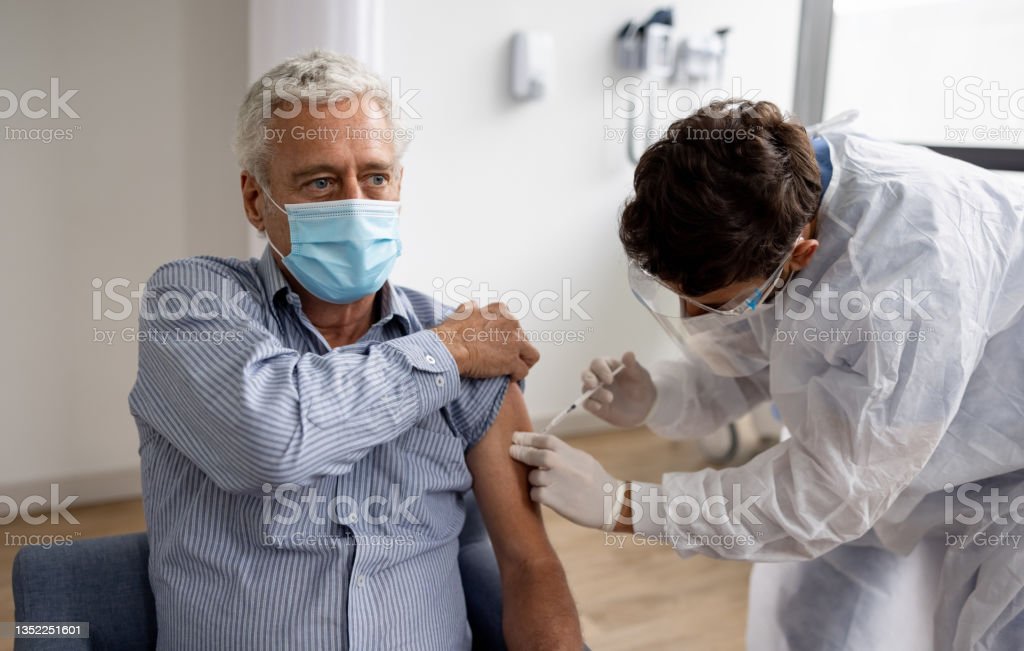 |
| json metadata | {"tags":["healthhealthy"],"image":["https://cdn.steemitimages.com/DQmaQzKZMfUpGrbZqTtg2DHBGp5yFrCT6EGoy41tsvABYU2/istockphoto-1352251601-1024x1024.jpg"],"app":"steemit/0.2","format":"markdown"} |
| parent author | |
| parent permlink | healthhealthy |
| permlink | vaccines-against-the-flu-and-covid-19-what-you-need-to-know |
| title | Vaccines against the flu and COVID-19: What you need to know |
| Transaction Info | Block #73609937/Trx 9706a1e1ee799b83b26bce66dc3c695a127a34c4 |
View Raw JSON Data
{
"block": 73609937,
"op": [
"comment",
{
"author": "mith131820",
"body": "Autumn’s arrival heralds cool temperatures, warm sweaters, and anticipation of the upcoming holiday season. But it’s also when infectious respiratory viruses start to spread more readily. That’s why October is the ideal time to shore up your immunity against two common, potentially life-threatening viruses: influenza (flu) and SARS CoV2, the virus that causes COVID-19.\n\nWinter warning: A bad flu season ahead?\nWith all the attention on COVID over the past two years, the focus on flu has waned somewhat. Last year’s flu season was very mild — in fact, the peak number of positive cases was the lowest in at least the 25 years prior to the COVID-19 pandemic. But don’t count on a repeat this winter.\n\n\"The general consensus is that this year’s flu season could be worse than average, for a couple of reasons,\" says infectious disease specialist Dr. John J. Ross, assistant professor of medicine at Harvard Medical School.\n\nFirst, Australia had a particularly severe flu season this year, with three times the normal amount of cases. Australia is in the southern hemisphere and their winter flu season peaks in August, often predicting what happens in the United States and elsewhere in the northern hemisphere, he notes. Second, the masking and social distancing that many people followed to prevent COVID also prevented the flu. \"But the era of widespread masking has ended, so we’re expecting more viral transmission this season,\" says Dr. Ross.\n\nContinued complications from COVID-19\nCOVID cases and hospitalizations have dropped dramatically since earlier this year. On average, about 340 people died each day from the virus in August and September, compared to about 3,400 per day in early February 2022. \"We expect that COVID rates will rise again over the winter, although not at the same magnitude as last winter,\" Dr. Ross says. There’s clear evidence that Omicron — currently the most widely circulating COVID variant — spreads more easily than earlier strains, but it’s less likely to kill you, he adds.\n\nFlu vaccine advice for adults\nAll adults should get an annual flu vaccine, with the rare exception of people who’ve had a life-threatening reaction to the shot in the past. The vaccine is especially important for those with a higher risk for serious complications from the flu. This includes\n\npeople over age 65\nresidents of nursing homes and other long-term care facilities\npeople who have heart failure and other cardiac conditions, or who suffer from asthma, COPD, or other lung diseases\npeople who have Parkinson’s disease, multiple sclerosis, strokes, or other neurological problems\npeople who have diabetes, weak immune systems, and chronic liver or kidney disease\npregnant women and new mothers.\nIf you’re over 65, the CDC recommends getting one of the vaccines that produces higher levels of antibodies that help protect you against the flu: the Fluzone High-Dose Quadrivalent, Flublock Quadrivalent recombinant, or the Fluad Quadrivalent adjuvanted vaccines. The first two contain higher amounts of antigens, the proteins that trigger the body’s antibody response. The third contains an adjuvant, which is an additive that enhances immune response. People who fall into the other high-risk categories mentioned above might also want to seek out one of these vaccines, says Dr. Ross. But get the standard flu vaccine if none of the other options are readily available.\n\nCOVID vaccine advice for adults\nThe CDC is urging all adults to also stay up to date with COVID vaccines, including the new bivalent mRNA booster. The bivalent shots target both the original COVID strain and the two most recent Omicron subvariants (BA.4 and BA.5), which are more contagious than earlier strains. You should wait at least two months after your previous booster or primary vaccine series to get the new booster. Booster recommendations may differ for people who have a weakened immune system. See the CDC website for more detail on COVID vaccines and boosters.\n\n\"The real-world effectiveness of these boosters is a big question mark, but I certainly recommend one to anyone who’s due for a booster, especially if you’re older,\" says Dr. Ross. Certain data from the earlier rounds of boosters suggests that anything you can do to expand your immune system’s repertoire of response to Omicron will likely protect you against severe disease and hospitalization from COVID, he adds. For example, a recent study among nursing home residents shows 26% fewer COVID infections, a 60% reduction in hospitalizations, and a 90% reduction in deaths for those who had received two booster shots at appropriate intervals compared with only one booster shot.\n\nThere’s no downside to getting the booster at the same time you get your annual flu shot, although those who experienced unpleasant side effects from a COVID vaccine in the past might want to get their flu shot on a different day. But for many people, getting both shots over and done with is a smart strategy.\n\nWhat else can I do to avoid viral infections?\nSimple measures such as washing your hands often, using hand sanitizer when you can’t wash your hands, and avoiding touching your eyes, nose, and mouth can help you stay healthy. Also, be sure to eat well, stay active, and get a good night’s sleep.\n\nThe CDC has additional advice for protecting yourself against COVID-19, such as moving indoor activities outdoors, improving ventilation of indoor air, and taking precautions like wearing masks and distancing when in crowded places, or when COVID cases are high in your community.\n\n\n",
"json_metadata": "{\"tags\":[\"healthhealthy\"],\"image\":[\"https://cdn.steemitimages.com/DQmaQzKZMfUpGrbZqTtg2DHBGp5yFrCT6EGoy41tsvABYU2/istockphoto-1352251601-1024x1024.jpg\"],\"app\":\"steemit/0.2\",\"format\":\"markdown\"}",
"parent_author": "",
"parent_permlink": "healthhealthy",
"permlink": "vaccines-against-the-flu-and-covid-19-what-you-need-to-know",
"title": "Vaccines against the flu and COVID-19: What you need to know"
}
],
"op_in_trx": 0,
"timestamp": "2023-04-09T11:10:33",
"trx_id": "9706a1e1ee799b83b26bce66dc3c695a127a34c4",
"trx_in_block": 0,
"virtual_op": 0
}mith131820published a new post: break-free-from-3-self-sabotaging-ants-automatic-negative-thoughts2023/04/09 11:03:24
mith131820published a new post: break-free-from-3-self-sabotaging-ants-automatic-negative-thoughts
2023/04/09 11:03:24
| author | mith131820 |
| body | Who is affected by automatic negative thoughts? The focus of decades of research and refinement, ANTs tend to strike when we’re anxious or depressed. While most of us succumb to cognitive distortions like these at least occasionally, it only becomes a problem when done chronically or to extremes, says Jacqueline Samson, a psychologist at Harvard-affiliated McLean Hospital. "They’re extremely common, and all of them can lead to a certain amount of misery," she says. "When people get into a negative state of mind, it’s really easy to remember all the bad things someone said or did to you, and hard to remember your successes." Feeling stuck in extremes of thinking The all-or-nothing ANT above leaves us stuck in good or bad, success or failure, with no middle ground between the two extremes. If you’ve fallen short, it’s because you’re completely incompetent — or so the thinking goes. Two other common ANTs to watch: "Should" statements: You "should’ be perfect, because mistakes are unacceptable. Things "should" or "shouldn’t" be the way they actually are. You feel guilty when you’ve done something you "shouldn’t," and angry and resentful of others who break the invisible "should." Let’s say your grandchildren didn’t send thank-you notes for their holiday gifts. How dare they? You went to a lot of work to choose their presents. How rude! They’re never getting another gift from you! But your response is based on an ingrained belief that people "should" send thank-you cards. "Most of the time, these types of ‘shoulds’ are assumptions," says Samson. "The intensity of response can be enormous." It can even drive a wedge into relationships. Discounting the positive: Maybe you dismiss any happy development as unimportant or due to chance. Positive experiences don’t count for one reason or another. For example, your daughter calls to say she can’t make Sunday dinner as you asked, but instead will visit on Saturday night. You ignore the fact that she’s coming on Saturday and focus only on the thought that she’s not coming when you wanted. "You’re not noticing the ways your daughter is showing she cares about you," Samson explains. Why do you fall into ANT traps? To process information quickly, we tend to filter it into categories and impressions based on what we already know. When we’re stressed, Samson says, it’s easier to lump our interpretations into distortions. We don’t think out of the box or consider less-threatening alternatives. These patterns of thinking might have started in childhood, based on behavior modeled by family members or the ways we processed stressful situations without an adult’s input. "We squirrel these schemas away as how we think about the world and ourselves," she says. "If you find automatic, distorted thoughts coming up again and again, they probably have their origins in other things." How can you escape from cognitive distortions? The first step to disarming ANTs is to take a mental step back and view your thoughts as understandable but ultimately unhelpful. Beyond that, Samson offers this advice to escape from ANTs: Catch the thought. Notice how you frame what happens to you. "Anytime you use a word that’s absolute, thinking something is ‘totally’ this or that, remind yourself that it can’t be," she says. Write it down. Sometimes seeing your thoughts on paper — which engages a different part of your brain — can spur you to evaluate them more effectively, she says. Examine the evidence for and against your thoughts. If you’ve been laid off, are you really an idiot who can’t hold a job? The facts might state differently: you have a college degree and have held several jobs long-term. "Realizing this, it’s still disappointing to be laid off, but without the same downward cascade that ‘it’s over’ and things will never change," Samson says.  |
| json metadata | {"tags":["moodmind"],"image":["https://cdn.steemitimages.com/DQmUHeBeGYWHnjgcd4NqXns6ro3REXmsEV97iZWTLYujZuf/smile.jpg"],"app":"steemit/0.2","format":"markdown"} |
| parent author | |
| parent permlink | moodmind |
| permlink | break-free-from-3-self-sabotaging-ants-automatic-negative-thoughts |
| title | Break free from 3 self-sabotaging ANTs — automatic negative thoughts |
| Transaction Info | Block #73609794/Trx 5e45a5fb7da5731c3c49399d0e4520f111b3b368 |
View Raw JSON Data
{
"block": 73609794,
"op": [
"comment",
{
"author": "mith131820",
"body": "Who is affected by automatic negative thoughts?\nThe focus of decades of research and refinement, ANTs tend to strike when we’re anxious or depressed. While most of us succumb to cognitive distortions like these at least occasionally, it only becomes a problem when done chronically or to extremes, says Jacqueline Samson, a psychologist at Harvard-affiliated McLean Hospital.\n\n\"They’re extremely common, and all of them can lead to a certain amount of misery,\" she says. \"When people get into a negative state of mind, it’s really easy to remember all the bad things someone said or did to you, and hard to remember your successes.\"\n\nFeeling stuck in extremes of thinking\nThe all-or-nothing ANT above leaves us stuck in good or bad, success or failure, with no middle ground between the two extremes. If you’ve fallen short, it’s because you’re completely incompetent — or so the thinking goes.\n\nTwo other common ANTs to watch:\n\n\"Should\" statements: You \"should’ be perfect, because mistakes are unacceptable. Things \"should\" or \"shouldn’t\" be the way they actually are. You feel guilty when you’ve done something you \"shouldn’t,\" and angry and resentful of others who break the invisible \"should.\"\n\nLet’s say your grandchildren didn’t send thank-you notes for their holiday gifts. How dare they? You went to a lot of work to choose their presents. How rude! They’re never getting another gift from you! But your response is based on an ingrained belief that people \"should\" send thank-you cards. \"Most of the time, these types of ‘shoulds’ are assumptions,\" says Samson. \"The intensity of response can be enormous.\" It can even drive a wedge into relationships.\n\nDiscounting the positive: Maybe you dismiss any happy development as unimportant or due to chance. Positive experiences don’t count for one reason or another.\n\nFor example, your daughter calls to say she can’t make Sunday dinner as you asked, but instead will visit on Saturday night. You ignore the fact that she’s coming on Saturday and focus only on the thought that she’s not coming when you wanted. \"You’re not noticing the ways your daughter is showing she cares about you,\" Samson explains.\n\nWhy do you fall into ANT traps?\nTo process information quickly, we tend to filter it into categories and impressions based on what we already know. When we’re stressed, Samson says, it’s easier to lump our interpretations into distortions. We don’t think out of the box or consider less-threatening alternatives.\n\nThese patterns of thinking might have started in childhood, based on behavior modeled by family members or the ways we processed stressful situations without an adult’s input. \"We squirrel these schemas away as how we think about the world and ourselves,\" she says. \"If you find automatic, distorted thoughts coming up again and again, they probably have their origins in other things.\"\n\nHow can you escape from cognitive distortions?\nThe first step to disarming ANTs is to take a mental step back and view your thoughts as understandable but ultimately unhelpful. Beyond that, Samson offers this advice to escape from ANTs:\n\nCatch the thought. Notice how you frame what happens to you. \"Anytime you use a word that’s absolute, thinking something is ‘totally’ this or that, remind yourself that it can’t be,\" she says.\nWrite it down. Sometimes seeing your thoughts on paper — which engages a different part of your brain — can spur you to evaluate them more effectively, she says.\nExamine the evidence for and against your thoughts. If you’ve been laid off, are you really an idiot who can’t hold a job? The facts might state differently: you have a college degree and have held several jobs long-term. \"Realizing this, it’s still disappointing to be laid off, but without the same downward cascade that ‘it’s over’ and things will never change,\" Samson says.\n\n",
"json_metadata": "{\"tags\":[\"moodmind\"],\"image\":[\"https://cdn.steemitimages.com/DQmUHeBeGYWHnjgcd4NqXns6ro3REXmsEV97iZWTLYujZuf/smile.jpg\"],\"app\":\"steemit/0.2\",\"format\":\"markdown\"}",
"parent_author": "",
"parent_permlink": "moodmind",
"permlink": "break-free-from-3-self-sabotaging-ants-automatic-negative-thoughts",
"title": "Break free from 3 self-sabotaging ANTs — automatic negative thoughts"
}
],
"op_in_trx": 0,
"timestamp": "2023-04-09T11:03:24",
"trx_id": "5e45a5fb7da5731c3c49399d0e4520f111b3b368",
"trx_in_block": 15,
"virtual_op": 0
}2023/04/09 10:57:33
2023/04/09 10:57:33
| author | steem.history |
| body | Thank you, friend! I'm @steem.history, who is steem witness. Thank you for witnessvoting for me.<br>[](https://steemlogin.com/sign/account-witness-vote?witness=steem.history&approve=1)<br><sub>please click it!</sub><br><br><sub>(Go to https://steemit.com/~witnesses and type fbslo at the bottom of the page)</sub><br></center><br>The weight is reduced because of the lack of Voting Power. If you vote for me as a witness, you can get my little vote. |
| json metadata | {"tsgs":["hello"]} |
| parent author | mith131820 |
| parent permlink | want-to-stay-healthy-over-the-holidays |
| permlink | re-mith131820-want-to-stay-healthy-over-the-holidays-20230409t105731220z |
| title | |
| Transaction Info | Block #73609677/Trx 85e6694c5a96903ecafd103c4abeea9e3b321d0c |
View Raw JSON Data
{
"block": 73609677,
"op": [
"comment",
{
"author": "steem.history",
"body": "Thank you, friend!\nI'm @steem.history, who is steem witness.\nThank you for witnessvoting for me.<br>[](https://steemlogin.com/sign/account-witness-vote?witness=steem.history&approve=1)<br><sub>please click it!</sub><br><br><sub>(Go to https://steemit.com/~witnesses and type fbslo at the bottom of the page)</sub><br></center><br>The weight is reduced because of the lack of Voting Power. If you vote for me as a witness, you can get my little vote.",
"json_metadata": "{\"tsgs\":[\"hello\"]}",
"parent_author": "mith131820",
"parent_permlink": "want-to-stay-healthy-over-the-holidays",
"permlink": "re-mith131820-want-to-stay-healthy-over-the-holidays-20230409t105731220z",
"title": ""
}
],
"op_in_trx": 0,
"timestamp": "2023-04-09T10:57:33",
"trx_id": "85e6694c5a96903ecafd103c4abeea9e3b321d0c",
"trx_in_block": 3,
"virtual_op": 0
}steem.historyupvoted (1.50%) @mith131820 / want-to-stay-healthy-over-the-holidays2023/04/09 10:57:33
steem.historyupvoted (1.50%) @mith131820 / want-to-stay-healthy-over-the-holidays
2023/04/09 10:57:33
| author | mith131820 |
| permlink | want-to-stay-healthy-over-the-holidays |
| voter | steem.history |
| weight | 150 (1.50%) |
| Transaction Info | Block #73609677/Trx 028db84bf9f5de36763094dd4eac562bc23135aa |
View Raw JSON Data
{
  "block": 73609677,
  "op": [
    "vote",
    {
      "author": "mith131820",
      "permlink": "want-to-stay-healthy-over-the-holidays",
      "voter": "steem.history",
      "weight": 150
    }
  ],
  "op_in_trx": 0,
  "timestamp": "2023-04-09T10:57:33",
  "trx_id": "028db84bf9f5de36763094dd4eac562bc23135aa",
  "trx_in_block": 0,
  "virtual_op": 0
}mith131820published a new post: want-to-stay-healthy-over-the-holidays2023/04/09 10:57:21
mith131820published a new post: want-to-stay-healthy-over-the-holidays
2023/04/09 10:57:21
| author | mith131820 |
| body | Vaccination Kristin Moffitt, MD Pediatric infectious disease specialist, Boston Children’s Hospital Assistant professor of pediatrics, Harvard Medical School Start with the children: It’s so important that infants and children are up to date on routine immunizations. Vaccine-preventable infections such as measles and polio have been able to re-emerge in recent years because vaccination rates have fallen below the threshold needed to keep these infections from being able to circulate. Everyone older than 6 months is eligible for flu and COVID vaccines, which partially reduce the chance of becoming infected, and significantly reduce the likelihood of getting severely ill from these infections. Across the US, children’s hospitals, including emergency departments and inpatient units, are under significant strain right now given the high volume of respiratory infections circulating in our communities. Reducing severe illness via vaccination would help preserve these resources for diseases that cannot be prevented by vaccines. Involve the adults: Respiratory viruses — the flu, COVID, and RSV — can spread very efficiently within households. The more household members who are up to date on available flu and COVID vaccines, the lower the chances of introducing those viruses into a household. The same applies to gatherings of families and friends. People with a compromised immune system, medical conditions like diabetes or obesity that put them at increased risk for severe infection, or infants too young to be immunized are particularly susceptible to these infections. Vaccination of the people they come into close contact with helps protect them as well as the person who gets vaccinated. simple graphic of a cooked turkey on a platter; white line drawing on a red background Ventilation Joseph Allen, DSc, MPH, DIH Associate professor, Department of Environmental Health, Harvard T.H. Chan School of Public Health Director, Harvard Healthy Buildings Program Improve ventilation for indoor gatherings: It all starts with recognizing COVID-19 and other airborne diseases like flu spread indoors in places with poor ventilation. If we start there, it’s easier to see simple steps we can take. Think ventilation, dilution, and filtration. For example, we can help dilute the virus through ventilation simply by opening up a window, and we can help filter out respiratory particles of virus by using a portable air purifier with a HEPA filter. Most people won’t get sick on airplanes: Really. When airplane systems are running, they offer excellent ventilation and filtration. Think about this: in a surgical suite [where experts work to reduce the likelihood of infection], there are about 12 air changes per hour; in an airplane [with ventilation systems running], there are 20 air changes an hour. During boarding and after landing, this system is not always running. So, if you’re concerned about getting sick during air travel, wear a high-grade mask during boarding and when disembarking. All masks help, but all masks are not created equal: if you’re concerned about getting sick or are immunocompromised, wear a high-grade mask like an N95, KN95, or KF94 that fits well over the bridge of your nose and is snug along the cheeks and chin. I personally feel very comfortable taking off my mask during the flight. simple graphic of two people dancing under a mirror ball; white line drawing on a green background Extra care for those who need it Suzanne E. Salamon, MD Associate Chief, Geriatric Medicine, Beth Israel Deaconess Medical Center Assistant professor of medicine, Harvard Medical School COVID isn’t done yet: There are many opinions out there, but I think it’s a mistake to think we’re done. There are still 300 COVID deaths every day in this country. As a geriatrician who treats older patients, I’ve gotten more calls in recent months from people who turn up positive for COVID than I ever remember getting. So many people tell me that they’re sick of all this, they just want to get back to living life. I get it. But when I hear about getting together with 20 people coming from all over the country, family and friends with different vaccination statuses and different mask rules, I think there’s a high chance somebody is going to get COVID. Take precautions, particularly around vulnerable people: I have in my family my 100-year-old mother, who lives with us, and a 4-month-old granddaughter I see often. So I am extremely cautious and take a more conservative approach than many. Get vaccinated — and understand that it takes a few weeks for vaccines to reach their full potential. Take a COVID test before you arrive at a gathering. Even repeated tests are not 100% reliable, of course, so if you have any symptoms of a cough or cold, it's safest to skip it. If you decide to go anyway, wear a high-grade mask to help protect others. Sit far away from more vulnerable people and take off your mask only when eating.  |
| json metadata | {"tags":["healthy"],"image":["https://cdn.steemitimages.com/DQmNyN3N8iEoCNwyMixZpdLHzoJrkrwtUVtt6rDjsziCkAx/foods.jpg"],"app":"steemit/0.2","format":"markdown"} |
| parent author | |
| parent permlink | healthy |
| permlink | want-to-stay-healthy-over-the-holidays |
| title | Want to stay healthy over the holidays? |
| Transaction Info | Block #73609673/Trx dddfe230767f13e8e058e31afe8ee6a50a01ac69 |
View Raw JSON Data
{
"block": 73609673,
"op": [
"comment",
{
"author": "mith131820",
"body": "Vaccination\nKristin Moffitt, MD\nPediatric infectious disease specialist, Boston Children’s Hospital\nAssistant professor of pediatrics, Harvard Medical School\n\nStart with the children: It’s so important that infants and children are up to date on routine immunizations. Vaccine-preventable infections such as measles and polio have been able to re-emerge in recent years because vaccination rates have fallen below the threshold needed to keep these infections from being able to circulate. Everyone older than 6 months is eligible for flu and COVID vaccines, which partially reduce the chance of becoming infected, and significantly reduce the likelihood of getting severely ill from these infections.\n\nAcross the US, children’s hospitals, including emergency departments and inpatient units, are under significant strain right now given the high volume of respiratory infections circulating in our communities. Reducing severe illness via vaccination would help preserve these resources for diseases that cannot be prevented by vaccines.\n\nInvolve the adults: Respiratory viruses — the flu, COVID, and RSV — can spread very efficiently within households. The more household members who are up to date on available flu and COVID vaccines, the lower the chances of introducing those viruses into a household.\n\nThe same applies to gatherings of families and friends. People with a compromised immune system, medical conditions like diabetes or obesity that put them at increased risk for severe infection, or infants too young to be immunized are particularly susceptible to these infections. Vaccination of the people they come into close contact with helps protect them as well as the person who gets vaccinated.\n\nsimple graphic of a cooked turkey on a platter; white line drawing on a red background\nVentilation\nJoseph Allen, DSc, MPH, DIH\nAssociate professor, Department of Environmental Health, Harvard T.H. Chan School of Public Health\nDirector, Harvard Healthy Buildings Program\n\nImprove ventilation for indoor gatherings: It all starts with recognizing COVID-19 and other airborne diseases like flu spread indoors in places with poor ventilation. If we start there, it’s easier to see simple steps we can take. Think ventilation, dilution, and filtration. For example, we can help dilute the virus through ventilation simply by opening up a window, and we can help filter out respiratory particles of virus by using a portable air purifier with a HEPA filter.\n\nMost people won’t get sick on airplanes: Really. When airplane systems are running, they offer excellent ventilation and filtration. Think about this: in a surgical suite [where experts work to reduce the likelihood of infection], there are about 12 air changes per hour; in an airplane [with ventilation systems running], there are 20 air changes an hour.\n\nDuring boarding and after landing, this system is not always running. So, if you’re concerned about getting sick during air travel, wear a high-grade mask during boarding and when disembarking. All masks help, but all masks are not created equal: if you’re concerned about getting sick or are immunocompromised, wear a high-grade mask like an N95, KN95, or KF94 that fits well over the bridge of your nose and is snug along the cheeks and chin. I personally feel very comfortable taking off my mask during the flight.\n\nsimple graphic of two people dancing under a mirror ball; white line drawing on a green background\nExtra care for those who need it\nSuzanne E. Salamon, MD\nAssociate Chief, Geriatric Medicine, Beth Israel Deaconess Medical Center\nAssistant professor of medicine, Harvard Medical School\n\nCOVID isn’t done yet: There are many opinions out there, but I think it’s a mistake to think we’re done. There are still 300 COVID deaths every day in this country. As a geriatrician who treats older patients, I’ve gotten more calls in recent months from people who turn up positive for COVID than I ever remember getting.\n\nSo many people tell me that they’re sick of all this, they just want to get back to living life. I get it. But when I hear about getting together with 20 people coming from all over the country, family and friends with different vaccination statuses and different mask rules, I think there’s a high chance somebody is going to get COVID.\n\nTake precautions, particularly around vulnerable people: I have in my family my 100-year-old mother, who lives with us, and a 4-month-old granddaughter I see often. So I am extremely cautious and take a more conservative approach than many. Get vaccinated — and understand that it takes a few weeks for vaccines to reach their full potential. Take a COVID test before you arrive at a gathering. Even repeated tests are not 100% reliable, of course, so if you have any symptoms of a cough or cold, it's safest to skip it. If you decide to go anyway, wear a high-grade mask to help protect others. Sit far away from more vulnerable people and take off your mask only when eating.\n\n\n",
"json_metadata": "{\"tags\":[\"healthy\"],\"image\":[\"https://cdn.steemitimages.com/DQmNyN3N8iEoCNwyMixZpdLHzoJrkrwtUVtt6rDjsziCkAx/foods.jpg\"],\"app\":\"steemit/0.2\",\"format\":\"markdown\"}",
"parent_author": "",
"parent_permlink": "healthy",
"permlink": "want-to-stay-healthy-over-the-holidays",
"title": "Want to stay healthy over the holidays?"
}
],
"op_in_trx": 0,
"timestamp": "2023-04-09T10:57:21",
"trx_id": "dddfe230767f13e8e058e31afe8ee6a50a01ac69",
"trx_in_block": 3,
"virtual_op": 0
}mith131820published a new post: don-t-want-to-go-to-bed-dealing-with-bedtime-procrastination2023/04/08 08:52:21
mith131820published a new post: don-t-want-to-go-to-bed-dealing-with-bedtime-procrastination
2023/04/08 08:52:21
| author | mith131820 |
| body | Restful sleep is key for good health, and reluctance to sleep can have consequences. December 12, 2022 By Eric Zhou, PhD, Contributor A woman in nightwear looking at her smartphone white lying on top of a bed with blue sheets and pillowcases, bedside lamp on A few years ago, the official Twitter account for Netflix sent out the following message: "Sleep is my greatest enemy." This perfectly sums up the battle you might experience when you know that you should be in bed but avoid going. But the urge to stay awake may be affecting your health. Here’s why it’s time to rethink bedtime procrastination and take steps toward a healthier path. What is bedtime procrastination? Our highly-wired world jockeys to keep us engaged; there’s always one more episode to watch, another text to respond to, a few more social media apps to check out. Daily pressures and challenges can make it hard to carve out time for ourselves. Is it any surprise that many of us procrastinate about going to bed? Nearly two decades ago, a group of researchers in Europe coined the term "bedtime procrastination" to describe someone who goes to bed later than planned, despite knowing that there will be negative consequences if they do. Their research showed that adults who procrastinated significantly about going to bed were more fatigued and slept less compared to those who did not procrastinate. One key factor? Smartphone use: procrastinators use their devices for an average of almost 80 minutes before bed compared with 18 minutes for non-procrastinators. Why does it matter? Routinely getting less sleep than you need, or not getting sufficient good-quality sleep, is associated with many poor health outcomes, including cardiovascular issues like high blood pressure and heart problems, cognitive issues, and depression. Sleep is one of the three pillars of health, along with good nutrition and exercise. Yet encouraging restful sleep is often overlooked as a way to improve our physical and mental well-being. What can you do If you struggle with bedtime procrastination? Recently, researchers from the Republic of Korea piloted a small trial of a program to target bedtime procrastination. Their program focuses on improving motivation and changing behavior. During this preliminary study, 20 participants engaged in 50-minute sessions once weekly for three weeks, followed by a booster phone call. They reduced time spent procrastinating before bed by more than 60%, and reported fewer struggles with daytime sleepiness and insomnia. Five promising takeaways may help you dial down bedtime procrastination: Figure out your motivation for a positive change. Bedtime procrastination wouldn’t occur if it didn’t have positive aspects — watching more TV, say, or enjoying the only quiet time you have in the day. However, you’re probably not tallying the costs of staying up later than you should. You’re experiencing the immediate gratification of being awake now, whereas the potential reward of feeling good in the morning if you go to bed now is a distant possibility, hours and hours away. Be honest with yourself about the pros and cons of bedtime procrastination and how you’ll feel the next day. Track your sleep patterns. Most likely, you don’t remember when you wanted to go to bed versus when you actually went to bed during the past few weeks. Writing this down for a week or two will help you understand if bedtime procrastination is a problem for you. Set a realistic goal. Let’s say you know that you need to be in bed by 11 pm to feel clear-headed and well the next morning. If you typically go to bed at 1 am, aiming for 11 pm every night is probably not realistic. Start by trying to move your bedtime back by 15 or 30 minutes. If that’s successful, keep the momentum going. Make a contract for change. One of the most powerful tools you can bring to the table is a promise to another person. It holds you accountable, and greatly increases the likelihood that you will follow through on making a change in your life. Have you ever wondered why you are more likely to go to the gym if you have a personal trainer? In this case, consider sharing your aims and actual results with a partner, parent, child, relative, friend, or coworker. Keep an eye out for barriers. As you act on changes, be mindful of the barriers you encounter. For example, you might find yourself feeling lonely at night, which drives you to use your smartphone more than you should to feel connected with others. The bottom line If you procrastinate about going to bed, you are not alone. Whether you feel like you never have enough time for yourself, or stay up too late on Sunday night because you dread your to-do list on Monday morning, your reluctance to sink into sleep is completely understandable. Occasional bedtime procrastination is a normal part of life unlikely to affect your health. However, if you find that consistent procrastination leads to getting less sleep than you need, consider trying strategies designed to curb the habit. About the Author photo of Eric Zhou, PhD Eric Zhou, PhD, Contributor Eric Zhou, PhD, is an assistant professor at Harvard Medical School. His research focuses on how we can better understand and treat sleep disorders in both pediatric and adult populations, including those with chronic illnesses. Dr. … See Full Bio View all posts by Eric Zhou, PhD  |
| json metadata | {"tags":["healthyhealth"],"image":["https://cdn.steemitimages.com/DQmePXPFE9cz6RdSzYAkD7xypvsFV6AWhFYBsnaoZZu3J3g/mobile%20in%20bed.jpg"],"app":"steemit/0.2","format":"markdown"} |
| parent author | |
| parent permlink | healthyhealth |
| permlink | don-t-want-to-go-to-bed-dealing-with-bedtime-procrastination |
| title | Don’t want to go to bed? Dealing with bedtime procrastination |
| Transaction Info | Block #73578518/Trx 61e6abd46a96c471b8c7ef15b44ed9b8c5c134b0 |
View Raw JSON Data
{
"block": 73578518,
"op": [
"comment",
{
"author": "mith131820",
"body": "Restful sleep is key for good health, and reluctance to sleep can have consequences.\n\nDecember 12, 2022\nBy Eric Zhou, PhD, Contributor\nA woman in nightwear looking at her smartphone white lying on top of a bed with blue sheets and pillowcases, bedside lamp on\nA few years ago, the official Twitter account for Netflix sent out the following message: \"Sleep is my greatest enemy.\" This perfectly sums up the battle you might experience when you know that you should be in bed but avoid going. But the urge to stay awake may be affecting your health. Here’s why it’s time to rethink bedtime procrastination and take steps toward a healthier path.\n\nWhat is bedtime procrastination?\nOur highly-wired world jockeys to keep us engaged; there’s always one more episode to watch, another text to respond to, a few more social media apps to check out. Daily pressures and challenges can make it hard to carve out time for ourselves. Is it any surprise that many of us procrastinate about going to bed?\n\nNearly two decades ago, a group of researchers in Europe coined the term \"bedtime procrastination\" to describe someone who goes to bed later than planned, despite knowing that there will be negative consequences if they do. Their research showed that adults who procrastinated significantly about going to bed were more fatigued and slept less compared to those who did not procrastinate.\n\nOne key factor? Smartphone use: procrastinators use their devices for an average of almost 80 minutes before bed compared with 18 minutes for non-procrastinators.\n\nWhy does it matter?\nRoutinely getting less sleep than you need, or not getting sufficient good-quality sleep, is associated with many poor health outcomes, including cardiovascular issues like high blood pressure and heart problems, cognitive issues, and depression. Sleep is one of the three pillars of health, along with good nutrition and exercise. Yet encouraging restful sleep is often overlooked as a way to improve our physical and mental well-being.\n\nWhat can you do If you struggle with bedtime procrastination?\nRecently, researchers from the Republic of Korea piloted a small trial of a program to target bedtime procrastination. Their program focuses on improving motivation and changing behavior. During this preliminary study, 20 participants engaged in 50-minute sessions once weekly for three weeks, followed by a booster phone call. They reduced time spent procrastinating before bed by more than 60%, and reported fewer struggles with daytime sleepiness and insomnia.\n\nFive promising takeaways may help you dial down bedtime procrastination:\n\nFigure out your motivation for a positive change. Bedtime procrastination wouldn’t occur if it didn’t have positive aspects — watching more TV, say, or enjoying the only quiet time you have in the day. However, you’re probably not tallying the costs of staying up later than you should. You’re experiencing the immediate gratification of being awake now, whereas the potential reward of feeling good in the morning if you go to bed now is a distant possibility, hours and hours away. Be honest with yourself about the pros and cons of bedtime procrastination and how you’ll feel the next day.\nTrack your sleep patterns. Most likely, you don’t remember when you wanted to go to bed versus when you actually went to bed during the past few weeks. Writing this down for a week or two will help you understand if bedtime procrastination is a problem for you.\nSet a realistic goal. Let’s say you know that you need to be in bed by 11 pm to feel clear-headed and well the next morning. If you typically go to bed at 1 am, aiming for 11 pm every night is probably not realistic. Start by trying to move your bedtime back by 15 or 30 minutes. If that’s successful, keep the momentum going.\nMake a contract for change. One of the most powerful tools you can bring to the table is a promise to another person. It holds you accountable, and greatly increases the likelihood that you will follow through on making a change in your life. Have you ever wondered why you are more likely to go to the gym if you have a personal trainer? In this case, consider sharing your aims and actual results with a partner, parent, child, relative, friend, or coworker.\nKeep an eye out for barriers. As you act on changes, be mindful of the barriers you encounter. For example, you might find yourself feeling lonely at night, which drives you to use your smartphone more than you should to feel connected with others.\nThe bottom line\nIf you procrastinate about going to bed, you are not alone. Whether you feel like you never have enough time for yourself, or stay up too late on Sunday night because you dread your to-do list on Monday morning, your reluctance to sink into sleep is completely understandable. Occasional bedtime procrastination is a normal part of life unlikely to affect your health. However, if you find that consistent procrastination leads to getting less sleep than you need, consider trying strategies designed to curb the habit.\n\nAbout the Author\nphoto of Eric Zhou, PhD\nEric Zhou, PhD, Contributor\n\nEric Zhou, PhD, is an assistant professor at Harvard Medical School. His research focuses on how we can better understand and treat sleep disorders in both pediatric and adult populations, including those with chronic illnesses. Dr. … See Full Bio\nView all posts by Eric Zhou, PhD\n\n",
"json_metadata": "{\"tags\":[\"healthyhealth\"],\"image\":[\"https://cdn.steemitimages.com/DQmePXPFE9cz6RdSzYAkD7xypvsFV6AWhFYBsnaoZZu3J3g/mobile%20in%20bed.jpg\"],\"app\":\"steemit/0.2\",\"format\":\"markdown\"}",
"parent_author": "",
"parent_permlink": "healthyhealth",
"permlink": "don-t-want-to-go-to-bed-dealing-with-bedtime-procrastination",
"title": "Don’t want to go to bed? Dealing with bedtime procrastination"
}
],
"op_in_trx": 0,
"timestamp": "2023-04-08T08:52:21",
"trx_id": "61e6abd46a96c471b8c7ef15b44ed9b8c5c134b0",
"trx_in_block": 3,
"virtual_op": 0
}claudiareplied to @mith131820 / rssfil2023/04/08 08:27:57
claudiareplied to @mith131820 / rssfil
2023/04/08 08:27:57
| author | claudia |
| body | Winter hiking is next to impossible in the mountains as everything is covered in deep snow. |
| json metadata | {"app":"steemit/0.2"} |
| parent author | mith131820 |
| parent permlink | winter-hiking-magical-or-miserable |
| permlink | rssfil |
| title | |
| Transaction Info | Block #73578033/Trx 27d904406805e3b145aa00871233077d4754a712 |
View Raw JSON Data
{
  "block": 73578033,
  "op": [
    "comment",
    {
      "author": "claudia",
      "body": "Winter hiking is next to impossible in the mountains as everything is covered in deep snow.",
      "json_metadata": "{\"app\":\"steemit/0.2\"}",
      "parent_author": "mith131820",
      "parent_permlink": "winter-hiking-magical-or-miserable",
      "permlink": "rssfil",
      "title": ""
    }
  ],
  "op_in_trx": 0,
  "timestamp": "2023-04-08T08:27:57",
  "trx_id": "27d904406805e3b145aa00871233077d4754a712",
  "trx_in_block": 4,
  "virtual_op": 0
}mith131820published a new post: does-your-child-need-to-gain-weight2023/04/08 08:27:12
mith131820published a new post: does-your-child-need-to-gain-weight
2023/04/08 08:27:12
| author | mith131820 |
| body | What to do when children fall below a healthy weight range for their age. February 9, 2023 By Claire McCarthy, MD, Senior Faculty Editor, Harvard Health Publishing Six pieces of whole wheat toast decorated with fun animal faces added using nut butter, cheese, a chocolatey spread, berries and banana slices Understandably, the sensitive topic of weight in children and teens often focuses on the health costs of overweight and obesity. Sometimes, though, a child needs to gain some weight. And while there are lots of ways to make that happen, not all of them are healthy. What to do if your child seems underweight If you are worried about whether your child needs to gain weight, it’s very important to check with your doctor before getting to work on fattening them up. It’s entirely possible that your child’s weight is absolutely fine. Given that one in five children in the US is obese and another one in six is overweight, it’s easy to see how a parent might think their child is too thin in comparison. One way to find out if your child’s weight is healthy is to check their body mass index, a calculation using height and weight that is used for children ages 2 and up. Losing weight or being underweight can be a sign of a medical or emotional problem, so be sure to let your doctor know about your concerns. They may want to see your child to help decide if any evaluations are needed. If your child is less than 2 years old, it’s particularly important that you check in with your doctor about weight concerns, and follow their advice exactly. Choosing healthy foods when a child needs to gain weight If your child is older than 2 and the doctor agrees that gaining weight is a good idea, the best way to approach it is by using healthy foods and healthy habits. Three ways to help encourage healthy weight gain: Give your child three meals (breakfast, lunch, and dinner) and two healthy snacks (mid-morning and mid-afternoon). If your child eats dinner early, you could consider a small snack before bedtime. Try to avoid snacks in between or drinking anything other than some water; you want them to be hungry when you give them food. Offer healthy high-calorie foods. Think in terms of healthy fats and protein. Some examples are: nuts and nut butters, as well as seeds like pumpkin or sunflower seeds full-fat dairy, such as whole milk, heavy cream, cream cheese, and other cheeses avocados hummus olive oil and other vegetable oils whole grains, such as whole-wheat bread or granola (look for granola sweetened with juice or fruit rather than sugar) meat if your diet includes it Every time you prepare a meal or snack, think about how you might add some calories to it. For example, you could add some extra oil, butter, or cheese to pasta — or some nut butter on a slice of apple or piece of toast. Three traps to avoid: Giving your child more sweets or junk food. It’s tempting, as children generally want to eat sweets and junk food, and both have calories. But they aren’t healthy foods, and it’s not a good idea to build a sweets and junk food habit. Giving your child unlimited access to food. This, too, is tempting — after all, you want them to eat! But not only does that make it hard to be sure that what they are eating is healthy, snacking can make them less hungry when it’s time for an actual meal. Letting your child fill up on milk and other drinks — including nutritional supplement drinks. This, too, makes it less likely that they will eat at mealtime, and they are unlikely to get all the nutrients they need. Don’t give your child nutritional supplements unless your doctor advises you to do so. Be sure you schedule regular check-ins with your doctor to monitor your child’s progress. Hopefully your child will soon be at a healthier weight that helps them to thrive as they grow. Follow me on Twitter @drClaire About the Author photo of Claire McCarthy, MD Claire McCarthy, MD, Senior Faculty Editor, Harvard Health Publishing Claire McCarthy, MD, is a primary care pediatrician at Boston Children’s Hospital, and an assistant professor of pediatrics at Harvard Medical School. In addition to being a senior faculty editor for Harvard Health Publishing, Dr. McCarthy … See Full Bio View all posts by Claire McCarthy, MD  |
| json metadata | {"tags":["childweghthealthfoods"],"users":["drclaire"],"image":["https://cdn.steemitimages.com/DQmdmKvTHsnKvnLVCRk79rD3TpuXbwUipTfcuCujyS5pgBF/child%20weight.jpg"],"app":"steemit/0.2","format":"markdown"} |
| parent author | |
| parent permlink | childweghthealthfoods |
| permlink | does-your-child-need-to-gain-weight |
| title | Does your child need to gain weight? |
| Transaction Info | Block #73578018/Trx 8977d1cf15b0866cd985daee8b64b71bb6aeb98a |
View Raw JSON Data
{
"block": 73578018,
"op": [
"comment",
{
"author": "mith131820",
"body": "What to do when children fall below a healthy weight range for their age.\n\nFebruary 9, 2023\nBy Claire McCarthy, MD, Senior Faculty Editor, Harvard Health Publishing\nSix pieces of whole wheat toast decorated with fun animal faces added using nut butter, cheese, a chocolatey spread, berries and banana slices\nUnderstandably, the sensitive topic of weight in children and teens often focuses on the health costs of overweight and obesity. Sometimes, though, a child needs to gain some weight. And while there are lots of ways to make that happen, not all of them are healthy.\n\nWhat to do if your child seems underweight\nIf you are worried about whether your child needs to gain weight, it’s very important to check with your doctor before getting to work on fattening them up. It’s entirely possible that your child’s weight is absolutely fine. Given that one in five children in the US is obese and another one in six is overweight, it’s easy to see how a parent might think their child is too thin in comparison. One way to find out if your child’s weight is healthy is to check their body mass index, a calculation using height and weight that is used for children ages 2 and up.\n\nLosing weight or being underweight can be a sign of a medical or emotional problem, so be sure to let your doctor know about your concerns. They may want to see your child to help decide if any evaluations are needed. If your child is less than 2 years old, it’s particularly important that you check in with your doctor about weight concerns, and follow their advice exactly.\n\nChoosing healthy foods when a child needs to gain weight\nIf your child is older than 2 and the doctor agrees that gaining weight is a good idea, the best way to approach it is by using healthy foods and healthy habits.\n\nThree ways to help encourage healthy weight gain:\n\nGive your child three meals (breakfast, lunch, and dinner) and two healthy snacks (mid-morning and mid-afternoon). If your child eats dinner early, you could consider a small snack before bedtime. Try to avoid snacks in between or drinking anything other than some water; you want them to be hungry when you give them food.\nOffer healthy high-calorie foods. Think in terms of healthy fats and protein. Some examples are:\nnuts and nut butters, as well as seeds like pumpkin or sunflower seeds\nfull-fat dairy, such as whole milk, heavy cream, cream cheese, and other cheeses\navocados\nhummus\nolive oil and other vegetable oils\nwhole grains, such as whole-wheat bread or granola (look for granola sweetened with juice or fruit rather than sugar)\nmeat if your diet includes it\nEvery time you prepare a meal or snack, think about how you might add some calories to it. For example, you could add some extra oil, butter, or cheese to pasta — or some nut butter on a slice of apple or piece of toast.\nThree traps to avoid:\n\nGiving your child more sweets or junk food. It’s tempting, as children generally want to eat sweets and junk food, and both have calories. But they aren’t healthy foods, and it’s not a good idea to build a sweets and junk food habit.\nGiving your child unlimited access to food. This, too, is tempting — after all, you want them to eat! But not only does that make it hard to be sure that what they are eating is healthy, snacking can make them less hungry when it’s time for an actual meal.\nLetting your child fill up on milk and other drinks — including nutritional supplement drinks. This, too, makes it less likely that they will eat at mealtime, and they are unlikely to get all the nutrients they need. Don’t give your child nutritional supplements unless your doctor advises you to do so.\nBe sure you schedule regular check-ins with your doctor to monitor your child’s progress. Hopefully your child will soon be at a healthier weight that helps them to thrive as they grow.\n\nFollow me on Twitter @drClaire\n\nAbout the Author\nphoto of Claire McCarthy, MD\nClaire McCarthy, MD, Senior Faculty Editor, Harvard Health Publishing\n\nClaire McCarthy, MD, is a primary care pediatrician at Boston Children’s Hospital, and an assistant professor of pediatrics at Harvard Medical School. In addition to being a senior faculty editor for Harvard Health Publishing, Dr. McCarthy … See Full Bio\nView all posts by Claire McCarthy, MD\n\n",
"json_metadata": "{\"tags\":[\"childweghthealthfoods\"],\"users\":[\"drclaire\"],\"image\":[\"https://cdn.steemitimages.com/DQmdmKvTHsnKvnLVCRk79rD3TpuXbwUipTfcuCujyS5pgBF/child%20weight.jpg\"],\"app\":\"steemit/0.2\",\"format\":\"markdown\"}",
"parent_author": "",
"parent_permlink": "childweghthealthfoods",
"permlink": "does-your-child-need-to-gain-weight",
"title": "Does your child need to gain weight?"
}
],
"op_in_trx": 0,
"timestamp": "2023-04-08T08:27:12",
"trx_id": "8977d1cf15b0866cd985daee8b64b71bb6aeb98a",
"trx_in_block": 0,
"virtual_op": 0
}claudiareplied to @mith131820 / rssfh22023/04/08 08:27:03
claudiareplied to @mith131820 / rssfh2
2023/04/08 08:27:03
| author | claudia |
| body | Carbohydrates are essential. They should not be cut. |
| json metadata | {"app":"steemit/0.2"} |
| parent author | mith131820 |
| parent permlink | low-carb-diet-helps-cut-blood-sugar-levels-in-people-with-prediabetes |
| permlink | rssfh2 |
| title | |
| Transaction Info | Block #73578015/Trx 039ba6ad17e9f3d6b91895ff8806526959b0069f |
View Raw JSON Data
{
  "block": 73578015,
  "op": [
    "comment",
    {
      "author": "claudia",
      "body": "Carbohydrates are essential. They should not be cut.",
      "json_metadata": "{\"app\":\"steemit/0.2\"}",
      "parent_author": "mith131820",
      "parent_permlink": "low-carb-diet-helps-cut-blood-sugar-levels-in-people-with-prediabetes",
      "permlink": "rssfh2",
      "title": ""
    }
  ],
  "op_in_trx": 0,
  "timestamp": "2023-04-08T08:27:03",
  "trx_id": "039ba6ad17e9f3d6b91895ff8806526959b0069f",
  "trx_in_block": 0,
  "virtual_op": 0
}mith131820published a new post: low-carb-diet-helps-cut-blood-sugar-levels-in-people-with-prediabetes2023/04/08 08:14:15
mith131820published a new post: low-carb-diet-helps-cut-blood-sugar-levels-in-people-with-prediabetes
2023/04/08 08:14:15
| author | mith131820 |
| body | Several health measures — including blood glucose levels and weight — improved. January 3, 2023 By Maureen Salamon, Executive Editor, Harvard Women's Health Watch Healthy foods for low-carb diet include salmon, cauliflower, avocado, meat, plain yogurt, varied green vegetables For most people, there’s no single healthy way to eat, though there are healthy foods and eating patterns. Yet for people with prediabetes, a low-carb diet could quickly bring elevated A1C levels back to a healthier range, a trial published in JAMA Network Opensuggests. But while this research revealed several benefits of low-carb eating to blood sugar control, Dr. Giulio Romeo, associate medical director of the Adult Diabetes Section at Harvard-affiliated Joslin Diabetes Center, wonders whether its rigorous approach is realistic in everyday life. "Clearly this study shows that a low-carb — and really, a borderline very-low-carb — diet is effective in reducing A1C levels, which are a measure of blood sugar during the previous three months," he says. "But it may or may not be sustainable in the long run." Prediabetes affects an estimated 96 million American adults. This condition is characterized by higher-than-normal-range blood sugar levels, and puts people at higher risk for developing full-blown diabetes. Which foods were study participants asked to eat — or avoid? This randomized clinical trial — considered the gold standard in scientific research — enrolled 150 older adults with untreated prediabetes or less severe diabetes. All were overweight (average BMI 35); nearly three-quarters were women and 59% were Black. Over the course of six months, half were randomly assigned to a low-carb diet and frequent dietary counseling, while the other half continued eating their usual diet. During the first three months, low-carb participants needed to keep carbohydrate levels below 40 grams a day — that’s roughly the amount of carbs in an English muffin and an apple. During months four through six, their carb limit was below 60 grams a day. The researchers recommended that participants veer toward proteins and healthy fats by eating non-starchy vegetables, fish, poultry, lean meat, eggs, olive oil, avocados, nuts and seeds, Greek yogurt, low-carb milk, and small amounts of cheese. They were advised to limit or avoid other dairy, fruits, legumes, beans, and grains. The low-carb participants were provided various foods throughout the study, including olive oil, green beans, tomatoes, tuna, non-sugar sweetener, nuts, and low-carb bars and shakes. What did the study find? All participants underwent blood testing three and six months into the trial. Compared to those eating their usual diet, participants taking the low-carb approach had greater improvements in A1C and fasting blood glucose levels at the six-month mark. They also lost an average of 13 pounds. Though modest, the A1C improvements represented nearly a 60% lower risk for developing diabetes within the next three years. "The reduction in A1C was greater in participants who were white compared to Black, which is important to know," Dr. Romeo says. "By including a large number of Black participants, the study helps us to understand whether the response to a low-carb diet is comparable across race. In this trial, it did not seem to be." Was the low-carb diet the only factor in better blood sugar control? No. It’s impossible to tell how much low-carb participants’ weight loss counted toward better blood sugar control, Dr. Romeo says. Losing fat helps reduce insulin resistance. "That means your body will respond more effectively to the action of the insulin you make," he says. "That’s obviously very helpful." But two direct effects of the low-carb approach may also be responsible for the downward swing in blood glucose, he says. Forcing your body to rely on energy sources other than carbohydrates cuts your appetite. Also, when you eat higher levels of carbs, your pancreas has to produce higher amounts of insulin. Eating fewer carbs reduces the burden on the pancreas and lowers insulin resistance independent of weight loss. Other study limitations may have also skewed findings, including the intensive dietary counseling low-carb participants received and the self-reporting of daily diets. Dr. Romeo also pointed out that the study wasn’t large or long-term, two attributes that would have strengthened its findings. "It doesn’t necessarily address how sustainable this low-carb diet is, so a 12-month or 18-month study would be welcome," he says. "But I think it’s a very good step in that direction." Can a reasonable approach to carbs make a difference? Not everyone with prediabetes will be willing or able to cut their carbohydrate intake to the extreme levels undertaken by study participants. But cutting even some carbs might lead to blood sugar and weight control benefits, Dr. Romeo says. "The fairly large carbohydrate intake we’ve all become accustomed to — breads, sweets, starchy vegetables — can be dialed down a bit," he says. "Not only can that reduce the risk of diabetes, but it also may help weight loss." About the Author photo of Maureen Salamon Maureen Salamon, Executive Editor, Harvard Women's Health Watch Maureen Salamon is executive editor of Harvard Women’s Health Watch. She began her career as a newspaper reporter and later covered health and medicine for a wide variety of websites, magazines, and hospitals. Her work has … See Full Bio View all posts by Maureen Salamon  |
| json metadata | {"tags":["nutrationhealth"],"image":["https://cdn.steemitimages.com/DQmXqYYmKcMQqHRN9nbeFVwBjD9fnj7GiS48Zbgri62xrVB/nutraion.jpg"],"app":"steemit/0.2","format":"markdown"} |
| parent author | |
| parent permlink | nutrationhealth |
| permlink | low-carb-diet-helps-cut-blood-sugar-levels-in-people-with-prediabetes |
| title | Low-carb diet helps cut blood sugar levels in people with prediabetes |
| Transaction Info | Block #73577760/Trx 43c346a20b17d51bffcb4649e3c1518ad1659bd8 |
View Raw JSON Data
{
"block": 73577760,
"op": [
"comment",
{
"author": "mith131820",
"body": "Several health measures — including blood glucose levels and weight — improved.\n\nJanuary 3, 2023\nBy Maureen Salamon, Executive Editor, Harvard Women's Health Watch\nHealthy foods for low-carb diet include salmon, cauliflower, avocado, meat, plain yogurt, varied green vegetables\nFor most people, there’s no single healthy way to eat, though there are healthy foods and eating patterns. Yet for people with prediabetes, a low-carb diet could quickly bring elevated A1C levels back to a healthier range, a trial published in JAMA Network Opensuggests.\n\nBut while this research revealed several benefits of low-carb eating to blood sugar control, Dr. Giulio Romeo, associate medical director of the Adult Diabetes Section at Harvard-affiliated Joslin Diabetes Center, wonders whether its rigorous approach is realistic in everyday life. \"Clearly this study shows that a low-carb — and really, a borderline very-low-carb — diet is effective in reducing A1C levels, which are a measure of blood sugar during the previous three months,\" he says. \"But it may or may not be sustainable in the long run.\"\n\nPrediabetes affects an estimated 96 million American adults. This condition is characterized by higher-than-normal-range blood sugar levels, and puts people at higher risk for developing full-blown diabetes.\n\nWhich foods were study participants asked to eat — or avoid?\nThis randomized clinical trial — considered the gold standard in scientific research — enrolled 150 older adults with untreated prediabetes or less severe diabetes. All were overweight (average BMI 35); nearly three-quarters were women and 59% were Black. Over the course of six months, half were randomly assigned to a low-carb diet and frequent dietary counseling, while the other half continued eating their usual diet.\n\nDuring the first three months, low-carb participants needed to keep carbohydrate levels below 40 grams a day — that’s roughly the amount of carbs in an English muffin and an apple. During months four through six, their carb limit was below 60 grams a day.\n\nThe researchers recommended that participants veer toward proteins and healthy fats by eating non-starchy vegetables, fish, poultry, lean meat, eggs, olive oil, avocados, nuts and seeds, Greek yogurt, low-carb milk, and small amounts of cheese. They were advised to limit or avoid other dairy, fruits, legumes, beans, and grains. The low-carb participants were provided various foods throughout the study, including olive oil, green beans, tomatoes, tuna, non-sugar sweetener, nuts, and low-carb bars and shakes.\n\nWhat did the study find?\nAll participants underwent blood testing three and six months into the trial. Compared to those eating their usual diet, participants taking the low-carb approach had greater improvements in A1C and fasting blood glucose levels at the six-month mark. They also lost an average of 13 pounds. Though modest, the A1C improvements represented nearly a 60% lower risk for developing diabetes within the next three years.\n\n\"The reduction in A1C was greater in participants who were white compared to Black, which is important to know,\" Dr. Romeo says. \"By including a large number of Black participants, the study helps us to understand whether the response to a low-carb diet is comparable across race. In this trial, it did not seem to be.\"\n\nWas the low-carb diet the only factor in better blood sugar control?\nNo. It’s impossible to tell how much low-carb participants’ weight loss counted toward better blood sugar control, Dr. Romeo says. Losing fat helps reduce insulin resistance. \"That means your body will respond more effectively to the action of the insulin you make,\" he says. \"That’s obviously very helpful.\"\n\nBut two direct effects of the low-carb approach may also be responsible for the downward swing in blood glucose, he says. Forcing your body to rely on energy sources other than carbohydrates cuts your appetite. Also, when you eat higher levels of carbs, your pancreas has to produce higher amounts of insulin. Eating fewer carbs reduces the burden on the pancreas and lowers insulin resistance independent of weight loss.\n\nOther study limitations may have also skewed findings, including the intensive dietary counseling low-carb participants received and the self-reporting of daily diets. Dr. Romeo also pointed out that the study wasn’t large or long-term, two attributes that would have strengthened its findings. \"It doesn’t necessarily address how sustainable this low-carb diet is, so a 12-month or 18-month study would be welcome,\" he says. \"But I think it’s a very good step in that direction.\"\n\nCan a reasonable approach to carbs make a difference?\nNot everyone with prediabetes will be willing or able to cut their carbohydrate intake to the extreme levels undertaken by study participants. But cutting even some carbs might lead to blood sugar and weight control benefits, Dr. Romeo says.\n\n\"The fairly large carbohydrate intake we’ve all become accustomed to — breads, sweets, starchy vegetables — can be dialed down a bit,\" he says. \"Not only can that reduce the risk of diabetes, but it also may help weight loss.\"\n\nAbout the Author\nphoto of Maureen Salamon\nMaureen Salamon, Executive Editor, Harvard Women's Health Watch\n\nMaureen Salamon is executive editor of Harvard Women’s Health Watch. She began her career as a newspaper reporter and later covered health and medicine for a wide variety of websites, magazines, and hospitals. Her work has … See Full Bio\nView all posts by Maureen Salamon\n\n",
"json_metadata": "{\"tags\":[\"nutrationhealth\"],\"image\":[\"https://cdn.steemitimages.com/DQmXqYYmKcMQqHRN9nbeFVwBjD9fnj7GiS48Zbgri62xrVB/nutraion.jpg\"],\"app\":\"steemit/0.2\",\"format\":\"markdown\"}",
"parent_author": "",
"parent_permlink": "nutrationhealth",
"permlink": "low-carb-diet-helps-cut-blood-sugar-levels-in-people-with-prediabetes",
"title": "Low-carb diet helps cut blood sugar levels in people with prediabetes"
}
],
"op_in_trx": 0,
"timestamp": "2023-04-08T08:14:15",
"trx_id": "43c346a20b17d51bffcb4649e3c1518ad1659bd8",
"trx_in_block": 2,
"virtual_op": 0
}2023/04/08 08:08:57
2023/04/08 08:08:57
| author | steem.history |
| body | Thank you, friend! I'm @steem.history, who is steem witness. Thank you for witnessvoting for me.<br>[](https://steemlogin.com/sign/account-witness-vote?witness=steem.history&approve=1)<br><sub>please click it!</sub><br><br><sub>(Go to https://steemit.com/~witnesses and type fbslo at the bottom of the page)</sub><br></center><br>The weight is reduced because of the lack of Voting Power. If you vote for me as a witness, you can get my little vote. |
| json metadata | {"tsgs":["hello"]} |
| parent author | mith131820 |
| parent permlink | winter-hiking-magical-or-miserable |
| permlink | re-mith131820-winter-hiking-magical-or-miserable-20230408t080853489z |
| title | |
| Transaction Info | Block #73577656/Trx 81cb437929515a0b220313826b5780d779613d21 |
View Raw JSON Data
{
"block": 73577656,
"op": [
"comment",
{
"author": "steem.history",
"body": "Thank you, friend!\nI'm @steem.history, who is steem witness.\nThank you for witnessvoting for me.<br>[](https://steemlogin.com/sign/account-witness-vote?witness=steem.history&approve=1)<br><sub>please click it!</sub><br><br><sub>(Go to https://steemit.com/~witnesses and type fbslo at the bottom of the page)</sub><br></center><br>The weight is reduced because of the lack of Voting Power. If you vote for me as a witness, you can get my little vote.",
"json_metadata": "{\"tsgs\":[\"hello\"]}",
"parent_author": "mith131820",
"parent_permlink": "winter-hiking-magical-or-miserable",
"permlink": "re-mith131820-winter-hiking-magical-or-miserable-20230408t080853489z",
"title": ""
}
],
"op_in_trx": 0,
"timestamp": "2023-04-08T08:08:57",
"trx_id": "81cb437929515a0b220313826b5780d779613d21",
"trx_in_block": 0,
"virtual_op": 0
}steem.historyupvoted (1.50%) @mith131820 / winter-hiking-magical-or-miserable2023/04/08 08:08:54
steem.historyupvoted (1.50%) @mith131820 / winter-hiking-magical-or-miserable
2023/04/08 08:08:54
| author | mith131820 |
| permlink | winter-hiking-magical-or-miserable |
| voter | steem.history |
| weight | 150 (1.50%) |
| Transaction Info | Block #73577655/Trx c53c080a4ba85433bac9529e2d3570fb891699e4 |
View Raw JSON Data
{
  "block": 73577655,
  "op": [
    "vote",
    {
      "author": "mith131820",
      "permlink": "winter-hiking-magical-or-miserable",
      "voter": "steem.history",
      "weight": 150
    }
  ],
  "op_in_trx": 0,
  "timestamp": "2023-04-08T08:08:54",
  "trx_id": "c53c080a4ba85433bac9529e2d3570fb891699e4",
  "trx_in_block": 1,
  "virtual_op": 0
}mith131820published a new post: winter-hiking-magical-or-miserable2023/04/08 08:08:15
mith131820published a new post: winter-hiking-magical-or-miserable
2023/04/08 08:08:15
| author | mith131820 |
| body | By midwinter, our urge to hibernate can start to feel constricting instead of cozy. What better antidote to being cooped up indoors than a bracing hike in the crisp air outdoors? Winter backdrops are stark, serene, and often stunning. With fewer people on the trail, you may spot more creatures out and about. And it’s a prime opportunity to engage with the seasons and our living planet around us, says Dr. Stuart Harris, chief of the Division of Wilderness Medicine at Massachusetts General Hospital. But a multi-mile trek through rough, frosty terrain is far different than warm-weather hiking, requiring consideration of health and safety, he notes. Here’s what to know before you go. Winter hiking: Safety first "The challenge of hiking when environmental conditions are a little more demanding requires a very different approach on a winter’s day as opposed to a summer’s day," Dr. Harris says. "But it gives us a chance to be immersed in the living world around us. It’s our ancient heritage." A safety-first attitude is especially important if you’re hiking with others of different ages and abilities — say, with older relatives or small children. It’s crucial to have both the right gear and the right mindset to make it enjoyable and safe for all involved. Planning and preparation for winter hikes Prepare well beforehand, especially if you’re mixing participants with vastly different fitness levels. Plan your route carefully, rather than just winging it. People at the extremes of age — the very old or very young — are most vulnerable to frigid temperatures, and cold-weather hiking can be more taxing on the body. "Winter conditions can be more demanding on the heart than a perfectly-temperatured day," Harris says. "Be mindful of the physical capabilities of everyone in your group, letting this define where you go. It’s supposed to be fun, not a punishing activity." Before setting out: Know how far, high, and remote you’re going to go, Dr. Harris advises, and check the forecast for the area where you’ll be hiking, taking wind chill and speed into account. Particularly at higher altitudes, weather can change from hour to hour, so keep abreast of expectations for temperature levels and any precipitation. Know if you’ll have access to emergency cell coverage if anything goes wrong. Always share plans with someone not on your hike, including expected route and time you’ll return. Fill out trailhead registers so park rangers will also know you’re on the trail in case of emergency. What to wear for winter hikes Prepare for extremes of cold, wind, snow, and even rain to avoid frostbite or hypothermia, when body temperature drops dangerously low. Dress in layers. Several thin layers of clothing are better than one thick one. Peel off a layer when you’re feeling warm in high sun and add it back when in shadow. Ideally, wear a base layer made from wicking fabric that can draw sweat away from the skin, followed by layers that insulate and protect from wind and moisture. "As they say, there’s no bad weather, just inappropriate clothing," Dr. Harris says. "Take a day pack or rucksack and throw a couple of extra thermal layers in. I never head out for any hike without some ability to change as the weather changes." Protect head, hands, and feet. Wear a wool hat, a thick pair of gloves or mittens, and two pairs of socks. Bring dry spares. Your boots should be waterproof and have a rugged, grippy sole. Wear sunscreen. You can still get a sunburn in winter, especially in places where the sun’s glare reflects off the snow. Carry essentials to help ensure safety Extra food and water. Hiking in the cold takes serious energy, burning many more calories than the same activity done in summer temperatures. Pack nutrient-dense snacks such as trail mix and granola bars, which often combine nuts, dried fruit, and oats to provide needed protein, fat, and calories. It’s also key to stay hydrated to keep your core temperature normal. Bonus points for bringing a warm drink in a thermos to warm your core if you’re chilled. First aid kit. Bandages for slips or scrapes on the trail and heat-reflecting blankets to cover someone showing signs of hypothermia are wise. Even in above-freezing temperatures, hypothermia is possible. Watch for signs such as shivering, confusion, exhaustion, or slurring words, and seek immediate help. Light source. Time your hike so you’re not on the trail in darkness. But bring a light source in case you get stuck. "A flashlight or headlamp is pretty darn useful if you’re hiking anywhere near the edges of daylight," Harris says. Phone, map, compass, or GPS device plus extra batteries. Don’t rely on your phone for GPS tracking, but fully charge it in case you need to reach someone quickly. "Make sure that you have the technology and skill set to be able to navigate on- or off-trail," Harris says, "and that you have a means of outside communication, especially if you’re in a large, mixed group." About the Author photo of Maureen Salamon Maureen Salamon, Executive Editor, Harvard Women's Health Watch Maureen Salamon is executive editor of Harvard Women’s Health Watch. She began her career as a newspaper reporter and later covered health and medicine for a wide variety of websites, magazines, and hospitals. Her work has … See Full Bio View all posts by Maureen Salamon   |
| json metadata | {"tags":["exersicefittness"],"image":["https://cdn.steemitimages.com/DQmW6f5iBLEybELVifongoseDGi9RhezUbFYhFphygF8WM6/hiking.jpg"],"app":"steemit/0.2","format":"markdown"} |
| parent author | |
| parent permlink | exersicefittness |
| permlink | winter-hiking-magical-or-miserable |
| title | Winter hiking: Magical or miserable? |
| Transaction Info | Block #73577642/Trx 0483e6b48082fd553fbfb42fb981d4b10f5bb397 |
View Raw JSON Data
{
"block": 73577642,
"op": [
"comment",
{
"author": "mith131820",
"body": "By midwinter, our urge to hibernate can start to feel constricting instead of cozy. What better antidote to being cooped up indoors than a bracing hike in the crisp air outdoors?\n\nWinter backdrops are stark, serene, and often stunning. With fewer people on the trail, you may spot more creatures out and about. And it’s a prime opportunity to engage with the seasons and our living planet around us, says Dr. Stuart Harris, chief of the Division of Wilderness Medicine at Massachusetts General Hospital. But a multi-mile trek through rough, frosty terrain is far different than warm-weather hiking, requiring consideration of health and safety, he notes. Here’s what to know before you go.\n\nWinter hiking: Safety first\n\"The challenge of hiking when environmental conditions are a little more demanding requires a very different approach on a winter’s day as opposed to a summer’s day,\" Dr. Harris says. \"But it gives us a chance to be immersed in the living world around us. It’s our ancient heritage.\"\n\nA safety-first attitude is especially important if you’re hiking with others of different ages and abilities — say, with older relatives or small children. It’s crucial to have both the right gear and the right mindset to make it enjoyable and safe for all involved.\n\nPlanning and preparation for winter hikes\nPrepare well beforehand, especially if you’re mixing participants with vastly different fitness levels. Plan your route carefully, rather than just winging it.\n\nPeople at the extremes of age — the very old or very young — are most vulnerable to frigid temperatures, and cold-weather hiking can be more taxing on the body. \"Winter conditions can be more demanding on the heart than a perfectly-temperatured day,\" Harris says. \"Be mindful of the physical capabilities of everyone in your group, letting this define where you go. It’s supposed to be fun, not a punishing activity.\"\n\nBefore setting out:\n\nKnow how far, high, and remote you’re going to go, Dr. Harris advises, and check the forecast for the area where you’ll be hiking, taking wind chill and speed into account. Particularly at higher altitudes, weather can change from hour to hour, so keep abreast of expectations for temperature levels and any precipitation.\nKnow if you’ll have access to emergency cell coverage if anything goes wrong.\nAlways share plans with someone not on your hike, including expected route and time you’ll return. Fill out trailhead registers so park rangers will also know you’re on the trail in case of emergency.\nWhat to wear for winter hikes\nPrepare for extremes of cold, wind, snow, and even rain to avoid frostbite or hypothermia, when body temperature drops dangerously low.\n\nDress in layers. Several thin layers of clothing are better than one thick one. Peel off a layer when you’re feeling warm in high sun and add it back when in shadow. Ideally, wear a base layer made from wicking fabric that can draw sweat away from the skin, followed by layers that insulate and protect from wind and moisture. \"As they say, there’s no bad weather, just inappropriate clothing,\" Dr. Harris says. \"Take a day pack or rucksack and throw a couple of extra thermal layers in. I never head out for any hike without some ability to change as the weather changes.\"\nProtect head, hands, and feet. Wear a wool hat, a thick pair of gloves or mittens, and two pairs of socks. Bring dry spares. Your boots should be waterproof and have a rugged, grippy sole.\nWear sunscreen. You can still get a sunburn in winter, especially in places where the sun’s glare reflects off the snow.\nCarry essentials to help ensure safety\nExtra food and water. Hiking in the cold takes serious energy, burning many more calories than the same activity done in summer temperatures. Pack nutrient-dense snacks such as trail mix and granola bars, which often combine nuts, dried fruit, and oats to provide needed protein, fat, and calories. It’s also key to stay hydrated to keep your core temperature normal. Bonus points for bringing a warm drink in a thermos to warm your core if you’re chilled.\nFirst aid kit. Bandages for slips or scrapes on the trail and heat-reflecting blankets to cover someone showing signs of hypothermia are wise. Even in above-freezing temperatures, hypothermia is possible. Watch for signs such as shivering, confusion, exhaustion, or slurring words, and seek immediate help.\nLight source. Time your hike so you’re not on the trail in darkness. But bring a light source in case you get stuck. \"A flashlight or headlamp is pretty darn useful if you’re hiking anywhere near the edges of daylight,\" Harris says.\nPhone, map, compass, or GPS device plus extra batteries. Don’t rely on your phone for GPS tracking, but fully charge it in case you need to reach someone quickly. \"Make sure that you have the technology and skill set to be able to navigate on- or off-trail,\" Harris says, \"and that you have a means of outside communication, especially if you’re in a large, mixed group.\"\nAbout the Author\nphoto of Maureen Salamon\nMaureen Salamon, Executive Editor, Harvard Women's Health Watch\n\nMaureen Salamon is executive editor of Harvard Women’s Health Watch. She began her career as a newspaper reporter and later covered health and medicine for a wide variety of websites, magazines, and hospitals. Her work has … See Full Bio\nView all posts by Maureen Salamon\n\n\n",
"json_metadata": "{\"tags\":[\"exersicefittness\"],\"image\":[\"https://cdn.steemitimages.com/DQmW6f5iBLEybELVifongoseDGi9RhezUbFYhFphygF8WM6/hiking.jpg\"],\"app\":\"steemit/0.2\",\"format\":\"markdown\"}",
"parent_author": "",
"parent_permlink": "exersicefittness",
"permlink": "winter-hiking-magical-or-miserable",
"title": "Winter hiking: Magical or miserable?"
}
],
"op_in_trx": 0,
"timestamp": "2023-04-08T08:08:15",
"trx_id": "0483e6b48082fd553fbfb42fb981d4b10f5bb397",
"trx_in_block": 0,
"virtual_op": 0
}mith131820published a new post: is-pregnancy-safe-for-everyone2023/04/06 12:53:30
mith131820published a new post: is-pregnancy-safe-for-everyone
2023/04/06 12:53:30
| author | mith131820 |
| body | A post-Roe landscape ignores the fact that pregnancy taxes maternal health unequally. January 25, 2023 By Sara Neill, MD, MPH, Contributor , and Scott Shainker, DO, MS, Contributor Uncapped pregnancy test showing two blue lines (positive) with blue cap nearby, arranged on a calendar Pregnancy is often painted as a time of elation and joy, emotions many people may indeed feel. As doctors, though, it’s hard to ignore the health risks and the fears that can arise in the wake of a positive pregnancy test for some of our most vulnerable patients. Simply being pregnant poses significant short-term and long-term risks to health, particularly in the US. We have the highest rate of serious pregnancy-related complications among developed nations, resulting in about 700 deaths a year nationally. This health burden is unequally distributed, falling hardest on women of color and low-income women — in fact, Black women are three times as likely to die as white women from pregnancy-related complications. What makes pregnancy challenging from a health standpoint? Pregnancy acts as an ongoing stress test that taxes body systems and generates unique health risks. It changes how the heart, lungs, and kidneys function. It also alters the immune system, and changes metabolism through effects on various organs. It increases blood flow throughout the body. The impact is greater for anyone who already has high blood pressure, diabetes, or other health conditions. Additionally, pregnancy can also deepen existing mental health disorders such as depression and anxiety, often exacerbating symptoms. Two health issues unique to pregnancy are: Preeclampsia. This causes high blood pressure and possible damage to other organs, such as the kidneys, liver, and brain. Pregnancy alone places extra stress on the heart and blood vessels. Having a pregnancy affected by preeclampsia more than triples one’s lifetime risk of cardiovascular disease such as stroke or heart attack, according to the Preeclampsia Foundation. The biggest risk factors for developing preeclampsia are being younger than 18 or older than 40, autoimmune disease (such as lupus), existing high blood pressure, or preeclampsia in a prior pregnancy. Excess bleeding after birth (postpartum hemorrhage). While certain factors put people at higher risk, hemorrhage may occur with any birth, even those that follow uncomplicated pregnancies. Most often, pregnancy can be safely navigated even when a person has health conditions. Yet having an existing condition like heart disease or diabetes does raise risk for complications and death. Now that pregnancies at later ages are more common, existing heart disease is complicating more pregnancies. Once rarely needed, large multidisciplinary teams of health professionals are now often required to care for pregnant people with complex cardiac needs or other health conditions. Many pregnancies are unintended Nearly half of all pregnancies in the United States are unintended. In some cases that means a pregnancy is wanted at a future time; in others that a pregnancy is not desired. Why do so many unintended pregnancies occur? Nine in 10 sexually active women who are not trying to get pregnant report using some form of birth control. Of course, not all types of birth control are highly effective. In a year of use, 13 out of 100 people relying on condoms alone — and up to 23 out of 100 relying on fertility awareness methods — will become pregnant. Unintended pregnancies occur even when people use very effective contraceptives. With perfect use (which is very hard to achieve), fewer than one in 100 women taking birth control pills for a year will become pregnant. With typical use, seven in 100 will become pregnant. More than 13 million US women use surgical sterilization, such as tubal ligation, as a permanent form of birth control. Given the failure rate of nearly one in 100, research suggests more than more than 65,000 unintended pregnancies may occur annually after these procedures. Health factors in, too. Certain medical conditions or medications, such as medicines used to treat epilepsy, may also increase the risk of contraceptive failure. Health conditions also dictate whether people can use some of the more effective forms of birth control. A narrowing of health care choices and life choices Pregnancy, childbirth, and parenting alter the trajectory of many lives — parents, siblings, and wider family — even when people choose this path. Since June 2022, when the Dobbs Supreme Court decision overturned a national constitutional right to abortion, at least 14 states have banned or severely restricted the ability to make choices once pregnant. Even before Dobbs, nearly 10% of people seeking abortion care in the US had to travel out of state. Research shows that women who seek an abortion but are denied abortion care are more likely to have health problems during their pregnancy and to experience financial difficulties or live in poverty years later. State bans on abortion care will have a disproportionate impact on Black and low-income women, who already are at higher risk for complications or death related to childbirth. Ultimately, legislation that restricts or bans comprehensive health care that includes abortion care puts all people capable of pregnancy at risk — medically, economically, and socially. Like pregnancy itself, the decision to remain pregnant is deeply personal. And as with all health care, patients and physicians should be able to freely consider all medical options to help guide decisions, including ending a pregnancy. Although abortion care is more restricted today than it has been since 1973, options are available and remain a critical part of maternal health care. Selected resource Contraceptive Technology, 21st edition, Managing Contraception LLC. More information is available on the Managing Contraception website. ![Uploading image #1...]()  |
| json metadata | {"tags":["healthy"],"image":["https://cdn.steemitimages.com/DQmQryru516WmWWjS9D2eyHywmiyM7Z6M5DSqjiL8bHeund/fregency.jpg"],"app":"steemit/0.2","format":"markdown"} |
| parent author | |
| parent permlink | healthy |
| permlink | is-pregnancy-safe-for-everyone |
| title | Is pregnancy safe for everyone? |
| Transaction Info | Block #73525987/Trx 592301ab795570a57a74d31b41b3cf82f35e84da |
View Raw JSON Data
{
"block": 73525987,
"op": [
"comment",
{
"author": "mith131820",
"body": "A post-Roe landscape ignores the fact that pregnancy taxes maternal health unequally.\n\nJanuary 25, 2023\nBy Sara Neill, MD, MPH,\nContributor\n\n, and Scott Shainker, DO, MS, Contributor\nUncapped pregnancy test showing two blue lines (positive) with blue cap nearby, arranged on a calendar\nPregnancy is often painted as a time of elation and joy, emotions many people may indeed feel. As doctors, though, it’s hard to ignore the health risks and the fears that can arise in the wake of a positive pregnancy test for some of our most vulnerable patients.\n\nSimply being pregnant poses significant short-term and long-term risks to health, particularly in the US. We have the highest rate of serious pregnancy-related complications among developed nations, resulting in about 700 deaths a year nationally. This health burden is unequally distributed, falling hardest on women of color and low-income women — in fact, Black women are three times as likely to die as white women from pregnancy-related complications.\n\nWhat makes pregnancy challenging from a health standpoint?\nPregnancy acts as an ongoing stress test that taxes body systems and generates unique health risks. It changes how the heart, lungs, and kidneys function. It also alters the immune system, and changes metabolism through effects on various organs. It increases blood flow throughout the body. The impact is greater for anyone who already has high blood pressure, diabetes, or other health conditions. Additionally, pregnancy can also deepen existing mental health disorders such as depression and anxiety, often exacerbating symptoms.\n\nTwo health issues unique to pregnancy are:\n\nPreeclampsia. This causes high blood pressure and possible damage to other organs, such as the kidneys, liver, and brain. Pregnancy alone places extra stress on the heart and blood vessels. Having a pregnancy affected by preeclampsia more than triples one’s lifetime risk of cardiovascular disease such as stroke or heart attack, according to the Preeclampsia Foundation. The biggest risk factors for developing preeclampsia are being younger than 18 or older than 40, autoimmune disease (such as lupus), existing high blood pressure, or preeclampsia in a prior pregnancy.\nExcess bleeding after birth (postpartum hemorrhage). While certain factors put people at higher risk, hemorrhage may occur with any birth, even those that follow uncomplicated pregnancies.\nMost often, pregnancy can be safely navigated even when a person has health conditions. Yet having an existing condition like heart disease or diabetes does raise risk for complications and death. Now that pregnancies at later ages are more common, existing heart disease is complicating more pregnancies. Once rarely needed, large multidisciplinary teams of health professionals are now often required to care for pregnant people with complex cardiac needs or other health conditions.\n\nMany pregnancies are unintended\nNearly half of all pregnancies in the United States are unintended. In some cases that means a pregnancy is wanted at a future time; in others that a pregnancy is not desired.\n\nWhy do so many unintended pregnancies occur? Nine in 10 sexually active women who are not trying to get pregnant report using some form of birth control. Of course, not all types of birth control are highly effective. In a year of use, 13 out of 100 people relying on condoms alone — and up to 23 out of 100 relying on fertility awareness methods — will become pregnant.\n\nUnintended pregnancies occur even when people use very effective contraceptives. With perfect use (which is very hard to achieve), fewer than one in 100 women taking birth control pills for a year will become pregnant. With typical use, seven in 100 will become pregnant. More than 13 million US women use surgical sterilization, such as tubal ligation, as a permanent form of birth control. Given the failure rate of nearly one in 100, research suggests more than more than 65,000 unintended pregnancies may occur annually after these procedures.\n\nHealth factors in, too. Certain medical conditions or medications, such as medicines used to treat epilepsy, may also increase the risk of contraceptive failure. Health conditions also dictate whether people can use some of the more effective forms of birth control.\n\nA narrowing of health care choices and life choices\nPregnancy, childbirth, and parenting alter the trajectory of many lives — parents, siblings, and wider family — even when people choose this path. Since June 2022, when the Dobbs Supreme Court decision overturned a national constitutional right to abortion, at least 14 states have banned or severely restricted the ability to make choices once pregnant. Even before Dobbs, nearly 10% of people seeking abortion care in the US had to travel out of state.\n\nResearch shows that women who seek an abortion but are denied abortion care are more likely to have health problems during their pregnancy and to experience financial difficulties or live in poverty years later. State bans on abortion care will have a disproportionate impact on Black and low-income women, who already are at higher risk for complications or death related to childbirth. Ultimately, legislation that restricts or bans comprehensive health care that includes abortion care puts all people capable of pregnancy at risk — medically, economically, and socially.\n\nLike pregnancy itself, the decision to remain pregnant is deeply personal. And as with all health care, patients and physicians should be able to freely consider all medical options to help guide decisions, including ending a pregnancy. Although abortion care is more restricted today than it has been since 1973, options are available and remain a critical part of maternal health care.\n\nSelected resource\nContraceptive Technology, 21st edition, Managing Contraception LLC. More information is available on the Managing Contraception website.\n\n\n![Uploading image #1...]()\n\n",
"json_metadata": "{\"tags\":[\"healthy\"],\"image\":[\"https://cdn.steemitimages.com/DQmQryru516WmWWjS9D2eyHywmiyM7Z6M5DSqjiL8bHeund/fregency.jpg\"],\"app\":\"steemit/0.2\",\"format\":\"markdown\"}",
"parent_author": "",
"parent_permlink": "healthy",
"permlink": "is-pregnancy-safe-for-everyone",
"title": "Is pregnancy safe for everyone?"
}
],
"op_in_trx": 0,
"timestamp": "2023-04-06T12:53:30",
"trx_id": "592301ab795570a57a74d31b41b3cf82f35e84da",
"trx_in_block": 0,
"virtual_op": 0
}mith131820published a new post: does-inflammation-contribute-to-infertility2023/04/06 06:56:24
mith131820published a new post: does-inflammation-contribute-to-infertility
2023/04/06 06:56:24
| author | mith131820 |
| body | Anti-inflammatory diets or lifestyles are often suggested for people with infertility, but do they help? February 10, 2023 By Robert H. Shmerling, MD, Senior Faculty Editor, Harvard Health Publishing; Editorial Advisory Board Member, Harvard Health Publishing An array of brightly colored foods found in the Mediterranean diet, including vegetables, fruits, nuts, grains, fish, olive oil, and meat. Infertility is a remarkably common problem. It affects up to one in five people in the US who are trying to become pregnant, and 186 million people worldwide. A thorough medical evaluation can spot key contributing issues in many cases — whether in a woman, a man, or both partners — that might respond to treatment, or call for assisted reproductive tools like in vitro fertilization (IVF). But in a substantial number of cases, no cause is found for infertility. Could inflammation be to blame for some of those cases, as recent research suggests? And if so, will an anti-inflammatory diet or lifestyle boost fertility? Exploring the connection between inflammation and infertility Chronic inflammation has been linked to many health conditions, such as cardiovascular disease, stroke, and cancer. While its importance in infertility is far from clear, some evidence supports a connection: The risk of infertility is higher in conditions marked by inflammation, including infection, endometriosis, and polycystic ovary syndrome. Bodywide (systemic) inflammation may affect the uterus, cervix, and placenta, thus impairing fertility. Women with infertility who had IVF and followed an anti-inflammatory diet tended to have higher rates of successful pregnancy than women who did not follow the diet. Could an anti-inflammatory diet improve fertility? It’s a real possibility. Decades ago, researchers observed that women following a prescribed fertility diet ovulated more regularly and were more likely to get pregnant. Now a 2022 review of multiple studies in Nutrients suggests that following an anti-inflammatory diet holds promise for people experiencing infertility. The research was done years apart, but the diets in these two studies share many elements. The 2022 review found that an anti-inflammatory diet may help improve pregnancy rates (though exactly how is uncertain) increase success rates of assisted reproductive measures, such as IVF improve sperm quality in men. The authors add that improving diet might even reduce the need for invasive, prolonged, and costly fertility treatments. However, the quality of studies and consistency of findings varied, so more high-quality research is needed to support this. Will adopting an anti-inflammatory lifestyle improve fertility? While recent research is intriguing, there’s not enough evidence to show that an anti-inflammation action plan will improve fertility. A plant-based diet such as the Mediterranean diet, and other measures considered part of an anti-inflammatory lifestyle, improve heart health and have many other benefits. It’s not clear if this is directly due to reducing inflammation. But this approach comes with little to no risk. And abundant convincing evidence suggests it can improve health and even fight disease. What is an anti-inflammatory lifestyle? Health experts have not agreed on a single definition. Here are some common recommendations: Adopt a diet that encourages plant-based foods, whole grains, and healthy fats like olive oil while discouraging red meat, highly processed food, and saturated fats. Stop smoking or vaping. Lose excess weight. Be physically active. Get enough sleep. Treat inflammatory conditions, such as rheumatoid arthritis or allergies. Avoid excessive alcohol consumption. Control stress. Anti-inflammatory medicines may help in certain situations — for example, treatments for autoimmune disease. However, they are not warranted for everyone. And for people trying to conceive, it’s far from clear that any potential benefit would exceed the risk of side effects for parent and child. The bottom line It’s possible that inflammation plays an important and underappreciated role in infertility and that an anti-inflammatory diet or lifestyle could help. But we need more evidence to confirm this. Until we know more, taking measures to improve your overall health and possibly reduce chronic inflammation makes sense. About the Author photo of Robert H. Shmerling, MD Robert H. Shmerling, MD, Senior Faculty Editor, Harvard Health Publishing; Editorial Advisory Board Member, Harvard Health Publishing Dr. Robert H. Shmerling is the former clinical chief of the division of rheumatology at Beth Israel Deaconess Medical Center (BIDMC), and is a current member of the corresponding faculty in medicine at Harvard Medical School. … See Full Bio View all posts by Robert H. Shmerling, MD  |
| json metadata | {"tags":["healthy"],"image":["https://cdn.steemitimages.com/DQmTwfxaCY486qsUaovejhEX4je5RTPcc1rrqGfPTjLYEF6/food.jpg"],"app":"steemit/0.2","format":"markdown"} |
| parent author | |
| parent permlink | healthy |
| permlink | does-inflammation-contribute-to-infertility |
| title | Does inflammation contribute to infertility? |
| Transaction Info | Block #73518882/Trx 17cbe3c5ee6dafcdc752456853ddbfa628716770 |
View Raw JSON Data
{
"block": 73518882,
"op": [
"comment",
{
"author": "mith131820",
"body": "Anti-inflammatory diets or lifestyles are often suggested for people with infertility, but do they help?\n\nFebruary 10, 2023\nBy Robert H. Shmerling, MD,\nSenior Faculty Editor, Harvard Health Publishing; Editorial Advisory Board Member, Harvard Health Publishing\n\nAn array of brightly colored foods found in the Mediterranean diet, including vegetables, fruits, nuts, grains, fish, olive oil, and meat. \nInfertility is a remarkably common problem. It affects up to one in five people in the US who are trying to become pregnant, and 186 million people worldwide. A thorough medical evaluation can spot key contributing issues in many cases — whether in a woman, a man, or both partners — that might respond to treatment, or call for assisted reproductive tools like in vitro fertilization (IVF).\n\nBut in a substantial number of cases, no cause is found for infertility. Could inflammation be to blame for some of those cases, as recent research suggests? And if so, will an anti-inflammatory diet or lifestyle boost fertility?\n\nExploring the connection between inflammation and infertility\nChronic inflammation has been linked to many health conditions, such as cardiovascular disease, stroke, and cancer.\n\nWhile its importance in infertility is far from clear, some evidence supports a connection:\n\nThe risk of infertility is higher in conditions marked by inflammation, including infection, endometriosis, and polycystic ovary syndrome.\nBodywide (systemic) inflammation may affect the uterus, cervix, and placenta, thus impairing fertility.\nWomen with infertility who had IVF and followed an anti-inflammatory diet tended to have higher rates of successful pregnancy than women who did not follow the diet.\nCould an anti-inflammatory diet improve fertility?\nIt’s a real possibility. Decades ago, researchers observed that women following a prescribed fertility diet ovulated more regularly and were more likely to get pregnant. Now a 2022 review of multiple studies in Nutrients suggests that following an anti-inflammatory diet holds promise for people experiencing infertility. The research was done years apart, but the diets in these two studies share many elements.\n\nThe 2022 review found that an anti-inflammatory diet may help\n\nimprove pregnancy rates (though exactly how is uncertain)\nincrease success rates of assisted reproductive measures, such as IVF\nimprove sperm quality in men.\nThe authors add that improving diet might even reduce the need for invasive, prolonged, and costly fertility treatments. However, the quality of studies and consistency of findings varied, so more high-quality research is needed to support this.\n\nWill adopting an anti-inflammatory lifestyle improve fertility?\nWhile recent research is intriguing, there’s not enough evidence to show that an anti-inflammation action plan will improve fertility. A plant-based diet such as the Mediterranean diet, and other measures considered part of an anti-inflammatory lifestyle, improve heart health and have many other benefits.\n\nIt’s not clear if this is directly due to reducing inflammation. But this approach comes with little to no risk. And abundant convincing evidence suggests it can improve health and even fight disease.\n\nWhat is an anti-inflammatory lifestyle?\nHealth experts have not agreed on a single definition. Here are some common recommendations:\n\nAdopt a diet that encourages plant-based foods, whole grains, and healthy fats like olive oil while discouraging red meat, highly processed food, and saturated fats.\nStop smoking or vaping.\nLose excess weight.\nBe physically active.\nGet enough sleep.\nTreat inflammatory conditions, such as rheumatoid arthritis or allergies.\nAvoid excessive alcohol consumption.\nControl stress.\nAnti-inflammatory medicines may help in certain situations — for example, treatments for autoimmune disease. However, they are not warranted for everyone. And for people trying to conceive, it’s far from clear that any potential benefit would exceed the risk of side effects for parent and child.\n\nThe bottom line\nIt’s possible that inflammation plays an important and underappreciated role in infertility and that an anti-inflammatory diet or lifestyle could help. But we need more evidence to confirm this. Until we know more, taking measures to improve your overall health and possibly reduce chronic inflammation makes sense.\n\nAbout the Author\nphoto of Robert H. Shmerling, MD\nRobert H. Shmerling, MD,\n\nSenior Faculty Editor, Harvard Health Publishing; Editorial Advisory Board Member, Harvard Health Publishing\n\nDr. Robert H. Shmerling is the former clinical chief of the division of rheumatology at Beth Israel Deaconess Medical Center (BIDMC), and is a current member of the corresponding faculty in medicine at Harvard Medical School. … See Full Bio\nView all posts by Robert H. Shmerling, MD\n\n",
"json_metadata": "{\"tags\":[\"healthy\"],\"image\":[\"https://cdn.steemitimages.com/DQmTwfxaCY486qsUaovejhEX4je5RTPcc1rrqGfPTjLYEF6/food.jpg\"],\"app\":\"steemit/0.2\",\"format\":\"markdown\"}",
"parent_author": "",
"parent_permlink": "healthy",
"permlink": "does-inflammation-contribute-to-infertility",
"title": "Does inflammation contribute to infertility?"
}
],
"op_in_trx": 0,
"timestamp": "2023-04-06T06:56:24",
"trx_id": "17cbe3c5ee6dafcdc752456853ddbfa628716770",
"trx_in_block": 2,
"virtual_op": 0
}mith131820published a new post: slowing-down-racing-thoughts2023/04/06 06:45:00
mith131820published a new post: slowing-down-racing-thoughts
2023/04/06 06:45:00
| author | mith131820 |
| body | Calming and refocusing when anxious or negative thoughts surge through your mind. March 13, 2023 By Matthew Solan, Executive Editor, Harvard Men's Health Watch Reviewed by Howard E. LeWine, MD, Chief Medical Editor, Harvard Health Publishing Two black heads outlined against a yellow background; one showing white loops of tangles and the other showing neat white coils to indicate upsetting thoughts and calmer thoughts Everyone has moments when their brain suddenly goes haywire. They repeatedly fixate on the same thought, like being stuck on a hamster wheel. Or their thoughts aimlessly bounce from one random topic to the next like a pinball. People often refer to these thought patterns as racing thoughts, and the most common cause is anxiety, says Fairlee Fabrett, PhD, a psychologist at Harvard-affiliated McLean Hospital. "People who struggle with racing thoughts are constantly worried about what needs to be done, what hasn’t been done, and what is next," says Fabrett. "Or they obsess about past, present, or future situations." For example, you replay a conversation with different versions of dialogue, ruminate about an upcoming meeting with your boss or medical appointment, or worry about an unlikely doomsday scenario. "When racing thoughts take over your mind you can’t stay focused, and you feel trapped, which makes you even more anxious and stressed, and the cycle continues," says Fabrett. Breaking the cycle of anxiety and racing thoughts How can you break this cycle and keep racing thoughts from controlling you? Here are five strategies to try. Give yourself permission. Racing thoughts are often made worse by the anxiety over having racing thoughts. To escape this, give yourself permission to experience them. "Acknowledge that racing thoughts are just noise, it is what our minds sometimes do, and that's okay," says Fabrett. "This gives you a sense of control so you don’t feel helpless. When you put racing thoughts in their proper context, they feel less threatening and easier to manage." Get mindful. Practicing mindfulness can help change your thought patterns. For instance, try counting your breaths. Close your eyes and count to yourself as you take slow, steady breaths: count one on the inhale, two on the exhale, etc. When you reach 10, start over and repeat the process until you calm down. "This is also a great remedy before sleep when most people's minds begin to ruminate," says Fabrett. Also, practice this breath work at times when your thoughts are not racing, so you will have the skill when you need it. Distract yourself. You can sometimes break the cycle by distracting your mind. "As soon as you notice yourself worrying again or thinking about things over and over, make an internal comment to yourself, like ‘here I go again, with my list of thoughts that never ends," says Fabrett. Then make a conscious decision to do something else, like reading, listening to music, or calling a friend. Get moving. It sounds like token health advice — exercise more — but movement is helpful for defusing anxiety. For instance, when an episode of racing thoughts strikes, do a set of push-ups, 10 jumping jacks, take a five-minute walk, or do household chores. "These not only help break the cycle of racing thoughts but give your mind something else to focus on," says Fabrett. Also, try to build regular exercise into your life as well as these short bursts of activity. That can help relieve anxiety and stress. Schedule worry time. Sometimes it’s best to let racing thoughts run their course; otherwise, they may linger indefinitely. To do this, schedule worry time. When anxious racing thoughts occur, recognize them, but tell yourself that now is not worry time and you will deal with them later. Then at a fixed time of your choosing, do nothing but explore those thoughts and work through them. For example, write down the thoughts that come to mind without editing, including all the worst-case scenarios you can think of. "You can also talk about them aloud and ask what makes you nervous and why," says Fabrett. "This allows you to confront your anxiety head-on, but on your schedule without taking away from other activities," says Fabrett. Set a limit to worry time, like 10 to 20 minutes. When the time is up, you move on. If racing thoughts regularly affect your life or interfere with sleep, talk to your doctor or a mental health professional. "Frequent racing thoughts may be related to anxiety disorders, attention deficit hyperactivity disorder (ADHD), obsessive compulsive disorder (OCD), trauma, or other mental health issues that need exploring," says Fabrett. About the Author photo of Matthew Solan Matthew Solan, Executive Editor, Harvard Men's Health Watch Matthew Solan is the executive editor of Harvard Men’s Health Watch. He previously served as executive editor for UCLA Health’s Healthy Years and as a contributor to Duke Medicine’s Health News and Weill Cornell Medical College’s … See Full Bio View all posts by Matthew Solan About the Reviewer photo of Howard E. LeWine, MD Howard E. LeWine, MD, Chief Medical Editor, Harvard Health Publishing Howard LeWine, M.D., is a practicing internist at Brigham and Women’s Hospital in Boston, Chief Medical Editor at Harvard Health Publishing, and editor in chief of Harvard Men’s Health Watch. See Full Bio View all posts by Howard E. LeWine, MD  |
| json metadata | {"tags":["thoughtmoodmind"],"image":["https://cdn.steemitimages.com/DQmVPT99dcAfSYSWipa8Mt4GYkLtq1jURQTjDRLanWeXrxK/thoughts.jpg"],"app":"steemit/0.2","format":"markdown"} |
| parent author | |
| parent permlink | thoughtmoodmind |
| permlink | slowing-down-racing-thoughts |
| title | Slowing down racing thoughts |
| Transaction Info | Block #73518654/Trx 2073be50334a2550ca88129a040b4a136b62c1fe |
View Raw JSON Data
{
"block": 73518654,
"op": [
"comment",
{
"author": "mith131820",
"body": "Calming and refocusing when anxious or negative thoughts surge through your mind.\n\nMarch 13, 2023\nBy Matthew Solan, Executive Editor, Harvard Men's Health Watch\nReviewed by Howard E. LeWine, MD, Chief Medical Editor, Harvard Health Publishing\nTwo black heads outlined against a yellow background; one showing white loops of tangles and the other showing neat white coils to indicate upsetting thoughts and calmer thoughts Everyone has moments when their brain suddenly goes haywire. They repeatedly fixate on the same thought, like being stuck on a hamster wheel. Or their thoughts aimlessly bounce from one random topic to the next like a pinball.\n\nPeople often refer to these thought patterns as racing thoughts, and the most common cause is anxiety, says Fairlee Fabrett, PhD, a psychologist at Harvard-affiliated McLean Hospital.\n\n\"People who struggle with racing thoughts are constantly worried about what needs to be done, what hasn’t been done, and what is next,\" says Fabrett. \"Or they obsess about past, present, or future situations.\" For example, you replay a conversation with different versions of dialogue, ruminate about an upcoming meeting with your boss or medical appointment, or worry about an unlikely doomsday scenario.\n\n\"When racing thoughts take over your mind you can’t stay focused, and you feel trapped, which makes you even more anxious and stressed, and the cycle continues,\" says Fabrett.\n\nBreaking the cycle of anxiety and racing thoughts\nHow can you break this cycle and keep racing thoughts from controlling you? Here are five strategies to try.\n\nGive yourself permission. Racing thoughts are often made worse by the anxiety over having racing thoughts. To escape this, give yourself permission to experience them. \"Acknowledge that racing thoughts are just noise, it is what our minds sometimes do, and that's okay,\" says Fabrett. \"This gives you a sense of control so you don’t feel helpless. When you put racing thoughts in their proper context, they feel less threatening and easier to manage.\"\n\nGet mindful. Practicing mindfulness can help change your thought patterns. For instance, try counting your breaths. Close your eyes and count to yourself as you take slow, steady breaths: count one on the inhale, two on the exhale, etc. When you reach 10, start over and repeat the process until you calm down. \"This is also a great remedy before sleep when most people's minds begin to ruminate,\" says Fabrett. Also, practice this breath work at times when your thoughts are not racing, so you will have the skill when you need it.\n\nDistract yourself. You can sometimes break the cycle by distracting your mind. \"As soon as you notice yourself worrying again or thinking about things over and over, make an internal comment to yourself, like ‘here I go again, with my list of thoughts that never ends,\" says Fabrett. Then make a conscious decision to do something else, like reading, listening to music, or calling a friend.\n\nGet moving. It sounds like token health advice — exercise more — but movement is helpful for defusing anxiety. For instance, when an episode of racing thoughts strikes, do a set of push-ups, 10 jumping jacks, take a five-minute walk, or do household chores. \"These not only help break the cycle of racing thoughts but give your mind something else to focus on,\" says Fabrett. Also, try to build regular exercise into your life as well as these short bursts of activity. That can help relieve anxiety and stress.\n\nSchedule worry time. Sometimes it’s best to let racing thoughts run their course; otherwise, they may linger indefinitely. To do this, schedule worry time. When anxious racing thoughts occur, recognize them, but tell yourself that now is not worry time and you will deal with them later. Then at a fixed time of your choosing, do nothing but explore those thoughts and work through them. For example, write down the thoughts that come to mind without editing, including all the worst-case scenarios you can think of.\n\n\"You can also talk about them aloud and ask what makes you nervous and why,\" says Fabrett. \"This allows you to confront your anxiety head-on, but on your schedule without taking away from other activities,\" says Fabrett. Set a limit to worry time, like 10 to 20 minutes. When the time is up, you move on.\n\nIf racing thoughts regularly affect your life or interfere with sleep, talk to your doctor or a mental health professional. \"Frequent racing thoughts may be related to anxiety disorders, attention deficit hyperactivity disorder (ADHD), obsessive compulsive disorder (OCD), trauma, or other mental health issues that need exploring,\" says Fabrett.\n\nAbout the Author\nphoto of Matthew Solan\nMatthew Solan, Executive Editor, Harvard Men's Health Watch\n\nMatthew Solan is the executive editor of Harvard Men’s Health Watch. He previously served as executive editor for UCLA Health’s Healthy Years and as a contributor to Duke Medicine’s Health News and Weill Cornell Medical College’s … See Full Bio\nView all posts by Matthew Solan\nAbout the Reviewer\nphoto of Howard E. LeWine, MD\nHoward E. LeWine, MD, Chief Medical Editor, Harvard Health Publishing\n\nHoward LeWine, M.D., is a practicing internist at Brigham and Women’s Hospital in Boston, Chief Medical Editor at Harvard Health Publishing, and editor in chief of Harvard Men’s Health Watch. See Full Bio\nView all posts by Howard E. LeWine, MD\n\n",
"json_metadata": "{\"tags\":[\"thoughtmoodmind\"],\"image\":[\"https://cdn.steemitimages.com/DQmVPT99dcAfSYSWipa8Mt4GYkLtq1jURQTjDRLanWeXrxK/thoughts.jpg\"],\"app\":\"steemit/0.2\",\"format\":\"markdown\"}",
"parent_author": "",
"parent_permlink": "thoughtmoodmind",
"permlink": "slowing-down-racing-thoughts",
"title": "Slowing down racing thoughts"
}
],
"op_in_trx": 0,
"timestamp": "2023-04-06T06:45:00",
"trx_id": "2073be50334a2550ca88129a040b4a136b62c1fe",
"trx_in_block": 3,
"virtual_op": 0
}mith131820published a new post: prostate-cancer-in-transgender-women2023/04/05 07:15:54
mith131820published a new post: prostate-cancer-in-transgender-women
2023/04/05 07:15:54
| author | mith131820 |
| body | By Charlie Schmidt, Editor, Harvard Medical School Annual Report on Prostate Diseases Reviewed by Marc B. Garnick, MD, Editor in Chief, Harvard Medical School Annual Report on Prostate Diseases; Editorial Advisory Board Member, Harvard Health Publishing close-up photo of a vial of blood marked PSA test alongside a pen; both are resting on a document showing the PSA test results The transgender population is steadily increasing. Last year, investigators reported that 1.3% of people between the ages of 18 and 24 in the United States identify as transgender, compared to 0.55% of the country's older adults. This trend has implications for public health, and one issue in particular concerns the risk of prostate cancer in transgender women. Because removing the prostate can lead to urinary incontinence and other complications, doctors leave the gland in place when initiating hormonal treatments to induce female sex characteristics in transitioning people. This process, which is called feminizing or gender-affirming hormonal therapy (GAHT), relies on medications and surgery to block testosterone, a male sex hormone. Prostate cancer is fueled by testosterone, and therefore GAHT lowers overall risks for the disease. But transgender women can still develop prostate cancer in ways that remain poorly understood, according to the authors of a new paper. "More individuals are openly identifying as transgender, particularly as advances are made in reducing the discrimination and marginalization that this group has faced," says Dr. Farnoosh Nik-Ahd, a urologist at the University of California, San Francisco, and the paper's first author. "Thus, it's important to understand their health outcomes and how best to care for this population." Dr. Nik-Ahd and her colleagues wanted better insights into prostate cancer incidence and screening rates among transgender women, so they performed a comprehensive review of the literature that generated some notable findings. One is that that the prevalence of GAHT in the transgender population is still unknown. Some studies put the figure at roughly one in every 12,000 to 13,000 people who identify as transgender. But this is likely an underestimate, the authors claim, and it's not broken out by sex. Questions over GAHT Similarly, little is known about the impact of GAHT on the likelihood of developing prostate cancer, the team reported. Prostate cancer rates do appear to be lower among transgender women than they are among cisgender men (men whose gender identify matches their sex at birth). For instance, one study found just a single case of prostate cancer among 2,306 transgender women receiving routine health care at a clinic in Amsterdam, Holland, between 1975 and 2006. Another study, also from Holland, detected six cases of prostate cancer among 2,281 transgender women over 17 years, which again is less than the comparable rate among cisgender men. But the interpretation of these rates is limited by the fact that transgender women often experience barriers to care. Nearly a third of them live in poverty, and many avoid the health system for fear of mistreatment. Some scientists suspect that estrogen given during GAHT may somehow contribute to prostate cancer development when given over long durations. However, more confirmatory evidence is needed. Worryingly, one study found that survival among transgender women with prostate cancer is worse than it is in cisgender men with the disease, yet that research lacked data on GAHT use. Interpreting PSA values for specific populations Dr. Nik-Ahd's team was especially concerned about the lack of guideline recommendations for prostate-specific antigen (PSA) screening in the transgender population. None of the available guidelines worldwide mention transgender women, and the PSA cutoff of 4 nanograms per milliliter (ng/mL) of blood — which raises suspicions for prostate cancer — is specific to cisgender men. PSA levels ordinarily plummet in people taking GAHT, so the limit for what's considered normal in transgender women should be capped at 1.0 ng/mL, the researchers propose. In the absence of more specific guidance, they also recommend that people meeting age criteria for PSA screening get tested before starting on GAHT, in order to obtain a baseline value. Many doctors are already familiar with other common drugs that alter PSA values — in this case with screening implications for cisgender men, points out Dr. Heidi Rayala, a urologist affiliated with Beth Israel Deaconess Medical Center in Boston, and a member of the Harvard Medical School Annual Report on Prostate Diseases editorial board. For instance, PSA values drop by half in men taking finasteride or dutasteride for hair loss (or to shrink an enlarged prostate). "Doctors take extra care when interpreting PSA in cisgender men who take these drugs," she says. "The same care needs to be taken in interpreting PSA values in transgender women. And there needs to be broader education on this topic for both primary care doctors as well as the transgender community. Dr. Nik-Ahd agrees. "Future research should aim to understand baseline PSA values for those on gender-affirming hormones, and to understand how to navigate some of the psychosocial barriers around PSA screening so as to not stigmatize transgender patients," she says. About the Author photo of Charlie Schmidt Charlie Schmidt, Editor, Harvard Medical School Annual Report on Prostate Diseases Charlie Schmidt is an award-winning freelance science writer based in Portland, Maine. In addition to writing for Harvard Health Publishing, Charlie has written for Science magazine, the Journal of the National Cancer Institute, Environmental Health Perspectives, … See Full Bio View all posts by Charlie Schmidt  |
| json metadata | {"tags":["healthy"],"image":["https://cdn.steemitimages.com/DQmQetcKXEXeYVvuTDnnPXQdncA2Gku7dQunvTXzP194XbT/prostet%20cancer.jpg"],"app":"steemit/0.2","format":"markdown"} |
| parent author | |
| parent permlink | healthy |
| permlink | prostate-cancer-in-transgender-women |
| title | Prostate cancer in transgender women |
| Transaction Info | Block #73490597/Trx 479bd1b6eb7e34aba0906c084d946af9ae25dd98 |
View Raw JSON Data
{
"block": 73490597,
"op": [
"comment",
{
"author": "mith131820",
"body": "By Charlie Schmidt, Editor, Harvard Medical School Annual Report on Prostate Diseases\nReviewed by Marc B. Garnick, MD, Editor in Chief, Harvard Medical School Annual Report on Prostate Diseases; Editorial Advisory Board Member, Harvard Health Publishing\nclose-up photo of a vial of blood marked PSA test alongside a pen; both are resting on a document showing the PSA test results\n\nThe transgender population is steadily increasing. Last year, investigators reported that 1.3% of people between the ages of 18 and 24 in the United States identify as transgender, compared to 0.55% of the country's older adults. This trend has implications for public health, and one issue in particular concerns the risk of prostate cancer in transgender women.\n\nBecause removing the prostate can lead to urinary incontinence and other complications, doctors leave the gland in place when initiating hormonal treatments to induce female sex characteristics in transitioning people. This process, which is called feminizing or gender-affirming hormonal therapy (GAHT), relies on medications and surgery to block testosterone, a male sex hormone. Prostate cancer is fueled by testosterone, and therefore GAHT lowers overall risks for the disease. But transgender women can still develop prostate cancer in ways that remain poorly understood, according to the authors of a new paper.\n\n\"More individuals are openly identifying as transgender, particularly as advances are made in reducing the discrimination and marginalization that this group has faced,\" says Dr. Farnoosh Nik-Ahd, a urologist at the University of California, San Francisco, and the paper's first author. \"Thus, it's important to understand their health outcomes and how best to care for this population.\"\n\nDr. Nik-Ahd and her colleagues wanted better insights into prostate cancer incidence and screening rates among transgender women, so they performed a comprehensive review of the literature that generated some notable findings. One is that that the prevalence of GAHT in the transgender population is still unknown. Some studies put the figure at roughly one in every 12,000 to 13,000 people who identify as transgender. But this is likely an underestimate, the authors claim, and it's not broken out by sex.\n\nQuestions over GAHT\nSimilarly, little is known about the impact of GAHT on the likelihood of developing prostate cancer, the team reported. Prostate cancer rates do appear to be lower among transgender women than they are among cisgender men (men whose gender identify matches their sex at birth). For instance, one study found just a single case of prostate cancer among 2,306 transgender women receiving routine health care at a clinic in Amsterdam, Holland, between 1975 and 2006. Another study, also from Holland, detected six cases of prostate cancer among 2,281 transgender women over 17 years, which again is less than the comparable rate among cisgender men.\n\nBut the interpretation of these rates is limited by the fact that transgender women often experience barriers to care. Nearly a third of them live in poverty, and many avoid the health system for fear of mistreatment. Some scientists suspect that estrogen given during GAHT may somehow contribute to prostate cancer development when given over long durations. However, more confirmatory evidence is needed. Worryingly, one study found that survival among transgender women with prostate cancer is worse than it is in cisgender men with the disease, yet that research lacked data on GAHT use.\n\nInterpreting PSA values for specific populations\nDr. Nik-Ahd's team was especially concerned about the lack of guideline recommendations for prostate-specific antigen (PSA) screening in the transgender population. None of the available guidelines worldwide mention transgender women, and the PSA cutoff of 4 nanograms per milliliter (ng/mL) of blood — which raises suspicions for prostate cancer — is specific to cisgender men. PSA levels ordinarily plummet in people taking GAHT, so the limit for what's considered normal in transgender women should be capped at 1.0 ng/mL, the researchers propose. In the absence of more specific guidance, they also recommend that people meeting age criteria for PSA screening get tested before starting on GAHT, in order to obtain a baseline value.\n\nMany doctors are already familiar with other common drugs that alter PSA values — in this case with screening implications for cisgender men, points out Dr. Heidi Rayala, a urologist affiliated with Beth Israel Deaconess Medical Center in Boston, and a member of the Harvard Medical School Annual Report on Prostate Diseases editorial board. For instance, PSA values drop by half in men taking finasteride or dutasteride for hair loss (or to shrink an enlarged prostate). \"Doctors take extra care when interpreting PSA in cisgender men who take these drugs,\" she says. \"The same care needs to be taken in interpreting PSA values in transgender women. And there needs to be broader education on this topic for both primary care doctors as well as the transgender community.\n\nDr. Nik-Ahd agrees. \"Future research should aim to understand baseline PSA values for those on gender-affirming hormones, and to understand how to navigate some of the psychosocial barriers around PSA screening so as to not stigmatize transgender patients,\" she says.\n\nAbout the Author\nphoto of Charlie Schmidt\nCharlie Schmidt, Editor, Harvard Medical School Annual Report on Prostate Diseases\n\nCharlie Schmidt is an award-winning freelance science writer based in Portland, Maine. In addition to writing for Harvard Health Publishing, Charlie has written for Science magazine, the Journal of the National Cancer Institute, Environmental Health Perspectives, … See Full Bio\nView all posts by Charlie Schmidt\n",
"json_metadata": "{\"tags\":[\"healthy\"],\"image\":[\"https://cdn.steemitimages.com/DQmQetcKXEXeYVvuTDnnPXQdncA2Gku7dQunvTXzP194XbT/prostet%20cancer.jpg\"],\"app\":\"steemit/0.2\",\"format\":\"markdown\"}",
"parent_author": "",
"parent_permlink": "healthy",
"permlink": "prostate-cancer-in-transgender-women",
"title": "Prostate cancer in transgender women"
}
],
"op_in_trx": 0,
"timestamp": "2023-04-05T07:15:54",
"trx_id": "479bd1b6eb7e34aba0906c084d946af9ae25dd98",
"trx_in_block": 0,
"virtual_op": 0
}mith131820published a new post: energy-boosting-coffee-alternatives-what-to-know2023/04/05 07:08:24
mith131820published a new post: energy-boosting-coffee-alternatives-what-to-know
2023/04/05 07:08:24
| author | mith131820 |
| body | How do 4 popular wellness drinks stack up nutritionally? February 23, 2023 By Nancy Oliveira, MS, RD, LDN, CDCES, Contributor Six stylized coffee or tea cups in bright colors with steam rising against colorful background squares When you’re low on energy, is it worth trying yerba mate, yaupon tea, matcha, and other beverages invading the coffee and tea space that promise similar energy perks and health benefits? Often marketed as wellness drinks, coffee alternatives like these are trending, according to the International Food Information Council. So, how do a few popular alternatives stack up nutritionally? Do they rely on caffeine for an energy boost? Do they contain potentially healthy (or unhealthy) plant compounds? The basics on coffee and tea According to a National Coffee Association survey, 70% of American adults drink coffee, and 62% of those do so daily. Observational studies have linked compounds in coffee beans called polyphenols and antioxidants with health benefits, including a lower risk of type 2 diabetes, heart disease, and neurodegenerative disorders such as Parkinson’s and Alzheimer’s disease. Yet most of us probably don’t drink it for those reasons. Coffee aficionados enjoy a caffeine energy boost that improves clarity and focus, and savor its fragrance and rich, deep flavor. Still, not everyone is a fan: caffeine makes some people feel jittery, and the caffeine and acidity can irritate sensitive stomachs. Coffee’s cousin, tea, is the second most popular beverage globally behind water, and is enjoyed by a third of Americans. Most types of tea contain about half the caffeine of coffee (herbal teas have little to none) with less acidity. Tea contains health-promoting antioxidant compounds, such as flavanols. Caffeine comparison: 8 ounces of brewed coffee contains about 95 mg caffeine; instant coffee about 60 mg; black tea about 47 mg; and green tea about 28 mg. What to know about yerba mate Yerba mate (or mate) is an herbal tea from the Ilex paraguariensis tree in South America that has an earthy and more bitter flavor than other teas. It contains antioxidant polyphenols like chlorogenic acid, plus as much caffeine as coffee or more (80 to 175 mg per cup). Preliminary research suggests it might promote weight loss and lower blood cholesterol, but studies are inconclusive. Users report less fatigue and better focus — likely from its caffeine content — but without jitteriness. Downside: Certain processing methods of mate, such as drying the leaves with smoke, may introduce polycyclic aromatic hydrocarbons — the same carcinogenic substances that are found in grilled meats. Some research links drinking large amounts of mate over time with increased risk of certain cancers, including head and neck, stomach, bladder, and lung. However, unsmoked mate (which is processed by air drying) may be safer. What to know about yaupon tea Like mate, yaupon is an herbal tea. Native to the US, it has a mellow grassy flavor similar to green tea. It contains chlorogenic acid and antioxidants that are purported to decrease inflammation and boost energy. This tea has 60 mg caffeine per cup and also provides theobromine, a compound structurally similar to caffeine found in cocoa beans and many teas. Theobromine increases blood flow and may increase energy and alertness, but this boost is slower to start and lasts longer than caffeine, which provides a quick but short-lived boost. Downside: The combination of theobromine and caffeine may increase heart rate and interfere with sleep, especially if you drink a large amount of yaupon or sip it too close to bedtime. What to know about matcha tea Matcha comes from the same Camellia sinensis plant as green tea. However, unlike green tea, matcha is grown in the shade, which protects it from sunlight and oxidation and contributes to its bright green color and higher polyphenol content. Whole tea leaves and stems of matcha are ground into a fine powder, which is then whisked with hot water or milk. Matcha contains about 40 to 175 mg caffeine per cup and has the same antioxidant polyphenols as green tea, specifically theanine and catechins. However, because whole leaves are used to make matcha, it may contain higher concentrations than standard green tea. Downside: While green tea has low to moderate amounts of caffeine, matcha can have very high amounts, even more than coffee. What to know about chicory coffee Chicory is the root of the Chicorium Intybus plant that is dried, roasted, and ground to produce a beverage. Chicory contains prebiotic fiber called inulin that caramelizes during roasting, giving the drink a dark brown color with a nutty, sweeter, and less bitter flavor than traditional coffee. It tastes similar to regular coffee but does not offer the same energy boost, as it is caffeine-free. (Some people mix chicory coffee with brewed coffee for a lower-caffeine drink.) Animal studies show that chicory root has anti-inflammatory properties. Inulin may benefit the gut microbiome and bowel health, but the small amounts found in chicory coffee are not likely to provide such a benefit. Downside: The chicory plant comes from the same family as ragweed, so chicory coffee may cause allergic reactions in people sensitive to ragweed pollen. The bottom line Coffee-alternative wellness drinks may contain similar plant compounds to those found in regular coffee and green or black tea. It’s fine to choose them if you like the taste. Just don’t assume that they’re healthier, because no strong evidence supports claims of weight loss, heart health, or cancer prevention. These beverages are best enjoyed plain or with only a touch of lemon, honey, unsweetened milk, or plant milk. Processing and added ingredients can negate any health-promoting effects from naturally-occurring plant compounds. For example, some research suggests that adding protein and fat to tea through milk or creamer can reduce antioxidant properties and might deactivate flavonoids. And even if natural compounds remain intact, saturating a beverage with sugar, half-and-half, syrups, or whipped cream transforms it into a dessert, neutralizing any potential health perks. About the Author photo of Nancy Oliveira, MS, RD, LDN, CDCES Nancy Oliveira, MS, RD, LDN, CDCES, Contributor Nancy Oliveira is manager of the nutrition and wellness service at Brigham and Women’s Hospital in Boston. In addition, she is the primary science writer at The Nutrition Source website from the Harvard T.H. Chan School … See Full Bio View all posts by Nancy Oliveira, MS, RD, LDN, CDCES  |
| json metadata | {"tags":["healthy"],"image":["https://cdn.steemitimages.com/DQmb6dFVpDiDcKTctdQDxZhMQf7Q8xPeyoK2ovvtN8jb3Yg/coffee.jpg"],"app":"steemit/0.2","format":"markdown"} |
| parent author | |
| parent permlink | healthy |
| permlink | energy-boosting-coffee-alternatives-what-to-know |
| title | Energy-boosting coffee alternatives: What to know |
| Transaction Info | Block #73490449/Trx 7ba9c267b0af1fbf6fcf0c7a7e785ff4e83f8919 |
View Raw JSON Data
{
"block": 73490449,
"op": [
"comment",
{
"author": "mith131820",
"body": "How do 4 popular wellness drinks stack up nutritionally?\n\nFebruary 23, 2023\nBy Nancy Oliveira, MS, RD, LDN, CDCES,\nContributor\n\nSix stylized coffee or tea cups in bright colors with steam rising against colorful background squares\nWhen you’re low on energy, is it worth trying yerba mate, yaupon tea, matcha, and other beverages invading the coffee and tea space that promise similar energy perks and health benefits? Often marketed as wellness drinks, coffee alternatives like these are trending, according to the International Food Information Council.\n\nSo, how do a few popular alternatives stack up nutritionally? Do they rely on caffeine for an energy boost? Do they contain potentially healthy (or unhealthy) plant compounds?\n\nThe basics on coffee and tea\nAccording to a National Coffee Association survey, 70% of American adults drink coffee, and 62% of those do so daily. Observational studies have linked compounds in coffee beans called polyphenols and antioxidants with health benefits, including a lower risk of type 2 diabetes, heart disease, and neurodegenerative disorders such as Parkinson’s and Alzheimer’s disease. Yet most of us probably don’t drink it for those reasons.\n\nCoffee aficionados enjoy a caffeine energy boost that improves clarity and focus, and savor its fragrance and rich, deep flavor. Still, not everyone is a fan: caffeine makes some people feel jittery, and the caffeine and acidity can irritate sensitive stomachs.\n\nCoffee’s cousin, tea, is the second most popular beverage globally behind water, and is enjoyed by a third of Americans. Most types of tea contain about half the caffeine of coffee (herbal teas have little to none) with less acidity. Tea contains health-promoting antioxidant compounds, such as flavanols.\n\nCaffeine comparison: 8 ounces of brewed coffee contains about 95 mg caffeine; instant coffee about 60 mg; black tea about 47 mg; and green tea about 28 mg.\n\nWhat to know about yerba mate\nYerba mate (or mate) is an herbal tea from the Ilex paraguariensis tree in South America that has an earthy and more bitter flavor than other teas. It contains antioxidant polyphenols like chlorogenic acid, plus as much caffeine as coffee or more (80 to 175 mg per cup). Preliminary research suggests it might promote weight loss and lower blood cholesterol, but studies are inconclusive. Users report less fatigue and better focus — likely from its caffeine content — but without jitteriness.\n\nDownside: Certain processing methods of mate, such as drying the leaves with smoke, may introduce polycyclic aromatic hydrocarbons — the same carcinogenic substances that are found in grilled meats. Some research links drinking large amounts of mate over time with increased risk of certain cancers, including head and neck, stomach, bladder, and lung. However, unsmoked mate (which is processed by air drying) may be safer.\n\nWhat to know about yaupon tea\nLike mate, yaupon is an herbal tea. Native to the US, it has a mellow grassy flavor similar to green tea. It contains chlorogenic acid and antioxidants that are purported to decrease inflammation and boost energy. This tea has 60 mg caffeine per cup and also provides theobromine, a compound structurally similar to caffeine found in cocoa beans and many teas. Theobromine increases blood flow and may increase energy and alertness, but this boost is slower to start and lasts longer than caffeine, which provides a quick but short-lived boost.\n\nDownside: The combination of theobromine and caffeine may increase heart rate and interfere with sleep, especially if you drink a large amount of yaupon or sip it too close to bedtime.\n\nWhat to know about matcha tea\nMatcha comes from the same Camellia sinensis plant as green tea. However, unlike green tea, matcha is grown in the shade, which protects it from sunlight and oxidation and contributes to its bright green color and higher polyphenol content. Whole tea leaves and stems of matcha are ground into a fine powder, which is then whisked with hot water or milk. Matcha contains about 40 to 175 mg caffeine per cup and has the same antioxidant polyphenols as green tea, specifically theanine and catechins. However, because whole leaves are used to make matcha, it may contain higher concentrations than standard green tea.\n\nDownside: While green tea has low to moderate amounts of caffeine, matcha can have very high amounts, even more than coffee.\n\nWhat to know about chicory coffee\nChicory is the root of the Chicorium Intybus plant that is dried, roasted, and ground to produce a beverage. Chicory contains prebiotic fiber called inulin that caramelizes during roasting, giving the drink a dark brown color with a nutty, sweeter, and less bitter flavor than traditional coffee. It tastes similar to regular coffee but does not offer the same energy boost, as it is caffeine-free. (Some people mix chicory coffee with brewed coffee for a lower-caffeine drink.) Animal studies show that chicory root has anti-inflammatory properties. Inulin may benefit the gut microbiome and bowel health, but the small amounts found in chicory coffee are not likely to provide such a benefit.\n\nDownside: The chicory plant comes from the same family as ragweed, so chicory coffee may cause allergic reactions in people sensitive to ragweed pollen.\n\nThe bottom line\nCoffee-alternative wellness drinks may contain similar plant compounds to those found in regular coffee and green or black tea. It’s fine to choose them if you like the taste. Just don’t assume that they’re healthier, because no strong evidence supports claims of weight loss, heart health, or cancer prevention.\n\nThese beverages are best enjoyed plain or with only a touch of lemon, honey, unsweetened milk, or plant milk. Processing and added ingredients can negate any health-promoting effects from naturally-occurring plant compounds. For example, some research suggests that adding protein and fat to tea through milk or creamer can reduce antioxidant properties and might deactivate flavonoids. And even if natural compounds remain intact, saturating a beverage with sugar, half-and-half, syrups, or whipped cream transforms it into a dessert, neutralizing any potential health perks.\n\nAbout the Author\nphoto of Nancy Oliveira, MS, RD, LDN, CDCES\nNancy Oliveira, MS, RD, LDN, CDCES,\n\nContributor\n\nNancy Oliveira is manager of the nutrition and wellness service at Brigham and Women’s Hospital in Boston. In addition, she is the primary science writer at The Nutrition Source website from the Harvard T.H. Chan School … See Full Bio\nView all posts by Nancy Oliveira, MS, RD, LDN, CDCES\n\n",
"json_metadata": "{\"tags\":[\"healthy\"],\"image\":[\"https://cdn.steemitimages.com/DQmb6dFVpDiDcKTctdQDxZhMQf7Q8xPeyoK2ovvtN8jb3Yg/coffee.jpg\"],\"app\":\"steemit/0.2\",\"format\":\"markdown\"}",
"parent_author": "",
"parent_permlink": "healthy",
"permlink": "energy-boosting-coffee-alternatives-what-to-know",
"title": "Energy-boosting coffee alternatives: What to know"
}
],
"op_in_trx": 0,
"timestamp": "2023-04-05T07:08:24",
"trx_id": "7ba9c267b0af1fbf6fcf0c7a7e785ff4e83f8919",
"trx_in_block": 10,
"virtual_op": 0
}mith131820published a new post: ketamine-for-treatment-resistant-depression-when-and-where-is-it-safe2023/04/05 07:02:33
mith131820published a new post: ketamine-for-treatment-resistant-depression-when-and-where-is-it-safe
2023/04/05 07:02:33
| author | mith131820 |
| body | Ketamine is approved for hard-to-treat depression, but how safe are outpatient ketamine clinics? August 9, 2022 By Peter Grinspoon, MD, Contributor overhead view photo of a yellow post-it pad stamped with the word ketamine in red, surrounded by a pen, a syringe, and an assortment of pills Ketamine is an unusual type of psychedelic drug — called a dissociative — that is undergoing a resurgence in popularity. Originally derived from PCP, or "angel dust," ketamine has been used in hospitals and veterinary clinics as an anesthetic for decades, and has been cited as a drug of misuse under the moniker "special K." It is the effects that ketamine reliably produces that underlie both its medical and recreational uses: pain control, forgetfulness, intoxication, disassociation, and euphoria. Recently, it has been used more widely due to its approval for treatment-resistant depression (TRD) — that is, severe depression that has not improved via other therapies, including people who are experiencing suicidal thoughts. Evidence of the benefit of ketamine A prescription version of ketamine called esketamine (Spravato), given through a nasal spray, was approved in 2019 by the FDA for TRD; however, according to the guidelines, it is only to be used "under the supervision of a health care provider in a certified doctor’s office or clinic." That means medical professionals need to watch you use it, and then follow you after you’ve taken your dose, checking your vital signs and how you are doing clinically. The effectiveness of ketamine for TRD was first demonstrated for short-term treatment in research that resulted in clinically and statistically significant decreases in depression scores for ketamine versus placebo (In both groups in this study, the patients continued with their regular antidepressants because of concern of not treating TRD in the placebo arm.) Nasal ketamine was shown to have longer-term efficacy, in a study where ketamine (plus the regular antidepressant) helped people stay in stable remission 16 weeks into treatment. Relief from TRD with ketamine happens rapidly. Instead of waiting for an SSRI to hopefully provide some relief over the course of weeks, people who are suffering under the crushing weight of depression can start to feel the benefits of ketamine within about 40 minutes. Is ketamine the right treatment for you? This is a discussion that should include your primary care doctor, your mental health provider, and any other health care professionals who care for you. It’s important to remember that ketamine isn’t a first-option treatment for depression, and it is generally used only when other, more longstanding treatments haven’t been effective. It is not thought to be curative; rather, it improves symptoms for a certain amount of time. It is easier to say who isn’t appropriate for ketamine treatment, based on the side effects. Should you go to a ketamine clinic for treatment? Independent, outpatient ketamine clinics are popping up all over the place. It is estimated that there are currently hundreds to thousands of these clinics — almost all of which were established in 2019 when ketamine was approved for TRD. Typically, these clinics are for-profit enterprises that are staffed by some combination of either a psychiatrist or an anesthesiologist (who can administer the infusion), a nurse, a social worker, and (of course) the businesspeople who make it all work. In writing this piece, I called several ketamine clinics, posing as a patient, to investigate what would be involved in receiving ketamine therapy. Most of them seemed as if they would provide ketamine for me without any major hurdles, after an introductory medical interview by a nurse or a social worker. A few clinics required communication or a diagnosis from my psychiatrist — and this seemed quite sensible. The clinics operate on a fee-for-service arrangement, so you would pay out of pocket, as insurance rarely covers this treatment. In the Boston area where I live, the ketamine infusions cost about $600 each, and a course of six infusions and a clinical re-evaluation are typically recommended. (I should note that the ketamine clinics affiliated with medical academic institutions seem to have more safeguards in place, and they may also be enrolling people in clinical trials.) Are ketamine clinics safe? These ketamine clinics raise many questions — namely, what does one look for in a reputable and safe ketamine clinic? Currently, we don’t yet have definitive answers to that question. One wonders if a ketamine infusion, which can cause a profound dissociation from reality, would be better controlled in a hospital setting, where there are protocols for safety in case anything goes wrong. It was unclear (in part because I didn’t actually go through with the therapy) how much communication, if any, there would be between the ketamine clinic staff and your health care providers, and typically the treatments you receive would not be included in your primary electronic medical record. What are the side effects? Ketamine is generally considered safe, including for those who are experiencing suicidal ideation (thoughts or plans for suicide). The main side effects are dissociation, intoxication, sedation, high blood pressure, dizziness, headache, blurred vision, anxiety, nausea, and vomiting. Ketamine is avoided or used with extreme caution in the following groups: people with a history of psychosis or schizophrenia, as there is concern that the dissociation ketamine produces can make psychotic disorders worse people with a history of substance use disorder, because ketamine can cause euphoria (likely by triggering the opioid receptors) and some people can become addicted to it (which is called ketamine use disorder) teenagers, as there are some concerns about the long-term effects of ketamine on the still-developing adolescent brain people who are pregnant or breastfeeding older adults who have symptoms of dementia. More detailed research needs to be done on the longer-term benefits and side effects of ketamine treatment, and on its safety and effectiveness for teens and older adults, as well as for the emerging indications of ketamine therapy for PTSD, OCD, alcohol use disorder, and other mental health conditions. Finally, there is some concern that, with repeated dosing, ketamine can start to lose its effectiveness and require larger doses to produce the same effect, which is not sustainable. Ketamine could provide hope for people with serious depression Serious, treatment-resistant depression can rob people of hope for the future and hope that they will ever feel better. Ketamine can provide help and hope to patients who have not found relief with any other treatments. Given its efficacy in people considering suicide, it is plausible that ketamine may be lifesaving. As we learn more from research on ketamine and from people’s experiences in newer clinics, we will be better able to answer the questions of ketamine’s longer-term effectiveness and what safeguards are needed for treatment. We may also learn who is most likely to safely benefit from ketamine therapies, and the best method of administration: intravenous infusion, a nasal spray, or a pill. About the Author photo of Peter Grinspoon, MD Peter Grinspoon, MD, Contributor Dr. Peter Grinspoon is a primary care physician, educator, and cannabis specialist at Massachusetts General Hospital; an instructor at Harvard Medical School; and a certified health and wellness coach. He is the author of the forthcoming book Seeing … See Full Bio View all posts by Peter Grinspoon, MD  |
| json metadata | {"tags":["healthy"],"image":["https://cdn.steemitimages.com/DQmduSRLWzDUYxrZfZVP2mfNYK5p2S21tqowTNb56Xk8G7w/ketamine.jpg"],"app":"steemit/0.2","format":"markdown"} |
| parent author | |
| parent permlink | healthy |
| permlink | ketamine-for-treatment-resistant-depression-when-and-where-is-it-safe |
| title | Ketamine for treatment-resistant depression: When and where is it safe? |
| Transaction Info | Block #73490333/Trx 605c9133e4e7bbac7126dcbaa4d6f9933649775b |
View Raw JSON Data
{
"block": 73490333,
"op": [
"comment",
{
"author": "mith131820",
"body": "Ketamine is approved for hard-to-treat depression, but how safe are outpatient ketamine clinics?\n\nAugust 9, 2022\nBy Peter Grinspoon, MD, Contributor\noverhead view photo of a yellow post-it pad stamped with the word ketamine in red, surrounded by a pen, a syringe, and an assortment of pills\nKetamine is an unusual type of psychedelic drug — called a dissociative — that is undergoing a resurgence in popularity. Originally derived from PCP, or \"angel dust,\" ketamine has been used in hospitals and veterinary clinics as an anesthetic for decades, and has been cited as a drug of misuse under the moniker \"special K.\"\n\nIt is the effects that ketamine reliably produces that underlie both its medical and recreational uses: pain control, forgetfulness, intoxication, disassociation, and euphoria. Recently, it has been used more widely due to its approval for treatment-resistant depression (TRD) — that is, severe depression that has not improved via other therapies, including people who are experiencing suicidal thoughts.\n\nEvidence of the benefit of ketamine\nA prescription version of ketamine called esketamine (Spravato), given through a nasal spray, was approved in 2019 by the FDA for TRD; however, according to the guidelines, it is only to be used \"under the supervision of a health care provider in a certified doctor’s office or clinic.\" That means medical professionals need to watch you use it, and then follow you after you’ve taken your dose, checking your vital signs and how you are doing clinically.\n\nThe effectiveness of ketamine for TRD was first demonstrated for short-term treatment in research that resulted in clinically and statistically significant decreases in depression scores for ketamine versus placebo (In both groups in this study, the patients continued with their regular antidepressants because of concern of not treating TRD in the placebo arm.) Nasal ketamine was shown to have longer-term efficacy, in a study where ketamine (plus the regular antidepressant) helped people stay in stable remission 16 weeks into treatment.\n\nRelief from TRD with ketamine happens rapidly. Instead of waiting for an SSRI to hopefully provide some relief over the course of weeks, people who are suffering under the crushing weight of depression can start to feel the benefits of ketamine within about 40 minutes.\n\nIs ketamine the right treatment for you?\nThis is a discussion that should include your primary care doctor, your mental health provider, and any other health care professionals who care for you. It’s important to remember that ketamine isn’t a first-option treatment for depression, and it is generally used only when other, more longstanding treatments haven’t been effective. It is not thought to be curative; rather, it improves symptoms for a certain amount of time. It is easier to say who isn’t appropriate for ketamine treatment, based on the side effects.\n\nShould you go to a ketamine clinic for treatment?\nIndependent, outpatient ketamine clinics are popping up all over the place. It is estimated that there are currently hundreds to thousands of these clinics — almost all of which were established in 2019 when ketamine was approved for TRD. Typically, these clinics are for-profit enterprises that are staffed by some combination of either a psychiatrist or an anesthesiologist (who can administer the infusion), a nurse, a social worker, and (of course) the businesspeople who make it all work.\n\nIn writing this piece, I called several ketamine clinics, posing as a patient, to investigate what would be involved in receiving ketamine therapy. Most of them seemed as if they would provide ketamine for me without any major hurdles, after an introductory medical interview by a nurse or a social worker. A few clinics required communication or a diagnosis from my psychiatrist — and this seemed quite sensible.\n\nThe clinics operate on a fee-for-service arrangement, so you would pay out of pocket, as insurance rarely covers this treatment. In the Boston area where I live, the ketamine infusions cost about $600 each, and a course of six infusions and a clinical re-evaluation are typically recommended. (I should note that the ketamine clinics affiliated with medical academic institutions seem to have more safeguards in place, and they may also be enrolling people in clinical trials.)\n\nAre ketamine clinics safe?\nThese ketamine clinics raise many questions — namely, what does one look for in a reputable and safe ketamine clinic? Currently, we don’t yet have definitive answers to that question. One wonders if a ketamine infusion, which can cause a profound dissociation from reality, would be better controlled in a hospital setting, where there are protocols for safety in case anything goes wrong. It was unclear (in part because I didn’t actually go through with the therapy) how much communication, if any, there would be between the ketamine clinic staff and your health care providers, and typically the treatments you receive would not be included in your primary electronic medical record.\n\nWhat are the side effects?\nKetamine is generally considered safe, including for those who are experiencing suicidal ideation (thoughts or plans for suicide). The main side effects are dissociation, intoxication, sedation, high blood pressure, dizziness, headache, blurred vision, anxiety, nausea, and vomiting. Ketamine is avoided or used with extreme caution in the following groups:\n\npeople with a history of psychosis or schizophrenia, as there is concern that the dissociation ketamine produces can make psychotic disorders worse\npeople with a history of substance use disorder, because ketamine can cause euphoria (likely by triggering the opioid receptors) and some people can become addicted to it (which is called ketamine use disorder)\nteenagers, as there are some concerns about the long-term effects of ketamine on the still-developing adolescent brain\npeople who are pregnant or breastfeeding\nolder adults who have symptoms of dementia.\nMore detailed research needs to be done on the longer-term benefits and side effects of ketamine treatment, and on its safety and effectiveness for teens and older adults, as well as for the emerging indications of ketamine therapy for PTSD, OCD, alcohol use disorder, and other mental health conditions.\n\nFinally, there is some concern that, with repeated dosing, ketamine can start to lose its effectiveness and require larger doses to produce the same effect, which is not sustainable.\n\nKetamine could provide hope for people with serious depression\nSerious, treatment-resistant depression can rob people of hope for the future and hope that they will ever feel better. Ketamine can provide help and hope to patients who have not found relief with any other treatments. Given its efficacy in people considering suicide, it is plausible that ketamine may be lifesaving.\n\nAs we learn more from research on ketamine and from people’s experiences in newer clinics, we will be better able to answer the questions of ketamine’s longer-term effectiveness and what safeguards are needed for treatment. We may also learn who is most likely to safely benefit from ketamine therapies, and the best method of administration: intravenous infusion, a nasal spray, or a pill.\n\nAbout the Author\nphoto of Peter Grinspoon, MD\nPeter Grinspoon, MD, Contributor\n\nDr. Peter Grinspoon is a primary care physician, educator, and cannabis specialist at Massachusetts General Hospital; an instructor at Harvard Medical School; and a certified health and wellness coach. He is the author of the forthcoming book Seeing … See Full Bio\nView all posts by Peter Grinspoon, MD\n\n",
"json_metadata": "{\"tags\":[\"healthy\"],\"image\":[\"https://cdn.steemitimages.com/DQmduSRLWzDUYxrZfZVP2mfNYK5p2S21tqowTNb56Xk8G7w/ketamine.jpg\"],\"app\":\"steemit/0.2\",\"format\":\"markdown\"}",
"parent_author": "",
"parent_permlink": "healthy",
"permlink": "ketamine-for-treatment-resistant-depression-when-and-where-is-it-safe",
"title": "Ketamine for treatment-resistant depression: When and where is it safe?"
}
],
"op_in_trx": 0,
"timestamp": "2023-04-05T07:02:33",
"trx_id": "605c9133e4e7bbac7126dcbaa4d6f9933649775b",
"trx_in_block": 0,
"virtual_op": 0
}mith131820published a new post: shift-work-can-harm-sleep-and-health-what-helps2023/04/05 06:56:51
mith131820published a new post: shift-work-can-harm-sleep-and-health-what-helps
2023/04/05 06:56:51
| author | mith131820 |
| body | How to get restful sleep essential to good health when work hours are misaligned with natural cues. February 28, 2023 By Maureen Salamon, Executive Editor, Harvard Women's Health Watch Woman wearing blue uniform and orange hardhat standing in aisle of darkened warehouse full of packages typing on lit-up tablet; concept is late shift work We can feel groggy when our sleep schedule is thrown off even just a little. So what happens when shift work requires people to regularly stay awake through the night and sleep during the day — and how can they protect their health and well-being? What is shift work disorder? Mounting evidence, including several new studies, paints a worrisome picture of the potential health fallout of nontraditional shift work schedules that affect 15% to 30% of workers in the US and Europe, including factory and warehouse workers, police officers, nurses, and other first responders. So-called shift work disorder mainly strikes people who work the overnight or early morning shift, or who rotate their shifts, says Eric Zhou, an assistant professor in the Division of Sleep Medicine at Harvard Medical School. It is characterized by significant problems falling and staying asleep, or sleeping when desired. That’s because shift work disrupts the body’s normal alignment with the 24-hour sleep-wake cycle called the circadian rhythm. "People who work 9-to-5 shifts are typically awake when the sun is up, which is aligned with their body’s internal circadian clock. But for shift workers, their work hours and sleep hours are misaligned with the natural cues to be awake or asleep," Zhou says. "They’re working against the universe’s natural inclinations — not just their body’s." What’s the connection between shift work and health? A 2022 research review in the Journal of Clinical Sleep Medicine links shift work to higher risks for serious health problems, such as heart attack and diabetes. This research suggests adverse effects can include metabolic syndrome (a cluster of conditions that raises the risks for heart disease, diabetes, and stroke), accidents, and certain types of cancer. "The research is consistent and powerful," Zhou says. "Working and sleeping during hours misaligned with natural light for extended periods of time is not likely to be healthy for you." How do new studies on shift work boost our understanding? New research continues to add to and strengthen earlier findings, teasing out specific health effects that could stem from shift work. Shift workers on rotating schedules eat more erratically and frequently than day workers, snack more at night, and consume fewer healthier foods with potentially more calories, a study published online in Advances in Nutrition suggests. This analysis reviewed 31 prior studies involving more than 18,000 participants, comparing workers’ average food intake over 24 hours. Disrupting the circadian rhythm through shift work appears to increase the odds of colorectal cancer, a malignancy with strong ties to lifestyle factors, according to a 2023 review of multiple studies published online in the Journal of Investigative Medicine. Contributors to this higher risk may include exposure to artificial light at night, along with complex genetic and hormonal interactions, study authors said. "Cancer understandably scares people, and the World Health Organization recognizes that shift work is a probable carcinogen," Zhou says. "The combination of chronically insufficient and poor-quality sleep is likely to get under the skin. That said, we don’t fully understand how this happens." How can you protect your sleep — and your health? If you work overnight or early morning shifts, how can you ensure you sleep more soundly and restfully? Zhou offers these evidence-based tips. Time your exposure to bright and dim light. Graveyard shift workers whose work schedule runs from midnight through 8 a.m., for example, should reduce their light exposure as much as possible after leaving work if they intend to go right to sleep once they return home. "These measures could take the form of wearing blue light–blocking glasses or using blackout shades in your bedroom," he says. Make enough time for sleep on days off. "This is often harder than it sounds, because you’ll want to see your family and friends during nonwork hours," Zhou says. "You need to truly protect your opportunity for sleep." Maintain a consistent shift work schedule. "Also, try to minimize the consecutive number of days you spend working challenging shifts," he says. Talk to your employer. Perhaps your boss can schedule you for fewer overnight shifts. "You can also ask your doctor to make a case for you to be moved off these shifts or have more flexibility," Zhou says. Look for practical solutions that allow you to get more restful sleep. "People engaged in shift work usually have responsibilities to their job as well as their family members, who often operate under a more typical 9-to-5 schedule," he notes. "The goal is to preserve as strong a circadian rhythm as possible under the abnormal schedule shift work requires." About the Author photo of Maureen Salamon Maureen Salamon, Executive Editor, Harvard Women's Health Watch Maureen Salamon is executive editor of Harvard Women’s Health Watch. She began her career as a newspaper reporter and later covered health and medicine for a wide variety of websites, magazines, and hospitals. Her work has … See Full Bio View all posts by Maureen Salamon  |
| json metadata | {"tags":["healthy"],"image":["https://cdn.steemitimages.com/DQmRVEofPa4mwKJJa8VR9KzwhbSevDdpekRKDiU9SBTod4P/work.jpg"],"app":"steemit/0.2","format":"markdown"} |
| parent author | |
| parent permlink | healthy |
| permlink | shift-work-can-harm-sleep-and-health-what-helps |
| title | Shift work can harm sleep and health: What helps? |
| Transaction Info | Block #73490219/Trx f9e1fd8fa11238b6affa96ac37d1825c781a46d6 |
View Raw JSON Data
{
"block": 73490219,
"op": [
"comment",
{
"author": "mith131820",
"body": "How to get restful sleep essential to good health when work hours are misaligned with natural cues.\n\nFebruary 28, 2023\nBy Maureen Salamon, Executive Editor, Harvard Women's Health Watch\nWoman wearing blue uniform and orange hardhat standing in aisle of darkened warehouse full of packages typing on lit-up tablet; concept is late shift work\nWe can feel groggy when our sleep schedule is thrown off even just a little. So what happens when shift work requires people to regularly stay awake through the night and sleep during the day — and how can they protect their health and well-being?\n\nWhat is shift work disorder?\nMounting evidence, including several new studies, paints a worrisome picture of the potential health fallout of nontraditional shift work schedules that affect 15% to 30% of workers in the US and Europe, including factory and warehouse workers, police officers, nurses, and other first responders.\n\nSo-called shift work disorder mainly strikes people who work the overnight or early morning shift, or who rotate their shifts, says Eric Zhou, an assistant professor in the Division of Sleep Medicine at Harvard Medical School. It is characterized by significant problems falling and staying asleep, or sleeping when desired. That’s because shift work disrupts the body’s normal alignment with the 24-hour sleep-wake cycle called the circadian rhythm.\n\n\"People who work 9-to-5 shifts are typically awake when the sun is up, which is aligned with their body’s internal circadian clock. But for shift workers, their work hours and sleep hours are misaligned with the natural cues to be awake or asleep,\" Zhou says. \"They’re working against the universe’s natural inclinations — not just their body’s.\"\n\nWhat’s the connection between shift work and health?\nA 2022 research review in the Journal of Clinical Sleep Medicine links shift work to higher risks for serious health problems, such as heart attack and diabetes. This research suggests adverse effects can include metabolic syndrome (a cluster of conditions that raises the risks for heart disease, diabetes, and stroke), accidents, and certain types of cancer.\n\n\"The research is consistent and powerful,\" Zhou says. \"Working and sleeping during hours misaligned with natural light for extended periods of time is not likely to be healthy for you.\"\n\nHow do new studies on shift work boost our understanding?\nNew research continues to add to and strengthen earlier findings, teasing out specific health effects that could stem from shift work.\n\nShift workers on rotating schedules eat more erratically and frequently than day workers, snack more at night, and consume fewer healthier foods with potentially more calories, a study published online in Advances in Nutrition suggests. This analysis reviewed 31 prior studies involving more than 18,000 participants, comparing workers’ average food intake over 24 hours.\nDisrupting the circadian rhythm through shift work appears to increase the odds of colorectal cancer, a malignancy with strong ties to lifestyle factors, according to a 2023 review of multiple studies published online in the Journal of Investigative Medicine. Contributors to this higher risk may include exposure to artificial light at night, along with complex genetic and hormonal interactions, study authors said.\n\"Cancer understandably scares people, and the World Health Organization recognizes that shift work is a probable carcinogen,\" Zhou says. \"The combination of chronically insufficient and poor-quality sleep is likely to get under the skin. That said, we don’t fully understand how this happens.\"\n\nHow can you protect your sleep — and your health?\nIf you work overnight or early morning shifts, how can you ensure you sleep more soundly and restfully? Zhou offers these evidence-based tips.\n\nTime your exposure to bright and dim light. Graveyard shift workers whose work schedule runs from midnight through 8 a.m., for example, should reduce their light exposure as much as possible after leaving work if they intend to go right to sleep once they return home. \"These measures could take the form of wearing blue light–blocking glasses or using blackout shades in your bedroom,\" he says.\n\nMake enough time for sleep on days off. \"This is often harder than it sounds, because you’ll want to see your family and friends during nonwork hours,\" Zhou says. \"You need to truly protect your opportunity for sleep.\"\n\nMaintain a consistent shift work schedule. \"Also, try to minimize the consecutive number of days you spend working challenging shifts,\" he says.\n\nTalk to your employer. Perhaps your boss can schedule you for fewer overnight shifts. \"You can also ask your doctor to make a case for you to be moved off these shifts or have more flexibility,\" Zhou says.\n\nLook for practical solutions that allow you to get more restful sleep. \"People engaged in shift work usually have responsibilities to their job as well as their family members, who often operate under a more typical 9-to-5 schedule,\" he notes. \"The goal is to preserve as strong a circadian rhythm as possible under the abnormal schedule shift work requires.\"\n\nAbout the Author\nphoto of Maureen Salamon\nMaureen Salamon, Executive Editor, Harvard Women's Health Watch\n\nMaureen Salamon is executive editor of Harvard Women’s Health Watch. She began her career as a newspaper reporter and later covered health and medicine for a wide variety of websites, magazines, and hospitals. Her work has … See Full Bio\nView all posts by Maureen Salamon\n\n",
"json_metadata": "{\"tags\":[\"healthy\"],\"image\":[\"https://cdn.steemitimages.com/DQmRVEofPa4mwKJJa8VR9KzwhbSevDdpekRKDiU9SBTod4P/work.jpg\"],\"app\":\"steemit/0.2\",\"format\":\"markdown\"}",
"parent_author": "",
"parent_permlink": "healthy",
"permlink": "shift-work-can-harm-sleep-and-health-what-helps",
"title": "Shift work can harm sleep and health: What helps?"
}
],
"op_in_trx": 0,
"timestamp": "2023-04-05T06:56:51",
"trx_id": "f9e1fd8fa11238b6affa96ac37d1825c781a46d6",
"trx_in_block": 6,
"virtual_op": 0
}davidesimonciniupvoted (25.20%) @mith131820 / helping-children-make-friends-what-parents-can-do2023/04/05 06:02:09
davidesimonciniupvoted (25.20%) @mith131820 / helping-children-make-friends-what-parents-can-do
2023/04/05 06:02:09
| author | mith131820 |
| permlink | helping-children-make-friends-what-parents-can-do |
| voter | davidesimoncini |
| weight | 2520 (25.20%) |
| Transaction Info | Block #73489131/Trx 91a5377d56cb65d91f94bc58d23ea4e75621cc1d |
View Raw JSON Data
{
  "block": 73489131,
  "op": [
    "vote",
    {
      "author": "mith131820",
      "permlink": "helping-children-make-friends-what-parents-can-do",
      "voter": "davidesimoncini",
      "weight": 2520
    }
  ],
  "op_in_trx": 0,
  "timestamp": "2023-04-05T06:02:09",
  "trx_id": "91a5377d56cb65d91f94bc58d23ea4e75621cc1d",
  "trx_in_block": 0,
  "virtual_op": 0
}mith131820published a new post: can-electrical-brain-stimulation-boost-attention-memory-and-more2023/04/05 05:49:00
mith131820published a new post: can-electrical-brain-stimulation-boost-attention-memory-and-more
2023/04/05 05:49:00
| author | mith131820 |
| body | Home devices marketed to enhance brain performance or treat brain disorders are not yet cleared by the FDA. March 3, 2023 By Robert H. Shmerling, MD, Senior Faculty Editor, Harvard Health Publishing; Editorial Advisory Board Member, Harvard Health Publishing A brain shape against a dark background, filled with vibrant, multicolored strands of light representing brain waves Imagine this as a morning routine that replaces your first cup of coffee: You wake up feeling a bit foggy, so you slip on a wearable device that looks like an extra-thick headband. You turn on the power source and settle in while electrical current flows into your brain. Twenty minutes later, feeling more focused and energized, you start your busy day feeling grateful for this new technology. If this scenario sounds strange to you, I’m with you. And yet, hype around transcranial direct current stimulation (tDCS) is growing for an expanding list of conditions such as depression, ADHD, and even Alzheimer’s disease. A recent ad for one tDCS device urges you to "elevate your performance." But before you give this a try, read on. What is transcranial direct current stimulation? Brain stimulation therapies aim to activate or inhibit parts of the brain. tDCS has been around for years, but its popularity has spiked over the last decade. tDCS devices use headgear that may look like a swim cap or headband to position electrodes against the scalp. When a power source is switched on, the electrodes deliver low levels of electrical current to the brain. A typical session lasts 20 to 30 minutes and may be repeated over days or weeks. Three better-known brain stimulation therapies are: Transcranial magnetic stimulation (TMS): A device worn over the forehead stimulates specific areas of the brain by changing nearby magnetic fields. TMS is cleared by the FDA to treat depression that hasn’t responded to standard medicines, and for obsessive-compulsive disorder. Electroconvulsive therapy (ECT): An electric current flowing through electrodes placed at specific locations on the scalp causes a brief seizure while a patient is under anesthesia. In use since the late 1930s, ECT can be highly effective for severe depression that hasn’t responded to standard therapies. It uses higher levels of electrical current than tDCS. That’s why it requires close medical supervision and is generally administered in a hospital or specialized clinic. Deep brain stimulation (DBS): Electrodes surgically implanted in specific areas of the brain generate electrical pulses. DBS is used to treat conditions such as Parkinson’s disease, epilepsy, or tremors that don’t improve with medicines. What claims are made for tDCS? The brain normally functions by sending and receiving tiny electrical signals between nerve cells. Stimulating specific regions of the brain with low levels of electricity might improve focus or memory, mood, or even dementia, according to tDCS advocates. Some claims say tDCS can improve mental clarity, focus, and memory increase energy and motivation relieve so-called brain fog following COVID-19, Lyme disease, or other conditions reduce depression or anxiety reduce cravings among smokers or people with drug addiction improve symptoms of ADHD or Alzheimer’s disease. Does tDCS work? The jury is still out. Research suggests that tDCS holds promise for certain conditions, but techniques tested through research may differ from devices sold commercially for at-home use. For example, electrodes may be positioned more precisely over an area of the brain, and how current is delivered, session length, or number of sessions may differ. Currently, small, short-term studies show that tDCS may benefit people with: Depression: An analysis of 10 randomized trials found some participants were more likely to report fewer symptoms of depression, or remission of depression, after a course of tDCS treatment compared with sham treatment. Alzheimer’s disease: A review of seven studies found that tDCS lasting 20 to 40 minutes improved memory and other cognitive measures in people with mild to moderate Alzheimer’s disease. ADHD: One randomized trial of 64 adults with ADHD found improved attention after 30 minutes of tDCS daily for a month. The FDA has not cleared tDCS for any health condition, and it is considered investigational. More research with positive results and reassuring safety data are needed before tDCS gets a thumbs-up from regulators. That’s probably why some ads for tDCS note in fine print that it is not a medical device and is only for recreational use. Does tDCS have downsides? While the FDA assesses tDCS as safe for adults, there are downsides to consider. For example, treatment may cause itching, irritation, or small burns at the sites of the electrodes. Some users complain of fatigue or headache. There are no large, long-term studies of tDCS, so overall safety is uncertain. Some experts believe at-home use raises many questions, such as how much of the brain beyond targeted areas is affected, what inconsistent approaches to tDCS use might do, and how long changes in the brain — intended or not — could last. Very limited research has been done in children. So, the consequences for a child’s developing brain aren’t clear. Finally, tDCS devices can be expensive (several hundred dollars or more), and generally are not covered by health insurance. The bottom line It’s not yet clear how tDCS should be used, or who is most likely to benefit from it. If you’re interested in pursuing tDCS, understand that there’s still a lot we don’t know. If you’re more skeptical and risk-averse (like me), you may want to wait for more definitive research regarding its benefits and risks — and for now, stick with your morning coffee to clear your mind. Follow me on Twitter @RobShmerling About the Author photo of Robert H. Shmerling, MD Robert H. Shmerling, MD, Senior Faculty Editor, Harvard Health Publishing; Editorial Advisory Board Member, Harvard Health Publishing Dr. Robert H. Shmerling is the former clinical chief of the division of rheumatology at Beth Israel Deaconess Medical Center (BIDMC), and is a current member of the corresponding faculty in medicine at Harvard Medical School. … See Full Bio View all posts by Robert H. Shmerling, MD  |
| json metadata | {"tags":["healthylifestyelhealthy"],"users":["robshmerling"],"image":["https://cdn.steemitimages.com/DQmTnyd7yVq2kBCo53jzatzetsZCvNaj6U97e46ZoA3vHdB/brain.jpg"],"app":"steemit/0.2","format":"markdown"} |
| parent author | |
| parent permlink | healthylifestyelhealthy |
| permlink | can-electrical-brain-stimulation-boost-attention-memory-and-more |
| title | Can electrical brain stimulation boost attention, memory, and more? |
| Transaction Info | Block #73488869/Trx 00308ed8f63064cb8e588c61339e64921eb3298e |
View Raw JSON Data
{
"block": 73488869,
"op": [
"comment",
{
"author": "mith131820",
"body": "Home devices marketed to enhance brain performance or treat brain disorders are not yet cleared by the FDA.\n\nMarch 3, 2023\nBy Robert H. Shmerling, MD,\nSenior Faculty Editor, Harvard Health Publishing; Editorial Advisory Board Member, Harvard Health Publishing\n\nA brain shape against a dark background, filled with vibrant, multicolored strands of light representing brain waves\nImagine this as a morning routine that replaces your first cup of coffee:\n\nYou wake up feeling a bit foggy, so you slip on a wearable device that looks like an extra-thick headband. You turn on the power source and settle in while electrical current flows into your brain. Twenty minutes later, feeling more focused and energized, you start your busy day feeling grateful for this new technology.\n\nIf this scenario sounds strange to you, I’m with you. And yet, hype around transcranial direct current stimulation (tDCS) is growing for an expanding list of conditions such as depression, ADHD, and even Alzheimer’s disease. A recent ad for one tDCS device urges you to \"elevate your performance.\" But before you give this a try, read on.\n\nWhat is transcranial direct current stimulation?\nBrain stimulation therapies aim to activate or inhibit parts of the brain. tDCS has been around for years, but its popularity has spiked over the last decade.\n\ntDCS devices use headgear that may look like a swim cap or headband to position electrodes against the scalp. When a power source is switched on, the electrodes deliver low levels of electrical current to the brain. A typical session lasts 20 to 30 minutes and may be repeated over days or weeks.\n\nThree better-known brain stimulation therapies are:\n\nTranscranial magnetic stimulation (TMS): A device worn over the forehead stimulates specific areas of the brain by changing nearby magnetic fields. TMS is cleared by the FDA to treat depression that hasn’t responded to standard medicines, and for obsessive-compulsive disorder.\nElectroconvulsive therapy (ECT): An electric current flowing through electrodes placed at specific locations on the scalp causes a brief seizure while a patient is under anesthesia. In use since the late 1930s, ECT can be highly effective for severe depression that hasn’t responded to standard therapies. It uses higher levels of electrical current than tDCS. That’s why it requires close medical supervision and is generally administered in a hospital or specialized clinic.\nDeep brain stimulation (DBS): Electrodes surgically implanted in specific areas of the brain generate electrical pulses. DBS is used to treat conditions such as Parkinson’s disease, epilepsy, or tremors that don’t improve with medicines.\nWhat claims are made for tDCS?\nThe brain normally functions by sending and receiving tiny electrical signals between nerve cells. Stimulating specific regions of the brain with low levels of electricity might improve focus or memory, mood, or even dementia, according to tDCS advocates.\n\nSome claims say tDCS can\n\nimprove mental clarity, focus, and memory\nincrease energy and motivation\nrelieve so-called brain fog following COVID-19, Lyme disease, or other conditions\nreduce depression or anxiety\nreduce cravings among smokers or people with drug addiction\nimprove symptoms of ADHD or Alzheimer’s disease.\nDoes tDCS work?\nThe jury is still out. Research suggests that tDCS holds promise for certain conditions, but techniques tested through research may differ from devices sold commercially for at-home use. For example, electrodes may be positioned more precisely over an area of the brain, and how current is delivered, session length, or number of sessions may differ.\n\nCurrently, small, short-term studies show that tDCS may benefit people with:\n\nDepression: An analysis of 10 randomized trials found some participants were more likely to report fewer symptoms of depression, or remission of depression, after a course of tDCS treatment compared with sham treatment.\nAlzheimer’s disease: A review of seven studies found that tDCS lasting 20 to 40 minutes improved memory and other cognitive measures in people with mild to moderate Alzheimer’s disease.\nADHD: One randomized trial of 64 adults with ADHD found improved attention after 30 minutes of tDCS daily for a month.\nThe FDA has not cleared tDCS for any health condition, and it is considered investigational. More research with positive results and reassuring safety data are needed before tDCS gets a thumbs-up from regulators.\n\nThat’s probably why some ads for tDCS note in fine print that it is not a medical device and is only for recreational use.\n\nDoes tDCS have downsides?\nWhile the FDA assesses tDCS as safe for adults, there are downsides to consider. For example, treatment may cause itching, irritation, or small burns at the sites of the electrodes. Some users complain of fatigue or headache.\n\nThere are no large, long-term studies of tDCS, so overall safety is uncertain. Some experts believe at-home use raises many questions, such as how much of the brain beyond targeted areas is affected, what inconsistent approaches to tDCS use might do, and how long changes in the brain — intended or not — could last.\n\nVery limited research has been done in children. So, the consequences for a child’s developing brain aren’t clear.\n\nFinally, tDCS devices can be expensive (several hundred dollars or more), and generally are not covered by health insurance.\n\nThe bottom line\nIt’s not yet clear how tDCS should be used, or who is most likely to benefit from it. If you’re interested in pursuing tDCS, understand that there’s still a lot we don’t know.\n\nIf you’re more skeptical and risk-averse (like me), you may want to wait for more definitive research regarding its benefits and risks — and for now, stick with your morning coffee to clear your mind.\n\nFollow me on Twitter @RobShmerling\n\nAbout the Author\nphoto of Robert H. Shmerling, MD\nRobert H. Shmerling, MD,\n\nSenior Faculty Editor, Harvard Health Publishing; Editorial Advisory Board Member, Harvard Health Publishing\n\nDr. Robert H. Shmerling is the former clinical chief of the division of rheumatology at Beth Israel Deaconess Medical Center (BIDMC), and is a current member of the corresponding faculty in medicine at Harvard Medical School. … See Full Bio\nView all posts by Robert H. Shmerling, MD\n",
"json_metadata": "{\"tags\":[\"healthylifestyelhealthy\"],\"users\":[\"robshmerling\"],\"image\":[\"https://cdn.steemitimages.com/DQmTnyd7yVq2kBCo53jzatzetsZCvNaj6U97e46ZoA3vHdB/brain.jpg\"],\"app\":\"steemit/0.2\",\"format\":\"markdown\"}",
"parent_author": "",
"parent_permlink": "healthylifestyelhealthy",
"permlink": "can-electrical-brain-stimulation-boost-attention-memory-and-more",
"title": "Can electrical brain stimulation boost attention, memory, and more?"
}
],
"op_in_trx": 0,
"timestamp": "2023-04-05T05:49:00",
"trx_id": "00308ed8f63064cb8e588c61339e64921eb3298e",
"trx_in_block": 2,
"virtual_op": 0
}stefano.massariupvoted (29.00%) @mith131820 / helping-children-make-friends-what-parents-can-do2023/04/05 05:46:24
stefano.massariupvoted (29.00%) @mith131820 / helping-children-make-friends-what-parents-can-do
2023/04/05 05:46:24
| author | mith131820 |
| permlink | helping-children-make-friends-what-parents-can-do |
| voter | stefano.massari |
| weight | 2900 (29.00%) |
| Transaction Info | Block #73488818/Trx d8772a67be8f7ab1ca124c6bc2607606f37e4e5a |
View Raw JSON Data
{
  "block": 73488818,
  "op": [
    "vote",
    {
      "author": "mith131820",
      "permlink": "helping-children-make-friends-what-parents-can-do",
      "voter": "stefano.massari",
      "weight": 2900
    }
  ],
  "op_in_trx": 0,
  "timestamp": "2023-04-05T05:46:24",
  "trx_id": "d8772a67be8f7ab1ca124c6bc2607606f37e4e5a",
  "trx_in_block": 0,
  "virtual_op": 0
}mith131820published a new post: helping-children-make-friends-what-parents-can-do2023/04/05 05:43:18
mith131820published a new post: helping-children-make-friends-what-parents-can-do
2023/04/05 05:43:18
| author | mith131820 |
| body | Practicing relationship skills and offering support without hovering helps. March 6, 2023 By Claire McCarthy, MD, Senior Faculty Editor, Harvard Health Publishing Three children around three large, interlocked white puzzle pieces and a fourth bringing a large piece to finish the puzzle; background is gray We all want our child to have friends. We want them to be happy, and to build the social skills and connections that will help them now and in the future. Sometimes, and for some children, making friends isn’t easy. This is particularly true after the COVID-19 pandemic. Because of isolation and remote school, many children either didn’t learn the skills they need to make friends — or those skills got rusty. Here are some ways parents can help. Start at home: Learning relationship skills Making and keeping friends involves skills that are best learned at home with your family. Some of them include: Empathy. Make sure that everyone in the family treats each other fairly and with kindness. Sometimes we turn a blind eye to sibling fights, or feel justified in snapping at our partner when we have had a long day. No matter what we say, our children pay attention to what we do. Curiosity about others. Make a family habit of asking each other about their day, their interests, their thoughts. Communication skills. These days, devices endanger the development of those skills. Shut off the devices. Have family dinners. Talk with each other. Cooperation. Do projects, play games, and do chores as a family. Work together. Help your child learn about taking turns and valuing the input of others. Regulating emotions. It’s normal to have strong feelings. When your child does, help them find ways to understand big emotions and manage them. Knowing when and how to apologize — and forgive. This really comes under empathy, but teach your child how to apologize for their mistakes, make amends, and forgive the mistakes of others. All of these apply also to how you and your partner talk about — or with — other people in front of your children, too! Be a good role model outside the home, too When you are outside your home, be friendly! Strike up conversations, ask questions of people around you. Help your child learn confidence and strategies for talking to people they don’t know. Make interactions easier Conversations and interactions can be easier if they are organized around a common interest or activity. Here are some ways parents can help: Sign your child up for sports or other activities that involve their peers. Make sure it’s something they have at least some interest in doing. Get to know the parents of some of your child’s peers — and invite them all to an outing or meal. It could allow the children to get to know each other while taking some of the pressure off. When planning playdates, think about fun, cooperative activities — like baking cookies, or going to a park or museum. Keep an eye on your child — but don’t hover Ultimately, your child needs to learn to do this — and you don’t want to embarrass them, either. The two exceptions might be: If the children aren’t interacting at all, you might want to suggest some options for activities. Facilitate as necessary, and step back out again. If there is fighting or meanness on either side, you should step in and make it clear that such behavior isn’t okay. Keep an open line of communication, and be supportive Talk with your child regularly about their day, about their interactions, and how things made them feel. Listen more than you talk. Be positive and supportive. Remember that part of being supportive is understanding your child’s personality and seeing the world from their eyes. You can’t make your child someone they are not. If your child keeps struggling with making friends, talk to your doctor All parents need help sometimes — and sometimes there is more to the problem than meets the eye. This is particularly true if your child has ADHD or another diagnosis that could make interactions more challenging. For information on supporting friendships at different ages, check out the advice from the American Academy of Pediatrics. Follow me on Twitter @drClaire About the Author photo of Claire McCarthy, MD Claire McCarthy, MD, Senior Faculty Editor, Harvard Health Publishing Claire McCarthy, MD, is a primary care pediatrician at Boston Children’s Hospital, and an assistant professor of pediatrics at Harvard Medical School. In addition to being a senior faculty editor for Harvard Health Publishing, Dr. McCarthy … See Full Bio View all posts by Claire McCarthy, MD  |
| json metadata | {"tags":["healthhealthylifestyel"],"users":["drclaire"],"image":["https://cdn.steemitimages.com/DQmcxF38N3rEUmqectzoqgZPRRTnsdDt6T6fyKSt8tGy2kc/skill.jpg"],"app":"steemit/0.2","format":"markdown"} |
| parent author | |
| parent permlink | healthhealthylifestyel |
| permlink | helping-children-make-friends-what-parents-can-do |
| title | Helping children make friends: What parents can do |
| Transaction Info | Block #73488756/Trx 0a3e7fd142a3afd1807a9f3259dad0d3c953d8a2 |
View Raw JSON Data
{
"block": 73488756,
"op": [
"comment",
{
"author": "mith131820",
"body": "Practicing relationship skills and offering support without hovering helps.\n\nMarch 6, 2023\nBy Claire McCarthy, MD, Senior Faculty Editor, Harvard Health Publishing\nThree children around three large, interlocked white puzzle pieces and a fourth bringing a large piece to finish the puzzle; background is gray\nWe all want our child to have friends. We want them to be happy, and to build the social skills and connections that will help them now and in the future.\n\nSometimes, and for some children, making friends isn’t easy. This is particularly true after the COVID-19 pandemic. Because of isolation and remote school, many children either didn’t learn the skills they need to make friends — or those skills got rusty.\n\nHere are some ways parents can help.\n\nStart at home: Learning relationship skills\nMaking and keeping friends involves skills that are best learned at home with your family. Some of them include:\n\nEmpathy. Make sure that everyone in the family treats each other fairly and with kindness. Sometimes we turn a blind eye to sibling fights, or feel justified in snapping at our partner when we have had a long day. No matter what we say, our children pay attention to what we do.\nCuriosity about others. Make a family habit of asking each other about their day, their interests, their thoughts.\nCommunication skills. These days, devices endanger the development of those skills. Shut off the devices. Have family dinners. Talk with each other.\nCooperation. Do projects, play games, and do chores as a family. Work together. Help your child learn about taking turns and valuing the input of others.\nRegulating emotions. It’s normal to have strong feelings. When your child does, help them find ways to understand big emotions and manage them.\nKnowing when and how to apologize — and forgive. This really comes under empathy, but teach your child how to apologize for their mistakes, make amends, and forgive the mistakes of others.\nAll of these apply also to how you and your partner talk about — or with — other people in front of your children, too!\n\nBe a good role model outside the home, too\nWhen you are outside your home, be friendly! Strike up conversations, ask questions of people around you. Help your child learn confidence and strategies for talking to people they don’t know.\n\nMake interactions easier\nConversations and interactions can be easier if they are organized around a common interest or activity. Here are some ways parents can help:\n\nSign your child up for sports or other activities that involve their peers. Make sure it’s something they have at least some interest in doing.\nGet to know the parents of some of your child’s peers — and invite them all to an outing or meal. It could allow the children to get to know each other while taking some of the pressure off.\nWhen planning playdates, think about fun, cooperative activities — like baking cookies, or going to a park or museum.\nKeep an eye on your child — but don’t hover\nUltimately, your child needs to learn to do this — and you don’t want to embarrass them, either. The two exceptions might be:\n\nIf the children aren’t interacting at all, you might want to suggest some options for activities. Facilitate as necessary, and step back out again.\nIf there is fighting or meanness on either side, you should step in and make it clear that such behavior isn’t okay.\nKeep an open line of communication, and be supportive\nTalk with your child regularly about their day, about their interactions, and how things made them feel. Listen more than you talk. Be positive and supportive. Remember that part of being supportive is understanding your child’s personality and seeing the world from their eyes. You can’t make your child someone they are not.\n\nIf your child keeps struggling with making friends, talk to your doctor\nAll parents need help sometimes — and sometimes there is more to the problem than meets the eye. This is particularly true if your child has ADHD or another diagnosis that could make interactions more challenging.\n\nFor information on supporting friendships at different ages, check out the advice from the American Academy of Pediatrics.\n\nFollow me on Twitter @drClaire\n\nAbout the Author\nphoto of Claire McCarthy, MD\nClaire McCarthy, MD, Senior Faculty Editor, Harvard Health Publishing\n\nClaire McCarthy, MD, is a primary care pediatrician at Boston Children’s Hospital, and an assistant professor of pediatrics at Harvard Medical School. In addition to being a senior faculty editor for Harvard Health Publishing, Dr. McCarthy … See Full Bio\nView all posts by Claire McCarthy, MD\n\n",
"json_metadata": "{\"tags\":[\"healthhealthylifestyel\"],\"users\":[\"drclaire\"],\"image\":[\"https://cdn.steemitimages.com/DQmcxF38N3rEUmqectzoqgZPRRTnsdDt6T6fyKSt8tGy2kc/skill.jpg\"],\"app\":\"steemit/0.2\",\"format\":\"markdown\"}",
"parent_author": "",
"parent_permlink": "healthhealthylifestyel",
"permlink": "helping-children-make-friends-what-parents-can-do",
"title": "Helping children make friends: What parents can do"
}
],
"op_in_trx": 0,
"timestamp": "2023-04-05T05:43:18",
"trx_id": "0a3e7fd142a3afd1807a9f3259dad0d3c953d8a2",
"trx_in_block": 1,
"virtual_op": 0
}mith131820published a new post: can-long-covid-affect-the-gut2023/04/05 05:35:54
mith131820published a new post: can-long-covid-affect-the-gut
2023/04/05 05:35:54
| author | mith131820 |
| body | Emerging evidence suggests that GI problems may persist in some people who have had COVID-19. March 20, 2023 By Christopher D. Vélez, MD, Contributor 3-D illustration showing floating virus particles in red and white on the left and the center of a blue 3-D human male body in the middle with the gastrointestinal system highlighted in pinkish colors Low energy, brain fog, and lung problems are a few of the lingering aftereffects reported by some people who have had COVID-19. Could gut troubles also fall among the constellation of chronic symptoms that people with long-haul COVID experience? And if so, what do experts suggest to help ease this? What happens to the gut during a COVID infection? As we head into the fourth year since COVID-19 became a global health emergency, hundreds of millions of people around the globe have been infected with the virus that causes it. Since 2020, we’ve known that the virus particles that cause lung illness also infect the gastrointestinal (GI) tract: the esophagus, stomach, small intestines, and colon. This can trigger abdominal pain and diarrhea, which often — but not always — clear up as people recover. We know chronic gut problems such as irritable bowel syndrome (IBS) sometimes occur even after illness caused by microorganisms like Campylobacter and Salmonella are cured. Could this happen with COVID-19? What is long COVID? While most people who get COVID-19 will survive, medical science is becoming aware of a group of people suffering from lasting declines in health. Well-reported long COVID aftereffects include tiredness, breathing difficulty, heart rhythm changes, and muscle pain. But few people, even in the medical field, are aware that long COVID symptoms may include chronic diarrhea and abdominal pain. Why might the gut be involved in long COVID? It is not clear why chronic gut symptoms might occur after a COVID-19 infection. One possible insight is a well-known syndrome called post-infectious irritable bowel syndrome (IBS) that may occur after a stomach flu (gastroenteritis). Long after the bug causing the illness is gone, a change in gut-brain signaling may occur. A complex network of nerves connects the gut and the brain, and controls communication between different parts of the gut. These nerves tell body organs to produce digestive juices, alert you to the need to go to the bathroom, or prevent you from having another serving of stuffing at the Thanksgiving table. The nerve network of the gut is so complicated that it is sometimes called the second brain. When the nerves are working well, you won’t notice a thing: you eat without pain, you move your bowels with ease, you have no GI worries. But what if the nerves are not working well? Then, even if the process of digestion remains normal, you may frequently have symptoms like pain or a distressing change in your bowel movements, such as diarrhea or constipation. Once known as functional GI disorders, these health problems are now called disordered gut-brain interactions (DGBIs). When viruses and bacteria infect the gut, experts believe they may prompt a change in gut-brain signaling that can cause a DGBI like IBS to develop. What to do if you’re noticing long-lasting gut problems after COVID-19 infection We still do not know conclusively if COVID-19 can cause a long-term change in gut-brain messaging that leads to IBS or other disordered gut-brain interactions. But increasing evidence suggests that GI distress lasting six months or longer might be a symptom of long COVID. While we wait for more evidence, some GI specialists, including myself, recommend trying approaches that help relieve irritable bowel syndrome and other DGBIs. If you are suffering from chronic abdominal pain and a change in your bowel movements after having had COVID-19, talk to your primary care doctor. Many health conditions have similar symptoms, including viral or bacterial infections, inflammation, or even cancers. A thorough exam can help to rule out certain conditions. If the problem persists, do not suffer alone or feel embarrassed to act! Seek help if severe pain or changes in bowel movements are harming your quality of life or affecting daily activities. Talk with your doctor about the possibility that your chronic gut symptoms might be a form of long COVID. Find out if they can recommend helpful treatments or suggest a referral to a GI specialist. As research continues, new information may be available. About the Author photo of Christopher D. Vélez, MD Christopher D. Vélez, MD, Contributor Dr. Christopher Vélez is an attending gastroenterologist in the Center for Neurointestinal Health of Massachusetts General Hospital's division of gastroenterology and the MGH department of medicine. He focuses on neurogastroenterology and motility disorders of the esophagus, …  |
| json metadata | {"tags":["healtyhealthylifestyel"],"image":["https://cdn.steemitimages.com/DQmdJ5e4uonf3RrV2n6nD97UGHXGsrRUy5Pf3nu1zENT2VS/covid.jpg"],"app":"steemit/0.2","format":"markdown"} |
| parent author | |
| parent permlink | healtyhealthylifestyel |
| permlink | can-long-covid-affect-the-gut |
| title | Can long COVID affect the gut? |
| Transaction Info | Block #73488609/Trx 693d9df5174a8332701d711323a7dc3f1ee9db28 |
View Raw JSON Data
{
"block": 73488609,
"op": [
"comment",
{
"author": "mith131820",
"body": "Emerging evidence suggests that GI problems may persist in some people who have had COVID-19.\n\nMarch 20, 2023\nBy Christopher D. Vélez, MD, Contributor\n3-D illustration showing floating virus particles in red and white on the left and the center of a blue 3-D human male body in the middle with the gastrointestinal system highlighted in pinkish colors Low energy, brain fog, and lung problems are a few of the lingering aftereffects reported by some people who have had COVID-19. Could gut troubles also fall among the constellation of chronic symptoms that people with long-haul COVID experience? And if so, what do experts suggest to help ease this?\n\nWhat happens to the gut during a COVID infection?\nAs we head into the fourth year since COVID-19 became a global health emergency, hundreds of millions of people around the globe have been infected with the virus that causes it. Since 2020, we’ve known that the virus particles that cause lung illness also infect the gastrointestinal (GI) tract: the esophagus, stomach, small intestines, and colon. This can trigger abdominal pain and diarrhea, which often — but not always — clear up as people recover.\n\nWe know chronic gut problems such as irritable bowel syndrome (IBS) sometimes occur even after illness caused by microorganisms like Campylobacter and Salmonella are cured. Could this happen with COVID-19?\n\nWhat is long COVID?\nWhile most people who get COVID-19 will survive, medical science is becoming aware of a group of people suffering from lasting declines in health. Well-reported long COVID aftereffects include tiredness, breathing difficulty, heart rhythm changes, and muscle pain. But few people, even in the medical field, are aware that long COVID symptoms may include chronic diarrhea and abdominal pain.\n\nWhy might the gut be involved in long COVID?\nIt is not clear why chronic gut symptoms might occur after a COVID-19 infection. One possible insight is a well-known syndrome called post-infectious irritable bowel syndrome (IBS) that may occur after a stomach flu (gastroenteritis).\n\nLong after the bug causing the illness is gone, a change in gut-brain signaling may occur. A complex network of nerves connects the gut and the brain, and controls communication between different parts of the gut. These nerves tell body organs to produce digestive juices, alert you to the need to go to the bathroom, or prevent you from having another serving of stuffing at the Thanksgiving table.\n\nThe nerve network of the gut is so complicated that it is sometimes called the second brain. When the nerves are working well, you won’t notice a thing: you eat without pain, you move your bowels with ease, you have no GI worries. But what if the nerves are not working well? Then, even if the process of digestion remains normal, you may frequently have symptoms like pain or a distressing change in your bowel movements, such as diarrhea or constipation.\n\nOnce known as functional GI disorders, these health problems are now called disordered gut-brain interactions (DGBIs). When viruses and bacteria infect the gut, experts believe they may prompt a change in gut-brain signaling that can cause a DGBI like IBS to develop.\n\nWhat to do if you’re noticing long-lasting gut problems after COVID-19 infection\nWe still do not know conclusively if COVID-19 can cause a long-term change in gut-brain messaging that leads to IBS or other disordered gut-brain interactions. But increasing evidence suggests that GI distress lasting six months or longer might be a symptom of long COVID. While we wait for more evidence, some GI specialists, including myself, recommend trying approaches that help relieve irritable bowel syndrome and other DGBIs.\n\nIf you are suffering from chronic abdominal pain and a change in your bowel movements after having had COVID-19, talk to your primary care doctor. Many health conditions have similar symptoms, including viral or bacterial infections, inflammation, or even cancers. A thorough exam can help to rule out certain conditions.\n\nIf the problem persists, do not suffer alone or feel embarrassed to act! Seek help if severe pain or changes in bowel movements are harming your quality of life or affecting daily activities. Talk with your doctor about the possibility that your chronic gut symptoms might be a form of long COVID. Find out if they can recommend helpful treatments or suggest a referral to a GI specialist. As research continues, new information may be available.\n\nAbout the Author\nphoto of Christopher D. Vélez, MD\nChristopher D. Vélez, MD, Contributor\n\nDr. Christopher Vélez is an attending gastroenterologist in the Center for Neurointestinal Health of Massachusetts General Hospital's division of gastroenterology and the MGH department of medicine. He focuses on neurogastroenterology and motility disorders of the esophagus, … \n",
"json_metadata": "{\"tags\":[\"healtyhealthylifestyel\"],\"image\":[\"https://cdn.steemitimages.com/DQmdJ5e4uonf3RrV2n6nD97UGHXGsrRUy5Pf3nu1zENT2VS/covid.jpg\"],\"app\":\"steemit/0.2\",\"format\":\"markdown\"}",
"parent_author": "",
"parent_permlink": "healtyhealthylifestyel",
"permlink": "can-long-covid-affect-the-gut",
"title": "Can long COVID affect the gut?"
}
],
"op_in_trx": 0,
"timestamp": "2023-04-05T05:35:54",
"trx_id": "693d9df5174a8332701d711323a7dc3f1ee9db28",
"trx_in_block": 0,
"virtual_op": 0
}mith131820published a new post: preventable-liver-disease-is-rising-what-you-eat-and-avoid-counts2023/04/05 05:28:45
mith131820published a new post: preventable-liver-disease-is-rising-what-you-eat-and-avoid-counts
2023/04/05 05:28:45
| author | mith131820 |
| body | Metabolic risk factors and alcohol fuel higher rates of fatty liver disease. April 3, 2023 By Kathleen Viveiros, MD, Contributor A word cloud on fatty liver disease; risk factors, such as alcohol and high fat diet, appear in different colorsIn today’s fast-paced world, our waking hours are filled with decisions — often surrounding what to eat. After a long day, dinner could well be fast food or takeout. While you may worry about the toll food choices take on your waistline or blood pressure, as a liver specialist, I also want to put fatty liver disease on your radar. One variant, officially called nonalcoholic fatty liver disease (NAFLD), now affects one in four adults globally. Sometimes it progresses to extensive scarring known as cirrhosis, liver failure, and higher risk for liver cancer. The good news? Fatty liver disease can be prevented or reversed. What is fatty liver disease? Fatty liver disease is a condition caused by irritation to the liver. Liver tissue accumulates abnormal amounts of fat in response to that injury. Viral hepatitis, certain medicines (like tamoxifen or steroids, for example), or ingesting too much alcohol can all cause fatty liver disease. However, NAFLD has a different trigger for fat deposits in the liver: a group of metabolic risk factors. NAFLD is most common in people who have high blood pressure, high cholesterol, insulin resistance (prediabetes), or type 2 diabetes. It is also common among people who are overweight or obese, though it is possible to develop NAFLD even if your body mass index (BMI) is normal. What helps prevent or reverse NAFLD? Diet can play a huge role. Because NAFLD is so closely tied to metabolic health, eating more healthfully can help prevent or possibly even reverse it. A good example of a healthful eating pattern is the Mediterranean diet. Overweight or obesity is a common cause of NAFLD. A weight loss program that includes activity and healthy eating can help control blood pressure, cholesterol, and blood sugar. Among the many healthful diet plans that help are the DASH diet and the Mediterranean diet. Talk to your doctor or a nutritionist if you need help choosing a plan. To vigorously study any diet as a treatment for fatty liver disease, researchers must control many factors. Currently, no strong evidence supports one particular diet over another. However, the research below highlights choices to promote a healthy liver. Avoid fast food A recent study in Clinical Gastroenterology and Hepatology linked regular fast-food consumption (20% or more of total daily calories) with fatty liver disease — especially in people who had type 2 diabetes or obesity. Fast foods tend to be high in saturated fats, added sugar, and other ingredients that affect metabolic health. Steer clear of soft drinks and added sugars Soft drinks with high-fructose corn syrup, or other sugar-sweetened beverages, lead directly to large increases in liver fat deposits, independent of the total calories consumed. Read labels closely for added sugars, including corn syrup, dextrose, honey, and agave. Instead of sugary drinks, sip plain water. Black coffee or with a splash of cream is also a good pick; research suggests coffee has the potential to decrease liver scarring. Avoid alcohol Alcohol directly damages the liver, lacks nutritional value, and may affect a healthy microbiome. If you have NAFLD, it’s best to avoid any extra cause for liver injury. We simply do not know what amount of alcohol is safe for those with fatty liver disease — even social drinking may be too much. Eat mostly whole foods Vegetables, berries, eggs, poultry, grass-fed meats, nuts, and whole grains all qualify, but cutting out red meat may be wise. An 18-month trial enrolled 294 people with abdominal obesity and lipid imbalances such as high triglycerides. Regular activity was encouraged, and participants were randomly assigned to one of three diets: standard healthy dietary guidelines, a traditional Mediterranean diet, or a green-Mediterranean diet. (The green-Med diet nixed red and processed meats and added green tea and a dinner replacement shake rich in antioxidants called polyphenols.) All three groups lost some weight, although the Mediterranean diet groups lost more weight and kept it off for a longer period. Both Mediterranean diet groups also showed reduced liver fat at the end of 18 months, but liver fat decreased twice as much in the green-Med group as in the traditional Mediterranean diet group. Healthy fats are part of a healthy diet We all need fat. Dietary fats help your body absorb vitamins and are vital in the protection of nerves and cells. Fats also help you feel satisfied and full, so you’re less likely to overeat. Low-fat foods often substitute sugars and starches, which affect blood sugar regulation in our bodies. But all fat is not created equal. It’s clear that Mediterranean-style diets can help decrease liver fat, thus helping to prevent or possibly reverse NAFLD. These diets are high in healthful fats, such as monounsaturated fats found in olive oil and avocados and omega-3 fats found in walnuts and oily fish like salmon and sardines. With so many choices, it’s hard to know where to start in the healthy eating journey. Let’s strive to eat whole foods in their natural state. Our livers will thank us for it. About the Author photo of Kathleen Viveiros, MD Kathleen Viveiros, MD, Contributor Dr. Kathleen Viveiros is a clinical hepatologist at Brigham and Women’s Hospital who sees patients in Boston and in Foxborough and Westwood, MA. She is an instructor in medicine at Harvard Medical School. Her professional interests … See Full Bio View all posts by Kathleen Viveiros, MD   |
| json metadata | {"tags":["healthylifestylehealth"],"image":["https://cdn.steemitimages.com/DQmYnBvGcPBgnVzMHqSUw78S8mQbxYh1r2UT39ugHjapLNC/istockphoto-1325710287-1024x1024.jpg","https://cdn.steemitimages.com/DQmS5pn1TcXNss8B8zJUvX5fYTpB4eXQjMY7zykueULHt2t/istockphoto-1030711158-1024x1024.jpg"],"app":"steemit/0.2","format":"markdown"} |
| parent author | |
| parent permlink | healthylifestylehealth |
| permlink | preventable-liver-disease-is-rising-what-you-eat-and-avoid-counts |
| title | Preventable liver disease is rising: What you eat — and avoid — counts |
| Transaction Info | Block #73488467/Trx ebd3787dd31e6339f6162d203a8deb6fa800c84a |
View Raw JSON Data
{
"block": 73488467,
"op": [
"comment",
{
"author": "mith131820",
"body": "Metabolic risk factors and alcohol fuel higher rates of fatty liver disease.\n\nApril 3, 2023\nBy Kathleen Viveiros, MD,\nContributor\n\nA word cloud on fatty liver disease; risk factors, such as alcohol and high fat diet, appear in different colorsIn today’s fast-paced world, our waking hours are filled with decisions — often surrounding what to eat. After a long day, dinner could well be fast food or takeout. While you may worry about the toll food choices take on your waistline or blood pressure, as a liver specialist, I also want to put fatty liver disease on your radar.\n\nOne variant, officially called nonalcoholic fatty liver disease (NAFLD), now affects one in four adults globally. Sometimes it progresses to extensive scarring known as cirrhosis, liver failure, and higher risk for liver cancer. The good news? Fatty liver disease can be prevented or reversed.\n\nWhat is fatty liver disease?\nFatty liver disease is a condition caused by irritation to the liver. Liver tissue accumulates abnormal amounts of fat in response to that injury. Viral hepatitis, certain medicines (like tamoxifen or steroids, for example), or ingesting too much alcohol can all cause fatty liver disease.\n\nHowever, NAFLD has a different trigger for fat deposits in the liver: a group of metabolic risk factors. NAFLD is most common in people who have high blood pressure, high cholesterol, insulin resistance (prediabetes), or type 2 diabetes. It is also common among people who are overweight or obese, though it is possible to develop NAFLD even if your body mass index (BMI) is normal.\n\nWhat helps prevent or reverse NAFLD?\nDiet can play a huge role. Because NAFLD is so closely tied to metabolic health, eating more healthfully can help prevent or possibly even reverse it. A good example of a healthful eating pattern is the Mediterranean diet.\n\nOverweight or obesity is a common cause of NAFLD. A weight loss program that includes activity and healthy eating can help control blood pressure, cholesterol, and blood sugar. Among the many healthful diet plans that help are the DASH diet and the Mediterranean diet. Talk to your doctor or a nutritionist if you need help choosing a plan.\n\nTo vigorously study any diet as a treatment for fatty liver disease, researchers must control many factors. Currently, no strong evidence supports one particular diet over another. However, the research below highlights choices to promote a healthy liver.\n\nAvoid fast food\nA recent study in Clinical Gastroenterology and Hepatology linked regular fast-food consumption (20% or more of total daily calories) with fatty liver disease — especially in people who had type 2 diabetes or obesity. Fast foods tend to be high in saturated fats, added sugar, and other ingredients that affect metabolic health.\n\nSteer clear of soft drinks and added sugars\nSoft drinks with high-fructose corn syrup, or other sugar-sweetened beverages, lead directly to large increases in liver fat deposits, independent of the total calories consumed. Read labels closely for added sugars, including corn syrup, dextrose, honey, and agave.\n\nInstead of sugary drinks, sip plain water. Black coffee or with a splash of cream is also a good pick; research suggests coffee has the potential to decrease liver scarring.\n\nAvoid alcohol\nAlcohol directly damages the liver, lacks nutritional value, and may affect a healthy microbiome. If you have NAFLD, it’s best to avoid any extra cause for liver injury. We simply do not know what amount of alcohol is safe for those with fatty liver disease — even social drinking may be too much.\n\nEat mostly whole foods\nVegetables, berries, eggs, poultry, grass-fed meats, nuts, and whole grains all qualify, but cutting out red meat may be wise. An 18-month trial enrolled 294 people with abdominal obesity and lipid imbalances such as high triglycerides. Regular activity was encouraged, and participants were randomly assigned to one of three diets: standard healthy dietary guidelines, a traditional Mediterranean diet, or a green-Mediterranean diet. (The green-Med diet nixed red and processed meats and added green tea and a dinner replacement shake rich in antioxidants called polyphenols.)\n\nAll three groups lost some weight, although the Mediterranean diet groups lost more weight and kept it off for a longer period. Both Mediterranean diet groups also showed reduced liver fat at the end of 18 months, but liver fat decreased twice as much in the green-Med group as in the traditional Mediterranean diet group.\n\nHealthy fats are part of a healthy diet\nWe all need fat. Dietary fats help your body absorb vitamins and are vital in the protection of nerves and cells. Fats also help you feel satisfied and full, so you’re less likely to overeat. Low-fat foods often substitute sugars and starches, which affect blood sugar regulation in our bodies. But all fat is not created equal.\n\nIt’s clear that Mediterranean-style diets can help decrease liver fat, thus helping to prevent or possibly reverse NAFLD. These diets are high in healthful fats, such as monounsaturated fats found in olive oil and avocados and omega-3 fats found in walnuts and oily fish like salmon and sardines.\n\nWith so many choices, it’s hard to know where to start in the healthy eating journey. Let’s strive to eat whole foods in their natural state. Our livers will thank us for it.\n\nAbout the Author\nphoto of Kathleen Viveiros, MD\nKathleen Viveiros, MD,\n\nContributor\n\nDr. Kathleen Viveiros is a clinical hepatologist at Brigham and Women’s Hospital who sees patients in Boston and in Foxborough and Westwood, MA. She is an instructor in medicine at Harvard Medical School. Her professional interests … See Full Bio\nView all posts by Kathleen Viveiros, MD\n\n\n\n",
"json_metadata": "{\"tags\":[\"healthylifestylehealth\"],\"image\":[\"https://cdn.steemitimages.com/DQmYnBvGcPBgnVzMHqSUw78S8mQbxYh1r2UT39ugHjapLNC/istockphoto-1325710287-1024x1024.jpg\",\"https://cdn.steemitimages.com/DQmS5pn1TcXNss8B8zJUvX5fYTpB4eXQjMY7zykueULHt2t/istockphoto-1030711158-1024x1024.jpg\"],\"app\":\"steemit/0.2\",\"format\":\"markdown\"}",
"parent_author": "",
"parent_permlink": "healthylifestylehealth",
"permlink": "preventable-liver-disease-is-rising-what-you-eat-and-avoid-counts",
"title": "Preventable liver disease is rising: What you eat — and avoid — counts"
}
],
"op_in_trx": 0,
"timestamp": "2023-04-05T05:28:45",
"trx_id": "ebd3787dd31e6339f6162d203a8deb6fa800c84a",
"trx_in_block": 0,
"virtual_op": 0
}mith131820published a new post: covide-19-update-20232023/04/05 05:23:03
mith131820published a new post: covide-19-update-2023
2023/04/05 05:23:03
| author | mith131820 |
| body | Reliable resources World Health Organization Johns Hopkins University COVID-19 Interactive Map Harvard Medical School's HMX Online Learning team is offering a selection of immunity-related videos and interactive materials to help with understanding how the body reacts to threats like the coronavirus that causes COVID-19, and the role that vaccines can play in generating an immune response. Resources on Health Disparities and COVID-19 Interested in participating in COVID-19 research by tracking daily symptoms through a simple app? Help doctors and scientists at Massachusetts General Hospital and Harvard T.H. Chan School of Public Health study the symptoms of COVID-19 and track the spread of this virus by downloading the COVID Symptom Study app. Terms to know aerosols: infectious viral particles that can float or drift around in the air. Aerosols are emitted by a person infected with coronavirus — even one with no symptoms — when they talk, breathe, cough, or sneeze. Another person can breathe in these aerosols and become infected with the virus. Aerosolized coronavirus can remain in the air for up to three hours. A mask can help prevent that spread. antibodies: proteins made by the immune system to fight infections. If the antibodies later encounter the same infection, they help prevent illness by recognizing the microbe and preventing it from entering cells. antibody test: also known as a serologic test, an antibody test is a blood test that looks for antibodies created by your immune system. An antibody test can indicate if you were previously infected but is not a reliable way to determine whether you are currently infected. antigen: a substance displayed on the surface of a microbe that stimulates the body to produce an immune response. antigen test: a diagnostic test that detects specific proteins on the surface of the virus. booster: an additional dose of COVID-19 vaccine given after protection from the initial vaccine series begins to decline. A homologous booster is the same brand as the initial vaccine; a heterologous booster is a different brand than the initial vaccine. community spread (community transmission): is said to have occurred when people have been infected without any knowledge of contact with someone who has the same infection contact tracing: a process that begins with identifying everyone a person diagnosed with a given illness (in this case COVID-19) has been in contact with since they became contagious. The contacts are notified that they are at risk, and may include those who share the person's home, as well as people who were in the same place around the same time as the person with COVID-19 — a school, office, restaurant, or doctor's office, for example. Contacts may be quarantined or asked to isolate themselves if they start to experience symptoms, and are more likely to be tested for coronavirus if they begin to experience symptoms. containment: refers to limiting the spread of an illness. Because no vaccines exist to prevent COVID-19 and no specific therapies exist to treat it, containment is done using public health interventions. These may include identifying and isolating those who are ill, and tracking down anyone they have had contact with and possibly placing them under quarantine. diagnostic test: indicates whether you are currently infected with COVID-19. A sample is collected using a swab of your nose, your nose and throat, or your saliva. The sample is then checked for the virus's genetic material (PCR test) or for specific viral proteins (antigen test). effectiveness: indicates the benefit of a vaccine in the real world. efficacy: indicates the benefit of a vaccine compared to a placebo in the context of a clinical trial. epidemic: a disease outbreak in a community or region flattening the curve: refers to the epidemic curve, a statistical chart used to visualize the number of new cases over a given period of time during a disease outbreak. Flattening the curve is shorthand for implementing mitigation strategies to slow things down, so that fewer new cases develop over a longer period of time. This increases the chances that hospitals and other healthcare facilities will be equipped to handle any influx of patients. false negative: a test result that mistakenly indicates you are not infected when you are. false positive: a test result that mistakenly indicates you are infected when you are not. herd immunity: herd immunity occurs when enough people become immune to a disease to make its spread unlikely. As a result, the entire community is protected, even those who are not themselves immune. Herd immunity is usually achieved through vaccination, but it can also occur through natural infection. immunity: partial or complete protection from a specific infection because a person has either had that infection previously or has been vaccinated against it. incubation period: the period of time between exposure to an infection and when symptoms begin isolation: the separation of people with a contagious disease from people who are not sick long-haulers: people who have not fully recovered from COVID-19 weeks or even months after first experiencing symptoms. mitigation: refers to steps taken to limit the impact of an illness. Because no vaccines exist to prevent COVID-19 and no specific therapies exist to treat it, mitigation strategies may include frequent and thorough handwashing, not touching your face, staying away from people who are sick, social distancing, avoiding large gatherings, and regularly cleaning frequently touched surfaces and objects at home, in schools, at work, and in other settings. mutation: A change to a virus’s genetic material that occurs when the virus is replicating. The change is passed on to future generations of the virus. monoclonal antibodies: laboratory-produced proteins designed to mimic naturally occurring antibodies that target specific antigens on viruses, bacteria, and cancer cells. mRNA: short for messenger ribonucleic acid, mRNA is genetic material that contains instructions for making proteins. mRNA vaccines: mRNA vaccines for COVID-19 contain synthetic mRNA. Inside the body, the mRNA enters human cells and instructs them to produce the "spike" protein found on the surface of the COVID-19 virus. The body recognizes the spike protein as an invader, and produces antibodies against it. If the antibodies later encounter the actual virus, they are ready to recognize and destroy it before it causes illness. pandemic: a disease outbreak affecting large populations or a whole region, country, or continent physical distancing: also called social distancing, refers to actions taken to stop or slow down the spread of a contagious disease. For an individual, it refers to maintaining enough physical distance (a minimum of six feet) between yourself and another person to reduce the risk of breathing in droplets or aerosols that are produced when an infected person breathes, talks, coughs, or sneezes. polymerase chain reaction (PCR) test: a diagnostic test that detects the presence of the virus's genetic material. post-viral syndrome: the constellation of symptoms experienced by COVID-19 long haulers. These symptoms may include fatigue, brain fog, shortness of breath, chills, body ache, headache, joint pain, chest pain, cough, and lingering loss of taste or smell. presumptive positive test result: a positive test for the virus that causes COVID-19, performed by a local or state health laboratory, is considered "presumptive" until the result is confirmed by the CDC. While awaiting confirmation, people with a presumptive positive test result will be considered to be infected. quarantine: separates and restricts the movement of people who have a contagious disease, have symptoms that are consistent with the disease, or were exposed to a contagious disease, to see if they become sick SARS-CoV-2: short for severe acute respiratory syndrome coronavirus 2, SARS-CoV-2 is the official name for the virus responsible for COVID-19. social distancing: also called physical distancing, refers to actions taken to stop or slow down the spread of a contagious disease. For an individual, it refers to maintaining enough physical distance (a minimum of six feet) between yourself and another person to reduce the risk of breathing in droplets or aerosols that are produced when an infected person breathes, talks, coughs, or sneezes. It is possible to safely maintain social connections while social distancing, through phone calls, video chats, and social media platforms. spike protein: a protein on the surface of the SARS-CoV-2 virus that binds to and allows the virus to enter human cells. variant: A virus containing one or more mutations that make it different from a version of the virus that has been circulating. variants of concern: SARS-CoV-2 viruses with mutations that make them more likely to spread, evade vaccines, or make people sicker. vector: a harmless capsule. In a vaccine, a vector may be used to deliver a substance into the body in order to prompt an immune response. virus: a virus is the smallest of infectious microbes, smaller than bacteria or fungi. A virus consists of a small piece of genetic material (DNA or RNA) surrounded by a protein shell. Viruses cannot survive without a living cell in which to reproduce. Once a virus enters a living cell (the host cell) and takes over a cell's inner workings, the cell cannot carry out its normal life-sustaining tasks. The host cell becomes a virus manufacturing plant, making viral parts that then reassemble into whole viruses and go on to infect other cells. Eventually, the host cell dies   |
| json metadata | {"tags":["healtylifestyelhealth"],"image":["https://cdn.steemitimages.com/DQmaQzKZMfUpGrbZqTtg2DHBGp5yFrCT6EGoy41tsvABYU2/istockphoto-1352251601-1024x1024.jpg","https://cdn.steemitimages.com/DQmdJ5e4uonf3RrV2n6nD97UGHXGsrRUy5Pf3nu1zENT2VS/covid.jpg"],"app":"steemit/0.2","format":"markdown"} |
| parent author | |
| parent permlink | healtylifestyelhealth |
| permlink | covide-19-update-2023 |
| title | COVIDE-19 update 2023 |
| Transaction Info | Block #73488355/Trx 6d40c18ba7aa48a0c94f23197c89548ad5500ddd |
View Raw JSON Data
{
"block": 73488355,
"op": [
"comment",
{
"author": "mith131820",
"body": "Reliable resources\nWorld Health Organization\nJohns Hopkins University COVID-19 Interactive Map\nHarvard Medical School's HMX Online Learning team is offering a selection of immunity-related videos and interactive materials to help with understanding how the body reacts to threats like the coronavirus that causes COVID-19, and the role that vaccines can play in generating an immune response.\nResources on Health Disparities and COVID-19\nInterested in participating in COVID-19 research by tracking daily symptoms through a simple app? Help doctors and scientists at Massachusetts General Hospital and Harvard T.H. Chan School of Public Health study the symptoms of COVID-19 and track the spread of this virus by downloading the COVID Symptom Study app.\n\nTerms to know\naerosols: infectious viral particles that can float or drift around in the air. Aerosols are emitted by a person infected with coronavirus — even one with no symptoms — when they talk, breathe, cough, or sneeze. Another person can breathe in these aerosols and become infected with the virus. Aerosolized coronavirus can remain in the air for up to three hours. A mask can help prevent that spread.\n\nantibodies: proteins made by the immune system to fight infections. If the antibodies later encounter the same infection, they help prevent illness by recognizing the microbe and preventing it from entering cells.\n\nantibody test: also known as a serologic test, an antibody test is a blood test that looks for antibodies created by your immune system. An antibody test can indicate if you were previously infected but is not a reliable way to determine whether you are currently infected.\n\nantigen: a substance displayed on the surface of a microbe that stimulates the body to produce an immune response.\n\nantigen test: a diagnostic test that detects specific proteins on the surface of the virus.\n\nbooster: an additional dose of COVID-19 vaccine given after protection from the initial vaccine series begins to decline. A homologous booster is the same brand as the initial vaccine; a heterologous booster is a different brand than the initial vaccine.\n\ncommunity spread (community transmission): is said to have occurred when people have been infected without any knowledge of contact with someone who has the same infection\n\ncontact tracing: a process that begins with identifying everyone a person diagnosed with a given illness (in this case COVID-19) has been in contact with since they became contagious. The contacts are notified that they are at risk, and may include those who share the person's home, as well as people who were in the same place around the same time as the person with COVID-19 — a school, office, restaurant, or doctor's office, for example. Contacts may be quarantined or asked to isolate themselves if they start to experience symptoms, and are more likely to be tested for coronavirus if they begin to experience symptoms.\n\ncontainment: refers to limiting the spread of an illness. Because no vaccines exist to prevent COVID-19 and no specific therapies exist to treat it, containment is done using public health interventions. These may include identifying and isolating those who are ill, and tracking down anyone they have had contact with and possibly placing them under quarantine.\n\ndiagnostic test: indicates whether you are currently infected with COVID-19. A sample is collected using a swab of your nose, your nose and throat, or your saliva. The sample is then checked for the virus's genetic material (PCR test) or for specific viral proteins (antigen test).\n\neffectiveness: indicates the benefit of a vaccine in the real world.\n\nefficacy: indicates the benefit of a vaccine compared to a placebo in the context of a clinical trial.\n\nepidemic: a disease outbreak in a community or region\n\nflattening the curve: refers to the epidemic curve, a statistical chart used to visualize the number of new cases over a given period of time during a disease outbreak. Flattening the curve is shorthand for implementing mitigation strategies to slow things down, so that fewer new cases develop over a longer period of time. This increases the chances that hospitals and other healthcare facilities will be equipped to handle any influx of patients.\n\nfalse negative: a test result that mistakenly indicates you are not infected when you are.\n\nfalse positive: a test result that mistakenly indicates you are infected when you are not.\n\nherd immunity: herd immunity occurs when enough people become immune to a disease to make its spread unlikely. As a result, the entire community is protected, even those who are not themselves immune. Herd immunity is usually achieved through vaccination, but it can also occur through natural infection.\n\nimmunity: partial or complete protection from a specific infection because a person has either had that infection previously or has been vaccinated against it.\n\nincubation period: the period of time between exposure to an infection and when symptoms begin\n\nisolation: the separation of people with a contagious disease from people who are not sick\n\nlong-haulers: people who have not fully recovered from COVID-19 weeks or even months after first experiencing symptoms.\n\nmitigation: refers to steps taken to limit the impact of an illness. Because no vaccines exist to prevent COVID-19 and no specific therapies exist to treat it, mitigation strategies may include frequent and thorough handwashing, not touching your face, staying away from people who are sick, social distancing, avoiding large gatherings, and regularly cleaning frequently touched surfaces and objects at home, in schools, at work, and in other settings.\n\nmutation: A change to a virus’s genetic material that occurs when the virus is replicating. The change is passed on to future generations of the virus. \n\nmonoclonal antibodies: laboratory-produced proteins designed to mimic naturally occurring antibodies that target specific antigens on viruses, bacteria, and cancer cells. \n\nmRNA: short for messenger ribonucleic acid, mRNA is genetic material that contains instructions for making proteins.\n\nmRNA vaccines: mRNA vaccines for COVID-19 contain synthetic mRNA. Inside the body, the mRNA enters human cells and instructs them to produce the \"spike\" protein found on the surface of the COVID-19 virus. The body recognizes the spike protein as an invader, and produces antibodies against it. If the antibodies later encounter the actual virus, they are ready to recognize and destroy it before it causes illness.\n\npandemic: a disease outbreak affecting large populations or a whole region, country, or continent\n\nphysical distancing: also called social distancing, refers to actions taken to stop or slow down the spread of a contagious disease. For an individual, it refers to maintaining enough physical distance (a minimum of six feet) between yourself and another person to reduce the risk of breathing in droplets or aerosols that are produced when an infected person breathes, talks, coughs, or sneezes.\n\npolymerase chain reaction (PCR) test: a diagnostic test that detects the presence of the virus's genetic material.\n\npost-viral syndrome: the constellation of symptoms experienced by COVID-19 long haulers. These symptoms may include fatigue, brain fog, shortness of breath, chills, body ache, headache, joint pain, chest pain, cough, and lingering loss of taste or smell.\n\npresumptive positive test result: a positive test for the virus that causes COVID-19, performed by a local or state health laboratory, is considered \"presumptive\" until the result is confirmed by the CDC. While awaiting confirmation, people with a presumptive positive test result will be considered to be infected.\n\nquarantine: separates and restricts the movement of people who have a contagious disease, have symptoms that are consistent with the disease, or were exposed to a contagious disease, to see if they become sick\n\nSARS-CoV-2: short for severe acute respiratory syndrome coronavirus 2, SARS-CoV-2 is the official name for the virus responsible for COVID-19.\n\nsocial distancing: also called physical distancing, refers to actions taken to stop or slow down the spread of a contagious disease. For an individual, it refers to maintaining enough physical distance (a minimum of six feet) between yourself and another person to reduce the risk of breathing in droplets or aerosols that are produced when an infected person breathes, talks, coughs, or sneezes. It is possible to safely maintain social connections while social distancing, through phone calls, video chats, and social media platforms.\n\nspike protein: a protein on the surface of the SARS-CoV-2 virus that binds to and allows the virus to enter human cells.\n\nvariant: A virus containing one or more mutations that make it different from a version of the virus that has been circulating.\n\nvariants of concern: SARS-CoV-2 viruses with mutations that make them more likely to spread, evade vaccines, or make people sicker.\n\nvector: a harmless capsule. In a vaccine, a vector may be used to deliver a substance into the body in order to prompt an immune response.\n\nvirus: a virus is the smallest of infectious microbes, smaller than bacteria or fungi. A virus consists of a small piece of genetic material (DNA or RNA) surrounded by a protein shell. Viruses cannot survive without a living cell in which to reproduce. Once a virus enters a living cell (the host cell) and takes over a cell's inner workings, the cell cannot carry out its normal life-sustaining tasks. The host cell becomes a virus manufacturing plant, making viral parts that then reassemble into whole viruses and go on to infect other cells. Eventually, the host cell dies\n\n\n",
"json_metadata": "{\"tags\":[\"healtylifestyelhealth\"],\"image\":[\"https://cdn.steemitimages.com/DQmaQzKZMfUpGrbZqTtg2DHBGp5yFrCT6EGoy41tsvABYU2/istockphoto-1352251601-1024x1024.jpg\",\"https://cdn.steemitimages.com/DQmdJ5e4uonf3RrV2n6nD97UGHXGsrRUy5Pf3nu1zENT2VS/covid.jpg\"],\"app\":\"steemit/0.2\",\"format\":\"markdown\"}",
"parent_author": "",
"parent_permlink": "healtylifestyelhealth",
"permlink": "covide-19-update-2023",
"title": "COVIDE-19 update 2023"
}
],
"op_in_trx": 0,
"timestamp": "2023-04-05T05:23:03",
"trx_id": "6d40c18ba7aa48a0c94f23197c89548ad5500ddd",
"trx_in_block": 1,
"virtual_op": 0
}2023/04/05 05:13:57
2023/04/05 05:13:57
| author | mith131820 |
| body |  Healthy lifestyle: 5 keys to a longer life GettyImages-157773084 March 25, 2020 By Monique Tello, MD, MPH, Contributor How is it that the United States spends the most money on healthcare, and yet still has the one of the lowest life expectancies of all developed nations? (To be specific: $9,400 per capita, 79 years, and 31st.) Maybe those of us in healthcare have been looking at it all wrong, for too long. Healthy lifestyle and longevity Researchers from the Harvard T.H. Chan School of Public Health conducted a massive study of the impact of health habits on life expectancy, using data from the well-known Nurses’ Health Study (NHS) and the Health Professionals Follow-up Study (HPFS). This means that they had data on a huge number of people over a very long period of time. The NHS included over 78,000 women and followed them from 1980 to 2014. The HPFS included over 40,000 men and followed them from 1986 to 2014. This is over 120,000 participants, 34 years of data for women, and 28 years of data for men. The researchers looked at NHS and HPFS data on diet, physical activity, body weight, smoking, and alcohol consumption that had been collected from regularly administered, validated questionnaires. What is a healthy lifestyle, exactly? These five areas were chosen because prior studies have shown them to have a large impact on risk of premature death. Here is how these healthy habits were defined and measured: 1. Healthy diet, which was calculated and rated based on the reported intake of healthy foods like vegetables, fruits, nuts, whole grains, healthy fats, and omega-3 fatty acids, and unhealthy foods like red and processed meats, sugar-sweetened beverages, trans fat, and sodium. 2. Healthy physical activity level, which was measured as at least 30 minutes per day of moderate to vigorous activity daily. 3. Healthy body weight, defined as a normal body mass index (BMI), which is between 18.5 and 24.9. 4. Smoking, well, there is no healthy amount of smoking. "Healthy" here meant never having smoked. 5. Moderate alcohol intake, which was measured as between 5 and 15 grams per day for women, and 5 to 30 grams per day for men. Generally, one drink contains about 14 grams of pure alcohol. That’s 12 ounces of regular beer, 5 ounces of wine, or 1.5 ounces of distilled spirits. Researchers also looked at data on age, ethnicity, and medication use, as well as comparison data from the National Health and Nutrition Examination Surveys and the Centers for Disease Control and Prevention’s Wide-Ranging Online Data for Epidemiologic Research. Does a healthy lifestyle make a difference? As it turns out, healthy habits make a big difference. According to this analysis, people who met criteria for all five habits enjoyed significantly, impressively longer lives than those who had none: 14 years for women and 12 years for men (if they had these habits at age 50). People who had none of these habits were far more likely to die prematurely from cancer or cardiovascular disease. Study investigators also calculated life expectancy by how many of these five healthy habits people had. Just one healthy habit (and it didn’t matter which one) … just one… extended life expectancy by two years in men and women. Not surprisingly, the more healthy habits people had, the longer their lifespan. This is one of those situations where I wish I could reprint their graphs for you, because they’re so cool. (But if you’re very curious, the article is available online, and the graphs are on page 7. Check out Graph B, "Estimated life expectancy at age 50 according to the number of low-risk factors.") This is huge. And, it confirms prior similar research — a lot of prior similar research. A 2017 study using data from the Health and Retirement Study found that people 50 and older who were normal weight, had never smoked, and drank alcohol in moderation lived on average seven years longer. A 2012 mega-analysis of 15 international studies that included over 500,000 participants found that over half of premature deaths were due to unhealthy lifestyle factors such as poor diet, inactivity, obesity, excessive alcohol intake, and smoking. And the list of supporting research goes on. So what’s our (big) problem? As the authors of this study point out, in the US we tend to spend outlandishly on developing fancy drugs and other treatments for diseases, rather than on trying to prevent them. This is a big problem. Experts have suggested that the best way to help people make healthy diet and lifestyle change is at the large-scale, population level, through public health efforts and policy changes. (Kind of like motorcycle helmets and seat belt legislation…) We have made a little progress with tobacco and trans-fat legislation. There’s a lot of pushback from big industry on that, of course. If we have guidelines and laws helping us to live healthier, big companies aren’t going to sell as much fast food, chips, and soda. And for companies hell-bent on making money at the cost of human life, well, that makes them very angry. Follow me on Twitter @drmoniquetello Sources Impact of healthy lifestyle factors on life expectancies in the US population. Circulation, April 2018. National Institute on Alcohol Abuse and Alcoholism, What is a standard drink? The population health benefits of a healthy lifestyle: Life expectancy increased and onset of disability delayed. Health Affairs, August 2017. The combined effects of healthy lifestyle behaviors on all-cause mortality: a systematic review and meta-analysis. Preventive Medicine, September 2012. Changing minds about changing behavior. Lancet, January 2018. The US Food and Drug Administration (FDA) Final Determination regarding Partially Hydrogenated Oils (trans fat) The US Food and Drug Administration (FDA) Family Smoking Prevention and Tobacco Control Act- An Overview Image: AlexSava/Getty Images About the Author photo of Monique Tello, MD, MPH Monique Tello, MD, MPH, Contributor Dr. Monique Tello is a practicing physician at Massachusetts General Hospital, director of research and academic affairs for the MGH DGM Healthy Lifestyle Program, clinical instructor at Harvard Medical School, and author of the evidence-based lifestyle … See Full Bio View all posts by Monique Tello, MD, MPH  |
| json metadata | {"tags":["healthylifestyelhelth"],"users":["drmoniquetello"],"image":["https://cdn.steemitimages.com/DQmXjkU6Q8xZnrR37oR6ZEQYW8qNWrw8rbTU7mDfvBNdxD5/helthy.jpg","https://cdn.steemitimages.com/DQmTwfxaCY486qsUaovejhEX4je5RTPcc1rrqGfPTjLYEF6/food.jpg"],"app":"steemit/0.2","format":"markdown"} |
| parent author | |
| parent permlink | healthylifestyelhelth |
| permlink | healthy-lifestyle-5-keys-to-a-longer-life-to-harvard-health-publishing-resources |
| title | Healthy lifestyle: 5 keys to a longer life to [ Harvard Health Publishing Resources ] |
| Transaction Info | Block #73488174/Trx 9d4f18d7c230591a41343507117368c087cf8034 |
View Raw JSON Data
{
"block": 73488174,
"op": [
"comment",
{
"author": "mith131820",
"body": "\nHealthy lifestyle: 5 keys to a longer life\nGettyImages-157773084\nMarch 25, 2020\nBy Monique Tello, MD, MPH, Contributor\nHow is it that the United States spends the most money on healthcare, and yet still has the one of the lowest life expectancies of all developed nations? (To be specific: $9,400 per capita, 79 years, and 31st.)\n\nMaybe those of us in healthcare have been looking at it all wrong, for too long.\n\nHealthy lifestyle and longevity\nResearchers from the Harvard T.H. Chan School of Public Health conducted a massive study of the impact of health habits on life expectancy, using data from the well-known Nurses’ Health Study (NHS) and the Health Professionals Follow-up Study (HPFS). This means that they had data on a huge number of people over a very long period of time. The NHS included over 78,000 women and followed them from 1980 to 2014. The HPFS included over 40,000 men and followed them from 1986 to 2014. This is over 120,000 participants, 34 years of data for women, and 28 years of data for men.\n\nThe researchers looked at NHS and HPFS data on diet, physical activity, body weight, smoking, and alcohol consumption that had been collected from regularly administered, validated questionnaires.\n\nWhat is a healthy lifestyle, exactly?\nThese five areas were chosen because prior studies have shown them to have a large impact on risk of premature death. Here is how these healthy habits were defined and measured:\n\n1. Healthy diet, which was calculated and rated based on the reported intake of healthy foods like vegetables, fruits, nuts, whole grains, healthy fats, and omega-3 fatty acids, and unhealthy foods like red and processed meats, sugar-sweetened beverages, trans fat, and sodium.\n\n2. Healthy physical activity level, which was measured as at least 30 minutes per day of moderate to vigorous activity daily.\n\n3. Healthy body weight, defined as a normal body mass index (BMI), which is between 18.5 and 24.9.\n\n4. Smoking, well, there is no healthy amount of smoking. \"Healthy\" here meant never having smoked.\n\n5. Moderate alcohol intake, which was measured as between 5 and 15 grams per day for women, and 5 to 30 grams per day for men. Generally, one drink contains about 14 grams of pure alcohol. That’s 12 ounces of regular beer, 5 ounces of wine, or 1.5 ounces of distilled spirits.\n\nResearchers also looked at data on age, ethnicity, and medication use, as well as comparison data from the National Health and Nutrition Examination Surveys and the Centers for Disease Control and Prevention’s Wide-Ranging Online Data for Epidemiologic Research.\n\nDoes a healthy lifestyle make a difference?\nAs it turns out, healthy habits make a big difference. According to this analysis, people who met criteria for all five habits enjoyed significantly, impressively longer lives than those who had none: 14 years for women and 12 years for men (if they had these habits at age 50). People who had none of these habits were far more likely to die prematurely from cancer or cardiovascular disease.\n\nStudy investigators also calculated life expectancy by how many of these five healthy habits people had. Just one healthy habit (and it didn’t matter which one) … just one… extended life expectancy by two years in men and women. Not surprisingly, the more healthy habits people had, the longer their lifespan. This is one of those situations where I wish I could reprint their graphs for you, because they’re so cool. (But if you’re very curious, the article is available online, and the graphs are on page 7. Check out Graph B, \"Estimated life expectancy at age 50 according to the number of low-risk factors.\")\n\nThis is huge. And, it confirms prior similar research — a lot of prior similar research. A 2017 study using data from the Health and Retirement Study found that people 50 and older who were normal weight, had never smoked, and drank alcohol in moderation lived on average seven years longer. A 2012 mega-analysis of 15 international studies that included over 500,000 participants found that over half of premature deaths were due to unhealthy lifestyle factors such as poor diet, inactivity, obesity, excessive alcohol intake, and smoking. And the list of supporting research goes on.\n\nSo what’s our (big) problem?\nAs the authors of this study point out, in the US we tend to spend outlandishly on developing fancy drugs and other treatments for diseases, rather than on trying to prevent them. This is a big problem.\n\nExperts have suggested that the best way to help people make healthy diet and lifestyle change is at the large-scale, population level, through public health efforts and policy changes. (Kind of like motorcycle helmets and seat belt legislation…) We have made a little progress with tobacco and trans-fat legislation.\n\nThere’s a lot of pushback from big industry on that, of course. If we have guidelines and laws helping us to live healthier, big companies aren’t going to sell as much fast food, chips, and soda. And for companies hell-bent on making money at the cost of human life, well, that makes them very angry.\n\nFollow me on Twitter @drmoniquetello\n\nSources\nImpact of healthy lifestyle factors on life expectancies in the US population. Circulation, April 2018.\n\nNational Institute on Alcohol Abuse and Alcoholism, What is a standard drink?\n\nThe population health benefits of a healthy lifestyle: Life expectancy increased and onset of disability delayed. Health Affairs, August 2017.\n\nThe combined effects of healthy lifestyle behaviors on all-cause mortality: a systematic review and meta-analysis. Preventive Medicine, September 2012.\n\nChanging minds about changing behavior. Lancet, January 2018.\n\nThe US Food and Drug Administration (FDA) Final Determination regarding Partially Hydrogenated Oils (trans fat)\n\nThe US Food and Drug Administration (FDA) Family Smoking Prevention and Tobacco Control Act- An Overview\n\nImage: AlexSava/Getty Images\n\nAbout the Author\nphoto of Monique Tello, MD, MPH\nMonique Tello, MD, MPH, Contributor\n\nDr. Monique Tello is a practicing physician at Massachusetts General Hospital, director of research and academic affairs for the MGH DGM Healthy Lifestyle Program, clinical instructor at Harvard Medical School, and author of the evidence-based lifestyle … See Full Bio\nView all posts by Monique Tello, MD, MPH\n\n",
"json_metadata": "{\"tags\":[\"healthylifestyelhelth\"],\"users\":[\"drmoniquetello\"],\"image\":[\"https://cdn.steemitimages.com/DQmXjkU6Q8xZnrR37oR6ZEQYW8qNWrw8rbTU7mDfvBNdxD5/helthy.jpg\",\"https://cdn.steemitimages.com/DQmTwfxaCY486qsUaovejhEX4je5RTPcc1rrqGfPTjLYEF6/food.jpg\"],\"app\":\"steemit/0.2\",\"format\":\"markdown\"}",
"parent_author": "",
"parent_permlink": "healthylifestyelhelth",
"permlink": "healthy-lifestyle-5-keys-to-a-longer-life-to-harvard-health-publishing-resources",
"title": "Healthy lifestyle: 5 keys to a longer life to [ Harvard Health Publishing Resources ]"
}
],
"op_in_trx": 0,
"timestamp": "2023-04-05T05:13:57",
"trx_id": "9d4f18d7c230591a41343507117368c087cf8034",
"trx_in_block": 8,
"virtual_op": 0
}mith131820updated their account properties2023/04/05 04:52:09
mith131820updated their account properties
2023/04/05 04:52:09
| account | mith131820 |
| extensions | [] |
| json metadata | |
| posting json metadata | {"profile":{"cover_image":"https://cdn.steemitimages.com/DQmXiyfMYHNnzEBxcf6YawD8okTwTJskYDCeXa7atpr5JFJ/TEC.jpg","name":"TECHNOLOGY RESERCH","about":"Responsibilities for research & technology Analyze macroeconomic factors and industry trends Have 1-2 years of experience in Equity Research / technology indust","location":"INDIA","version":2,"profile_image":"https://cdn.steemitimages.com/DQmXiyfMYHNnzEBxcf6YawD8okTwTJskYDCeXa7atpr5JFJ/TEC.jpg"}} |
| Transaction Info | Block #73487738/Trx 7d6946d1819a4ad7534e88b109e3dc074b7868fe |
View Raw JSON Data
{
  "block": 73487738,
  "op": [
    "account_update2",
    {
      "account": "mith131820",
      "extensions": [],
      "json_metadata": "",
      "posting_json_metadata": "{\"profile\":{\"cover_image\":\"https://cdn.steemitimages.com/DQmXiyfMYHNnzEBxcf6YawD8okTwTJskYDCeXa7atpr5JFJ/TEC.jpg\",\"name\":\"TECHNOLOGY RESERCH\",\"about\":\"Responsibilities for research & technology Analyze macroeconomic factors and industry trends Have 1-2 years of experience in Equity Research / technology indust\",\"location\":\"INDIA\",\"version\":2,\"profile_image\":\"https://cdn.steemitimages.com/DQmXiyfMYHNnzEBxcf6YawD8okTwTJskYDCeXa7atpr5JFJ/TEC.jpg\"}}"
    }
  ],
  "op_in_trx": 0,
  "timestamp": "2023-04-05T04:52:09",
  "trx_id": "7d6946d1819a4ad7534e88b109e3dc074b7868fe",
  "trx_in_block": 4,
  "virtual_op": 0
}mith131820voted for witness @steem.history2023/04/05 04:45:45
mith131820voted for witness @steem.history
2023/04/05 04:45:45
| account | mith131820 |
| approve | true |
| witness | steem.history |
| Transaction Info | Block #73487612/Trx cd784e72289fef2e793e6f03d695bdf7d71f7032 |
View Raw JSON Data
{
  "block": 73487612,
  "op": [
    "account_witness_vote",
    {
      "account": "mith131820",
      "approve": true,
      "witness": "steem.history"
    }
  ],
  "op_in_trx": 0,
  "timestamp": "2023-04-05T04:45:45",
  "trx_id": "cd784e72289fef2e793e6f03d695bdf7d71f7032",
  "trx_in_block": 1,
  "virtual_op": 0
}mith131820published a new post: artificial-intellingence-ai2023/04/04 07:09:33
mith131820published a new post: artificial-intellingence-ai
2023/04/04 07:09:33
| author | mith131820 |
| body | The field of computer science and engineering has attempted to simulate the features of human intelligence for a very long time with the help of machines, which is called artificial intelligence. The acronym for it is AI. The things that machines are designed to do through the implementation of AI are to learn, understand, reason, adapt, etc. British mathematician and computer pioneer, Alan Turing, initiated developments in the then new field of artificial intelligence. In 1950, Turing predicted that a machine will one day be able to completely replicate human intellect. Artificial Intelligence is the science and engineering of making intelligent machines that would make human life easier. It is concerned with getting computers to do tasks that would normally require human intelligence. AI started showing promising solutions for industry and businesses as well as our daily lives. The developments in artificial intelligence were initially slow and eventually gained pace. But recently, due to advancement of the technological era, the popularity of artificial intelligence got a boost with the evolutionary discoveries being made in the field. 4 Types Of Artificial Intelligence Artificial Intelligence has been categorised into four categories by Arend Hintze:- The first types of AI are those machines which can react to certain situations but don’t have any sort of memory and hence cannot learn or use past experience. For example – computer chess games. The second types of AI are those machines which are capable of using past memory to form future ones. An excellent example of this second type of AI is self-driven cars. The third type of AI at present only exists in theory, and as per the imagination, it will be able to have human emotions like beliefs, desires, opinions, intentions, etc. The fourth form of AI if ever comes to exist would be the type of AI machine that will be able to have a sense of self-awareness, emotions and consciousness. If this type of AI ever comes to exist, then it would be a real revolution. Advantages And Disadvantages Of Artificial Intelligence Just like two sides to a coin, artificial intelligence is subject to be beneficial and have harmful impacts too. Saves Manual Effort | One of the emerging technologies, artificial intelligence, is proven to be beneficial. It lessens the burden of work that is to be done manually and so a person may save a lot of time with the help of technology. AI can work endlessly without getting tired, unlike humans, and hence bring more work productivity. Reduces Human Interaction | The negative effects of artificial intelligence are numerous. Any new technology is only intended to make our work simpler; it does not imply that we should stop working. AI requires less human interaction, making students more engaged with the online world than the world in front of them. Technology is always evolving. It is demonstrating to be a benefit to humanity. Every type of technology has both advantages and disadvantages, and artificial intelligence is no exception. It is important in several fields of business and study, but if misused, it might become a danger to humanity.  ![Uploading image #2...]() |
| json metadata | {"tags":["technologytechreserch"],"image":["https://cdn.steemitimages.com/DQmextvv5jFadsfBS83BBebEaHnRDN8ZVdwqHVdQo6jFreM/ai%201.jpg"],"app":"steemit/0.2","format":"markdown"} |
| parent author | |
| parent permlink | technologytechreserch |
| permlink | artificial-intellingence-ai |
| title | ARTIFICIAL INTELLINGENCE [AI] |
| Transaction Info | Block #73461813/Trx f42bef58e054b9c9ca5e0ab60969fcbfeb38ea70 |
View Raw JSON Data
{
"block": 73461813,
"op": [
"comment",
{
"author": "mith131820",
"body": "The field of computer science and engineering has attempted to simulate the features of human intelligence for a very long time with the help of machines, which is called artificial intelligence. The acronym for it is AI. The things that machines are designed to do through the implementation of AI are to learn, understand, reason, adapt, etc.\n\n\n\nBritish mathematician and computer pioneer, Alan Turing, initiated developments in the then new field of artificial intelligence. In 1950, Turing predicted that a machine will one day be able to completely replicate human intellect.\n\n\n\nArtificial Intelligence is the science and engineering of making intelligent machines that would make human life easier. It is concerned with getting computers to do tasks that would normally require human intelligence. AI started showing promising solutions for industry and businesses as well as our daily lives. The developments in artificial intelligence were initially slow and eventually gained pace. But recently, due to advancement of the technological era, the popularity of artificial intelligence got a boost with the evolutionary discoveries being made in the field.\n\n\n\n4 Types Of Artificial Intelligence\n\nArtificial Intelligence has been categorised into four categories by Arend Hintze:-\n\n\n\nThe first types of AI are those machines which can react to certain situations but don’t have any sort of memory and hence cannot learn or use past experience. For example – computer chess games.\n\n\n\nThe second types of AI are those machines which are capable of using past memory to form future ones. An excellent example of this second type of AI is self-driven cars.\n\n\n\nThe third type of AI at present only exists in theory, and as per the imagination, it will be able to have human emotions like beliefs, desires, opinions, intentions, etc.\n\n\n\nThe fourth form of AI if ever comes to exist would be the type of AI machine that will be able to have a sense of self-awareness, emotions and consciousness. If this type of AI ever comes to exist, then it would be a real revolution.\n\n\n\nAdvantages And Disadvantages Of Artificial Intelligence\n\nJust like two sides to a coin, artificial intelligence is subject to be beneficial and have harmful impacts too.\n\n\n\nSaves Manual Effort | One of the emerging technologies, artificial intelligence, is proven to be beneficial. It lessens the burden of work that is to be done manually and so a person may save a lot of time with the help of technology. AI can work endlessly without getting tired, unlike humans, and hence bring more work productivity.\n\n\n\nReduces Human Interaction | The negative effects of artificial intelligence are numerous. Any new technology is only intended to make our work simpler; it does not imply that we should stop working. AI requires less human interaction, making students more engaged with the online world than the world in front of them.\n\n\n\nTechnology is always evolving. It is demonstrating to be a benefit to humanity. Every type of technology has both advantages and disadvantages, and artificial intelligence is no exception. It is important in several fields of business and study, but if misused, it might become a danger to humanity.\n\n\n\n\n\n\n\n\n![Uploading image #2...]()",
"json_metadata": "{\"tags\":[\"technologytechreserch\"],\"image\":[\"https://cdn.steemitimages.com/DQmextvv5jFadsfBS83BBebEaHnRDN8ZVdwqHVdQo6jFreM/ai%201.jpg\"],\"app\":\"steemit/0.2\",\"format\":\"markdown\"}",
"parent_author": "",
"parent_permlink": "technologytechreserch",
"permlink": "artificial-intellingence-ai",
"title": "ARTIFICIAL INTELLINGENCE [AI]"
}
],
"op_in_trx": 0,
"timestamp": "2023-04-04T07:09:33",
"trx_id": "f42bef58e054b9c9ca5e0ab60969fcbfeb38ea70",
"trx_in_block": 0,
"virtual_op": 0
}mith131820published a new post: edge-computing-technology2023/04/04 07:01:48
mith131820published a new post: edge-computing-technology
2023/04/04 07:01:48
| author | mith131820 |
| body | When people talk about edge computing, you hear a lot about self-driving cars, autonomous robots, and automated retail. But my favorite example of edge computing is from a fast-food chain. Every restaurant location runs analytics on smart kitchen equipment data to make decisions like exactly when to put the fries in the fryer for perfect crispiness. They use edge computing to hyper-personalize these kinds of actions for each store. The company can create a forecast in the cloud to predict how many waffle fries should be cooked per minute over a day — easy when using transactional sales data. Delivering services quickly with a personal touch. That’s what edge computing can do. But it’s at the edge where each store micro-adjusts the initial forecast with specific on-site, real-time data from their kitchen and point-of-sale systems. Using compute at the edge is how they can make sure everyone’s fries are crispy, whether it’s a slow afternoon or a crush of families after a little league game. Delivering services quickly with a personal touch. That’s what edge computing can do. Does edge mean the end of cloud computing? Definitely not! Not only is cloud computing a critical component in managing the edge, but edge computing is going to drive the next wave of cloud computing. What is edge computing and how is it different from cloud computing? Edge computing is a new capability that moves computing to the edge of the network, where it’s closest to users and devices — and most critically, as close as possible to data sources. By contrast, in cloud computing, data is generated or collected in many locations and then moved to the cloud, where computing is centralized. Centralized cloud computing makes it easier and cheaper to process data together and at scale. But there are times when it doesn’t make sense to send data off to the cloud for processing, like in the following scenarios: There’s no internet, or the signal is limited, like on an oil rig using a satellite connection in the middle of the ocean. The data can’t be transferred off-site because of security concerns or privacy regulations. When a device needs to analyze data and make split-second decisions, like with robotics surgery. In that case, even a second or two of latency means sending data to the cloud and waiting for a decision isn’t an option. Enlarge image Advantages of edge computing Sometimes, clients ask me what makes edge different. The main benefit of edge computing is reducing the risk of network outages or cloud delays when highly interactive — and timely — experiences are critical. Edge enables these experiences by embedding intelligence and automation into the physical world. Think optimizing factory operations in a factory, controlling robotic surgery on a patient, or automating production in a mine. And if super-speed and reliability are not convincing enough, I usually follow up with three more unique attributes of edge: 1. Unparalleled data control: Edge is the first point where compute taps into the data source and determines how much of the original fidelity is preserved when digitalizing the analog signal. Here’s where we implement what data is stored, obfuscated, summarized and routed. It’s also the point where we can add controls to address data reliability, privacy and regulations. For example, when doing facial recognition to unlock a smartphone, it’s better to keep data at the edge. The AI models are trained for each user’s face without these images ever leaving the device. Since data is never transferred beyond our phones, it preserves our privacy and avoids security breaches in the cloud. 2. Favorable laws of physics: Edge is always on and has low latency thanks to reduced network uptime, round-trip times and bandwidth constraints. For example, my team and I implemented a visual analytics algorithm in a factory production line to find defects in car seat manufacturing. As the seats moved down a production line, we deployed our low-latency deep learning inferencing models at the edge to automate defect detection in real-time. The solution keeps pace with the uptime and production line speed, which only edge computing could allow. Extending IT to the mission's edge READ MORE 3. Lower costs: Processing at the edge makes cloud upload and storage cheaper. Why pay for full-fidelity data when a summarized view or key insights might be all you need? I saw the cost-saving power of edge when I worked on my first edge implementation. It was an oilfield company whose oil wells were only accessible over-the-air — some via satellite and others only by helicopter. Data storage was limited and immediate transmission of data was costly — if it was available at all. We had already been doing analytics on the oil well data, and our next step was to deploy some of these modules directly on the well. We used edge computing to preserve data fidelity and optimize what was stored and transmitted. This way, we could still do rich analytics and keep the most important (and worth-the-cost) data. Will edge computing replace cloud computing? Not at all. Even with these amazing benefits, edge will not replace cloud computing. For one thing, edge capacity is limited because edge reintroduces resource constraints on battery, bandwidth, storage and computing power. Not everything can run at the edge, I always say. Think of edge and cloud as part of a computing continuum. Cloud sits at the center and edge complements it, as it radiates out toward the “ends” of a network. Instead, think of edge and cloud as part of a computing continuum. Cloud sits at the center and edge complements it, as it radiates out toward the “ends” of a network. Here are three more reasons edge will not replace cloud computing: 1. Centralized, co-located cloud computing is still needed for performance and cost. Cloud’s data and enterprise app gravity is already big and is poised to grow. Accenture CTO Paul Daugherty predicts that “with most businesses currently at only about 20% in the cloud, moving to 80% or more rapidly and cost-effectively is a massive change that requires a bold new model.” Cloud will integrate with data and computed insights from the edge, and spur new apps that will be deployed at the edge. 2. Edge computing data is feeding into more AI, which in turn needs cloud more than ever. The inferencing that might happen on the edge starts with bringing together data for experimentation and model training. And that takes a lot of computing power. Cloud remains the best solution when we need to combine edge, enterprise and third-party data for discovery and AI model creation. 3. Edge is an extension of cloud and requires a common platform-based approach: Adding new technologies like edge to existing cloud platforms makes it much easier to manage and optimize applications. 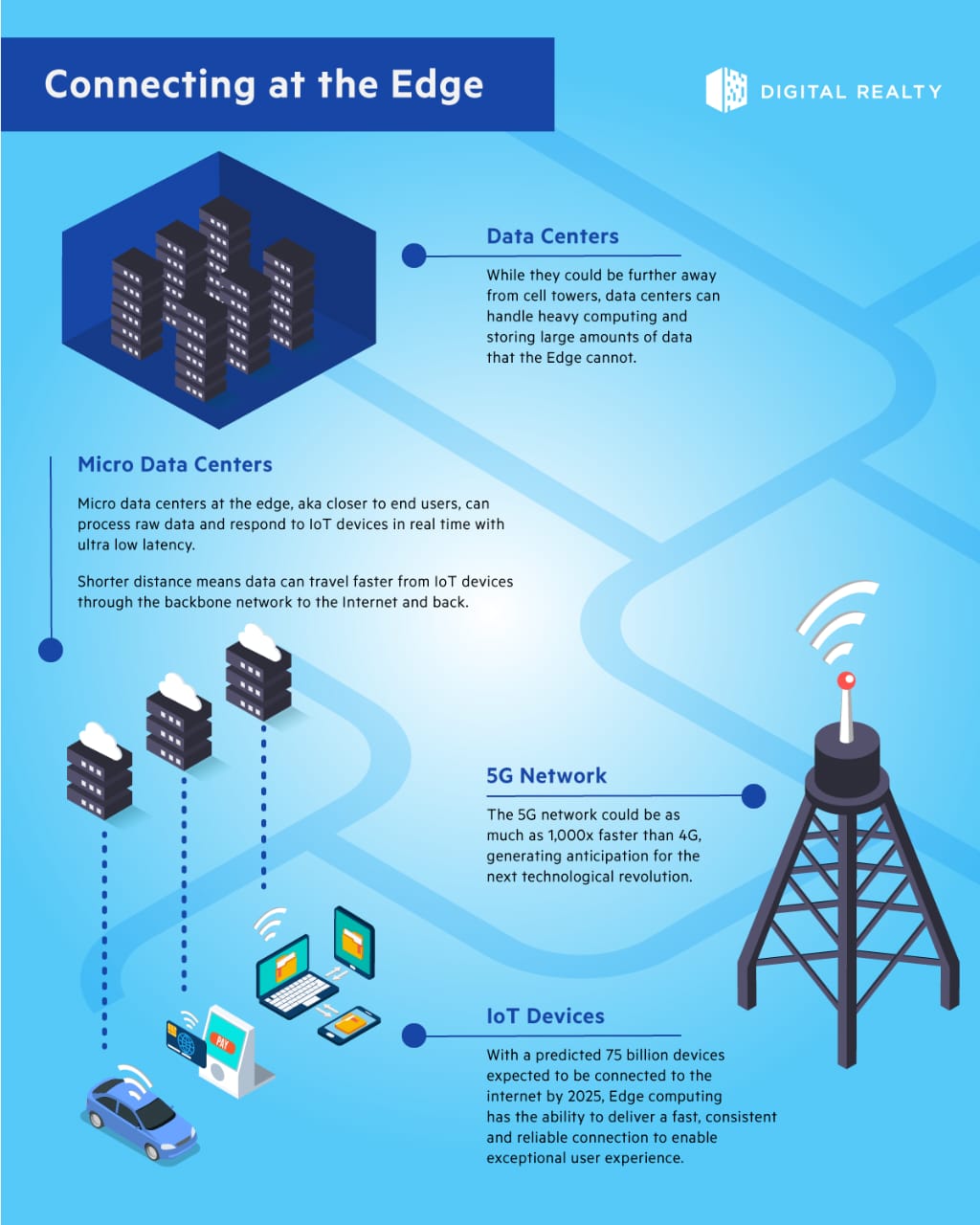  |
| json metadata | {"tags":["technologytechreserch"],"image":["https://cdn.steemitimages.com/DQmVm8RNmM1ogfe8Wyp7QhBTCDhBDx3GfyaUR6BMn45BUf2/edge%201.jpg","https://cdn.steemitimages.com/DQmcm3YbEKGCsMwchANZDViAiFoodWj6oM6B2WqEJmh2t83/edge%202.jpg"],"app":"steemit/0.2","format":"markdown"} |
| parent author | |
| parent permlink | technologytechreserch |
| permlink | edge-computing-technology |
| title | EDGE COMPUTING TECHNOLOGY |
| Transaction Info | Block #73461659/Trx 4648da6d229d481c5e9f8d718ad00da1e6fbc78f |
View Raw JSON Data
{
"block": 73461659,
"op": [
"comment",
{
"author": "mith131820",
"body": "When people talk about edge computing, you hear a lot about self-driving cars, autonomous robots, and automated retail. But my favorite example of edge computing is from a fast-food chain.\n\nEvery restaurant location runs analytics on smart kitchen equipment data to make decisions like exactly when to put the fries in the fryer for perfect crispiness. They use edge computing to hyper-personalize these kinds of actions for each store.\n\nThe company can create a forecast in the cloud to predict how many waffle fries should be cooked per minute over a day — easy when using transactional sales data.\n\nDelivering services quickly with a personal touch. That’s what edge computing can do.\nBut it’s at the edge where each store micro-adjusts the initial forecast with specific on-site, real-time data from their kitchen and point-of-sale systems. Using compute at the edge is how they can make sure everyone’s fries are crispy, whether it’s a slow afternoon or a crush of families after a little league game.\n\nDelivering services quickly with a personal touch. That’s what edge computing can do.\n\nDoes edge mean the end of cloud computing? Definitely not! Not only is cloud computing a critical component in managing the edge, but edge computing is going to drive the next wave of cloud computing.\n\nWhat is edge computing and how is it different from cloud computing?\nEdge computing is a new capability that moves computing to the edge of the network, where it’s closest to users and devices — and most critically, as close as possible to data sources.\n\nBy contrast, in cloud computing, data is generated or collected in many locations and then moved to the cloud, where computing is centralized. Centralized cloud computing makes it easier and cheaper to process data together and at scale. But there are times when it doesn’t make sense to send data off to the cloud for processing, like in the following scenarios:\n\nThere’s no internet, or the signal is limited, like on an oil rig using a satellite connection in the middle of the ocean.\nThe data can’t be transferred off-site because of security concerns or privacy regulations.\nWhen a device needs to analyze data and make split-second decisions, like with robotics surgery. In that case, even a second or two of latency means sending data to the cloud and waiting for a decision isn’t an option.\n\n\nEnlarge image\n\nAdvantages of edge computing\nSometimes, clients ask me what makes edge different. The main benefit of edge computing is reducing the risk of network outages or cloud delays when highly interactive — and timely — experiences are critical. Edge enables these experiences by embedding intelligence and automation into the physical world. Think optimizing factory operations in a factory, controlling robotic surgery on a patient, or automating production in a mine.\n\nAnd if super-speed and reliability are not convincing enough, I usually follow up with three more unique attributes of edge:\n\n1. Unparalleled data control: Edge is the first point where compute taps into the data source and determines how much of the original fidelity is preserved when digitalizing the analog signal. Here’s where we implement what data is stored, obfuscated, summarized and routed. It’s also the point where we can add controls to address data reliability, privacy and regulations.\n\nFor example, when doing facial recognition to unlock a smartphone, it’s better to keep data at the edge. The AI models are trained for each user’s face without these images ever leaving the device. Since data is never transferred beyond our phones, it preserves our privacy and avoids security breaches in the cloud.\n\n2. Favorable laws of physics: Edge is always on and has low latency thanks to reduced network uptime, round-trip times and bandwidth constraints.\n\nFor example, my team and I implemented a visual analytics algorithm in a factory production line to find defects in car seat manufacturing. As the seats moved down a production line, we deployed our low-latency deep learning inferencing models at the edge to automate defect detection in real-time. The solution keeps pace with the uptime and production line speed, which only edge computing could allow.\n\n\nExtending IT to the mission's edge\n\nREAD MORE\n3. Lower costs: Processing at the edge makes cloud upload and storage cheaper. Why pay for full-fidelity data when a summarized view or key insights might be all you need?\n\nI saw the cost-saving power of edge when I worked on my first edge implementation. It was an oilfield company whose oil wells were only accessible over-the-air — some via satellite and others only by helicopter. \n\nData storage was limited and immediate transmission of data was costly — if it was available at all. We had already been doing analytics on the oil well data, and our next step was to deploy some of these modules directly on the well.\n\nWe used edge computing to preserve data fidelity and optimize what was stored and transmitted. This way, we could still do rich analytics and keep the most important (and worth-the-cost) data.\n\nWill edge computing replace cloud computing?\nNot at all. Even with these amazing benefits, edge will not replace cloud computing.\n\nFor one thing, edge capacity is limited because edge reintroduces resource constraints on battery, bandwidth, storage and computing power. Not everything can run at the edge, I always say.\n\n \n\nThink of edge and cloud as part of a computing continuum. Cloud sits at the center and edge complements it, as it radiates out toward the “ends” of a network.\nInstead, think of edge and cloud as part of a computing continuum. Cloud sits at the center and edge complements it, as it radiates out toward the “ends” of a network.\n\nHere are three more reasons edge will not replace cloud computing:\n\n1. Centralized, co-located cloud computing is still needed for performance and cost. Cloud’s data and enterprise app gravity is already big and is poised to grow. Accenture CTO Paul Daugherty predicts that “with most businesses currently at only about 20% in the cloud, moving to 80% or more rapidly and cost-effectively is a massive change that requires a bold new model.” Cloud will integrate with data and computed insights from the edge, and spur new apps that will be deployed at the edge.\n\n2. Edge computing data is feeding into more AI, which in turn needs cloud more than ever. The inferencing that might happen on the edge starts with bringing together data for experimentation and model training. And that takes a lot of computing power. Cloud remains the best solution when we need to combine edge, enterprise and third-party data for discovery and AI model creation.\n\n3. Edge is an extension of cloud and requires a common platform-based approach: Adding new technologies like edge to existing cloud platforms makes it much easier to manage and optimize applications.\n\n\n\n\n",
"json_metadata": "{\"tags\":[\"technologytechreserch\"],\"image\":[\"https://cdn.steemitimages.com/DQmVm8RNmM1ogfe8Wyp7QhBTCDhBDx3GfyaUR6BMn45BUf2/edge%201.jpg\",\"https://cdn.steemitimages.com/DQmcm3YbEKGCsMwchANZDViAiFoodWj6oM6B2WqEJmh2t83/edge%202.jpg\"],\"app\":\"steemit/0.2\",\"format\":\"markdown\"}",
"parent_author": "",
"parent_permlink": "technologytechreserch",
"permlink": "edge-computing-technology",
"title": "EDGE COMPUTING TECHNOLOGY"
}
],
"op_in_trx": 0,
"timestamp": "2023-04-04T07:01:48",
"trx_id": "4648da6d229d481c5e9f8d718ad00da1e6fbc78f",
"trx_in_block": 3,
"virtual_op": 0
}mith131820published a new post: virtual-reality2023/04/04 06:52:03
mith131820published a new post: virtual-reality
2023/04/04 06:52:03
| author | mith131820 |
| body | Virtual reality Virtual reality immerses you in a virtual world through the use of a headset with some type of screen displaying a virtual environment. These headsets also use a technology called head tracking, which allows you to look around the environment by physically moving your head. The display will follow whichever direction you move, giving you a 360-degree view of the virtual environment. Types of VR devices At the moment, there are two major types of headsets. Both have their pros and cons, which you'll want to consider if you're looking to purchase one. The first type has a screen built in to the headset. These devices connect to a computer and require a pretty powerful system to operate smoothly. They have great graphics and perform well, but they're also pretty expensive. A few popular examples of these include the Oculus Rift, the Vive, and the PlayStation VR, which connects to the PlayStation 4 game console. Some of these devices come with handheld controllers that track your hands' movements as well, providing for a more interactive experience. A man looks through a virtual reality headset. The other type of headset houses your phone and uses its screen as the display. These don't require a computer and run completely off of apps on your smartphone. The graphics and performance levels on these headsets aren't quite as good as those with a built-in screen, but they do tend to be much cheaper. Some popular examples include Google Cardboard and the Gear VR. A woman uses a smartphone-based virtual reality headset. Augmented reality Augmented reality allows you to see the world around you with digital images layered on top of it. There are currently a couple of AR headsets available, including the Microsoft HoloLens and the Magic Leap. However, they are currently more expensive than VR headsets, and are marketed primarily to businesses. A man uses a Hololens device at home. Augmented reality can also be used on devices like smartphones and laptops without the use of a headset. There are a variety of apps that use AR, including some that allow you to translate text using your camera, identify stars in the sky, and even see how your garden would look with different plants. You may have even previously used AR without realizing it, while playing a game like Pokemon Go or using filters on Snapchat. A person sees augmented reality through their iPad screen. Watch the following video to see how augmented reality could be applied in the near future.   |
| json metadata | {"tags":["technologytechreserch"],"image":["https://cdn.steemitimages.com/DQmQ8WAM2GRxNaotjFDbZusyYkm6papq29e9pwCQdsVZVQ8/VIERTYAL%20REALITY%201.jpg","https://cdn.steemitimages.com/DQme6ZvdaMEwL7dYnaUbrpCEVsanU8oL8pR8UBnVmQicKVY/VERTUAL%20REALITY%202.jpg"],"app":"steemit/0.2","format":"markdown"} |
| parent author | |
| parent permlink | technologytechreserch |
| permlink | virtual-reality |
| title | VIRTUAL REALITY |
| Transaction Info | Block #73461465/Trx f0f6d656e1dfd53cf411f6a786d5abf3bea44697 |
View Raw JSON Data
{
"block": 73461465,
"op": [
"comment",
{
"author": "mith131820",
"body": "Virtual reality\nVirtual reality immerses you in a virtual world through the use of a headset with some type of screen displaying a virtual environment. These headsets also use a technology called head tracking, which allows you to look around the environment by physically moving your head. The display will follow whichever direction you move, giving you a 360-degree view of the virtual environment.\n\nTypes of VR devices\nAt the moment, there are two major types of headsets. Both have their pros and cons, which you'll want to consider if you're looking to purchase one.\n\nThe first type has a screen built in to the headset. These devices connect to a computer and require a pretty powerful system to operate smoothly. They have great graphics and perform well, but they're also pretty expensive. A few popular examples of these include the Oculus Rift, the Vive, and the PlayStation VR, which connects to the PlayStation 4 game console.\n\nSome of these devices come with handheld controllers that track your hands' movements as well, providing for a more interactive experience.\n\nA man looks through a virtual reality headset.\nThe other type of headset houses your phone and uses its screen as the display. These don't require a computer and run completely off of apps on your smartphone. The graphics and performance levels on these headsets aren't quite as good as those with a built-in screen, but they do tend to be much cheaper. Some popular examples include Google Cardboard and the Gear VR.\n\nA woman uses a smartphone-based virtual reality headset.\nAugmented reality\nAugmented reality allows you to see the world around you with digital images layered on top of it. There are currently a couple of AR headsets available, including the Microsoft HoloLens and the Magic Leap. However, they are currently more expensive than VR headsets, and are marketed primarily to businesses.\n\nA man uses a Hololens device at home.\nAugmented reality can also be used on devices like smartphones and laptops without the use of a headset. There are a variety of apps that use AR, including some that allow you to translate text using your camera, identify stars in the sky, and even see how your garden would look with different plants. You may have even previously used AR without realizing it, while playing a game like Pokemon Go or using filters on Snapchat.\n\nA person sees augmented reality through their iPad screen.\nWatch the following video to see how augmented reality could be applied in the near future.\n\n\n\n\n",
"json_metadata": "{\"tags\":[\"technologytechreserch\"],\"image\":[\"https://cdn.steemitimages.com/DQmQ8WAM2GRxNaotjFDbZusyYkm6papq29e9pwCQdsVZVQ8/VIERTYAL%20REALITY%201.jpg\",\"https://cdn.steemitimages.com/DQme6ZvdaMEwL7dYnaUbrpCEVsanU8oL8pR8UBnVmQicKVY/VERTUAL%20REALITY%202.jpg\"],\"app\":\"steemit/0.2\",\"format\":\"markdown\"}",
"parent_author": "",
"parent_permlink": "technologytechreserch",
"permlink": "virtual-reality",
"title": "VIRTUAL REALITY"
}
],
"op_in_trx": 0,
"timestamp": "2023-04-04T06:52:03",
"trx_id": "f0f6d656e1dfd53cf411f6a786d5abf3bea44697",
"trx_in_block": 1,
"virtual_op": 0
}inertiaupvoted (100.00%) @mith131820 / ectolife-child-birth-technology2023/04/04 06:51:30
inertiaupvoted (100.00%) @mith131820 / ectolife-child-birth-technology
2023/04/04 06:51:30
| author | mith131820 |
| permlink | ectolife-child-birth-technology |
| voter | inertia |
| weight | 10000 (100.00%) |
| Transaction Info | Block #73461454/Trx 297f645ac4a6575167c4becf7df4b8f207c61700 |
View Raw JSON Data
{
  "block": 73461454,
  "op": [
    "vote",
    {
      "author": "mith131820",
      "permlink": "ectolife-child-birth-technology",
      "voter": "inertia",
      "weight": 10000
    }
  ],
  "op_in_trx": 0,
  "timestamp": "2023-04-04T06:51:30",
  "trx_id": "297f645ac4a6575167c4becf7df4b8f207c61700",
  "trx_in_block": 2,
  "virtual_op": 0
}alexmove.witnesssent 0.001 STEEM to @mith131820- "Please support me @alexmove.witness as witness on site https://steemitwallet.com/~witnesses. I send daily Witness vote STEEM reward and voted for some posts of those who voted. Your vote is very impor..."2023/04/04 06:50:06
alexmove.witnesssent 0.001 STEEM to @mith131820- "Please support me @alexmove.witness as witness on site https://steemitwallet.com/~witnesses. I send daily Witness vote STEEM reward and voted for some posts of those who voted. Your vote is very impor..."
2023/04/04 06:50:06
| amount | 0.001 STEEM |
| from | alexmove.witness |
| memo | Please support me @alexmove.witness as witness on site https://steemitwallet.com/~witnesses. I send daily Witness vote STEEM reward and voted for some posts of those who voted. Your vote is very important to me, mith131820! Good luck! 20230404 |
| to | mith131820 |
| Transaction Info | Block #73461426/Trx 352cfae5aaffc748fcca89ce524020948acc4443 |
View Raw JSON Data
{
  "block": 73461426,
  "op": [
    "transfer",
    {
      "amount": "0.001 STEEM",
      "from": "alexmove.witness",
      "memo": "Please support me @alexmove.witness as witness on site https://steemitwallet.com/~witnesses. I send daily Witness vote STEEM reward and voted for some posts of those who voted. Your vote is very important to me, mith131820! Good luck! 20230404",
      "to": "mith131820"
    }
  ],
  "op_in_trx": 0,
  "timestamp": "2023-04-04T06:50:06",
  "trx_id": "352cfae5aaffc748fcca89ce524020948acc4443",
  "trx_in_block": 8,
  "virtual_op": 0
}mith131820custom json: notify2023/04/04 06:44:45
mith131820custom json: notify
2023/04/04 06:44:45
| id | notify |
| json | ["setLastRead",{"date":"2023-04-04T06:44:44"}] |
| required auths | [] |
| required posting auths | ["mith131820"] |
| Transaction Info | Block #73461320/Trx 68bd32b633547919ae3232010da6de039012dd05 |
View Raw JSON Data
{
  "block": 73461320,
  "op": [
    "custom_json",
    {
      "id": "notify",
      "json": "[\"setLastRead\",{\"date\":\"2023-04-04T06:44:44\"}]",
      "required_auths": [],
      "required_posting_auths": [
        "mith131820"
      ]
    }
  ],
  "op_in_trx": 0,
  "timestamp": "2023-04-04T06:44:45",
  "trx_id": "68bd32b633547919ae3232010da6de039012dd05",
  "trx_in_block": 0,
  "virtual_op": 0
}steem.historyupvoted (1.00%) @mith131820 / ectolife-child-birth-technology2023/04/04 06:35:39
steem.historyupvoted (1.00%) @mith131820 / ectolife-child-birth-technology
2023/04/04 06:35:39
| author | mith131820 |
| permlink | ectolife-child-birth-technology |
| voter | steem.history |
| weight | 100 (1.00%) |
| Transaction Info | Block #73461138/Trx 41bc3e4010963bee4425a5f565ce254f6510ee87 |
View Raw JSON Data
{
  "block": 73461138,
  "op": [
    "vote",
    {
      "author": "mith131820",
      "permlink": "ectolife-child-birth-technology",
      "voter": "steem.history",
      "weight": 100
    }
  ],
  "op_in_trx": 0,
  "timestamp": "2023-04-04T06:35:39",
  "trx_id": "41bc3e4010963bee4425a5f565ce254f6510ee87",
  "trx_in_block": 3,
  "virtual_op": 0
}2023/04/04 06:35:36
2023/04/04 06:35:36
| author | steem.history |
| body | Hello welcome to Steemit world! I'm @steem.history, who is steem witness. This is a recommended post for you.[Newcomers Guide](https://steemitdev.com/guide/@steemitblog/steemit-a-guide-for-newcomers) and [The Complete Steemit Etiquette Guide (Revision 2.0)](https://steemit.com/steem/@steem.history/the-complete-steemit-etiquette-guide-revision-20-homage-1598425779) and, recommended community [Newcomers Community](https://steemit.com/trending/hive-172186) I wish you luck to your steemit activities.<center> https://cdn.steemitimages.com/DQmXHwdcNs5VPcBft1iSosPdHLpBNBfjuG84g3ffWhMw5JQ/image.png <sub>(The bots avatar has been created using https://robohash.org/)</sub> @steem.history ### My witness activity - [My aspiration for STEEM witness](https://steemit.com/hive-185836/@steem.history/my-aspiration-for-steem-witness-1601280729) - Provides information on Steem. [Reference](https://steemit.com/trending/hive-130095) - Supporting the Steem project. [SPUD4STEEM project](https://steemit.com/trending/spud4steem) - Supporting the community. [Newcomers Community](https://steemit.com/trending/hive-172186),[Steem Sri Lanka](https://steemit.com/trending/hive-133716) ,[WORLD OF XPILAR](https://steemit.com/trending/hive-185836), [GLOBAL STEEM](https://steemit.com/trending/hive-145160), [Scouts](https://steemit.com/trending/hive-181136), [Latino Community](https://steemit.com/trending/hive-188619) ### My featured posts - [The Complete Steemit Etiquette Guide (Revision 2.0) -Homage](https://steemit.com/steem/@steem.history/the-complete-steemit-etiquette-guide-revision-20-homage-1598425779) [](https://steemlogin.com/sign/account-witness-vote?witness=steem.history&approve=1) <sub>please click it!</sub>  <sub>(Go to https://steemit.com/~witnesses and type fbslo at the bottom of the page)</sub> </center> |
| json metadata | {"tsgs":["hello"]} |
| parent author | mith131820 |
| parent permlink | ectolife-child-birth-technology |
| permlink | re-mith131820-ectolife-child-birth-technology-20230404t063536737z |
| title | |
| Transaction Info | Block #73461137/Trx 0dc00a75d2a00cb026f357047af69bb66950dd3b |
View Raw JSON Data
{
"block": 73461137,
"op": [
"comment",
{
"author": "steem.history",
"body": "Hello welcome to Steemit world! \n I'm @steem.history, who is steem witness. \n This is a recommended post for you.[Newcomers Guide](https://steemitdev.com/guide/@steemitblog/steemit-a-guide-for-newcomers) and [The Complete Steemit Etiquette Guide (Revision 2.0)](https://steemit.com/steem/@steem.history/the-complete-steemit-etiquette-guide-revision-20-homage-1598425779) and, recommended community [Newcomers Community](https://steemit.com/trending/hive-172186) \n I wish you luck to your steemit activities.<center> \n \n \n https://cdn.steemitimages.com/DQmXHwdcNs5VPcBft1iSosPdHLpBNBfjuG84g3ffWhMw5JQ/image.png \n <sub>(The bots avatar has been created using https://robohash.org/)</sub> \n @steem.history \n \n ### My witness activity \n - [My aspiration for STEEM witness](https://steemit.com/hive-185836/@steem.history/my-aspiration-for-steem-witness-1601280729) \n - Provides information on Steem. \n [Reference](https://steemit.com/trending/hive-130095) \n - Supporting the Steem project. \n [SPUD4STEEM project](https://steemit.com/trending/spud4steem) \n - Supporting the community. \n [Newcomers Community](https://steemit.com/trending/hive-172186),[Steem Sri Lanka](https://steemit.com/trending/hive-133716) ,[WORLD OF XPILAR](https://steemit.com/trending/hive-185836), [GLOBAL STEEM](https://steemit.com/trending/hive-145160), [Scouts](https://steemit.com/trending/hive-181136), [Latino Community](https://steemit.com/trending/hive-188619) \n \n ### My featured posts \n - [The Complete Steemit Etiquette Guide (Revision 2.0) -Homage](https://steemit.com/steem/@steem.history/the-complete-steemit-etiquette-guide-revision-20-homage-1598425779) \n \n [](https://steemlogin.com/sign/account-witness-vote?witness=steem.history&approve=1) \n <sub>please click it!</sub> \n \n  \n <sub>(Go to https://steemit.com/~witnesses and type fbslo at the bottom of the page)</sub> \n \n </center>",
"json_metadata": "{\"tsgs\":[\"hello\"]}",
"parent_author": "mith131820",
"parent_permlink": "ectolife-child-birth-technology",
"permlink": "re-mith131820-ectolife-child-birth-technology-20230404t063536737z",
"title": ""
}
],
"op_in_trx": 0,
"timestamp": "2023-04-04T06:35:36",
"trx_id": "0dc00a75d2a00cb026f357047af69bb66950dd3b",
"trx_in_block": 6,
"virtual_op": 0
}mith131820published a new post: ectolife-child-birth-technology2023/04/04 06:35:30
mith131820published a new post: ectolife-child-birth-technology
2023/04/04 06:35:30
| author | mith131820 |
| body | INSIDE ECTOLIFE: THE FUTURE OF CHILDBIRTH? In his latest conceptual video, biotechnologist and film producer Hashem Al-Ghaili takes us on an unsettling yet fascinating tour inside EctoLife — a simulation of the world’s first artificial womb facility. The AI-powered fictional complex offers future parents a presumably safer alternative to natural childbirth by eliminating the often fatal complications associated with it. ‘According to the World Health Organization, around 300,000 women die from pregnancy complications. EctoLife artificial womb is designed to alleviate human suffering and reduce the chances of C-sections,‘ writes Al-Ghaili. Instead of a mother pushing painfully with her body, at EctoLife, couples are asked to push a button that ‘birthes’ their incubated child in one easy motion. Beyong preventing complications, the project is also designed for women who have had their uterus removed following health issues, like cancer. with sci-fi undertones, hashem al-ghaili envisions the world’s first artificial womb facilityall images © Hashem Al-Ghaili Moreover, EctoLife can be deployed in countries with severe declines in population growth, a phenomenon considered by many as a threat to civilization; nations like South Korea, Bulgaria, and Japan, with severely low birth rates, could be ideal grounds to launch the initiative. That said, while the video does paint an ambitious and utopian picture, viewers cannot help but catch the slightly chilling undertones creeping into every frame, leaving them to ponder the implications of such an idea. with sci-fi undertones, hashem al-ghaili envisions the world’s first artificial womb facilityEctoLife facility with rows of lab-grown babies REPLICATING THE EXACT CONDITIONS FOUND INSIDE A UTERUS EctoLife by Hashem Al-Ghaili (see more here) unfolds as a huge sci-fi inspired facility with 75 state-of-the-art labs, each hosting up to 400 growth pods or artificial wombs that replicate the exact conditions found inside a woman’s uterus. A single facility can incubate 30,000 lab-grown babies a year in an infection-free environment. All growth pods are equipped with sensors that monitor vital signs like heartbeat, oxygenation saturation, temperature, breathing, and blood pressure, while an AI system monitors physical features and picks up on any potential genetic abnormalities. Additionally, to ensure and support healthy growth, babies are steadily and sustainably ‘maintained’ by two central bioreactors. The first bioreactor pumps nutrients, vital hormones, antibodies, growth factors, oxygen, and an amniotic-like liquid solution into the child through an artificial umbilical cord. Thanks to an AI-controlled system, babies also receive ‘custom nutrients tailored to their needs.’ Meanwhile, the second bioreactor takes in and recycles the baby’s waste products that get released via the umbilical cord. with sci-fi undertones, hashem al-ghaili envisions the world’s first artificial womb facility AI MEETS VR MEETS RENEWABLE ENERGY Technology is at the center of EctoLife’s operations. On the one hand, growth pods are equipped with a screen that displays vital signs in real-time. The data is sent to the parent’s phone to track their baby’s health remotely. Through the app, parents can enjoy a high-resolution live view of every stage of development; this includes a growth timelapse that can be shared with friends and family. Each artificial womb is also fitted with internal speakers that play music or transmit the parents’ voices to the ‘unborn’ child. On the other hand, a 360-degree camera found inside the growth pod connects to a parent’s VR headset, allowing them to see and hear everything the baby perceives. But that’s not all: ‘Using a wireless haptic suit connected to your baby’s growth pod, you will be able to sense their kicks in the womb and share this experience with your friends and family members,’ continues the video narrator. Finally, the entire operating system runs on renewable energy, specifically solar and wind power. This ensures zero electricity cuts and, therefore, unexpected complications throughout the baby’s entire growth development. with sci-fi undertones, hashem al-ghaili envisions the world’s first artificial womb facilityeach artificial womb replicates the conditions found inside a natural uterus IVF AND FREEDOM OF CUSTOMIZATION As natural childbirth is off the table at EctoLife, babies are conceived through In Vitro Fertilization (IVF), allowing parents to freely ‘create and select the most viable and genetically superior embryo, ‘giving [their] baby the chance to develop without any biological hurdles.’ Customization is offered as an Elite Package that gives parents the liberty to alter over 300 genes before implanting the embryo into the artificial womb. From selecting hair and eye color to height, intelligence level, and skin tone, this pick-and-choose feature is carried out thanks to the CRISPR-Cas 9 gene editing tool. ‘You can also use it to fix any inherited genetic diseases,’ adds the fictional EctoLife narrator. Such a sci-fi experience can even expand beyond laboratory walls. Parents who prefer a more intimate option can choose to install their own growth pods at home, which are supported by miniaturized bioreactors with long-lasting batteries — adding an extra layer of comfort and safety amid this mind-bending yet possible future scenario. with sci-fi undertones, hashem al-ghaili envisions the world’s first artificial womb facility with sci-fi undertones, hashem al-ghaili envisions the world’s first artificial womb facilityat the push of a button, the amniotic fluid drains out and the baby is ‘born’ with sci-fi undertones, hashem al-ghaili envisions the world’s first artificial womb facility with sci-fi undertones, hashem al-ghaili envisions the world’s first artificial womb facilityparents    |
| json metadata | {"tags":["technology","reserchtech"],"image":["https://cdn.steemitimages.com/DQmaGN1uNAiN8NzXubGAN8QsajMjUMjQ6mHj26VTEKPb4jn/ectolife%201.jpg","https://cdn.steemitimages.com/DQmUoPFJpEaRw7pfR9MWta2ZeR9673wrpdMzRHqzapvpSud/ectolife%202.jpg","https://cdn.steemitimages.com/DQmWMHjkN4J1hybnUWNvWadTNe1JG1vdyjJcanFqaUzKUCA/ectolife%204.jpg"],"app":"steemit/0.2","format":"markdown"} |
| parent author | |
| parent permlink | technology |
| permlink | ectolife-child-birth-technology |
| title | ECTOLIFE child birth technology |
| Transaction Info | Block #73461135/Trx 159348e28fec916603cd9f77c1ca3aa0b87f7dcb |
View Raw JSON Data
{
"block": 73461135,
"op": [
"comment",
{
"author": "mith131820",
"body": "INSIDE ECTOLIFE: THE FUTURE OF CHILDBIRTH? \n\n \n\nIn his latest conceptual video, biotechnologist and film producer Hashem Al-Ghaili takes us on an unsettling yet fascinating tour inside EctoLife — a simulation of the world’s first artificial womb facility. The AI-powered fictional complex offers future parents a presumably safer alternative to natural childbirth by eliminating the often fatal complications associated with it. \n\n \n\n‘According to the World Health Organization, around 300,000 women die from pregnancy complications. EctoLife artificial womb is designed to alleviate human suffering and reduce the chances of C-sections,‘ writes Al-Ghaili. Instead of a mother pushing painfully with her body, at EctoLife, couples are asked to push a button that ‘birthes’ their incubated child in one easy motion. Beyong preventing complications, the project is also designed for women who have had their uterus removed following health issues, like cancer. \n\nwith sci-fi undertones, hashem al-ghaili envisions the world’s first artificial womb facilityall images © Hashem Al-Ghaili\n\n \n\n \n\nMoreover, EctoLife can be deployed in countries with severe declines in population growth, a phenomenon considered by many as a threat to civilization; nations like South Korea, Bulgaria, and Japan, with severely low birth rates, could be ideal grounds to launch the initiative. That said, while the video does paint an ambitious and utopian picture, viewers cannot help but catch the slightly chilling undertones creeping into every frame, leaving them to ponder the implications of such an idea.\n\nwith sci-fi undertones, hashem al-ghaili envisions the world’s first artificial womb facilityEctoLife facility with rows of lab-grown babies\n\n \n\n \n\nREPLICATING THE EXACT CONDITIONS FOUND INSIDE A UTERUS \n \n\nEctoLife by Hashem Al-Ghaili (see more here) unfolds as a huge sci-fi inspired facility with 75 state-of-the-art labs, each hosting up to 400 growth pods or artificial wombs that replicate the exact conditions found inside a woman’s uterus. A single facility can incubate 30,000 lab-grown babies a year in an infection-free environment. All growth pods are equipped with sensors that monitor vital signs like heartbeat, oxygenation saturation, temperature, breathing, and blood pressure, while an AI system monitors physical features and picks up on any potential genetic abnormalities.\n\n \n\nAdditionally, to ensure and support healthy growth, babies are steadily and sustainably ‘maintained’ by two central bioreactors. The first bioreactor pumps nutrients, vital hormones, antibodies, growth factors, oxygen, and an amniotic-like liquid solution into the child through an artificial umbilical cord. Thanks to an AI-controlled system, babies also receive ‘custom nutrients tailored to their needs.’ Meanwhile, the second bioreactor takes in and recycles the baby’s waste products that get released via the umbilical cord.\n\nwith sci-fi undertones, hashem al-ghaili envisions the world’s first artificial womb facility\n\n \n\n \n\nAI MEETS VR MEETS RENEWABLE ENERGY \n \n\nTechnology is at the center of EctoLife’s operations. On the one hand, growth pods are equipped with a screen that displays vital signs in real-time. The data is sent to the parent’s phone to track their baby’s health remotely. Through the app, parents can enjoy a high-resolution live view of every stage of development; this includes a growth timelapse that can be shared with friends and family. Each artificial womb is also fitted with internal speakers that play music or transmit the parents’ voices to the ‘unborn’ child.\n\n \n\nOn the other hand, a 360-degree camera found inside the growth pod connects to a parent’s VR headset, allowing them to see and hear everything the baby perceives. But that’s not all: ‘Using a wireless haptic suit connected to your baby’s growth pod, you will be able to sense their kicks in the womb and share this experience with your friends and family members,’ continues the video narrator. Finally, the entire operating system runs on renewable energy, specifically solar and wind power. This ensures zero electricity cuts and, therefore, unexpected complications throughout the baby’s entire growth development. \n\nwith sci-fi undertones, hashem al-ghaili envisions the world’s first artificial womb facilityeach artificial womb replicates the conditions found inside a natural uterus\n\n \n\n \n\nIVF AND FREEDOM OF CUSTOMIZATION \n \n\nAs natural childbirth is off the table at EctoLife, babies are conceived through In Vitro Fertilization (IVF), allowing parents to freely ‘create and select the most viable and genetically superior embryo, ‘giving [their] baby the chance to develop without any biological hurdles.’ Customization is offered as an Elite Package that gives parents the liberty to alter over 300 genes before implanting the embryo into the artificial womb. From selecting hair and eye color to height, intelligence level, and skin tone, this pick-and-choose feature is carried out thanks to the CRISPR-Cas 9 gene editing tool. ‘You can also use it to fix any inherited genetic diseases,’ adds the fictional EctoLife narrator. \n\n \n\nSuch a sci-fi experience can even expand beyond laboratory walls. Parents who prefer a more intimate option can choose to install their own growth pods at home, which are supported by miniaturized bioreactors with long-lasting batteries — adding an extra layer of comfort and safety amid this mind-bending yet possible future scenario. \n\nwith sci-fi undertones, hashem al-ghaili envisions the world’s first artificial womb facility \n\nwith sci-fi undertones, hashem al-ghaili envisions the world’s first artificial womb facilityat the push of a button, the amniotic fluid drains out and the baby is ‘born’\n\nwith sci-fi undertones, hashem al-ghaili envisions the world’s first artificial womb facility\n\n \n\nwith sci-fi undertones, hashem al-ghaili envisions the world’s first artificial womb facilityparents\n\n\n\n\n",
"json_metadata": "{\"tags\":[\"technology\",\"reserchtech\"],\"image\":[\"https://cdn.steemitimages.com/DQmaGN1uNAiN8NzXubGAN8QsajMjUMjQ6mHj26VTEKPb4jn/ectolife%201.jpg\",\"https://cdn.steemitimages.com/DQmUoPFJpEaRw7pfR9MWta2ZeR9673wrpdMzRHqzapvpSud/ectolife%202.jpg\",\"https://cdn.steemitimages.com/DQmWMHjkN4J1hybnUWNvWadTNe1JG1vdyjJcanFqaUzKUCA/ectolife%204.jpg\"],\"app\":\"steemit/0.2\",\"format\":\"markdown\"}",
"parent_author": "",
"parent_permlink": "technology",
"permlink": "ectolife-child-birth-technology",
"title": "ECTOLIFE child birth technology"
}
],
"op_in_trx": 0,
"timestamp": "2023-04-04T06:35:30",
"trx_id": "159348e28fec916603cd9f77c1ca3aa0b87f7dcb",
"trx_in_block": 4,
"virtual_op": 0
}mith131820updated their account properties2023/04/04 06:15:06
mith131820updated their account properties
2023/04/04 06:15:06
| account | mith131820 |
| extensions | [] |
| json metadata | |
| posting json metadata | {"profile":{"cover_image":"https://cdn.steemitimages.com/DQmXiyfMYHNnzEBxcf6YawD8okTwTJskYDCeXa7atpr5JFJ/TEC.jpg","name":"TECHNOLOGY RESERCH","about":"Responsibilities for research & technology Analyze macroeconomic factors and industry trends Have 1-2 years of experience in Equity Research / technology indust","location":"INDIA","version":2}} |
| Transaction Info | Block #73460728/Trx d6ad18815f0ddd9c6bd25c00f75c754c4cf8d0d0 |
View Raw JSON Data
{
  "block": 73460728,
  "op": [
    "account_update2",
    {
      "account": "mith131820",
      "extensions": [],
      "json_metadata": "",
      "posting_json_metadata": "{\"profile\":{\"cover_image\":\"https://cdn.steemitimages.com/DQmXiyfMYHNnzEBxcf6YawD8okTwTJskYDCeXa7atpr5JFJ/TEC.jpg\",\"name\":\"TECHNOLOGY RESERCH\",\"about\":\"Responsibilities for research & technology Analyze macroeconomic factors and industry trends Have 1-2 years of experience in Equity Research / technology indust\",\"location\":\"INDIA\",\"version\":2}}"
    }
  ],
  "op_in_trx": 0,
  "timestamp": "2023-04-04T06:15:06",
  "trx_id": "d6ad18815f0ddd9c6bd25c00f75c754c4cf8d0d0",
  "trx_in_block": 6,
  "virtual_op": 0
}mith131820updated their account properties2023/04/04 06:14:15
mith131820updated their account properties
2023/04/04 06:14:15
| account | mith131820 |
| extensions | [] |
| json metadata | |
| posting json metadata | {"profile":{"cover_image":"https://cdn.steemitimages.com/DQmZxJWG9D6Pe3eJUjwiHKcmS9rFTZKaaEavksiD1bwREN6/TECH%202.jpg","name":"TECHNOLOGY RESERCH","about":"Responsibilities for research & technology Analyze macroeconomic factors and industry trends Have 1-2 years of experience in Equity Research / technology indust","location":"INDIA","version":2,"profile_image":"https://cdn.steemitimages.com/DQmXiyfMYHNnzEBxcf6YawD8okTwTJskYDCeXa7atpr5JFJ/TEC.jpg"}} |
| Transaction Info | Block #73460711/Trx 2c0b0e05ebee9412bf462641cba18bb68a68dbf6 |
View Raw JSON Data
{
  "block": 73460711,
  "op": [
    "account_update2",
    {
      "account": "mith131820",
      "extensions": [],
      "json_metadata": "",
      "posting_json_metadata": "{\"profile\":{\"cover_image\":\"https://cdn.steemitimages.com/DQmZxJWG9D6Pe3eJUjwiHKcmS9rFTZKaaEavksiD1bwREN6/TECH%202.jpg\",\"name\":\"TECHNOLOGY RESERCH\",\"about\":\"Responsibilities for research & technology Analyze macroeconomic factors and industry trends Have 1-2 years of experience in Equity Research / technology indust\",\"location\":\"INDIA\",\"version\":2,\"profile_image\":\"https://cdn.steemitimages.com/DQmXiyfMYHNnzEBxcf6YawD8okTwTJskYDCeXa7atpr5JFJ/TEC.jpg\"}}"
    }
  ],
  "op_in_trx": 0,
  "timestamp": "2023-04-04T06:14:15",
  "trx_id": "2c0b0e05ebee9412bf462641cba18bb68a68dbf6",
  "trx_in_block": 11,
  "virtual_op": 0
}mith131820updated their account properties2023/04/04 06:11:06
mith131820updated their account properties
2023/04/04 06:11:06
| account | mith131820 |
| extensions | [] |
| json metadata | |
| posting json metadata | {"profile":{"cover_image":"https://cdn.steemitimages.com/DQmZxJWG9D6Pe3eJUjwiHKcmS9rFTZKaaEavksiD1bwREN6/TECH%202.jpg","name":"TECHNOLOGY RESERCH","about":"Responsibilities for research & technology Analyze macroeconomic factors and industry trends Have 1-2 years of experience in Equity Research / technology indust","location":"INDIA","version":2}} |
| Transaction Info | Block #73460648/Trx 355a093c3f771b42ab79dc8b450bf56bcce6175e |
View Raw JSON Data
{
  "block": 73460648,
  "op": [
    "account_update2",
    {
      "account": "mith131820",
      "extensions": [],
      "json_metadata": "",
      "posting_json_metadata": "{\"profile\":{\"cover_image\":\"https://cdn.steemitimages.com/DQmZxJWG9D6Pe3eJUjwiHKcmS9rFTZKaaEavksiD1bwREN6/TECH%202.jpg\",\"name\":\"TECHNOLOGY RESERCH\",\"about\":\"Responsibilities for research & technology Analyze macroeconomic factors and industry trends Have 1-2 years of experience in Equity Research / technology indust\",\"location\":\"INDIA\",\"version\":2}}"
    }
  ],
  "op_in_trx": 0,
  "timestamp": "2023-04-04T06:11:06",
  "trx_id": "355a093c3f771b42ab79dc8b450bf56bcce6175e",
  "trx_in_block": 1,
  "virtual_op": 0
}mith131820updated their account properties2023/04/04 06:09:03
mith131820updated their account properties
2023/04/04 06:09:03
| account | mith131820 |
| extensions | [] |
| json metadata | |
| posting json metadata | {"profile":{"cover_image":"https://cdn.steemitimages.com/DQmZxJWG9D6Pe3eJUjwiHKcmS9rFTZKaaEavksiD1bwREN6/TECH%202.jpg","name":"TECHNOLOGY RESERCH","about":"Responsibilities for research & technology Analyze macroeconomic factors and industry trends Have 1-2 years of experience in Equity Research / technology indust","location":"INDIA","version":2}} |
| Transaction Info | Block #73460607/Trx 54206ee7c75722fdaeb17b11ebd98b3fe5d3ba08 |
View Raw JSON Data
{
  "block": 73460607,
  "op": [
    "account_update2",
    {
      "account": "mith131820",
      "extensions": [],
      "json_metadata": "",
      "posting_json_metadata": "{\"profile\":{\"cover_image\":\"https://cdn.steemitimages.com/DQmZxJWG9D6Pe3eJUjwiHKcmS9rFTZKaaEavksiD1bwREN6/TECH%202.jpg\",\"name\":\"TECHNOLOGY RESERCH\",\"about\":\"Responsibilities for research & technology Analyze macroeconomic factors and industry trends Have 1-2 years of experience in Equity Research / technology indust\",\"location\":\"INDIA\",\"version\":2}}"
    }
  ],
  "op_in_trx": 0,
  "timestamp": "2023-04-04T06:09:03",
  "trx_id": "54206ee7c75722fdaeb17b11ebd98b3fe5d3ba08",
  "trx_in_block": 2,
  "virtual_op": 0
}executive-boardsent 0.001 STEEM to @mith131820- "❗ Hello mith131820, welcome to the STEEM ecosystem. The Executive Board is publishing insider infos at https://discord.gg/KyBbmhh on how you will be earning the most coins. It's easy, just follow the ..."2023/04/03 13:47:06
executive-boardsent 0.001 STEEM to @mith131820- "❗ Hello mith131820, welcome to the STEEM ecosystem. The Executive Board is publishing insider infos at https://discord.gg/KyBbmhh on how you will be earning the most coins. It's easy, just follow the ..."
2023/04/03 13:47:06
| amount | 0.001 STEEM |
| from | executive-board |
| memo | ❗ Hello mith131820, welcome to the STEEM ecosystem. The Executive Board is publishing insider infos at https://discord.gg/KyBbmhh on how you will be earning the most coins. It's easy, just follow the instructions. THE 1000X BOOSTER KEY is already waiting for you over there too. 😉 Warm regards, The Executive Board. |
| to | mith131820 |
| Transaction Info | Block #73441064/Trx 0b64179d1c49df162957a63113cc921cdf953737 |
View Raw JSON Data
{
  "block": 73441064,
  "op": [
    "transfer",
    {
      "amount": "0.001 STEEM",
      "from": "executive-board",
      "memo": "❗ Hello mith131820, welcome to the STEEM ecosystem. The Executive Board is publishing insider infos at https://discord.gg/KyBbmhh on how you will be earning the most coins. It's easy, just follow the instructions. THE 1000X BOOSTER KEY is already waiting for you over there too. 😉 Warm regards, The Executive Board.",
      "to": "mith131820"
    }
  ],
  "op_in_trx": 0,
  "timestamp": "2023-04-03T13:47:06",
  "trx_id": "0b64179d1c49df162957a63113cc921cdf953737",
  "trx_in_block": 2,
  "virtual_op": 0
}steemdelegated 18.630 SP to @mith1318202023/04/03 13:45:06
steemdelegated 18.630 SP to @mith131820
2023/04/03 13:45:06
| delegatee | mith131820 |
| delegator | steem |
| vesting shares | 30300.000000 VESTS |
| Transaction Info | Block #73441024/Trx b27c80269e8ca158e8161ea747ea94083aee1614 |
View Raw JSON Data
{
  "block": 73441024,
  "op": [
    "delegate_vesting_shares",
    {
      "delegatee": "mith131820",
      "delegator": "steem",
      "vesting_shares": "30300.000000 VESTS"
    }
  ],
  "op_in_trx": 0,
  "timestamp": "2023-04-03T13:45:06",
  "trx_id": "b27c80269e8ca158e8161ea747ea94083aee1614",
  "trx_in_block": 1,
  "virtual_op": 0
}steemcurator01created a new account: @mith1318202023/04/03 13:45:03
steemcurator01created a new account: @mith131820
2023/04/03 13:45:03
| active | {"account_auths":[],"key_auths":[["STM7q84voVno61XDd5ZcXg4FdpTzdda3bZ1tYxcS6A5SJNZU1U2Xi",1]],"weight_threshold":1} |
| creator | steemcurator01 |
| extensions | [] |
| json metadata | {} |
| memo key | STM7rxo3RQNZvmkkvAJTMoVJNB37ZeRwMwfr1eBxptXjWWLnVvtLJ |
| new account name | mith131820 |
| owner | {"account_auths":[],"key_auths":[["STM7P6883XdA721anqJCPp5Hk2R7DGj7LaRX7Q5A4izCYpUAsdc88",1]],"weight_threshold":1} |
| posting | {"account_auths":[],"key_auths":[["STM6QJiULD2PdtkKFLQ1s9wpNFUyDabFcwkVyDSopXWwCHt9pGR7r",1]],"weight_threshold":1} |
| Transaction Info | Block #73441023/Trx d527635bff52f685a70b5b1c7bfac0b9e5dd437c |
View Raw JSON Data
{
  "block": 73441023,
  "op": [
    "create_claimed_account",
    {
      "active": {
        "account_auths": [],
        "key_auths": [
          [
            "STM7q84voVno61XDd5ZcXg4FdpTzdda3bZ1tYxcS6A5SJNZU1U2Xi",
            1
          ]
        ],
        "weight_threshold": 1
      },
      "creator": "steemcurator01",
      "extensions": [],
      "json_metadata": "{}",
      "memo_key": "STM7rxo3RQNZvmkkvAJTMoVJNB37ZeRwMwfr1eBxptXjWWLnVvtLJ",
      "new_account_name": "mith131820",
      "owner": {
        "account_auths": [],
        "key_auths": [
          [
            "STM7P6883XdA721anqJCPp5Hk2R7DGj7LaRX7Q5A4izCYpUAsdc88",
            1
          ]
        ],
        "weight_threshold": 1
      },
      "posting": {
        "account_auths": [],
        "key_auths": [
          [
            "STM6QJiULD2PdtkKFLQ1s9wpNFUyDabFcwkVyDSopXWwCHt9pGR7r",
            1
          ]
        ],
        "weight_threshold": 1
      }
    }
  ],
  "op_in_trx": 0,
  "timestamp": "2023-04-03T13:45:03",
  "trx_id": "d527635bff52f685a70b5b1c7bfac0b9e5dd437c",
  "trx_in_block": 0,
  "virtual_op": 0
}Manabar
Voting Power100.00%
Downvote Power100.00%
Resource Credits100.00%
Reputation Progress79.18%
{
  "voting_manabar": {
    "current_mana": "5472996220",
    "last_update_time": 1769189583
  },
  "downvote_manabar": {
    "current_mana": 1368249055,
    "last_update_time": 1769189583
  },
  "rc_account": {
    "account": "mith131820",
    "rc_manabar": {
      "current_mana": "10952266907",
      "last_update_time": 1769189583
    },
    "max_rc_creation_adjustment": {
      "amount": "5315051490",
      "precision": 6,
      "nai": "@@000000037"
    },
    "max_rc": "10788047710"
  }
}
Account Metadata
| POSTING JSON METADATA | |
| profile | {"cover_image":"https://cdn.steemitimages.com/DQmXiyfMYHNnzEBxcf6YawD8okTwTJskYDCeXa7atpr5JFJ/TEC.jpg","name":"TECHNOLOGY RESERCH","about":"Responsibilities for research & technology Analyze macroeconomic factors and industry trends Have 1-2 years of experience in Equity Research / technology indust","location":"INDIA","version":2,"profile_image":"https://cdn.steemitimages.com/DQmXiyfMYHNnzEBxcf6YawD8okTwTJskYDCeXa7atpr5JFJ/TEC.jpg"} |
| JSON METADATA | |
| None | |
{
  "posting_json_metadata": {
    "profile": {
      "cover_image": "https://cdn.steemitimages.com/DQmXiyfMYHNnzEBxcf6YawD8okTwTJskYDCeXa7atpr5JFJ/TEC.jpg",
      "name": "TECHNOLOGY RESERCH",
      "about": "Responsibilities for research & technology Analyze macroeconomic factors and industry trends Have 1-2 years of experience in Equity Research / technology indust",
      "location": "INDIA",
      "version": 2,
      "profile_image": "https://cdn.steemitimages.com/DQmXiyfMYHNnzEBxcf6YawD8okTwTJskYDCeXa7atpr5JFJ/TEC.jpg"
    }
  },
  "json_metadata": {}
}
Auth Keys
Owner
Single Signature
Public Keys
STM7P6883XdA721anqJCPp5Hk2R7DGj7LaRX7Q5A4izCYpUAsdc881/1
Active
Single Signature
Public Keys
STM7q84voVno61XDd5ZcXg4FdpTzdda3bZ1tYxcS6A5SJNZU1U2Xi1/1
Posting
Single Signature
Public Keys
STM6QJiULD2PdtkKFLQ1s9wpNFUyDabFcwkVyDSopXWwCHt9pGR7r1/1
Memo
STM7rxo3RQNZvmkkvAJTMoVJNB37ZeRwMwfr1eBxptXjWWLnVvtLJ
{
  "owner": {
    "weight_threshold": 1,
    "account_auths": [],
    "key_auths": [
      [
        "STM7P6883XdA721anqJCPp5Hk2R7DGj7LaRX7Q5A4izCYpUAsdc88",
        1
      ]
    ]
  },
  "active": {
    "weight_threshold": 1,
    "account_auths": [],
    "key_auths": [
      [
        "STM7q84voVno61XDd5ZcXg4FdpTzdda3bZ1tYxcS6A5SJNZU1U2Xi",
        1
      ]
    ]
  },
  "posting": {
    "weight_threshold": 1,
    "account_auths": [],
    "key_auths": [
      [
        "STM6QJiULD2PdtkKFLQ1s9wpNFUyDabFcwkVyDSopXWwCHt9pGR7r",
        1
      ]
    ]
  },
  "memo": "STM7rxo3RQNZvmkkvAJTMoVJNB37ZeRwMwfr1eBxptXjWWLnVvtLJ"
}
Witness Votes
1 / 30
[
  "steem.history"
]