

VOTING POWER100.00%
DOWNVOTE POWER100.00%
RESOURCE CREDITS100.00%
REPUTATION PROGRESS49.34%
Net Worth
0.859USD
STEEM
0.000STEEM
SBD
0.110SBD
Own SP
13.904SP
Detailed Balance
| STEEM | ||
| balance | 0.000STEEM | STEEM |
| market_balance | 0.000STEEM | STEEM |
| savings_balance | 0.000STEEM | STEEM |
| reward_steem_balance | 0.000STEEM | STEEM |
| STEEM POWER | ||
| Own SP | 13.904SP | SP |
| Delegated Out | 0.000SP | SP |
| Delegation In | 0.000SP | SP |
| Effective Power | 13.904SP | SP |
| Reward SP (pending) | 0.004SP | SP |
| SBD | ||
| sbd_balance | 0.102SBD | SBD |
| sbd_conversions | 0.000SBD | SBD |
| sbd_market_balance | 0.000SBD | SBD |
| savings_sbd_balance | 0.000SBD | SBD |
| reward_sbd_balance | 0.008SBD | SBD |
{
  "balance": "0.000 STEEM",
  "savings_balance": "0.000 STEEM",
  "reward_steem_balance": "0.000 STEEM",
  "vesting_shares": "22613.635475 VESTS",
  "delegated_vesting_shares": "0.000000 VESTS",
  "received_vesting_shares": "0.000000 VESTS",
  "sbd_balance": "0.102 SBD",
  "savings_sbd_balance": "0.000 SBD",
  "reward_sbd_balance": "0.008 SBD",
  "conversions": []
}
Account Info
| name | rjpb |
| id | 26246 |
| rank | 104,261 |
| reputation | 2444314242 |
| created | 2016-07-17T16:14:00 |
| recovery_account | steem |
| proxy | None |
| post_count | 28 |
| comment_count | 0 |
| lifetime_vote_count | 0 |
| witnesses_voted_for | 0 |
| last_post | 2018-05-16T16:30:21 |
| last_root_post | 2018-05-16T16:30:21 |
| last_vote_time | 2018-05-14T20:41:39 |
| proxied_vsf_votes | 0, 0, 0, 0 |
| can_vote | 1 |
| voting_power | 9,604 |
| delayed_votes | 0 |
| balance | 0.000 STEEM |
| savings_balance | 0.000 STEEM |
| sbd_balance | 0.102 SBD |
| savings_sbd_balance | 0.000 SBD |
| vesting_shares | 22613.635475 VESTS |
| delegated_vesting_shares | 0.000000 VESTS |
| received_vesting_shares | 0.000000 VESTS |
| reward_vesting_balance | 8.138970 VESTS |
| vesting_balance | 0.000 STEEM |
| vesting_withdraw_rate | 0.000000 VESTS |
| next_vesting_withdrawal | 1969-12-31T23:59:59 |
| withdrawn | 0 |
| to_withdraw | 0 |
| withdraw_routes | 0 |
| savings_withdraw_requests | 0 |
| last_account_recovery | 1970-01-01T00:00:00 |
| reset_account | null |
| last_owner_update | 1970-01-01T00:00:00 |
| last_account_update | 2018-05-14T19:25:36 |
| mined | No |
| sbd_seconds | 0 |
| sbd_last_interest_payment | 2018-08-03T10:56:06 |
| savings_sbd_last_interest_payment | 1970-01-01T00:00:00 |
{
  "id": 26246,
  "name": "rjpb",
  "owner": {
    "weight_threshold": 1,
    "account_auths": [],
    "key_auths": [
      [
        "STM7KnrFaWhiQScvvLuZ2DRSXyQVXwhfonw4eYbBoSePMpLCS9zAu",
        1
      ]
    ]
  },
  "active": {
    "weight_threshold": 1,
    "account_auths": [],
    "key_auths": [
      [
        "STM7wvkgNySD7Pez1odsXKGayy6Rs1DP77pvwCRBw48JkfXPRDWFr",
        1
      ]
    ]
  },
  "posting": {
    "weight_threshold": 1,
    "account_auths": [],
    "key_auths": [
      [
        "STM8deF9UX3mA4TtfMGuPpYHX4xyujCyHCZJZwanWM7fMTK7Q3Gc1",
        1
      ]
    ]
  },
  "memo_key": "STM63hU5sQdkLdTxeAW7kJZMZhkX9GCtmvSxJpAWpzbpnAaRTADzG",
  "json_metadata": "{\"profile\":{\"profile_image\":\"https://steemitimages.com/DQmWXRXVBe6LwfqCccyJ3VcRWxMGKVe66v1phcAgo5zrzCD/RB12.jpg\",\"cover_image\":\"https://steemitimages.com/DQmf1ZydBffqjds2HVdUreN5FZh38M34wTmuoMoF1fXqKpx/P000066.jpg\",\"name\":\"Robin Bloor\",\"about\":\"Blogger, writer, crypto enthusiast\",\"location\":\"Austin\",\"website\":\"http://Algebraix.io\"}}",
  "posting_json_metadata": "{\"profile\":{\"profile_image\":\"https://steemitimages.com/DQmWXRXVBe6LwfqCccyJ3VcRWxMGKVe66v1phcAgo5zrzCD/RB12.jpg\",\"cover_image\":\"https://steemitimages.com/DQmf1ZydBffqjds2HVdUreN5FZh38M34wTmuoMoF1fXqKpx/P000066.jpg\",\"name\":\"Robin Bloor\",\"about\":\"Blogger, writer, crypto enthusiast\",\"location\":\"Austin\",\"website\":\"http://Algebraix.io\"}}",
  "proxy": "",
  "last_owner_update": "1970-01-01T00:00:00",
  "last_account_update": "2018-05-14T19:25:36",
  "created": "2016-07-17T16:14:00",
  "mined": false,
  "recovery_account": "steem",
  "last_account_recovery": "1970-01-01T00:00:00",
  "reset_account": "null",
  "comment_count": 0,
  "lifetime_vote_count": 0,
  "post_count": 28,
  "can_vote": true,
  "voting_manabar": {
    "current_mana": 9604,
    "last_update_time": 1526330499
  },
  "downvote_manabar": {
    "current_mana": 0,
    "last_update_time": 1468772040
  },
  "voting_power": 9604,
  "balance": "0.000 STEEM",
  "savings_balance": "0.000 STEEM",
  "sbd_balance": "0.102 SBD",
  "sbd_seconds": "0",
  "sbd_seconds_last_update": "2018-08-03T10:56:06",
  "sbd_last_interest_payment": "2018-08-03T10:56:06",
  "savings_sbd_balance": "0.000 SBD",
  "savings_sbd_seconds": "0",
  "savings_sbd_seconds_last_update": "1970-01-01T00:00:00",
  "savings_sbd_last_interest_payment": "1970-01-01T00:00:00",
  "savings_withdraw_requests": 0,
  "reward_sbd_balance": "0.008 SBD",
  "reward_steem_balance": "0.000 STEEM",
  "reward_vesting_balance": "8.138970 VESTS",
  "reward_vesting_steem": "0.004 STEEM",
  "vesting_shares": "22613.635475 VESTS",
  "delegated_vesting_shares": "0.000000 VESTS",
  "received_vesting_shares": "0.000000 VESTS",
  "vesting_withdraw_rate": "0.000000 VESTS",
  "next_vesting_withdrawal": "1969-12-31T23:59:59",
  "withdrawn": 0,
  "to_withdraw": 0,
  "withdraw_routes": 0,
  "curation_rewards": 0,
  "posting_rewards": 69,
  "proxied_vsf_votes": [
    0,
    0,
    0,
    0
  ],
  "witnesses_voted_for": 0,
  "last_post": "2018-05-16T16:30:21",
  "last_root_post": "2018-05-16T16:30:21",
  "last_vote_time": "2018-05-14T20:41:39",
  "post_bandwidth": 0,
  "pending_claimed_accounts": 0,
  "vesting_balance": "0.000 STEEM",
  "reputation": 2444314242,
  "transfer_history": [],
  "market_history": [],
  "post_history": [],
  "vote_history": [],
  "other_history": [],
  "witness_votes": [],
  "tags_usage": [],
  "guest_bloggers": [],
  "rank": 104261
}
Withdraw Routes
| Incoming | Outgoing |
|---|---|
Empty | Empty |
{
  "incoming": [],
  "outgoing": []
}From Date
To Date
2019/07/17 17:28:12
2019/07/17 17:28:12
| author | steemitboard |
| body | Congratulations @rjpb! You received a personal award! <table><tr><td>https://steemitimages.com/70x70/http://steemitboard.com/@rjpb/birthday3.png</td><td>Happy Birthday! - You are on the Steem blockchain for 3 years!</td></tr></table> <sub>_You can view [your badges on your Steem Board](https://steemitboard.com/@rjpb) and compare to others on the [Steem Ranking](https://steemitboard.com/ranking/index.php?name=rjpb)_</sub> ###### [Vote for @Steemitboard as a witness](https://v2.steemconnect.com/sign/account-witness-vote?witness=steemitboard&approve=1) to get one more award and increased upvotes! |
| json metadata | {"image":["https://steemitboard.com/img/notify.png"]} |
| parent author | rjpb |
| parent permlink | the-blog-cartoons-episode-1 |
| permlink | steemitboard-notify-rjpb-20190717t172811000z |
| title | |
| Transaction Info | Block #34747098/Trx a5a5f8c2e4b8eb9866c8189cd100f00dc45d2baa |
View Raw JSON Data
{
  "block": 34747098,
  "op": [
    "comment",
    {
      "author": "steemitboard",
      "body": "Congratulations @rjpb! You received a personal award!\n\n<table><tr><td>https://steemitimages.com/70x70/http://steemitboard.com/@rjpb/birthday3.png</td><td>Happy Birthday! - You are on the Steem blockchain for 3 years!</td></tr></table>\n\n<sub>_You can view [your badges on your Steem Board](https://steemitboard.com/@rjpb) and compare to others on the [Steem Ranking](https://steemitboard.com/ranking/index.php?name=rjpb)_</sub>\n\n\n###### [Vote for @Steemitboard as a witness](https://v2.steemconnect.com/sign/account-witness-vote?witness=steemitboard&approve=1) to get one more award and increased upvotes!",
      "json_metadata": "{\"image\":[\"https://steemitboard.com/img/notify.png\"]}",
      "parent_author": "rjpb",
      "parent_permlink": "the-blog-cartoons-episode-1",
      "permlink": "steemitboard-notify-rjpb-20190717t172811000z",
      "title": ""
    }
  ],
  "op_in_trx": 0,
  "timestamp": "2019-07-17T17:28:12",
  "trx_id": "a5a5f8c2e4b8eb9866c8189cd100f00dc45d2baa",
  "trx_in_block": 8,
  "virtual_op": 0
}2018/08/03 10:56:06
2018/08/03 10:56:06
| amount | 0.001 SBD |
| from | merlin7 |
| memo | Hi I am lady Merlin...You are awesome.I need your friendship,i am following you, kindly follow me .I can get you FREE UPVOTES JUST FOR FRIENDSHIP..Thank you |
| to | rjpb |
| Transaction Info | Block #24741758/Trx fbaf535dc5d803e98c50c3b239dd5085d8210147 |
View Raw JSON Data
{
  "block": 24741758,
  "op": [
    "transfer",
    {
      "amount": "0.001 SBD",
      "from": "merlin7",
      "memo": "Hi I am lady Merlin...You are awesome.I need your friendship,i am following you, kindly follow me .I can get you FREE UPVOTES JUST FOR FRIENDSHIP..Thank you",
      "to": "rjpb"
    }
  ],
  "op_in_trx": 0,
  "timestamp": "2018-08-03T10:56:06",
  "trx_id": "fbaf535dc5d803e98c50c3b239dd5085d8210147",
  "trx_in_block": 55,
  "virtual_op": 0
}2018/05/19 13:04:03
2018/05/19 13:04:03
| author | cryptos |
| permlink | do-you-wonder-how-many-people-read-your-blog-posts-on-steemit-apparently-not-many |
| voter | rjpb |
| weight | 10000 (100.00%) |
| Transaction Info | Block #22567569/Trx 5da1f02bbc6869cef847bc158702f52aa3401417 |
View Raw JSON Data
{
  "block": 22567569,
  "op": [
    "vote",
    {
      "author": "cryptos",
      "permlink": "do-you-wonder-how-many-people-read-your-blog-posts-on-steemit-apparently-not-many",
      "voter": "rjpb",
      "weight": 10000
    }
  ],
  "op_in_trx": 0,
  "timestamp": "2018-05-19T13:04:03",
  "trx_id": "5da1f02bbc6869cef847bc158702f52aa3401417",
  "trx_in_block": 25,
  "virtual_op": 0
}rjpbreceived 0.008 SBD, 0.005 SP author reward for @rjpb / paul-krugman-nobel-luddite2018/05/17 21:34:42
rjpbreceived 0.008 SBD, 0.005 SP author reward for @rjpb / paul-krugman-nobel-luddite
2018/05/17 21:34:42
| author | rjpb |
| permlink | paul-krugman-nobel-luddite |
| sbd payout | 0.008 SBD |
| steem payout | 0.000 STEEM |
| vesting payout | 8.138970 VESTS |
| Transaction Info | Block #22520190/Virtual Operation #29 |
View Raw JSON Data
{
  "block": 22520190,
  "op": [
    "author_reward",
    {
      "author": "rjpb",
      "permlink": "paul-krugman-nobel-luddite",
      "sbd_payout": "0.008 SBD",
      "steem_payout": "0.000 STEEM",
      "vesting_payout": "8.138970 VESTS"
    }
  ],
  "op_in_trx": 0,
  "timestamp": "2018-05-17T21:34:42",
  "trx_id": "0000000000000000000000000000000000000000",
  "trx_in_block": 4294967295,
  "virtual_op": 29
}kriptosan797upvoted (100.00%) @rjpb / the-blog-cartoons-episode-12018/05/16 16:47:27
kriptosan797upvoted (100.00%) @rjpb / the-blog-cartoons-episode-1
2018/05/16 16:47:27
| author | rjpb |
| permlink | the-blog-cartoons-episode-1 |
| voter | kriptosan797 |
| weight | 10000 (100.00%) |
| Transaction Info | Block #22485652/Trx 608a8bcb46d869e7eaa3d42f35819659c1aac2e0 |
View Raw JSON Data
{
  "block": 22485652,
  "op": [
    "vote",
    {
      "author": "rjpb",
      "permlink": "the-blog-cartoons-episode-1",
      "voter": "kriptosan797",
      "weight": 10000
    }
  ],
  "op_in_trx": 0,
  "timestamp": "2018-05-16T16:47:27",
  "trx_id": "608a8bcb46d869e7eaa3d42f35819659c1aac2e0",
  "trx_in_block": 39,
  "virtual_op": 0
}king.hawladerupvoted (100.00%) @rjpb / the-blog-cartoons-episode-12018/05/16 16:34:42
king.hawladerupvoted (100.00%) @rjpb / the-blog-cartoons-episode-1
2018/05/16 16:34:42
| author | rjpb |
| permlink | the-blog-cartoons-episode-1 |
| voter | king.hawlader |
| weight | 10000 (100.00%) |
| Transaction Info | Block #22485397/Trx 5bde0ace27ce1f18eacb681a6ad11e723acea9aa |
View Raw JSON Data
{
  "block": 22485397,
  "op": [
    "vote",
    {
      "author": "rjpb",
      "permlink": "the-blog-cartoons-episode-1",
      "voter": "king.hawlader",
      "weight": 10000
    }
  ],
  "op_in_trx": 0,
  "timestamp": "2018-05-16T16:34:42",
  "trx_id": "5bde0ace27ce1f18eacb681a6ad11e723acea9aa",
  "trx_in_block": 69,
  "virtual_op": 0
}armandojimenezupvoted (100.00%) @rjpb / the-blog-cartoons-episode-12018/05/16 16:31:57
armandojimenezupvoted (100.00%) @rjpb / the-blog-cartoons-episode-1
2018/05/16 16:31:57
| author | rjpb |
| permlink | the-blog-cartoons-episode-1 |
| voter | armandojimenez |
| weight | 10000 (100.00%) |
| Transaction Info | Block #22485342/Trx 479ce2e1138eff6ce5ca33c7bf23a89e96140ea3 |
View Raw JSON Data
{
  "block": 22485342,
  "op": [
    "vote",
    {
      "author": "rjpb",
      "permlink": "the-blog-cartoons-episode-1",
      "voter": "armandojimenez",
      "weight": 10000
    }
  ],
  "op_in_trx": 0,
  "timestamp": "2018-05-16T16:31:57",
  "trx_id": "479ce2e1138eff6ce5ca33c7bf23a89e96140ea3",
  "trx_in_block": 17,
  "virtual_op": 0
}rjpbpublished a new post: the-blog-cartoons-episode-12018/05/16 16:30:21
rjpbpublished a new post: the-blog-cartoons-episode-1
2018/05/16 16:30:21
| author | rjpb |
| body | A few readers mentioned to me that although they don't always read the whole blog post, they always read the blog cartoon that accompanies it. So here is a collection of illustrations, with links to the associated articles for those who dare to click. ## <center>[Soon We Will All Be Crytocurrency Users](https://steemit.com/bitcoin/@rjpb/soon-we-will-all-be-cryptocurrency-users)</center>  <center>Cyrptomania Spreads to the Bison Community</center> ## <center>[If Data is The New Oil, Then You're The Oil](https://steemit.com/cryptocurrency/@rjpb/if-data-is-the-new-oil-then-you-re-the-oil)</center> 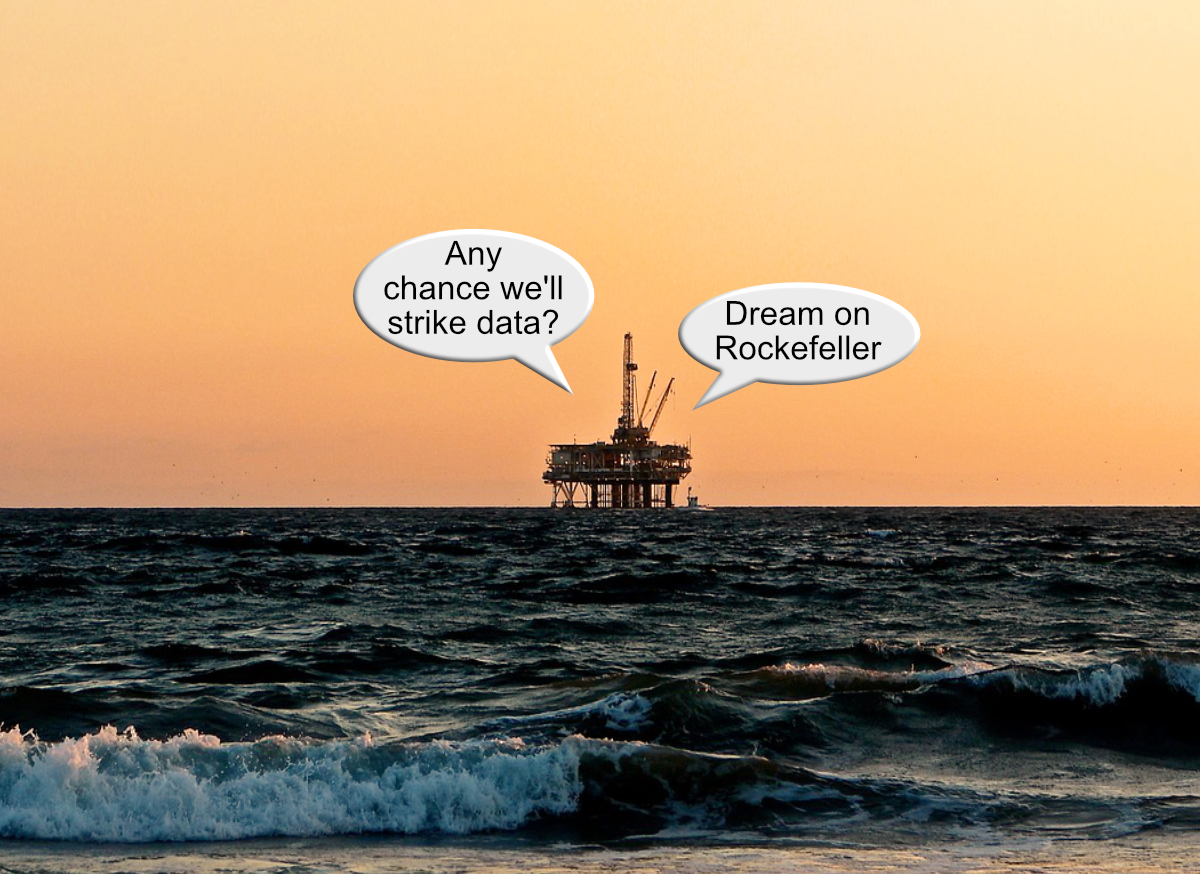 <center>Offshore Data Prospecting</center> ## <center>[Paul Krugman, Nobel Luddite](https://steemit.com/cryptocurrency/@rjpb/paul-krugman-nobel-luddite) </center> 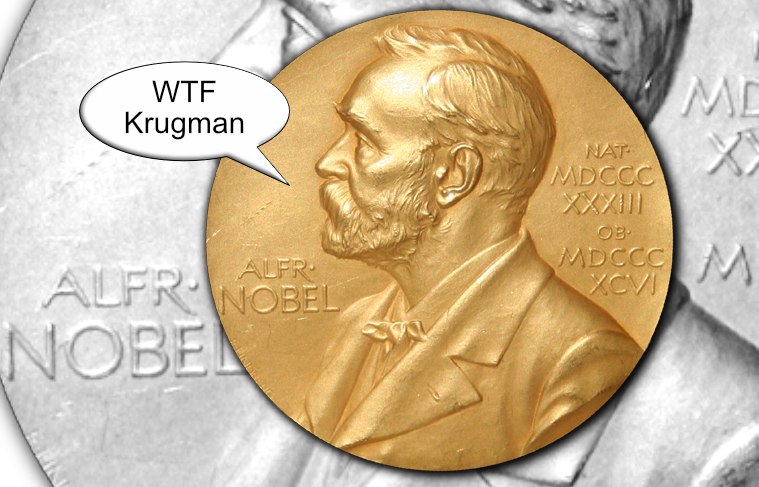 <center>The Dismay of Alfred Nobel </center> ## <center>[The Crazed Battle For Your Attention](https://steemit.com/cryptocurrency/@rjpb/the-crazed-battle-for-your-attention) </center> 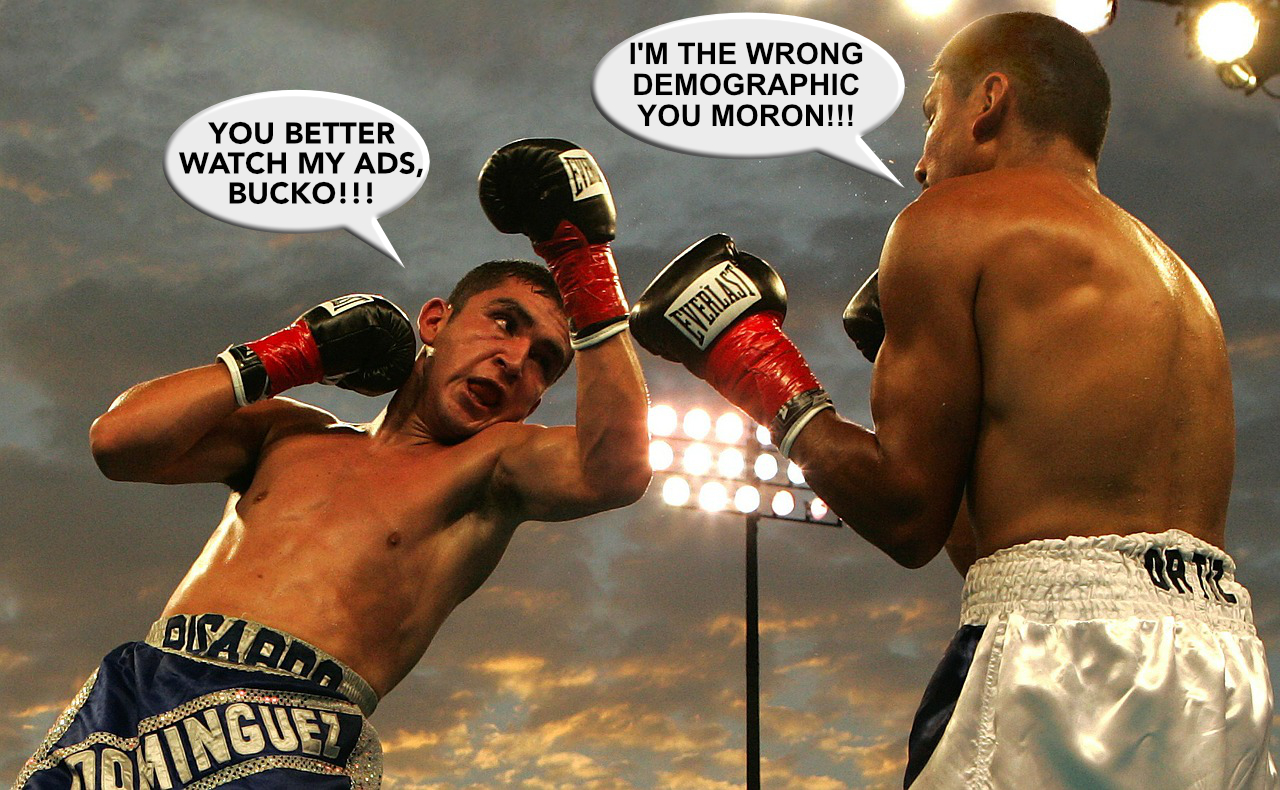 <center>The Pugilist Exchange</center> ## <center>[Your Data, Red Shoes and Black Leather Furniture](https://steemit.com/cryptocurrency/@rjpb/your-data-red-shoes-and-black-leather-furniture) </center>  <center>Objective Admiration</center> ## <center>[What Is The Value of Your $$$Data?](https://steemit.com/cryptocurrency/@rjpb/what-is-the-value-of-your-usdusdusddata) </center> 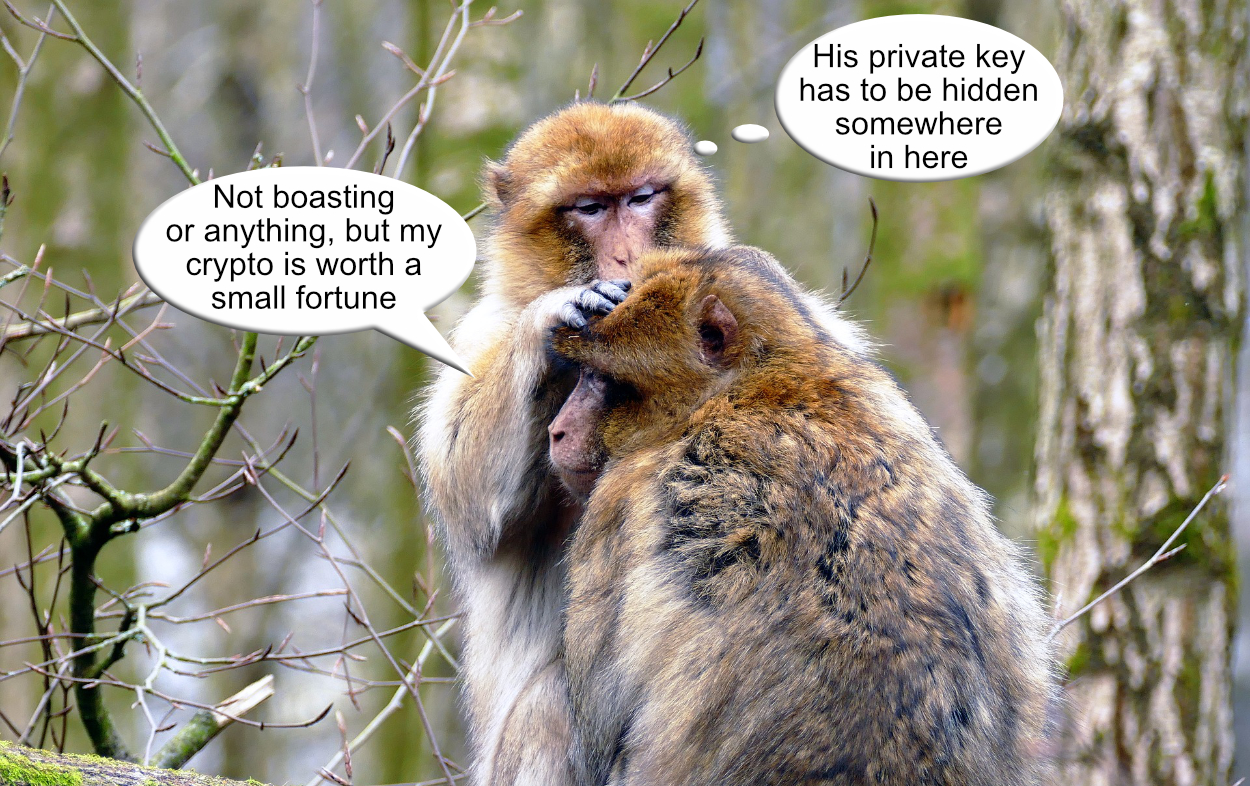 <center>Monkey Business</center> ## <center>[What Is A (Crypto) Currency Anyway?](https://steemit.com/cryptocurrency/@rjpb/what-is-a-crypto-currency-anyway) </center>  <center>The Benji Speaks (in Character)</center> ## <center>[Who Really Owns A Cryptocurrency?](https://steemit.com/bitcoin/@rjpb/who-really-owns-a-cryptocurrency) </center>  <center>At The Giraffe Crypto Conference</center> |
| json metadata | {"tags":["bitcoin","cryptocurrency","retail","advertising","blockchain"],"image":["https://steemitimages.com/DQmRYSsvRTDTFVSBxKKzPkZr4RbsD52TzQPagd52Zy6WPbW/bisons.jpg","https://steemitimages.com/DQmYuAqczxxeXX7xMvN7bDqB7UNekSQzVJbjgf7ZHftZQkf/NewOil.jpg","https://steemitimages.com/DQmTheDNbmLJ8ddhGcVrBPEMqYfbzRSaQxbdx3QkZzroAJS/Luddite.jpg","https://steemitimages.com/DQmWQwgnsuVUZ8vz9S2FrwJziswhZ6fe6EVk1ZubMuZ81Mr/BattleForAttention.jpg","https://steemitimages.com/DQmWyQ9m5iiHsH3BDpqCgnuanfHKdLEfMWiKyaX9TqA6sRs/Sofashoes2.jpg","https://steemitimages.com/DQmWrApxYnYVrEPVcFU2AiChS3bK9h9g41wBxGakrcPUCo8/%24%24DataWorth.jpg","https://steemitimages.com/DQmQ4FeYqxZzio4vqq4zbSVFcREHTxZmrhB6rJi67r1bKRa/WhatIsCrypto.jpg","https://steemitimages.com/DQmRb6nzdtf7YFPtxrrmEmrRmFmt4hB8GNabx2FiRbpSPVK/WhoOwnsCrypto.jpg"],"links":["https://steemit.com/bitcoin/@rjpb/soon-we-will-all-be-cryptocurrency-users","https://steemit.com/cryptocurrency/@rjpb/if-data-is-the-new-oil-then-you-re-the-oil","https://steemit.com/cryptocurrency/@rjpb/paul-krugman-nobel-luddite","https://steemit.com/cryptocurrency/@rjpb/the-crazed-battle-for-your-attention","https://steemit.com/cryptocurrency/@rjpb/your-data-red-shoes-and-black-leather-furniture","https://steemit.com/cryptocurrency/@rjpb/what-is-the-value-of-your-usdusdusddata","https://steemit.com/cryptocurrency/@rjpb/what-is-a-crypto-currency-anyway","https://steemit.com/bitcoin/@rjpb/who-really-owns-a-cryptocurrency"],"app":"steemit/0.1","format":"markdown"} |
| parent author | |
| parent permlink | bitcoin |
| permlink | the-blog-cartoons-episode-1 |
| title | The Blog Cartoons (Episode 1) |
| Transaction Info | Block #22485310/Trx 931d13a91d305e119f63d5c4f668a9fde44a7fe9 |
View Raw JSON Data
{
"block": 22485310,
"op": [
"comment",
{
"author": "rjpb",
"body": "A few readers mentioned to me that although they don't always read the whole blog post, they always read the blog cartoon that accompanies it. So here is a collection of illustrations, with links to the associated articles for those who dare to click.\n\n## <center>[Soon We Will All Be Crytocurrency Users](https://steemit.com/bitcoin/@rjpb/soon-we-will-all-be-cryptocurrency-users)</center>\n\n<center>Cyrptomania Spreads to the Bison Community</center>\n## <center>[If Data is The New Oil, Then You're The Oil](https://steemit.com/cryptocurrency/@rjpb/if-data-is-the-new-oil-then-you-re-the-oil)</center>\n\n<center>Offshore Data Prospecting</center>\n## <center>[Paul Krugman, Nobel Luddite](https://steemit.com/cryptocurrency/@rjpb/paul-krugman-nobel-luddite) </center>\n\n<center>The Dismay of Alfred Nobel </center>\n## <center>[The Crazed Battle For Your Attention](https://steemit.com/cryptocurrency/@rjpb/the-crazed-battle-for-your-attention) </center>\n\n<center>The Pugilist Exchange</center>\n## <center>[Your Data, Red Shoes and Black Leather Furniture](https://steemit.com/cryptocurrency/@rjpb/your-data-red-shoes-and-black-leather-furniture) </center>\n\n<center>Objective Admiration</center>\n## <center>[What Is The Value of Your $$$Data?](https://steemit.com/cryptocurrency/@rjpb/what-is-the-value-of-your-usdusdusddata) </center>\n\n<center>Monkey Business</center>\n## <center>[What Is A (Crypto) Currency Anyway?](https://steemit.com/cryptocurrency/@rjpb/what-is-a-crypto-currency-anyway) </center>\n\n<center>The Benji Speaks (in Character)</center>\n## <center>[Who Really Owns A Cryptocurrency?](https://steemit.com/bitcoin/@rjpb/who-really-owns-a-cryptocurrency) </center>\n\n<center>At The Giraffe Crypto Conference</center>",
"json_metadata": "{\"tags\":[\"bitcoin\",\"cryptocurrency\",\"retail\",\"advertising\",\"blockchain\"],\"image\":[\"https://steemitimages.com/DQmRYSsvRTDTFVSBxKKzPkZr4RbsD52TzQPagd52Zy6WPbW/bisons.jpg\",\"https://steemitimages.com/DQmYuAqczxxeXX7xMvN7bDqB7UNekSQzVJbjgf7ZHftZQkf/NewOil.jpg\",\"https://steemitimages.com/DQmTheDNbmLJ8ddhGcVrBPEMqYfbzRSaQxbdx3QkZzroAJS/Luddite.jpg\",\"https://steemitimages.com/DQmWQwgnsuVUZ8vz9S2FrwJziswhZ6fe6EVk1ZubMuZ81Mr/BattleForAttention.jpg\",\"https://steemitimages.com/DQmWyQ9m5iiHsH3BDpqCgnuanfHKdLEfMWiKyaX9TqA6sRs/Sofashoes2.jpg\",\"https://steemitimages.com/DQmWrApxYnYVrEPVcFU2AiChS3bK9h9g41wBxGakrcPUCo8/%24%24DataWorth.jpg\",\"https://steemitimages.com/DQmQ4FeYqxZzio4vqq4zbSVFcREHTxZmrhB6rJi67r1bKRa/WhatIsCrypto.jpg\",\"https://steemitimages.com/DQmRb6nzdtf7YFPtxrrmEmrRmFmt4hB8GNabx2FiRbpSPVK/WhoOwnsCrypto.jpg\"],\"links\":[\"https://steemit.com/bitcoin/@rjpb/soon-we-will-all-be-cryptocurrency-users\",\"https://steemit.com/cryptocurrency/@rjpb/if-data-is-the-new-oil-then-you-re-the-oil\",\"https://steemit.com/cryptocurrency/@rjpb/paul-krugman-nobel-luddite\",\"https://steemit.com/cryptocurrency/@rjpb/the-crazed-battle-for-your-attention\",\"https://steemit.com/cryptocurrency/@rjpb/your-data-red-shoes-and-black-leather-furniture\",\"https://steemit.com/cryptocurrency/@rjpb/what-is-the-value-of-your-usdusdusddata\",\"https://steemit.com/cryptocurrency/@rjpb/what-is-a-crypto-currency-anyway\",\"https://steemit.com/bitcoin/@rjpb/who-really-owns-a-cryptocurrency\"],\"app\":\"steemit/0.1\",\"format\":\"markdown\"}",
"parent_author": "",
"parent_permlink": "bitcoin",
"permlink": "the-blog-cartoons-episode-1",
"title": "The Blog Cartoons (Episode 1)"
}
],
"op_in_trx": 0,
"timestamp": "2018-05-16T16:30:21",
"trx_id": "931d13a91d305e119f63d5c4f668a9fde44a7fe9",
"trx_in_block": 57,
"virtual_op": 0
}cheetahreplied to @rjpb / cheetah-re-rjpbpaul-krugman-nobel-luddite2018/05/16 16:15:39
cheetahreplied to @rjpb / cheetah-re-rjpbpaul-krugman-nobel-luddite
2018/05/16 16:15:39
| author | cheetah |
| body | Hi! I am a robot. I just upvoted you! I found similar content that readers might be interested in: https://medium.com/algebraix-data/paul-krugman-nobel-luddite-e172589b8b9f |
| json metadata | |
| parent author | rjpb |
| parent permlink | paul-krugman-nobel-luddite |
| permlink | cheetah-re-rjpbpaul-krugman-nobel-luddite |
| title | |
| Transaction Info | Block #22485016/Trx 47f81eccad6e222668577b449ad1bc61bd09498e |
View Raw JSON Data
{
  "block": 22485016,
  "op": [
    "comment",
    {
      "author": "cheetah",
      "body": "Hi! I am a robot. I just upvoted you! I found similar content that readers might be interested in:\nhttps://medium.com/algebraix-data/paul-krugman-nobel-luddite-e172589b8b9f",
      "json_metadata": "",
      "parent_author": "rjpb",
      "parent_permlink": "paul-krugman-nobel-luddite",
      "permlink": "cheetah-re-rjpbpaul-krugman-nobel-luddite",
      "title": ""
    }
  ],
  "op_in_trx": 0,
  "timestamp": "2018-05-16T16:15:39",
  "trx_id": "47f81eccad6e222668577b449ad1bc61bd09498e",
  "trx_in_block": 75,
  "virtual_op": 0
}2018/05/16 16:15:18
2018/05/16 16:15:18
| author | cheetah |
| body | Hi! I am a robot. I just upvoted you! I found similar content that readers might be interested in: https://medium.com/algebraix-data/what-is-a-cryptocurrency-anyway-81b8e4350d05 |
| json metadata | |
| parent author | rjpb |
| parent permlink | what-is-a-crypto-currency-anyway |
| permlink | cheetah-re-rjpbwhat-is-a-crypto-currency-anyway |
| title | |
| Transaction Info | Block #22485009/Trx 77fa294e7bc010131774c482fdfdb6add9bdc29d |
View Raw JSON Data
{
  "block": 22485009,
  "op": [
    "comment",
    {
      "author": "cheetah",
      "body": "Hi! I am a robot. I just upvoted you! I found similar content that readers might be interested in:\nhttps://medium.com/algebraix-data/what-is-a-cryptocurrency-anyway-81b8e4350d05",
      "json_metadata": "",
      "parent_author": "rjpb",
      "parent_permlink": "what-is-a-crypto-currency-anyway",
      "permlink": "cheetah-re-rjpbwhat-is-a-crypto-currency-anyway",
      "title": ""
    }
  ],
  "op_in_trx": 0,
  "timestamp": "2018-05-16T16:15:18",
  "trx_id": "77fa294e7bc010131774c482fdfdb6add9bdc29d",
  "trx_in_block": 3,
  "virtual_op": 0
}rjpbpublished a new post: paul-krugman-nobel-luddite2018/05/16 16:14:39
rjpbpublished a new post: paul-krugman-nobel-luddite
2018/05/16 16:14:39
| author | rjpb |
| body |  I’m reasonably sure Paul Krugman deserved his Nobel Prize in economics. It celebrated his research into, and theories about, economic geography and international trade. I have read only summaries and commentary, so I cannot claim deep familiarity. Nevertheless, I find his theory to be cogent and to accord with the evidence. It does indeed appear that the combination of economies of scale, international trade, and local transport costs are fundamental factors in determining the growth and nature of metropolitan areas as a worldwide phenomenon. I do not doubt he’s a gifted economist who has a made useful contributions to that “dismal science.” Yet when it comes to his thoughts on cryptocurrency, he appears to be an out-and-out Luddite, desperate to destroy the digital machinery dares to challenge outdated and poorly managed national currencies. ### Recent Krugman Proclamations In case you’re unfamiliar with Krugman’s Bitcoin comments, here are two recent examples: “So Bitcoin just lost half its value. Where does it now stand relative to fundamentals? Hard to say, because there aren’t any fundamentals. More than ever, this looks like a pure bubble.” *Twitter 1/17/18* “It’s got this mystique about it, because it’s some fancy technological thing that nobody really understands. There’s been no demonstration yet that it actually is helpful in conducting economic transactions. There’s no anchor for its value. You know, unlike pieces of paper with dead presidents on them, those are anchored by the fact that you can use them to pay taxes.” *Interview, Business Insider 12/15/17.* Let’s dissect the second of these comments: *“It’s some fancy technological thing that nobody really understands.”* In respect of logical fallacies, this statement qualifies as the ad populum fallacy — an appeal to the prejudices of the audience. Krugman probably does not believe Bitcoin and blockchain technology to be some species of voodoo creation. If he surfed a few cryptocurrency resources, he would find coherent explanations of how blockchains work in general and how Bitcoin works in particular. While it might require a little intellectual effort, it is well within the capabilities of the average Nobel laureate. There is, perhaps, a sliver of possibility that it’s beyond his comprehension. If so, he should hush his mouth. *“There’s been no demonstration yet that it actually is helpful in conducting economic transactions.”* This is an egregious lie. Either he has not considered the evidence or he considers himself so all-knowing that consulting evidence is below his pay grade. *“There’s no anchor to its value.”* This is probably the crux of his objection to Bitcoin. He doesn’t consider it to have the qualities of a bona fide currency because he cannot identify any intrinsic quality or utility to it. And, to be fair, this accords with the first Krugman quote above which refers to Bitcoin’s volatility. Of course, in practical terms, there are many anchors to Bitcoin’s value: the Dollar, the Euro, the Yuan, the Yen and so on. It has no intrinsic value like gold and silver, which you can use industrially or ornamentally, but neither do any national currencies. Governments make laws declaring their fiat currencies to be legal tender, but the general population only abides by such laws if the government manages the currency well. If it does not, they find alternatives. ### Let’s Cut to the J.P. Morgan Chase On September 11th, 2017, Jamie Dimon the CEO of JP Morgan Chase proclaimed Bitcoin to be a fraud. “If you are stupid enough to buy it, you’ll pay the price for it one day,” he said. If you were indeed stupid enough to buy it on the day Jamie Dimon said that, you would have paid about $4122.00 for one Bitcoin. What were you thinking, idiot! Since his brief and courageous stand against the dastardly Bitcoin, Jamie Dimon has had a few public “come to Jesus” moments. He didn’t have much choice. JP Morgan Chase was already working on a blockchain project as he spoke. The company announced it a mere month later in October. According to the press release, their Interbank Information Network would “significantly reduce” the number of parties needed to verify global payments, reducing transaction times “from weeks to hours.” The Royal Bank of Canada and Australia and New Zealand Banking Group partnered in the project. I don’t know about you, but to me, that sounds suspiciously like the blockchain “actually is helpful in conducting economic transactions.” Krugman, please take note. Also please take note of Jamie Dimon’s “I regret making that comment” CNBC January 9th, 2018 about his much quoted “Bitcoin is a fraud.” Paul, maybe you should practice saying “I regret making that comment.” They are words you will surely find useful in the future. Consider, for example, your 1998 statement: “By 2005 or so, it will become clear that the Internet’s impact on the economy has been no greater than the fax machine’s.” Surely you must have said, or at least thought, “I regret making that comment.” ### The Luddite Tendency Let’s step back from all this and put Bitcoin in context. Bitcoin is the prototype technology for currency systems that are far more efficient than existing ones. Nowadays if you buy something through the current banking system, using a check or debit or credit cards, the cost of the transaction will most likely be about 3% of the amount paid. That “banker’s cut” may be “hidden,” but it will be paid. In general, a secure cryptocurrency transaction will clear faster, and it will do so across national boundaries, and it will cost far far less. The cryptocurrency that eventually dominates the world may not be Bitcoin, or Ethereum or any of the current crop of contenders. We are in the early stages of a technology contest where the most efficient contender (in respect of transaction costs) will eventually dominate. That system will not preside over a fiat currency manually managed by a government, even if governments get infected by the blockchain bug. It will be a cryptocurrency that lives within a widely distributed system that no-one owns. The poverty of Krugman’s intellectual appreciation of this is evident. If you cannot get the idea of a currency system that is government-free, why would you even consider the economic importance of bullet-proof privacy, the innovative potential of smart contracts or the revolutionary impact of trustless systems? You probably wouldn’t. You’re far more likely to call for the demise of the digital machinery that makes all of this possible. |
| json metadata | {"tags":["cryptocurrency","bitcoin","blog","blockchain"],"image":["https://steemitimages.com/DQmTheDNbmLJ8ddhGcVrBPEMqYfbzRSaQxbdx3QkZzroAJS/Luddite.jpg"],"app":"steemit/0.1","format":"markdown"} |
| parent author | |
| parent permlink | cryptocurrency |
| permlink | paul-krugman-nobel-luddite |
| title | Paul Krugman, Nobel Luddite |
| Transaction Info | Block #22484996/Trx 63dcafc7da3e30395757c86fb887fce3333e3a42 |
View Raw JSON Data
{
"block": 22484996,
"op": [
"comment",
{
"author": "rjpb",
"body": "\n\nI’m reasonably sure Paul Krugman deserved his Nobel Prize in economics. It celebrated his research into, and theories about, economic geography and international trade. I have read only summaries and commentary, so I cannot claim deep familiarity. Nevertheless, I find his theory to be cogent and to accord with the evidence. It does indeed appear that the combination of economies of scale, international trade, and local transport costs are fundamental factors in determining the growth and nature of metropolitan areas as a worldwide phenomenon.\n\nI do not doubt he’s a gifted economist who has a made useful contributions to that “dismal science.” Yet when it comes to his thoughts on cryptocurrency, he appears to be an out-and-out Luddite, desperate to destroy the digital machinery dares to challenge outdated and poorly managed national currencies.\n\n### Recent Krugman Proclamations\n\nIn case you’re unfamiliar with Krugman’s Bitcoin comments, here are two recent examples:\n\n“So Bitcoin just lost half its value. Where does it now stand relative to fundamentals? Hard to say, because there aren’t any fundamentals. More than ever, this looks like a pure bubble.” *Twitter 1/17/18*\n\n“It’s got this mystique about it, because it’s some fancy technological thing that nobody really understands. There’s been no demonstration yet that it actually is helpful in conducting economic transactions. There’s no anchor for its value. You know, unlike pieces of paper with dead presidents on them, those are anchored by the fact that you can use them to pay taxes.” *Interview, Business Insider 12/15/17.*\n\nLet’s dissect the second of these comments:\n\n*“It’s some fancy technological thing that nobody really understands.”*\n\nIn respect of logical fallacies, this statement qualifies as the ad populum fallacy — an appeal to the prejudices of the audience. Krugman probably does not believe Bitcoin and blockchain technology to be some species of voodoo creation. If he surfed a few cryptocurrency resources, he would find coherent explanations of how blockchains work in general and how Bitcoin works in particular. While it might require a little intellectual effort, it is well within the capabilities of the average Nobel laureate. There is, perhaps, a sliver of possibility that it’s beyond his comprehension. If so, he should hush his mouth.\n\n*“There’s been no demonstration yet that it actually is helpful in conducting economic transactions.”*\n\nThis is an egregious lie. Either he has not considered the evidence or he considers himself so all-knowing that consulting evidence is below his pay grade.\n\n*“There’s no anchor to its value.”*\n\nThis is probably the crux of his objection to Bitcoin. He doesn’t consider it to have the qualities of a bona fide currency because he cannot identify any intrinsic quality or utility to it. And, to be fair, this accords with the first Krugman quote above which refers to Bitcoin’s volatility.\n\nOf course, in practical terms, there are many anchors to Bitcoin’s value: the Dollar, the Euro, the Yuan, the Yen and so on. It has no intrinsic value like gold and silver, which you can use industrially or ornamentally, but neither do any national currencies. Governments make laws declaring their fiat currencies to be legal tender, but the general population only abides by such laws if the government manages the currency well. If it does not, they find alternatives.\n\n### Let’s Cut to the J.P. Morgan Chase\n\nOn September 11th, 2017, Jamie Dimon the CEO of JP Morgan Chase proclaimed Bitcoin to be a fraud. “If you are stupid enough to buy it, you’ll pay the price for it one day,” he said.\n\nIf you were indeed stupid enough to buy it on the day Jamie Dimon said that, you would have paid about $4122.00 for one Bitcoin. What were you thinking, idiot!\n\nSince his brief and courageous stand against the dastardly Bitcoin, Jamie Dimon has had a few public “come to Jesus” moments.\n\nHe didn’t have much choice. JP Morgan Chase was already working on a blockchain project as he spoke. The company announced it a mere month later in October. According to the press release, their Interbank Information Network would “significantly reduce” the number of parties needed to verify global payments, reducing transaction times “from weeks to hours.” The Royal Bank of Canada and Australia and New Zealand Banking Group partnered in the project.\n\nI don’t know about you, but to me, that sounds suspiciously like the blockchain “actually is helpful in conducting economic transactions.” Krugman, please take note.\n\nAlso please take note of Jamie Dimon’s “I regret making that comment” CNBC January 9th, 2018 about his much quoted “Bitcoin is a fraud.”\n\nPaul, maybe you should practice saying “I regret making that comment.” They are words you will surely find useful in the future.\n\nConsider, for example, your 1998 statement:\n\n“By 2005 or so, it will become clear that the Internet’s impact on the economy has been no greater than the fax machine’s.”\n\nSurely you must have said, or at least thought, “I regret making that comment.”\n\n### The Luddite Tendency\n\nLet’s step back from all this and put Bitcoin in context. Bitcoin is the prototype technology for currency systems that are far more efficient than existing ones. Nowadays if you buy something through the current banking system, using a check or debit or credit cards, the cost of the transaction will most likely be about 3% of the amount paid. That “banker’s cut” may be “hidden,” but it will be paid.\n\nIn general, a secure cryptocurrency transaction will clear faster, and it will do so across national boundaries, and it will cost far far less.\n\nThe cryptocurrency that eventually dominates the world may not be Bitcoin, or Ethereum or any of the current crop of contenders. We are in the early stages of a technology contest where the most efficient contender (in respect of transaction costs) will eventually dominate. That system will not preside over a fiat currency manually managed by a government, even if governments get infected by the blockchain bug. It will be a cryptocurrency that lives within a widely distributed system that no-one owns.\n\nThe poverty of Krugman’s intellectual appreciation of this is evident. If you cannot get the idea of a currency system that is government-free, why would you even consider the economic importance of bullet-proof privacy, the innovative potential of smart contracts or the revolutionary impact of trustless systems? You probably wouldn’t.\n\nYou’re far more likely to call for the demise of the digital machinery that makes all of this possible.",
"json_metadata": "{\"tags\":[\"cryptocurrency\",\"bitcoin\",\"blog\",\"blockchain\"],\"image\":[\"https://steemitimages.com/DQmTheDNbmLJ8ddhGcVrBPEMqYfbzRSaQxbdx3QkZzroAJS/Luddite.jpg\"],\"app\":\"steemit/0.1\",\"format\":\"markdown\"}",
"parent_author": "",
"parent_permlink": "cryptocurrency",
"permlink": "paul-krugman-nobel-luddite",
"title": "Paul Krugman, Nobel Luddite"
}
],
"op_in_trx": 0,
"timestamp": "2018-05-16T16:14:39",
"trx_id": "63dcafc7da3e30395757c86fb887fce3333e3a42",
"trx_in_block": 34,
"virtual_op": 0
}rjpbpublished a new post: what-is-a-crypto-currency-anyway2018/05/16 16:14:36
rjpbpublished a new post: what-is-a-crypto-currency-anyway
2018/05/16 16:14:36
| author | rjpb |
| body |  By the end of the WWII, the German economy was wrecked, Germany was split into four zones under the military rule of the Americans, British, French, and Russians. Hitler’s Reichsmark was still in circulation, but had been rendered almost worthless by massive inflation in the latter stages of the war. Because Reichsmark notes bore the swastika, the Western administration withdrew them from circulation, replacing them with Allied Occupation Marks, printed in the US. Getting this temporary new currency to circulate was not easy — so difficult in fact that a barter economy soon evolved with cigarettes as the currency. This unusual situation happened almost naturally. In Germany smokers’ ration cards had been issued from 1940 onwards, limiting smokers to a mere 40 cigarettes per month. Since most smokers have a more substantial appetite than that, a black-market for cigarettes soon flourished. When the war ended cigarettes were the most effective currency because they were already circulating, the supply was limited, and they were regularly burned — damping down inflation. In June 1948, the Deutsche Mark was launched, with an airdrop of 40 DM to every resident of West Germany. At last there was a reliable currency in circulation and it forced the black market into swift retreat. While cigarettes could never be a sustainable currency, it worked surprisingly well for a few years among a population of over 30 million. ### What makes a currency viable? By definition a currency is a medium of exchange — it must be exchangeable for goods. Until the dawn of the digital world, this severely limited what could serve as a currency. It couldn’t be something that decayed easily, or could be forged easily, or was too large or too heavy and, above and beyond those practical details, people who used it needed to have faith in it. These conditions reduce the possibilities of what can serve as a currency considerably. Historically, until the invention of printing, there are few examples of money that was not coins of one kind or another, made from iron, bronze, silver or gold. The invention of the coin is lost in history as also, surprisingly is the invention of the account. There is evidence from 30,000 years ago of the use of tally sticks, as a primitive form of accounting. You can think in terms of “exchange money” (coins for buying things) and “account money,” which is a store of value managed by some organization you trust. In ancient Egypt, Babylon, India and China, temples and palaces often included commodity warehouses that issued “certificates of deposit” as a claim on goods stored there. Also, there is the idea of legal tender. A currency is legal tender if, by law, you cannot refuse it as payment. Such currency is, of course, only legal within a given jurisdiction. Finally, a currency needs to have a relatively stable value so that it can act as a store of value and a metric of value. Currencies that fluctuate in value fail because they are not reliable either as a store or a metric of value. To summarise, ideally a currency has the following characteristics: 1. It can be exchanged for goods or services, as the medium of exchange. 1. It can be used as a currency of account (if an appropriate mechanism exists). 1. It is proof against fraud. 1. It is highly portable. 1. It is legal tender. 1. It is a store and metric of value. ### De Facto Currency In the 16th century the circulation of gold and silver coinage constituted a near-global currency. It was in use across the Eurasian landmass from Scandinavia to Korea. It was viable because the coins were valuable of themselves. There was minimal coin value inflation, the coins could be tested for fraud, and they didn’t need government validation. The coins were portable (within reason) and on the trading routes, secure banks existed where large holdings could be deposited. Consequently, merchants had faith in such coinage, and it was used extensively — and for many years, even after paper currency was introduced At various points in history, currencies have emerged and survived without need for government imposition. And it looks like it may be happening again. Cryptocurrencies may evolve into de facto currencies, and there may be nothing governments can do to prevent it, short of martial law. Let’s consider it point by point: #### **Are cryptocurrencies an effective medium of exchange?** Demonstrably so. A number of them: Ether, Litecoin, Bitcoin Cash, Monero, and others, are used as money, by a growing band of consumers and retailers (mostly eRetailers). Their value can be readily known 24/7 by reference to crypto markets. In fact, they have a distinct advantage in this as the cost of exchange is very low. Faith in these currencies as a medium of exchange is established. #### **Can they also be a currency of account?** In reality that is their strength. The crypto wallet and its contents are one. As such, a crypto wallet is a bank account, a debit card and currency all rolled into one. They are a currency of account that requires no trusted third party to manage the account. #### **Are cryptocurrencies proof against fraud?** The record cries “YES,” and so does the mathematics that spawned them. As far as anyone knows, they are impossible to forge. As with any other currency, it can be stolen. But crypto is by no means as easy to steal as bank notes, which belong to whoever holds them. #### **Is cryptocurrency portable?** Yes — highly portable, more so that gold or silver. They are as portable as, say, a mobile phone or a banknote. if not more so. #### **Is cryptocurrency legal tender?** Not in the sense that people are obliged to accept it in payment. However, because of the existence of various fast exchange capabilities and crypto debit cards, it is as good as legal tender as you can easily exchange it for legal tender. #### **Can cryptocurrencies be used as a store and metric of value?** This is where, at the moment, many cryptocurrencies fail. Their value (as expressed in local currency) fluctuates far too wildly. They will not become practical currencies until such fluctuations tamp down. At Algebraix we have thought long and hard about this problem. We looked at it this way: Most of the popular cryptocurrencies are alternatives to fiat currencies — they provide payment mechanisms. Our currency, ALX, is a utility token. As such it is more like air miles or other such loyalty tokens, which derive their value from the commercial ecosystem in which they circulate. So our currency may be different. Time will tell. In two later blog posts, I’ll pursue this topic further and discuss: 1. Stocks v Coins, What’s the Difference? 1. What is a Utility Token, and Why Should I Care? |
| json metadata | {"tags":["cryptocurrency","bitcoin","blog","blockchain"],"image":["https://steemitimages.com/DQmQ4FeYqxZzio4vqq4zbSVFcREHTxZmrhB6rJi67r1bKRa/WhatIsCrypto.jpg"],"app":"steemit/0.1","format":"markdown"} |
| parent author | |
| parent permlink | cryptocurrency |
| permlink | what-is-a-crypto-currency-anyway |
| title | What Is A (Crypto) Currency Anyway? |
| Transaction Info | Block #22484995/Trx 9118e9935c5e0009b2654314cda86794757954d1 |
View Raw JSON Data
{
"block": 22484995,
"op": [
"comment",
{
"author": "rjpb",
"body": "\n\nBy the end of the WWII, the German economy was wrecked, Germany was split into four zones under the military rule of the Americans, British, French, and Russians. Hitler’s Reichsmark was still in circulation, but had been rendered almost worthless by massive inflation in the latter stages of the war. Because Reichsmark notes bore the swastika, the Western administration withdrew them from circulation, replacing them with Allied Occupation Marks, printed in the US.\n\nGetting this temporary new currency to circulate was not easy — so difficult in fact that a barter economy soon evolved with cigarettes as the currency. This unusual situation happened almost naturally. In Germany smokers’ ration cards had been issued from 1940 onwards, limiting smokers to a mere 40 cigarettes per month. Since most smokers have a more substantial appetite than that, a black-market for cigarettes soon flourished. When the war ended cigarettes were the most effective currency because they were already circulating, the supply was limited, and they were regularly burned — damping down inflation.\n\nIn June 1948, the Deutsche Mark was launched, with an airdrop of 40 DM to every resident of West Germany. At last there was a reliable currency in circulation and it forced the black market into swift retreat.\n\nWhile cigarettes could never be a sustainable currency, it worked surprisingly well for a few years among a population of over 30 million.\n\n### What makes a currency viable?\n\nBy definition a currency is a medium of exchange — it must be exchangeable for goods. Until the dawn of the digital world, this severely limited what could serve as a currency. It couldn’t be something that decayed easily, or could be forged easily, or was too large or too heavy and, above and beyond those practical details, people who used it needed to have faith in it.\n\nThese conditions reduce the possibilities of what can serve as a currency considerably. Historically, until the invention of printing, there are few examples of money that was not coins of one kind or another, made from iron, bronze, silver or gold. The invention of the coin is lost in history as also, surprisingly is the invention of the account. There is evidence from 30,000 years ago of the use of tally sticks, as a primitive form of accounting.\n\nYou can think in terms of “exchange money” (coins for buying things) and “account money,” which is a store of value managed by some organization you trust. In ancient Egypt, Babylon, India and China, temples and palaces often included commodity warehouses that issued “certificates of deposit” as a claim on goods stored there.\n\nAlso, there is the idea of legal tender. A currency is legal tender if, by law, you cannot refuse it as payment. Such currency is, of course, only legal within a given jurisdiction.\n\nFinally, a currency needs to have a relatively stable value so that it can act as a store of value and a metric of value. Currencies that fluctuate in value fail because they are not reliable either as a store or a metric of value.\n\nTo summarise, ideally a currency has the following characteristics:\n\n1. It can be exchanged for goods or services, as the medium of exchange.\n1. It can be used as a currency of account (if an appropriate mechanism exists).\n1. It is proof against fraud.\n1. It is highly portable.\n1. It is legal tender.\n1. It is a store and metric of value.\n### De Facto Currency\n\nIn the 16th century the circulation of gold and silver coinage constituted a near-global currency. It was in use across the Eurasian landmass from Scandinavia to Korea.\n\nIt was viable because the coins were valuable of themselves. There was minimal coin value inflation, the coins could be tested for fraud, and they didn’t need government validation. The coins were portable (within reason) and on the trading routes, secure banks existed where large holdings could be deposited. Consequently, merchants had faith in such coinage, and it was used extensively — and for many years, even after paper currency was introduced\n\nAt various points in history, currencies have emerged and survived without need for government imposition. And it looks like it may be happening again. Cryptocurrencies may evolve into de facto currencies, and there may be nothing governments can do to prevent it, short of martial law.\n\nLet’s consider it point by point:\n\n#### **Are cryptocurrencies an effective medium of exchange?**\n\nDemonstrably so. A number of them: Ether, Litecoin, Bitcoin Cash, Monero, and others, are used as money, by a growing band of consumers and retailers (mostly eRetailers). Their value can be readily known 24/7 by reference to crypto markets. In fact, they have a distinct advantage in this as the cost of exchange is very low. Faith in these currencies as a medium of exchange is established.\n\n#### **Can they also be a currency of account?**\n\nIn reality that is their strength. The crypto wallet and its contents are one. As such, a crypto wallet is a bank account, a debit card and currency all rolled into one. They are a currency of account that requires no trusted third party to manage the account.\n\n#### **Are cryptocurrencies proof against fraud?**\n\nThe record cries “YES,” and so does the mathematics that spawned them. As far as anyone knows, they are impossible to forge. As with any other currency, it can be stolen. But crypto is by no means as easy to steal as bank notes, which belong to whoever holds them.\n\n#### **Is cryptocurrency portable?**\n\nYes — highly portable, more so that gold or silver. They are as portable as, say, a mobile phone or a banknote. if not more so.\n\n#### **Is cryptocurrency legal tender?**\n\nNot in the sense that people are obliged to accept it in payment. However, because of the existence of various fast exchange capabilities and crypto debit cards, it is as good as legal tender as you can easily exchange it for legal tender.\n\n#### **Can cryptocurrencies be used as a store and metric of value?**\n\nThis is where, at the moment, many cryptocurrencies fail. Their value (as expressed in local currency) fluctuates far too wildly. They will not become practical currencies until such fluctuations tamp down.\n\nAt Algebraix we have thought long and hard about this problem. We looked at it this way: Most of the popular cryptocurrencies are alternatives to fiat currencies — they provide payment mechanisms. Our currency, ALX, is a utility token. As such it is more like air miles or other such loyalty tokens, which derive their value from the commercial ecosystem in which they circulate. So our currency may be different. Time will tell.\n\nIn two later blog posts, I’ll pursue this topic further and discuss:\n\n1. Stocks v Coins, What’s the Difference?\n1. What is a Utility Token, and Why Should I Care?",
"json_metadata": "{\"tags\":[\"cryptocurrency\",\"bitcoin\",\"blog\",\"blockchain\"],\"image\":[\"https://steemitimages.com/DQmQ4FeYqxZzio4vqq4zbSVFcREHTxZmrhB6rJi67r1bKRa/WhatIsCrypto.jpg\"],\"app\":\"steemit/0.1\",\"format\":\"markdown\"}",
"parent_author": "",
"parent_permlink": "cryptocurrency",
"permlink": "what-is-a-crypto-currency-anyway",
"title": "What Is A (Crypto) Currency Anyway?"
}
],
"op_in_trx": 0,
"timestamp": "2018-05-16T16:14:36",
"trx_id": "9118e9935c5e0009b2654314cda86794757954d1",
"trx_in_block": 20,
"virtual_op": 0
}rjpbpublished a new post: what-is-the-value-of-your-usdusdusddata2018/05/16 16:14:33
rjpbpublished a new post: what-is-the-value-of-your-usdusdusddata
2018/05/16 16:14:33
| author | rjpb |
| body |  Personal data has value. Facebook and Google harvest billions from it through advertising. Talented hackers make a handsome living from stealing and selling it. The profits of credit score companies ride on the back of it. And, unless you are very young or very unusual, you have terabytes of it on your devices or floating around in the cloud. But how much your data actually worth? To get some idea, let’s examine the value of some of the personal data for the average US Joe or Jane. ### Your Data Value as an Advertising Target Consider the price advertisers pay to try to catch your eye. Facebook, Google, and other digital ad brokers use your data for targeting. They capture your behavior and your consumer profile (your preferences, lifestyle, stage of life and various other attributes). Facebook prospers from the fact that it knows a great deal about its users — its average US user spends about 40 minutes a day on the site, enhancing that knowledge. Facebook regularly runs batteries of statistical algorithms to match users with the products advertisers wish to promote. In 2017, the average cost per click for an online Facebook ad was $1.72 — a premium price that stems from the mountainous variety of data it can dissect and evaluate. Google, the other giant of the digital domain, cannot match Facebook in this area, but more than compensates for it with Google Adwords, which, with an 80% share of the US market, dominates search advertising. [According to Wordstream](https://www.wordstream.com/blog/ws/2017/07/05/online-advertising-costs), in 2017, the average cost per Google AdWords click was $2.32. Naturally, some clicks cost much more than that. The price is fixed by auction, so it varies with demand. The price for AdWords for legal services, for example, can rise above $50 per click. Nice work if you can get it. If we take the total US revenues from digital advertising in 2017, about $83 billion and divide it by the population of US Internet users (roughly 287 million) you get the digital ad revenue per average Joe or Jane. It works out to be $289.19 per annum. This is an average, so if you do many product searches or frequently click on website ads, your total will be higher — especially if you often seek legal services. ### Your Data Value to Hackers Another way to look at the value of personal data is from the thief’s perspective. Data thieves usually steal personal data so they can sell it on the Dark Web to other thieves. If it wasn’t worth much they wouldn’t bother. The bare details of a credit card (name, card number, expiry date) are not worth much. But if you add in the owner’s address and email, then it’s worth somewhere between $20-$25. That has a similar market value to a driver’s license. So one debit card, two credit cards, and a driver’s license, plus your email and physical address command a price of $100. [See KeeperSecurity.com](https://keepersecurity.com/how-much-is-my-information-worth-to-hacker-dark-web.html) for more details. Passwords can be valuable. Your Netflix password (if you have one) is worth about $3.00. Your Spotify password comes in at about $2.80. A password that walks you into a bank account with a balance in the region of $2000 commands a price of $100. For a balance of $15,000 or more, think in terms of $1000. A complete medical record can fetch the same $1000 price, although like the bank account, the value depends on what it contains. Such details can be sold to insurance companies or even used for blackmail, but the less it contains, the less value it will command. It’s difficult to estimate an average value for passwords and personal credentials. But if you include a collection of passwords for a bank account, a savings account, add in a few credit or debit cards, a driving license and a passport and assume just an average medical record, we are probably looking at $300, minimum. ### Your Data Value as a Credit Score In 2016, Equifax made a healthy gross profit on revenues of just over $3.1 billion — the year before it managed to compromise the personal financial data to 147 million Americans. Credit scoring is a profitable business, as both Experian (annual revenues of $4.55 bn) and TransUnion (annual revenues of $1.7 bn) can attest. Roughly a quarter of those global revenues flow from the tens of thousands of companies that are interested in the creditworthiness of about 235 million Americans. The data that Equifax, Experian and TransUnion present to those companies is your personal financial data, gathered, aggregated and analyzed without so much as a “by you leave.” Do the math and you’ll discover that they make about $10 per annum from the average Joe or Jane. Let’s Examine The Personal Data Inventory ### What is the inventory of your personal data? It is probably more extensive than you think. It consists of basic contact details (name, address, telephone, email) and official credentials that prove who you are, such as birth certificate, driver’s license, passport, social security number and so on. To this we can add personal interests, hobbies, and preferences; data that will interest advertisers and retailers. There’s financial information; bank accounts, debit and credit cards, investments and insurances, and nowadays, crypto wallets. There is also personal history, such as previous addresses, phone numbers, educational record, transcripts, employment record, certifications, and criminal records. And let’s not forget your personal history of buying and selling things. There is your health data: current records, medical events, doctors reports, lab results, current pharmaceuticals taken (if any). We can also include any memberships of associations or groups of any kind, such as sports clubs, retail warehouses, air miles programs, political affiliations and so on. We also need to include all the digital permissions you manage: login details that provide access to web sites, software applications or digital services such as Netflix, Amazon Prime and so on. To this, we can add ownership data, deeds, titles, provenance, appraisals and other documents that relate to physical possessions such as a house, car, antiques, etc. Then there are your actual digital possessions: emails sent and received, text files, videos, music, sound recordings and any other data files. Last, but by no means least, are your personal digital tracks — the full history of your digital activities. ### Federico Zannier’s Experiment To get a handle on the value of your digital tracks, consider an interesting experiment conducted by Federico Zannier, an alumnus of New York University and an experienced IT consultant. Zannier decided to sell his personal digital tracks for $2 per day over one month [using Kickstarter](https://www.kickstarter.com/projects/1461902402/a-bit-e-of-me). The data included was: the text of every web page he visited, regular screen shots of his PC activity with timestamps, a folder of webcam photos taken every 30 seconds, a log of all PC application activity (open and close times), browser activity including searches, personal geolocatio, and PC mouse movements. Federico guessed he’d earn about $500 from his one month data sale, but exceeded that target more than fivefold. He raked in $2733!! As with all other categories of data we have already discussed, different people would definitely command different prices for their digital tracks. The digital tracks of an A-list celebrity would surely command a higher price than Federico’s and those of the average Joe or Jane, far less. Nevertheless, they are probably worth about $1000, per annum. ### In Summary To determine an accurate average value for US personal data would demand much more research than we have done here. Nevertheless, given the data we have discussed and the extensive nature of an individual’s data resource, it is likely that, on average, the personal data of a US resident is worth somewhere in the region of $2000 — $3000 per year. The question is: How to monetize it? |
| json metadata | {"tags":["cryptocurrency","bitcoin","blog","blockchain"],"image":["https://steemitimages.com/DQmWrApxYnYVrEPVcFU2AiChS3bK9h9g41wBxGakrcPUCo8/%24%24DataWorth.jpg"],"links":["https://www.wordstream.com/blog/ws/2017/07/05/online-advertising-costs","https://keepersecurity.com/how-much-is-my-information-worth-to-hacker-dark-web.html","https://www.kickstarter.com/projects/1461902402/a-bit-e-of-me"],"app":"steemit/0.1","format":"markdown"} |
| parent author | |
| parent permlink | cryptocurrency |
| permlink | what-is-the-value-of-your-usdusdusddata |
| title | What Is The Value of Your $$$Data? |
| Transaction Info | Block #22484994/Trx bb671d8d09cd84aea900b71db3a2674df055a03b |
View Raw JSON Data
{
"block": 22484994,
"op": [
"comment",
{
"author": "rjpb",
"body": "\n\nPersonal data has value. Facebook and Google harvest billions from it through advertising. Talented hackers make a handsome living from stealing and selling it. The profits of credit score companies ride on the back of it. And, unless you are very young or very unusual, you have terabytes of it on your devices or floating around in the cloud.\n\nBut how much your data actually worth? To get some idea, let’s examine the value of some of the personal data for the average US Joe or Jane.\n\n### Your Data Value as an Advertising Target\n\nConsider the price advertisers pay to try to catch your eye. Facebook, Google, and other digital ad brokers use your data for targeting. They capture your behavior and your consumer profile (your preferences, lifestyle, stage of life and various other attributes).\n\nFacebook prospers from the fact that it knows a great deal about its users — its average US user spends about 40 minutes a day on the site, enhancing that knowledge. Facebook regularly runs batteries of statistical algorithms to match users with the products advertisers wish to promote. In 2017, the average cost per click for an online Facebook ad was $1.72 — a premium price that stems from the mountainous variety of data it can dissect and evaluate.\n\nGoogle, the other giant of the digital domain, cannot match Facebook in this area, but more than compensates for it with Google Adwords, which, with an 80% share of the US market, dominates search advertising. [According to Wordstream](https://www.wordstream.com/blog/ws/2017/07/05/online-advertising-costs), in 2017, the average cost per Google AdWords click was $2.32. Naturally, some clicks cost much more than that. The price is fixed by auction, so it varies with demand. The price for AdWords for legal services, for example, can rise above $50 per click. Nice work if you can get it.\n\nIf we take the total US revenues from digital advertising in 2017, about $83 billion and divide it by the population of US Internet users (roughly 287 million) you get the digital ad revenue per average Joe or Jane. It works out to be $289.19 per annum. This is an average, so if you do many product searches or frequently click on website ads, your total will be higher — especially if you often seek legal services.\n\n### Your Data Value to Hackers\n\nAnother way to look at the value of personal data is from the thief’s perspective. Data thieves usually steal personal data so they can sell it on the Dark Web to other thieves. If it wasn’t worth much they wouldn’t bother. The bare details of a credit card (name, card number, expiry date) are not worth much. But if you add in the owner’s address and email, then it’s worth somewhere between $20-$25. That has a similar market value to a driver’s license. So one debit card, two credit cards, and a driver’s license, plus your email and physical address command a price of $100. [See KeeperSecurity.com](https://keepersecurity.com/how-much-is-my-information-worth-to-hacker-dark-web.html) for more details.\n\nPasswords can be valuable. Your Netflix password (if you have one) is worth about $3.00. Your Spotify password comes in at about $2.80. A password that walks you into a bank account with a balance in the region of $2000 commands a price of $100. For a balance of $15,000 or more, think in terms of $1000. A complete medical record can fetch the same $1000 price, although like the bank account, the value depends on what it contains. Such details can be sold to insurance companies or even used for blackmail, but the less it contains, the less value it will command.\n\nIt’s difficult to estimate an average value for passwords and personal credentials. But if you include a collection of passwords for a bank account, a savings account, add in a few credit or debit cards, a driving license and a passport and assume just an average medical record, we are probably looking at $300, minimum.\n\n### Your Data Value as a Credit Score\n\nIn 2016, Equifax made a healthy gross profit on revenues of just over $3.1 billion — the year before it managed to compromise the personal financial data to 147 million Americans. Credit scoring is a profitable business, as both Experian (annual revenues of $4.55 bn) and TransUnion (annual revenues of $1.7 bn) can attest.\n\nRoughly a quarter of those global revenues flow from the tens of thousands of companies that are interested in the creditworthiness of about 235 million Americans. The data that Equifax, Experian and TransUnion present to those companies is your personal financial data, gathered, aggregated and analyzed without so much as a “by you leave.” Do the math and you’ll discover that they make about $10 per annum from the average Joe or Jane.\n\nLet’s Examine The Personal Data Inventory\n\n### What is the inventory of your personal data?\n\nIt is probably more extensive than you think. It consists of basic contact details (name, address, telephone, email) and official credentials that prove who you are, such as birth certificate, driver’s license, passport, social security number and so on. To this we can add personal interests, hobbies, and preferences; data that will interest advertisers and retailers. There’s financial information; bank accounts, debit and credit cards, investments and insurances, and nowadays, crypto wallets.\n\nThere is also personal history, such as previous addresses, phone numbers, educational record, transcripts, employment record, certifications, and criminal records. And let’s not forget your personal history of buying and selling things. There is your health data: current records, medical events, doctors reports, lab results, current pharmaceuticals taken (if any). We can also include any memberships of associations or groups of any kind, such as sports clubs, retail warehouses, air miles programs, political affiliations and so on.\n\nWe also need to include all the digital permissions you manage: login details that provide access to web sites, software applications or digital services such as Netflix, Amazon Prime and so on. To this, we can add ownership data, deeds, titles, provenance, appraisals and other documents that relate to physical possessions such as a house, car, antiques, etc. Then there are your actual digital possessions: emails sent and received, text files, videos, music, sound recordings and any other data files.\n\nLast, but by no means least, are your personal digital tracks — the full history of your digital activities.\n\n### Federico Zannier’s Experiment\n\nTo get a handle on the value of your digital tracks, consider an interesting experiment conducted by Federico Zannier, an alumnus of New York University and an experienced IT consultant.\n\nZannier decided to sell his personal digital tracks for $2 per day over one month [using Kickstarter](https://www.kickstarter.com/projects/1461902402/a-bit-e-of-me). The data included was: the text of every web page he visited, regular screen shots of his PC activity with timestamps, a folder of webcam photos taken every 30 seconds, a log of all PC application activity (open and close times), browser activity including searches, personal geolocatio, and PC mouse movements.\n\nFederico guessed he’d earn about $500 from his one month data sale, but exceeded that target more than fivefold. He raked in $2733!!\n\nAs with all other categories of data we have already discussed, different people would definitely command different prices for their digital tracks. The digital tracks of an A-list celebrity would surely command a higher price than Federico’s and those of the average Joe or Jane, far less. Nevertheless, they are probably worth about $1000, per annum.\n\n### In Summary\n\nTo determine an accurate average value for US personal data would demand much more research than we have done here. Nevertheless, given the data we have discussed and the extensive nature of an individual’s data resource, it is likely that, on average, the personal data of a US resident is worth somewhere in the region of $2000 — $3000 per year.\n\nThe question is: How to monetize it?",
"json_metadata": "{\"tags\":[\"cryptocurrency\",\"bitcoin\",\"blog\",\"blockchain\"],\"image\":[\"https://steemitimages.com/DQmWrApxYnYVrEPVcFU2AiChS3bK9h9g41wBxGakrcPUCo8/%24%24DataWorth.jpg\"],\"links\":[\"https://www.wordstream.com/blog/ws/2017/07/05/online-advertising-costs\",\"https://keepersecurity.com/how-much-is-my-information-worth-to-hacker-dark-web.html\",\"https://www.kickstarter.com/projects/1461902402/a-bit-e-of-me\"],\"app\":\"steemit/0.1\",\"format\":\"markdown\"}",
"parent_author": "",
"parent_permlink": "cryptocurrency",
"permlink": "what-is-the-value-of-your-usdusdusddata",
"title": "What Is The Value of Your $$$Data?"
}
],
"op_in_trx": 0,
"timestamp": "2018-05-16T16:14:33",
"trx_id": "bb671d8d09cd84aea900b71db3a2674df055a03b",
"trx_in_block": 28,
"virtual_op": 0
}rjpbpublished a new post: who-really-owns-a-cryptocurrency2018/05/16 16:14:27
rjpbpublished a new post: who-really-owns-a-cryptocurrency
2018/05/16 16:14:27
| author | rjpb |
| body |  <center>At The Giraffe Crypto Conference</center> History is the study of dictatorship, organized violence, murder, and theft. It is threaded with accounts of vainglorious leaders whose conquests redrew the maps and disrupted the lives of millions. In the modern world, we cling to a belief in the "civilized behavior" of countries brokered by the United Nations. Nevertheless, it is worth remembering that the UN was established in the wake of a half century that boasted two world wars and established historical records for destruction. ### The Economics of Conquest The "science" of Economics, with its fiscal mechanisms, trade balances and currency fluctuations, is a Johnny-come-lately thing. It grew out of the industrial revolution from seeds planted in the European mercantile economies that spawned it. In prior history, a different economics prevailed - the economics of conquest. There have been prosperous merchants since before the Silk Road, but in times past, if you wanted to be as rich as Croesus, you had to be a king, like Croesus. And if your particular kingdom wasn't awash with wealth, invading your neighbors was the natural path to greater riches. Such kings were the entrepreneurs of ancient economies. Military conquest and enslaving the conquered was an economic strategy that kept Rome in business for a thousand years. Genghis Khan, undergoing a mid-life crisis perhaps, became an imperial entrepreneur in his forties. In the years that followed he established the largest land empire in history, thoroughly earning the title of "the richest and most successful mass murderer of the millennium." Sure he had competition from Hitler and Stalin, but they couldn't outdo him. The British conquered an even larger land mass than the great Khan, as the ultimate winners of the once-popular European game of "colonization by military subjugation." The industrial revolution moved the goalposts on all of that. Wealth could be created more efficiently by machines than by slavery and exploitation. ### Into The Age of National Currencies The invention of paper money and national currencies gradually shaped nation-sized businesses with names like America, Germany, Great Britain, France, Russia, with national currencies called: dollar, deutsche mark, pound, franc, ruble. It worked rather well when it worked. But unfortunately, politicians had control over these fiat currencies. The average Joe and Flo simply couldn't expect the currency to be well-managed at all times. Rampant inflation, devaluation, arbitrary taxation and many other economic inconveniences were inflicted on them. This system of national currencies proved practical, if not ideal, for a few centuries. Even today there are millions of people who profess a strong belief in such currencies and even assume that they will persist forever. They won't. In 2009 someone with the pseudonym Satoshi Nakamoto invented a wholly new technology for a currency, through the application of digital cryptography. The first child of this dramatic invention was Bitcoin. There are now many other such children, some of whom may turn out to be even more precocious than their eldest sibling. Bitcoin is not yet ten years old, and it has already changed the world. ### Why A Cryptocurrency Beats A Fiat Currency? Let me count the ways: 1. If properly designed and implemented, it cannot be subverted because it is widely distributed and there is no single point of failure. 1. It is a better payment technology than exists anywhere with fiat (i.e. cheaper, faster). 1. It is so effective that it can be used to do micropayments (of less than a dollar) - which is beyond the capability of any fiat currency. 1. It is International and hence cannot be subverted by any of those nation-sized businesses. 1. It can be trusted because software logic is exposed to view (i.e. open source) and its transactions can be audited. 1. It provides a foundation for automated auditable contracts and hence is a foundation for a truly sophisticated use of payment technology. 1. It can work at a much lower granularity than a national currency. It is possible for businesses (like Algebraix) to issue cryptocurrencies with relatively low circulations and restricted areas of application compared to a national currency. ### Can People Subvert A Cryptocurrency? Because I work for a business (Algebraix Data Corp) that is in the process of implementing a cryptocurrency (ALX) I have been involved in many discussions about what a cryptocurrency can be and what our specific cryptocurrency ought to be. Here are some of my notes: Who owns a cryptocurrency? The answer is not so simple. Consider Bitcoin. * With Bitcoin, you can argue that those who hold the cryptocurrency (the Hodlers) collectively own it. If they all abandoned it, its value would drop to zero. * You can also argue that the Bitcoin Miners own Bitcoin. If they cease to mine it, the currency will cease to work. (Bitcoin is designed so that miners are likely to remain incentivized to mine the coin). * Finally, you can argue that it is the developers who own it since they can (by making changes to the code) change its mode of operation. But, as last year's Bitcoin Cash fork demonstrated, if developers disagree about how the coin should function, a fork can be created, and the two coins can fight it out. No-one owns a cryptocurrency, or can ever own it, if it is designed to be fully distributed. It's like a bee hive. The bees behave both as individuals and as a collective organism. So our approach: * Users of the ALX token will have no confidence in it if there is any possibility that human beings will be able to manipulate it. * We choose to have a fixed supply of tokens and print them all at once. So if we ever attempt to increase the supply, users will know (from blockchain stats) and will immediately lose confidence in the token. * We choose not to have a mining-based currency. We prefer proof of stake to proof of work. It requires less computer resource (more efficient so less expensive). * With proof of stake, users can become stakeholders if they so choose. * Transparency of all processes must be a design feature of the ALX platform. In respect of the future direction of ALX, Algebraix takes a consultative approach. We are designing feedback loops to our customers to ensure that there are channels. Stakeholders and users will be consulted about future design decisions. We have not yet determined how the network will be governed. There are reasons for this, and I'll cover them in a later blog post. A crypto business is more complex than it may appear from the outside. |
| json metadata | {"tags":["bitcoin","cryptocurrency","retail","advertising","blockchain"],"image":["https://steemitimages.com/DQmRb6nzdtf7YFPtxrrmEmrRmFmt4hB8GNabx2FiRbpSPVK/WhoOwnsCrypto.jpg"],"app":"steemit/0.1","format":"markdown"} |
| parent author | |
| parent permlink | bitcoin |
| permlink | who-really-owns-a-cryptocurrency |
| title | Who Really Owns A Cryptocurrency? |
| Transaction Info | Block #22484992/Trx dbc6b673cfac19374987eeaaef17eab9613e69f6 |
View Raw JSON Data
{
"block": 22484992,
"op": [
"comment",
{
"author": "rjpb",
"body": "\n<center>At The Giraffe Crypto Conference</center>\n\nHistory is the study of dictatorship, organized violence, murder, and theft. It is threaded with accounts of vainglorious leaders whose conquests redrew the maps and disrupted the lives of millions. In the modern world, we cling to a belief in the \"civilized behavior\" of countries brokered by the United Nations. Nevertheless, it is worth remembering that the UN was established in the wake of a half century that boasted two world wars and established historical records for destruction.\n### The Economics of Conquest\nThe \"science\" of Economics, with its fiscal mechanisms, trade balances and currency fluctuations, is a Johnny-come-lately thing. It grew out of the industrial revolution from seeds planted in the European mercantile economies that spawned it. In prior history, a different economics prevailed - the economics of conquest. There have been prosperous merchants since before the Silk Road, but in times past, if you wanted to be as rich as Croesus, you had to be a king, like Croesus. And if your particular kingdom wasn't awash with wealth, invading your neighbors was the natural path to greater riches. Such kings were the entrepreneurs of ancient economies.\nMilitary conquest and enslaving the conquered was an economic strategy that kept Rome in business for a thousand years. Genghis Khan, undergoing a mid-life crisis perhaps, became an imperial entrepreneur in his forties. In the years that followed he established the largest land empire in history, thoroughly earning the title of \"the richest and most successful mass murderer of the millennium.\" Sure he had competition from Hitler and Stalin, but they couldn't outdo him. The British conquered an even larger land mass than the great Khan, as the ultimate winners of the once-popular European game of \"colonization by military subjugation.\"\nThe industrial revolution moved the goalposts on all of that. Wealth could be created more efficiently by machines than by slavery and exploitation.\n### Into The Age of National Currencies\nThe invention of paper money and national currencies gradually shaped nation-sized businesses with names like America, Germany, Great Britain, France, Russia, with national currencies called: dollar, deutsche mark, pound, franc, ruble. It worked rather well when it worked. But unfortunately, politicians had control over these fiat currencies. The average Joe and Flo simply couldn't expect the currency to be well-managed at all times. Rampant inflation, devaluation, arbitrary taxation and many other economic inconveniences were inflicted on them.\nThis system of national currencies proved practical, if not ideal, for a few centuries. Even today there are millions of people who profess a strong belief in such currencies and even assume that they will persist forever. They won't.\nIn 2009 someone with the pseudonym Satoshi Nakamoto invented a wholly new technology for a currency, through the application of digital cryptography. The first child of this dramatic invention was Bitcoin. There are now many other such children, some of whom may turn out to be even more precocious than their eldest sibling. Bitcoin is not yet ten years old, and it has already changed the world.\n### Why A Cryptocurrency Beats A Fiat Currency?\nLet me count the ways:\n1. If properly designed and implemented, it cannot be subverted because it is widely distributed and there is no single point of failure.\n1. It is a better payment technology than exists anywhere with fiat (i.e. cheaper, faster).\n1. It is so effective that it can be used to do micropayments (of less than a dollar) - which is beyond the capability of any fiat currency.\n1. It is International and hence cannot be subverted by any of those nation-sized businesses.\n1. It can be trusted because software logic is exposed to view (i.e. open source) and its transactions can be audited.\n1. It provides a foundation for automated auditable contracts and hence is a foundation for a truly sophisticated use of payment technology.\n1. It can work at a much lower granularity than a national currency. It is possible for businesses (like Algebraix) to issue cryptocurrencies with relatively low circulations and restricted areas of application compared to a national currency.\n\n### Can People Subvert A Cryptocurrency?\nBecause I work for a business (Algebraix Data Corp) that is in the process of implementing a cryptocurrency (ALX) I have been involved in many discussions about what a cryptocurrency can be and what our specific cryptocurrency ought to be. Here are some of my notes:\nWho owns a cryptocurrency? The answer is not so simple. Consider Bitcoin.\n* With Bitcoin, you can argue that those who hold the cryptocurrency (the Hodlers) collectively own it. If they all abandoned it, its value would drop to zero.\n* You can also argue that the Bitcoin Miners own Bitcoin. If they cease to mine it, the currency will cease to work. (Bitcoin is designed so that miners are likely to remain incentivized to mine the coin).\n* Finally, you can argue that it is the developers who own it since they can (by making changes to the code) change its mode of operation. But, as last year's Bitcoin Cash fork demonstrated, if developers disagree about how the coin should function, a fork can be created, and the two coins can fight it out.\n\nNo-one owns a cryptocurrency, or can ever own it, if it is designed to be fully distributed. It's like a bee hive. The bees behave both as individuals and as a collective organism.\n\nSo our approach:\n* Users of the ALX token will have no confidence in it if there is any possibility that human beings will be able to manipulate it.\n* We choose to have a fixed supply of tokens and print them all at once. So if we ever attempt to increase the supply, users will know (from blockchain stats) and will immediately lose confidence in the token.\n* We choose not to have a mining-based currency. We prefer proof of stake to proof of work. It requires less computer resource (more efficient so less expensive).\n* With proof of stake, users can become stakeholders if they so choose.\n* Transparency of all processes must be a design feature of the ALX platform.\n\nIn respect of the future direction of ALX, Algebraix takes a consultative approach. We are designing feedback loops to our customers to ensure that there are channels. Stakeholders and users will be consulted about future design decisions. We have not yet determined how the network will be governed. There are reasons for this, and I'll cover them in a later blog post. A crypto business is more complex than it may appear from the outside.",
"json_metadata": "{\"tags\":[\"bitcoin\",\"cryptocurrency\",\"retail\",\"advertising\",\"blockchain\"],\"image\":[\"https://steemitimages.com/DQmRb6nzdtf7YFPtxrrmEmrRmFmt4hB8GNabx2FiRbpSPVK/WhoOwnsCrypto.jpg\"],\"app\":\"steemit/0.1\",\"format\":\"markdown\"}",
"parent_author": "",
"parent_permlink": "bitcoin",
"permlink": "who-really-owns-a-cryptocurrency",
"title": "Who Really Owns A Cryptocurrency?"
}
],
"op_in_trx": 0,
"timestamp": "2018-05-16T16:14:27",
"trx_id": "dbc6b673cfac19374987eeaaef17eab9613e69f6",
"trx_in_block": 7,
"virtual_op": 0
}rjpbpublished a new post: the-crazed-battle-for-your-attention2018/05/16 16:14:12
rjpbpublished a new post: the-crazed-battle-for-your-attention
2018/05/16 16:14:12
| author | rjpb |
| body |  <center>Pugilistic promotion</center> Let's take a detailed look at the boundless and diverse world of advertising. ### The Advertising Explosion In 2006, Jay Walker-Smith, President of the marketing firm, Yankelovich, claimed that the average American was exposed to 5000 ads per day, ten times as many as many as in the 1970s. According to [Red Crow Marketing Inc.](https://www.redcrowmarketing.com), the current figure is somewhere in the range 4000–10,000. At first glance, those figures seem to be a wild overestimate. But wait a minute, you were just exposed to two ads in the above paragraph and you probably never noticed. They were brand placement ads born of my need to declare my data sources. Most of the ads you encounter in your typical day are of that ilk. Consider supermarkets shelves, for example. Supermarkets carry up to 46,000 products (according to the [Food Marketing Institute](https://www.fmi.org)) as a stroll through supermarket is probably good for more than a 1000 brand exposures. Let’s do some math. If we assume 4000 ad exposures per day and a 16 hour day, then on average we will be exposed to an ad every 15 seconds. So half an hour in the supermarket could get you more than a quarter of your ad exposures for the day. ### The Full Gamut of Ad Channels Gotta catch ’em all: * **TV.** The TV is ubiquitous: at home, in the restaurant or bar, at the airport, on the airplane and sometimes, even in the back of a cab. Cable TV broadcasts ads roughly 25% of the time, with a batting average of 48 ads per hour (according to [MediaPost](https://www.mediapost.com)). To that, you can add the product placements in TV shows, or if you are watching sports, the virtual ads that overlay the TV images. * **Radio.** Expect to experience 20 ads an hour. * **Billboards.** There are somewhere between a half a million and three-quarters of a million billboards distributed out across America — although there’s none in Alaska, Hawaii, Maine, and Vermont, where the law has banished them. * **Retail.** Almost every shop window is an ad of a kind, and signage abounds. You can also throw display ads onto this category — in bars, at bus stops, at train stations, in buses, on trains or in the metro. * **At the cinema.** The time the cinema says the movie starts is the time the 15–20 minutes of movie ads start, exposing you to about 70 annoying ads that are immune to a fast-forward button — and also movie trailers you might enjoy. * **In the Mail.** About 48% of US mail is junk mail according to the USPS, giving an average of 848 pieces per household per annum, or 2.32 per day. Some of that junk mail is, of course, catalogs awash with ads. * **Newspapers and Magazines.** You expect to see ads (and inserts) in newspapers and magazines. It’s been that way since Pontius was a Pilate, whether its [American Angler](https://www.americanangler.com) or [The New York Times](https://www.nytimes.com). You’ll even find ads in [Spiderman comics](http://marvel.com/comics/characters/1009610/spider-man). * **On PCs and Laptops.** With PCs, the main source of ads is email (and almost every other messaging app). Unsolicited junk email is roughly 90% of the total, although email filters can be more than 99% efficient so it’s not hard to keep under control. Of course, the web is awash with ads, display ads, pop-ups, ads on videos and so on. Google estimates that roughly two-thirds of people’s searches are for products or services. Those are self-solicited although the rest are probably unwelcome. The use of ad blockers is prevalent and growing. It is currently estimated at about 40% of US PC users. One ad blocking business, Bad Ad Johnny, estimates that the average internet user encounters 11,250 ads per month or 375 per day. About a third of those are likely to be encountered on social media. * **On Mobile Devices.** Smartphones furnish you the same collection of ads as the PC when you surf the web, but they also include apps with ads (pay for the app or we’ll plague you with ads), apps that are ads, and ads which know your location. They also enable spam telephone calls, as do land-lines. * **In Video Games.** There are product placement ads in video games — of course, there are. * **And Everything Else.** So far, I’ve failed to mention planes towing ads through the sky, vehicles painted with adverts, wearable technology, ads on faxes (yes, they still exist), brands on your clothes and digital devices, messages on T-shirts, advertorial writing and last but not least, shills and bots in chat rooms. Did I miss anything? Yes, I did. My bad. I failed to mention tattoo ads — renting out your skin — which was a thing about 10 years ago. The most successful walking talking billboards earned $220,000 or more, but sadly there was a scarcity of volunteer skin. ### A Disturbance in the Force There is a battle for human attention. Attention is a finite resource and advertisers can only capture so much of it. Red Crow Marketing Inc. estimates that the average person will only notice about 100 ads a day. If we experience 4000 ads per day and absorb just 100, clearly 97.5% are wasted. But 100 per day is not the figure we should be interested in. The figure that should interest us is the number of times per day that we seek the information an ad can provide, which is far lower. Very few of the advertising channels listed above are permission-based — in the sense that you opt-in to receive the ads, rather than get interrupted by them. And that’s where the problem lies — and partly why we at Algebraix.io are pursuing a permission-based business model. The more aggressive the ads become, the more effort people expend in blocking them. They throw junk mail away without opening it, tune out the radio ads, install email filters and ad blockers, record TV programs to fast forward past the ads, and so on. There is something very wrong with this. Effective permission-based networks like QVC on TV, Craig’s List or Yelp on the Web, or Groupon on mobile phones can and do exist — and they prosper. Permission-based ads work. And it should not be surprising. Advertising is a natural aspect of consumption. Shoppers like to window shop, consumers like choice and advertising opens up a door to the possibilities. We shouldn’t feel the urge to slam that door shut. |
| json metadata | {"tags":["cryptocurrency","bitcoin","blog","blockchain"],"image":["https://steemitimages.com/DQmWQwgnsuVUZ8vz9S2FrwJziswhZ6fe6EVk1ZubMuZ81Mr/BattleForAttention.jpg"],"links":["https://www.redcrowmarketing.com","https://www.fmi.org","https://www.mediapost.com","https://www.americanangler.com","https://www.nytimes.com","http://marvel.com/comics/characters/1009610/spider-man"],"app":"steemit/0.1","format":"markdown"} |
| parent author | |
| parent permlink | cryptocurrency |
| permlink | the-crazed-battle-for-your-attention |
| title | The Crazed Battle For Your Attention |
| Transaction Info | Block #22484987/Trx a7f442c7acb070208b1263d45c94e80409190aa5 |
View Raw JSON Data
{
"block": 22484987,
"op": [
"comment",
{
"author": "rjpb",
"body": "\n<center>Pugilistic promotion</center>\nLet's take a detailed look at the boundless and diverse world of advertising.\n\n### The Advertising Explosion\nIn 2006, Jay Walker-Smith, President of the marketing firm, Yankelovich, claimed that the average American was exposed to 5000 ads per day, ten times as many as many as in the 1970s. According to [Red Crow Marketing Inc.](https://www.redcrowmarketing.com), the current figure is somewhere in the range 4000–10,000.\n\nAt first glance, those figures seem to be a wild overestimate. But wait a minute, you were just exposed to two ads in the above paragraph and you probably never noticed. They were brand placement ads born of my need to declare my data sources. Most of the ads you encounter in your typical day are of that ilk. Consider supermarkets shelves, for example. Supermarkets carry up to 46,000 products (according to the [Food Marketing Institute](https://www.fmi.org)) as a stroll through supermarket is probably good for more than a 1000 brand exposures.\n\nLet’s do some math. If we assume 4000 ad exposures per day and a 16 hour day, then on average we will be exposed to an ad every 15 seconds. So half an hour in the supermarket could get you more than a quarter of your ad exposures for the day.\n\n### The Full Gamut of Ad Channels\nGotta catch ’em all:\n\n* **TV.** The TV is ubiquitous: at home, in the restaurant or bar, at the airport, on the airplane and sometimes, even in the back of a cab. Cable TV broadcasts ads roughly 25% of the time, with a batting average of 48 ads per hour (according to [MediaPost](https://www.mediapost.com)). To that, you can add the product placements in TV shows, or if you are watching sports, the virtual ads that overlay the TV images.\n* **Radio.** Expect to experience 20 ads an hour.\n* **Billboards.** There are somewhere between a half a million and three-quarters of a million billboards distributed out across America — although there’s none in Alaska, Hawaii, Maine, and Vermont, where the law has banished them.\n* **Retail.** Almost every shop window is an ad of a kind, and signage abounds. You can also throw display ads onto this category — in bars, at bus stops, at train stations, in buses, on trains or in the metro.\n* **At the cinema.** The time the cinema says the movie starts is the time the 15–20 minutes of movie ads start, exposing you to about 70 annoying ads that are immune to a fast-forward button — and also movie trailers you might enjoy.\n* **In the Mail.** About 48% of US mail is junk mail according to the USPS, giving an average of 848 pieces per household per annum, or 2.32 per day. Some of that junk mail is, of course, catalogs awash with ads.\n* **Newspapers and Magazines.** You expect to see ads (and inserts) in newspapers and magazines. It’s been that way since Pontius was a Pilate, whether its [American Angler](https://www.americanangler.com) or [The New York Times](https://www.nytimes.com). You’ll even find ads in [Spiderman comics](http://marvel.com/comics/characters/1009610/spider-man).\n* **On PCs and Laptops.** With PCs, the main source of ads is email (and almost every other messaging app). Unsolicited junk email is roughly 90% of the total, although email filters can be more than 99% efficient so it’s not hard to keep under control. Of course, the web is awash with ads, display ads, pop-ups, ads on videos and so on. Google estimates that roughly two-thirds of people’s searches are for products or services. Those are self-solicited although the rest are probably unwelcome. The use of ad blockers is prevalent and growing. It is currently estimated at about 40% of US PC users. One ad blocking business, Bad Ad Johnny, estimates that the average internet user encounters 11,250 ads per month or 375 per day. About a third of those are likely to be encountered on social media.\n* **On Mobile Devices.** Smartphones furnish you the same collection of ads as the PC when you surf the web, but they also include apps with ads (pay for the app or we’ll plague you with ads), apps that are ads, and ads which know your location. They also enable spam telephone calls, as do land-lines.\n* **In Video Games.** There are product placement ads in video games — of course, there are.\n* **And Everything Else.** So far, I’ve failed to mention planes towing ads through the sky, vehicles painted with adverts, wearable technology, ads on faxes (yes, they still exist), brands on your clothes and digital devices, messages on T-shirts, advertorial writing and last but not least, shills and bots in chat rooms.\nDid I miss anything?\n\nYes, I did. My bad. I failed to mention tattoo ads — renting out your skin — which was a thing about 10 years ago. The most successful walking talking billboards earned $220,000 or more, but sadly there was a scarcity of volunteer skin.\n\n### A Disturbance in the Force\nThere is a battle for human attention. Attention is a finite resource and advertisers can only capture so much of it.\n\nRed Crow Marketing Inc. estimates that the average person will only notice about 100 ads a day. If we experience 4000 ads per day and absorb just 100, clearly 97.5% are wasted. But 100 per day is not the figure we should be interested in. The figure that should interest us is the number of times per day that we seek the information an ad can provide, which is far lower.\n\nVery few of the advertising channels listed above are permission-based — in the sense that you opt-in to receive the ads, rather than get interrupted by them. And that’s where the problem lies — and partly why we at Algebraix.io are pursuing a permission-based business model. The more aggressive the ads become, the more effort people expend in blocking them. They throw junk mail away without opening it, tune out the radio ads, install email filters and ad blockers, record TV programs to fast forward past the ads, and so on.\n\nThere is something very wrong with this.\n\nEffective permission-based networks like QVC on TV, Craig’s List or Yelp on the Web, or Groupon on mobile phones can and do exist — and they prosper. Permission-based ads work.\n\nAnd it should not be surprising. Advertising is a natural aspect of consumption. Shoppers like to window shop, consumers like choice and advertising opens up a door to the possibilities. We shouldn’t feel the urge to slam that door shut.",
"json_metadata": "{\"tags\":[\"cryptocurrency\",\"bitcoin\",\"blog\",\"blockchain\"],\"image\":[\"https://steemitimages.com/DQmWQwgnsuVUZ8vz9S2FrwJziswhZ6fe6EVk1ZubMuZ81Mr/BattleForAttention.jpg\"],\"links\":[\"https://www.redcrowmarketing.com\",\"https://www.fmi.org\",\"https://www.mediapost.com\",\"https://www.americanangler.com\",\"https://www.nytimes.com\",\"http://marvel.com/comics/characters/1009610/spider-man\"],\"app\":\"steemit/0.1\",\"format\":\"markdown\"}",
"parent_author": "",
"parent_permlink": "cryptocurrency",
"permlink": "the-crazed-battle-for-your-attention",
"title": "The Crazed Battle For Your Attention"
}
],
"op_in_trx": 0,
"timestamp": "2018-05-16T16:14:12",
"trx_id": "a7f442c7acb070208b1263d45c94e80409190aa5",
"trx_in_block": 2,
"virtual_op": 0
}2018/05/16 14:40:57
2018/05/16 14:40:57
| author | cheetah |
| body | Hi! I am a robot. I just upvoted you! I found similar content that readers might be interested in: https://coin5s.com/content/who-really-owns-cryptocurrency |
| json metadata | |
| parent author | rjpb |
| parent permlink | who-really-owns-a-cryptocurrency |
| permlink | cheetah-re-rjpbwho-really-owns-a-cryptocurrency |
| title | |
| Transaction Info | Block #22483122/Trx 2d4e6ab9e4454942f15005b160d987969280ca22 |
View Raw JSON Data
{
  "block": 22483122,
  "op": [
    "comment",
    {
      "author": "cheetah",
      "body": "Hi! I am a robot. I just upvoted you! I found similar content that readers might be interested in:\nhttps://coin5s.com/content/who-really-owns-cryptocurrency",
      "json_metadata": "",
      "parent_author": "rjpb",
      "parent_permlink": "who-really-owns-a-cryptocurrency",
      "permlink": "cheetah-re-rjpbwho-really-owns-a-cryptocurrency",
      "title": ""
    }
  ],
  "op_in_trx": 0,
  "timestamp": "2018-05-16T14:40:57",
  "trx_id": "2d4e6ab9e4454942f15005b160d987969280ca22",
  "trx_in_block": 2,
  "virtual_op": 0
}rjpbpublished a new post: who-really-owns-a-cryptocurrency2018/05/16 14:38:33
rjpbpublished a new post: who-really-owns-a-cryptocurrency
2018/05/16 14:38:33
| author | rjpb |
| body |  <center>At The Giraffe Crypto Conference</center> History is the study of dictatorship, organized violence, murder, and theft. It is threaded with accounts of vainglorious leaders whose conquests redrew the maps and disrupted the lives of millions. In the modern world, we cling to a belief in the "civilized behavior" of countries brokered by the United Nations. Nevertheless, it is worth remembering that the UN was established in the wake of a half century that boasted two world wars and established historical records for destruction. ### The Economics of Conquest The "science" of Economics, with its fiscal mechanisms, trade balances and currency fluctuations, is a Johnny-come-lately thing. It grew out of the industrial revolution from seeds planted in the European mercantile economies that spawned it. In prior history, a different economics prevailed - the economics of conquest. There have been prosperous merchants since before the Silk Road, but in times past, if you wanted to be as rich as Croesus, you had to be a king, like Croesus. And if your particular kingdom wasn't awash with wealth, invading your neighbors was the natural path to greater riches. Such kings were the entrepreneurs of ancient economies. Military conquest and enslaving the conquered was an economic strategy that kept Rome in business for a thousand years. Genghis Khan, undergoing a mid-life crisis perhaps, became an imperial entrepreneur in his forties. In the years that followed he established the largest land empire in history, thoroughly earning the title of "the richest and most successful mass murderer of the millennium." Sure he had competition from Hitler and Stalin, but they couldn't outdo him. The British conquered an even larger land mass than the great Khan, as the ultimate winners of the once-popular European game of "colonization by military subjugation." The industrial revolution moved the goalposts on all of that. Wealth could be created more efficiently by machines than by slavery and exploitation. ### Into The Age of National Currencies The invention of paper money and national currencies gradually shaped nation-sized businesses with names like America, Germany, Great Britain, France, Russia, with national currencies called: dollar, deutsche mark, pound, franc, ruble. It worked rather well when it worked. But unfortunately, politicians had control over these fiat currencies. The average Joe and Flo simply couldn't expect the currency to be well-managed at all times. Rampant inflation, devaluation, arbitrary taxation and many other economic inconveniences were inflicted on them. This system of national currencies proved practical, if not ideal, for a few centuries. Even today there are millions of people who profess a strong belief in such currencies and even assume that they will persist forever. They won't. In 2009 someone with the pseudonym Satoshi Nakamoto invented a wholly new technology for a currency, through the application of digital cryptography. The first child of this dramatic invention was Bitcoin. There are now many other such children, some of whom may turn out to be even more precocious than their eldest sibling. Bitcoin is not yet ten years old, and it has already changed the world. ### Why A Cryptocurrency Beats A Fiat Currency? Let me count the ways: 1. If properly designed and implemented, it cannot be subverted because it is widely distributed and there is no single point of failure. 1. It is a better payment technology than exists anywhere with fiat (i.e. cheaper, faster). 1. It is so effective that it can be used to do micropayments (of less than a dollar) - which is beyond the capability of any fiat currency. 1. It is International and hence cannot be subverted by any of those nation-sized businesses. 1. It can be trusted because software logic is exposed to view (i.e. open source) and its transactions can be audited. 1. It provides a foundation for automated auditable contracts and hence is a foundation for a truly sophisticated use of payment technology. 1. It can work at a much lower granularity than a national currency. It is possible for businesses (like Algebraix) to issue cryptocurrencies with relatively low circulations and restricted areas of application compared to a national currency. ### Can People Subvert A Cryptocurrency? Because I work for a business (Algebraix Data Corp) that is in the process of implementing a cryptocurrency (ALX) I have been involved in many discussions about what a cryptocurrency can be and what our specific cryptocurrency ought to be. Here are some of my notes: Who owns a cryptocurrency? The answer is not so simple. Consider Bitcoin. * With Bitcoin, you can argue that those who hold the cryptocurrency (the Hodlers) collectively own it. If they all abandoned it, its value would drop to zero. * You can also argue that the Bitcoin Miners own Bitcoin. If they cease to mine it, the currency will cease to work. (Bitcoin is designed so that miners are likely to remain incentivized to mine the coin). * Finally, you can argue that it is the developers who own it since they can (by making changes to the code) change its mode of operation. But, as last year's Bitcoin Cash fork demonstrated, if developers disagree about how the coin should function, a fork can be created, and the two coins can fight it out. No-one owns a cryptocurrency, or can ever own it, if it is designed to be fully distributed. It's like a bee hive. The bees behave both as individuals and as a collective organism. So our approach: * Users of the ALX token will have no confidence in it if there is any possibility that human beings will be able to manipulate it. * We choose to have a fixed supply of tokens and print them all at once. So if we ever attempt to increase the supply, users will know (from blockchain stats) and will immediately lose confidence in the token. * We choose not to have a mining-based currency. We prefer proof of stake to proof of work. It requires less computer resource (more efficient so less expensive). * With proof of stake, users can become stakeholders if they so choose. * Transparency of all processes must be a design feature of the ALX platform. In respect of the future direction of ALX, Algebraix takes a consultative approach. We are designing feedback loops to our customers to ensure that there are channels. Stakeholders and users will be consulted about future design decisions. We have not yet determined how the network will be governed. There are reasons for this, and I'll cover them in a later blog post. A crypto business is more complex than it may appear from the outside. |
| json metadata | {"tags":["bitcoin","cryptocurrency","retail","advertising","blockchain"],"image":["https://steemitimages.com/DQmRb6nzdtf7YFPtxrrmEmrRmFmt4hB8GNabx2FiRbpSPVK/WhoOwnsCrypto.jpg"],"app":"steemit/0.1","format":"markdown"} |
| parent author | |
| parent permlink | bitcoin |
| permlink | who-really-owns-a-cryptocurrency |
| title | Who Really Owns A Cryptocurrency? |
| Transaction Info | Block #22483074/Trx b310103e039ffebbdd5c520943e2010ba388647a |
View Raw JSON Data
{
"block": 22483074,
"op": [
"comment",
{
"author": "rjpb",
"body": "\n<center>At The Giraffe Crypto Conference</center>\n\nHistory is the study of dictatorship, organized violence, murder, and theft. It is threaded with accounts of vainglorious leaders whose conquests redrew the maps and disrupted the lives of millions. In the modern world, we cling to a belief in the \"civilized behavior\" of countries brokered by the United Nations. Nevertheless, it is worth remembering that the UN was established in the wake of a half century that boasted two world wars and established historical records for destruction.\n### The Economics of Conquest\nThe \"science\" of Economics, with its fiscal mechanisms, trade balances and currency fluctuations, is a Johnny-come-lately thing. It grew out of the industrial revolution from seeds planted in the European mercantile economies that spawned it. In prior history, a different economics prevailed - the economics of conquest. There have been prosperous merchants since before the Silk Road, but in times past, if you wanted to be as rich as Croesus, you had to be a king, like Croesus. And if your particular kingdom wasn't awash with wealth, invading your neighbors was the natural path to greater riches. Such kings were the entrepreneurs of ancient economies.\nMilitary conquest and enslaving the conquered was an economic strategy that kept Rome in business for a thousand years. Genghis Khan, undergoing a mid-life crisis perhaps, became an imperial entrepreneur in his forties. In the years that followed he established the largest land empire in history, thoroughly earning the title of \"the richest and most successful mass murderer of the millennium.\" Sure he had competition from Hitler and Stalin, but they couldn't outdo him. The British conquered an even larger land mass than the great Khan, as the ultimate winners of the once-popular European game of \"colonization by military subjugation.\"\nThe industrial revolution moved the goalposts on all of that. Wealth could be created more efficiently by machines than by slavery and exploitation.\n### Into The Age of National Currencies\nThe invention of paper money and national currencies gradually shaped nation-sized businesses with names like America, Germany, Great Britain, France, Russia, with national currencies called: dollar, deutsche mark, pound, franc, ruble. It worked rather well when it worked. But unfortunately, politicians had control over these fiat currencies. The average Joe and Flo simply couldn't expect the currency to be well-managed at all times. Rampant inflation, devaluation, arbitrary taxation and many other economic inconveniences were inflicted on them.\nThis system of national currencies proved practical, if not ideal, for a few centuries. Even today there are millions of people who profess a strong belief in such currencies and even assume that they will persist forever. They won't.\nIn 2009 someone with the pseudonym Satoshi Nakamoto invented a wholly new technology for a currency, through the application of digital cryptography. The first child of this dramatic invention was Bitcoin. There are now many other such children, some of whom may turn out to be even more precocious than their eldest sibling. Bitcoin is not yet ten years old, and it has already changed the world.\n### Why A Cryptocurrency Beats A Fiat Currency?\nLet me count the ways:\n1. If properly designed and implemented, it cannot be subverted because it is widely distributed and there is no single point of failure.\n1. It is a better payment technology than exists anywhere with fiat (i.e. cheaper, faster).\n1. It is so effective that it can be used to do micropayments (of less than a dollar) - which is beyond the capability of any fiat currency.\n1. It is International and hence cannot be subverted by any of those nation-sized businesses.\n1. It can be trusted because software logic is exposed to view (i.e. open source) and its transactions can be audited.\n1. It provides a foundation for automated auditable contracts and hence is a foundation for a truly sophisticated use of payment technology.\n1. It can work at a much lower granularity than a national currency. It is possible for businesses (like Algebraix) to issue cryptocurrencies with relatively low circulations and restricted areas of application compared to a national currency.\n\n### Can People Subvert A Cryptocurrency?\nBecause I work for a business (Algebraix Data Corp) that is in the process of implementing a cryptocurrency (ALX) I have been involved in many discussions about what a cryptocurrency can be and what our specific cryptocurrency ought to be. Here are some of my notes:\nWho owns a cryptocurrency? The answer is not so simple. Consider Bitcoin.\n* With Bitcoin, you can argue that those who hold the cryptocurrency (the Hodlers) collectively own it. If they all abandoned it, its value would drop to zero.\n* You can also argue that the Bitcoin Miners own Bitcoin. If they cease to mine it, the currency will cease to work. (Bitcoin is designed so that miners are likely to remain incentivized to mine the coin).\n* Finally, you can argue that it is the developers who own it since they can (by making changes to the code) change its mode of operation. But, as last year's Bitcoin Cash fork demonstrated, if developers disagree about how the coin should function, a fork can be created, and the two coins can fight it out.\n\nNo-one owns a cryptocurrency, or can ever own it, if it is designed to be fully distributed. It's like a bee hive. The bees behave both as individuals and as a collective organism.\n\nSo our approach:\n* Users of the ALX token will have no confidence in it if there is any possibility that human beings will be able to manipulate it.\n* We choose to have a fixed supply of tokens and print them all at once. So if we ever attempt to increase the supply, users will know (from blockchain stats) and will immediately lose confidence in the token.\n* We choose not to have a mining-based currency. We prefer proof of stake to proof of work. It requires less computer resource (more efficient so less expensive).\n* With proof of stake, users can become stakeholders if they so choose.\n* Transparency of all processes must be a design feature of the ALX platform.\n\nIn respect of the future direction of ALX, Algebraix takes a consultative approach. We are designing feedback loops to our customers to ensure that there are channels. Stakeholders and users will be consulted about future design decisions. We have not yet determined how the network will be governed. There are reasons for this, and I'll cover them in a later blog post. A crypto business is more complex than it may appear from the outside.",
"json_metadata": "{\"tags\":[\"bitcoin\",\"cryptocurrency\",\"retail\",\"advertising\",\"blockchain\"],\"image\":[\"https://steemitimages.com/DQmRb6nzdtf7YFPtxrrmEmrRmFmt4hB8GNabx2FiRbpSPVK/WhoOwnsCrypto.jpg\"],\"app\":\"steemit/0.1\",\"format\":\"markdown\"}",
"parent_author": "",
"parent_permlink": "bitcoin",
"permlink": "who-really-owns-a-cryptocurrency",
"title": "Who Really Owns A Cryptocurrency?"
}
],
"op_in_trx": 0,
"timestamp": "2018-05-16T14:38:33",
"trx_id": "b310103e039ffebbdd5c520943e2010ba388647a",
"trx_in_block": 42,
"virtual_op": 0
}2018/05/15 08:02:21
2018/05/15 08:02:21
| author | steemitboard |
| body | Congratulations @rjpb! You have completed some achievement on Steemit and have been rewarded with new badge(s) : [](http://steemitboard.com/@rjpb) Award for the number of upvotes received Click on any badge to view your own Board of Honor on SteemitBoard. For more information about SteemitBoard, click [here](https://steemit.com/@steemitboard) If you no longer want to receive notifications, reply to this comment with the word `STOP` > Upvote this notification to help all Steemit users. Learn why [here](https://steemit.com/steemitboard/@steemitboard/http-i-cubeupload-com-7ciqeo-png)! |
| json metadata | {"image":["https://steemitboard.com/img/notifications.png"]} |
| parent author | rjpb |
| parent permlink | the-crazed-battle-for-your-attention |
| permlink | steemitboard-notify-rjpb-20180515t080221000z |
| title | |
| Transaction Info | Block #22446355/Trx ca4186dba25b59bdbf4607c90f387227f920982f |
View Raw JSON Data
{
"block": 22446355,
"op": [
"comment",
{
"author": "steemitboard",
"body": "Congratulations @rjpb! You have completed some achievement on Steemit and have been rewarded with new badge(s) :\n\n[](http://steemitboard.com/@rjpb) Award for the number of upvotes received\n\nClick on any badge to view your own Board of Honor on SteemitBoard.\nFor more information about SteemitBoard, click [here](https://steemit.com/@steemitboard)\n\nIf you no longer want to receive notifications, reply to this comment with the word `STOP`\n\n> Upvote this notification to help all Steemit users. Learn why [here](https://steemit.com/steemitboard/@steemitboard/http-i-cubeupload-com-7ciqeo-png)!",
"json_metadata": "{\"image\":[\"https://steemitboard.com/img/notifications.png\"]}",
"parent_author": "rjpb",
"parent_permlink": "the-crazed-battle-for-your-attention",
"permlink": "steemitboard-notify-rjpb-20180515t080221000z",
"title": ""
}
],
"op_in_trx": 0,
"timestamp": "2018-05-15T08:02:21",
"trx_id": "ca4186dba25b59bdbf4607c90f387227f920982f",
"trx_in_block": 3,
"virtual_op": 0
}elius2289upvoted (100.00%) @rjpb / the-crazed-battle-for-your-attention2018/05/14 20:41:54
elius2289upvoted (100.00%) @rjpb / the-crazed-battle-for-your-attention
2018/05/14 20:41:54
| author | rjpb |
| permlink | the-crazed-battle-for-your-attention |
| voter | elius2289 |
| weight | 10000 (100.00%) |
| Transaction Info | Block #22432748/Trx 7a64f401b50ee7027c095829651667e057e7cf3d |
View Raw JSON Data
{
  "block": 22432748,
  "op": [
    "vote",
    {
      "author": "rjpb",
      "permlink": "the-crazed-battle-for-your-attention",
      "voter": "elius2289",
      "weight": 10000
    }
  ],
  "op_in_trx": 0,
  "timestamp": "2018-05-14T20:41:54",
  "trx_id": "7a64f401b50ee7027c095829651667e057e7cf3d",
  "trx_in_block": 26,
  "virtual_op": 0
}rjpbupvoted (100.00%) @rjpb / what-is-the-value-of-your-usdusdusddata2018/05/14 20:41:39
rjpbupvoted (100.00%) @rjpb / what-is-the-value-of-your-usdusdusddata
2018/05/14 20:41:39
| author | rjpb |
| permlink | what-is-the-value-of-your-usdusdusddata |
| voter | rjpb |
| weight | 10000 (100.00%) |
| Transaction Info | Block #22432743/Trx 632bf64f8e9f14363568c0e3563930dfa0f9eaa3 |
View Raw JSON Data
{
  "block": 22432743,
  "op": [
    "vote",
    {
      "author": "rjpb",
      "permlink": "what-is-the-value-of-your-usdusdusddata",
      "voter": "rjpb",
      "weight": 10000
    }
  ],
  "op_in_trx": 0,
  "timestamp": "2018-05-14T20:41:39",
  "trx_id": "632bf64f8e9f14363568c0e3563930dfa0f9eaa3",
  "trx_in_block": 58,
  "virtual_op": 0
}rjpbupvoted (100.00%) @rjpb / the-crazed-battle-for-your-attention2018/05/14 20:41:36
rjpbupvoted (100.00%) @rjpb / the-crazed-battle-for-your-attention
2018/05/14 20:41:36
| author | rjpb |
| permlink | the-crazed-battle-for-your-attention |
| voter | rjpb |
| weight | 10000 (100.00%) |
| Transaction Info | Block #22432742/Trx a46b7a94471445c35b2fb3a223e4c60ce1c224e1 |
View Raw JSON Data
{
  "block": 22432742,
  "op": [
    "vote",
    {
      "author": "rjpb",
      "permlink": "the-crazed-battle-for-your-attention",
      "voter": "rjpb",
      "weight": 10000
    }
  ],
  "op_in_trx": 0,
  "timestamp": "2018-05-14T20:41:36",
  "trx_id": "a46b7a94471445c35b2fb3a223e4c60ce1c224e1",
  "trx_in_block": 55,
  "virtual_op": 0
}restbotupvoted (10.00%) @rjpb / what-is-the-value-of-your-usdusdusddata2018/05/14 20:41:33
restbotupvoted (10.00%) @rjpb / what-is-the-value-of-your-usdusdusddata
2018/05/14 20:41:33
| author | rjpb |
| permlink | what-is-the-value-of-your-usdusdusddata |
| voter | restbot |
| weight | 1000 (10.00%) |
| Transaction Info | Block #22432741/Trx e5b3ec391736eedd2a77dd80fa7291e1f04fd4dc |
View Raw JSON Data
{
  "block": 22432741,
  "op": [
    "vote",
    {
      "author": "rjpb",
      "permlink": "what-is-the-value-of-your-usdusdusddata",
      "voter": "restbot",
      "weight": 1000
    }
  ],
  "op_in_trx": 0,
  "timestamp": "2018-05-14T20:41:33",
  "trx_id": "e5b3ec391736eedd2a77dd80fa7291e1f04fd4dc",
  "trx_in_block": 12,
  "virtual_op": 0
}2018/05/14 20:41:27
2018/05/14 20:41:27
| author | cheetah |
| body | Hi! I am a robot. I just upvoted you! I found similar content that readers might be interested in: https://decentral.market/2018/04/03/the-crazed-battle-for-your-attention/ |
| json metadata | |
| parent author | rjpb |
| parent permlink | the-crazed-battle-for-your-attention |
| permlink | cheetah-re-rjpbthe-crazed-battle-for-your-attention |
| title | |
| Transaction Info | Block #22432739/Trx 8af27c0bf2bd1048a8ab53bbd2dd41a5186cc8b7 |
View Raw JSON Data
{
  "block": 22432739,
  "op": [
    "comment",
    {
      "author": "cheetah",
      "body": "Hi! I am a robot. I just upvoted you! I found similar content that readers might be interested in:\nhttps://decentral.market/2018/04/03/the-crazed-battle-for-your-attention/",
      "json_metadata": "",
      "parent_author": "rjpb",
      "parent_permlink": "the-crazed-battle-for-your-attention",
      "permlink": "cheetah-re-rjpbthe-crazed-battle-for-your-attention",
      "title": ""
    }
  ],
  "op_in_trx": 0,
  "timestamp": "2018-05-14T20:41:27",
  "trx_id": "8af27c0bf2bd1048a8ab53bbd2dd41a5186cc8b7",
  "trx_in_block": 19,
  "virtual_op": 0
}cheetahupvoted (0.08%) @rjpb / the-crazed-battle-for-your-attention2018/05/14 20:41:21
cheetahupvoted (0.08%) @rjpb / the-crazed-battle-for-your-attention
2018/05/14 20:41:21
| author | rjpb |
| permlink | the-crazed-battle-for-your-attention |
| voter | cheetah |
| weight | 8 (0.08%) |
| Transaction Info | Block #22432737/Trx dec13e8f1c8bf25a0d10c66eaf774897ba9c54ad |
View Raw JSON Data
{
  "block": 22432737,
  "op": [
    "vote",
    {
      "author": "rjpb",
      "permlink": "the-crazed-battle-for-your-attention",
      "voter": "cheetah",
      "weight": 8
    }
  ],
  "op_in_trx": 0,
  "timestamp": "2018-05-14T20:41:21",
  "trx_id": "dec13e8f1c8bf25a0d10c66eaf774897ba9c54ad",
  "trx_in_block": 29,
  "virtual_op": 0
}rjpbpublished a new post: the-crazed-battle-for-your-attention2018/05/14 20:41:12
rjpbpublished a new post: the-crazed-battle-for-your-attention
2018/05/14 20:41:12
| author | rjpb |
| body |  <center>Pugilistic promotion</center> Let's take a detailed look at the boundless and diverse world of advertising. ### The Advertising Explosion In 2006, Jay Walker-Smith, President of the marketing firm, Yankelovich, claimed that the average American was exposed to 5000 ads per day, ten times as many as many as in the 1970s. According to [Red Crow Marketing Inc.](https://www.redcrowmarketing.com), the current figure is somewhere in the range 4000–10,000. At first glance, those figures seem to be a wild overestimate. But wait a minute, you were just exposed to two ads in the above paragraph and you probably never noticed. They were brand placement ads born of my need to declare my data sources. Most of the ads you encounter in your typical day are of that ilk. Consider supermarkets shelves, for example. Supermarkets carry up to 46,000 products (according to the [Food Marketing Institute](https://www.fmi.org)) as a stroll through supermarket is probably good for more than a 1000 brand exposures. Let’s do some math. If we assume 4000 ad exposures per day and a 16 hour day, then on average we will be exposed to an ad every 15 seconds. So half an hour in the supermarket could get you more than a quarter of your ad exposures for the day. ### The Full Gamut of Ad Channels Gotta catch ’em all: * **TV.** The TV is ubiquitous: at home, in the restaurant or bar, at the airport, on the airplane and sometimes, even in the back of a cab. Cable TV broadcasts ads roughly 25% of the time, with a batting average of 48 ads per hour (according to [MediaPost](https://www.mediapost.com)). To that, you can add the product placements in TV shows, or if you are watching sports, the virtual ads that overlay the TV images. * **Radio.** Expect to experience 20 ads an hour. * **Billboards.** There are somewhere between a half a million and three-quarters of a million billboards distributed out across America — although there’s none in Alaska, Hawaii, Maine, and Vermont, where the law has banished them. * **Retail.** Almost every shop window is an ad of a kind, and signage abounds. You can also throw display ads onto this category — in bars, at bus stops, at train stations, in buses, on trains or in the metro. * **At the cinema.** The time the cinema says the movie starts is the time the 15–20 minutes of movie ads start, exposing you to about 70 annoying ads that are immune to a fast-forward button — and also movie trailers you might enjoy. * **In the Mail.** About 48% of US mail is junk mail according to the USPS, giving an average of 848 pieces per household per annum, or 2.32 per day. Some of that junk mail is, of course, catalogs awash with ads. * **Newspapers and Magazines.** You expect to see ads (and inserts) in newspapers and magazines. It’s been that way since Pontius was a Pilate, whether its [American Angler](https://www.americanangler.com) or [The New York Times](https://www.nytimes.com). You’ll even find ads in [Spiderman comics](http://marvel.com/comics/characters/1009610/spider-man). * **On PCs and Laptops.** With PCs, the main source of ads is email (and almost every other messaging app). Unsolicited junk email is roughly 90% of the total, although email filters can be more than 99% efficient so it’s not hard to keep under control. Of course, the web is awash with ads, display ads, pop-ups, ads on videos and so on. Google estimates that roughly two-thirds of people’s searches are for products or services. Those are self-solicited although the rest are probably unwelcome. The use of ad blockers is prevalent and growing. It is currently estimated at about 40% of US PC users. One ad blocking business, Bad Ad Johnny, estimates that the average internet user encounters 11,250 ads per month or 375 per day. About a third of those are likely to be encountered on social media. * **On Mobile Devices.** Smartphones furnish you the same collection of ads as the PC when you surf the web, but they also include apps with ads (pay for the app or we’ll plague you with ads), apps that are ads, and ads which know your location. They also enable spam telephone calls, as do land-lines. * **In Video Games.** There are product placement ads in video games — of course, there are. * **And Everything Else.** So far, I’ve failed to mention planes towing ads through the sky, vehicles painted with adverts, wearable technology, ads on faxes (yes, they still exist), brands on your clothes and digital devices, messages on T-shirts, advertorial writing and last but not least, shills and bots in chat rooms. Did I miss anything? Yes, I did. My bad. I failed to mention tattoo ads — renting out your skin — which was a thing about 10 years ago. The most successful walking talking billboards earned $220,000 or more, but sadly there was a scarcity of volunteer skin. ### A Disturbance in the Force There is a battle for human attention. Attention is a finite resource and advertisers can only capture so much of it. Red Crow Marketing Inc. estimates that the average person will only notice about 100 ads a day. If we experience 4000 ads per day and absorb just 100, clearly 97.5% are wasted. But 100 per day is not the figure we should be interested in. The figure that should interest us is the number of times per day that we seek the information an ad can provide, which is far lower. Very few of the advertising channels listed above are permission-based — in the sense that you opt-in to receive the ads, rather than get interrupted by them. And that’s where the problem lies — and partly why we at Algebraix.io are pursuing a permission-based business model. The more aggressive the ads become, the more effort people expend in blocking them. They throw junk mail away without opening it, tune out the radio ads, install email filters and ad blockers, record TV programs to fast forward past the ads, and so on. There is something very wrong with this. Effective permission-based networks like QVC on TV, Craig’s List or Yelp on the Web, or Groupon on mobile phones can and do exist — and they prosper. Permission-based ads work. And it should not be surprising. Advertising is a natural aspect of consumption. Shoppers like to window shop, consumers like choice and advertising opens up a door to the possibilities. We shouldn’t feel the urge to slam that door shut. |
| json metadata | {"tags":["cryptocurrency","bitcoin","blog","blockchain"],"image":["https://steemitimages.com/DQmWQwgnsuVUZ8vz9S2FrwJziswhZ6fe6EVk1ZubMuZ81Mr/BattleForAttention.jpg"],"links":["https://www.redcrowmarketing.com","https://www.fmi.org","https://www.mediapost.com","https://www.americanangler.com","https://www.nytimes.com","http://marvel.com/comics/characters/1009610/spider-man"],"app":"steemit/0.1","format":"markdown"} |
| parent author | |
| parent permlink | cryptocurrency |
| permlink | the-crazed-battle-for-your-attention |
| title | The Crazed Battle For Your Attention |
| Transaction Info | Block #22432734/Trx 2313e3da84ec5fcc39ec40af97f3075fff4c05bd |
View Raw JSON Data
{
"block": 22432734,
"op": [
"comment",
{
"author": "rjpb",
"body": "\n<center>Pugilistic promotion</center>\nLet's take a detailed look at the boundless and diverse world of advertising.\n\n### The Advertising Explosion\nIn 2006, Jay Walker-Smith, President of the marketing firm, Yankelovich, claimed that the average American was exposed to 5000 ads per day, ten times as many as many as in the 1970s. According to [Red Crow Marketing Inc.](https://www.redcrowmarketing.com), the current figure is somewhere in the range 4000–10,000.\n\nAt first glance, those figures seem to be a wild overestimate. But wait a minute, you were just exposed to two ads in the above paragraph and you probably never noticed. They were brand placement ads born of my need to declare my data sources. Most of the ads you encounter in your typical day are of that ilk. Consider supermarkets shelves, for example. Supermarkets carry up to 46,000 products (according to the [Food Marketing Institute](https://www.fmi.org)) as a stroll through supermarket is probably good for more than a 1000 brand exposures.\n\nLet’s do some math. If we assume 4000 ad exposures per day and a 16 hour day, then on average we will be exposed to an ad every 15 seconds. So half an hour in the supermarket could get you more than a quarter of your ad exposures for the day.\n\n### The Full Gamut of Ad Channels\nGotta catch ’em all:\n\n* **TV.** The TV is ubiquitous: at home, in the restaurant or bar, at the airport, on the airplane and sometimes, even in the back of a cab. Cable TV broadcasts ads roughly 25% of the time, with a batting average of 48 ads per hour (according to [MediaPost](https://www.mediapost.com)). To that, you can add the product placements in TV shows, or if you are watching sports, the virtual ads that overlay the TV images.\n* **Radio.** Expect to experience 20 ads an hour.\n* **Billboards.** There are somewhere between a half a million and three-quarters of a million billboards distributed out across America — although there’s none in Alaska, Hawaii, Maine, and Vermont, where the law has banished them.\n* **Retail.** Almost every shop window is an ad of a kind, and signage abounds. You can also throw display ads onto this category — in bars, at bus stops, at train stations, in buses, on trains or in the metro.\n* **At the cinema.** The time the cinema says the movie starts is the time the 15–20 minutes of movie ads start, exposing you to about 70 annoying ads that are immune to a fast-forward button — and also movie trailers you might enjoy.\n* **In the Mail.** About 48% of US mail is junk mail according to the USPS, giving an average of 848 pieces per household per annum, or 2.32 per day. Some of that junk mail is, of course, catalogs awash with ads.\n* **Newspapers and Magazines.** You expect to see ads (and inserts) in newspapers and magazines. It’s been that way since Pontius was a Pilate, whether its [American Angler](https://www.americanangler.com) or [The New York Times](https://www.nytimes.com). You’ll even find ads in [Spiderman comics](http://marvel.com/comics/characters/1009610/spider-man).\n* **On PCs and Laptops.** With PCs, the main source of ads is email (and almost every other messaging app). Unsolicited junk email is roughly 90% of the total, although email filters can be more than 99% efficient so it’s not hard to keep under control. Of course, the web is awash with ads, display ads, pop-ups, ads on videos and so on. Google estimates that roughly two-thirds of people’s searches are for products or services. Those are self-solicited although the rest are probably unwelcome. The use of ad blockers is prevalent and growing. It is currently estimated at about 40% of US PC users. One ad blocking business, Bad Ad Johnny, estimates that the average internet user encounters 11,250 ads per month or 375 per day. About a third of those are likely to be encountered on social media.\n* **On Mobile Devices.** Smartphones furnish you the same collection of ads as the PC when you surf the web, but they also include apps with ads (pay for the app or we’ll plague you with ads), apps that are ads, and ads which know your location. They also enable spam telephone calls, as do land-lines.\n* **In Video Games.** There are product placement ads in video games — of course, there are.\n* **And Everything Else.** So far, I’ve failed to mention planes towing ads through the sky, vehicles painted with adverts, wearable technology, ads on faxes (yes, they still exist), brands on your clothes and digital devices, messages on T-shirts, advertorial writing and last but not least, shills and bots in chat rooms.\nDid I miss anything?\n\nYes, I did. My bad. I failed to mention tattoo ads — renting out your skin — which was a thing about 10 years ago. The most successful walking talking billboards earned $220,000 or more, but sadly there was a scarcity of volunteer skin.\n\n### A Disturbance in the Force\nThere is a battle for human attention. Attention is a finite resource and advertisers can only capture so much of it.\n\nRed Crow Marketing Inc. estimates that the average person will only notice about 100 ads a day. If we experience 4000 ads per day and absorb just 100, clearly 97.5% are wasted. But 100 per day is not the figure we should be interested in. The figure that should interest us is the number of times per day that we seek the information an ad can provide, which is far lower.\n\nVery few of the advertising channels listed above are permission-based — in the sense that you opt-in to receive the ads, rather than get interrupted by them. And that’s where the problem lies — and partly why we at Algebraix.io are pursuing a permission-based business model. The more aggressive the ads become, the more effort people expend in blocking them. They throw junk mail away without opening it, tune out the radio ads, install email filters and ad blockers, record TV programs to fast forward past the ads, and so on.\n\nThere is something very wrong with this.\n\nEffective permission-based networks like QVC on TV, Craig’s List or Yelp on the Web, or Groupon on mobile phones can and do exist — and they prosper. Permission-based ads work.\n\nAnd it should not be surprising. Advertising is a natural aspect of consumption. Shoppers like to window shop, consumers like choice and advertising opens up a door to the possibilities. We shouldn’t feel the urge to slam that door shut.",
"json_metadata": "{\"tags\":[\"cryptocurrency\",\"bitcoin\",\"blog\",\"blockchain\"],\"image\":[\"https://steemitimages.com/DQmWQwgnsuVUZ8vz9S2FrwJziswhZ6fe6EVk1ZubMuZ81Mr/BattleForAttention.jpg\"],\"links\":[\"https://www.redcrowmarketing.com\",\"https://www.fmi.org\",\"https://www.mediapost.com\",\"https://www.americanangler.com\",\"https://www.nytimes.com\",\"http://marvel.com/comics/characters/1009610/spider-man\"],\"app\":\"steemit/0.1\",\"format\":\"markdown\"}",
"parent_author": "",
"parent_permlink": "cryptocurrency",
"permlink": "the-crazed-battle-for-your-attention",
"title": "The Crazed Battle For Your Attention"
}
],
"op_in_trx": 0,
"timestamp": "2018-05-14T20:41:12",
"trx_id": "2313e3da84ec5fcc39ec40af97f3075fff4c05bd",
"trx_in_block": 5,
"virtual_op": 0
}rjpbpublished a new post: what-is-the-value-of-your-usdusdusddata2018/05/14 20:18:21
rjpbpublished a new post: what-is-the-value-of-your-usdusdusddata
2018/05/14 20:18:21
| author | rjpb |
| body |  Personal data has value. Facebook and Google harvest billions from it through advertising. Talented hackers make a handsome living from stealing and selling it. The profits of credit score companies ride on the back of it. And, unless you are very young or very unusual, you have terabytes of it on your devices or floating around in the cloud. But how much your data actually worth? To get some idea, let’s examine the value of some of the personal data for the average US Joe or Jane. ### Your Data Value as an Advertising Target Consider the price advertisers pay to try to catch your eye. Facebook, Google, and other digital ad brokers use your data for targeting. They capture your behavior and your consumer profile (your preferences, lifestyle, stage of life and various other attributes). Facebook prospers from the fact that it knows a great deal about its users — its average US user spends about 40 minutes a day on the site, enhancing that knowledge. Facebook regularly runs batteries of statistical algorithms to match users with the products advertisers wish to promote. In 2017, the average cost per click for an online Facebook ad was $1.72 — a premium price that stems from the mountainous variety of data it can dissect and evaluate. Google, the other giant of the digital domain, cannot match Facebook in this area, but more than compensates for it with Google Adwords, which, with an 80% share of the US market, dominates search advertising. [According to Wordstream](https://www.wordstream.com/blog/ws/2017/07/05/online-advertising-costs), in 2017, the average cost per Google AdWords click was $2.32. Naturally, some clicks cost much more than that. The price is fixed by auction, so it varies with demand. The price for AdWords for legal services, for example, can rise above $50 per click. Nice work if you can get it. If we take the total US revenues from digital advertising in 2017, about $83 billion and divide it by the population of US Internet users (roughly 287 million) you get the digital ad revenue per average Joe or Jane. It works out to be $289.19 per annum. This is an average, so if you do many product searches or frequently click on website ads, your total will be higher — especially if you often seek legal services. ### Your Data Value to Hackers Another way to look at the value of personal data is from the thief’s perspective. Data thieves usually steal personal data so they can sell it on the Dark Web to other thieves. If it wasn’t worth much they wouldn’t bother. The bare details of a credit card (name, card number, expiry date) are not worth much. But if you add in the owner’s address and email, then it’s worth somewhere between $20-$25. That has a similar market value to a driver’s license. So one debit card, two credit cards, and a driver’s license, plus your email and physical address command a price of $100. [See KeeperSecurity.com](https://keepersecurity.com/how-much-is-my-information-worth-to-hacker-dark-web.html) for more details. Passwords can be valuable. Your Netflix password (if you have one) is worth about $3.00. Your Spotify password comes in at about $2.80. A password that walks you into a bank account with a balance in the region of $2000 commands a price of $100. For a balance of $15,000 or more, think in terms of $1000. A complete medical record can fetch the same $1000 price, although like the bank account, the value depends on what it contains. Such details can be sold to insurance companies or even used for blackmail, but the less it contains, the less value it will command. It’s difficult to estimate an average value for passwords and personal credentials. But if you include a collection of passwords for a bank account, a savings account, add in a few credit or debit cards, a driving license and a passport and assume just an average medical record, we are probably looking at $300, minimum. ### Your Data Value as a Credit Score In 2016, Equifax made a healthy gross profit on revenues of just over $3.1 billion — the year before it managed to compromise the personal financial data to 147 million Americans. Credit scoring is a profitable business, as both Experian (annual revenues of $4.55 bn) and TransUnion (annual revenues of $1.7 bn) can attest. Roughly a quarter of those global revenues flow from the tens of thousands of companies that are interested in the creditworthiness of about 235 million Americans. The data that Equifax, Experian and TransUnion present to those companies is your personal financial data, gathered, aggregated and analyzed without so much as a “by you leave.” Do the math and you’ll discover that they make about $10 per annum from the average Joe or Jane. Let’s Examine The Personal Data Inventory ### What is the inventory of your personal data? It is probably more extensive than you think. It consists of basic contact details (name, address, telephone, email) and official credentials that prove who you are, such as birth certificate, driver’s license, passport, social security number and so on. To this we can add personal interests, hobbies, and preferences; data that will interest advertisers and retailers. There’s financial information; bank accounts, debit and credit cards, investments and insurances, and nowadays, crypto wallets. There is also personal history, such as previous addresses, phone numbers, educational record, transcripts, employment record, certifications, and criminal records. And let’s not forget your personal history of buying and selling things. There is your health data: current records, medical events, doctors reports, lab results, current pharmaceuticals taken (if any). We can also include any memberships of associations or groups of any kind, such as sports clubs, retail warehouses, air miles programs, political affiliations and so on. We also need to include all the digital permissions you manage: login details that provide access to web sites, software applications or digital services such as Netflix, Amazon Prime and so on. To this, we can add ownership data, deeds, titles, provenance, appraisals and other documents that relate to physical possessions such as a house, car, antiques, etc. Then there are your actual digital possessions: emails sent and received, text files, videos, music, sound recordings and any other data files. Last, but by no means least, are your personal digital tracks — the full history of your digital activities. ### Federico Zannier’s Experiment To get a handle on the value of your digital tracks, consider an interesting experiment conducted by Federico Zannier, an alumnus of New York University and an experienced IT consultant. Zannier decided to sell his personal digital tracks for $2 per day over one month [using Kickstarter](https://www.kickstarter.com/projects/1461902402/a-bit-e-of-me). The data included was: the text of every web page he visited, regular screen shots of his PC activity with timestamps, a folder of webcam photos taken every 30 seconds, a log of all PC application activity (open and close times), browser activity including searches, personal geolocatio, and PC mouse movements. Federico guessed he’d earn about $500 from his one month data sale, but exceeded that target more than fivefold. He raked in $2733!! As with all other categories of data we have already discussed, different people would definitely command different prices for their digital tracks. The digital tracks of an A-list celebrity would surely command a higher price than Federico’s and those of the average Joe or Jane, far less. Nevertheless, they are probably worth about $1000, per annum. ### In Summary To determine an accurate average value for US personal data would demand much more research than we have done here. Nevertheless, given the data we have discussed and the extensive nature of an individual’s data resource, it is likely that, on average, the personal data of a US resident is worth somewhere in the region of $2000 — $3000 per year. The question is: How to monetize it? |
| json metadata | {"tags":["cryptocurrency","bitcoin","blog","blockchain"],"image":["https://steemitimages.com/DQmWrApxYnYVrEPVcFU2AiChS3bK9h9g41wBxGakrcPUCo8/%24%24DataWorth.jpg"],"links":["https://www.wordstream.com/blog/ws/2017/07/05/online-advertising-costs","https://keepersecurity.com/how-much-is-my-information-worth-to-hacker-dark-web.html","https://www.kickstarter.com/projects/1461902402/a-bit-e-of-me"],"app":"steemit/0.1","format":"markdown"} |
| parent author | |
| parent permlink | cryptocurrency |
| permlink | what-is-the-value-of-your-usdusdusddata |
| title | What Is The Value of Your $$$Data? |
| Transaction Info | Block #22432277/Trx b8ed7f0eea6c7f4171d4a7fac8924c9af9b939aa |
View Raw JSON Data
{
"block": 22432277,
"op": [
"comment",
{
"author": "rjpb",
"body": "\n\nPersonal data has value. Facebook and Google harvest billions from it through advertising. Talented hackers make a handsome living from stealing and selling it. The profits of credit score companies ride on the back of it. And, unless you are very young or very unusual, you have terabytes of it on your devices or floating around in the cloud.\n\nBut how much your data actually worth? To get some idea, let’s examine the value of some of the personal data for the average US Joe or Jane.\n\n### Your Data Value as an Advertising Target\n\nConsider the price advertisers pay to try to catch your eye. Facebook, Google, and other digital ad brokers use your data for targeting. They capture your behavior and your consumer profile (your preferences, lifestyle, stage of life and various other attributes).\n\nFacebook prospers from the fact that it knows a great deal about its users — its average US user spends about 40 minutes a day on the site, enhancing that knowledge. Facebook regularly runs batteries of statistical algorithms to match users with the products advertisers wish to promote. In 2017, the average cost per click for an online Facebook ad was $1.72 — a premium price that stems from the mountainous variety of data it can dissect and evaluate.\n\nGoogle, the other giant of the digital domain, cannot match Facebook in this area, but more than compensates for it with Google Adwords, which, with an 80% share of the US market, dominates search advertising. [According to Wordstream](https://www.wordstream.com/blog/ws/2017/07/05/online-advertising-costs), in 2017, the average cost per Google AdWords click was $2.32. Naturally, some clicks cost much more than that. The price is fixed by auction, so it varies with demand. The price for AdWords for legal services, for example, can rise above $50 per click. Nice work if you can get it.\n\nIf we take the total US revenues from digital advertising in 2017, about $83 billion and divide it by the population of US Internet users (roughly 287 million) you get the digital ad revenue per average Joe or Jane. It works out to be $289.19 per annum. This is an average, so if you do many product searches or frequently click on website ads, your total will be higher — especially if you often seek legal services.\n\n### Your Data Value to Hackers\n\nAnother way to look at the value of personal data is from the thief’s perspective. Data thieves usually steal personal data so they can sell it on the Dark Web to other thieves. If it wasn’t worth much they wouldn’t bother. The bare details of a credit card (name, card number, expiry date) are not worth much. But if you add in the owner’s address and email, then it’s worth somewhere between $20-$25. That has a similar market value to a driver’s license. So one debit card, two credit cards, and a driver’s license, plus your email and physical address command a price of $100. [See KeeperSecurity.com](https://keepersecurity.com/how-much-is-my-information-worth-to-hacker-dark-web.html) for more details.\n\nPasswords can be valuable. Your Netflix password (if you have one) is worth about $3.00. Your Spotify password comes in at about $2.80. A password that walks you into a bank account with a balance in the region of $2000 commands a price of $100. For a balance of $15,000 or more, think in terms of $1000. A complete medical record can fetch the same $1000 price, although like the bank account, the value depends on what it contains. Such details can be sold to insurance companies or even used for blackmail, but the less it contains, the less value it will command.\n\nIt’s difficult to estimate an average value for passwords and personal credentials. But if you include a collection of passwords for a bank account, a savings account, add in a few credit or debit cards, a driving license and a passport and assume just an average medical record, we are probably looking at $300, minimum.\n\n### Your Data Value as a Credit Score\n\nIn 2016, Equifax made a healthy gross profit on revenues of just over $3.1 billion — the year before it managed to compromise the personal financial data to 147 million Americans. Credit scoring is a profitable business, as both Experian (annual revenues of $4.55 bn) and TransUnion (annual revenues of $1.7 bn) can attest.\n\nRoughly a quarter of those global revenues flow from the tens of thousands of companies that are interested in the creditworthiness of about 235 million Americans. The data that Equifax, Experian and TransUnion present to those companies is your personal financial data, gathered, aggregated and analyzed without so much as a “by you leave.” Do the math and you’ll discover that they make about $10 per annum from the average Joe or Jane.\n\nLet’s Examine The Personal Data Inventory\n\n### What is the inventory of your personal data?\n\nIt is probably more extensive than you think. It consists of basic contact details (name, address, telephone, email) and official credentials that prove who you are, such as birth certificate, driver’s license, passport, social security number and so on. To this we can add personal interests, hobbies, and preferences; data that will interest advertisers and retailers. There’s financial information; bank accounts, debit and credit cards, investments and insurances, and nowadays, crypto wallets.\n\nThere is also personal history, such as previous addresses, phone numbers, educational record, transcripts, employment record, certifications, and criminal records. And let’s not forget your personal history of buying and selling things. There is your health data: current records, medical events, doctors reports, lab results, current pharmaceuticals taken (if any). We can also include any memberships of associations or groups of any kind, such as sports clubs, retail warehouses, air miles programs, political affiliations and so on.\n\nWe also need to include all the digital permissions you manage: login details that provide access to web sites, software applications or digital services such as Netflix, Amazon Prime and so on. To this, we can add ownership data, deeds, titles, provenance, appraisals and other documents that relate to physical possessions such as a house, car, antiques, etc. Then there are your actual digital possessions: emails sent and received, text files, videos, music, sound recordings and any other data files.\n\nLast, but by no means least, are your personal digital tracks — the full history of your digital activities.\n\n### Federico Zannier’s Experiment\n\nTo get a handle on the value of your digital tracks, consider an interesting experiment conducted by Federico Zannier, an alumnus of New York University and an experienced IT consultant.\n\nZannier decided to sell his personal digital tracks for $2 per day over one month [using Kickstarter](https://www.kickstarter.com/projects/1461902402/a-bit-e-of-me). The data included was: the text of every web page he visited, regular screen shots of his PC activity with timestamps, a folder of webcam photos taken every 30 seconds, a log of all PC application activity (open and close times), browser activity including searches, personal geolocatio, and PC mouse movements.\n\nFederico guessed he’d earn about $500 from his one month data sale, but exceeded that target more than fivefold. He raked in $2733!!\n\nAs with all other categories of data we have already discussed, different people would definitely command different prices for their digital tracks. The digital tracks of an A-list celebrity would surely command a higher price than Federico’s and those of the average Joe or Jane, far less. Nevertheless, they are probably worth about $1000, per annum.\n\n### In Summary\n\nTo determine an accurate average value for US personal data would demand much more research than we have done here. Nevertheless, given the data we have discussed and the extensive nature of an individual’s data resource, it is likely that, on average, the personal data of a US resident is worth somewhere in the region of $2000 — $3000 per year.\n\nThe question is: How to monetize it?",
"json_metadata": "{\"tags\":[\"cryptocurrency\",\"bitcoin\",\"blog\",\"blockchain\"],\"image\":[\"https://steemitimages.com/DQmWrApxYnYVrEPVcFU2AiChS3bK9h9g41wBxGakrcPUCo8/%24%24DataWorth.jpg\"],\"links\":[\"https://www.wordstream.com/blog/ws/2017/07/05/online-advertising-costs\",\"https://keepersecurity.com/how-much-is-my-information-worth-to-hacker-dark-web.html\",\"https://www.kickstarter.com/projects/1461902402/a-bit-e-of-me\"],\"app\":\"steemit/0.1\",\"format\":\"markdown\"}",
"parent_author": "",
"parent_permlink": "cryptocurrency",
"permlink": "what-is-the-value-of-your-usdusdusddata",
"title": "What Is The Value of Your $$$Data?"
}
],
"op_in_trx": 0,
"timestamp": "2018-05-14T20:18:21",
"trx_id": "b8ed7f0eea6c7f4171d4a7fac8924c9af9b939aa",
"trx_in_block": 8,
"virtual_op": 0
}rjpbupdated their account properties2018/05/14 19:25:36
rjpbupdated their account properties
2018/05/14 19:25:36
| account | rjpb |
| json metadata | {"profile":{"profile_image":"https://steemitimages.com/DQmWXRXVBe6LwfqCccyJ3VcRWxMGKVe66v1phcAgo5zrzCD/RB12.jpg","cover_image":"https://steemitimages.com/DQmf1ZydBffqjds2HVdUreN5FZh38M34wTmuoMoF1fXqKpx/P000066.jpg","name":"Robin Bloor","about":"Blogger, writer, crypto enthusiast","location":"Austin","website":"http://Algebraix.io"}} |
| memo key | STM63hU5sQdkLdTxeAW7kJZMZhkX9GCtmvSxJpAWpzbpnAaRTADzG |
| Transaction Info | Block #22431222/Trx c7f2900ea076cf3d79d310cea72b6080b06868d5 |
View Raw JSON Data
{
  "block": 22431222,
  "op": [
    "account_update",
    {
      "account": "rjpb",
      "json_metadata": "{\"profile\":{\"profile_image\":\"https://steemitimages.com/DQmWXRXVBe6LwfqCccyJ3VcRWxMGKVe66v1phcAgo5zrzCD/RB12.jpg\",\"cover_image\":\"https://steemitimages.com/DQmf1ZydBffqjds2HVdUreN5FZh38M34wTmuoMoF1fXqKpx/P000066.jpg\",\"name\":\"Robin Bloor\",\"about\":\"Blogger, writer, crypto enthusiast\",\"location\":\"Austin\",\"website\":\"http://Algebraix.io\"}}",
      "memo_key": "STM63hU5sQdkLdTxeAW7kJZMZhkX9GCtmvSxJpAWpzbpnAaRTADzG"
    }
  ],
  "op_in_trx": 0,
  "timestamp": "2018-05-14T19:25:36",
  "trx_id": "c7f2900ea076cf3d79d310cea72b6080b06868d5",
  "trx_in_block": 12,
  "virtual_op": 0
}rjpbupdated their account properties2018/05/14 19:20:00
rjpbupdated their account properties
2018/05/14 19:20:00
| account | rjpb |
| json metadata | {"profile":{"profile_image":"https://steemitimages.com/DQmWXRXVBe6LwfqCccyJ3VcRWxMGKVe66v1phcAgo5zrzCD/RB12.jpg","cover_image":"https://steemitimages.com/DQmXTLremMpejiD4HRVRJyYsTv9J1c3JTEj5oDPYT1JvYU7/Wpaper152.jpg","name":"Robin Bloor","about":"Blogger, writer, crypto enthusiast","location":"Austin","website":"http://Algebraix.io"}} |
| memo key | STM63hU5sQdkLdTxeAW7kJZMZhkX9GCtmvSxJpAWpzbpnAaRTADzG |
| Transaction Info | Block #22431110/Trx 4d38c0879c1221fb123546b40a3ffcdf9e1c387d |
View Raw JSON Data
{
  "block": 22431110,
  "op": [
    "account_update",
    {
      "account": "rjpb",
      "json_metadata": "{\"profile\":{\"profile_image\":\"https://steemitimages.com/DQmWXRXVBe6LwfqCccyJ3VcRWxMGKVe66v1phcAgo5zrzCD/RB12.jpg\",\"cover_image\":\"https://steemitimages.com/DQmXTLremMpejiD4HRVRJyYsTv9J1c3JTEj5oDPYT1JvYU7/Wpaper152.jpg\",\"name\":\"Robin Bloor\",\"about\":\"Blogger, writer, crypto enthusiast\",\"location\":\"Austin\",\"website\":\"http://Algebraix.io\"}}",
      "memo_key": "STM63hU5sQdkLdTxeAW7kJZMZhkX9GCtmvSxJpAWpzbpnAaRTADzG"
    }
  ],
  "op_in_trx": 0,
  "timestamp": "2018-05-14T19:20:00",
  "trx_id": "4d38c0879c1221fb123546b40a3ffcdf9e1c387d",
  "trx_in_block": 19,
  "virtual_op": 0
}magpieloverupvoted (100.00%) @rjpb / what-is-a-crypto-currency-anyway2018/05/10 22:32:36
magpieloverupvoted (100.00%) @rjpb / what-is-a-crypto-currency-anyway
2018/05/10 22:32:36
| author | rjpb |
| permlink | what-is-a-crypto-currency-anyway |
| voter | magpielover |
| weight | 10000 (100.00%) |
| Transaction Info | Block #22319767/Trx c636aad17d11158eb08716ff52d448d33a203d00 |
View Raw JSON Data
{
  "block": 22319767,
  "op": [
    "vote",
    {
      "author": "rjpb",
      "permlink": "what-is-a-crypto-currency-anyway",
      "voter": "magpielover",
      "weight": 10000
    }
  ],
  "op_in_trx": 0,
  "timestamp": "2018-05-10T22:32:36",
  "trx_id": "c636aad17d11158eb08716ff52d448d33a203d00",
  "trx_in_block": 3,
  "virtual_op": 0
}rjpbupvoted (100.00%) @rjpb / what-is-a-crypto-currency-anyway2018/05/10 22:23:15
rjpbupvoted (100.00%) @rjpb / what-is-a-crypto-currency-anyway
2018/05/10 22:23:15
| author | rjpb |
| permlink | what-is-a-crypto-currency-anyway |
| voter | rjpb |
| weight | 10000 (100.00%) |
| Transaction Info | Block #22319580/Trx 3d70d308b36bf4c1abc0680cbc8c7d5ecb968b2d |
View Raw JSON Data
{
  "block": 22319580,
  "op": [
    "vote",
    {
      "author": "rjpb",
      "permlink": "what-is-a-crypto-currency-anyway",
      "voter": "rjpb",
      "weight": 10000
    }
  ],
  "op_in_trx": 0,
  "timestamp": "2018-05-10T22:23:15",
  "trx_id": "3d70d308b36bf4c1abc0680cbc8c7d5ecb968b2d",
  "trx_in_block": 9,
  "virtual_op": 0
}rjpbupvoted (100.00%) @rjpb / paul-krugman-nobel-luddite2018/05/10 22:23:09
rjpbupvoted (100.00%) @rjpb / paul-krugman-nobel-luddite
2018/05/10 22:23:09
| author | rjpb |
| permlink | paul-krugman-nobel-luddite |
| voter | rjpb |
| weight | 10000 (100.00%) |
| Transaction Info | Block #22319578/Trx 79729281fbbd3f5744c2e3236e79756d13a09d39 |
View Raw JSON Data
{
  "block": 22319578,
  "op": [
    "vote",
    {
      "author": "rjpb",
      "permlink": "paul-krugman-nobel-luddite",
      "voter": "rjpb",
      "weight": 10000
    }
  ],
  "op_in_trx": 0,
  "timestamp": "2018-05-10T22:23:09",
  "trx_id": "79729281fbbd3f5744c2e3236e79756d13a09d39",
  "trx_in_block": 16,
  "virtual_op": 0
}rjpbpublished a new post: what-is-a-crypto-currency-anyway2018/05/10 22:22:39
rjpbpublished a new post: what-is-a-crypto-currency-anyway
2018/05/10 22:22:39
| author | rjpb |
| body |  By the end of the WWII, the German economy was wrecked, Germany was split into four zones under the military rule of the Americans, British, French, and Russians. Hitler’s Reichsmark was still in circulation, but had been rendered almost worthless by massive inflation in the latter stages of the war. Because Reichsmark notes bore the swastika, the Western administration withdrew them from circulation, replacing them with Allied Occupation Marks, printed in the US. Getting this temporary new currency to circulate was not easy — so difficult in fact that a barter economy soon evolved with cigarettes as the currency. This unusual situation happened almost naturally. In Germany smokers’ ration cards had been issued from 1940 onwards, limiting smokers to a mere 40 cigarettes per month. Since most smokers have a more substantial appetite than that, a black-market for cigarettes soon flourished. When the war ended cigarettes were the most effective currency because they were already circulating, the supply was limited, and they were regularly burned — damping down inflation. In June 1948, the Deutsche Mark was launched, with an airdrop of 40 DM to every resident of West Germany. At last there was a reliable currency in circulation and it forced the black market into swift retreat. While cigarettes could never be a sustainable currency, it worked surprisingly well for a few years among a population of over 30 million. ### What makes a currency viable? By definition a currency is a medium of exchange — it must be exchangeable for goods. Until the dawn of the digital world, this severely limited what could serve as a currency. It couldn’t be something that decayed easily, or could be forged easily, or was too large or too heavy and, above and beyond those practical details, people who used it needed to have faith in it. These conditions reduce the possibilities of what can serve as a currency considerably. Historically, until the invention of printing, there are few examples of money that was not coins of one kind or another, made from iron, bronze, silver or gold. The invention of the coin is lost in history as also, surprisingly is the invention of the account. There is evidence from 30,000 years ago of the use of tally sticks, as a primitive form of accounting. You can think in terms of “exchange money” (coins for buying things) and “account money,” which is a store of value managed by some organization you trust. In ancient Egypt, Babylon, India and China, temples and palaces often included commodity warehouses that issued “certificates of deposit” as a claim on goods stored there. Also, there is the idea of legal tender. A currency is legal tender if, by law, you cannot refuse it as payment. Such currency is, of course, only legal within a given jurisdiction. Finally, a currency needs to have a relatively stable value so that it can act as a store of value and a metric of value. Currencies that fluctuate in value fail because they are not reliable either as a store or a metric of value. To summarise, ideally a currency has the following characteristics: 1. It can be exchanged for goods or services, as the medium of exchange. 1. It can be used as a currency of account (if an appropriate mechanism exists). 1. It is proof against fraud. 1. It is highly portable. 1. It is legal tender. 1. It is a store and metric of value. ### De Facto Currency In the 16th century the circulation of gold and silver coinage constituted a near-global currency. It was in use across the Eurasian landmass from Scandinavia to Korea. It was viable because the coins were valuable of themselves. There was minimal coin value inflation, the coins could be tested for fraud, and they didn’t need government validation. The coins were portable (within reason) and on the trading routes, secure banks existed where large holdings could be deposited. Consequently, merchants had faith in such coinage, and it was used extensively — and for many years, even after paper currency was introduced At various points in history, currencies have emerged and survived without need for government imposition. And it looks like it may be happening again. Cryptocurrencies may evolve into de facto currencies, and there may be nothing governments can do to prevent it, short of martial law. Let’s consider it point by point: #### **Are cryptocurrencies an effective medium of exchange?** Demonstrably so. A number of them: Ether, Litecoin, Bitcoin Cash, Monero, and others, are used as money, by a growing band of consumers and retailers (mostly eRetailers). Their value can be readily known 24/7 by reference to crypto markets. In fact, they have a distinct advantage in this as the cost of exchange is very low. Faith in these currencies as a medium of exchange is established. #### **Can they also be a currency of account?** In reality that is their strength. The crypto wallet and its contents are one. As such, a crypto wallet is a bank account, a debit card and currency all rolled into one. They are a currency of account that requires no trusted third party to manage the account. #### **Are cryptocurrencies proof against fraud?** The record cries “YES,” and so does the mathematics that spawned them. As far as anyone knows, they are impossible to forge. As with any other currency, it can be stolen. But crypto is by no means as easy to steal as bank notes, which belong to whoever holds them. #### **Is cryptocurrency portable?** Yes — highly portable, more so that gold or silver. They are as portable as, say, a mobile phone or a banknote. if not more so. #### **Is cryptocurrency legal tender?** Not in the sense that people are obliged to accept it in payment. However, because of the existence of various fast exchange capabilities and crypto debit cards, it is as good as legal tender as you can easily exchange it for legal tender. #### **Can cryptocurrencies be used as a store and metric of value?** This is where, at the moment, many cryptocurrencies fail. Their value (as expressed in local currency) fluctuates far too wildly. They will not become practical currencies until such fluctuations tamp down. At Algebraix we have thought long and hard about this problem. We looked at it this way: Most of the popular cryptocurrencies are alternatives to fiat currencies — they provide payment mechanisms. Our currency, ALX, is a utility token. As such it is more like air miles or other such loyalty tokens, which derive their value from the commercial ecosystem in which they circulate. So our currency may be different. Time will tell. In two later blog posts, I’ll pursue this topic further and discuss: 1. Stocks v Coins, What’s the Difference? 1. What is a Utility Token, and Why Should I Care? |
| json metadata | {"tags":["cryptocurrency","bitcoin","blog","blockchain"],"image":["https://steemitimages.com/DQmQ4FeYqxZzio4vqq4zbSVFcREHTxZmrhB6rJi67r1bKRa/WhatIsCrypto.jpg"],"app":"steemit/0.1","format":"markdown"} |
| parent author | |
| parent permlink | cryptocurrency |
| permlink | what-is-a-crypto-currency-anyway |
| title | What Is A (Crypto) Currency Anyway? |
| Transaction Info | Block #22319568/Trx 456b422ef2c6cefd2b2d8dfef1f4992a1b9b00bb |
View Raw JSON Data
{
"block": 22319568,
"op": [
"comment",
{
"author": "rjpb",
"body": "\n\nBy the end of the WWII, the German economy was wrecked, Germany was split into four zones under the military rule of the Americans, British, French, and Russians. Hitler’s Reichsmark was still in circulation, but had been rendered almost worthless by massive inflation in the latter stages of the war. Because Reichsmark notes bore the swastika, the Western administration withdrew them from circulation, replacing them with Allied Occupation Marks, printed in the US.\n\nGetting this temporary new currency to circulate was not easy — so difficult in fact that a barter economy soon evolved with cigarettes as the currency. This unusual situation happened almost naturally. In Germany smokers’ ration cards had been issued from 1940 onwards, limiting smokers to a mere 40 cigarettes per month. Since most smokers have a more substantial appetite than that, a black-market for cigarettes soon flourished. When the war ended cigarettes were the most effective currency because they were already circulating, the supply was limited, and they were regularly burned — damping down inflation.\n\nIn June 1948, the Deutsche Mark was launched, with an airdrop of 40 DM to every resident of West Germany. At last there was a reliable currency in circulation and it forced the black market into swift retreat.\n\nWhile cigarettes could never be a sustainable currency, it worked surprisingly well for a few years among a population of over 30 million.\n\n### What makes a currency viable?\n\nBy definition a currency is a medium of exchange — it must be exchangeable for goods. Until the dawn of the digital world, this severely limited what could serve as a currency. It couldn’t be something that decayed easily, or could be forged easily, or was too large or too heavy and, above and beyond those practical details, people who used it needed to have faith in it.\n\nThese conditions reduce the possibilities of what can serve as a currency considerably. Historically, until the invention of printing, there are few examples of money that was not coins of one kind or another, made from iron, bronze, silver or gold. The invention of the coin is lost in history as also, surprisingly is the invention of the account. There is evidence from 30,000 years ago of the use of tally sticks, as a primitive form of accounting.\n\nYou can think in terms of “exchange money” (coins for buying things) and “account money,” which is a store of value managed by some organization you trust. In ancient Egypt, Babylon, India and China, temples and palaces often included commodity warehouses that issued “certificates of deposit” as a claim on goods stored there.\n\nAlso, there is the idea of legal tender. A currency is legal tender if, by law, you cannot refuse it as payment. Such currency is, of course, only legal within a given jurisdiction.\n\nFinally, a currency needs to have a relatively stable value so that it can act as a store of value and a metric of value. Currencies that fluctuate in value fail because they are not reliable either as a store or a metric of value.\n\nTo summarise, ideally a currency has the following characteristics:\n\n1. It can be exchanged for goods or services, as the medium of exchange.\n1. It can be used as a currency of account (if an appropriate mechanism exists).\n1. It is proof against fraud.\n1. It is highly portable.\n1. It is legal tender.\n1. It is a store and metric of value.\n### De Facto Currency\n\nIn the 16th century the circulation of gold and silver coinage constituted a near-global currency. It was in use across the Eurasian landmass from Scandinavia to Korea.\n\nIt was viable because the coins were valuable of themselves. There was minimal coin value inflation, the coins could be tested for fraud, and they didn’t need government validation. The coins were portable (within reason) and on the trading routes, secure banks existed where large holdings could be deposited. Consequently, merchants had faith in such coinage, and it was used extensively — and for many years, even after paper currency was introduced\n\nAt various points in history, currencies have emerged and survived without need for government imposition. And it looks like it may be happening again. Cryptocurrencies may evolve into de facto currencies, and there may be nothing governments can do to prevent it, short of martial law.\n\nLet’s consider it point by point:\n\n#### **Are cryptocurrencies an effective medium of exchange?**\n\nDemonstrably so. A number of them: Ether, Litecoin, Bitcoin Cash, Monero, and others, are used as money, by a growing band of consumers and retailers (mostly eRetailers). Their value can be readily known 24/7 by reference to crypto markets. In fact, they have a distinct advantage in this as the cost of exchange is very low. Faith in these currencies as a medium of exchange is established.\n\n#### **Can they also be a currency of account?**\n\nIn reality that is their strength. The crypto wallet and its contents are one. As such, a crypto wallet is a bank account, a debit card and currency all rolled into one. They are a currency of account that requires no trusted third party to manage the account.\n\n#### **Are cryptocurrencies proof against fraud?**\n\nThe record cries “YES,” and so does the mathematics that spawned them. As far as anyone knows, they are impossible to forge. As with any other currency, it can be stolen. But crypto is by no means as easy to steal as bank notes, which belong to whoever holds them.\n\n#### **Is cryptocurrency portable?**\n\nYes — highly portable, more so that gold or silver. They are as portable as, say, a mobile phone or a banknote. if not more so.\n\n#### **Is cryptocurrency legal tender?**\n\nNot in the sense that people are obliged to accept it in payment. However, because of the existence of various fast exchange capabilities and crypto debit cards, it is as good as legal tender as you can easily exchange it for legal tender.\n\n#### **Can cryptocurrencies be used as a store and metric of value?**\n\nThis is where, at the moment, many cryptocurrencies fail. Their value (as expressed in local currency) fluctuates far too wildly. They will not become practical currencies until such fluctuations tamp down.\n\nAt Algebraix we have thought long and hard about this problem. We looked at it this way: Most of the popular cryptocurrencies are alternatives to fiat currencies — they provide payment mechanisms. Our currency, ALX, is a utility token. As such it is more like air miles or other such loyalty tokens, which derive their value from the commercial ecosystem in which they circulate. So our currency may be different. Time will tell.\n\nIn two later blog posts, I’ll pursue this topic further and discuss:\n\n1. Stocks v Coins, What’s the Difference?\n1. What is a Utility Token, and Why Should I Care?",
"json_metadata": "{\"tags\":[\"cryptocurrency\",\"bitcoin\",\"blog\",\"blockchain\"],\"image\":[\"https://steemitimages.com/DQmQ4FeYqxZzio4vqq4zbSVFcREHTxZmrhB6rJi67r1bKRa/WhatIsCrypto.jpg\"],\"app\":\"steemit/0.1\",\"format\":\"markdown\"}",
"parent_author": "",
"parent_permlink": "cryptocurrency",
"permlink": "what-is-a-crypto-currency-anyway",
"title": "What Is A (Crypto) Currency Anyway?"
}
],
"op_in_trx": 0,
"timestamp": "2018-05-10T22:22:39",
"trx_id": "456b422ef2c6cefd2b2d8dfef1f4992a1b9b00bb",
"trx_in_block": 44,
"virtual_op": 0
}rjpbpublished a new post: what-is-a-crypto-currency-anyway2018/05/10 22:04:06
rjpbpublished a new post: what-is-a-crypto-currency-anyway
2018/05/10 22:04:06
| author | rjpb |
| body | @@ -105,16 +105,17 @@ to.jpg)%0A +%0A By the e |
| json metadata | {"tags":["cryptocurrency","bitcoin","blog","blockchain"],"image":["https://steemitimages.com/DQmQ4FeYqxZzio4vqq4zbSVFcREHTxZmrhB6rJi67r1bKRa/WhatIsCrypto.jpg"],"app":"steemit/0.1","format":"markdown"} |
| parent author | |
| parent permlink | cryptocurrency |
| permlink | what-is-a-crypto-currency-anyway |
| title | What Is A (Crypto) Currency Anyway? |
| Transaction Info | Block #22319197/Trx 1b905bca929529cfb0b1af0476f68b5387e77418 |
View Raw JSON Data
{
  "block": 22319197,
  "op": [
    "comment",
    {
      "author": "rjpb",
      "body": "@@ -105,16 +105,17 @@\n to.jpg)%0A\n+%0A\n By the e\n",
      "json_metadata": "{\"tags\":[\"cryptocurrency\",\"bitcoin\",\"blog\",\"blockchain\"],\"image\":[\"https://steemitimages.com/DQmQ4FeYqxZzio4vqq4zbSVFcREHTxZmrhB6rJi67r1bKRa/WhatIsCrypto.jpg\"],\"app\":\"steemit/0.1\",\"format\":\"markdown\"}",
      "parent_author": "",
      "parent_permlink": "cryptocurrency",
      "permlink": "what-is-a-crypto-currency-anyway",
      "title": "What Is A (Crypto) Currency Anyway?"
    }
  ],
  "op_in_trx": 0,
  "timestamp": "2018-05-10T22:04:06",
  "trx_id": "1b905bca929529cfb0b1af0476f68b5387e77418",
  "trx_in_block": 26,
  "virtual_op": 0
}2018/05/10 22:02:36
2018/05/10 22:02:36
| author | rjpb |
| body | About 80% of cryptos died after ICO, it's just not visible, and implies nothing for the others. As for lacking fundamentals, cryptos have the same fundamentals as the dollar. So yes, they lack fundamentals. |
| json metadata | {"tags":["cryptocurrency"],"app":"steemit/0.1"} |
| parent author | mattynra |
| parent permlink | re-rjpb-paul-krugman-nobel-luddite-20180510t214720907z |
| permlink | re-mattynra-re-rjpb-paul-krugman-nobel-luddite-20180510t220238186z |
| title | |
| Transaction Info | Block #22319167/Trx de05edd13d725cffddeb5c69b792717502556854 |
View Raw JSON Data
{
  "block": 22319167,
  "op": [
    "comment",
    {
      "author": "rjpb",
      "body": "About 80% of cryptos died after ICO, it's just not visible, and implies nothing for the others. As for lacking fundamentals, cryptos have the same fundamentals as the dollar. So yes, they lack fundamentals.",
      "json_metadata": "{\"tags\":[\"cryptocurrency\"],\"app\":\"steemit/0.1\"}",
      "parent_author": "mattynra",
      "parent_permlink": "re-rjpb-paul-krugman-nobel-luddite-20180510t214720907z",
      "permlink": "re-mattynra-re-rjpb-paul-krugman-nobel-luddite-20180510t220238186z",
      "title": ""
    }
  ],
  "op_in_trx": 0,
  "timestamp": "2018-05-10T22:02:36",
  "trx_id": "de05edd13d725cffddeb5c69b792717502556854",
  "trx_in_block": 91,
  "virtual_op": 0
}2018/05/10 21:57:12
2018/05/10 21:57:12
| author | cheetah |
| body | Hi! I am a robot. I just upvoted you! I found similar content that readers might be interested in: https://medium.com/algebraix-data/what-is-a-cryptocurrency-anyway-81b8e4350d05 |
| json metadata | |
| parent author | rjpb |
| parent permlink | what-is-a-crypto-currency-anyway |
| permlink | cheetah-re-rjpbwhat-is-a-crypto-currency-anyway |
| title | |
| Transaction Info | Block #22319059/Trx a1e02f7628a4e1e46896f4cea15db97727b88686 |
View Raw JSON Data
{
  "block": 22319059,
  "op": [
    "comment",
    {
      "author": "cheetah",
      "body": "Hi! I am a robot. I just upvoted you! I found similar content that readers might be interested in:\nhttps://medium.com/algebraix-data/what-is-a-cryptocurrency-anyway-81b8e4350d05",
      "json_metadata": "",
      "parent_author": "rjpb",
      "parent_permlink": "what-is-a-crypto-currency-anyway",
      "permlink": "cheetah-re-rjpbwhat-is-a-crypto-currency-anyway",
      "title": ""
    }
  ],
  "op_in_trx": 0,
  "timestamp": "2018-05-10T21:57:12",
  "trx_id": "a1e02f7628a4e1e46896f4cea15db97727b88686",
  "trx_in_block": 49,
  "virtual_op": 0
}cheetahupvoted (0.08%) @rjpb / what-is-a-crypto-currency-anyway2018/05/10 21:57:03
cheetahupvoted (0.08%) @rjpb / what-is-a-crypto-currency-anyway
2018/05/10 21:57:03
| author | rjpb |
| permlink | what-is-a-crypto-currency-anyway |
| voter | cheetah |
| weight | 8 (0.08%) |
| Transaction Info | Block #22319056/Trx 428ac450cc257573cfde9bd01be02a300f01a899 |
View Raw JSON Data
{
  "block": 22319056,
  "op": [
    "vote",
    {
      "author": "rjpb",
      "permlink": "what-is-a-crypto-currency-anyway",
      "voter": "cheetah",
      "weight": 8
    }
  ],
  "op_in_trx": 0,
  "timestamp": "2018-05-10T21:57:03",
  "trx_id": "428ac450cc257573cfde9bd01be02a300f01a899",
  "trx_in_block": 14,
  "virtual_op": 0
}rjpbpublished a new post: what-is-a-crypto-currency-anyway2018/05/10 21:56:45
rjpbpublished a new post: what-is-a-crypto-currency-anyway
2018/05/10 21:56:45
| author | rjpb |
| body |  By the end of the WWII, the German economy was wrecked, Germany was split into four zones under the military rule of the Americans, British, French, and Russians. Hitler’s Reichsmark was still in circulation, but had been rendered almost worthless by massive inflation in the latter stages of the war. Because Reichsmark notes bore the swastika, the Western administration withdrew them from circulation, replacing them with Allied Occupation Marks, printed in the US. Getting this temporary new currency to circulate was not easy — so difficult in fact that a barter economy soon evolved with cigarettes as the currency. This unusual situation happened almost naturally. In Germany smokers’ ration cards had been issued from 1940 onwards, limiting smokers to a mere 40 cigarettes per month. Since most smokers have a more substantial appetite than that, a black-market for cigarettes soon flourished. When the war ended cigarettes were the most effective currency because they were already circulating, the supply was limited, and they were regularly burned — damping down inflation. In June 1948, the Deutsche Mark was launched, with an airdrop of 40 DM to every resident of West Germany. At last there was a reliable currency in circulation and it forced the black market into swift retreat. While cigarettes could never be a sustainable currency, it worked surprisingly well for a few years among a population of over 30 million. ### What makes a currency viable? By definition a currency is a medium of exchange — it must be exchangeable for goods. Until the dawn of the digital world, this severely limited what could serve as a currency. It couldn’t be something that decayed easily, or could be forged easily, or was too large or too heavy and, above and beyond those practical details, people who used it needed to have faith in it. These conditions reduce the possibilities of what can serve as a currency considerably. Historically, until the invention of printing, there are few examples of money that was not coins of one kind or another, made from iron, bronze, silver or gold. The invention of the coin is lost in history as also, surprisingly is the invention of the account. There is evidence from 30,000 years ago of the use of tally sticks, as a primitive form of accounting. You can think in terms of “exchange money” (coins for buying things) and “account money,” which is a store of value managed by some organization you trust. In ancient Egypt, Babylon, India and China, temples and palaces often included commodity warehouses that issued “certificates of deposit” as a claim on goods stored there. Also, there is the idea of legal tender. A currency is legal tender if, by law, you cannot refuse it as payment. Such currency is, of course, only legal within a given jurisdiction. Finally, a currency needs to have a relatively stable value so that it can act as a store of value and a metric of value. Currencies that fluctuate in value fail because they are not reliable either as a store or a metric of value. To summarise, ideally a currency has the following characteristics: 1. It can be exchanged for goods or services, as the medium of exchange. 1. It can be used as a currency of account (if an appropriate mechanism exists). 1. It is proof against fraud. 1. It is highly portable. 1. It is legal tender. 1. It is a store and metric of value. ### De Facto Currency In the 16th century the circulation of gold and silver coinage constituted a near-global currency. It was in use across the Eurasian landmass from Scandinavia to Korea. It was viable because the coins were valuable of themselves. There was minimal coin value inflation, the coins could be tested for fraud, and they didn’t need government validation. The coins were portable (within reason) and on the trading routes, secure banks existed where large holdings could be deposited. Consequently, merchants had faith in such coinage, and it was used extensively — and for many years, even after paper currency was introduced At various points in history, currencies have emerged and survived without need for government imposition. And it looks like it may be happening again. Cryptocurrencies may evolve into de facto currencies, and there may be nothing governments can do to prevent it, short of martial law. Let’s consider it point by point: #### **Are cryptocurrencies an effective medium of exchange?** Demonstrably so. A number of them: Ether, Litecoin, Bitcoin Cash, Monero, and others, are used as money, by a growing band of consumers and retailers (mostly eRetailers). Their value can be readily known 24/7 by reference to crypto markets. In fact, they have a distinct advantage in this as the cost of exchange is very low. Faith in these currencies as a medium of exchange is established. #### **Can they also be a currency of account?** In reality that is their strength. The crypto wallet and its contents are one. As such, a crypto wallet is a bank account, a debit card and currency all rolled into one. They are a currency of account that requires no trusted third party to manage the account. #### **Are cryptocurrencies proof against fraud?** The record cries “YES,” and so does the mathematics that spawned them. As far as anyone knows, they are impossible to forge. As with any other currency, it can be stolen. But crypto is by no means as easy to steal as bank notes, which belong to whoever holds them. #### **Is cryptocurrency portable?** Yes — highly portable, more so that gold or silver. They are as portable as, say, a mobile phone or a banknote. if not more so. #### **Is cryptocurrency legal tender?** Not in the sense that people are obliged to accept it in payment. However, because of the existence of various fast exchange capabilities and crypto debit cards, it is as good as legal tender as you can easily exchange it for legal tender. #### **Can cryptocurrencies be used as a store and metric of value?** This is where, at the moment, many cryptocurrencies fail. Their value (as expressed in local currency) fluctuates far too wildly. They will not become practical currencies until such fluctuations tamp down. At Algebraix we have thought long and hard about this problem. We looked at it this way: Most of the popular cryptocurrencies are alternatives to fiat currencies — they provide payment mechanisms. Our currency, ALX, is a utility token. As such it is more like air miles or other such loyalty tokens, which derive their value from the commercial ecosystem in which they circulate. So our currency may be different. Time will tell. In two later blog posts, I’ll pursue this topic further and discuss: 1. Stocks v Coins, What’s the Difference? 1. What is a Utility Token, and Why Should I Care? |
| json metadata | {"tags":["cryptocurrency","bitcoin","blog","blockchain"],"image":["https://steemitimages.com/DQmQ4FeYqxZzio4vqq4zbSVFcREHTxZmrhB6rJi67r1bKRa/WhatIsCrypto.jpg"],"app":"steemit/0.1","format":"markdown"} |
| parent author | |
| parent permlink | cryptocurrency |
| permlink | what-is-a-crypto-currency-anyway |
| title | What Is A (Crypto) Currency Anyway? |
| Transaction Info | Block #22319050/Trx 316feccc351925e54a8aa6139dc90b40db789235 |
View Raw JSON Data
{
"block": 22319050,
"op": [
"comment",
{
"author": "rjpb",
"body": "\nBy the end of the WWII, the German economy was wrecked, Germany was split into four zones under the military rule of the Americans, British, French, and Russians. Hitler’s Reichsmark was still in circulation, but had been rendered almost worthless by massive inflation in the latter stages of the war. Because Reichsmark notes bore the swastika, the Western administration withdrew them from circulation, replacing them with Allied Occupation Marks, printed in the US.\n\nGetting this temporary new currency to circulate was not easy — so difficult in fact that a barter economy soon evolved with cigarettes as the currency. This unusual situation happened almost naturally. In Germany smokers’ ration cards had been issued from 1940 onwards, limiting smokers to a mere 40 cigarettes per month. Since most smokers have a more substantial appetite than that, a black-market for cigarettes soon flourished. When the war ended cigarettes were the most effective currency because they were already circulating, the supply was limited, and they were regularly burned — damping down inflation.\n\nIn June 1948, the Deutsche Mark was launched, with an airdrop of 40 DM to every resident of West Germany. At last there was a reliable currency in circulation and it forced the black market into swift retreat.\n\nWhile cigarettes could never be a sustainable currency, it worked surprisingly well for a few years among a population of over 30 million.\n\n### What makes a currency viable?\n\nBy definition a currency is a medium of exchange — it must be exchangeable for goods. Until the dawn of the digital world, this severely limited what could serve as a currency. It couldn’t be something that decayed easily, or could be forged easily, or was too large or too heavy and, above and beyond those practical details, people who used it needed to have faith in it.\n\nThese conditions reduce the possibilities of what can serve as a currency considerably. Historically, until the invention of printing, there are few examples of money that was not coins of one kind or another, made from iron, bronze, silver or gold. The invention of the coin is lost in history as also, surprisingly is the invention of the account. There is evidence from 30,000 years ago of the use of tally sticks, as a primitive form of accounting.\n\nYou can think in terms of “exchange money” (coins for buying things) and “account money,” which is a store of value managed by some organization you trust. In ancient Egypt, Babylon, India and China, temples and palaces often included commodity warehouses that issued “certificates of deposit” as a claim on goods stored there.\n\nAlso, there is the idea of legal tender. A currency is legal tender if, by law, you cannot refuse it as payment. Such currency is, of course, only legal within a given jurisdiction.\n\nFinally, a currency needs to have a relatively stable value so that it can act as a store of value and a metric of value. Currencies that fluctuate in value fail because they are not reliable either as a store or a metric of value.\n\nTo summarise, ideally a currency has the following characteristics:\n\n1. It can be exchanged for goods or services, as the medium of exchange.\n1. It can be used as a currency of account (if an appropriate mechanism exists).\n1. It is proof against fraud.\n1. It is highly portable.\n1. It is legal tender.\n1. It is a store and metric of value.\n### De Facto Currency\n\nIn the 16th century the circulation of gold and silver coinage constituted a near-global currency. It was in use across the Eurasian landmass from Scandinavia to Korea.\n\nIt was viable because the coins were valuable of themselves. There was minimal coin value inflation, the coins could be tested for fraud, and they didn’t need government validation. The coins were portable (within reason) and on the trading routes, secure banks existed where large holdings could be deposited. Consequently, merchants had faith in such coinage, and it was used extensively — and for many years, even after paper currency was introduced\n\nAt various points in history, currencies have emerged and survived without need for government imposition. And it looks like it may be happening again. Cryptocurrencies may evolve into de facto currencies, and there may be nothing governments can do to prevent it, short of martial law.\n\nLet’s consider it point by point:\n\n#### **Are cryptocurrencies an effective medium of exchange?**\n\nDemonstrably so. A number of them: Ether, Litecoin, Bitcoin Cash, Monero, and others, are used as money, by a growing band of consumers and retailers (mostly eRetailers). Their value can be readily known 24/7 by reference to crypto markets. In fact, they have a distinct advantage in this as the cost of exchange is very low. Faith in these currencies as a medium of exchange is established.\n\n#### **Can they also be a currency of account?**\n\nIn reality that is their strength. The crypto wallet and its contents are one. As such, a crypto wallet is a bank account, a debit card and currency all rolled into one. They are a currency of account that requires no trusted third party to manage the account.\n\n#### **Are cryptocurrencies proof against fraud?**\n\nThe record cries “YES,” and so does the mathematics that spawned them. As far as anyone knows, they are impossible to forge. As with any other currency, it can be stolen. But crypto is by no means as easy to steal as bank notes, which belong to whoever holds them.\n\n#### **Is cryptocurrency portable?**\n\nYes — highly portable, more so that gold or silver. They are as portable as, say, a mobile phone or a banknote. if not more so.\n\n#### **Is cryptocurrency legal tender?**\n\nNot in the sense that people are obliged to accept it in payment. However, because of the existence of various fast exchange capabilities and crypto debit cards, it is as good as legal tender as you can easily exchange it for legal tender.\n\n#### **Can cryptocurrencies be used as a store and metric of value?**\n\nThis is where, at the moment, many cryptocurrencies fail. Their value (as expressed in local currency) fluctuates far too wildly. They will not become practical currencies until such fluctuations tamp down.\n\nAt Algebraix we have thought long and hard about this problem. We looked at it this way: Most of the popular cryptocurrencies are alternatives to fiat currencies — they provide payment mechanisms. Our currency, ALX, is a utility token. As such it is more like air miles or other such loyalty tokens, which derive their value from the commercial ecosystem in which they circulate. So our currency may be different. Time will tell.\n\nIn two later blog posts, I’ll pursue this topic further and discuss:\n\n1. Stocks v Coins, What’s the Difference?\n1. What is a Utility Token, and Why Should I Care?",
"json_metadata": "{\"tags\":[\"cryptocurrency\",\"bitcoin\",\"blog\",\"blockchain\"],\"image\":[\"https://steemitimages.com/DQmQ4FeYqxZzio4vqq4zbSVFcREHTxZmrhB6rJi67r1bKRa/WhatIsCrypto.jpg\"],\"app\":\"steemit/0.1\",\"format\":\"markdown\"}",
"parent_author": "",
"parent_permlink": "cryptocurrency",
"permlink": "what-is-a-crypto-currency-anyway",
"title": "What Is A (Crypto) Currency Anyway?"
}
],
"op_in_trx": 0,
"timestamp": "2018-05-10T21:56:45",
"trx_id": "316feccc351925e54a8aa6139dc90b40db789235",
"trx_in_block": 10,
"virtual_op": 0
}2018/05/10 21:47:21
2018/05/10 21:47:21
| author | mattynra |
| body | I didn’t read the whole article, he’s right there are no fundamentals. Cryptos cannot be financially researched, so ppl are just supposed to guess. That’s not how the markets work, i foresee a crash and most cryptos disappearing overnight. |
| json metadata | {"tags":["cryptocurrency"],"app":"steemit/0.1"} |
| parent author | rjpb |
| parent permlink | paul-krugman-nobel-luddite |
| permlink | re-rjpb-paul-krugman-nobel-luddite-20180510t214720907z |
| title | |
| Transaction Info | Block #22318862/Trx c97db0c5f2cb871209c5079da2ddccfaa288cd29 |
View Raw JSON Data
{
  "block": 22318862,
  "op": [
    "comment",
    {
      "author": "mattynra",
      "body": "I didn’t read the whole article, he’s right there are no fundamentals. Cryptos cannot be financially researched, so ppl are just supposed to guess. That’s not how the markets work, i foresee a crash and most cryptos disappearing overnight.",
      "json_metadata": "{\"tags\":[\"cryptocurrency\"],\"app\":\"steemit/0.1\"}",
      "parent_author": "rjpb",
      "parent_permlink": "paul-krugman-nobel-luddite",
      "permlink": "re-rjpb-paul-krugman-nobel-luddite-20180510t214720907z",
      "title": ""
    }
  ],
  "op_in_trx": 0,
  "timestamp": "2018-05-10T21:47:21",
  "trx_id": "c97db0c5f2cb871209c5079da2ddccfaa288cd29",
  "trx_in_block": 11,
  "virtual_op": 0
}cheetahreplied to @rjpb / cheetah-re-rjpbpaul-krugman-nobel-luddite2018/05/10 21:37:06
cheetahreplied to @rjpb / cheetah-re-rjpbpaul-krugman-nobel-luddite
2018/05/10 21:37:06
| author | cheetah |
| body | Hi! I am a robot. I just upvoted you! I found similar content that readers might be interested in: https://medium.com/algebraix-data/paul-krugman-nobel-luddite-e172589b8b9f |
| json metadata | |
| parent author | rjpb |
| parent permlink | paul-krugman-nobel-luddite |
| permlink | cheetah-re-rjpbpaul-krugman-nobel-luddite |
| title | |
| Transaction Info | Block #22318657/Trx 57410482712917e9ba789189a3c49eb854cb4cbe |
View Raw JSON Data
{
  "block": 22318657,
  "op": [
    "comment",
    {
      "author": "cheetah",
      "body": "Hi! I am a robot. I just upvoted you! I found similar content that readers might be interested in:\nhttps://medium.com/algebraix-data/paul-krugman-nobel-luddite-e172589b8b9f",
      "json_metadata": "",
      "parent_author": "rjpb",
      "parent_permlink": "paul-krugman-nobel-luddite",
      "permlink": "cheetah-re-rjpbpaul-krugman-nobel-luddite",
      "title": ""
    }
  ],
  "op_in_trx": 0,
  "timestamp": "2018-05-10T21:37:06",
  "trx_id": "57410482712917e9ba789189a3c49eb854cb4cbe",
  "trx_in_block": 23,
  "virtual_op": 0
}cheetahupvoted (0.08%) @rjpb / paul-krugman-nobel-luddite2018/05/10 21:36:57
cheetahupvoted (0.08%) @rjpb / paul-krugman-nobel-luddite
2018/05/10 21:36:57
| author | rjpb |
| permlink | paul-krugman-nobel-luddite |
| voter | cheetah |
| weight | 8 (0.08%) |
| Transaction Info | Block #22318654/Trx 101c5892d8fb253d1eded7da1f76eeff78e49b72 |
View Raw JSON Data
{
  "block": 22318654,
  "op": [
    "vote",
    {
      "author": "rjpb",
      "permlink": "paul-krugman-nobel-luddite",
      "voter": "cheetah",
      "weight": 8
    }
  ],
  "op_in_trx": 0,
  "timestamp": "2018-05-10T21:36:57",
  "trx_id": "101c5892d8fb253d1eded7da1f76eeff78e49b72",
  "trx_in_block": 40,
  "virtual_op": 0
}clayzupvoted (100.00%) @rjpb / paul-krugman-nobel-luddite2018/05/10 21:35:21
clayzupvoted (100.00%) @rjpb / paul-krugman-nobel-luddite
2018/05/10 21:35:21
| author | rjpb |
| permlink | paul-krugman-nobel-luddite |
| voter | clayz |
| weight | 10000 (100.00%) |
| Transaction Info | Block #22318622/Trx fe9a794f2e58139dce1d3c8dfea797293c12013b |
View Raw JSON Data
{
  "block": 22318622,
  "op": [
    "vote",
    {
      "author": "rjpb",
      "permlink": "paul-krugman-nobel-luddite",
      "voter": "clayz",
      "weight": 10000
    }
  ],
  "op_in_trx": 0,
  "timestamp": "2018-05-10T21:35:21",
  "trx_id": "fe9a794f2e58139dce1d3c8dfea797293c12013b",
  "trx_in_block": 5,
  "virtual_op": 0
}rjpbpublished a new post: paul-krugman-nobel-luddite2018/05/10 21:34:42
rjpbpublished a new post: paul-krugman-nobel-luddite
2018/05/10 21:34:42
| author | rjpb |
| body |  I’m reasonably sure Paul Krugman deserved his Nobel Prize in economics. It celebrated his research into, and theories about, economic geography and international trade. I have read only summaries and commentary, so I cannot claim deep familiarity. Nevertheless, I find his theory to be cogent and to accord with the evidence. It does indeed appear that the combination of economies of scale, international trade, and local transport costs are fundamental factors in determining the growth and nature of metropolitan areas as a worldwide phenomenon. I do not doubt he’s a gifted economist who has a made useful contributions to that “dismal science.” Yet when it comes to his thoughts on cryptocurrency, he appears to be an out-and-out Luddite, desperate to destroy the digital machinery dares to challenge outdated and poorly managed national currencies. ### Recent Krugman Proclamations In case you’re unfamiliar with Krugman’s Bitcoin comments, here are two recent examples: “So Bitcoin just lost half its value. Where does it now stand relative to fundamentals? Hard to say, because there aren’t any fundamentals. More than ever, this looks like a pure bubble.” *Twitter 1/17/18* “It’s got this mystique about it, because it’s some fancy technological thing that nobody really understands. There’s been no demonstration yet that it actually is helpful in conducting economic transactions. There’s no anchor for its value. You know, unlike pieces of paper with dead presidents on them, those are anchored by the fact that you can use them to pay taxes.” *Interview, Business Insider 12/15/17.* Let’s dissect the second of these comments: *“It’s some fancy technological thing that nobody really understands.”* In respect of logical fallacies, this statement qualifies as the ad populum fallacy — an appeal to the prejudices of the audience. Krugman probably does not believe Bitcoin and blockchain technology to be some species of voodoo creation. If he surfed a few cryptocurrency resources, he would find coherent explanations of how blockchains work in general and how Bitcoin works in particular. While it might require a little intellectual effort, it is well within the capabilities of the average Nobel laureate. There is, perhaps, a sliver of possibility that it’s beyond his comprehension. If so, he should hush his mouth. *“There’s been no demonstration yet that it actually is helpful in conducting economic transactions.”* This is an egregious lie. Either he has not considered the evidence or he considers himself so all-knowing that consulting evidence is below his pay grade. *“There’s no anchor to its value.”* This is probably the crux of his objection to Bitcoin. He doesn’t consider it to have the qualities of a bona fide currency because he cannot identify any intrinsic quality or utility to it. And, to be fair, this accords with the first Krugman quote above which refers to Bitcoin’s volatility. Of course, in practical terms, there are many anchors to Bitcoin’s value: the Dollar, the Euro, the Yuan, the Yen and so on. It has no intrinsic value like gold and silver, which you can use industrially or ornamentally, but neither do any national currencies. Governments make laws declaring their fiat currencies to be legal tender, but the general population only abides by such laws if the government manages the currency well. If it does not, they find alternatives. ### Let’s Cut to the J.P. Morgan Chase On September 11th, 2017, Jamie Dimon the CEO of JP Morgan Chase proclaimed Bitcoin to be a fraud. “If you are stupid enough to buy it, you’ll pay the price for it one day,” he said. If you were indeed stupid enough to buy it on the day Jamie Dimon said that, you would have paid about $4122.00 for one Bitcoin. What were you thinking, idiot! Since his brief and courageous stand against the dastardly Bitcoin, Jamie Dimon has had a few public “come to Jesus” moments. He didn’t have much choice. JP Morgan Chase was already working on a blockchain project as he spoke. The company announced it a mere month later in October. According to the press release, their Interbank Information Network would “significantly reduce” the number of parties needed to verify global payments, reducing transaction times “from weeks to hours.” The Royal Bank of Canada and Australia and New Zealand Banking Group partnered in the project. I don’t know about you, but to me, that sounds suspiciously like the blockchain “actually is helpful in conducting economic transactions.” Krugman, please take note. Also please take note of Jamie Dimon’s “I regret making that comment” CNBC January 9th, 2018 about his much quoted “Bitcoin is a fraud.” Paul, maybe you should practice saying “I regret making that comment.” They are words you will surely find useful in the future. Consider, for example, your 1998 statement: “By 2005 or so, it will become clear that the Internet’s impact on the economy has been no greater than the fax machine’s.” Surely you must have said, or at least thought, “I regret making that comment.” ### The Luddite Tendency Let’s step back from all this and put Bitcoin in context. Bitcoin is the prototype technology for currency systems that are far more efficient than existing ones. Nowadays if you buy something through the current banking system, using a check or debit or credit cards, the cost of the transaction will most likely be about 3% of the amount paid. That “banker’s cut” may be “hidden,” but it will be paid. In general, a secure cryptocurrency transaction will clear faster, and it will do so across national boundaries, and it will cost far far less. The cryptocurrency that eventually dominates the world may not be Bitcoin, or Ethereum or any of the current crop of contenders. We are in the early stages of a technology contest where the most efficient contender (in respect of transaction costs) will eventually dominate. That system will not preside over a fiat currency manually managed by a government, even if governments get infected by the blockchain bug. It will be a cryptocurrency that lives within a widely distributed system that no-one owns. The poverty of Krugman’s intellectual appreciation of this is evident. If you cannot get the idea of a currency system that is government-free, why would you even consider the economic importance of bullet-proof privacy, the innovative potential of smart contracts or the revolutionary impact of trustless systems? You probably wouldn’t. You’re far more likely to call for the demise of the digital machinery that makes all of this possible. |
| json metadata | {"tags":["cryptocurrency","bitcoin","blog","blockchain"],"image":["https://steemitimages.com/DQmTheDNbmLJ8ddhGcVrBPEMqYfbzRSaQxbdx3QkZzroAJS/Luddite.jpg"],"app":"steemit/0.1","format":"markdown"} |
| parent author | |
| parent permlink | cryptocurrency |
| permlink | paul-krugman-nobel-luddite |
| title | Paul Krugman, Nobel Luddite |
| Transaction Info | Block #22318609/Trx d8ecb8bcc6e930ddc8fab5054e9d9514df5383fd |
View Raw JSON Data
{
"block": 22318609,
"op": [
"comment",
{
"author": "rjpb",
"body": "\n\nI’m reasonably sure Paul Krugman deserved his Nobel Prize in economics. It celebrated his research into, and theories about, economic geography and international trade. I have read only summaries and commentary, so I cannot claim deep familiarity. Nevertheless, I find his theory to be cogent and to accord with the evidence. It does indeed appear that the combination of economies of scale, international trade, and local transport costs are fundamental factors in determining the growth and nature of metropolitan areas as a worldwide phenomenon.\n\nI do not doubt he’s a gifted economist who has a made useful contributions to that “dismal science.” Yet when it comes to his thoughts on cryptocurrency, he appears to be an out-and-out Luddite, desperate to destroy the digital machinery dares to challenge outdated and poorly managed national currencies.\n\n### Recent Krugman Proclamations\n\nIn case you’re unfamiliar with Krugman’s Bitcoin comments, here are two recent examples:\n\n“So Bitcoin just lost half its value. Where does it now stand relative to fundamentals? Hard to say, because there aren’t any fundamentals. More than ever, this looks like a pure bubble.” *Twitter 1/17/18*\n\n“It’s got this mystique about it, because it’s some fancy technological thing that nobody really understands. There’s been no demonstration yet that it actually is helpful in conducting economic transactions. There’s no anchor for its value. You know, unlike pieces of paper with dead presidents on them, those are anchored by the fact that you can use them to pay taxes.” *Interview, Business Insider 12/15/17.*\n\nLet’s dissect the second of these comments:\n\n*“It’s some fancy technological thing that nobody really understands.”*\n\nIn respect of logical fallacies, this statement qualifies as the ad populum fallacy — an appeal to the prejudices of the audience. Krugman probably does not believe Bitcoin and blockchain technology to be some species of voodoo creation. If he surfed a few cryptocurrency resources, he would find coherent explanations of how blockchains work in general and how Bitcoin works in particular. While it might require a little intellectual effort, it is well within the capabilities of the average Nobel laureate. There is, perhaps, a sliver of possibility that it’s beyond his comprehension. If so, he should hush his mouth.\n\n*“There’s been no demonstration yet that it actually is helpful in conducting economic transactions.”*\n\nThis is an egregious lie. Either he has not considered the evidence or he considers himself so all-knowing that consulting evidence is below his pay grade.\n\n*“There’s no anchor to its value.”*\n\nThis is probably the crux of his objection to Bitcoin. He doesn’t consider it to have the qualities of a bona fide currency because he cannot identify any intrinsic quality or utility to it. And, to be fair, this accords with the first Krugman quote above which refers to Bitcoin’s volatility.\n\nOf course, in practical terms, there are many anchors to Bitcoin’s value: the Dollar, the Euro, the Yuan, the Yen and so on. It has no intrinsic value like gold and silver, which you can use industrially or ornamentally, but neither do any national currencies. Governments make laws declaring their fiat currencies to be legal tender, but the general population only abides by such laws if the government manages the currency well. If it does not, they find alternatives.\n\n### Let’s Cut to the J.P. Morgan Chase\n\nOn September 11th, 2017, Jamie Dimon the CEO of JP Morgan Chase proclaimed Bitcoin to be a fraud. “If you are stupid enough to buy it, you’ll pay the price for it one day,” he said.\n\nIf you were indeed stupid enough to buy it on the day Jamie Dimon said that, you would have paid about $4122.00 for one Bitcoin. What were you thinking, idiot!\n\nSince his brief and courageous stand against the dastardly Bitcoin, Jamie Dimon has had a few public “come to Jesus” moments.\n\nHe didn’t have much choice. JP Morgan Chase was already working on a blockchain project as he spoke. The company announced it a mere month later in October. According to the press release, their Interbank Information Network would “significantly reduce” the number of parties needed to verify global payments, reducing transaction times “from weeks to hours.” The Royal Bank of Canada and Australia and New Zealand Banking Group partnered in the project.\n\nI don’t know about you, but to me, that sounds suspiciously like the blockchain “actually is helpful in conducting economic transactions.” Krugman, please take note.\n\nAlso please take note of Jamie Dimon’s “I regret making that comment” CNBC January 9th, 2018 about his much quoted “Bitcoin is a fraud.”\n\nPaul, maybe you should practice saying “I regret making that comment.” They are words you will surely find useful in the future.\n\nConsider, for example, your 1998 statement:\n\n“By 2005 or so, it will become clear that the Internet’s impact on the economy has been no greater than the fax machine’s.”\n\nSurely you must have said, or at least thought, “I regret making that comment.”\n\n### The Luddite Tendency\n\nLet’s step back from all this and put Bitcoin in context. Bitcoin is the prototype technology for currency systems that are far more efficient than existing ones. Nowadays if you buy something through the current banking system, using a check or debit or credit cards, the cost of the transaction will most likely be about 3% of the amount paid. That “banker’s cut” may be “hidden,” but it will be paid.\n\nIn general, a secure cryptocurrency transaction will clear faster, and it will do so across national boundaries, and it will cost far far less.\n\nThe cryptocurrency that eventually dominates the world may not be Bitcoin, or Ethereum or any of the current crop of contenders. We are in the early stages of a technology contest where the most efficient contender (in respect of transaction costs) will eventually dominate. That system will not preside over a fiat currency manually managed by a government, even if governments get infected by the blockchain bug. It will be a cryptocurrency that lives within a widely distributed system that no-one owns.\n\nThe poverty of Krugman’s intellectual appreciation of this is evident. If you cannot get the idea of a currency system that is government-free, why would you even consider the economic importance of bullet-proof privacy, the innovative potential of smart contracts or the revolutionary impact of trustless systems? You probably wouldn’t.\n\nYou’re far more likely to call for the demise of the digital machinery that makes all of this possible.",
"json_metadata": "{\"tags\":[\"cryptocurrency\",\"bitcoin\",\"blog\",\"blockchain\"],\"image\":[\"https://steemitimages.com/DQmTheDNbmLJ8ddhGcVrBPEMqYfbzRSaQxbdx3QkZzroAJS/Luddite.jpg\"],\"app\":\"steemit/0.1\",\"format\":\"markdown\"}",
"parent_author": "",
"parent_permlink": "cryptocurrency",
"permlink": "paul-krugman-nobel-luddite",
"title": "Paul Krugman, Nobel Luddite"
}
],
"op_in_trx": 0,
"timestamp": "2018-05-10T21:34:42",
"trx_id": "d8ecb8bcc6e930ddc8fab5054e9d9514df5383fd",
"trx_in_block": 40,
"virtual_op": 0
}rjpbupvoted (100.00%) @rjpb / your-data-red-shoes-and-black-leather-furniture2018/05/08 23:15:51
rjpbupvoted (100.00%) @rjpb / your-data-red-shoes-and-black-leather-furniture
2018/05/08 23:15:51
| author | rjpb |
| permlink | your-data-red-shoes-and-black-leather-furniture |
| voter | rjpb |
| weight | 10000 (100.00%) |
| Transaction Info | Block #22263045/Trx 517efa89106b4fedfa19cc7959beaea040cc5740 |
View Raw JSON Data
{
  "block": 22263045,
  "op": [
    "vote",
    {
      "author": "rjpb",
      "permlink": "your-data-red-shoes-and-black-leather-furniture",
      "voter": "rjpb",
      "weight": 10000
    }
  ],
  "op_in_trx": 0,
  "timestamp": "2018-05-08T23:15:51",
  "trx_id": "517efa89106b4fedfa19cc7959beaea040cc5740",
  "trx_in_block": 0,
  "virtual_op": 0
}rjpbupvoted (100.00%) @rjpb / if-data-is-the-new-oil-then-you-re-the-oil2018/05/08 23:15:30
rjpbupvoted (100.00%) @rjpb / if-data-is-the-new-oil-then-you-re-the-oil
2018/05/08 23:15:30
| author | rjpb |
| permlink | if-data-is-the-new-oil-then-you-re-the-oil |
| voter | rjpb |
| weight | 10000 (100.00%) |
| Transaction Info | Block #22263038/Trx b4951f81378db764201fabbb4844e28d1dbb4fd0 |
View Raw JSON Data
{
  "block": 22263038,
  "op": [
    "vote",
    {
      "author": "rjpb",
      "permlink": "if-data-is-the-new-oil-then-you-re-the-oil",
      "voter": "rjpb",
      "weight": 10000
    }
  ],
  "op_in_trx": 0,
  "timestamp": "2018-05-08T23:15:30",
  "trx_id": "b4951f81378db764201fabbb4844e28d1dbb4fd0",
  "trx_in_block": 12,
  "virtual_op": 0
}rjpbpublished a new post: your-data-red-shoes-and-black-leather-furniture2018/05/07 18:44:18
rjpbpublished a new post: your-data-red-shoes-and-black-leather-furniture
2018/05/07 18:44:18
| author | rjpb |
| body |  Data Mining burst onto the scene as an exciting database technology in the 1990s. Businesses with big databases, (big retail, big banks, big insurance, etc.) snapped up the data mining technology — statistical software by another name — so they could hunt for valuable correlations they believed to be hiding shamelessly in their gargantuan databases. At the time, I remember talking to a senior IT guy who worked for Littlewoods, a UK catalog company. He told me his firm had been applying statistics to their data (i.e., data mining) for years and had indeed unearthed useful correlations. For example, they had discovered that women who buy black leather furniture also were likely to purchase red high-heel shoes. The company had assembled many such correlations and consequently was able to target customer promotions effectively and profitably. ### Great Minds Think Alike “There’s nothing new under the sun,” as it says in Ecclesiastes, and that seems to be the case with digital data and statistical techniques. As time passes, the same statistical algorithms re-emerge, often with new marketing handles. First, it was called statistics, then it was data mining, then micro-targeting, then machine learning, then AI, and mostly it was the same old math with a different hat on — algorithms all the way down. When the Dot Com revolution took off, the commercial joys of Microtargeting were championed, and data mining/statistical software experienced rebirth under a new marketing banner. At the time (around 1999) there was a website that caught my eye called MovieCritic.com. It was free to use by anyone who happened by. In reality, the website was a product demonstration for the categorization and correlation software that a company called LikeMinds had brought to market. To me, MovieCritc.com was a tour de force. It proved, much to my amazement at the time, how little information you needed to gather from one individual for mathematics to work wonders. Here’s how it operated: You registered to have an account. You then had to identify movies that you had watched and rate them on a scale of 1 (very bad) to 10 (very good). To make accurate predictions for you, you needed to rate 12 movies accurately. That was it. Just 12. It would then be able to tell you which movies you would enjoy. And dammit, it was fiercely accurate. And here’s the truth, it knew more about what appealed to me than I did. For example, I have always disliked musicals, so I asked it to recommend musicals for me. It recommended Tommy (The Who) and Paint Your Wagon. And it was right. Despite my dislike for the genre, I’d seen both movies, and I had enjoyed them. Sadly, MovieCritc.com disappeared from the Universe when Adobe acquired LikeMinds and took the website down. ### The Power of Permission and The Need For Stats At Algebraix we have built a permission-based ad market where content providers (advertisers) reward consumers for their attention. By the way, if you think advertising can’t be entertaining, go visit Superbowl-ads.com and watch a few ads, or a movie trailer or educational video on YouTube. Or listen to a song on Spotify. Pop songs are, and always have been, ads for the artist and the album. We do not think in terms of ads, we think in terms of content. And there are many websites where users seek promotional content: Google Search, Yelp, Craig’s List, Groupon and others. We will be different because we will emphasize entertainment but the principle is similar. Indeed, we believe we can change the game. Advertisers will want to make their promotional content entertaining and educational. (I’ll say more about this in a later post — but if you want to get a hands-on idea, join our beta test program) Permission marketing provides the foundation for this. Permission marketing will turn the tide. It will launch a new era where advertisers seek to engage rather than confront their potential customers. And it will work its magic with a little help from its friends: personal data ownership and data analytics. We need: 1. To take back ownership of our data (see Why You Need To Take Ownership Of Your Data for the big picture), and 1. We need to deploy the heavy weaponry that data abusers like Facebook have traditionally deployed against us. Providing the individual with complementary statistical firearms is more than a neat idea, it’s a necessity if we are going to level the playing field. The big aggregators continually harvest mountains of our data and comb through it repeatedly so they can inundate us with unwanted ads. We have become ready targets for the slings and arrows of outrageous algorithms. ### When Spider Webs Unite, They Can Tie Up A Lion We need to cooperate and collaborate. We need to build similar aggregations of (anonymized) data and massage them with our own algorithms for both our own individual and collective benefit. We can do that, by the way. We do not even require data that would identify us. We only need behavioral data (surfing the web, making media choices, making product choices and so on) and we need to aggregate it. As Vanity Fair observed , “The more you use Facebook’s products, the more Facebook’s products get to use you, collectively knowing more about you than you know about yourself.” Let’s stand that on its head. Let’s begin by analyzing data about ourselves for our purposes. Let’s use the clever techniques of MovieCritic.com to discover what our true preferences are in every kind of choice we make. Let’s discover all our “red shoe correlations.” Let’s assemble a comprehensive set of profile information about ourselves, and then let’s choose how much to reveal to those who wish to do business with us. |
| json metadata | {"tags":["cryptocurrency","bitcoin","blog","blockchain"],"image":["https://steemitimages.com/DQmWyQ9m5iiHsH3BDpqCgnuanfHKdLEfMWiKyaX9TqA6sRs/Sofashoes2.jpg"],"app":"steemit/0.1","format":"markdown"} |
| parent author | |
| parent permlink | cryptocurrency |
| permlink | your-data-red-shoes-and-black-leather-furniture |
| title | Your Data, Red Shoes and Black Leather Furniture |
| Transaction Info | Block #22228817/Trx 7d62dbfdec3b0aaf33553c4d09ae3a547147b46c |
View Raw JSON Data
{
"block": 22228817,
"op": [
"comment",
{
"author": "rjpb",
"body": "\nData Mining burst onto the scene as an exciting database technology in the 1990s. Businesses with big databases, (big retail, big banks, big insurance, etc.) snapped up the data mining technology — statistical software by another name — so they could hunt for valuable correlations they believed to be hiding shamelessly in their gargantuan databases.\n\nAt the time, I remember talking to a senior IT guy who worked for Littlewoods, a UK catalog company. He told me his firm had been applying statistics to their data (i.e., data mining) for years and had indeed unearthed useful correlations. For example, they had discovered that women who buy black leather furniture also were likely to purchase red high-heel shoes. The company had assembled many such correlations and consequently was able to target customer promotions effectively and profitably.\n\n### Great Minds Think Alike\n\n“There’s nothing new under the sun,” as it says in Ecclesiastes, and that seems to be the case with digital data and statistical techniques. As time passes, the same statistical algorithms re-emerge, often with new marketing handles. First, it was called statistics, then it was data mining, then micro-targeting, then machine learning, then AI, and mostly it was the same old math with a different hat on — algorithms all the way down.\n\nWhen the Dot Com revolution took off, the commercial joys of Microtargeting were championed, and data mining/statistical software experienced rebirth under a new marketing banner. At the time (around 1999) there was a website that caught my eye called MovieCritic.com. It was free to use by anyone who happened by. In reality, the website was a product demonstration for the categorization and correlation software that a company called LikeMinds had brought to market.\n\nTo me, MovieCritc.com was a tour de force. It proved, much to my amazement at the time, how little information you needed to gather from one individual for mathematics to work wonders. Here’s how it operated: You registered to have an account. You then had to identify movies that you had watched and rate them on a scale of 1 (very bad) to 10 (very good). To make accurate predictions for you, you needed to rate 12 movies accurately. That was it. Just 12.\n\nIt would then be able to tell you which movies you would enjoy. And dammit, it was fiercely accurate. And here’s the truth, it knew more about what appealed to me than I did. For example, I have always disliked musicals, so I asked it to recommend musicals for me. It recommended Tommy (The Who) and Paint Your Wagon. And it was right. Despite my dislike for the genre, I’d seen both movies, and I had enjoyed them.\n\nSadly, MovieCritc.com disappeared from the Universe when Adobe acquired LikeMinds and took the website down.\n\n### The Power of Permission and The Need For Stats\n\nAt Algebraix we have built a permission-based ad market where content providers (advertisers) reward consumers for their attention. By the way, if you think advertising can’t be entertaining, go visit Superbowl-ads.com and watch a few ads, or a movie trailer or educational video on YouTube. Or listen to a song on Spotify. Pop songs are, and always have been, ads for the artist and the album.\n\nWe do not think in terms of ads, we think in terms of content. And there are many websites where users seek promotional content: Google Search, Yelp, Craig’s List, Groupon and others. We will be different because we will emphasize entertainment but the principle is similar. Indeed, we believe we can change the game. Advertisers will want to make their promotional content entertaining and educational. (I’ll say more about this in a later post — but if you want to get a hands-on idea, join our beta test program)\n\nPermission marketing provides the foundation for this. Permission marketing will turn the tide. It will launch a new era where advertisers seek to engage rather than confront their potential customers. And it will work its magic with a little help from its friends: personal data ownership and data analytics.\n\nWe need:\n\n1. To take back ownership of our data (see Why You Need To Take Ownership Of Your Data for the big picture), and\n1. We need to deploy the heavy weaponry that data abusers like Facebook have traditionally deployed against us.\n\nProviding the individual with complementary statistical firearms is more than a neat idea, it’s a necessity if we are going to level the playing field. The big aggregators continually harvest mountains of our data and comb through it repeatedly so they can inundate us with unwanted ads. We have become ready targets for the slings and arrows of outrageous algorithms.\n\n### When Spider Webs Unite, They Can Tie Up A Lion\n\nWe need to cooperate and collaborate. We need to build similar aggregations of (anonymized) data and massage them with our own algorithms for both our own individual and collective benefit. We can do that, by the way. We do not even require data that would identify us. We only need behavioral data (surfing the web, making media choices, making product choices and so on) and we need to aggregate it.\n\nAs Vanity Fair observed , “The more you use Facebook’s products, the more Facebook’s products get to use you, collectively knowing more about you than you know about yourself.” Let’s stand that on its head. Let’s begin by analyzing data about ourselves for our purposes. Let’s use the clever techniques of MovieCritic.com to discover what our true preferences are in every kind of choice we make. Let’s discover all our “red shoe correlations.” Let’s assemble a comprehensive set of profile information about ourselves, and then let’s choose how much to reveal to those who wish to do business with us.",
"json_metadata": "{\"tags\":[\"cryptocurrency\",\"bitcoin\",\"blog\",\"blockchain\"],\"image\":[\"https://steemitimages.com/DQmWyQ9m5iiHsH3BDpqCgnuanfHKdLEfMWiKyaX9TqA6sRs/Sofashoes2.jpg\"],\"app\":\"steemit/0.1\",\"format\":\"markdown\"}",
"parent_author": "",
"parent_permlink": "cryptocurrency",
"permlink": "your-data-red-shoes-and-black-leather-furniture",
"title": "Your Data, Red Shoes and Black Leather Furniture"
}
],
"op_in_trx": 0,
"timestamp": "2018-05-07T18:44:18",
"trx_id": "7d62dbfdec3b0aaf33553c4d09ae3a547147b46c",
"trx_in_block": 28,
"virtual_op": 0
}rjpbpublished a new post: if-data-is-the-new-oil-then-you-re-the-oil2018/05/05 15:12:30
rjpbpublished a new post: if-data-is-the-new-oil-then-you-re-the-oil
2018/05/05 15:12:30
| author | rjpb |
| body |  Once upon a time, no-one cared much about personal data — at least not in the US. Yes, those crazy Europeans with their strange architecture and curious forms of government seemed to care — indeed they’ve been making laws about digital data rights for decades — but no-one in the First World seemed to give a feather or a fig. That was the state of play in the innocent years before 2016. ### Two Record Years of Digital Data Heists There have been data heists since Mark Zuckerburg was a boy — which is not so long ago — but the ones in the past two years have been record-setting and, to those who care about their personal data, deeply disturbing. It began with the Yahoo Hacks… There was two landmark Yahoo data breaches announced 2016. The first, which made the news in September, had happened in late 2014, and affected a mere 500 million Yahoo! user accounts. The second hack happened earlier (late 2013), but didn’t hit the headlines until December 2016. The initial score for that hack (rounded to the nearest billion) was 1 billion user accounts. However, someone must have demanded a recount, and in October 2017 when the recount was over, the score was adjusted to 3 billion user accounts (again rounded to the nearest billion). That meant all Yahoo users — roughly 75% of Internet users at the time. Unimpressed by Yahoo’s sloppy cyber security, Equifax strove to do worse and did so when it was hacked for the data of 147 million US residents. What it failed to achieve in quantity (3 billion is a tough score to beat) it compensated for in quality. The data stolen was more valuable. It included: name, birthdate, Social Security number, and in some case also address and driving license number. That may not sound like much, but according to the pundits, it’s just what a cyber thief needs to purloin your precious identity. And that data was your data that Equifax gathered without you even knowing. You might have thought that this ruinous data breach would destroy Equifax, and certainly, the stock tanked — losing a third of its value on the announcement — but it recovered half of what it lost in the six months that followed. This was partly because Equifax, Transunion, and Experian profited from the hack. Advice to consumers in the wake of the hack was to “freeze your credit file to protect against abuse of your data.” And one in five consumers did. And in doing so, they paid a freezing fee to the credit agencies (average cost $23). Wakefield Research estimated that this generated up to $1.4 billion in revenue for the big three. ### Zuckerburg’s Follies Getting hacked is one thing, and it’s not a good thing, spraying personal data around is quite another. Facebook has definitely, in my view, outpaced Yahoo and Equifax in their competitive race to the bottom. Reacting to those previous record breaches, the down-trodden consumer probably just shrugged, and muttered philosophically “Even in Hertford, Hereford and Hampshire hacks have a habit of happening.” But the Facebook data breach is a breach too far, because — if the reports are accurate — it wasn’t a breach at all. Let me summarise… 1. Cambridge Analytica wanted personal data to help the political campaign of Donald Trump. To be fair, working on behalf of politicians and political parties was its business model. 1. It engaged a firm called Global Science Research to build a downloadable Facebook app that paid Facebook users small rewards to take a “personality quiz” supposedly “for academic research.” 1. This app harvested the data of 270,000 users directly and using friend links eventually reaped the data of 50 million Facebook users, which Cambridge Analytica then analyzed and exploited. 1. There are disagreements as to whether this was in violation of Facebook’s terms (it probably was) but, reportedly, Facebook never policed those kinds of apps, so harvesting data was not difficult. 1. When the news broke of this “breach or nonbreach,” it pushed the outrage button of a far greater number of people than either the Yahoo or Equifax breaches had. Suddenly data ownership was a real issue. ### The Data Ownership Thing The big question for me is: Will America, at last, take the ownership of personal data seriously? I think it will, for several reasons… **First:** The imp is out of the bottle. Personal data privacy and ownership has become an issue. The media is beginning to take notice. **Secondly:** The GDPR regulations from the EU will start making news in May. (If that doesn’t mean anything to you, here’s what you need to know: GDPR: Goddam Privacy Regulations, Got a Data Protection Officer? and What Are Those Data Rights?). Data ownership is going to become even more political. **Thirdly:** The Facebook business model is clearly on the wane. It’s not just this bout of bad publicity, although it’s the worst Facebook has ever had to suffer, it’s the general tone of distaste for Facebook in Reddit forums, on Telegram and even on Facebook itself where people are sharing articles encouraging all to #deletefacebook. The recent news has created a Twitter storm. “Elon Musk has deleted his own Facebook account and the Facebook pages of SpaceX and Tesla #deletefacebook.” You can also encounter tweets like: “Facebook makes $40billion a year from your data #deletefacebook.” “With Facebook, you are not the customer, you are the product #deletefacebook” and so on. **And last but not least:** New blockchain companies like Algebraix, Datum, and Pillar are bringing technology to market that makes it possible — far more so than it ever was — for individuals to store, manage and even monetize their own data. At some point, the Facebooks of this world are going to have to meet this competition face to face. ### If Data is The New Oil… The meme about “data being the new oil,” may sound a little hackneyed, until you realize the implications. Think of it like this: there are three kinds of digital data: 1. Machine data: Think “Internet of Things” and everything that it embraces. 1. Organization data: Data owned by or belonging to organizations, whether commercial or governmental 1. Personal data: Data that you own. Taken together, that’s the data that turns the wheels of everything. The third kind of data belongs to us, individually. It is very valuable. Its value is measured in billions if not trillions. In America, most of this data’s value is being extracted from our digital oil deposits by someone else. Facebook is the obvious example, but it is by no means the only example. It is time for us to stake our claim. |
| json metadata | {"tags":["cryptocurrency","blog","privacy","bitcoin","deletefacebook"],"image":["https://steemitimages.com/DQmYuAqczxxeXX7xMvN7bDqB7UNekSQzVJbjgf7ZHftZQkf/NewOil.jpg"],"app":"steemit/0.1","format":"markdown"} |
| parent author | |
| parent permlink | cryptocurrency |
| permlink | if-data-is-the-new-oil-then-you-re-the-oil |
| title | If Data is The New Oil, Then You’re The Oil |
| Transaction Info | Block #22167004/Trx a9d7c704527f5f130c7f14b5cd500593742e2760 |
View Raw JSON Data
{
"block": 22167004,
"op": [
"comment",
{
"author": "rjpb",
"body": "\nOnce upon a time, no-one cared much about personal data — at least not in the US. Yes, those crazy Europeans with their strange architecture and curious forms of government seemed to care — indeed they’ve been making laws about digital data rights for decades — but no-one in the First World seemed to give a feather or a fig. That was the state of play in the innocent years before 2016.\n\n### Two Record Years of Digital Data Heists\n\nThere have been data heists since Mark Zuckerburg was a boy — which is not so long ago — but the ones in the past two years have been record-setting and, to those who care about their personal data, deeply disturbing. It began with the Yahoo Hacks…\n\nThere was two landmark Yahoo data breaches announced 2016. The first, which made the news in September, had happened in late 2014, and affected a mere 500 million Yahoo! user accounts. The second hack happened earlier (late 2013), but didn’t hit the headlines until December 2016. The initial score for that hack (rounded to the nearest billion) was 1 billion user accounts. However, someone must have demanded a recount, and in October 2017 when the recount was over, the score was adjusted to 3 billion user accounts (again rounded to the nearest billion). That meant all Yahoo users — roughly 75% of Internet users at the time.\n\nUnimpressed by Yahoo’s sloppy cyber security, Equifax strove to do worse and did so when it was hacked for the data of 147 million US residents. What it failed to achieve in quantity (3 billion is a tough score to beat) it compensated for in quality. The data stolen was more valuable. It included: name, birthdate, Social Security number, and in some case also address and driving license number. That may not sound like much, but according to the pundits, it’s just what a cyber thief needs to purloin your precious identity. And that data was your data that Equifax gathered without you even knowing.\n\nYou might have thought that this ruinous data breach would destroy Equifax, and certainly, the stock tanked — losing a third of its value on the announcement — but it recovered half of what it lost in the six months that followed. This was partly because Equifax, Transunion, and Experian profited from the hack. Advice to consumers in the wake of the hack was to “freeze your credit file to protect against abuse of your data.” And one in five consumers did. And in doing so, they paid a freezing fee to the credit agencies (average cost $23). Wakefield Research estimated that this generated up to $1.4 billion in revenue for the big three.\n\n### Zuckerburg’s Follies\n\nGetting hacked is one thing, and it’s not a good thing, spraying personal data around is quite another. Facebook has definitely, in my view, outpaced Yahoo and Equifax in their competitive race to the bottom. Reacting to those previous record breaches, the down-trodden consumer probably just shrugged, and muttered philosophically “Even in Hertford, Hereford and Hampshire hacks have a habit of happening.” But the Facebook data breach is a breach too far, because — if the reports are accurate — it wasn’t a breach at all.\n\nLet me summarise…\n\n1. Cambridge Analytica wanted personal data to help the political campaign of Donald Trump. To be fair, working on behalf of politicians and political parties was its business model.\n1. It engaged a firm called Global Science Research to build a downloadable Facebook app that paid Facebook users small rewards to take a “personality quiz” supposedly “for academic research.”\n1. This app harvested the data of 270,000 users directly and using friend links eventually reaped the data of 50 million Facebook users, which Cambridge Analytica then analyzed and exploited.\n1. There are disagreements as to whether this was in violation of Facebook’s terms (it probably was) but, reportedly, Facebook never policed those kinds of apps, so harvesting data was not difficult.\n1. When the news broke of this “breach or nonbreach,” it pushed the outrage button of a far greater number of people than either the Yahoo or Equifax breaches had. Suddenly data ownership was a real issue.\n\n### The Data Ownership Thing\n\nThe big question for me is: Will America, at last, take the ownership of personal data seriously?\n\nI think it will, for several reasons…\n\n**First:** The imp is out of the bottle. Personal data privacy and ownership has become an issue. The media is beginning to take notice.\n\n**Secondly:** The GDPR regulations from the EU will start making news in May. (If that doesn’t mean anything to you, here’s what you need to know: GDPR: Goddam Privacy Regulations, Got a Data Protection Officer? and What Are Those Data Rights?). Data ownership is going to become even more political.\n\n**Thirdly:** The Facebook business model is clearly on the wane. It’s not just this bout of bad publicity, although it’s the worst Facebook has ever had to suffer, it’s the general tone of distaste for Facebook in Reddit forums, on Telegram and even on Facebook itself where people are sharing articles encouraging all to #deletefacebook. The recent news has created a Twitter storm. “Elon Musk has deleted his own Facebook account and the Facebook pages of SpaceX and Tesla #deletefacebook.” You can also encounter tweets like: “Facebook makes $40billion a year from your data #deletefacebook.” “With Facebook, you are not the customer, you are the product #deletefacebook” and so on.\n\n**And last but not least:** New blockchain companies like Algebraix, Datum, and Pillar are bringing technology to market that makes it possible — far more so than it ever was — for individuals to store, manage and even monetize their own data. At some point, the Facebooks of this world are going to have to meet this competition face to face.\n\n### If Data is The New Oil…\n\nThe meme about “data being the new oil,” may sound a little hackneyed, until you realize the implications. Think of it like this: there are three kinds of digital data:\n\n1. Machine data: Think “Internet of Things” and everything that it embraces.\n1. Organization data: Data owned by or belonging to organizations, whether commercial or governmental\n1. Personal data: Data that you own.\nTaken together, that’s the data that turns the wheels of everything.\n\nThe third kind of data belongs to us, individually. It is very valuable. Its value is measured in billions if not trillions. In America, most of this data’s value is being extracted from our digital oil deposits by someone else. Facebook is the obvious example, but it is by no means the only example.\n\nIt is time for us to stake our claim.",
"json_metadata": "{\"tags\":[\"cryptocurrency\",\"blog\",\"privacy\",\"bitcoin\",\"deletefacebook\"],\"image\":[\"https://steemitimages.com/DQmYuAqczxxeXX7xMvN7bDqB7UNekSQzVJbjgf7ZHftZQkf/NewOil.jpg\"],\"app\":\"steemit/0.1\",\"format\":\"markdown\"}",
"parent_author": "",
"parent_permlink": "cryptocurrency",
"permlink": "if-data-is-the-new-oil-then-you-re-the-oil",
"title": "If Data is The New Oil, Then You’re The Oil"
}
],
"op_in_trx": 0,
"timestamp": "2018-05-05T15:12:30",
"trx_id": "a9d7c704527f5f130c7f14b5cd500593742e2760",
"trx_in_block": 106,
"virtual_op": 0
}steemitboardupvoted (1.00%) @rjpb / soon-we-will-all-be-cryptocurrency-users2018/05/05 05:38:03
steemitboardupvoted (1.00%) @rjpb / soon-we-will-all-be-cryptocurrency-users
2018/05/05 05:38:03
| author | rjpb |
| permlink | soon-we-will-all-be-cryptocurrency-users |
| voter | steemitboard |
| weight | 100 (1.00%) |
| Transaction Info | Block #22155525/Trx 812f5b8f76487863736e9b9821e735d42ee0df55 |
View Raw JSON Data
{
  "block": 22155525,
  "op": [
    "vote",
    {
      "author": "rjpb",
      "permlink": "soon-we-will-all-be-cryptocurrency-users",
      "voter": "steemitboard",
      "weight": 100
    }
  ],
  "op_in_trx": 0,
  "timestamp": "2018-05-05T05:38:03",
  "trx_id": "812f5b8f76487863736e9b9821e735d42ee0df55",
  "trx_in_block": 3,
  "virtual_op": 0
}2018/05/05 05:38:00
2018/05/05 05:38:00
| author | steemitboard |
| body | Congratulations @rjpb! You have completed some achievement on Steemit and have been rewarded with new badge(s) : [](http://steemitboard.com/@rjpb) You made your First Vote Click on any badge to view your own Board of Honor on SteemitBoard. To support your work, I also upvoted your post! For more information about SteemitBoard, click [here](https://steemit.com/@steemitboard) If you no longer want to receive notifications, reply to this comment with the word `STOP` > Upvote this notification to help all Steemit users. Learn why [here](https://steemit.com/steemitboard/@steemitboard/http-i-cubeupload-com-7ciqeo-png)! |
| json metadata | {"image":["https://steemitboard.com/img/notifications.png"]} |
| parent author | rjpb |
| parent permlink | soon-we-will-all-be-cryptocurrency-users |
| permlink | steemitboard-notify-rjpb-20180505t053759000z |
| title | |
| Transaction Info | Block #22155524/Trx 8518f0f921b754f7577cd5004e3c36987d198bee |
View Raw JSON Data
{
"block": 22155524,
"op": [
"comment",
{
"author": "steemitboard",
"body": "Congratulations @rjpb! You have completed some achievement on Steemit and have been rewarded with new badge(s) :\n\n[](http://steemitboard.com/@rjpb) You made your First Vote\n\nClick on any badge to view your own Board of Honor on SteemitBoard.\n\nTo support your work, I also upvoted your post!\nFor more information about SteemitBoard, click [here](https://steemit.com/@steemitboard)\n\nIf you no longer want to receive notifications, reply to this comment with the word `STOP`\n\n> Upvote this notification to help all Steemit users. Learn why [here](https://steemit.com/steemitboard/@steemitboard/http-i-cubeupload-com-7ciqeo-png)!",
"json_metadata": "{\"image\":[\"https://steemitboard.com/img/notifications.png\"]}",
"parent_author": "rjpb",
"parent_permlink": "soon-we-will-all-be-cryptocurrency-users",
"permlink": "steemitboard-notify-rjpb-20180505t053759000z",
"title": ""
}
],
"op_in_trx": 0,
"timestamp": "2018-05-05T05:38:00",
"trx_id": "8518f0f921b754f7577cd5004e3c36987d198bee",
"trx_in_block": 1,
"virtual_op": 0
}2018/05/04 22:20:24
2018/05/04 22:20:24
| id | follow |
| json | ["follow",{"follower":"rjpb","following":"loov","what":["blog"]}] |
| required auths | [] |
| required posting auths | ["rjpb"] |
| Transaction Info | Block #22146777/Trx f56012cf5d1abf477095ac8e28e88f9b52094dc5 |
View Raw JSON Data
{
  "block": 22146777,
  "op": [
    "custom_json",
    {
      "id": "follow",
      "json": "[\"follow\",{\"follower\":\"rjpb\",\"following\":\"loov\",\"what\":[\"blog\"]}]",
      "required_auths": [],
      "required_posting_auths": [
        "rjpb"
      ]
    }
  ],
  "op_in_trx": 0,
  "timestamp": "2018-05-04T22:20:24",
  "trx_id": "f56012cf5d1abf477095ac8e28e88f9b52094dc5",
  "trx_in_block": 30,
  "virtual_op": 0
}2018/05/04 22:20:21
2018/05/04 22:20:21
| id | follow |
| json | ["follow",{"follower":"rjpb","following":"nastrom","what":["blog"]}] |
| required auths | [] |
| required posting auths | ["rjpb"] |
| Transaction Info | Block #22146776/Trx 1142f9285aa5e8f079cac5ef5bcaeb22a9aa96f6 |
View Raw JSON Data
{
  "block": 22146776,
  "op": [
    "custom_json",
    {
      "id": "follow",
      "json": "[\"follow\",{\"follower\":\"rjpb\",\"following\":\"nastrom\",\"what\":[\"blog\"]}]",
      "required_auths": [],
      "required_posting_auths": [
        "rjpb"
      ]
    }
  ],
  "op_in_trx": 0,
  "timestamp": "2018-05-04T22:20:21",
  "trx_id": "1142f9285aa5e8f079cac5ef5bcaeb22a9aa96f6",
  "trx_in_block": 18,
  "virtual_op": 0
}2018/05/04 22:20:18
2018/05/04 22:20:18
| id | follow |
| json | ["follow",{"follower":"rjpb","following":"obaku","what":["blog"]}] |
| required auths | [] |
| required posting auths | ["rjpb"] |
| Transaction Info | Block #22146775/Trx 0c9276579fc46ed2b7b41c9f57d0cdc7f6e285ee |
View Raw JSON Data
{
  "block": 22146775,
  "op": [
    "custom_json",
    {
      "id": "follow",
      "json": "[\"follow\",{\"follower\":\"rjpb\",\"following\":\"obaku\",\"what\":[\"blog\"]}]",
      "required_auths": [],
      "required_posting_auths": [
        "rjpb"
      ]
    }
  ],
  "op_in_trx": 0,
  "timestamp": "2018-05-04T22:20:18",
  "trx_id": "0c9276579fc46ed2b7b41c9f57d0cdc7f6e285ee",
  "trx_in_block": 4,
  "virtual_op": 0
}2018/05/04 22:20:12
2018/05/04 22:20:12
| id | follow |
| json | ["follow",{"follower":"rjpb","following":"zeldam","what":["blog"]}] |
| required auths | [] |
| required posting auths | ["rjpb"] |
| Transaction Info | Block #22146773/Trx 8b1b5b2bf8af5242c108d2f1ef33799cc9738401 |
View Raw JSON Data
{
  "block": 22146773,
  "op": [
    "custom_json",
    {
      "id": "follow",
      "json": "[\"follow\",{\"follower\":\"rjpb\",\"following\":\"zeldam\",\"what\":[\"blog\"]}]",
      "required_auths": [],
      "required_posting_auths": [
        "rjpb"
      ]
    }
  ],
  "op_in_trx": 0,
  "timestamp": "2018-05-04T22:20:12",
  "trx_id": "8b1b5b2bf8af5242c108d2f1ef33799cc9738401",
  "trx_in_block": 43,
  "virtual_op": 0
}2018/05/04 22:20:09
2018/05/04 22:20:09
| id | follow |
| json | ["follow",{"follower":"rjpb","following":"ax3","what":["blog"]}] |
| required auths | [] |
| required posting auths | ["rjpb"] |
| Transaction Info | Block #22146772/Trx d077c1ffee81b429513acd1b7ff9fc0b54518304 |
View Raw JSON Data
{
  "block": 22146772,
  "op": [
    "custom_json",
    {
      "id": "follow",
      "json": "[\"follow\",{\"follower\":\"rjpb\",\"following\":\"ax3\",\"what\":[\"blog\"]}]",
      "required_auths": [],
      "required_posting_auths": [
        "rjpb"
      ]
    }
  ],
  "op_in_trx": 0,
  "timestamp": "2018-05-04T22:20:09",
  "trx_id": "d077c1ffee81b429513acd1b7ff9fc0b54518304",
  "trx_in_block": 0,
  "virtual_op": 0
}2018/05/04 22:20:00
2018/05/04 22:20:00
| id | follow |
| json | ["follow",{"follower":"rjpb","following":"charlott","what":["blog"]}] |
| required auths | [] |
| required posting auths | ["rjpb"] |
| Transaction Info | Block #22146769/Trx 2888888bcc9b156ef161eecdc8481e27af54df5b |
View Raw JSON Data
{
  "block": 22146769,
  "op": [
    "custom_json",
    {
      "id": "follow",
      "json": "[\"follow\",{\"follower\":\"rjpb\",\"following\":\"charlott\",\"what\":[\"blog\"]}]",
      "required_auths": [],
      "required_posting_auths": [
        "rjpb"
      ]
    }
  ],
  "op_in_trx": 0,
  "timestamp": "2018-05-04T22:20:00",
  "trx_id": "2888888bcc9b156ef161eecdc8481e27af54df5b",
  "trx_in_block": 6,
  "virtual_op": 0
}2018/05/04 22:19:54
2018/05/04 22:19:54
| id | follow |
| json | ["follow",{"follower":"rjpb","following":"chrisee","what":["blog"]}] |
| required auths | [] |
| required posting auths | ["rjpb"] |
| Transaction Info | Block #22146767/Trx 8efb19b8257944dbb0935f524037b5ced8d8e4e9 |
View Raw JSON Data
{
  "block": 22146767,
  "op": [
    "custom_json",
    {
      "id": "follow",
      "json": "[\"follow\",{\"follower\":\"rjpb\",\"following\":\"chrisee\",\"what\":[\"blog\"]}]",
      "required_auths": [],
      "required_posting_auths": [
        "rjpb"
      ]
    }
  ],
  "op_in_trx": 0,
  "timestamp": "2018-05-04T22:19:54",
  "trx_id": "8efb19b8257944dbb0935f524037b5ced8d8e4e9",
  "trx_in_block": 31,
  "virtual_op": 0
}2018/05/04 22:19:54
2018/05/04 22:19:54
| id | follow |
| json | ["follow",{"follower":"rjpb","following":"faroor","what":["blog"]}] |
| required auths | [] |
| required posting auths | ["rjpb"] |
| Transaction Info | Block #22146767/Trx e62553a08866b470c04f1c67a46dc67f6b304f72 |
View Raw JSON Data
{
  "block": 22146767,
  "op": [
    "custom_json",
    {
      "id": "follow",
      "json": "[\"follow\",{\"follower\":\"rjpb\",\"following\":\"faroor\",\"what\":[\"blog\"]}]",
      "required_auths": [],
      "required_posting_auths": [
        "rjpb"
      ]
    }
  ],
  "op_in_trx": 0,
  "timestamp": "2018-05-04T22:19:54",
  "trx_id": "e62553a08866b470c04f1c67a46dc67f6b304f72",
  "trx_in_block": 4,
  "virtual_op": 0
}mohanmandalupvoted (100.00%) @rjpb / soon-we-will-all-be-cryptocurrency-users2018/05/04 22:08:21
mohanmandalupvoted (100.00%) @rjpb / soon-we-will-all-be-cryptocurrency-users
2018/05/04 22:08:21
| author | rjpb |
| permlink | soon-we-will-all-be-cryptocurrency-users |
| voter | mohanmandal |
| weight | 10000 (100.00%) |
| Transaction Info | Block #22146536/Trx d5086fae7a64aed3dd69ce534d8208753b241fde |
View Raw JSON Data
{
  "block": 22146536,
  "op": [
    "vote",
    {
      "author": "rjpb",
      "permlink": "soon-we-will-all-be-cryptocurrency-users",
      "voter": "mohanmandal",
      "weight": 10000
    }
  ],
  "op_in_trx": 0,
  "timestamp": "2018-05-04T22:08:21",
  "trx_id": "d5086fae7a64aed3dd69ce534d8208753b241fde",
  "trx_in_block": 33,
  "virtual_op": 0
}rjpbupvoted (100.00%) @rjpb / soon-we-will-all-be-cryptocurrency-users2018/05/04 21:48:54
rjpbupvoted (100.00%) @rjpb / soon-we-will-all-be-cryptocurrency-users
2018/05/04 21:48:54
| author | rjpb |
| permlink | soon-we-will-all-be-cryptocurrency-users |
| voter | rjpb |
| weight | 10000 (100.00%) |
| Transaction Info | Block #22146147/Trx ec8db2e3d1d8d668632a4517921827cfc95bf92a |
View Raw JSON Data
{
  "block": 22146147,
  "op": [
    "vote",
    {
      "author": "rjpb",
      "permlink": "soon-we-will-all-be-cryptocurrency-users",
      "voter": "rjpb",
      "weight": 10000
    }
  ],
  "op_in_trx": 0,
  "timestamp": "2018-05-04T21:48:54",
  "trx_id": "ec8db2e3d1d8d668632a4517921827cfc95bf92a",
  "trx_in_block": 14,
  "virtual_op": 0
}2018/05/04 21:36:09
2018/05/04 21:36:09
| author | cheetah |
| body | Hi! I am a robot. I just upvoted you! I found similar content that readers might be interested in: https://medium.com/algebraix-data/soon-we-will-all-be-cryptocurrency-users-5ea1e2c811a3 |
| json metadata | |
| parent author | rjpb |
| parent permlink | soon-we-will-all-be-cryptocurrency-users |
| permlink | cheetah-re-rjpbsoon-we-will-all-be-cryptocurrency-users |
| title | |
| Transaction Info | Block #22145892/Trx d57c7006dbb953673f9e646f795aaee67057c2d7 |
View Raw JSON Data
{
  "block": 22145892,
  "op": [
    "comment",
    {
      "author": "cheetah",
      "body": "Hi! I am a robot. I just upvoted you! I found similar content that readers might be interested in:\nhttps://medium.com/algebraix-data/soon-we-will-all-be-cryptocurrency-users-5ea1e2c811a3",
      "json_metadata": "",
      "parent_author": "rjpb",
      "parent_permlink": "soon-we-will-all-be-cryptocurrency-users",
      "permlink": "cheetah-re-rjpbsoon-we-will-all-be-cryptocurrency-users",
      "title": ""
    }
  ],
  "op_in_trx": 0,
  "timestamp": "2018-05-04T21:36:09",
  "trx_id": "d57c7006dbb953673f9e646f795aaee67057c2d7",
  "trx_in_block": 34,
  "virtual_op": 0
}cheetahupvoted (0.08%) @rjpb / soon-we-will-all-be-cryptocurrency-users2018/05/04 21:36:06
cheetahupvoted (0.08%) @rjpb / soon-we-will-all-be-cryptocurrency-users
2018/05/04 21:36:06
| author | rjpb |
| permlink | soon-we-will-all-be-cryptocurrency-users |
| voter | cheetah |
| weight | 8 (0.08%) |
| Transaction Info | Block #22145891/Trx 6991ccc162ce44d700773d846910f2222480aca5 |
View Raw JSON Data
{
  "block": 22145891,
  "op": [
    "vote",
    {
      "author": "rjpb",
      "permlink": "soon-we-will-all-be-cryptocurrency-users",
      "voter": "cheetah",
      "weight": 8
    }
  ],
  "op_in_trx": 0,
  "timestamp": "2018-05-04T21:36:06",
  "trx_id": "6991ccc162ce44d700773d846910f2222480aca5",
  "trx_in_block": 1,
  "virtual_op": 0
}ax3upvoted (1.00%) @rjpb / soon-we-will-all-be-cryptocurrency-users2018/05/04 21:36:03
ax3upvoted (1.00%) @rjpb / soon-we-will-all-be-cryptocurrency-users
2018/05/04 21:36:03
| author | rjpb |
| permlink | soon-we-will-all-be-cryptocurrency-users |
| voter | ax3 |
| weight | 100 (1.00%) |
| Transaction Info | Block #22145890/Trx 703a12edb2890c948d81ee626d41cefeb5644cbc |
View Raw JSON Data
{
  "block": 22145890,
  "op": [
    "vote",
    {
      "author": "rjpb",
      "permlink": "soon-we-will-all-be-cryptocurrency-users",
      "voter": "ax3",
      "weight": 100
    }
  ],
  "op_in_trx": 0,
  "timestamp": "2018-05-04T21:36:03",
  "trx_id": "703a12edb2890c948d81ee626d41cefeb5644cbc",
  "trx_in_block": 23,
  "virtual_op": 0
}rjpbpublished a new post: soon-we-will-all-be-cryptocurrency-users2018/05/04 21:35:54
rjpbpublished a new post: soon-we-will-all-be-cryptocurrency-users
2018/05/04 21:35:54
| author | rjpb |
| body |  Cryptocurrency is the beating heart of investment mania right now — despite the recent downturn. Despite that, a surprising number of cryptocurrencies have seen over 1000% appreciation in less than a year. Thousands of people are far wealthier than they were a year ago, and hundreds of thousands more are throwing their money into the hat. But let’s set the investment craze aside. Cryptocurrencies are supposed to have an application. And, although it’s not making the news, some people are actually using their cryptocurrencies as money. They are buying and selling using Bitcoin, Bitcoin cash, Litecoin, Dash and Monero as if they were dollars. There are over a thousand businesses and retail chains that accept payments in crypto, though most do so via the web. You can also use crypto to buy gift cards. You can even get crypto debit cards, which any retailer will accept because they do a currency exchange in real time and pay in the local currency. But will these currencies ever become commonly used as money? It’s unlikely that Joe and Jane Public will start exchanging hard earned dollars for crypto, get wallets and apply for crypto debit cards — too much effort for too little reward. So what will eventually tempt them to do that? ### The Utility Token This is where utility tokens step in. If you are not familiar with the difference between a coin and a token, think of it this way: a crypto coin intends to be used as a medium of exchange, just like the dollar. In contrast, a token is designed, like “air miles,” to enable the provision of a service. Because it has value and is freely tradeable, there’s nothing to prevent a token being used as a currency, but its primary purpose is the service it supports. Algebraix’s ALX is such a token. It’s primary role, initially, is to pay the users of the ALX mobile app for viewing ads. Put simply, users make anonymized data available to advertisers to create target lists for their ads. The ads are then presented to users who choose whether to view them. When they do view them, they are paid directly in ALX tokens by the advertiser. The proposition for the user is simple: get paid the money that Facebook or Google would otherwise get when you view ads. Initially, Algebraix intends to focus on the entertainment sector: movie ads, TV program ads, games ads and music ads. By this tactic, Algebraix will swiftly grow its audience, before expanding its advertising business to involve other sectors. This is a “narrow strategy” that imitates the way that Amazon grew its online retail business: first, concentrating on books and then CDs, before expanding it to address a much broader market. ### Cryptocurrencies as money So consumers will be paid for doing what many of them were already doing, except that their activity will be permission-based and rewarded. And because they will be rewarded in Algebraix’s ALX token, the mass audience for this advertising fare will quickly learn how to earn, save, and spend a cryptocurrency, encouraging the mainstream adoption of cryptocurrencies. Now, if businesses that appeal directly to the average consumer, as does Algebraix, become successful, they will popularize cryptocurrencies far faster than the current investment mania is ever likely to do. Only 48% of Americans invest in the stock market. Cryptocurrency investment may be growing like mushrooms in the morning, but even now — at the height of the mania — there are roughly 13–14 million accounts on Coinbase. Impressive indeed, but most of those investors are exactly that, investors and not users of cryptocurrency. With the successful launch of Algebraix, there will be tens of millions of people holding small but gradually increasing amounts of ALX tokens. Tokens earned without changes to their behavior, without complicated steps to complete, and without the mystery that currently surrounds cryptocurrencies. Ultimately, ALX holders will be able to spend their tokens on goods and services offered on the Algebraix platform, just as they currently shop for those goods and services in other marketplaces. When that happens, crypto-money will be in direct competition with the dollar. |
| json metadata | {"tags":["bitcoin","cryptocurrency","retail","advertising","blockchain"],"image":["https://steemitimages.com/DQmRYSsvRTDTFVSBxKKzPkZr4RbsD52TzQPagd52Zy6WPbW/bisons.jpg"],"app":"steemit/0.1","format":"markdown"} |
| parent author | |
| parent permlink | bitcoin |
| permlink | soon-we-will-all-be-cryptocurrency-users |
| title | Soon We Will All Be Cryptocurrency Users |
| Transaction Info | Block #22145887/Trx e01dd7b54c4ff35a0eb2b6f53b459eaeac0aad73 |
View Raw JSON Data
{
"block": 22145887,
"op": [
"comment",
{
"author": "rjpb",
"body": "\n\nCryptocurrency is the beating heart of investment mania right now — despite the recent downturn. Despite that, a surprising number of cryptocurrencies have seen over 1000% appreciation in less than a year. Thousands of people are far wealthier than they were a year ago, and hundreds of thousands more are throwing their money into the hat. But let’s set the investment craze aside.\n\nCryptocurrencies are supposed to have an application. And, although it’s not making the news, some people are actually using their cryptocurrencies as money. They are buying and selling using Bitcoin, Bitcoin cash, Litecoin, Dash and Monero as if they were dollars. There are over a thousand businesses and retail chains that accept payments in crypto, though most do so via the web. You can also use crypto to buy gift cards. You can even get crypto debit cards, which any retailer will accept because they do a currency exchange in real time and pay in the local currency.\n\nBut will these currencies ever become commonly used as money?\n\nIt’s unlikely that Joe and Jane Public will start exchanging hard earned dollars for crypto, get wallets and apply for crypto debit cards — too much effort for too little reward. So what will eventually tempt them to do that?\n\n### The Utility Token\n\nThis is where utility tokens step in. If you are not familiar with the difference between a coin and a token, think of it this way: a crypto coin intends to be used as a medium of exchange, just like the dollar. In contrast, a token is designed, like “air miles,” to enable the provision of a service. Because it has value and is freely tradeable, there’s nothing to prevent a token being used as a currency, but its primary purpose is the service it supports.\n\nAlgebraix’s ALX is such a token. It’s primary role, initially, is to pay the users of the ALX mobile app for viewing ads. Put simply, users make anonymized data available to advertisers to create target lists for their ads. The ads are then presented to users who choose whether to view them. When they do view them, they are paid directly in ALX tokens by the advertiser. The proposition for the user is simple: get paid the money that Facebook or Google would otherwise get when you view ads.\n\nInitially, Algebraix intends to focus on the entertainment sector: movie ads, TV program ads, games ads and music ads. By this tactic, Algebraix will swiftly grow its audience, before expanding its advertising business to involve other sectors. This is a “narrow strategy” that imitates the way that Amazon grew its online retail business: first, concentrating on books and then CDs, before expanding it to address a much broader market.\n\n### Cryptocurrencies as money\n\nSo consumers will be paid for doing what many of them were already doing, except that their activity will be permission-based and rewarded. And because they will be rewarded in Algebraix’s ALX token, the mass audience for this advertising fare will quickly learn how to earn, save, and spend a cryptocurrency, encouraging the mainstream adoption of cryptocurrencies.\n\nNow, if businesses that appeal directly to the average consumer, as does Algebraix, become successful, they will popularize cryptocurrencies far faster than the current investment mania is ever likely to do. Only 48% of Americans invest in the stock market. Cryptocurrency investment may be growing like mushrooms in the morning, but even now — at the height of the mania — there are roughly 13–14 million accounts on Coinbase.\n\nImpressive indeed, but most of those investors are exactly that, investors and not users of cryptocurrency. With the successful launch of Algebraix, there will be tens of millions of people holding small but gradually increasing amounts of ALX tokens. Tokens earned without changes to their behavior, without complicated steps to complete, and without the mystery that currently surrounds cryptocurrencies. Ultimately, ALX holders will be able to spend their tokens on goods and services offered on the Algebraix platform, just as they currently shop for those goods and services in other marketplaces.\n\nWhen that happens, crypto-money will be in direct competition with the dollar.",
"json_metadata": "{\"tags\":[\"bitcoin\",\"cryptocurrency\",\"retail\",\"advertising\",\"blockchain\"],\"image\":[\"https://steemitimages.com/DQmRYSsvRTDTFVSBxKKzPkZr4RbsD52TzQPagd52Zy6WPbW/bisons.jpg\"],\"app\":\"steemit/0.1\",\"format\":\"markdown\"}",
"parent_author": "",
"parent_permlink": "bitcoin",
"permlink": "soon-we-will-all-be-cryptocurrency-users",
"title": "Soon We Will All Be Cryptocurrency Users"
}
],
"op_in_trx": 0,
"timestamp": "2018-05-04T21:35:54",
"trx_id": "e01dd7b54c4ff35a0eb2b6f53b459eaeac0aad73",
"trx_in_block": 4,
"virtual_op": 0
}rjpbfollowed @algebraixdata2017/11/06 19:20:51
rjpbfollowed @algebraixdata
2017/11/06 19:20:51
| id | follow |
| json | ["follow",{"follower":"rjpb","following":"algebraixdata","what":["blog"]}] |
| required auths | [] |
| required posting auths | ["rjpb"] |
| Transaction Info | Block #16992717/Trx 525579b4d8660a8709576ab463f2bb1f730ebb38 |
View Raw JSON Data
{
  "block": 16992717,
  "op": [
    "custom_json",
    {
      "id": "follow",
      "json": "[\"follow\",{\"follower\":\"rjpb\",\"following\":\"algebraixdata\",\"what\":[\"blog\"]}]",
      "required_auths": [],
      "required_posting_auths": [
        "rjpb"
      ]
    }
  ],
  "op_in_trx": 0,
  "timestamp": "2017-11-06T19:20:51",
  "trx_id": "525579b4d8660a8709576ab463f2bb1f730ebb38",
  "trx_in_block": 8,
  "virtual_op": 0
}rjpbfollowed @lennartbedrage2017/05/21 02:09:33
rjpbfollowed @lennartbedrage
2017/05/21 02:09:33
| id | follow |
| json | ["follow",{"follower":"rjpb","following":"lennartbedrage","what":["blog"]}] |
| required auths | [] |
| required posting auths | ["rjpb"] |
| Transaction Info | Block #12110388/Trx bbf5f61f9fad34ab9bdac88ddb884b90f6b76a0b |
View Raw JSON Data
{
  "block": 12110388,
  "op": [
    "custom_json",
    {
      "id": "follow",
      "json": "[\"follow\",{\"follower\":\"rjpb\",\"following\":\"lennartbedrage\",\"what\":[\"blog\"]}]",
      "required_auths": [],
      "required_posting_auths": [
        "rjpb"
      ]
    }
  ],
  "op_in_trx": 0,
  "timestamp": "2017-05-21T02:09:33",
  "trx_id": "bbf5f61f9fad34ab9bdac88ddb884b90f6b76a0b",
  "trx_in_block": 2,
  "virtual_op": 0
}rjpbpublished a new post: the-forked-it-dictionary-part-s
rjpbpublished a new post: the-forked-it-dictionary-part-s
| author | rjpb |
| body | @@ -2939,15 +2939,554 @@ em%3E%3C/p%3E%0A +%3Cp%3E%3Cstrong%3ETerminal Emulation:%3C/strong%3E %3Cem%3EPlaying possum.%3C/em%3E %3C/p%3E%0A%3Cp%3E%3Cstrong%3ETrigger:%3C/strong%3E %3Cem%3EThe origin of this term is archaic. Originally it referred to the handle of an instance of a mode of transport used by an early television cowboy, who was sponsored by the NRA. Nowadays it refers to a dangerous feature of a database, the effect of which is unpredictable. %3C/em%3E %3C/p%3E%0A%3Cp%3E%3Cstrong%3EThis Page Intentionally Left Blank (TPILB):%3C/strong%3E %3Cem%3EThis definition intentionally left unwritten.%3C/em%3E %3C/p%3E%0A %3C/html%3E |
| json metadata | {"tags":["writing","funny","technology"]} |
| parent author | |
| parent permlink | writing |
| permlink | the-forked-it-dictionary-part-s |
| title | The Forked IT Dictionary - Part S, T |
| Transaction Info | Block #3390081/Trx 5057f624533d8f9396d23c07f4665bab6a8637c1 |
View Raw JSON Data
{
  "block": 3390081,
  "op": [
    "comment",
    {
      "author": "rjpb",
      "body": "@@ -2939,15 +2939,554 @@\n em%3E%3C/p%3E%0A\n+%3Cp%3E%3Cstrong%3ETerminal Emulation:%3C/strong%3E %3Cem%3EPlaying possum.%3C/em%3E  %3C/p%3E%0A%3Cp%3E%3Cstrong%3ETrigger:%3C/strong%3E %3Cem%3EThe origin of this term is archaic. Originally it referred to the handle of an instance of a mode of transport used by an early television cowboy, who was sponsored by the NRA. Nowadays it refers to a dangerous feature of a database, the effect of which is unpredictable. %3C/em%3E   %3C/p%3E%0A%3Cp%3E%3Cstrong%3EThis Page Intentionally Left Blank (TPILB):%3C/strong%3E %3Cem%3EThis definition intentionally left unwritten.%3C/em%3E  %3C/p%3E%0A\n %3C/html%3E\n",
      "json_metadata": "{\"tags\":[\"writing\",\"funny\",\"technology\"]}",
      "parent_author": "",
      "parent_permlink": "writing",
      "permlink": "the-forked-it-dictionary-part-s",
      "title": "The Forked IT Dictionary - Part S, T"
    }
  ],
  "op_in_trx": 0,
  "timestamp": "2016-07-21T14:05:51",
  "trx_id": "5057f624533d8f9396d23c07f4665bab6a8637c1",
  "trx_in_block": 1,
  "virtual_op": 0
}rjpbpublished a new post: the-forked-it-dictionary-part-p
rjpbpublished a new post: the-forked-it-dictionary-part-p
| author | rjpb |
| body | @@ -1529,16 +1529,1879 @@ e.%3C/em%3E%3C +/p%3E%0A%3Cp%3E%3Cstrong%3ERAID:%3C/strong%3E %3Cem%3ERAID is the most misleading acronym created in computing. It stands for Redundant Array of Inexpensive Disks. So what does that mean? Well it means that there%E2%80%99s a whole array of really cheap disks and they%E2%80%99re redundant, surplus to requirements, not needed, useless. Not only that, but RAID arrays are graded according to uselessness, from RAID 0, (quite useless) to RAID 5 (really phenomenally useless). Luckily SSD's are making RAID arrays redundant. %3C/em%3E%3C/p%3E%0A%3Cp%3E%3Cstrong%3ERecycle Bin:%3C/strong%3E %3Cem%3EThe recycle bin (or waste bin) on the Windows or Apple desktop is a place into which unwanted files can be put in the hope that the OS will separate out the binary digits and reuse them for new information that you create. The fact is that these OSes don%E2%80%99t recycle those valuable bits at all. Instead they just sweep them under the desktop where they develop mold and breed pestilence.%3C/em%3E %3C/p%3E%0A%3Cp%3E%3Cstrong%3ERSI (Repetitive Strain Injury):%3C/strong%3E %3Cem%3EThis is a debilitating condition that affects a small number of PC users, which amounts to the painful straining of the wrist muscles from repeatedly using a PC keyboard. The condition first came to light in Australia in the 1990s. Odd that, don%E2%80%99t you think? Given that people had been using typewriters for many decades and electronic card punches too, without any sign of RSI. This strange anomaly is explained by the fact that on neither typewriters nor punch card machines was it ever necessary to hit 3 keys at once%E2%80%94like Ctrl-Alt-Del, for example. Such awesomely dangerous keystrokes are not uncommon on PCs, leading to the terrible wrist injuries that have become prevalent in the modern age and for which Microsoft really ought to be sued. (Note: Any suggestion that RSI is pornography related should be treated with the contempt that it deserves.)%3C/em%3E %3C br%3E%0A%3C/p%3E |
| json metadata | {"tags":["writing","funny","technology"]} |
| parent author | |
| parent permlink | writing |
| permlink | the-forked-it-dictionary-part-p |
| title | The Forked IT Dictionary - Part P, R |
| Transaction Info | Block #3389998/Trx e997e54bb79b61b0ae0ae56bad4e9d0dfde2a12d |
View Raw JSON Data
{
  "block": 3389998,
  "op": [
    "comment",
    {
      "author": "rjpb",
      "body": "@@ -1529,16 +1529,1879 @@\n e.%3C/em%3E%3C\n+/p%3E%0A%3Cp%3E%3Cstrong%3ERAID:%3C/strong%3E %3Cem%3ERAID is the most misleading acronym created in computing. It stands for Redundant Array of Inexpensive Disks. So what does that mean? Well it means that there%E2%80%99s a whole array of really cheap disks and they%E2%80%99re redundant, surplus to requirements, not needed, useless. Not only that, but RAID arrays are graded according to uselessness, from RAID 0, (quite useless) to RAID 5 (really phenomenally useless). Luckily SSD's are making RAID arrays redundant. %3C/em%3E%3C/p%3E%0A%3Cp%3E%3Cstrong%3ERecycle Bin:%3C/strong%3E %3Cem%3EThe recycle bin (or waste bin) on the Windows or Apple desktop is a place into which unwanted files can be put in the hope that the OS will separate out the binary digits and reuse them for new information that you create. The fact is that these OSes don%E2%80%99t recycle those valuable bits at all. Instead they just sweep them under the desktop where they develop mold and breed pestilence.%3C/em%3E %3C/p%3E%0A%3Cp%3E%3Cstrong%3ERSI (Repetitive Strain Injury):%3C/strong%3E %3Cem%3EThis is a debilitating condition that affects a small number of PC users, which amounts to the painful straining of the wrist muscles from repeatedly using a PC keyboard. The condition first came to light in Australia in the 1990s. Odd that, don%E2%80%99t you think? Given that people had been using typewriters for many decades and electronic card punches too, without any sign of RSI. This strange anomaly is explained by the fact that on neither typewriters nor punch card machines was it ever necessary to hit 3 keys at once%E2%80%94like Ctrl-Alt-Del, for example. Such awesomely dangerous keystrokes are not uncommon on PCs, leading to the terrible wrist injuries that have become prevalent in the modern age and for which Microsoft really ought to be sued. (Note: Any suggestion that RSI is pornography related should be treated with the contempt that it deserves.)%3C/em%3E  %3C\n br%3E%0A%3C/p%3E\n",
      "json_metadata": "{\"tags\":[\"writing\",\"funny\",\"technology\"]}",
      "parent_author": "",
      "parent_permlink": "writing",
      "permlink": "the-forked-it-dictionary-part-p",
      "title": "The Forked IT Dictionary - Part P, R"
    }
  ],
  "op_in_trx": 0,
  "timestamp": "2016-07-21T14:01:33",
  "trx_id": "e997e54bb79b61b0ae0ae56bad4e9d0dfde2a12d",
  "trx_in_block": 1,
  "virtual_op": 0
}rjpbpublished a new post: the-forked-it-dictionary-part-m
rjpbpublished a new post: the-forked-it-dictionary-part-m
| author | rjpb |
| body | @@ -1279,16 +1279,576 @@ s%E2%80%A6%3C/em%3E%3C +/p%3E%0A%3Cp%3E%3Cstrong%3ENormalisation (Normal Forms): %3C/strong%3ERefers to a%3Cem%3E satanic ritual carried out by database designers. A group of them assemble, draw a pentangle on the floor, light candles and sacrifice a goat. They then invoke the five demons of Thoth, or the %E2%80%9Cfive normal forms%E2%80%9D as they are sometimes called. At the end of the ritual a database design manifests from the netherworld. The full details of how this is done is a closely guarded secret, understood only by a few database masters and revealed only to initiates. I daren%E2%80%99t say more.%3C/em%3E %3C br%3E%0A%3C/p%3E |
| json metadata | {"tags":["writing","funny","technology"]} |
| parent author | |
| parent permlink | writing |
| permlink | the-forked-it-dictionary-part-m |
| title | The Forked IT Dictionary - Part M,N |
| Transaction Info | Block #3389914/Trx 8e648ccdb4247a648d87b5f550dea13356b74116 |
View Raw JSON Data
{
  "block": 3389914,
  "op": [
    "comment",
    {
      "author": "rjpb",
      "body": "@@ -1279,16 +1279,576 @@\n s%E2%80%A6%3C/em%3E%3C\n+/p%3E%0A%3Cp%3E%3Cstrong%3ENormalisation (Normal Forms): %3C/strong%3ERefers to a%3Cem%3E satanic ritual carried out by database designers. A group of them assemble, draw a pentangle on the floor, light candles and sacrifice a goat. They then invoke the five demons of Thoth, or the %E2%80%9Cfive normal forms%E2%80%9D as they are sometimes called. At the end of the ritual a database design manifests from the netherworld. The full details of how this is done is a closely guarded secret, understood only by a few database masters and revealed only to initiates. I daren%E2%80%99t say more.%3C/em%3E  %3C\n br%3E%0A%3C/p%3E\n",
      "json_metadata": "{\"tags\":[\"writing\",\"funny\",\"technology\"]}",
      "parent_author": "",
      "parent_permlink": "writing",
      "permlink": "the-forked-it-dictionary-part-m",
      "title": "The Forked IT Dictionary - Part M,N"
    }
  ],
  "op_in_trx": 0,
  "timestamp": "2016-07-21T13:57:12",
  "trx_id": "8e648ccdb4247a648d87b5f550dea13356b74116",
  "trx_in_block": 3,
  "virtual_op": 0
}olga4226upvoted (100.00%) @rjpb / the-forked-it-dictionary-part-m
olga4226upvoted (100.00%) @rjpb / the-forked-it-dictionary-part-m
| author | rjpb |
| permlink | the-forked-it-dictionary-part-m |
| voter | olga4226 |
| weight | 10000 (100.00%) |
| Transaction Info | Block #3364845/Trx a4eaaa5ddd0bb4d4d91e3d4c902d9786510318b0 |
View Raw JSON Data
{
  "block": 3364845,
  "op": [
    "vote",
    {
      "author": "rjpb",
      "permlink": "the-forked-it-dictionary-part-m",
      "voter": "olga4226",
      "weight": 10000
    }
  ],
  "op_in_trx": 0,
  "timestamp": "2016-07-20T16:51:00",
  "trx_id": "a4eaaa5ddd0bb4d4d91e3d4c902d9786510318b0",
  "trx_in_block": 2,
  "virtual_op": 0
}knopkiupvoted (100.00%) @rjpb / the-forked-it-dictionary-part-m
knopkiupvoted (100.00%) @rjpb / the-forked-it-dictionary-part-m
| author | rjpb |
| permlink | the-forked-it-dictionary-part-m |
| voter | knopki |
| weight | 10000 (100.00%) |
| Transaction Info | Block #3364795/Trx 05ffebae17d17afd075e52f6296b94eb748e69c4 |
View Raw JSON Data
{
  "block": 3364795,
  "op": [
    "vote",
    {
      "author": "rjpb",
      "permlink": "the-forked-it-dictionary-part-m",
      "voter": "knopki",
      "weight": 10000
    }
  ],
  "op_in_trx": 0,
  "timestamp": "2016-07-20T16:48:30",
  "trx_id": "05ffebae17d17afd075e52f6296b94eb748e69c4",
  "trx_in_block": 0,
  "virtual_op": 0
}rjpbupvoted (100.00%) @rjpb / the-forked-it-dictionary-part-m
rjpbupvoted (100.00%) @rjpb / the-forked-it-dictionary-part-m
| author | rjpb |
| permlink | the-forked-it-dictionary-part-m |
| voter | rjpb |
| weight | 10000 (100.00%) |
| Transaction Info | Block #3364779/Trx fc0fd6b460bf8101ec423bb3c0f435673a1f4c5e |
View Raw JSON Data
{
  "block": 3364779,
  "op": [
    "vote",
    {
      "author": "rjpb",
      "permlink": "the-forked-it-dictionary-part-m",
      "voter": "rjpb",
      "weight": 10000
    }
  ],
  "op_in_trx": 0,
  "timestamp": "2016-07-20T16:47:42",
  "trx_id": "fc0fd6b460bf8101ec423bb3c0f435673a1f4c5e",
  "trx_in_block": 2,
  "virtual_op": 0
}rjpbpublished a new post: the-forked-it-dictionary-part-m
rjpbpublished a new post: the-forked-it-dictionary-part-m
| author | rjpb |
| body | <html> <p><strong>Magic Quadrant: </strong><em>An impartial and highly accurate graphical representation of the relative rankings of vendor technology at a given point in time, which is utterly unrelated to the amount of goods and services that any given IT vendor might have purchased from the Gartner Group.</em></p> <p><strong>Mobilepsy: </strong><em>This is the medical term for the frantic red-faced fit that someone goes into when their mobile phone starts ringing during an important meeting or while they are listening to a public presentation. Luckily mobilepsy is curable. Mild sufferers can be taught where the off button on their mobile phone is. With chronic sufferers, the only solution is a full mobilectomy.</em></p> <p><strong>MP3: </strong><em>A scheme for the compression of audio signals, using perceptual audio coding, psychoacoustic compression and a modified discrete cosine transform in order to enable efficient Internet music theft.</em></p> <p><strong>Multiplexer: </strong><em>Someone who goes to cinemas that have multiple screens… Wait, wasn’t there a word like this that had something to do with modems or was I dreaming? If there was a multiplexer, what was a plexer? It was a long time ago, damn it. Anyway who cares, nowadays, it’s about cinemas…</em><br> </p> </html> |
| json metadata | {"tags":["writing","funny","technology"]} |
| parent author | |
| parent permlink | writing |
| permlink | the-forked-it-dictionary-part-m |
| title | The Forked IT Dictionary - Part M |
| Transaction Info | Block #3364779/Trx fc0fd6b460bf8101ec423bb3c0f435673a1f4c5e |
View Raw JSON Data
{
  "block": 3364779,
  "op": [
    "comment",
    {
      "author": "rjpb",
      "body": "<html>\n<p><strong>Magic Quadrant: </strong><em>An impartial and highly accurate graphical representation of the relative rankings of vendor technology at a given point in time, which is utterly unrelated to the amount of goods and services that any given IT vendor might have purchased from the Gartner Group.</em></p>\n<p><strong>Mobilepsy: </strong><em>This is the medical term for the frantic red-faced fit that someone goes into when their mobile phone starts ringing during an important meeting or while they are listening to a public presentation. Luckily mobilepsy is curable. Mild sufferers can be taught where the off button on their mobile phone is. With chronic sufferers, the only solution is a full mobilectomy.</em></p>\n<p><strong>MP3: </strong><em>A scheme for the compression of audio signals, using perceptual audio coding, psychoacoustic compression and a modified discrete cosine transform in order to enable efficient Internet music theft.</em></p>\n<p><strong>Multiplexer: </strong><em>Someone who goes to cinemas that have multiple screens… Wait, wasn’t there a word like this that had something to do with modems or was I dreaming? If there was a multiplexer, what was a plexer? It was a long time ago, damn it. Anyway who cares, nowadays, it’s about cinemas…</em><br>\n</p>\n</html>",
      "json_metadata": "{\"tags\":[\"writing\",\"funny\",\"technology\"]}",
      "parent_author": "",
      "parent_permlink": "writing",
      "permlink": "the-forked-it-dictionary-part-m",
      "title": "The Forked IT Dictionary - Part M"
    }
  ],
  "op_in_trx": 0,
  "timestamp": "2016-07-20T16:47:42",
  "trx_id": "fc0fd6b460bf8101ec423bb3c0f435673a1f4c5e",
  "trx_in_block": 2,
  "virtual_op": 0
}rjpbupvoted (100.00%) @rjpb / the-forked-it-dictionary-part-p
rjpbupvoted (100.00%) @rjpb / the-forked-it-dictionary-part-p
| author | rjpb |
| permlink | the-forked-it-dictionary-part-p |
| voter | rjpb |
| weight | 10000 (100.00%) |
| Transaction Info | Block #3364359/Trx 53d575327fc9d059e652a8f1f97fcb0eee31e053 |
View Raw JSON Data
{
  "block": 3364359,
  "op": [
    "vote",
    {
      "author": "rjpb",
      "permlink": "the-forked-it-dictionary-part-p",
      "voter": "rjpb",
      "weight": 10000
    }
  ],
  "op_in_trx": 0,
  "timestamp": "2016-07-20T16:26:12",
  "trx_id": "53d575327fc9d059e652a8f1f97fcb0eee31e053",
  "trx_in_block": 1,
  "virtual_op": 0
}rjpbpublished a new post: the-forked-it-dictionary-part-p
rjpbpublished a new post: the-forked-it-dictionary-part-p
| author | rjpb |
| body | <html> <p>(reborn)</p> <p><strong>Password: </strong><em>A very forgettable word that can prevent you from accessing your computer system. It becomes even more forgettable if you keep on changing it, so best not to. A good idea is to write it on a Post-it note and stick it on the side of your PC monitor. Not only will it help you remember it, but it can be a great help to others that might need to use your PC.</em></p> <p><strong>Phishing (also Pharming): </strong><em>Phelons trying to phool you into phorwarding phinancial inphormation.</em></p> <p><strong>Plug-and-Play: </strong><em>The beguiling idea that you can add new devices to a computer and they will work. They won’t.</em></p> <p><strong>Podcasting: </strong><em>The act of throwing away your old iPods. </em></p> <p><strong>Pokémon: </strong><em>The word Pokémon is an acronym that derives from POcKEt MONey. The game is a brilliant commercial ploy aimed at separating a child from his or her pocket money as effectively as possible and sending it to Japan. Recently Nintendo upgraded this popular scam in a way that provided access to adult money. The new game is played on your mobile phone and is called called Pokémon Go, which is Japanese for "empty my wallet."</em></p> <p><strong>Portability: </strong><em>The laughable idea that software which works perfectly on one platform will work equally well on another.</em></p> <p><strong>Programming: </strong><em>The bizarre art of writing essays that a compiler rather than a human will appreciate.</em><br> </p> </html> |
| json metadata | {"tags":["writing","funny","technology"]} |
| parent author | |
| parent permlink | writing |
| permlink | the-forked-it-dictionary-part-p |
| title | The Forked IT Dictionary - Part P |
| Transaction Info | Block #3364359/Trx 53d575327fc9d059e652a8f1f97fcb0eee31e053 |
View Raw JSON Data
{
"block": 3364359,
"op": [
"comment",
{
"author": "rjpb",
"body": "<html>\n<p>(reborn)</p>\n<p><strong>Password: </strong><em>A very forgettable word that can prevent you from accessing your computer system. It becomes even more forgettable if you keep on changing it, so best not to. A good idea is to write it on a Post-it note and stick it on the side of your PC monitor. Not only will it help you remember it, but it can be a great help to others that might need to use your PC.</em></p>\n<p><strong>Phishing (also Pharming): </strong><em>Phelons trying to phool you into phorwarding phinancial inphormation.</em></p>\n<p><strong>Plug-and-Play: </strong><em>The beguiling idea that you can add new devices to a computer and they will work. They won’t.</em></p>\n<p><strong>Podcasting: </strong><em>The act of throwing away your old iPods. </em></p>\n<p><strong>Pokémon: </strong><em>The word Pokémon is an acronym that derives from POcKEt MONey. The game is a brilliant commercial ploy aimed at separating a child from his or her pocket money as effectively as possible and sending it to Japan. Recently Nintendo upgraded this popular scam in a way that provided access to adult money. The new game is played on your mobile phone and is called called Pokémon Go, which is Japanese for \"empty my wallet.\"</em></p>\n<p><strong>Portability: </strong><em>The laughable idea that software which works perfectly on one platform will work equally well on another.</em></p>\n<p><strong>Programming: </strong><em>The bizarre art of writing essays that a compiler rather than a human will appreciate.</em><br>\n</p>\n</html>",
"json_metadata": "{\"tags\":[\"writing\",\"funny\",\"technology\"]}",
"parent_author": "",
"parent_permlink": "writing",
"permlink": "the-forked-it-dictionary-part-p",
"title": "The Forked IT Dictionary - Part P"
}
],
"op_in_trx": 0,
"timestamp": "2016-07-20T16:26:12",
"trx_id": "53d575327fc9d059e652a8f1f97fcb0eee31e053",
"trx_in_block": 1,
"virtual_op": 0
}rjpbupvoted (100.00%) @rjpb / the-forked-it-dictionary-part-j-k
rjpbupvoted (100.00%) @rjpb / the-forked-it-dictionary-part-j-k
| author | rjpb |
| permlink | the-forked-it-dictionary-part-j-k |
| voter | rjpb |
| weight | 10000 (100.00%) |
| Transaction Info | Block #3364083/Trx fbeca35010e4dd18de9d7d2076b57ea7147cde04 |
View Raw JSON Data
{
  "block": 3364083,
  "op": [
    "vote",
    {
      "author": "rjpb",
      "permlink": "the-forked-it-dictionary-part-j-k",
      "voter": "rjpb",
      "weight": 10000
    }
  ],
  "op_in_trx": 0,
  "timestamp": "2016-07-20T16:12:15",
  "trx_id": "fbeca35010e4dd18de9d7d2076b57ea7147cde04",
  "trx_in_block": 0,
  "virtual_op": 0
}rjpbpublished a new post: the-forked-it-dictionary-part-j-k
rjpbpublished a new post: the-forked-it-dictionary-part-j-k
| author | rjpb |
| body | <html> <p><strong>Jaquard: </strong><em>The inventor of the punched card, which was used for weaving. If he'd taken out a patent the French would no doubt own the IT industry and we'd all have to refer to computers as ordinateurs. </em></p> <p><strong>JCL: </strong><em>An old mainframe idea. Originally JCL was a set of commands for scheduling and running programs in the right order. IBM kept on “improving” it. Eventually it became as complicated as a programming language, so mainframe users had to write programs to run programs. Great while it lasted; jobs for the boys, grist to the mill.</em></p> <p><strong>Kilobyte: </strong><em>In the early years of computing, computer memory was made from small magnetic hoops through which wires were threaded – eight of which were required to store a single byte. The hoops were sold by weight and thus the term Kilobyte was invented. It is now defunct as even short blog post will not fit into this amount of memory.</em></p> <p><strong>Kludge:</strong><em> Coined by Jackson W. Granholm to mean "an ill-assorted collection of poorly-matching parts, forming a distressing whole." There is no better definition for software than this. </em></p> <p><strong>Knowledge Management: </strong><em>The proper exploitation by a blackmailer of his information asset. Effective knowledge management can and often does lead to massive returns on investment.</em></p> </html> |
| json metadata | {"tags":["writing","funny","technology"]} |
| parent author | |
| parent permlink | writing |
| permlink | the-forked-it-dictionary-part-j-k |
| title | The Forked IT Dictionary - Part J,K |
| Transaction Info | Block #3364083/Trx fbeca35010e4dd18de9d7d2076b57ea7147cde04 |
View Raw JSON Data
{
"block": 3364083,
"op": [
"comment",
{
"author": "rjpb",
"body": "<html>\n<p><strong>Jaquard: </strong><em>The inventor of the punched card, which was used for weaving. If he'd taken out a patent the French would no doubt own the IT industry and we'd all have to refer to computers as ordinateurs. </em></p>\n<p><strong>JCL: </strong><em>An old mainframe idea. Originally JCL was a set of commands for scheduling and running programs in the right order. IBM kept on “improving” it. Eventually it became as complicated as a programming language, so mainframe users had to write programs to run programs. Great while it lasted; jobs for the boys, grist to the mill.</em></p>\n<p><strong>Kilobyte: </strong><em>In the early years of computing, computer memory was made from small magnetic hoops through which wires were threaded – eight of which were required to store a single byte. The hoops were sold by weight and thus the term Kilobyte was invented. It is now defunct as even short blog post will not fit into this amount of memory.</em></p>\n<p><strong>Kludge:</strong><em> Coined by Jackson W. Granholm to mean \"an ill-assorted collection of poorly-matching parts, forming a distressing whole.\" There is no better definition for software than this. </em></p>\n<p><strong>Knowledge Management: </strong><em>The proper exploitation by a blackmailer of his information asset. Effective knowledge management can and often does lead to massive returns on investment.</em></p>\n</html>",
"json_metadata": "{\"tags\":[\"writing\",\"funny\",\"technology\"]}",
"parent_author": "",
"parent_permlink": "writing",
"permlink": "the-forked-it-dictionary-part-j-k",
"title": "The Forked IT Dictionary - Part J,K"
}
],
"op_in_trx": 0,
"timestamp": "2016-07-20T16:12:15",
"trx_id": "fbeca35010e4dd18de9d7d2076b57ea7147cde04",
"trx_in_block": 0,
"virtual_op": 0
}Manabar
Voting Power100.00%
Downvote Power100.00%
Resource Credits100.00%
Reputation Progress49.34%
{
  "voting_manabar": {
    "current_mana": 9604,
    "last_update_time": 1526330499
  },
  "downvote_manabar": {
    "current_mana": 0,
    "last_update_time": 1468772040
  },
  "rc_account": {
    "account": "rjpb",
    "rc_manabar": {
      "current_mana": "24634384448",
      "last_update_time": 1537887600
    },
    "max_rc_creation_adjustment": {
      "amount": "2020748973",
      "precision": 6,
      "nai": "@@000000037"
    },
    "max_rc": "24634384448"
  }
}
Account Metadata
| POSTING JSON METADATA | |
| profile | {"profile_image":"https://steemitimages.com/DQmWXRXVBe6LwfqCccyJ3VcRWxMGKVe66v1phcAgo5zrzCD/RB12.jpg","cover_image":"https://steemitimages.com/DQmf1ZydBffqjds2HVdUreN5FZh38M34wTmuoMoF1fXqKpx/P000066.jpg","name":"Robin Bloor","about":"Blogger, writer, crypto enthusiast","location":"Austin","website":"http://Algebraix.io"} |
| JSON METADATA | |
| profile | {"profile_image":"https://steemitimages.com/DQmWXRXVBe6LwfqCccyJ3VcRWxMGKVe66v1phcAgo5zrzCD/RB12.jpg","cover_image":"https://steemitimages.com/DQmf1ZydBffqjds2HVdUreN5FZh38M34wTmuoMoF1fXqKpx/P000066.jpg","name":"Robin Bloor","about":"Blogger, writer, crypto enthusiast","location":"Austin","website":"http://Algebraix.io"} |
{
  "posting_json_metadata": {
    "profile": {
      "profile_image": "https://steemitimages.com/DQmWXRXVBe6LwfqCccyJ3VcRWxMGKVe66v1phcAgo5zrzCD/RB12.jpg",
      "cover_image": "https://steemitimages.com/DQmf1ZydBffqjds2HVdUreN5FZh38M34wTmuoMoF1fXqKpx/P000066.jpg",
      "name": "Robin Bloor",
      "about": "Blogger, writer, crypto enthusiast",
      "location": "Austin",
      "website": "http://Algebraix.io"
    }
  },
  "json_metadata": {
    "profile": {
      "profile_image": "https://steemitimages.com/DQmWXRXVBe6LwfqCccyJ3VcRWxMGKVe66v1phcAgo5zrzCD/RB12.jpg",
      "cover_image": "https://steemitimages.com/DQmf1ZydBffqjds2HVdUreN5FZh38M34wTmuoMoF1fXqKpx/P000066.jpg",
      "name": "Robin Bloor",
      "about": "Blogger, writer, crypto enthusiast",
      "location": "Austin",
      "website": "http://Algebraix.io"
    }
  }
}
Auth Keys
Owner
Single Signature
Public Keys
STM7KnrFaWhiQScvvLuZ2DRSXyQVXwhfonw4eYbBoSePMpLCS9zAu1/1
Active
Single Signature
Public Keys
STM7wvkgNySD7Pez1odsXKGayy6Rs1DP77pvwCRBw48JkfXPRDWFr1/1
Posting
Single Signature
Public Keys
STM8deF9UX3mA4TtfMGuPpYHX4xyujCyHCZJZwanWM7fMTK7Q3Gc11/1
Memo
STM63hU5sQdkLdTxeAW7kJZMZhkX9GCtmvSxJpAWpzbpnAaRTADzG
{
  "owner": {
    "weight_threshold": 1,
    "account_auths": [],
    "key_auths": [
      [
        "STM7KnrFaWhiQScvvLuZ2DRSXyQVXwhfonw4eYbBoSePMpLCS9zAu",
        1
      ]
    ]
  },
  "active": {
    "weight_threshold": 1,
    "account_auths": [],
    "key_auths": [
      [
        "STM7wvkgNySD7Pez1odsXKGayy6Rs1DP77pvwCRBw48JkfXPRDWFr",
        1
      ]
    ]
  },
  "posting": {
    "weight_threshold": 1,
    "account_auths": [],
    "key_auths": [
      [
        "STM8deF9UX3mA4TtfMGuPpYHX4xyujCyHCZJZwanWM7fMTK7Q3Gc1",
        1
      ]
    ]
  },
  "memo": "STM63hU5sQdkLdTxeAW7kJZMZhkX9GCtmvSxJpAWpzbpnAaRTADzG"
}
Witness Votes
0 / 30
No active witness votes.
[]