

@silvan1989
25Mapping the digital frontier. 🌌 From cyberpunk aesthetics and AI ethics to deep-space colonization.
steemit.com/@silvan1989VOTING POWER100.00%
DOWNVOTE POWER100.00%
RESOURCE CREDITS100.00%
REPUTATION PROGRESS0.00%
Net Worth
0.000USD
STEEM
0.000STEEM
SBD
0.000SBD
Effective Power
10.053SP
├── Own SP
0.000SP
└── Incoming DelegationsDeleg
+10.053SP
Detailed Balance
| STEEM | ||
| balance | 0.000STEEM | STEEM |
| market_balance | 0.000STEEM | STEEM |
| savings_balance | 0.000STEEM | STEEM |
| reward_steem_balance | 0.000STEEM | STEEM |
| STEEM POWER | ||
| Own SP | 0.000SP | SP |
| Delegated Out | 0.000SP | SP |
| Delegation In | 10.053SP | SP |
| Effective Power | 10.053SP | SP |
| Reward SP (pending) | 0.000SP | SP |
| SBD | ||
| sbd_balance | 0.000SBD | SBD |
| sbd_conversions | 0.000SBD | SBD |
| sbd_market_balance | 0.000SBD | SBD |
| savings_sbd_balance | 0.000SBD | SBD |
| reward_sbd_balance | 0.000SBD | SBD |
{
  "balance": "0.000 STEEM",
  "savings_balance": "0.000 STEEM",
  "reward_steem_balance": "0.000 STEEM",
  "vesting_shares": "0.000000 VESTS",
  "delegated_vesting_shares": "0.000000 VESTS",
  "received_vesting_shares": "16350.346106 VESTS",
  "sbd_balance": "0.000 SBD",
  "savings_sbd_balance": "0.000 SBD",
  "reward_sbd_balance": "0.000 SBD",
  "conversions": []
}
Account Info
| name | silvan1989 |
| id | 1959179 |
| rank | 134,092 |
| reputation | 276492586 |
| created | 2026-03-23T14:47:30 |
| recovery_account | steemcurator01 |
| proxy | None |
| post_count | 43 |
| comment_count | 0 |
| lifetime_vote_count | 0 |
| witnesses_voted_for | 0 |
| last_post | 2026-05-07T18:49:36 |
| last_root_post | 2026-05-07T18:49:36 |
| last_vote_time | 1970-01-01T00:00:00 |
| proxied_vsf_votes | 0, 0, 0, 0 |
| can_vote | 1 |
| voting_power | 0 |
| delayed_votes | 0 |
| balance | 0.000 STEEM |
| savings_balance | 0.000 STEEM |
| sbd_balance | 0.000 SBD |
| savings_sbd_balance | 0.000 SBD |
| vesting_shares | 0.000000 VESTS |
| delegated_vesting_shares | 0.000000 VESTS |
| received_vesting_shares | 16350.346106 VESTS |
| reward_vesting_balance | 0.000000 VESTS |
| vesting_balance | 0.000 STEEM |
| vesting_withdraw_rate | 0.000000 VESTS |
| next_vesting_withdrawal | 1969-12-31T23:59:59 |
| withdrawn | 0 |
| to_withdraw | 0 |
| withdraw_routes | 0 |
| savings_withdraw_requests | 0 |
| last_account_recovery | 1970-01-01T00:00:00 |
| reset_account | null |
| last_owner_update | 1970-01-01T00:00:00 |
| last_account_update | 2026-03-25T22:40:00 |
| mined | No |
| sbd_seconds | 0 |
| sbd_last_interest_payment | 1970-01-01T00:00:00 |
| savings_sbd_last_interest_payment | 1970-01-01T00:00:00 |
{
  "active": {
    "account_auths": [],
    "key_auths": [
      [
        "STM84jMGXzeWQL6XsHWr5J85QBHWv1hSPKuch5FfxYjdjPUg4fwp9",
        1
      ]
    ],
    "weight_threshold": 1
  },
  "balance": "0.000 STEEM",
  "can_vote": true,
  "comment_count": 0,
  "created": "2026-03-23T14:47:30",
  "curation_rewards": 0,
  "delegated_vesting_shares": "0.000000 VESTS",
  "downvote_manabar": {
    "current_mana": 4087586527,
    "last_update_time": 1774278609
  },
  "guest_bloggers": [],
  "id": 1959179,
  "json_metadata": "{}",
  "last_account_recovery": "1970-01-01T00:00:00",
  "last_account_update": "2026-03-25T22:40:00",
  "last_owner_update": "1970-01-01T00:00:00",
  "last_post": "2026-05-07T18:49:36",
  "last_root_post": "2026-05-07T18:49:36",
  "last_vote_time": "1970-01-01T00:00:00",
  "lifetime_vote_count": 0,
  "market_history": [],
  "memo_key": "STM6MyaHyuGbpcv2RWV6WRSfWDroTdTyG9wJB3fDJZFZv5MQE9d85",
  "mined": false,
  "name": "silvan1989",
  "next_vesting_withdrawal": "1969-12-31T23:59:59",
  "other_history": [],
  "owner": {
    "account_auths": [],
    "key_auths": [
      [
        "STM6ppyYGvZq96jrJBSicuF1nxtP3emDPjXqFBHKnpwAzFGyEh4gR",
        1
      ]
    ],
    "weight_threshold": 1
  },
  "pending_claimed_accounts": 0,
  "post_bandwidth": 0,
  "post_count": 43,
  "post_history": [],
  "posting": {
    "account_auths": [],
    "key_auths": [
      [
        "STM5aig6x9P76MTXTDF9msx3MTYjTdJ8F9Es5AChcBTDzFWmZyyaJ",
        1
      ]
    ],
    "weight_threshold": 1
  },
  "posting_json_metadata": "{\"profile\":{\"profile_image\":\"https://cdn.steemitimages.com/DQmQmad1pJGopoQ1QA4fsqq1U6G497jCywrgccQsdgBo9TZ/IMG_5805.jpeg\",\"cover_image\":\"https://cdn.steemitimages.com/DQmNnB4RGoF8gQaeBWr9dfp2dYb77KQj29pmXCeJsksM33E/IMG_5806.jpeg\",\"name\":\"Silvanture\",\"about\":\"Mapping the digital frontier. 🌌 From cyberpunk aesthetics and AI ethics to deep-space colonization.\",\"location\":\"Future\",\"version\":2}}",
  "posting_rewards": 0,
  "proxied_vsf_votes": [
    0,
    0,
    0,
    0
  ],
  "proxy": "",
  "received_vesting_shares": "16350.346106 VESTS",
  "recovery_account": "steemcurator01",
  "reputation": 276492586,
  "reset_account": "null",
  "reward_sbd_balance": "0.000 SBD",
  "reward_steem_balance": "0.000 STEEM",
  "reward_vesting_balance": "0.000000 VESTS",
  "reward_vesting_steem": "0.000 STEEM",
  "savings_balance": "0.000 STEEM",
  "savings_sbd_balance": "0.000 SBD",
  "savings_sbd_last_interest_payment": "1970-01-01T00:00:00",
  "savings_sbd_seconds": "0",
  "savings_sbd_seconds_last_update": "1970-01-01T00:00:00",
  "savings_withdraw_requests": 0,
  "sbd_balance": "0.000 SBD",
  "sbd_last_interest_payment": "1970-01-01T00:00:00",
  "sbd_seconds": "0",
  "sbd_seconds_last_update": "1970-01-01T00:00:00",
  "tags_usage": [],
  "to_withdraw": 0,
  "transfer_history": [],
  "vesting_balance": "0.000 STEEM",
  "vesting_shares": "0.000000 VESTS",
  "vesting_withdraw_rate": "0.000000 VESTS",
  "vote_history": [],
  "voting_manabar": {
    "current_mana": "16350346106",
    "last_update_time": 1774278609
  },
  "voting_power": 0,
  "withdraw_routes": 0,
  "withdrawn": 0,
  "witness_votes": [],
  "witnesses_voted_for": 0,
  "rank": 134092
}
Withdraw Routes
| Incoming | Outgoing |
|---|---|
Empty | Empty |
{
  "incoming": [],
  "outgoing": []
}From Date
To Date
silvan1989published a new post: post-xpbdcf0i2026/05/07 18:49:36
silvan1989published a new post: post-xpbdcf0i
2026/05/07 18:49:36
| author | silvan1989 |
| body |  # The Final Frontier: How Space Technology Shapes Our World Space technology has transformed from a Cold War competition into a cornerstone of modern civilization. Today's satellites orbit Earth delivering everything from weather forecasts to global communications, while GPS systems guide our daily commutes with pinpoint accuracy. Space-based Earth observation satellites monitor climate change, track natural disasters, and help farmers optimize crop yields. Meanwhile, advances in rocket reusability have dramatically reduced launch costs, making space more accessible than ever before. Private companies like SpaceX and Blue Origin are pushing boundaries with reusable launch vehicles and ambitious plans for Mars colonization. These innovations aren't just expanding human presence beyond Earth—they're solving problems on our home planet, from improving emergency response times to enabling precision agriculture that feeds billions. The ripple effects of space investment extend throughout the economy. Technologies developed for space missions have revolutionized telecommunications, navigation, and materials science. Memory foam, water purification systems, and even LED lighting have space-age origins. As we enter an era of commercial space stations and lunar bases, the possibilities seem limitless. International cooperation in space also demonstrates that humanity can work together toward common goals, transcending Earth's political and economic divisions. The investments nations make in space technology yield dividends that reach every corner of our lives, proving that the final frontier isn't just about exploration—it's about improving life right here at home. Looking toward the future, space technology will continue driving innovation across industries. From asteroid mining to space tourism, the commercial potential is enormous. Climate monitoring from space will become increasingly critical as environmental challenges intensify. Ultimately, our species' survival may depend on becoming a multi-planetary civilization, making today's space investments foundational for humanity's long-term future. Photo by Kelly Sikkema on Unsplash |
| json metadata | {"tags": ["future", "sci-fi", "robot", "space", "ai"], "image": ["https://images.unsplash.com/photo-1612367990403-73ef3e67bc4f?crop=entropy&cs=tinysrgb&fit=max&fm=jpg&ixid=M3w4OTAwOTl8MHwxfHNlYXJjaHwyNnx8c3BhY2UlMjB0ZWNobm9sb2d5fGVufDB8MHx8fDE3NzgxNzk3NzZ8MA&ixlib=rb-4.1.0&q=80&w=1080"]} |
| parent author | |
| parent permlink | hive-119463 |
| permlink | post-xpbdcf0i |
| title | Space technology Guide for Beginners |
| Transaction Info | Block #105850115/Trx 5072b1701b48214ed7599ee6e24b0c368569e22a |
View Raw JSON Data
{
"block": 105850115,
"op": [
"comment",
{
"author": "silvan1989",
"body": "\n\n\n# The Final Frontier: How Space Technology Shapes Our World\n\nSpace technology has transformed from a Cold War competition into a cornerstone of modern civilization. Today's satellites orbit Earth delivering everything from weather forecasts to global communications, while GPS systems guide our daily commutes with pinpoint accuracy. Space-based Earth observation satellites monitor climate change, track natural disasters, and help farmers optimize crop yields. Meanwhile, advances in rocket reusability have dramatically reduced launch costs, making space more accessible than ever before. Private companies like SpaceX and Blue Origin are pushing boundaries with reusable launch vehicles and ambitious plans for Mars colonization. These innovations aren't just expanding human presence beyond Earth—they're solving problems on our home planet, from improving emergency response times to enabling precision agriculture that feeds billions.\n\nThe ripple effects of space investment extend throughout the economy. Technologies developed for space missions have revolutionized telecommunications, navigation, and materials science. Memory foam, water purification systems, and even LED lighting have space-age origins. As we enter an era of commercial space stations and lunar bases, the possibilities seem limitless. International cooperation in space also demonstrates that humanity can work together toward common goals, transcending Earth's political and economic divisions. The investments nations make in space technology yield dividends that reach every corner of our lives, proving that the final frontier isn't just about exploration—it's about improving life right here at home.\n\nLooking toward the future, space technology will continue driving innovation across industries. From asteroid mining to space tourism, the commercial potential is enormous. Climate monitoring from space will become increasingly critical as environmental challenges intensify. Ultimately, our species' survival may depend on becoming a multi-planetary civilization, making today's space investments foundational for humanity's long-term future.\n\n\nPhoto by Kelly Sikkema on Unsplash",
"json_metadata": "{\"tags\": [\"future\", \"sci-fi\", \"robot\", \"space\", \"ai\"], \"image\": [\"https://images.unsplash.com/photo-1612367990403-73ef3e67bc4f?crop=entropy&cs=tinysrgb&fit=max&fm=jpg&ixid=M3w4OTAwOTl8MHwxfHNlYXJjaHwyNnx8c3BhY2UlMjB0ZWNobm9sb2d5fGVufDB8MHx8fDE3NzgxNzk3NzZ8MA&ixlib=rb-4.1.0&q=80&w=1080\"]}",
"parent_author": "",
"parent_permlink": "hive-119463",
"permlink": "post-xpbdcf0i",
"title": "Space technology Guide for Beginners"
}
],
"op_in_trx": 0,
"timestamp": "2026-05-07T18:49:36",
"trx_id": "5072b1701b48214ed7599ee6e24b0c368569e22a",
"trx_in_block": 1,
"virtual_op": 0
}silvan1989published a new post: post-8uar9r7t2026/05/06 18:24:36
silvan1989published a new post: post-8uar9r7t
2026/05/06 18:24:36
| author | silvan1989 |
| body | 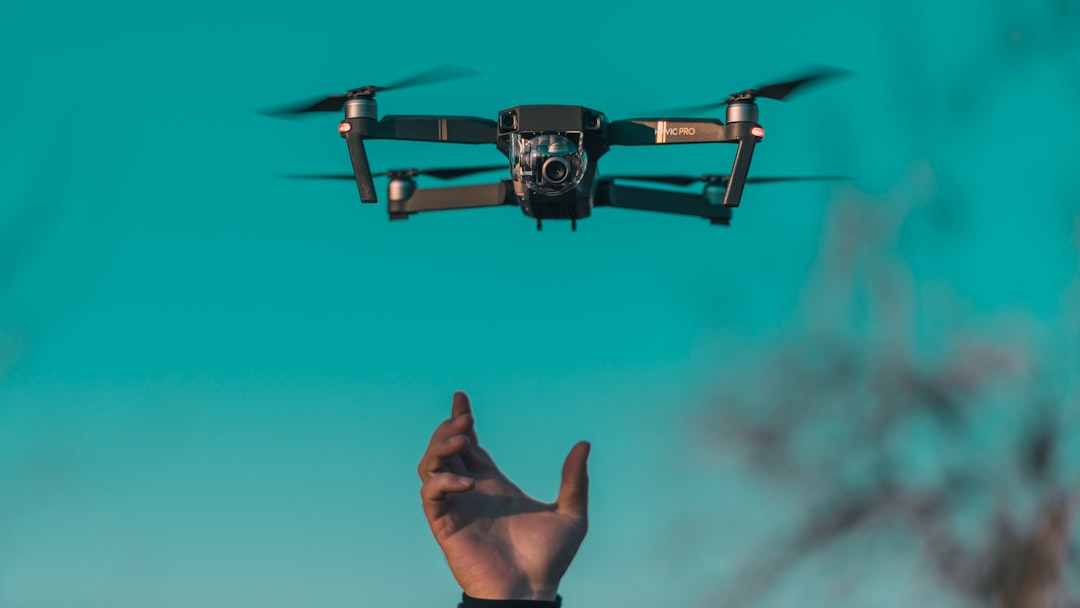 **Title: The Sky’s the Limit: How Drones Are Reshaping Our World** Once confined to science fiction, drones have evolved into transformative tools revolutionizing industries from agriculture to healthcare. Equipped with advanced sensors, GPS, and AI, these aerial devices are no longer just toys—they’re lifelines in remote disaster zones, delivering blood samples and vaccines to isolated communities. In agriculture, drones survey vast farmlands, analyzing soil health and crop conditions to optimize yields while minimizing water and pesticide use. Meanwhile, tech giants like Amazon envision a future where drones zip packages to doorsteps, reducing traffic and emissions. Beyond commerce, filmmakers use drones to capture breathtaking aerial shots, and construction companies rely on them to map sites and monitor progress. However, this rapid growth raises critical questions about privacy, airspace regulation, and ethical use. Governments worldwide are racing to update laws governing drone flight paths and data collection. Despite challenges, the benefits are undeniable: faster delivery, cost-efficient surveying, and enhanced safety in hazardous environments. As battery life improves and AI algorithms become smarter, drones will likely tackle even complex tasks like firefighting or wildlife conservation. Their versatility underscores a paradigm shift—where humans and machines collaborate to solve real-world problems. **Conclusion Photo by Diana Măceşanu on Unsplash |
| json metadata | {"tags": ["future", "sci-fi", "robot", "space", "ai"], "image": ["https://images.unsplash.com/photo-1514043454212-14c181f46583?crop=entropy&cs=tinysrgb&fit=max&fm=jpg&ixid=M3w4OTAwOTl8MHwxfHNlYXJjaHwxNHx8ZHJvbmVzfGVufDB8MHx8fDE3NzgwOTE4Nzd8MA&ixlib=rb-4.1.0&q=80&w=1080"]} |
| parent author | |
| parent permlink | hive-119463 |
| permlink | post-8uar9r7t |
| title | Drones Guide for Beginners |
| Transaction Info | Block #105820872/Trx feeeb5a3c93e21e561d7f236abdc7e2c93801848 |
View Raw JSON Data
{
"block": 105820872,
"op": [
"comment",
{
"author": "silvan1989",
"body": "\n\n\n**Title: The Sky’s the Limit: How Drones Are Reshaping Our World** \n\nOnce confined to science fiction, drones have evolved into transformative tools revolutionizing industries from agriculture to healthcare. Equipped with advanced sensors, GPS, and AI, these aerial devices are no longer just toys—they’re lifelines in remote disaster zones, delivering blood samples and vaccines to isolated communities. In agriculture, drones survey vast farmlands, analyzing soil health and crop conditions to optimize yields while minimizing water and pesticide use. Meanwhile, tech giants like Amazon envision a future where drones zip packages to doorsteps, reducing traffic and emissions. Beyond commerce, filmmakers use drones to capture breathtaking aerial shots, and construction companies rely on them to map sites and monitor progress. However, this rapid growth raises critical questions about privacy, airspace regulation, and ethical use. Governments worldwide are racing to update laws governing drone flight paths and data collection. Despite challenges, the benefits are undeniable: faster delivery, cost-efficient surveying, and enhanced safety in hazardous environments. As battery life improves and AI algorithms become smarter, drones will likely tackle even complex tasks like firefighting or wildlife conservation. Their versatility underscores a paradigm shift—where humans and machines collaborate to solve real-world problems. \n\n**Conclusion\n\nPhoto by Diana Măceşanu on Unsplash",
"json_metadata": "{\"tags\": [\"future\", \"sci-fi\", \"robot\", \"space\", \"ai\"], \"image\": [\"https://images.unsplash.com/photo-1514043454212-14c181f46583?crop=entropy&cs=tinysrgb&fit=max&fm=jpg&ixid=M3w4OTAwOTl8MHwxfHNlYXJjaHwxNHx8ZHJvbmVzfGVufDB8MHx8fDE3NzgwOTE4Nzd8MA&ixlib=rb-4.1.0&q=80&w=1080\"]}",
"parent_author": "",
"parent_permlink": "hive-119463",
"permlink": "post-8uar9r7t",
"title": "Drones Guide for Beginners"
}
],
"op_in_trx": 0,
"timestamp": "2026-05-06T18:24:36",
"trx_id": "feeeb5a3c93e21e561d7f236abdc7e2c93801848",
"trx_in_block": 0,
"virtual_op": 0
}sandyloretoupvoted (100.00%) @silvan1989 / post-znc4qmqe2026/05/05 18:33:57
sandyloretoupvoted (100.00%) @silvan1989 / post-znc4qmqe
2026/05/05 18:33:57
| author | silvan1989 |
| permlink | post-znc4qmqe |
| voter | sandyloreto |
| weight | 10000 (100.00%) |
| Transaction Info | Block #105792364/Trx 2b8ab35b631b67d2b955c389d9d14f5acba29144 |
View Raw JSON Data
{
  "block": 105792364,
  "op": [
    "vote",
    {
      "author": "silvan1989",
      "permlink": "post-znc4qmqe",
      "voter": "sandyloreto",
      "weight": 10000
    }
  ],
  "op_in_trx": 0,
  "timestamp": "2026-05-05T18:33:57",
  "trx_id": "2b8ab35b631b67d2b955c389d9d14f5acba29144",
  "trx_in_block": 1,
  "virtual_op": 0
}silvan1989published a new post: post-znc4qmqe2026/05/05 18:17:27
silvan1989published a new post: post-znc4qmqe
2026/05/05 18:17:27
| author | silvan1989 |
| body | 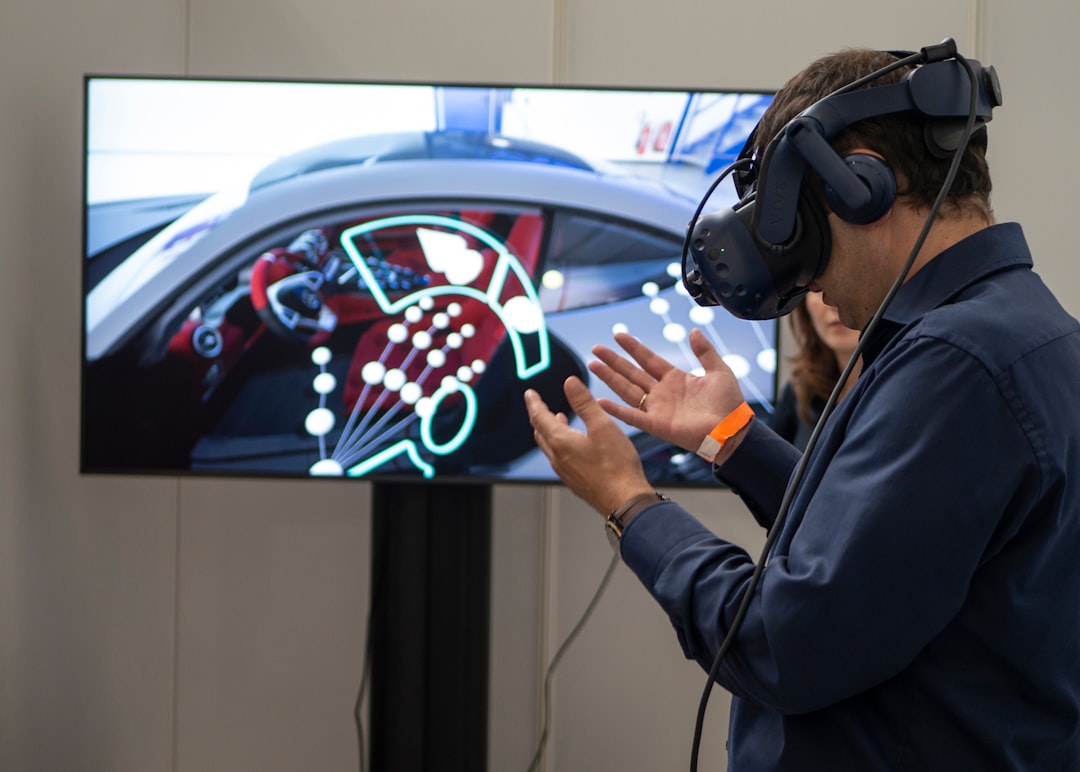 ## Beyond the Screen: Exploring the Expanding World of Augmented Reality Augmented Reality (AR) is rapidly transitioning from a futuristic concept to an increasingly integrated part of our everyday lives. It’s more than just a fancy gimmick; it’s a powerful technology with the potential to revolutionize how we interact with information, engage with the world around us, and even how we shop. Unlike Virtual Reality (VR) which completely immerses you in a digital environment, AR overlays digital information onto the real world, allowing you to see a computer-generated image or data superimposed on your view of reality. This seamless blending is what makes AR so compelling. The applications of AR are surprisingly diverse. In retail, AR allows customers to virtually “try on” clothes, place furniture in their homes using their phone cameras, or visualize how a product would look in their space. Architects use AR to visualize building designs in real-time, enabling them to identify potential issues before construction even begins. Education benefits immensely, with AR apps bringing historical landmarks to life through interactive reconstructions or allowing students to dissect virtual organs. Even healthcare is leveraging AR, assisting surgeons with complex procedures through real-time visualizations and guidance. The gaming world has already embraced AR with Pokémon Go, demonstrating the fun and engaging potential of the technology. But the possibilities truly extend far beyond entertainment and commerce, touching industries like manufacturing, maintenance, and training, where complex instructions and diagrams can be seamlessly overlaid onto equipment. The power of AR lies in its ability to bridge the gap between the physical and digital, creating a richer, more informative, and interactive experience. Augmented reality is still in its relatively early stages of development, but the pace of innovation is breathtaking. As hardware becomes more affordable and sophisticated, and software becomes more intuitive, we can expect AR to become even more prevalent in our daily lives. From enhancing entertainment and revolutionizing shopping to transforming industries and unlocking new possibilities for learning and collaboration, augmented reality is poised to reshape the future of how we experience the world. It's a technology to watch – and soon, it might just become as commonplace as smartphones themselves. Photo by XR Expo on Unsplash |
| json metadata | {"tags": ["future", "sci-fi", "robot", "space", "ai"], "image": ["https://images.unsplash.com/photo-1592478411213-6153e4ebc07d?crop=entropy&cs=tinysrgb&fit=max&fm=jpg&ixid=M3w4OTAwOTl8MHwxfHNlYXJjaHwzfHxhdWdtZW50ZWQlMjByZWFsaXR5fGVufDB8MHx8fDE3NzgwMDUwNDh8MA&ixlib=rb-4.1.0&q=80&w=1080"]} |
| parent author | |
| parent permlink | hive-119463 |
| permlink | post-znc4qmqe |
| title | Augmented reality Guide for Beginners |
| Transaction Info | Block #105792035/Trx 7dd39616cf520cfb488d5ab64bb0996edd5fc711 |
View Raw JSON Data
{
"block": 105792035,
"op": [
"comment",
{
"author": "silvan1989",
"body": "\n\n## Beyond the Screen: Exploring the Expanding World of Augmented Reality\n\nAugmented Reality (AR) is rapidly transitioning from a futuristic concept to an increasingly integrated part of our everyday lives. It’s more than just a fancy gimmick; it’s a powerful technology with the potential to revolutionize how we interact with information, engage with the world around us, and even how we shop. Unlike Virtual Reality (VR) which completely immerses you in a digital environment, AR overlays digital information onto the real world, allowing you to see a computer-generated image or data superimposed on your view of reality. This seamless blending is what makes AR so compelling. \n\nThe applications of AR are surprisingly diverse. In retail, AR allows customers to virtually “try on” clothes, place furniture in their homes using their phone cameras, or visualize how a product would look in their space. Architects use AR to visualize building designs in real-time, enabling them to identify potential issues before construction even begins. Education benefits immensely, with AR apps bringing historical landmarks to life through interactive reconstructions or allowing students to dissect virtual organs. Even healthcare is leveraging AR, assisting surgeons with complex procedures through real-time visualizations and guidance. The gaming world has already embraced AR with Pokémon Go, demonstrating the fun and engaging potential of the technology. But the possibilities truly extend far beyond entertainment and commerce, touching industries like manufacturing, maintenance, and training, where complex instructions and diagrams can be seamlessly overlaid onto equipment. The power of AR lies in its ability to bridge the gap between the physical and digital, creating a richer, more informative, and interactive experience.\n\nAugmented reality is still in its relatively early stages of development, but the pace of innovation is breathtaking. As hardware becomes more affordable and sophisticated, and software becomes more intuitive, we can expect AR to become even more prevalent in our daily lives. From enhancing entertainment and revolutionizing shopping to transforming industries and unlocking new possibilities for learning and collaboration, augmented reality is poised to reshape the future of how we experience the world. It's a technology to watch – and soon, it might just become as commonplace as smartphones themselves.\n\n\n\n\n\nPhoto by XR Expo on Unsplash",
"json_metadata": "{\"tags\": [\"future\", \"sci-fi\", \"robot\", \"space\", \"ai\"], \"image\": [\"https://images.unsplash.com/photo-1592478411213-6153e4ebc07d?crop=entropy&cs=tinysrgb&fit=max&fm=jpg&ixid=M3w4OTAwOTl8MHwxfHNlYXJjaHwzfHxhdWdtZW50ZWQlMjByZWFsaXR5fGVufDB8MHx8fDE3NzgwMDUwNDh8MA&ixlib=rb-4.1.0&q=80&w=1080\"]}",
"parent_author": "",
"parent_permlink": "hive-119463",
"permlink": "post-znc4qmqe",
"title": "Augmented reality Guide for Beginners"
}
],
"op_in_trx": 0,
"timestamp": "2026-05-05T18:17:27",
"trx_id": "7dd39616cf520cfb488d5ab64bb0996edd5fc711",
"trx_in_block": 0,
"virtual_op": 0
}silvan1989published a new post: post-zqcsj7he2026/05/04 18:22:18
silvan1989published a new post: post-zqcsj7he
2026/05/04 18:22:18
| author | silvan1989 |
| body | 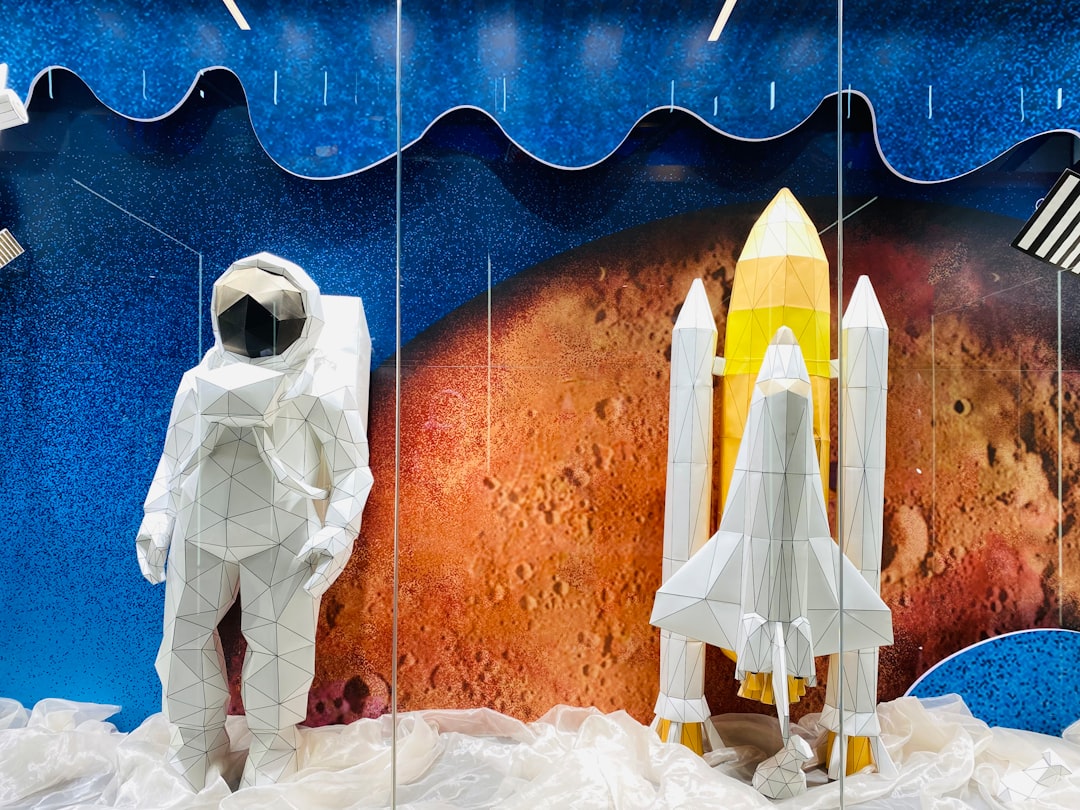 **Exploring the Final Frontier: The Rise and Promise of Modern Space Missions** The vastness of outer space has always captivated human imagination. From early myths about celestial wanderers to today’s sequence of robotic explorers, the spirit of discovery has propelled humanity to launch missions that cross planetary boundaries, probe the edges of our solar system, and even reach for the potential habitable worlds beyond. Modern space missions—whether they are robotic probes, crewed spacecraft, or ambitious multi‑agency initiatives—are redefining what we know about the cosmos and setting the stage for a new era of scientific, technological, and even economic breakthroughs. At the core of these missions lies a shared goal: to answer fundamental questions that have eluded science for centuries. NASA’s Voyager 1 and 2 were pioneers, slipping past the outer gas giants into interstellar space and delivering a coronal snapshot of humanity’s first star‑system‑wide measurements. More recent ventures such as the Mars 2020 Perseverance rover and the upcoming Europa Clipper show a clear shift toward probing potentially life‑bearing environments. Beyond our solar system, the James Webb Space Telescope has already begun to unveil exoplanetary atmospheres, hinting at chemical fingerprints that could suggest habitability. What makes modern missions truly remarkable is the convergence of cutting‑edge technology and collaborative international effort. Low‑cost launch vehicles, such as SpaceX’s Falcon 9 and the upcoming Starship, enable deep‑space exploration at a fraction of the expense that would have been required in the Apollo era. At the same time, partnerships across nations—NASA’s collaboration with ESA on the Artemis lunar program, the joint NASA–Roscosmos Soyuz and ISS operations, and the growing participation of private entities—are accelerating progress and sharing risk. New automated systems, machine learning algorithms for navigation, and robotic sampling techniques allow missions to execute complex tasks autonomously, which is essential when communication delays stretch into hours or days. Beyond pure science, the economic and societal impacts of space missions are profound. The rapid expansion of the global space economy—encompassing satellite manufacturing, data services, and space‑derived materials—has already spurred billions in investment and created thousands of skilled jobs worldwide. Furthermore, missions that monitor Earth’s weather, monitor natural disasters, and help manage resources from orbit are becoming indispensable tools for global sustainability. The more we understand Mars’ climate, the better we comprehend Earth’s own climate dynamics. As we look ahead, the AUM and the milestones that have yet to be achieved promise an even more exciting frontier. The Artemis program seeks to return humans to the Moon and establish a sustainable presence by the late 2020s. Plans for crewed missions to Mars, whether via NASA’s Mars Exploration Architecture or Starship’s Mars Project, could transform humanity into a multi‑planetary species. Meanwhile, ambitious private ventures such as mission‑specific planetary crowd‑funded projects and lunar lander services signal a democratization of space access, widening who can participate in space exploration and who benefits from its discoveries. **Conclusion** Modern space missions represent a synergy of vision, technology, and collaboration. From the earliest robotic legions landing on distant worlds to the ambitious crewed returns to the Moon, each mission builds on an increasingly sophisticated toolbox of science, engineering, and partnership. As we dig deeper into our solar system and beyond, the knowledge and inspiration gained from these missions will shape the future of humanity—shifting our perspective from a planet‑centric view to one that recognizes our place within an interconnected, dynamic universe. The excitement alone is enough to keep the starry skies as our long‑term horizon. Photo by Robert Chen on Unsplash |
| json metadata | {"tags": ["future", "sci-fi", "robot", "space", "ai"], "image": ["https://images.unsplash.com/photo-1662677724384-3e728e97edbc?crop=entropy&cs=tinysrgb&fit=max&fm=jpg&ixid=M3w4OTAwOTl8MHwxfHNlYXJjaHwxMXx8c3BhY2UlMjBtaXNzaW9uc3xlbnwwfDB8fHwxNzc3OTE4OTM4fDA&ixlib=rb-4.1.0&q=80&w=1080"]} |
| parent author | |
| parent permlink | hive-119463 |
| permlink | post-zqcsj7he |
| title | Space missions Guide for Beginners |
| Transaction Info | Block #105763401/Trx e9ce1b51868ed83b354da4fe2c09c579400acdfc |
View Raw JSON Data
{
"block": 105763401,
"op": [
"comment",
{
"author": "silvan1989",
"body": "\n\n**Exploring the Final Frontier: The Rise and Promise of Modern Space Missions**\n\nThe vastness of outer space has always captivated human imagination. From early myths about celestial wanderers to today’s sequence of robotic explorers, the spirit of discovery has propelled humanity to launch missions that cross planetary boundaries, probe the edges of our solar system, and even reach for the potential habitable worlds beyond. Modern space missions—whether they are robotic probes, crewed spacecraft, or ambitious multi‑agency initiatives—are redefining what we know about the cosmos and setting the stage for a new era of scientific, technological, and even economic breakthroughs.\n\nAt the core of these missions lies a shared goal: to answer fundamental questions that have eluded science for centuries. NASA’s Voyager 1 and 2 were pioneers, slipping past the outer gas giants into interstellar space and delivering a coronal snapshot of humanity’s first star‑system‑wide measurements. More recent ventures such as the Mars 2020 Perseverance rover and the upcoming Europa Clipper show a clear shift toward probing potentially life‑bearing environments. Beyond our solar system, the James Webb Space Telescope has already begun to unveil exoplanetary atmospheres, hinting at chemical fingerprints that could suggest habitability.\n\nWhat makes modern missions truly remarkable is the convergence of cutting‑edge technology and collaborative international effort. Low‑cost launch vehicles, such as SpaceX’s Falcon 9 and the upcoming Starship, enable deep‑space exploration at a fraction of the expense that would have been required in the Apollo era. At the same time, partnerships across nations—NASA’s collaboration with ESA on the Artemis lunar program, the joint NASA–Roscosmos Soyuz and ISS operations, and the growing participation of private entities—are accelerating progress and sharing risk. New automated systems, machine learning algorithms for navigation, and robotic sampling techniques allow missions to execute complex tasks autonomously, which is essential when communication delays stretch into hours or days.\n\nBeyond pure science, the economic and societal impacts of space missions are profound. The rapid expansion of the global space economy—encompassing satellite manufacturing, data services, and space‑derived materials—has already spurred billions in investment and created thousands of skilled jobs worldwide. Furthermore, missions that monitor Earth’s weather, monitor natural disasters, and help manage resources from orbit are becoming indispensable tools for global sustainability. The more we understand Mars’ climate, the better we comprehend Earth’s own climate dynamics.\n\nAs we look ahead, the AUM and the milestones that have yet to be achieved promise an even more exciting frontier. The Artemis program seeks to return humans to the Moon and establish a sustainable presence by the late 2020s. Plans for crewed missions to Mars, whether via NASA’s Mars Exploration Architecture or Starship’s Mars Project, could transform humanity into a multi‑planetary species. Meanwhile, ambitious private ventures such as mission‑specific planetary crowd‑funded projects and lunar lander services signal a democratization of space access, widening who can participate in space exploration and who benefits from its discoveries.\n\n**Conclusion**\n\nModern space missions represent a synergy of vision, technology, and collaboration. From the earliest robotic legions landing on distant worlds to the ambitious crewed returns to the Moon, each mission builds on an increasingly sophisticated toolbox of science, engineering, and partnership. As we dig deeper into our solar system and beyond, the knowledge and inspiration gained from these missions will shape the future of humanity—shifting our perspective from a planet‑centric view to one that recognizes our place within an interconnected, dynamic universe. The excitement alone is enough to keep the starry skies as our long‑term horizon.\n\nPhoto by Robert Chen on Unsplash",
"json_metadata": "{\"tags\": [\"future\", \"sci-fi\", \"robot\", \"space\", \"ai\"], \"image\": [\"https://images.unsplash.com/photo-1662677724384-3e728e97edbc?crop=entropy&cs=tinysrgb&fit=max&fm=jpg&ixid=M3w4OTAwOTl8MHwxfHNlYXJjaHwxMXx8c3BhY2UlMjBtaXNzaW9uc3xlbnwwfDB8fHwxNzc3OTE4OTM4fDA&ixlib=rb-4.1.0&q=80&w=1080\"]}",
"parent_author": "",
"parent_permlink": "hive-119463",
"permlink": "post-zqcsj7he",
"title": "Space missions Guide for Beginners"
}
],
"op_in_trx": 0,
"timestamp": "2026-05-04T18:22:18",
"trx_id": "e9ce1b51868ed83b354da4fe2c09c579400acdfc",
"trx_in_block": 4,
"virtual_op": 0
}dezzlej34upvoted (100.00%) @silvan1989 / post-u7k7wduq2026/05/03 20:10:12
dezzlej34upvoted (100.00%) @silvan1989 / post-u7k7wduq
2026/05/03 20:10:12
| author | silvan1989 |
| permlink | post-u7k7wduq |
| voter | dezzlej34 |
| weight | 10000 (100.00%) |
| Transaction Info | Block #105736814/Trx 73db34572c2de64e6bbd07fa72dc5b309f2a9ddb |
View Raw JSON Data
{
  "block": 105736814,
  "op": [
    "vote",
    {
      "author": "silvan1989",
      "permlink": "post-u7k7wduq",
      "voter": "dezzlej34",
      "weight": 10000
    }
  ],
  "op_in_trx": 0,
  "timestamp": "2026-05-03T20:10:12",
  "trx_id": "73db34572c2de64e6bbd07fa72dc5b309f2a9ddb",
  "trx_in_block": 1,
  "virtual_op": 0
}silvan1989published a new post: post-u7k7wduq2026/05/03 17:52:24
silvan1989published a new post: post-u7k7wduq
2026/05/03 17:52:24
| author | silvan1989 |
| body |  **Title: The Dawn of Future Technology: What’s Next for Human Innovation?** Paragraph The world of technology is evolving at an unprecedented pace, painting a vivid picture of what’s to come in the years ahead. Future technology is no longer just a futuristic concept—it’s rapidly becoming a part of our daily lives. From artificial intelligence transforming industries to breakthroughs in renewable energy, the opportunities are boundless. As we stand on the brink of innovation, understanding these advancements is essential for preparing ourselves for a smarter, more connected world. Paragraph One of the most exciting aspects of future technology lies in its ability to solve global challenges. Researchers are developing AI systems that can predict climate change, optimize healthcare delivery, and even improve education accessibility. Meanwhile, automation and robotics are reshaping manufacturing, making production more efficient and safer. These innovations promise not only economic growth but also a better quality of life for people around the globe. Paragraph However, with such rapid progress comes responsibility. As we embrace these advancements, we must ensure that ethical considerations guide their development. Protecting privacy, ensuring inclusivity, and fostering transparency are vital to building trust in these technologies. By prioritizing these values, we can harness future technology for the collective good. Conclusion The future of technology is both thrilling and challenging. Embracing these innovations while keeping ethics in focus will determine how we shape our world. As we move forward, let’s remain curious, informed, and responsible in our pursuit of a smarter tomorrow. The possibilities are endless, and the time to act is now. Photo by Robynne O on Unsplash |
| json metadata | {"tags": ["future", "sci-fi", "robot", "space", "ai"], "image": ["https://images.unsplash.com/photo-1568952433726-3896e3881c65?crop=entropy&cs=tinysrgb&fit=max&fm=jpg&ixid=M3w4OTAwOTl8MHwxfHNlYXJjaHwxfHxmdXR1cmUlMjB0ZWNobm9sb2d5fGVufDB8MHx8fDE3Nzc4MzA3NDV8MA&ixlib=rb-4.1.0&q=80&w=1080"]} |
| parent author | |
| parent permlink | hive-119463 |
| permlink | post-u7k7wduq |
| title | Future technology Guide for Beginners |
| Transaction Info | Block #105734067/Trx dc297f615bce261ef164e5bbf1c09c5f9b5d442c |
View Raw JSON Data
{
"block": 105734067,
"op": [
"comment",
{
"author": "silvan1989",
"body": "\n\n**Title: The Dawn of Future Technology: What’s Next for Human Innovation?**\n\nParagraph \nThe world of technology is evolving at an unprecedented pace, painting a vivid picture of what’s to come in the years ahead. Future technology is no longer just a futuristic concept—it’s rapidly becoming a part of our daily lives. From artificial intelligence transforming industries to breakthroughs in renewable energy, the opportunities are boundless. As we stand on the brink of innovation, understanding these advancements is essential for preparing ourselves for a smarter, more connected world.\n\nParagraph \nOne of the most exciting aspects of future technology lies in its ability to solve global challenges. Researchers are developing AI systems that can predict climate change, optimize healthcare delivery, and even improve education accessibility. Meanwhile, automation and robotics are reshaping manufacturing, making production more efficient and safer. These innovations promise not only economic growth but also a better quality of life for people around the globe.\n\nParagraph \nHowever, with such rapid progress comes responsibility. As we embrace these advancements, we must ensure that ethical considerations guide their development. Protecting privacy, ensuring inclusivity, and fostering transparency are vital to building trust in these technologies. By prioritizing these values, we can harness future technology for the collective good.\n\nConclusion \nThe future of technology is both thrilling and challenging. Embracing these innovations while keeping ethics in focus will determine how we shape our world. As we move forward, let’s remain curious, informed, and responsible in our pursuit of a smarter tomorrow. The possibilities are endless, and the time to act is now.\n\nPhoto by Robynne O on Unsplash",
"json_metadata": "{\"tags\": [\"future\", \"sci-fi\", \"robot\", \"space\", \"ai\"], \"image\": [\"https://images.unsplash.com/photo-1568952433726-3896e3881c65?crop=entropy&cs=tinysrgb&fit=max&fm=jpg&ixid=M3w4OTAwOTl8MHwxfHNlYXJjaHwxfHxmdXR1cmUlMjB0ZWNobm9sb2d5fGVufDB8MHx8fDE3Nzc4MzA3NDV8MA&ixlib=rb-4.1.0&q=80&w=1080\"]}",
"parent_author": "",
"parent_permlink": "hive-119463",
"permlink": "post-u7k7wduq",
"title": "Future technology Guide for Beginners"
}
],
"op_in_trx": 0,
"timestamp": "2026-05-03T17:52:24",
"trx_id": "dc297f615bce261ef164e5bbf1c09c5f9b5d442c",
"trx_in_block": 1,
"virtual_op": 0
}silvan1989published a new post: post-ry3fx0d12026/05/02 17:52:21
silvan1989published a new post: post-ry3fx0d1
2026/05/02 17:52:21
| author | silvan1989 |
| body |  Title: The Future of Everything: Exploring the World of Nanotechnology Nanotechnology, the engineering of materials and devices on a scale smaller than the wavelength of light, has the potential to revolutionize our lives as we know it. From medicine to materials science, it promises to bring breakthroughs in a wide range of disciplines. Nanotechnology offers exciting possibilities in healthcare. Nanoparticles can be engineered to target specific cells, enhancing drug delivery and minimizing side effects. This precision can improve patient outcomes and quality of life. Additionally, nanotechnology can lead to the creation of nanobots for microsurgery and targeted drug delivery. In materials science, nanotechnology can lead to the development of stronger, lighter, and more durable materials. This can have a transformative impact on transportation, construction, and aerospace industries, and contribute to sustainability goals. Nanotechnology also has the potential to impact our environment. Nanoparticles could be engineered to absorb and break down pollutants, potentially mitigating the effects of climate change and pollution. Additionally, nanotechnology can be used to create advanced water filtration systems, providing access to clean, safe drinking water. In conclusion, while nanotechnology is still in its infancy, its potential to improve our lives and the planet is immense. It holds promise for a future where better healthcare, sustainable materials, and a healthier environment are an everyday reality. As research continues to advance, it remains exciting to envision the possibilities of this groundbreaking technology. Photo by GoGoNano on Unsplash |
| json metadata | {"tags": ["future", "sci-fi", "robot", "space", "ai"], "image": ["https://images.unsplash.com/photo-1714479215772-75d94c25b618?crop=entropy&cs=tinysrgb&fit=max&fm=jpg&ixid=M3w4OTAwOTl8MHwxfHNlYXJjaHw4fHxuYW5vdGVjaG5vbG9neXxlbnwwfDB8fHwxNzc3NzQ0MzQyfDA&ixlib=rb-4.1.0&q=80&w=1080"]} |
| parent author | |
| parent permlink | hive-119463 |
| permlink | post-ry3fx0d1 |
| title | Nanotechnology Guide for Beginners |
| Transaction Info | Block #105705328/Trx be75fd0732630e7f65e38bf9a0735d5cab71176d |
View Raw JSON Data
{
"block": 105705328,
"op": [
"comment",
{
"author": "silvan1989",
"body": "\n\nTitle: The Future of Everything: Exploring the World of Nanotechnology\n\nNanotechnology, the engineering of materials and devices on a scale smaller than the wavelength of light, has the potential to revolutionize our lives as we know it. From medicine to materials science, it promises to bring breakthroughs in a wide range of disciplines.\n\nNanotechnology offers exciting possibilities in healthcare. Nanoparticles can be engineered to target specific cells, enhancing drug delivery and minimizing side effects. This precision can improve patient outcomes and quality of life. Additionally, nanotechnology can lead to the creation of nanobots for microsurgery and targeted drug delivery.\n\nIn materials science, nanotechnology can lead to the development of stronger, lighter, and more durable materials. This can have a transformative impact on transportation, construction, and aerospace industries, and contribute to sustainability goals.\n\nNanotechnology also has the potential to impact our environment. Nanoparticles could be engineered to absorb and break down pollutants, potentially mitigating the effects of climate change and pollution. Additionally, nanotechnology can be used to create advanced water filtration systems, providing access to clean, safe drinking water.\n\nIn conclusion, while nanotechnology is still in its infancy, its potential to improve our lives and the planet is immense. It holds promise for a future where better healthcare, sustainable materials, and a healthier environment are an everyday reality. As research continues to advance, it remains exciting to envision the possibilities of this groundbreaking technology.\n\nPhoto by GoGoNano on Unsplash",
"json_metadata": "{\"tags\": [\"future\", \"sci-fi\", \"robot\", \"space\", \"ai\"], \"image\": [\"https://images.unsplash.com/photo-1714479215772-75d94c25b618?crop=entropy&cs=tinysrgb&fit=max&fm=jpg&ixid=M3w4OTAwOTl8MHwxfHNlYXJjaHw4fHxuYW5vdGVjaG5vbG9neXxlbnwwfDB8fHwxNzc3NzQ0MzQyfDA&ixlib=rb-4.1.0&q=80&w=1080\"]}",
"parent_author": "",
"parent_permlink": "hive-119463",
"permlink": "post-ry3fx0d1",
"title": "Nanotechnology Guide for Beginners"
}
],
"op_in_trx": 0,
"timestamp": "2026-05-02T17:52:21",
"trx_id": "be75fd0732630e7f65e38bf9a0735d5cab71176d",
"trx_in_block": 0,
"virtual_op": 0
}silvan1989published a new post: post-rhelg1uo2026/05/01 18:04:21
silvan1989published a new post: post-rhelg1uo
2026/05/01 18:04:21
| author | silvan1989 |
| body |  **Neural Networks: The Brain‑Inspired Engines Powering Modern AI** Neural networks are computational models inspired by the structure and function of the human brain. At their core, they consist of layers of interconnected “neurons” that process information by applying weighted sums and nonlinear activation functions. This architecture enables them to learn complex patterns directly from raw data, without the need for handcrafted features. Over the past decade, advances such as deeper architectures, convolutional layers for image data, recurrent connections for sequences, and attention mechanisms for language have turned neural networks into versatile tools across domains—from computer vision and speech recognition to drug discovery and climate modeling. Training a network involves feeding it massive labeled or unlabeled datasets and using gradient‑based optimization (most commonly stochastic gradient descent) to adjust the weights so that the network’s predictions gradually improve. Regularization techniques like dropout, batch normalization, and data augmentation help prevent overfitting, while transfer learning allows a model trained on one task to be fine‑tuned for another, dramatically reducing the data and compute required. The rise of specialized hardware—GPUs, TPUs, and neuromorphic chips—has further accelerated the training of ever‑larger models, giving rise to breakthroughs such as GPT‑4, AlphaFold, and DALL·E, which demonstrate how neural networks can generate coherent text, predict protein structures, and create realistic images from textual prompts. **Conclusion** Neural networks have transformed artificial intelligence from a niche research area into a technology that shapes everyday life. Their ability to model intricate, high‑dimensional relationships makes them indispensable for tackling problems that were once deemed intractable. As research pushes toward more efficient, explainable, and socially responsible AI, neural networks will continue to evolve, bridging the gap between human‑like perception and machine computation. The future of AI, and indeed many scientific and industrial challenges, will be written in the language of these brain‑inspired networks. Photo by Batyrkhan Shalgimbekov on Unsplash |
| json metadata | {"tags": ["future", "sci-fi", "robot", "space", "ai"], "image": ["https://images.unsplash.com/photo-1644343262170-e40d72e19a84?crop=entropy&cs=tinysrgb&fit=max&fm=jpg&ixid=M3w4OTAwOTl8MHwxfHNlYXJjaHw5fHxuZXVyYWwlMjBuZXR3b3Jrc3xlbnwwfDB8fHwxNzc3NjU4NjYwfDA&ixlib=rb-4.1.0&q=80&w=1080"]} |
| parent author | |
| parent permlink | hive-119463 |
| permlink | post-rhelg1uo |
| title | Neural networks Guide for Beginners |
| Transaction Info | Block #105676835/Trx a1acbf5eb35109eaabc994fcd3123a282c78cc57 |
View Raw JSON Data
{
"block": 105676835,
"op": [
"comment",
{
"author": "silvan1989",
"body": "\n\n**Neural Networks: The Brain‑Inspired Engines Powering Modern AI**\n\nNeural networks are computational models inspired by the structure and function of the human brain. At their core, they consist of layers of interconnected “neurons” that process information by applying weighted sums and nonlinear activation functions. This architecture enables them to learn complex patterns directly from raw data, without the need for handcrafted features. Over the past decade, advances such as deeper architectures, convolutional layers for image data, recurrent connections for sequences, and attention mechanisms for language have turned neural networks into versatile tools across domains—from computer vision and speech recognition to drug discovery and climate modeling. Training a network involves feeding it massive labeled or unlabeled datasets and using gradient‑based optimization (most commonly stochastic gradient descent) to adjust the weights so that the network’s predictions gradually improve. Regularization techniques like dropout, batch normalization, and data augmentation help prevent overfitting, while transfer learning allows a model trained on one task to be fine‑tuned for another, dramatically reducing the data and compute required. The rise of specialized hardware—GPUs, TPUs, and neuromorphic chips—has further accelerated the training of ever‑larger models, giving rise to breakthroughs such as GPT‑4, AlphaFold, and DALL·E, which demonstrate how neural networks can generate coherent text, predict protein structures, and create realistic images from textual prompts.\n\n**Conclusion**\n\nNeural networks have transformed artificial intelligence from a niche research area into a technology that shapes everyday life. Their ability to model intricate, high‑dimensional relationships makes them indispensable for tackling problems that were once deemed intractable. As research pushes toward more efficient, explainable, and socially responsible AI, neural networks will continue to evolve, bridging the gap between human‑like perception and machine computation. The future of AI, and indeed many scientific and industrial challenges, will be written in the language of these brain‑inspired networks.\n\nPhoto by Batyrkhan Shalgimbekov on Unsplash",
"json_metadata": "{\"tags\": [\"future\", \"sci-fi\", \"robot\", \"space\", \"ai\"], \"image\": [\"https://images.unsplash.com/photo-1644343262170-e40d72e19a84?crop=entropy&cs=tinysrgb&fit=max&fm=jpg&ixid=M3w4OTAwOTl8MHwxfHNlYXJjaHw5fHxuZXVyYWwlMjBuZXR3b3Jrc3xlbnwwfDB8fHwxNzc3NjU4NjYwfDA&ixlib=rb-4.1.0&q=80&w=1080\"]}",
"parent_author": "",
"parent_permlink": "hive-119463",
"permlink": "post-rhelg1uo",
"title": "Neural networks Guide for Beginners"
}
],
"op_in_trx": 0,
"timestamp": "2026-05-01T18:04:21",
"trx_id": "a1acbf5eb35109eaabc994fcd3123a282c78cc57",
"trx_in_block": 1,
"virtual_op": 0
}silvan1989published a new post: post-56ychnwq2026/04/30 18:16:03
silvan1989published a new post: post-56ychnwq
2026/04/30 18:16:03
| author | silvan1989 |
| body | 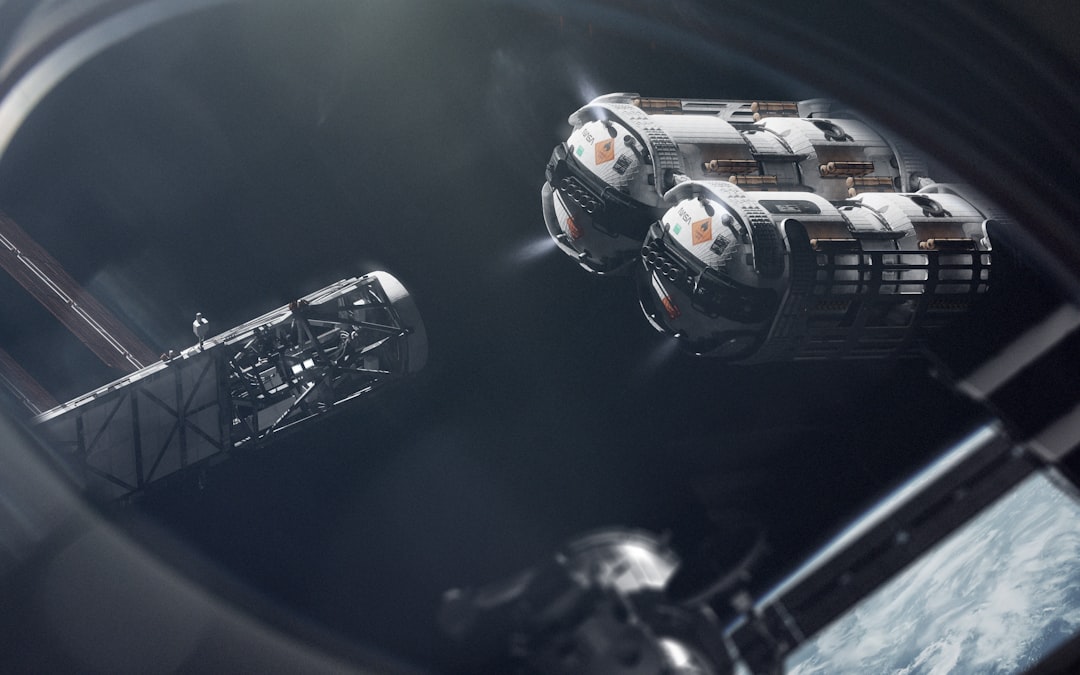 **Title: Navigating the Final Frontier: How Modern Space Missions Shape Tomorrow** In recent years, space exploration has shifted from a niche scientific endeavor to a dynamic, multi‑stakeholder industry that includes governments, private companies, universities, and even citizen scientists. The most emblematic flagship of this new era is the Artemis program, which aims to return humans to the Moon by 2025 as a stepping stone toward Mars. Beyond human‑led missions, robotic probes such as the Mars 2020 Perseverance rover, the New Horizons flyby of Pluto, and the James Webb Space Telescope—now peering deeper into the cosmos than ever before—are revealing a universe teeming with secrets. These missions not only advance our scientific knowledge but also accelerate technological innovation with real‑world spin‑offs: radiation‑hardened electronics, advanced propulsion systems, and lightweight composite materials now find homes in consumer electronics, medical devices, and automotive manufacturing. The economic ripple effects are staggering. The U.S. commercial space sector, projected to grow to $500 billion by 2030, has already launched hundreds of satellites that underpin global communications, weather forecasting, and Earth‑observation services. Furthermore, the burgeoning field of space tourism—Spider‑Monkey spaceflight, SpaceX’s Crew Dragon cradles, and Blue Origin’s New Shepard booster—has turned the dream of a lunar birthday into a profitable business model. Partnerships across borders, exemplified by joint missions like the International Space Station, have turned space into a platform for diplomatic engagement, fostering cooperation on climate monitoring, collision avoidance, and planetary defense. The societal impact extends beyond the marketplace. Education has benefited from virtual reality tours of the ISS and interactive datasets shared by NASA’s open data portal. Space missions also inspire generations, encouraging STEM pursuits that will address the pressing challenges on Earth—climate change, resource scarcity, and global health. Most notably, international space law (e.g., the Outer Space Treaty of 1967) has had to evolve to manage new realities such as asteroid mining, lunar resource extraction, and the de‑orbiting of defunct satellites. **Conclusion** Space missions, whether bold human ventures or quiet robotic sentinels, are no longer relics of a bygone era; they are catalysts propelling technology, economics, education, and international cooperation toward a sustainable and enlightened future. As humanity sets its sights on Mars, Europa, and beyond, each successful launch, each new data set, and each breakthrough propels us closer to answering the timeless question: what comes next for us among the stars? Photo by Vadim Sadovski on Unsplash |
| json metadata | {"tags": ["future", "sci-fi", "robot", "space", "ai"], "image": ["https://images.unsplash.com/photo-1759327769172-b6a041f5ed03?crop=entropy&cs=tinysrgb&fit=max&fm=jpg&ixid=M3w4OTAwOTl8MHwxfHNlYXJjaHwxMnx8c3BhY2UlMjBtaXNzaW9uc3xlbnwwfDB8fHwxNzc3NTcyOTYyfDA&ixlib=rb-4.1.0&q=80&w=1080"]} |
| parent author | |
| parent permlink | hive-119463 |
| permlink | post-56ychnwq |
| title | Space missions Guide for Beginners |
| Transaction Info | Block #105648335/Trx 7c599a4155fc25dfd6b09f00edff6310dbaed80c |
View Raw JSON Data
{
"block": 105648335,
"op": [
"comment",
{
"author": "silvan1989",
"body": "\n\n**Title: Navigating the Final Frontier: How Modern Space Missions Shape Tomorrow**\n\nIn recent years, space exploration has shifted from a niche scientific endeavor to a dynamic, multi‑stakeholder industry that includes governments, private companies, universities, and even citizen scientists. The most emblematic flagship of this new era is the Artemis program, which aims to return humans to the Moon by 2025 as a stepping stone toward Mars. Beyond human‑led missions, robotic probes such as the Mars 2020 Perseverance rover, the New Horizons flyby of Pluto, and the James Webb Space Telescope—now peering deeper into the cosmos than ever before—are revealing a universe teeming with secrets. These missions not only advance our scientific knowledge but also accelerate technological innovation with real‑world spin‑offs: radiation‑hardened electronics, advanced propulsion systems, and lightweight composite materials now find homes in consumer electronics, medical devices, and automotive manufacturing.\n\nThe economic ripple effects are staggering. The U.S. commercial space sector, projected to grow to $500 billion by 2030, has already launched hundreds of satellites that underpin global communications, weather forecasting, and Earth‑observation services. Furthermore, the burgeoning field of space tourism—Spider‑Monkey spaceflight, SpaceX’s Crew Dragon cradles, and Blue Origin’s New Shepard booster—has turned the dream of a lunar birthday into a profitable business model. Partnerships across borders, exemplified by joint missions like the International Space Station, have turned space into a platform for diplomatic engagement, fostering cooperation on climate monitoring, collision avoidance, and planetary defense.\n\nThe societal impact extends beyond the marketplace. Education has benefited from virtual reality tours of the ISS and interactive datasets shared by NASA’s open data portal. Space missions also inspire generations, encouraging STEM pursuits that will address the pressing challenges on Earth—climate change, resource scarcity, and global health. Most notably, international space law (e.g., the Outer Space Treaty of 1967) has had to evolve to manage new realities such as asteroid mining, lunar resource extraction, and the de‑orbiting of defunct satellites.\n\n**Conclusion**\n\nSpace missions, whether bold human ventures or quiet robotic sentinels, are no longer relics of a bygone era; they are catalysts propelling technology, economics, education, and international cooperation toward a sustainable and enlightened future. As humanity sets its sights on Mars, Europa, and beyond, each successful launch, each new data set, and each breakthrough propels us closer to answering the timeless question: what comes next for us among the stars?\n\nPhoto by Vadim Sadovski on Unsplash",
"json_metadata": "{\"tags\": [\"future\", \"sci-fi\", \"robot\", \"space\", \"ai\"], \"image\": [\"https://images.unsplash.com/photo-1759327769172-b6a041f5ed03?crop=entropy&cs=tinysrgb&fit=max&fm=jpg&ixid=M3w4OTAwOTl8MHwxfHNlYXJjaHwxMnx8c3BhY2UlMjBtaXNzaW9uc3xlbnwwfDB8fHwxNzc3NTcyOTYyfDA&ixlib=rb-4.1.0&q=80&w=1080\"]}",
"parent_author": "",
"parent_permlink": "hive-119463",
"permlink": "post-56ychnwq",
"title": "Space missions Guide for Beginners"
}
],
"op_in_trx": 0,
"timestamp": "2026-04-30T18:16:03",
"trx_id": "7c599a4155fc25dfd6b09f00edff6310dbaed80c",
"trx_in_block": 1,
"virtual_op": 0
}silvan1989published a new post: post-i8d64jvj2026/04/29 18:18:18
silvan1989published a new post: post-i8d64jvj
2026/04/29 18:18:18
| author | silvan1989 |
| body |  **Exploring the Rise of Artificial Intelligence: A Glimpse into the Future** Artificial intelligence has rapidly transformed the technological landscape, becoming an integral part of our daily lives. From smart assistants on our smartphones to complex algorithms driving our healthcare decisions, AI is reshaping industries and revolutionizing the way we interact with technology. The potential applications of this innovation are immense, ranging from automating mundane tasks to solving some of the world's most complex challenges. As we continue to advance, it is crucial to understand not only the benefits but also the responsibilities that come with such powerful tools. Embracing AI responsibly can lead to a brighter, more efficient future for all. In conclusion, artificial intelligence is no longer just a concept—it is a reality that is evolving every day. By recognizing its impact and fostering ethical development, we can harness its power to create a better world for future generations. Let us embrace this technological revolution with both excitement and caution, ensuring that progress serves humanity’s best interests. The journey of AI is just beginning, and the possibilities are endless. Photo by Markus Spiske on Unsplash |
| json metadata | {"tags": ["future", "sci-fi", "robot", "space", "ai"], "image": ["https://images.unsplash.com/photo-1646583288948-24548aedffd8?crop=entropy&cs=tinysrgb&fit=max&fm=jpg&ixid=M3w4OTAwOTl8MHwxfHNlYXJjaHwyNXx8YXJ0aWZpY2lhbCUyMGludGVsbGlnZW5jZXxlbnwwfDB8fHwxNzc3NDg2Njk5fDA&ixlib=rb-4.1.0&q=80&w=1080"]} |
| parent author | |
| parent permlink | hive-119463 |
| permlink | post-i8d64jvj |
| title | Artificial intelligence Guide for Beginners |
| Transaction Info | Block #105619656/Trx 77c25d2af435c6e3fa72a9b43f9fa6465712d712 |
View Raw JSON Data
{
"block": 105619656,
"op": [
"comment",
{
"author": "silvan1989",
"body": "\n\n**Exploring the Rise of Artificial Intelligence: A Glimpse into the Future**\n\nArtificial intelligence has rapidly transformed the technological landscape, becoming an integral part of our daily lives. From smart assistants on our smartphones to complex algorithms driving our healthcare decisions, AI is reshaping industries and revolutionizing the way we interact with technology. The potential applications of this innovation are immense, ranging from automating mundane tasks to solving some of the world's most complex challenges. As we continue to advance, it is crucial to understand not only the benefits but also the responsibilities that come with such powerful tools. Embracing AI responsibly can lead to a brighter, more efficient future for all.\n\nIn conclusion, artificial intelligence is no longer just a concept—it is a reality that is evolving every day. By recognizing its impact and fostering ethical development, we can harness its power to create a better world for future generations. Let us embrace this technological revolution with both excitement and caution, ensuring that progress serves humanity’s best interests. The journey of AI is just beginning, and the possibilities are endless.\n\nPhoto by Markus Spiske on Unsplash",
"json_metadata": "{\"tags\": [\"future\", \"sci-fi\", \"robot\", \"space\", \"ai\"], \"image\": [\"https://images.unsplash.com/photo-1646583288948-24548aedffd8?crop=entropy&cs=tinysrgb&fit=max&fm=jpg&ixid=M3w4OTAwOTl8MHwxfHNlYXJjaHwyNXx8YXJ0aWZpY2lhbCUyMGludGVsbGlnZW5jZXxlbnwwfDB8fHwxNzc3NDg2Njk5fDA&ixlib=rb-4.1.0&q=80&w=1080\"]}",
"parent_author": "",
"parent_permlink": "hive-119463",
"permlink": "post-i8d64jvj",
"title": "Artificial intelligence Guide for Beginners"
}
],
"op_in_trx": 0,
"timestamp": "2026-04-29T18:18:18",
"trx_id": "77c25d2af435c6e3fa72a9b43f9fa6465712d712",
"trx_in_block": 3,
"virtual_op": 0
}silvan1989published a new post: post-qrfqsxir2026/04/28 18:22:09
silvan1989published a new post: post-qrfqsxir
2026/04/28 18:22:09
| author | silvan1989 |
| body |  **Title: Navigating the Future: Exploring the Latest Technology Trends** In today’s rapidly evolving digital landscape, technology trends are shaping the way we live, work, and interact. From artificial intelligence to quantum computing, the innovations emerging today are setting the stage for a more connected and intelligent future. Staying ahead of these trends is crucial for businesses and individuals alike to remain competitive and adaptable. One prominent trend is the growing integration of artificial intelligence in everyday applications. AI-powered tools are being used to enhance productivity, automate routine tasks, and even provide personalized experiences. Whether it's virtual assistants, predictive analytics, or smart home systems, AI is becoming indispensable in both personal and professional settings. Another significant development is the rise of quantum computing. While still in its infancy, quantum technology has the potential to revolutionize data processing and solve complex problems that traditional computers can't manage. Investment in this field is increasing, signaling a future where computational power will reach unprecedented heights. Biotechnology also stands out as a transformative force. Advances in gene editing, such as CRISPR, are opening new doors in medicine and agriculture, offering solutions to genetic disorders and sustainable farming practices. In conclusion, the technology trends unfolding today are not just changes—they are transformations. Embracing these innovations will help us harness their potential and shape a smarter, more efficient world. Staying informed and proactive is key to thriving in this dynamic environment. Conclusion As these technology trends continue to unfold, it’s clear that adaptability and innovation are essential. Whether you're exploring new tools or anticipating the next wave of advancements, being in a forward-thinking mindset will be vital for success. Let’s embrace the future with curiosity and confidence. Photo by Vitaly Gariev on Unsplash |
| json metadata | {"tags": ["future", "sci-fi", "robot", "space", "ai"], "image": ["https://images.unsplash.com/photo-1758687125988-29bd184f0d09?crop=entropy&cs=tinysrgb&fit=max&fm=jpg&ixid=M3w4OTAwOTl8MHwxfHNlYXJjaHwxN3x8dGVjaG5vbG9neSUyMHRyZW5kc3xlbnwwfDB8fHwxNzc3NDAwNTI4fDA&ixlib=rb-4.1.0&q=80&w=1080"]} |
| parent author | |
| parent permlink | hive-119463 |
| permlink | post-qrfqsxir |
| title | Technology trends Guide for Beginners |
| Transaction Info | Block #105591012/Trx 19fd4178243ffd51cb3ea2662e5f20dc94d30b2c |
View Raw JSON Data
{
"block": 105591012,
"op": [
"comment",
{
"author": "silvan1989",
"body": "\n\n**Title: Navigating the Future: Exploring the Latest Technology Trends**\n\nIn today’s rapidly evolving digital landscape, technology trends are shaping the way we live, work, and interact. From artificial intelligence to quantum computing, the innovations emerging today are setting the stage for a more connected and intelligent future. Staying ahead of these trends is crucial for businesses and individuals alike to remain competitive and adaptable.\n\nOne prominent trend is the growing integration of artificial intelligence in everyday applications. AI-powered tools are being used to enhance productivity, automate routine tasks, and even provide personalized experiences. Whether it's virtual assistants, predictive analytics, or smart home systems, AI is becoming indispensable in both personal and professional settings.\n\nAnother significant development is the rise of quantum computing. While still in its infancy, quantum technology has the potential to revolutionize data processing and solve complex problems that traditional computers can't manage. Investment in this field is increasing, signaling a future where computational power will reach unprecedented heights.\n\nBiotechnology also stands out as a transformative force. Advances in gene editing, such as CRISPR, are opening new doors in medicine and agriculture, offering solutions to genetic disorders and sustainable farming practices.\n\nIn conclusion, the technology trends unfolding today are not just changes—they are transformations. Embracing these innovations will help us harness their potential and shape a smarter, more efficient world. Staying informed and proactive is key to thriving in this dynamic environment.\n\nConclusion \nAs these technology trends continue to unfold, it’s clear that adaptability and innovation are essential. Whether you're exploring new tools or anticipating the next wave of advancements, being in a forward-thinking mindset will be vital for success. Let’s embrace the future with curiosity and confidence.\n\nPhoto by Vitaly Gariev on Unsplash",
"json_metadata": "{\"tags\": [\"future\", \"sci-fi\", \"robot\", \"space\", \"ai\"], \"image\": [\"https://images.unsplash.com/photo-1758687125988-29bd184f0d09?crop=entropy&cs=tinysrgb&fit=max&fm=jpg&ixid=M3w4OTAwOTl8MHwxfHNlYXJjaHwxN3x8dGVjaG5vbG9neSUyMHRyZW5kc3xlbnwwfDB8fHwxNzc3NDAwNTI4fDA&ixlib=rb-4.1.0&q=80&w=1080\"]}",
"parent_author": "",
"parent_permlink": "hive-119463",
"permlink": "post-qrfqsxir",
"title": "Technology trends Guide for Beginners"
}
],
"op_in_trx": 0,
"timestamp": "2026-04-28T18:22:09",
"trx_id": "19fd4178243ffd51cb3ea2662e5f20dc94d30b2c",
"trx_in_block": 1,
"virtual_op": 0
}silvan1989published a new post: post-fritop0h2026/04/27 18:11:48
silvan1989published a new post: post-fritop0h
2026/04/27 18:11:48
| author | silvan1989 |
| body |  **Title: The Dawn of a New Era: Shaping the Future Society** The future society will be defined by an intricate interplay of technological innovation, evolving human values, and global challenges. As artificial intelligence, automation, and biotechnology continue to advance, they will reshape how we work, communicate, and exist. Imagine a world where seamless connectivity bridges geographical divides, enabling real-time collaboration across continents. Yet, these advancements also raise profound questions about ethics, privacy, and equity. Will Photo by Markus Spiske on Unsplash |
| json metadata | {"tags": ["future", "sci-fi", "robot", "space", "ai"], "image": ["https://images.unsplash.com/photo-1680774376708-ee926e656841?crop=entropy&cs=tinysrgb&fit=max&fm=jpg&ixid=M3w4OTAwOTl8MHwxfHNlYXJjaHwxM3x8ZnV0dXJlJTIwc29jaWV0eXxlbnwwfDB8fHwxNzc3MzEzNTA3fDA&ixlib=rb-4.1.0&q=80&w=1080"]} |
| parent author | |
| parent permlink | hive-119463 |
| permlink | post-fritop0h |
| title | Future society Guide for Beginners |
| Transaction Info | Block #105562079/Trx 29a4c94b4a1c4d26cc673616599a3f2cc0370e9a |
View Raw JSON Data
{
"block": 105562079,
"op": [
"comment",
{
"author": "silvan1989",
"body": "\n\n\n\n**Title: The Dawn of a New Era: Shaping the Future Society** \n\nThe future society will be defined by an intricate interplay of technological innovation, evolving human values, and global challenges. As artificial intelligence, automation, and biotechnology continue to advance, they will reshape how we work, communicate, and exist. Imagine a world where seamless connectivity bridges geographical divides, enabling real-time collaboration across continents. Yet, these advancements also raise profound questions about ethics, privacy, and equity. Will\n\nPhoto by Markus Spiske on Unsplash",
"json_metadata": "{\"tags\": [\"future\", \"sci-fi\", \"robot\", \"space\", \"ai\"], \"image\": [\"https://images.unsplash.com/photo-1680774376708-ee926e656841?crop=entropy&cs=tinysrgb&fit=max&fm=jpg&ixid=M3w4OTAwOTl8MHwxfHNlYXJjaHwxM3x8ZnV0dXJlJTIwc29jaWV0eXxlbnwwfDB8fHwxNzc3MzEzNTA3fDA&ixlib=rb-4.1.0&q=80&w=1080\"]}",
"parent_author": "",
"parent_permlink": "hive-119463",
"permlink": "post-fritop0h",
"title": "Future society Guide for Beginners"
}
],
"op_in_trx": 0,
"timestamp": "2026-04-27T18:11:48",
"trx_id": "29a4c94b4a1c4d26cc673616599a3f2cc0370e9a",
"trx_in_block": 0,
"virtual_op": 0
}silvan1989published a new post: post-bei8ei9z2026/04/26 17:49:36
silvan1989published a new post: post-bei8ei9z
2026/04/26 17:49:36
| author | silvan1989 |
| body |  ## Lost in the Stars: Why We Still Love Sci-Fi Movies Science fiction movies. Just the words conjure up images of gleaming spaceships, dystopian futures, and encounters with alien life. But beyond the spectacle and special effects, why do we keep returning to these stories? For decades, sci-fi has offered us more than just entertainment; it’s a mirror reflecting our anxieties, hopes, and fundamental questions about humanity’s place in the universe. From the philosophical ponderings of *2001: A Space Odyssey* to the thrilling action of *Star Wars*, the genre has consistently pushed boundaries, both technologically and conceptually. It’s a genre that allows us to explore “what if?” scenarios – what if we could travel to other planets? What if artificial intelligence surpassed human intelligence? What if our own world crumbled and we had to rebuild? These questions aren’t just fun thought experiments; they tap into deep-seated concerns about progress, control, and the very nature of existence. The enduring appeal of sci-fi lies in its versatility. It can be a grand, sweeping epic like *Dune*, tackling themes of ecology and political power, or a character-driven drama like *Blade Runner*, exploring questions of identity and morality in a rain-soaked, neon-lit city. More recently, we’ve seen a resurgence of diverse and thought-provoking sci-fi, moving beyond the traditional space opera tropes. Films like *Arrival* and *Ex Machina* delve into complex ideas about communication, consciousness, and the potential dangers of technological advancement. The genre isn’t afraid to tackle difficult subjects – climate change, social inequality, and the ethical implications of genetic engineering – often using futuristic settings to make these issues more immediate and impactful. Furthermore, the visual language of sci-fi, with its innovative costumes, set design, and visual effects, consistently provides a feast for the eyes, transporting us to worlds that are both familiar and utterly alien. Ultimately, the continued popularity of sci-fi movies speaks to a fundamental human desire to imagine, to explore, and to grapple with the unknown. It’s a genre that consistently challenges us to think critically about the world around us and our place within it. Whether you’re a seasoned fan or a curious newcomer, there’s a vast and rewarding universe of sci-fi stories waiting to be discovered – a universe that continues to expand and evolve, Photo by Brett Jordan on Unsplash |
| json metadata | {"tags": ["future", "sci-fi", "robot", "space", "ai"], "image": ["https://images.unsplash.com/photo-1744646837081-59f480ea88c7?crop=entropy&cs=tinysrgb&fit=max&fm=jpg&ixid=M3w4OTAwOTl8MHwxfHNlYXJjaHwxOHx8c2NpLWZpJTIwbW92aWVzfGVufDB8MHx8fDE3NzcyMjU3NzV8MA&ixlib=rb-4.1.0&q=80&w=1080"]} |
| parent author | |
| parent permlink | hive-119463 |
| permlink | post-bei8ei9z |
| title | Sci-fi movies Guide for Beginners |
| Transaction Info | Block #105532914/Trx 1f1018513ad50595b990186539a808e9d40af5b1 |
View Raw JSON Data
{
"block": 105532914,
"op": [
"comment",
{
"author": "silvan1989",
"body": "\n\n## Lost in the Stars: Why We Still Love Sci-Fi Movies\n\nScience fiction movies. Just the words conjure up images of gleaming spaceships, dystopian futures, and encounters with alien life. But beyond the spectacle and special effects, why do we keep returning to these stories? For decades, sci-fi has offered us more than just entertainment; it’s a mirror reflecting our anxieties, hopes, and fundamental questions about humanity’s place in the universe. From the philosophical ponderings of *2001: A Space Odyssey* to the thrilling action of *Star Wars*, the genre has consistently pushed boundaries, both technologically and conceptually. It’s a genre that allows us to explore “what if?” scenarios – what if we could travel to other planets? What if artificial intelligence surpassed human intelligence? What if our own world crumbled and we had to rebuild? These questions aren’t just fun thought experiments; they tap into deep-seated concerns about progress, control, and the very nature of existence. \n\nThe enduring appeal of sci-fi lies in its versatility. It can be a grand, sweeping epic like *Dune*, tackling themes of ecology and political power, or a character-driven drama like *Blade Runner*, exploring questions of identity and morality in a rain-soaked, neon-lit city. More recently, we’ve seen a resurgence of diverse and thought-provoking sci-fi, moving beyond the traditional space opera tropes. Films like *Arrival* and *Ex Machina* delve into complex ideas about communication, consciousness, and the potential dangers of technological advancement. The genre isn’t afraid to tackle difficult subjects – climate change, social inequality, and the ethical implications of genetic engineering – often using futuristic settings to make these issues more immediate and impactful. Furthermore, the visual language of sci-fi, with its innovative costumes, set design, and visual effects, consistently provides a feast for the eyes, transporting us to worlds that are both familiar and utterly alien. \n\nUltimately, the continued popularity of sci-fi movies speaks to a fundamental human desire to imagine, to explore, and to grapple with the unknown. It’s a genre that consistently challenges us to think critically about the world around us and our place within it. Whether you’re a seasoned fan or a curious newcomer, there’s a vast and rewarding universe of sci-fi stories waiting to be discovered – a universe that continues to expand and evolve,\n\nPhoto by Brett Jordan on Unsplash",
"json_metadata": "{\"tags\": [\"future\", \"sci-fi\", \"robot\", \"space\", \"ai\"], \"image\": [\"https://images.unsplash.com/photo-1744646837081-59f480ea88c7?crop=entropy&cs=tinysrgb&fit=max&fm=jpg&ixid=M3w4OTAwOTl8MHwxfHNlYXJjaHwxOHx8c2NpLWZpJTIwbW92aWVzfGVufDB8MHx8fDE3NzcyMjU3NzV8MA&ixlib=rb-4.1.0&q=80&w=1080\"]}",
"parent_author": "",
"parent_permlink": "hive-119463",
"permlink": "post-bei8ei9z",
"title": "Sci-fi movies Guide for Beginners"
}
],
"op_in_trx": 0,
"timestamp": "2026-04-26T17:49:36",
"trx_id": "1f1018513ad50595b990186539a808e9d40af5b1",
"trx_in_block": 0,
"virtual_op": 0
}silvan1989published a new post: post-43rgbzjc2026/04/25 17:47:12
silvan1989published a new post: post-43rgbzjc
2026/04/25 17:47:12
| author | silvan1989 |
| body |  ## The AI Revolution: Hype vs. Reality and What it Means for You Artificial Intelligence (AI) has exploded into the public consciousness, sparking a mix of excitement and apprehension. From self-driving cars to sophisticated chatbots, it seems like AI is rapidly transforming our world. But amidst the hype, it's crucial to understand what AI truly is, what it can realistically achieve, and how it's impacting – and will continue to impact – our lives. AI isn't a singular, monolithic entity but rather a field encompassing various techniques aimed at creating machines capable of performing tasks that typically require human intelligence. These techniques range from machine learning, where systems learn from data without explicit programming, to natural language processing, enabling computers to understand and respond to human language. Deep learning, a subset of machine learning, utilizes artificial neural networks with multiple layers to analyze complex data patterns. While the potential benefits of AI are enormous – promising advancements in healthcare, increased efficiency in industries, and solutions to complex global challenges like climate change – it’s essential to temper expectations. Current AI systems are often specialized, excelling at specific tasks but lacking the general intelligence – the ability to understand, learn, and apply knowledge across diverse domains – that humans possess. Concerns about job displacement are valid and require proactive strategies like workforce retraining and adapting education systems to meet the demands of the evolving job market. Ethical considerations surrounding bias in algorithms, data privacy, and the potential for misuse also need careful consideration and robust regulatory frameworks. The development and deployment of AI must prioritize fairness, transparency, and accountability to ensure it benefits all of humanity. It’s not about replacing humans entirely but augmenting our capabilities and enabling us to focus on higher-level tasks that require creativity, critical thinking, and emotional intelligence. In conclusion, the AI revolution is not a distant future fantasy; it's happening now. Understanding the nuances of AI – its capabilities, limitations, and ethical implications – is paramount. Staying informed, engaging in constructive dialogue, and advocating for responsible development are vital steps as we navigate this transformative period. The future isn't about humans versus AI, but rather humans *with* AI, working together to build a more innovative, efficient, and equitable world. Photo by Microsoft Copilot on Unsplash |
| json metadata | {"tags": ["future", "sci-fi", "robot", "space", "ai"], "image": ["https://images.unsplash.com/photo-1773332585815-f106a5d6ed6c?crop=entropy&cs=tinysrgb&fit=max&fm=jpg&ixid=M3w4OTAwOTl8MXwxfHNlYXJjaHwyOXx8QUl8ZW58MHwwfHx8MTc3NzEzOTIzMXww&ixlib=rb-4.1.0&q=80&w=1080"]} |
| parent author | |
| parent permlink | hive-119463 |
| permlink | post-43rgbzjc |
| title | Ai Guide for Beginners |
| Transaction Info | Block #105504135/Trx 0617b80ecf38dda8bf8c0be78b9a952e9ed7e0da |
View Raw JSON Data
{
"block": 105504135,
"op": [
"comment",
{
"author": "silvan1989",
"body": "\n\n## The AI Revolution: Hype vs. Reality and What it Means for You\n\nArtificial Intelligence (AI) has exploded into the public consciousness, sparking a mix of excitement and apprehension. From self-driving cars to sophisticated chatbots, it seems like AI is rapidly transforming our world. But amidst the hype, it's crucial to understand what AI truly is, what it can realistically achieve, and how it's impacting – and will continue to impact – our lives. AI isn't a singular, monolithic entity but rather a field encompassing various techniques aimed at creating machines capable of performing tasks that typically require human intelligence. These techniques range from machine learning, where systems learn from data without explicit programming, to natural language processing, enabling computers to understand and respond to human language. Deep learning, a subset of machine learning, utilizes artificial neural networks with multiple layers to analyze complex data patterns. \n\nWhile the potential benefits of AI are enormous – promising advancements in healthcare, increased efficiency in industries, and solutions to complex global challenges like climate change – it’s essential to temper expectations. Current AI systems are often specialized, excelling at specific tasks but lacking the general intelligence – the ability to understand, learn, and apply knowledge across diverse domains – that humans possess. Concerns about job displacement are valid and require proactive strategies like workforce retraining and adapting education systems to meet the demands of the evolving job market. Ethical considerations surrounding bias in algorithms, data privacy, and the potential for misuse also need careful consideration and robust regulatory frameworks. The development and deployment of AI must prioritize fairness, transparency, and accountability to ensure it benefits all of humanity. It’s not about replacing humans entirely but augmenting our capabilities and enabling us to focus on higher-level tasks that require creativity, critical thinking, and emotional intelligence.\n\nIn conclusion, the AI revolution is not a distant future fantasy; it's happening now. Understanding the nuances of AI – its capabilities, limitations, and ethical implications – is paramount. Staying informed, engaging in constructive dialogue, and advocating for responsible development are vital steps as we navigate this transformative period. The future isn't about humans versus AI, but rather humans *with* AI, working together to build a more innovative, efficient, and equitable world.\n\n\n\n\n\nPhoto by Microsoft Copilot on Unsplash",
"json_metadata": "{\"tags\": [\"future\", \"sci-fi\", \"robot\", \"space\", \"ai\"], \"image\": [\"https://images.unsplash.com/photo-1773332585815-f106a5d6ed6c?crop=entropy&cs=tinysrgb&fit=max&fm=jpg&ixid=M3w4OTAwOTl8MXwxfHNlYXJjaHwyOXx8QUl8ZW58MHwwfHx8MTc3NzEzOTIzMXww&ixlib=rb-4.1.0&q=80&w=1080\"]}",
"parent_author": "",
"parent_permlink": "hive-119463",
"permlink": "post-43rgbzjc",
"title": "Ai Guide for Beginners"
}
],
"op_in_trx": 0,
"timestamp": "2026-04-25T17:47:12",
"trx_id": "0617b80ecf38dda8bf8c0be78b9a952e9ed7e0da",
"trx_in_block": 0,
"virtual_op": 0
}silvan1989published a new post: post-2c11bvwd2026/04/24 17:54:12
silvan1989published a new post: post-2c11bvwd
2026/04/24 17:54:12
| author | silvan1989 |
| body |  # The Silent Majesty: Venturing Into Deep Space Beyond the familiar glow of our sun and the orbital dance of the eight planets lies the true frontier: deep space. While the inner solar system is our cosmic backyard, deep space begins where the influence of our home star fades, stretching across an unimaginable void toward distant nebulae, pulsing quasars, and spiraling galaxies. It is a realm defined by extremes—absolute cold, crushing vacuums, and distances so vast that light itself takes millions of years to traverse them. To study deep space is to peer back in time; when we observe a galaxy billions of light-years away, we are seeing it not as it is now, but as it existed during the dawn of the universe. The challenges of exploring this abyss are monumental. Communication delays become immense, and the radiation of the interstellar medium poses a constant threat to both machinery and biological life. Yet, humanity continues to reach outward. From the Voyager probes, which have officially entered interstellar space, to the James Webb Space Telescope, which captures the infrared ghosts of the first stars, our curiosity outweighs our fear. Each discovery—be it a rogue planet drifting in the dark or the ripple of a gravitational wave—rewrites our understanding of physics and our place in the cosmic hierarchy. Ultimately, deep space serves as a mirror to our own existence. In the face of such overwhelming scale, our planetary conflicts seem trivial, and our shared humanity becomes more apparent. As we continue to map the Great Unknown, we aren't just searching for new worlds or exotic matter; we are searching for the origin story of everything. The silence of the deep may be daunting, but it is within that silence that the most profound secrets of the cosmos are waiting to be heard. Photo by Pawel Czerwinski on Unsplash |
| json metadata | {"tags": ["future", "sci-fi", "robot", "space", "ai"], "image": ["https://images.unsplash.com/photo-1559762691-617a33825bc6?crop=entropy&cs=tinysrgb&fit=max&fm=jpg&ixid=M3w4OTAwOTl8MHwxfHNlYXJjaHw2fHxkZWVwJTIwc3BhY2V8ZW58MHwwfHx8MTc3NzA1MzI1M3ww&ixlib=rb-4.1.0&q=80&w=1080"]} |
| parent author | |
| parent permlink | hive-119463 |
| permlink | post-2c11bvwd |
| title | Deep space Guide for Beginners |
| Transaction Info | Block #105475539/Trx 61df4e2d23629c903a08261caddcf73496d53647 |
View Raw JSON Data
{
"block": 105475539,
"op": [
"comment",
{
"author": "silvan1989",
"body": "\n\n# The Silent Majesty: Venturing Into Deep Space\n\nBeyond the familiar glow of our sun and the orbital dance of the eight planets lies the true frontier: deep space. While the inner solar system is our cosmic backyard, deep space begins where the influence of our home star fades, stretching across an unimaginable void toward distant nebulae, pulsing quasars, and spiraling galaxies. It is a realm defined by extremes—absolute cold, crushing vacuums, and distances so vast that light itself takes millions of years to traverse them. To study deep space is to peer back in time; when we observe a galaxy billions of light-years away, we are seeing it not as it is now, but as it existed during the dawn of the universe.\n\nThe challenges of exploring this abyss are monumental. Communication delays become immense, and the radiation of the interstellar medium poses a constant threat to both machinery and biological life. Yet, humanity continues to reach outward. From the Voyager probes, which have officially entered interstellar space, to the James Webb Space Telescope, which captures the infrared ghosts of the first stars, our curiosity outweighs our fear. Each discovery—be it a rogue planet drifting in the dark or the ripple of a gravitational wave—rewrites our understanding of physics and our place in the cosmic hierarchy.\n\nUltimately, deep space serves as a mirror to our own existence. In the face of such overwhelming scale, our planetary conflicts seem trivial, and our shared humanity becomes more apparent. As we continue to map the Great Unknown, we aren't just searching for new worlds or exotic matter; we are searching for the origin story of everything. The silence of the deep may be daunting, but it is within that silence that the most profound secrets of the cosmos are waiting to be heard.\n\nPhoto by Pawel Czerwinski on Unsplash",
"json_metadata": "{\"tags\": [\"future\", \"sci-fi\", \"robot\", \"space\", \"ai\"], \"image\": [\"https://images.unsplash.com/photo-1559762691-617a33825bc6?crop=entropy&cs=tinysrgb&fit=max&fm=jpg&ixid=M3w4OTAwOTl8MHwxfHNlYXJjaHw2fHxkZWVwJTIwc3BhY2V8ZW58MHwwfHx8MTc3NzA1MzI1M3ww&ixlib=rb-4.1.0&q=80&w=1080\"]}",
"parent_author": "",
"parent_permlink": "hive-119463",
"permlink": "post-2c11bvwd",
"title": "Deep space Guide for Beginners"
}
],
"op_in_trx": 0,
"timestamp": "2026-04-24T17:54:12",
"trx_id": "61df4e2d23629c903a08261caddcf73496d53647",
"trx_in_block": 1,
"virtual_op": 0
}silvan1989published a new post: post-wxl60xnz2026/04/23 18:10:57
silvan1989published a new post: post-wxl60xnz
2026/04/23 18:10:57
| author | silvan1989 |
| body |  None Photo by Miguel A Amutio on Unsplash |
| json metadata | {"tags": ["future", "sci-fi", "robot", "space", "ai"], "image": ["https://images.unsplash.com/photo-1626609759898-48f0ff48670b?crop=entropy&cs=tinysrgb&fit=max&fm=jpg&ixid=M3w4OTAwOTl8MHwxfHNlYXJjaHwxMnx8ZnV0dXJlJTIwdmlzaW9ufGVufDB8MHx8fDE3NzY5Njc4NTZ8MA&ixlib=rb-4.1.0&q=80&w=1080"]} |
| parent author | |
| parent permlink | hive-119463 |
| permlink | post-wxl60xnz |
| title | Future vision Guide for Beginners |
| Transaction Info | Block #105447143/Trx 68bc3d4a2545ece28313f06ca05ab3093c5f60d2 |
View Raw JSON Data
{
"block": 105447143,
"op": [
"comment",
{
"author": "silvan1989",
"body": "\n\nNone\n\nPhoto by Miguel A Amutio on Unsplash",
"json_metadata": "{\"tags\": [\"future\", \"sci-fi\", \"robot\", \"space\", \"ai\"], \"image\": [\"https://images.unsplash.com/photo-1626609759898-48f0ff48670b?crop=entropy&cs=tinysrgb&fit=max&fm=jpg&ixid=M3w4OTAwOTl8MHwxfHNlYXJjaHwxMnx8ZnV0dXJlJTIwdmlzaW9ufGVufDB8MHx8fDE3NzY5Njc4NTZ8MA&ixlib=rb-4.1.0&q=80&w=1080\"]}",
"parent_author": "",
"parent_permlink": "hive-119463",
"permlink": "post-wxl60xnz",
"title": "Future vision Guide for Beginners"
}
],
"op_in_trx": 0,
"timestamp": "2026-04-23T18:10:57",
"trx_id": "68bc3d4a2545ece28313f06ca05ab3093c5f60d2",
"trx_in_block": 1,
"virtual_op": 0
}silvan1989published a new post: post-cqg72n862026/04/22 18:05:48
silvan1989published a new post: post-cqg72n86
2026/04/22 18:05:48
| author | silvan1989 |
| body |  ## Smart Cities: Building a Future Powered by Data and Innovation The concept of the "smart city" is rapidly transforming urban landscapes worldwide, promising a future where technology seamlessly integrates with daily life to improve efficiency, sustainability, and overall quality of life. Far from being a futuristic fantasy, smart city initiatives are already being implemented in numerous cities around the globe, utilizing data-driven insights to optimize everything from traffic flow and energy consumption to public safety and citizen services. At its core, a smart city leverages Internet of Things (IoT) devices, data analytics, and advanced communication networks to create a more responsive and interconnected urban environment. Sensors embedded in infrastructure, connected vehicles, and smart meters collect a constant stream of data which is then analyzed to identify patterns, predict potential problems, and inform decision-making. This allows city administrators to proactively address issues, optimize resource allocation, and enhance the overall experience for residents. Examples include smart traffic management systems that adjust signal timings based on real-time congestion, smart grid technologies that optimize energy distribution and reduce waste, and environmental sensors that monitor air and water quality, providing crucial data for informed policy decisions. Beyond infrastructure, smart cities are focusing on citizen engagement, using mobile apps and online platforms to provide convenient access to information and services, foster community participation, and empower residents to contribute to the city's development. However, the journey toward smart cities isn't without its challenges. Concerns surrounding data privacy, cybersecurity, and the digital divide need careful consideration. Ensuring equitable access to technology and digital literacy programs is crucial to prevent further marginalization of vulnerable populations. Furthermore, the integration of disparate systems and the interoperability of data platforms present significant technical hurdles. Effective governance frameworks and robust security protocols are essential to protect sensitive data and maintain public trust. Ultimately, the success of smart city initiatives hinges on a collaborative approach involving government, industry, and citizens, prioritizing innovation while addressing potential risks and ensuring inclusivity. It's not just about deploying technology; it's about using it responsibly and strategically to build a more resilient, sustainable, and livable future for all. In conclusion, smart cities represent a pivotal evolution in urban planning and management. While challenges remain, the potential benefits—improved efficiency, enhanced sustainability, and a higher quality of life for residents—are undeniable. By embracing data-driven decision-making, fostering innovation, and prioritizing ethical considerations, cities can harness the power of technology to create vibrant Photo by Constant Loubier on Unsplash |
| json metadata | {"tags": ["future", "sci-fi", "robot", "space", "ai"], "image": ["https://images.unsplash.com/photo-1563230561-7987ddb9ca8f?crop=entropy&cs=tinysrgb&fit=max&fm=jpg&ixid=M3w4OTAwOTl8MHwxfHNlYXJjaHwxMHx8c21hcnQlMjBjaXRpZXN8ZW58MHwwfHx8MTc3Njg4MTE0OHww&ixlib=rb-4.1.0&q=80&w=1080"]} |
| parent author | |
| parent permlink | hive-119463 |
| permlink | post-cqg72n86 |
| title | Smart cities Guide for Beginners |
| Transaction Info | Block #105418302/Trx 9dd52191c3f0d52a69a895841b8112f4adccad1a |
View Raw JSON Data
{
"block": 105418302,
"op": [
"comment",
{
"author": "silvan1989",
"body": "\n\n## Smart Cities: Building a Future Powered by Data and Innovation\n\nThe concept of the \"smart city\" is rapidly transforming urban landscapes worldwide, promising a future where technology seamlessly integrates with daily life to improve efficiency, sustainability, and overall quality of life. Far from being a futuristic fantasy, smart city initiatives are already being implemented in numerous cities around the globe, utilizing data-driven insights to optimize everything from traffic flow and energy consumption to public safety and citizen services. At its core, a smart city leverages Internet of Things (IoT) devices, data analytics, and advanced communication networks to create a more responsive and interconnected urban environment. Sensors embedded in infrastructure, connected vehicles, and smart meters collect a constant stream of data which is then analyzed to identify patterns, predict potential problems, and inform decision-making. This allows city administrators to proactively address issues, optimize resource allocation, and enhance the overall experience for residents. Examples include smart traffic management systems that adjust signal timings based on real-time congestion, smart grid technologies that optimize energy distribution and reduce waste, and environmental sensors that monitor air and water quality, providing crucial data for informed policy decisions. Beyond infrastructure, smart cities are focusing on citizen engagement, using mobile apps and online platforms to provide convenient access to information and services, foster community participation, and empower residents to contribute to the city's development. \n\n\n\nHowever, the journey toward smart cities isn't without its challenges. Concerns surrounding data privacy, cybersecurity, and the digital divide need careful consideration. Ensuring equitable access to technology and digital literacy programs is crucial to prevent further marginalization of vulnerable populations. Furthermore, the integration of disparate systems and the interoperability of data platforms present significant technical hurdles. Effective governance frameworks and robust security protocols are essential to protect sensitive data and maintain public trust. Ultimately, the success of smart city initiatives hinges on a collaborative approach involving government, industry, and citizens, prioritizing innovation while addressing potential risks and ensuring inclusivity. It's not just about deploying technology; it's about using it responsibly and strategically to build a more resilient, sustainable, and livable future for all. \n\n\n\nIn conclusion, smart cities represent a pivotal evolution in urban planning and management. While challenges remain, the potential benefits—improved efficiency, enhanced sustainability, and a higher quality of life for residents—are undeniable. By embracing data-driven decision-making, fostering innovation, and prioritizing ethical considerations, cities can harness the power of technology to create vibrant\n\nPhoto by Constant Loubier on Unsplash",
"json_metadata": "{\"tags\": [\"future\", \"sci-fi\", \"robot\", \"space\", \"ai\"], \"image\": [\"https://images.unsplash.com/photo-1563230561-7987ddb9ca8f?crop=entropy&cs=tinysrgb&fit=max&fm=jpg&ixid=M3w4OTAwOTl8MHwxfHNlYXJjaHwxMHx8c21hcnQlMjBjaXRpZXN8ZW58MHwwfHx8MTc3Njg4MTE0OHww&ixlib=rb-4.1.0&q=80&w=1080\"]}",
"parent_author": "",
"parent_permlink": "hive-119463",
"permlink": "post-cqg72n86",
"title": "Smart cities Guide for Beginners"
}
],
"op_in_trx": 0,
"timestamp": "2026-04-22T18:05:48",
"trx_id": "9dd52191c3f0d52a69a895841b8112f4adccad1a",
"trx_in_block": 1,
"virtual_op": 0
}silvan1989published a new post: post-pkoae1672026/04/21 18:09:15
silvan1989published a new post: post-pkoae167
2026/04/21 18:09:15
| author | silvan1989 |
| body |  **Biotechnology: Harnessing Nature’s Tools for a Better Tomorrow** Biotechnology is the interdisciplinary science that manipulates living organisms, cells, and molecular components to develop products and technologies that improve health, agriculture, and industry. By leveraging genetic engineering, synthetic biology, bioinformatics, and tissue culture, scientists can now rewrite the very code of life with unprecedented precision. In medicine, gene‑editing tools such as CRISPR‑Cas9 allow researchers to correct disease‑causing mutations, deliver targeted therapies, and create personalized vaccines—like those that halted the COVID‑19 pandemic in record time. In agriculture, biotech crops engineered for pest resistance, drought tolerance, and enhanced nutrition have lifted yields for millions of smallholder farmers, reducing the need for chemical pesticides and mitigating soil degradation. The industrial sector benefits too: engineered microbes produce biodegradable plastics, biofuels, and high‑value chemicals in bioreactors that replace fossil‑based processes, curbing carbon emissions. Yet the rapid pace of innovation brings ethical, regulatory, and societal challenges. Questions about consent in gene‑editing, the potential for “designer babies,” and the unequal access to cutting‑edge treatments demand transparent public dialogue and robust governance. Moreover, environmental concerns linger—modified organisms must be contained to prevent unintended ecological impacts. Addressing these issues requires collaboration among scientists, policymakers, ethicists, and the broader community to ensure that biotech advances responsibly and equitably. **Conclusion** Biotechnology stands at the forefront of a new era where biology becomes a programmable tool for solving some of humanity’s most pressing problems. From curing genetic diseases to sustainable food production, its transformative potential is undeniable. By fostering inclusive dialogue, rigorous safety standards, and responsible innovation, we can harness nature’s ingenuity to build a healthier, more resilient world for generations to come. Photo by Google DeepMind on Unsplash |
| json metadata | {"tags": ["future", "sci-fi", "robot", "space", "ai"], "image": ["https://images.unsplash.com/photo-1692607038273-8f45f4b0b1c7?crop=entropy&cs=tinysrgb&fit=max&fm=jpg&ixid=M3w4OTAwOTl8MHwxfHNlYXJjaHwxNXx8YmlvdGVjaG5vbG9neXxlbnwwfDB8fHwxNzc2Nzk0OTU0fDA&ixlib=rb-4.1.0&q=80&w=1080"]} |
| parent author | |
| parent permlink | hive-119463 |
| permlink | post-pkoae167 |
| title | Biotechnology Guide for Beginners |
| Transaction Info | Block #105389642/Trx ea7b2eae597075bd9ba02413597cc1f49567fc5a |
View Raw JSON Data
{
"block": 105389642,
"op": [
"comment",
{
"author": "silvan1989",
"body": "\n\n**Biotechnology: Harnessing Nature’s Tools for a Better Tomorrow**\n\nBiotechnology is the interdisciplinary science that manipulates living organisms, cells, and molecular components to develop products and technologies that improve health, agriculture, and industry. By leveraging genetic engineering, synthetic biology, bioinformatics, and tissue culture, scientists can now rewrite the very code of life with unprecedented precision. In medicine, gene‑editing tools such as CRISPR‑Cas9 allow researchers to correct disease‑causing mutations, deliver targeted therapies, and create personalized vaccines—like those that halted the COVID‑19 pandemic in record time. In agriculture, biotech crops engineered for pest resistance, drought tolerance, and enhanced nutrition have lifted yields for millions of smallholder farmers, reducing the need for chemical pesticides and mitigating soil degradation. The industrial sector benefits too: engineered microbes produce biodegradable plastics, biofuels, and high‑value chemicals in bioreactors that replace fossil‑based processes, curbing carbon emissions.\n\nYet the rapid pace of innovation brings ethical, regulatory, and societal challenges. Questions about consent in gene‑editing, the potential for “designer babies,” and the unequal access to cutting‑edge treatments demand transparent public dialogue and robust governance. Moreover, environmental concerns linger—modified organisms must be contained to prevent unintended ecological impacts. Addressing these issues requires collaboration among scientists, policymakers, ethicists, and the broader community to ensure that biotech advances responsibly and equitably.\n\n**Conclusion**\n\nBiotechnology stands at the forefront of a new era where biology becomes a programmable tool for solving some of humanity’s most pressing problems. From curing genetic diseases to sustainable food production, its transformative potential is undeniable. By fostering inclusive dialogue, rigorous safety standards, and responsible innovation, we can harness nature’s ingenuity to build a healthier, more resilient world for generations to come.\n\nPhoto by Google DeepMind on Unsplash",
"json_metadata": "{\"tags\": [\"future\", \"sci-fi\", \"robot\", \"space\", \"ai\"], \"image\": [\"https://images.unsplash.com/photo-1692607038273-8f45f4b0b1c7?crop=entropy&cs=tinysrgb&fit=max&fm=jpg&ixid=M3w4OTAwOTl8MHwxfHNlYXJjaHwxNXx8YmlvdGVjaG5vbG9neXxlbnwwfDB8fHwxNzc2Nzk0OTU0fDA&ixlib=rb-4.1.0&q=80&w=1080\"]}",
"parent_author": "",
"parent_permlink": "hive-119463",
"permlink": "post-pkoae167",
"title": "Biotechnology Guide for Beginners"
}
],
"op_in_trx": 0,
"timestamp": "2026-04-21T18:09:15",
"trx_id": "ea7b2eae597075bd9ba02413597cc1f49567fc5a",
"trx_in_block": 0,
"virtual_op": 0
}silvan1989published a new post: post-o5jnn5zf2026/04/20 18:03:09
silvan1989published a new post: post-o5jnn5zf
2026/04/20 18:03:09
| author | silvan1989 |
| body |  **Robotic Innovations: Shaping a Smarter, Safer Future** In the past decade, robotics has leaped from the realm of industrial assembly lines into every facet of modern life. Advanced sensors, AI‑driven perception, and lightweight materials have enabled robots to move beyond repetitive tasks and become collaborative partners in fields as diverse as healthcare, agriculture, and disaster response. In hospitals, surgical robots now provide sub‑millimeter precision, reducing patient trauma and speeding recovery times. On farms, autonomous tractors equipped with computer vision can identify weeds, apply herbicides only where needed, and monitor soil health in real time, dramatically cutting chemical use and boosting yields. Perhaps the most compelling breakthrough is the rise of soft‑robotics—flexible, bio‑inspired machines that can navigate tight spaces and handle delicate objects without causing damage. These soft grippers are already being tested for fruit picking, prosthetic limbs, and even space missions where traditional rigid manipulators would be too hazardous. Meanwhile, swarm robotics—where dozens or hundreds of small, inexpensive units coordinate their actions—has shown promise for search‑and‑rescue operations, mapping collapsed structures after earthquakes or locating survivors in flood‑disabled environments. By leveraging distributed intelligence and robust communication protocols, swarms can adapt to unpredictable conditions faster than a single, larger robot could. All of these innovations are underpinned by rapid advances in machine learning, edge computing, and energy storage, creating a feedback loop that accelerates development and widens accessibility. **Conclusion** Robotic innovations are no longer a futuristic fantasy; they are rapidly becoming indispensable tools that enhance productivity, safety, and sustainability across industries. As sensors become sharper, AI algorithms more reliable, and hardware lighter and more adaptable, robots will continue to blur the line between tool and teammate. The challenge now lies not in building more sophisticated machines, but in integrating them responsibly—ensuring ethical standards, workforce upskilling, and regulatory frameworks keep pace with the technology. When we achieve that balance, robotics will not just automate tasks; it will empower humanity to tackle the world’s most pressing problems with unprecedented precision and compassion. Photo by Enchanted Tools on Unsplash |
| json metadata | {"tags": ["future", "sci-fi", "robot", "space", "ai"], "image": ["https://images.unsplash.com/photo-1768323286305-2fa2ad91c3cf?crop=entropy&cs=tinysrgb&fit=max&fm=jpg&ixid=M3w4OTAwOTl8MHwxfHNlYXJjaHwyfHxyb2JvdGljJTIwaW5ub3ZhdGlvbnN8ZW58MHwwfHx8MTc3NjcwODE4OXww&ixlib=rb-4.1.0&q=80&w=1080"]} |
| parent author | |
| parent permlink | hive-119463 |
| permlink | post-o5jnn5zf |
| title | Robotic innovations Guide for Beginners |
| Transaction Info | Block #105360781/Trx 2814fda59928df848e430d8ea4ef661c392e6ed6 |
View Raw JSON Data
{
"block": 105360781,
"op": [
"comment",
{
"author": "silvan1989",
"body": "\n\n**Robotic Innovations: Shaping a Smarter, Safer Future**\n\nIn the past decade, robotics has leaped from the realm of industrial assembly lines into every facet of modern life. Advanced sensors, AI‑driven perception, and lightweight materials have enabled robots to move beyond repetitive tasks and become collaborative partners in fields as diverse as healthcare, agriculture, and disaster response. In hospitals, surgical robots now provide sub‑millimeter precision, reducing patient trauma and speeding recovery times. On farms, autonomous tractors equipped with computer vision can identify weeds, apply herbicides only where needed, and monitor soil health in real time, dramatically cutting chemical use and boosting yields. Perhaps the most compelling breakthrough is the rise of soft‑robotics—flexible, bio‑inspired machines that can navigate tight spaces and handle delicate objects without causing damage. These soft grippers are already being tested for fruit picking, prosthetic limbs, and even space missions where traditional rigid manipulators would be too hazardous. Meanwhile, swarm robotics—where dozens or hundreds of small, inexpensive units coordinate their actions—has shown promise for search‑and‑rescue operations, mapping collapsed structures after earthquakes or locating survivors in flood‑disabled environments. By leveraging distributed intelligence and robust communication protocols, swarms can adapt to unpredictable conditions faster than a single, larger robot could. All of these innovations are underpinned by rapid advances in machine learning, edge computing, and energy storage, creating a feedback loop that accelerates development and widens accessibility.\n\n**Conclusion**\n\nRobotic innovations are no longer a futuristic fantasy; they are rapidly becoming indispensable tools that enhance productivity, safety, and sustainability across industries. As sensors become sharper, AI algorithms more reliable, and hardware lighter and more adaptable, robots will continue to blur the line between tool and teammate. The challenge now lies not in building more sophisticated machines, but in integrating them responsibly—ensuring ethical standards, workforce upskilling, and regulatory frameworks keep pace with the technology. When we achieve that balance, robotics will not just automate tasks; it will empower humanity to tackle the world’s most pressing problems with unprecedented precision and compassion.\n\nPhoto by Enchanted Tools on Unsplash",
"json_metadata": "{\"tags\": [\"future\", \"sci-fi\", \"robot\", \"space\", \"ai\"], \"image\": [\"https://images.unsplash.com/photo-1768323286305-2fa2ad91c3cf?crop=entropy&cs=tinysrgb&fit=max&fm=jpg&ixid=M3w4OTAwOTl8MHwxfHNlYXJjaHwyfHxyb2JvdGljJTIwaW5ub3ZhdGlvbnN8ZW58MHwwfHx8MTc3NjcwODE4OXww&ixlib=rb-4.1.0&q=80&w=1080\"]}",
"parent_author": "",
"parent_permlink": "hive-119463",
"permlink": "post-o5jnn5zf",
"title": "Robotic innovations Guide for Beginners"
}
],
"op_in_trx": 0,
"timestamp": "2026-04-20T18:03:09",
"trx_id": "2814fda59928df848e430d8ea4ef661c392e6ed6",
"trx_in_block": 2,
"virtual_op": 0
}silvan1989published a new post: post-u5b55ur92026/04/19 17:42:33
silvan1989published a new post: post-u5b55ur9
2026/04/19 17:42:33
| author | silvan1989 |
| body |  **Title: The Future is Now: How High Tech is Shaping Our World** In today's rapidly evolving world, high technology is no longer a distant concept—it's an integral part of our daily lives. From artificial intelligence (AI) and machine learning to quantum computing and biotechnology, high tech is revolutionizing industries and transforming the way we live, work, and interact. AI-powered tools are streamlining processes, enhancing productivity, and even enabling creative breakthroughs in fields like art and music. Meanwhile, advancements in renewable energy and smart cities are paving the way for a more sustainable future. The Internet of Things (IoT) is connecting devices in ways we never imagined, making our homes, cars, and cities smarter and more efficient. As high tech continues to push boundaries, it’s clear that the future is not just about innovation—it’s about reimagining what’s possible. **Conclusion** High technology is more than just a buzzword; it’s a driving force behind the most significant changes of our time. As we embrace these advancements, we must also consider their ethical implications and ensure they are used to benefit humanity as a whole. The future of high tech is bright, and its potential is limitless. By staying informed and adaptable, we can harness its power to create a better, more connected, and sustainable world for generations to come. Photo by Marc PEZIN on Unsplash |
| json metadata | {"tags": ["future", "sci-fi", "robot", "space", "ai"], "image": ["https://images.unsplash.com/photo-1597138768744-9f97be8cdd64?crop=entropy&cs=tinysrgb&fit=max&fm=jpg&ixid=M3w4OTAwOTl8MHwxfHNlYXJjaHwyNnx8aGlnaCUyMHRlY2h8ZW58MHwwfHx8MTc3NjYyMDU1M3ww&ixlib=rb-4.1.0&q=80&w=1080"]} |
| parent author | |
| parent permlink | hive-119463 |
| permlink | post-u5b55ur9 |
| title | High tech Guide for Beginners |
| Transaction Info | Block #105331635/Trx 0215403ce67fb8c1634e6fe2d4ca3876053ebfae |
View Raw JSON Data
{
"block": 105331635,
"op": [
"comment",
{
"author": "silvan1989",
"body": "\n\n**Title: The Future is Now: How High Tech is Shaping Our World**\n\nIn today's rapidly evolving world, high technology is no longer a distant concept—it's an integral part of our daily lives. From artificial intelligence (AI) and machine learning to quantum computing and biotechnology, high tech is revolutionizing industries and transforming the way we live, work, and interact. AI-powered tools are streamlining processes, enhancing productivity, and even enabling creative breakthroughs in fields like art and music. Meanwhile, advancements in renewable energy and smart cities are paving the way for a more sustainable future. The Internet of Things (IoT) is connecting devices in ways we never imagined, making our homes, cars, and cities smarter and more efficient. As high tech continues to push boundaries, it’s clear that the future is not just about innovation—it’s about reimagining what’s possible.\n\n**Conclusion**\n\nHigh technology is more than just a buzzword; it’s a driving force behind the most significant changes of our time. As we embrace these advancements, we must also consider their ethical implications and ensure they are used to benefit humanity as a whole. The future of high tech is bright, and its potential is limitless. By staying informed and adaptable, we can harness its power to create a better, more connected, and sustainable world for generations to come.\n\nPhoto by Marc PEZIN on Unsplash",
"json_metadata": "{\"tags\": [\"future\", \"sci-fi\", \"robot\", \"space\", \"ai\"], \"image\": [\"https://images.unsplash.com/photo-1597138768744-9f97be8cdd64?crop=entropy&cs=tinysrgb&fit=max&fm=jpg&ixid=M3w4OTAwOTl8MHwxfHNlYXJjaHwyNnx8aGlnaCUyMHRlY2h8ZW58MHwwfHx8MTc3NjYyMDU1M3ww&ixlib=rb-4.1.0&q=80&w=1080\"]}",
"parent_author": "",
"parent_permlink": "hive-119463",
"permlink": "post-u5b55ur9",
"title": "High tech Guide for Beginners"
}
],
"op_in_trx": 0,
"timestamp": "2026-04-19T17:42:33",
"trx_id": "0215403ce67fb8c1634e6fe2d4ca3876053ebfae",
"trx_in_block": 2,
"virtual_op": 0
}silvan1989published a new post: post-kecs8pmk2026/04/18 17:43:27
silvan1989published a new post: post-kecs8pmk
2026/04/18 17:43:27
| author | silvan1989 |
| body |  ## Beyond the Horizon: Exploring the Frontiers of Futuristic Design Futuristic design isn't just about sleek lines and gleaming chrome; it's a powerful visual language that reflects our aspiration for a better, more efficient, and more human-centered future. It's a constantly evolving field, drawing inspiration from emerging technologies, sustainable practices, and a deep understanding of human psychology. We're moving beyond the retro-futurism of the 1950s, characterized by Jetsons-esque optimism, and venturing into designs that are grounded in the realities of the present – and boldly anticipating their implications. One of the defining elements of contemporary futuristic design is its integration of advanced materials. Think self-healing polymers, lightweight composites, and smart metals that adapt to their environment. This isn't just aesthetic; it's about creating structures and objects that are stronger, more durable, and more energy-efficient. We see this in architectural marvels – buildings that dynamically adjust to sunlight, or transportation systems that employ magnetic levitation for frictionless travel. Furthermore, the blurring lines between the physical and digital worlds are impacting design profoundly. Augmented reality overlays and interactive interfaces are becoming commonplace, allowing for personalized experiences and intuitive control. Imagine a home that anticipates your needs, adjusts the lighting based on your mood, and seamlessly integrates all your devices into a unified ecosystem. This isn't science fiction anymore; it’s becoming increasingly attainable through innovative design. Biomimicry, the practice of emulating nature's designs, is also playing a pivotal role. From the aerodynamic curves of vehicles inspired by birds to the efficient ventilation systems drawing cues from termite mounds, nature offers a wealth of inspiration for creating truly sustainable and elegant forms. The future of design isn’t just about what we *can* create; it's about what we *should* create. It’s a commitment to environmental responsibility, social equity, and enhanced human well-being. By embracing these principles and pushing the boundaries of innovation, designers are shaping not only the objects around us, but also the very fabric of our future. The designs we embrace today will define the world we inhabit tomorrow, and the potential for beauty, functionality, and positive impact is truly limitless. In conclusion, futuristic design is a vibrant and dynamic field, constantly evolving to reflect the advancements in technology and our evolving societal needs. It's a journey of exploration, Photo by Danist Soh on Unsplash |
| json metadata | {"tags": ["future", "sci-fi", "robot", "space", "ai"], "image": ["https://images.unsplash.com/photo-1633579435183-478eecbee160?crop=entropy&cs=tinysrgb&fit=max&fm=jpg&ixid=M3w4OTAwOTl8MHwxfHNlYXJjaHwzMHx8ZnV0dXJpc3RpYyUyMGRlc2lnbnxlbnwwfDB8fHwxNzc2NTM0MjA3fDA&ixlib=rb-4.1.0&q=80&w=1080"]} |
| parent author | |
| parent permlink | hive-119463 |
| permlink | post-kecs8pmk |
| title | Futuristic design Guide for Beginners |
| Transaction Info | Block #105302923/Trx 3014a3e8824362a76fdfe1cf8b8e296bec7ffd1d |
View Raw JSON Data
{
"block": 105302923,
"op": [
"comment",
{
"author": "silvan1989",
"body": "\n\n## Beyond the Horizon: Exploring the Frontiers of Futuristic Design\n\nFuturistic design isn't just about sleek lines and gleaming chrome; it's a powerful visual language that reflects our aspiration for a better, more efficient, and more human-centered future. It's a constantly evolving field, drawing inspiration from emerging technologies, sustainable practices, and a deep understanding of human psychology. We're moving beyond the retro-futurism of the 1950s, characterized by Jetsons-esque optimism, and venturing into designs that are grounded in the realities of the present – and boldly anticipating their implications.\n\nOne of the defining elements of contemporary futuristic design is its integration of advanced materials. Think self-healing polymers, lightweight composites, and smart metals that adapt to their environment. This isn't just aesthetic; it's about creating structures and objects that are stronger, more durable, and more energy-efficient. We see this in architectural marvels – buildings that dynamically adjust to sunlight, or transportation systems that employ magnetic levitation for frictionless travel. Furthermore, the blurring lines between the physical and digital worlds are impacting design profoundly. Augmented reality overlays and interactive interfaces are becoming commonplace, allowing for personalized experiences and intuitive control. Imagine a home that anticipates your needs, adjusts the lighting based on your mood, and seamlessly integrates all your devices into a unified ecosystem. This isn't science fiction anymore; it’s becoming increasingly attainable through innovative design. Biomimicry, the practice of emulating nature's designs, is also playing a pivotal role. From the aerodynamic curves of vehicles inspired by birds to the efficient ventilation systems drawing cues from termite mounds, nature offers a wealth of inspiration for creating truly sustainable and elegant forms.\n\nThe future of design isn’t just about what we *can* create; it's about what we *should* create. It’s a commitment to environmental responsibility, social equity, and enhanced human well-being. By embracing these principles and pushing the boundaries of innovation, designers are shaping not only the objects around us, but also the very fabric of our future. The designs we embrace today will define the world we inhabit tomorrow, and the potential for beauty, functionality, and positive impact is truly limitless. \n\nIn conclusion, futuristic design is a vibrant and dynamic field, constantly evolving to reflect the advancements in technology and our evolving societal needs. It's a journey of exploration,\n\nPhoto by Danist Soh on Unsplash",
"json_metadata": "{\"tags\": [\"future\", \"sci-fi\", \"robot\", \"space\", \"ai\"], \"image\": [\"https://images.unsplash.com/photo-1633579435183-478eecbee160?crop=entropy&cs=tinysrgb&fit=max&fm=jpg&ixid=M3w4OTAwOTl8MHwxfHNlYXJjaHwzMHx8ZnV0dXJpc3RpYyUyMGRlc2lnbnxlbnwwfDB8fHwxNzc2NTM0MjA3fDA&ixlib=rb-4.1.0&q=80&w=1080\"]}",
"parent_author": "",
"parent_permlink": "hive-119463",
"permlink": "post-kecs8pmk",
"title": "Futuristic design Guide for Beginners"
}
],
"op_in_trx": 0,
"timestamp": "2026-04-18T17:43:27",
"trx_id": "3014a3e8824362a76fdfe1cf8b8e296bec7ffd1d",
"trx_in_block": 0,
"virtual_op": 0
}silvan1989published a new post: post-2f2eocpw2026/04/17 17:54:39
silvan1989published a new post: post-2f2eocpw
2026/04/17 17:54:39
| author | silvan1989 |
| body |  ## Beyond the Sketch: Unveiling the World of Concept Art Concept art. You’ve likely seen it, even if you didn't know what to call it. It's the evocative imagery that breathes life into video games, films, and even theme park attractions *before* a single frame is shot or a brick is laid. Far more than just preliminary sketches, concept art is a crucial stage in the pre-production process, acting as a visual blueprint for the entire project. It’s the bridge between a writer’s vision and the tangible reality that audiences eventually experience. Think of the sweeping landscapes of Pandora in *Avatar*, the gritty, futuristic cityscapes of *Blade Runner 2049*, or the intricate armor designs of *The Mandalorian* – all of these started as concept art. The scope of concept art is incredibly diverse. It’s not a single discipline, but rather a collection of specialized skills. **Environment concept artists** craft the worlds themselves, designing landscapes, architecture, and overall atmosphere. **Character concept artists** focus on the visual development of characters, exploring different silhouettes, clothing, and expressions to convey personality and backstory. **Prop concept artists** bring to life the objects that populate these worlds, from futuristic weaponry to ancient artifacts. **Vehicle concept artists** design everything from spaceships to cars, ensuring they are both visually compelling and functionally believable within the narrative. The process often involves rapid iteration, with artists producing dozens, even hundreds, of variations on a single idea, exploring different color palettes, lighting schemes, and compositional approaches. Digital tools like Photoshop, Procreate, and 3D sculpting software are essential, but a strong foundation in traditional art skills – drawing, painting, and sculpting – remains invaluable. Understanding perspective, anatomy, and color theory are all critical for creating believable and impactful visuals. Beyond the technical skills, successful concept artists possess a unique ability to translate abstract ideas into concrete imagery. They are visual storytellers, communicating mood, tone, and narrative through their artwork. They need to be able to collaborate effectively with directors, art directors, and other members of the production team, understanding and responding to feedback while maintaining a consistent artistic vision. The best concept art isn't just pretty; it's functional, informing design decisions and guiding the entire production pipeline. It’s a vital, often unseen, element that shapes the worlds we immerse ourselves in. In conclusion, concept art Photo by Buddha Elemental 3D on Unsplash |
| json metadata | {"tags": ["future", "sci-fi", "robot", "space", "ai"], "image": ["https://images.unsplash.com/photo-1718379041938-a2eb8264005e?crop=entropy&cs=tinysrgb&fit=max&fm=jpg&ixid=M3w4OTAwOTl8MHwxfHNlYXJjaHwxfHxjb25jZXB0JTIwYXJ0fGVufDB8MHx8fDE3NzY0NDg0Nzh8MA&ixlib=rb-4.1.0&q=80&w=1080"]} |
| parent author | |
| parent permlink | hive-119463 |
| permlink | post-2f2eocpw |
| title | Concept art Guide for Beginners |
| Transaction Info | Block #105274409/Trx 1677efb16e506111646321e1b28c4485367de473 |
View Raw JSON Data
{
"block": 105274409,
"op": [
"comment",
{
"author": "silvan1989",
"body": "\n\n## Beyond the Sketch: Unveiling the World of Concept Art\n\nConcept art. You’ve likely seen it, even if you didn't know what to call it. It's the evocative imagery that breathes life into video games, films, and even theme park attractions *before* a single frame is shot or a brick is laid. Far more than just preliminary sketches, concept art is a crucial stage in the pre-production process, acting as a visual blueprint for the entire project. It’s the bridge between a writer’s vision and the tangible reality that audiences eventually experience. Think of the sweeping landscapes of Pandora in *Avatar*, the gritty, futuristic cityscapes of *Blade Runner 2049*, or the intricate armor designs of *The Mandalorian* – all of these started as concept art.\n\nThe scope of concept art is incredibly diverse. It’s not a single discipline, but rather a collection of specialized skills. **Environment concept artists** craft the worlds themselves, designing landscapes, architecture, and overall atmosphere. **Character concept artists** focus on the visual development of characters, exploring different silhouettes, clothing, and expressions to convey personality and backstory. **Prop concept artists** bring to life the objects that populate these worlds, from futuristic weaponry to ancient artifacts. **Vehicle concept artists** design everything from spaceships to cars, ensuring they are both visually compelling and functionally believable within the narrative. The process often involves rapid iteration, with artists producing dozens, even hundreds, of variations on a single idea, exploring different color palettes, lighting schemes, and compositional approaches. Digital tools like Photoshop, Procreate, and 3D sculpting software are essential, but a strong foundation in traditional art skills – drawing, painting, and sculpting – remains invaluable. Understanding perspective, anatomy, and color theory are all critical for creating believable and impactful visuals.\n\nBeyond the technical skills, successful concept artists possess a unique ability to translate abstract ideas into concrete imagery. They are visual storytellers, communicating mood, tone, and narrative through their artwork. They need to be able to collaborate effectively with directors, art directors, and other members of the production team, understanding and responding to feedback while maintaining a consistent artistic vision. The best concept art isn't just pretty; it's functional, informing design decisions and guiding the entire production pipeline. It’s a vital, often unseen, element that shapes the worlds we immerse ourselves in.\n\n\n\nIn conclusion, concept art\n\nPhoto by Buddha Elemental 3D on Unsplash",
"json_metadata": "{\"tags\": [\"future\", \"sci-fi\", \"robot\", \"space\", \"ai\"], \"image\": [\"https://images.unsplash.com/photo-1718379041938-a2eb8264005e?crop=entropy&cs=tinysrgb&fit=max&fm=jpg&ixid=M3w4OTAwOTl8MHwxfHNlYXJjaHwxfHxjb25jZXB0JTIwYXJ0fGVufDB8MHx8fDE3NzY0NDg0Nzh8MA&ixlib=rb-4.1.0&q=80&w=1080\"]}",
"parent_author": "",
"parent_permlink": "hive-119463",
"permlink": "post-2f2eocpw",
"title": "Concept art Guide for Beginners"
}
],
"op_in_trx": 0,
"timestamp": "2026-04-17T17:54:39",
"trx_id": "1677efb16e506111646321e1b28c4485367de473",
"trx_in_block": 0,
"virtual_op": 0
}callmeraphupvoted (7.00%) @silvan1989 / post-t9zt60zm2026/04/15 18:10:42
callmeraphupvoted (7.00%) @silvan1989 / post-t9zt60zm
2026/04/15 18:10:42
| author | silvan1989 |
| permlink | post-t9zt60zm |
| voter | callmeraph |
| weight | 700 (7.00%) |
| Transaction Info | Block #105217272/Trx 270565306345a8d138e8c51c0512f264949d2043 |
View Raw JSON Data
{
  "block": 105217272,
  "op": [
    "vote",
    {
      "author": "silvan1989",
      "permlink": "post-t9zt60zm",
      "voter": "callmeraph",
      "weight": 700
    }
  ],
  "op_in_trx": 0,
  "timestamp": "2026-04-15T18:10:42",
  "trx_id": "270565306345a8d138e8c51c0512f264949d2043",
  "trx_in_block": 0,
  "virtual_op": 0
}silvan1989published a new post: post-t9zt60zm2026/04/15 18:09:51
silvan1989published a new post: post-t9zt60zm
2026/04/15 18:09:51
| author | silvan1989 |
| body |  **Title: Understanding AI Ethics: Navigating the Moral Landscape of Artificial Intelligence** Artificial Intelligence is rapidly transforming industries, shaping the way we live, work, and interact with technology. As AI systems become more sophisticated, the importance of addressing AI ethics has never been more critical. Ethical AI isn’t just about creating smarter machines; it’s about ensuring these tools align with our values, respect human rights, and promote fairness. The challenges in AI ethics stem from the potential for bias in algorithms, the lack of transparency in decision-making, and the possible misuse of data. These issues highlight the need for a responsible approach to AI development and implementation. Ensuring ethical standards involves not only technical solutions but also collaboration between developers, policymakers, and society as a whole. To build trust in AI, we must prioritize accountability, transparency, and inclusivity. Only by integrating these principles into AI systems can we create technology that benefits everyone, rather than exacerbating inequalities. In an era where AI influences every aspect of life, ethical considerations are essential for shaping a just future. Embracing AI ethics today will determine the kind of world we leave behind. Let’s strive for responsible innovation that upholds our shared values. In conclusion, as AI continues to evolve, the conversation around ethics must remain at the forefront. By staying informed and proactive, we can ensure that technology serves humanity with integrity and purpose. The future of AI depends on our ability to balance progress with responsibility. Photo by Markus Winkler on Unsplash |
| json metadata | {"tags": ["future", "sci-fi", "robot", "space", "ai"], "image": ["https://images.unsplash.com/photo-1695462131570-9ae36fb63b62?crop=entropy&cs=tinysrgb&fit=max&fm=jpg&ixid=M3w4OTAwOTl8MHwxfHNlYXJjaHwxMXx8QUklMjBldGhpY3N8ZW58MHwwfHx8MTc3NjI3NjU4OXww&ixlib=rb-4.1.0&q=80&w=1080"]} |
| parent author | |
| parent permlink | hive-119463 |
| permlink | post-t9zt60zm |
| title | Ai ethics Guide for Beginners |
| Transaction Info | Block #105217255/Trx 47e4217f4bcb624330b7c4526f5d2fc3be6577d4 |
View Raw JSON Data
{
"block": 105217255,
"op": [
"comment",
{
"author": "silvan1989",
"body": "\n\n**Title: Understanding AI Ethics: Navigating the Moral Landscape of Artificial Intelligence**\n\nArtificial Intelligence is rapidly transforming industries, shaping the way we live, work, and interact with technology. As AI systems become more sophisticated, the importance of addressing AI ethics has never been more critical. Ethical AI isn’t just about creating smarter machines; it’s about ensuring these tools align with our values, respect human rights, and promote fairness.\n\nThe challenges in AI ethics stem from the potential for bias in algorithms, the lack of transparency in decision-making, and the possible misuse of data. These issues highlight the need for a responsible approach to AI development and implementation. Ensuring ethical standards involves not only technical solutions but also collaboration between developers, policymakers, and society as a whole.\n\nTo build trust in AI, we must prioritize accountability, transparency, and inclusivity. Only by integrating these principles into AI systems can we create technology that benefits everyone, rather than exacerbating inequalities. In an era where AI influences every aspect of life, ethical considerations are essential for shaping a just future. Embracing AI ethics today will determine the kind of world we leave behind. Let’s strive for responsible innovation that upholds our shared values.\n\nIn conclusion, as AI continues to evolve, the conversation around ethics must remain at the forefront. By staying informed and proactive, we can ensure that technology serves humanity with integrity and purpose. The future of AI depends on our ability to balance progress with responsibility.\n\nPhoto by Markus Winkler on Unsplash",
"json_metadata": "{\"tags\": [\"future\", \"sci-fi\", \"robot\", \"space\", \"ai\"], \"image\": [\"https://images.unsplash.com/photo-1695462131570-9ae36fb63b62?crop=entropy&cs=tinysrgb&fit=max&fm=jpg&ixid=M3w4OTAwOTl8MHwxfHNlYXJjaHwxMXx8QUklMjBldGhpY3N8ZW58MHwwfHx8MTc3NjI3NjU4OXww&ixlib=rb-4.1.0&q=80&w=1080\"]}",
"parent_author": "",
"parent_permlink": "hive-119463",
"permlink": "post-t9zt60zm",
"title": "Ai ethics Guide for Beginners"
}
],
"op_in_trx": 0,
"timestamp": "2026-04-15T18:09:51",
"trx_id": "47e4217f4bcb624330b7c4526f5d2fc3be6577d4",
"trx_in_block": 0,
"virtual_op": 0
}silvan1989published a new post: post-l1m23spt2026/04/14 18:11:36
silvan1989published a new post: post-l1m23spt
2026/04/14 18:11:36
| author | silvan1989 |
| body |  ## Beyond Chrome and Curves: Exploring the Evolving Landscape of Futuristic Design Futuristic design isn’t just about sleek chrome, dramatic curves, and neon lights anymore – though those elements still hold a place. The concept of “futuristic” has undergone a significant evolution, shifting from a purely aesthetic projection of the future to a deeply considered approach that prioritizes functionality, sustainability, and a nuanced understanding of how we’ll *actually* live in the coming decades. Today’s designers aren’t simply imagining what the future *looks* like; they’re actively shaping it, incorporating principles of biomimicry, circular economy design, and advanced materials science to create objects and spaces that are both beautiful and profoundly practical. We’re seeing a move away from the singular, monolithic “futuristic” aesthetic and towards a more diverse range of styles, each reflecting a specific vision of the future – from the organic forms inspired by nature to the minimalist, adaptable spaces designed for increasingly complex urban environments. Consider the work of companies like Biophilic Design Studios, who are integrating natural patterns and systems into building interiors to improve well-being, or the development of self-healing concrete – materials that literally repair themselves, reducing maintenance and waste. Even the rise of augmented reality and virtual reality is influencing design, prompting us to rethink how we interact with physical objects and spaces, leading to designs that seamlessly blend the digital and physical realms. It’s a fascinating and rapidly changing field, driven by technological advancements and a growing awareness of our planet’s needs. The key difference between past visions of the future and contemporary futuristic design lies in its grounding in real-world challenges. Early depictions of the future often leaned heavily on utopian ideals, presenting a world of effortless technology and boundless resources. Now, designers are grappling with issues like climate change, resource scarcity, and social inequality. This has led to a focus on regenerative design – creating systems that not only minimize negative impact but actively contribute to the restoration of ecosystems. We’re seeing a greater emphasis on modularity and adaptability, allowing products and spaces to be reconfigured and repurposed over time, reducing the need for constant replacement. Furthermore, the rise of 3D printing and advanced manufacturing techniques is democratizing design, empowering individuals and smaller businesses to create bespoke solutions tailored to specific needs. This isn’t about creating a single, idealized future; it’s about exploring a multitude of possible futures and designing Photo by Andy Wang on Unsplash |
| json metadata | {"tags": ["future", "sci-fi", "robot", "space", "ai"], "image": ["https://images.unsplash.com/photo-1768433382679-146fe71ec3a1?crop=entropy&cs=tinysrgb&fit=max&fm=jpg&ixid=M3w4OTAwOTl8MHwxfHNlYXJjaHwyMHx8ZnV0dXJpc3RpYyUyMGRlc2lnbnxlbnwwfDB8fHwxNzc2MTkwMjk2fDA&ixlib=rb-4.1.0&q=80&w=1080"]} |
| parent author | |
| parent permlink | hive-119463 |
| permlink | post-l1m23spt |
| title | Futuristic design Guide for Beginners |
| Transaction Info | Block #105188560/Trx f6eb31093e2b16c3fa5bf6026451bc6f93ce7e5d |
View Raw JSON Data
{
"block": 105188560,
"op": [
"comment",
{
"author": "silvan1989",
"body": "\n\n## Beyond Chrome and Curves: Exploring the Evolving Landscape of Futuristic Design\n\nFuturistic design isn’t just about sleek chrome, dramatic curves, and neon lights anymore – though those elements still hold a place. The concept of “futuristic” has undergone a significant evolution, shifting from a purely aesthetic projection of the future to a deeply considered approach that prioritizes functionality, sustainability, and a nuanced understanding of how we’ll *actually* live in the coming decades. Today’s designers aren’t simply imagining what the future *looks* like; they’re actively shaping it, incorporating principles of biomimicry, circular economy design, and advanced materials science to create objects and spaces that are both beautiful and profoundly practical. We’re seeing a move away from the singular, monolithic “futuristic” aesthetic and towards a more diverse range of styles, each reflecting a specific vision of the future – from the organic forms inspired by nature to the minimalist, adaptable spaces designed for increasingly complex urban environments. Consider the work of companies like Biophilic Design Studios, who are integrating natural patterns and systems into building interiors to improve well-being, or the development of self-healing concrete – materials that literally repair themselves, reducing maintenance and waste. Even the rise of augmented reality and virtual reality is influencing design, prompting us to rethink how we interact with physical objects and spaces, leading to designs that seamlessly blend the digital and physical realms. It’s a fascinating and rapidly changing field, driven by technological advancements and a growing awareness of our planet’s needs.\n\nThe key difference between past visions of the future and contemporary futuristic design lies in its grounding in real-world challenges. Early depictions of the future often leaned heavily on utopian ideals, presenting a world of effortless technology and boundless resources. Now, designers are grappling with issues like climate change, resource scarcity, and social inequality. This has led to a focus on regenerative design – creating systems that not only minimize negative impact but actively contribute to the restoration of ecosystems. We’re seeing a greater emphasis on modularity and adaptability, allowing products and spaces to be reconfigured and repurposed over time, reducing the need for constant replacement. Furthermore, the rise of 3D printing and advanced manufacturing techniques is democratizing design, empowering individuals and smaller businesses to create bespoke solutions tailored to specific needs. This isn’t about creating a single, idealized future; it’s about exploring a multitude of possible futures and designing\n\nPhoto by Andy Wang on Unsplash",
"json_metadata": "{\"tags\": [\"future\", \"sci-fi\", \"robot\", \"space\", \"ai\"], \"image\": [\"https://images.unsplash.com/photo-1768433382679-146fe71ec3a1?crop=entropy&cs=tinysrgb&fit=max&fm=jpg&ixid=M3w4OTAwOTl8MHwxfHNlYXJjaHwyMHx8ZnV0dXJpc3RpYyUyMGRlc2lnbnxlbnwwfDB8fHwxNzc2MTkwMjk2fDA&ixlib=rb-4.1.0&q=80&w=1080\"]}",
"parent_author": "",
"parent_permlink": "hive-119463",
"permlink": "post-l1m23spt",
"title": "Futuristic design Guide for Beginners"
}
],
"op_in_trx": 0,
"timestamp": "2026-04-14T18:11:36",
"trx_id": "f6eb31093e2b16c3fa5bf6026451bc6f93ce7e5d",
"trx_in_block": 0,
"virtual_op": 0
}silvan1989published a new post: post-iaozkci52026/04/13 18:09:09
silvan1989published a new post: post-iaozkci5
2026/04/13 18:09:09
| author | silvan1989 |
| body |  **Title: The Boundless Imagination of Sci-Fi Illustration: Bridging Science, Art, and the Future** Sci-fi illustration is the visual heartbeat of a genre that dares to explore the unknown. From the hand-painted pulp covers of mid-20th-century magazines to the hyper-detailed digital renderings of modern franchises like *Blade Runner* or *Dune*, sci-fi art has always been a portal to humanity’s unfathomable dreams—and fears. These images don’t just depict futuristic worlds; they shape how we imagine progress, alien life, and the very fabric of reality. Whether it’s the stark, neon-lit dystopias of cyberpunk or the awe-inspiring vistas of interstellar exploration, sci-fi illustrations challenge and expand our perception of what’s possible. Artists like Syd Mead, H.R. Giger, and contemporary digital creators blend scientific plausibility with poetic abstraction, crafting visuals that inform stories and inspire technological ambition. They ask not just, “What *is*?” but “What *could be*—and what should we become?” **Conclusion** Sci-fi illustrations are more than just drawings; they Photo by Google DeepMind on Unsplash |
| json metadata | {"tags": ["future", "sci-fi", "robot", "space", "ai"], "image": ["https://images.unsplash.com/photo-1717501218003-3c89682cfb3b?crop=entropy&cs=tinysrgb&fit=max&fm=jpg&ixid=M3w4OTAwOTl8MHwxfHNlYXJjaHw3fHxzY2ktZmklMjBpbGx1c3RyYXRpb25zfGVufDB8MHx8fDE3NzYxMDM3NTB8MA&ixlib=rb-4.1.0&q=80&w=1080"]} |
| parent author | |
| parent permlink | hive-119463 |
| permlink | post-iaozkci5 |
| title | Sci-fi illustrations Guide for Beginners |
| Transaction Info | Block #105159773/Trx abc3f27bbc3fb4c98e98cbb44958dc8a74e10442 |
View Raw JSON Data
{
"block": 105159773,
"op": [
"comment",
{
"author": "silvan1989",
"body": "\n\n**Title: The Boundless Imagination of Sci-Fi Illustration: Bridging Science, Art, and the Future** \n\nSci-fi illustration is the visual heartbeat of a genre that dares to explore the unknown. From the hand-painted pulp covers of mid-20th-century magazines to the hyper-detailed digital renderings of modern franchises like *Blade Runner* or *Dune*, sci-fi art has always been a portal to humanity’s unfathomable dreams—and fears. These images don’t just depict futuristic worlds; they shape how we imagine progress, alien life, and the very fabric of reality. Whether it’s the stark, neon-lit dystopias of cyberpunk or the awe-inspiring vistas of interstellar exploration, sci-fi illustrations challenge and expand our perception of what’s possible. Artists like Syd Mead, H.R. Giger, and contemporary digital creators blend scientific plausibility with poetic abstraction, crafting visuals that inform stories and inspire technological ambition. They ask not just, “What *is*?” but “What *could be*—and what should we become?” \n\n**Conclusion** \nSci-fi illustrations are more than just drawings; they\n\nPhoto by Google DeepMind on Unsplash",
"json_metadata": "{\"tags\": [\"future\", \"sci-fi\", \"robot\", \"space\", \"ai\"], \"image\": [\"https://images.unsplash.com/photo-1717501218003-3c89682cfb3b?crop=entropy&cs=tinysrgb&fit=max&fm=jpg&ixid=M3w4OTAwOTl8MHwxfHNlYXJjaHw3fHxzY2ktZmklMjBpbGx1c3RyYXRpb25zfGVufDB8MHx8fDE3NzYxMDM3NTB8MA&ixlib=rb-4.1.0&q=80&w=1080\"]}",
"parent_author": "",
"parent_permlink": "hive-119463",
"permlink": "post-iaozkci5",
"title": "Sci-fi illustrations Guide for Beginners"
}
],
"op_in_trx": 0,
"timestamp": "2026-04-13T18:09:09",
"trx_id": "abc3f27bbc3fb4c98e98cbb44958dc8a74e10442",
"trx_in_block": 0,
"virtual_op": 0
}jewelkingupvoted (100.00%) @silvan1989 / post-dbopjg2a2026/04/12 21:22:12
jewelkingupvoted (100.00%) @silvan1989 / post-dbopjg2a
2026/04/12 21:22:12
| author | silvan1989 |
| permlink | post-dbopjg2a |
| voter | jewelking |
| weight | 10000 (100.00%) |
| Transaction Info | Block #105134889/Trx f3de1ad667057add20f7c8b3cac9ba2f21ccb9ad |
View Raw JSON Data
{
  "block": 105134889,
  "op": [
    "vote",
    {
      "author": "silvan1989",
      "permlink": "post-dbopjg2a",
      "voter": "jewelking",
      "weight": 10000
    }
  ],
  "op_in_trx": 0,
  "timestamp": "2026-04-12T21:22:12",
  "trx_id": "f3de1ad667057add20f7c8b3cac9ba2f21ccb9ad",
  "trx_in_block": 0,
  "virtual_op": 0
}silvan1989published a new post: post-dbopjg2a2026/04/12 17:42:36
silvan1989published a new post: post-dbopjg2a
2026/04/12 17:42:36
| author | silvan1989 |
| body |  **Journey to the Unknown: The Most Captivating Sci‑Fi Concepts** From the moment humanity first stared at the night sky, we have dreamed of breaking the chains that bind us to Earth. That longing has sparked a galaxy of ideas that writers, filmmakers, and scientists alike have turned into vivid, mind‑bending concepts. One of the most enduring is faster‑than‑light travel—whether through warp drives that compress space‑time, hyperspace tunnels that bypass the cosmic speed limit, or the theoretical Alcubierre metric that folds the universe around a spacecraft. Complementing the need for speed is the notion of generation ships, massive self‑sustaining vessels that carry civilizations across centuries, turning the journey itself into a living, evolving society. Alternatively, megastructures such as Dyson spheres or ringworlds promise to harness the entire energy output of a star, catapulting a species into a post‑scarcity era. Time travel beckons with its paradoxes and possibilities: closed timelike curves, causal loops, and the idea that the past can be altered or the future glimpsed before it happens. Parallel universes, birthed from the many‑worlds interpretation of quantum mechanics, offer infinite variations of reality where every alternate decision spawns a separate branch. In the realm of artificial intelligence, the concept of a general, self‑aware AI raises questions about consciousness, moral agency, and the potential for a silicon‑based successor to humanity. Cyberpunk visions of neural interfaces and mind uploading blur the line between flesh and code, while posthuman evolution imagines beings reshaped by genetic engineering, nanotech, or digital transcendence. The simulation hypothesis adds a philosophical twist, suggesting that our reality might be a cosmic experiment run by a more advanced civilization. These ideas are more than entertainment; they push us to confront the limits of physics, ethics, and imagination. By dreaming of warp drives and digital minds, we chart pathways that could one day become the roadmap for actual scientific breakthroughs. **Conclusion** Sci‑fi concepts do more than spin thrilling tales—they challenge us to rethink what is possible and inspire the next generation of explorers, engineers, and philosophers. As we continue to gaze at the stars, those imaginative ideas may well become the stepping stones to our future among the galaxies. Photo by BoliviaInteligente on Unsplash |
| json metadata | {"tags": ["future", "sci-fi", "robot", "space", "ai"], "image": ["https://images.unsplash.com/photo-1760563368624-31dc3aabd808?crop=entropy&cs=tinysrgb&fit=max&fm=jpg&ixid=M3w4OTAwOTl8MHwxfHNlYXJjaHw0fHxzY2ktZmklMjBjb25jZXB0c3xlbnwwfDB8fHwxNzc2MDE1NzU1fDA&ixlib=rb-4.1.0&q=80&w=1080"]} |
| parent author | |
| parent permlink | hive-119463 |
| permlink | post-dbopjg2a |
| title | Sci-fi concepts Guide for Beginners |
| Transaction Info | Block #105130504/Trx 2e212ca17a7a8363c690899a9cdaebf59c340271 |
View Raw JSON Data
{
"block": 105130504,
"op": [
"comment",
{
"author": "silvan1989",
"body": "\n\n**Journey to the Unknown: The Most Captivating Sci‑Fi Concepts**\n\nFrom the moment humanity first stared at the night sky, we have dreamed of breaking the chains that bind us to Earth. That longing has sparked a galaxy of ideas that writers, filmmakers, and scientists alike have turned into vivid, mind‑bending concepts. One of the most enduring is faster‑than‑light travel—whether through warp drives that compress space‑time, hyperspace tunnels that bypass the cosmic speed limit, or the theoretical Alcubierre metric that folds the universe around a spacecraft. Complementing the need for speed is the notion of generation ships, massive self‑sustaining vessels that carry civilizations across centuries, turning the journey itself into a living, evolving society. Alternatively, megastructures such as Dyson spheres or ringworlds promise to harness the entire energy output of a star, catapulting a species into a post‑scarcity era.\n\nTime travel beckons with its paradoxes and possibilities: closed timelike curves, causal loops, and the idea that the past can be altered or the future glimpsed before it happens. Parallel universes, birthed from the many‑worlds interpretation of quantum mechanics, offer infinite variations of reality where every alternate decision spawns a separate branch. In the realm of artificial intelligence, the concept of a general, self‑aware AI raises questions about consciousness, moral agency, and the potential for a silicon‑based successor to humanity. Cyberpunk visions of neural interfaces and mind uploading blur the line between flesh and code, while posthuman evolution imagines beings reshaped by genetic engineering, nanotech, or digital transcendence. The simulation hypothesis adds a philosophical twist, suggesting that our reality might be a cosmic experiment run by a more advanced civilization.\n\nThese ideas are more than entertainment; they push us to confront the limits of physics, ethics, and imagination. By dreaming of warp drives and digital minds, we chart pathways that could one day become the roadmap for actual scientific breakthroughs.\n\n**Conclusion**\n\nSci‑fi concepts do more than spin thrilling tales—they challenge us to rethink what is possible and inspire the next generation of explorers, engineers, and philosophers. As we continue to gaze at the stars, those imaginative ideas may well become the stepping stones to our future among the galaxies.\n\nPhoto by BoliviaInteligente on Unsplash",
"json_metadata": "{\"tags\": [\"future\", \"sci-fi\", \"robot\", \"space\", \"ai\"], \"image\": [\"https://images.unsplash.com/photo-1760563368624-31dc3aabd808?crop=entropy&cs=tinysrgb&fit=max&fm=jpg&ixid=M3w4OTAwOTl8MHwxfHNlYXJjaHw0fHxzY2ktZmklMjBjb25jZXB0c3xlbnwwfDB8fHwxNzc2MDE1NzU1fDA&ixlib=rb-4.1.0&q=80&w=1080\"]}",
"parent_author": "",
"parent_permlink": "hive-119463",
"permlink": "post-dbopjg2a",
"title": "Sci-fi concepts Guide for Beginners"
}
],
"op_in_trx": 0,
"timestamp": "2026-04-12T17:42:36",
"trx_id": "2e212ca17a7a8363c690899a9cdaebf59c340271",
"trx_in_block": 1,
"virtual_op": 0
}karenpaupvoted (100.00%) @silvan1989 / post-4c22gxao2026/04/11 19:02:30
karenpaupvoted (100.00%) @silvan1989 / post-4c22gxao
2026/04/11 19:02:30
| author | silvan1989 |
| permlink | post-4c22gxao |
| voter | karenpa |
| weight | 10000 (100.00%) |
| Transaction Info | Block #105103389/Trx 06a362875eca3e1167a33dc706c4fbcf3cd01fd3 |
View Raw JSON Data
{
  "block": 105103389,
  "op": [
    "vote",
    {
      "author": "silvan1989",
      "permlink": "post-4c22gxao",
      "voter": "karenpa",
      "weight": 10000
    }
  ],
  "op_in_trx": 0,
  "timestamp": "2026-04-11T19:02:30",
  "trx_id": "06a362875eca3e1167a33dc706c4fbcf3cd01fd3",
  "trx_in_block": 0,
  "virtual_op": 0
}darkie69upvoted (100.00%) @silvan1989 / post-4c22gxao2026/04/11 17:48:54
darkie69upvoted (100.00%) @silvan1989 / post-4c22gxao
2026/04/11 17:48:54
| author | silvan1989 |
| permlink | post-4c22gxao |
| voter | darkie69 |
| weight | 10000 (100.00%) |
| Transaction Info | Block #105101920/Trx 055deb9d8cb0a1f1b76089590959b2aa3a9a70cf |
View Raw JSON Data
{
  "block": 105101920,
  "op": [
    "vote",
    {
      "author": "silvan1989",
      "permlink": "post-4c22gxao",
      "voter": "darkie69",
      "weight": 10000
    }
  ],
  "op_in_trx": 0,
  "timestamp": "2026-04-11T17:48:54",
  "trx_id": "055deb9d8cb0a1f1b76089590959b2aa3a9a70cf",
  "trx_in_block": 0,
  "virtual_op": 0
}silvan1989published a new post: post-4c22gxao2026/04/11 17:39:39
silvan1989published a new post: post-4c22gxao
2026/04/11 17:39:39
| author | silvan1989 |
| body | 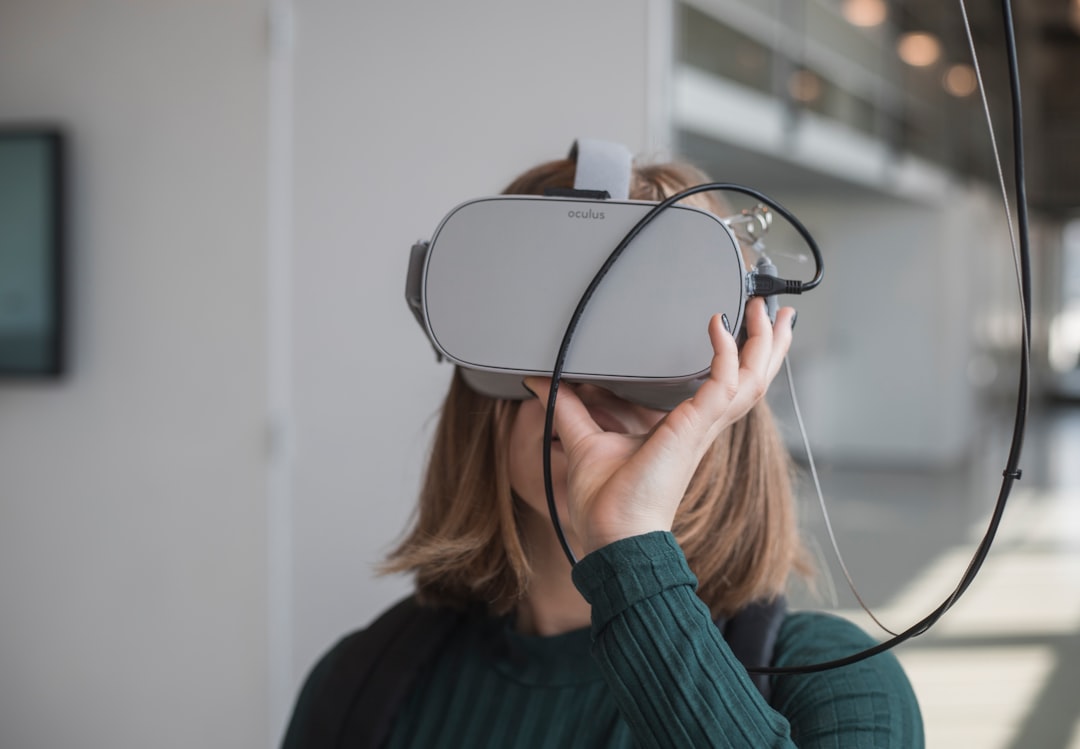 # Beyond the Screen: How Virtual Reality is Redefining Our Reality For decades, the concept of "stepping into another world" was confined to the pages of science fiction novels and the silver screen. However, with the rapid evolution of Virtual Reality (VR) technology, that fantasy has become a tangible, immersive reality. Unlike traditional gaming or media consumption, which keeps the user as a passive observer behind a flat screen, VR leverages high-resolution head-mounted displays and spatial audio to trick the human brain into believing it is physically present in a digital environment. This sense of "presence" is the cornerstone of the medium, blurring the lines between the physical and the synthetic. The impact of VR extends far beyond the realm of entertainment and high-octane gaming. While the ability to explore alien landscapes or battle dragons is certainly captivating, the true revolution lies in the practical applications of the technology. In the field of medicine, surgeons are using VR simulations to practice complex procedures in a risk-free environment before ever touching a patient. In education, students can take virtual field trips to ancient Rome or the surface of Mars, turning abstract history and science lessons into lived experiences. Furthermore, VR is becoming a vital tool in psychological therapy, particularly in exposure therapy, helping individuals confront phobias and PTSD in a controlled, safe setting. As hardware becomes lighter, more affordable, and more powerful, the barrier to entry continues to drop, moving VR from a niche hobby into a fundamental tool for human advancement. In conclusion, virtual reality is much more than a high-tech novelty; it is a transformative medium that is reshaping how we learn, heal, and connect. As we continue to refine the fidelity of these digital worlds, we are not just creating better games, but building new frontiers for human potential. The digital horizon is expanding, and we are finally ready to step inside. Photo by Maxim Hopman on Unsplash |
| json metadata | {"tags": ["future", "sci-fi", "robot", "space", "ai"], "image": ["https://images.unsplash.com/photo-1605647540924-852290f6b0d5?crop=entropy&cs=tinysrgb&fit=max&fm=jpg&ixid=M3w4OTAwOTl8MHwxfHNlYXJjaHwyMnx8dmlydHVhbCUyMHJlYWxpdHl8ZW58MHwwfHx8MTc3NTkyOTE3OHww&ixlib=rb-4.1.0&q=80&w=1080"]} |
| parent author | |
| parent permlink | hive-119463 |
| permlink | post-4c22gxao |
| title | Virtual reality Guide for Beginners |
| Transaction Info | Block #105101735/Trx e2bd87dad83ddb319ccbeed8e1d83d01d46efe38 |
View Raw JSON Data
{
"block": 105101735,
"op": [
"comment",
{
"author": "silvan1989",
"body": "\n\n# Beyond the Screen: How Virtual Reality is Redefining Our Reality\n\nFor decades, the concept of \"stepping into another world\" was confined to the pages of science fiction novels and the silver screen. However, with the rapid evolution of Virtual Reality (VR) technology, that fantasy has become a tangible, immersive reality. Unlike traditional gaming or media consumption, which keeps the user as a passive observer behind a flat screen, VR leverages high-resolution head-mounted displays and spatial audio to trick the human brain into believing it is physically present in a digital environment. This sense of \"presence\" is the cornerstone of the medium, blurring the lines between the physical and the synthetic.\n\nThe impact of VR extends far beyond the realm of entertainment and high-octane gaming. While the ability to explore alien landscapes or battle dragons is certainly captivating, the true revolution lies in the practical applications of the technology. In the field of medicine, surgeons are using VR simulations to practice complex procedures in a risk-free environment before ever touching a patient. In education, students can take virtual field trips to ancient Rome or the surface of Mars, turning abstract history and science lessons into lived experiences. Furthermore, VR is becoming a vital tool in psychological therapy, particularly in exposure therapy, helping individuals confront phobias and PTSD in a controlled, safe setting. As hardware becomes lighter, more affordable, and more powerful, the barrier to entry continues to drop, moving VR from a niche hobby into a fundamental tool for human advancement.\n\nIn conclusion, virtual reality is much more than a high-tech novelty; it is a transformative medium that is reshaping how we learn, heal, and connect. As we continue to refine the fidelity of these digital worlds, we are not just creating better games, but building new frontiers for human potential. The digital horizon is expanding, and we are finally ready to step inside.\n\nPhoto by Maxim Hopman on Unsplash",
"json_metadata": "{\"tags\": [\"future\", \"sci-fi\", \"robot\", \"space\", \"ai\"], \"image\": [\"https://images.unsplash.com/photo-1605647540924-852290f6b0d5?crop=entropy&cs=tinysrgb&fit=max&fm=jpg&ixid=M3w4OTAwOTl8MHwxfHNlYXJjaHwyMnx8dmlydHVhbCUyMHJlYWxpdHl8ZW58MHwwfHx8MTc3NTkyOTE3OHww&ixlib=rb-4.1.0&q=80&w=1080\"]}",
"parent_author": "",
"parent_permlink": "hive-119463",
"permlink": "post-4c22gxao",
"title": "Virtual reality Guide for Beginners"
}
],
"op_in_trx": 0,
"timestamp": "2026-04-11T17:39:39",
"trx_id": "e2bd87dad83ddb319ccbeed8e1d83d01d46efe38",
"trx_in_block": 1,
"virtual_op": 0
}silvan1989published a new post: post-xpb4zi5z2026/04/10 17:52:57
silvan1989published a new post: post-xpb4zi5z
2026/04/10 17:52:57
| author | silvan1989 |
| body |  None Photo by Google DeepMind on Unsplash |
| json metadata | {"tags": ["future", "sci-fi", "robot", "space", "ai"], "image": ["https://images.unsplash.com/photo-1664447972779-316251bd8bd7?crop=entropy&cs=tinysrgb&fit=max&fm=jpg&ixid=M3w4OTAwOTl8MHwxfHNlYXJjaHwyMXx8YXJ0aWZpY2lhbCUyMGludGVsbGlnZW5jZXxlbnwwfDB8fHwxNzc1ODQzNTc4fDA&ixlib=rb-4.1.0&q=80&w=1080"]} |
| parent author | |
| parent permlink | hive-119463 |
| permlink | post-xpb4zi5z |
| title | Artificial intelligence Guide for Beginners |
| Transaction Info | Block #105073265/Trx 36fc154c3bda9b468fb128f848b3173db62d9cc1 |
View Raw JSON Data
{
"block": 105073265,
"op": [
"comment",
{
"author": "silvan1989",
"body": "\n\nNone\n\nPhoto by Google DeepMind on Unsplash",
"json_metadata": "{\"tags\": [\"future\", \"sci-fi\", \"robot\", \"space\", \"ai\"], \"image\": [\"https://images.unsplash.com/photo-1664447972779-316251bd8bd7?crop=entropy&cs=tinysrgb&fit=max&fm=jpg&ixid=M3w4OTAwOTl8MHwxfHNlYXJjaHwyMXx8YXJ0aWZpY2lhbCUyMGludGVsbGlnZW5jZXxlbnwwfDB8fHwxNzc1ODQzNTc4fDA&ixlib=rb-4.1.0&q=80&w=1080\"]}",
"parent_author": "",
"parent_permlink": "hive-119463",
"permlink": "post-xpb4zi5z",
"title": "Artificial intelligence Guide for Beginners"
}
],
"op_in_trx": 0,
"timestamp": "2026-04-10T17:52:57",
"trx_id": "36fc154c3bda9b468fb128f848b3173db62d9cc1",
"trx_in_block": 3,
"virtual_op": 0
}silvan1989published a new post: post-6mz3u2lq2026/04/09 18:03:00
silvan1989published a new post: post-6mz3u2lq
2026/04/09 18:03:00
| author | silvan1989 |
| body |  **Robotic Innovations: Engineering the Future of Everyday Life** In the past decade, robotics has moved from the glossy pages of science fiction to the hands of everyday consumers, industrial workers, and even surgeons. Autonomous drones are now mapping crop health with centimeter‑level accuracy, while collaborative robots—often called “cobots”—share workspace with human colleagues in assembly lines, adapting in real time to changes in product shape or workflow. One of the most significant breakthroughs is the rise of soft robotics, where flexible, silicone‑like materials emulate biological tissues, enabling delicate grasping that was once the sole province of human fingers. This adaptability is already transforming medicine; soft‑rimmed gloves equipped with haptic feedback are allowing surgeons performing remote procedures to feel the resistance of a tumor or the texture of neural tissue, greatly reducing errors and improving outcomes. Perhaps the most socially resonant development is the proliferation of domestic service robots. From vacuum‑cleaning and lawn‑mowing units that learn a homeowner’s schedule, to intelligent kitchen assistants that can follow recipe steps and adjust seasoning, these machines are reshaping household chores. Meanwhile, rescue robots equipped with infrared sensors and AI‑driven navigation are now dispatched to disaster zones—entering collapsed buildings or toxic environments—finding survivors where humans cannot safely reach. On the industrial front, machine‑learning algorithms trained on vast amounts of sensor data are empowering robots to perform predictive maintenance, halting production lines before a catastrophic failure occurs. Finally, as quantum computing matures, researchers are exploring quantum‑enhanced robotic simulators that could allow real‑world robots to self‑optimize in unprecedented ways. **Conclusion** Robotic innovations are not merely incremental upgrades—they are rewriting the playbook of what machines can achieve alongside humans. From soft‑tissue manipulation in surgical theaters to autonomous drones monitoring ecosystems, each breakthrough brings us closer to a world where robotic systems are seamlessly integrated partners in problem‑solving. As we continue to push the boundaries of sensor fusion, AI, and material science, the next wave of robots will likely be more intuitive, resilient, and empathetic, offering solutions that enhance safety, efficiency, and quality of life across every corner of society. Photo by Jorge Escobedo on Unsplash |
| json metadata | {"tags": ["future", "sci-fi", "robot", "space", "ai"], "image": ["https://images.unsplash.com/photo-1771707397168-028abef1d651?crop=entropy&cs=tinysrgb&fit=max&fm=jpg&ixid=M3w4OTAwOTl8MHwxfHNlYXJjaHwyNnx8cm9ib3RpYyUyMGlubm92YXRpb25zfGVufDB8MHx8fDE3NzU3NTc3ODF8MA&ixlib=rb-4.1.0&q=80&w=1080"]} |
| parent author | |
| parent permlink | hive-119463 |
| permlink | post-6mz3u2lq |
| title | Robotic innovations Guide for Beginners |
| Transaction Info | Block #105044732/Trx ed2510f69c5dad0dd0456a94b29ae3177f1c8581 |
View Raw JSON Data
{
"block": 105044732,
"op": [
"comment",
{
"author": "silvan1989",
"body": "\n\n**Robotic Innovations: Engineering the Future of Everyday Life** \n\nIn the past decade, robotics has moved from the glossy pages of science fiction to the hands of everyday consumers, industrial workers, and even surgeons. Autonomous drones are now mapping crop health with centimeter‑level accuracy, while collaborative robots—often called “cobots”—share workspace with human colleagues in assembly lines, adapting in real time to changes in product shape or workflow. One of the most significant breakthroughs is the rise of soft robotics, where flexible, silicone‑like materials emulate biological tissues, enabling delicate grasping that was once the sole province of human fingers. This adaptability is already transforming medicine; soft‑rimmed gloves equipped with haptic feedback are allowing surgeons performing remote procedures to feel the resistance of a tumor or the texture of neural tissue, greatly reducing errors and improving outcomes. \n\nPerhaps the most socially resonant development is the proliferation of domestic service robots. From vacuum‑cleaning and lawn‑mowing units that learn a homeowner’s schedule, to intelligent kitchen assistants that can follow recipe steps and adjust seasoning, these machines are reshaping household chores. Meanwhile, rescue robots equipped with infrared sensors and AI‑driven navigation are now dispatched to disaster zones—entering collapsed buildings or toxic environments—finding survivors where humans cannot safely reach. On the industrial front, machine‑learning algorithms trained on vast amounts of sensor data are empowering robots to perform predictive maintenance, halting production lines before a catastrophic failure occurs. Finally, as quantum computing matures, researchers are exploring quantum‑enhanced robotic simulators that could allow real‑world robots to self‑optimize in unprecedented ways. \n\n**Conclusion** \n\nRobotic innovations are not merely incremental upgrades—they are rewriting the playbook of what machines can achieve alongside humans. From soft‑tissue manipulation in surgical theaters to autonomous drones monitoring ecosystems, each breakthrough brings us closer to a world where robotic systems are seamlessly integrated partners in problem‑solving. As we continue to push the boundaries of sensor fusion, AI, and material science, the next wave of robots will likely be more intuitive, resilient, and empathetic, offering solutions that enhance safety, efficiency, and quality of life across every corner of society.\n\nPhoto by Jorge Escobedo on Unsplash",
"json_metadata": "{\"tags\": [\"future\", \"sci-fi\", \"robot\", \"space\", \"ai\"], \"image\": [\"https://images.unsplash.com/photo-1771707397168-028abef1d651?crop=entropy&cs=tinysrgb&fit=max&fm=jpg&ixid=M3w4OTAwOTl8MHwxfHNlYXJjaHwyNnx8cm9ib3RpYyUyMGlubm92YXRpb25zfGVufDB8MHx8fDE3NzU3NTc3ODF8MA&ixlib=rb-4.1.0&q=80&w=1080\"]}",
"parent_author": "",
"parent_permlink": "hive-119463",
"permlink": "post-6mz3u2lq",
"title": "Robotic innovations Guide for Beginners"
}
],
"op_in_trx": 0,
"timestamp": "2026-04-09T18:03:00",
"trx_id": "ed2510f69c5dad0dd0456a94b29ae3177f1c8581",
"trx_in_block": 4,
"virtual_op": 0
}silvan1989published a new post: post-d0vbik882026/04/08 18:12:06
silvan1989published a new post: post-d0vbik88
2026/04/08 18:12:06
| author | silvan1989 |
| body |  None Photo by Compagnons on Unsplash |
| json metadata | {"tags": ["future", "sci-fi", "robot", "space", "ai"], "image": ["https://images.unsplash.com/photo-1759884247134-89b8fc25f726?crop=entropy&cs=tinysrgb&fit=max&fm=jpg&ixid=M3w4OTAwOTl8MHwxfHNlYXJjaHw0fHxmdXR1cmUlMjBpbnZlbnRpb25zfGVufDB8MHx8fDE3NzU2NzE5MjZ8MA&ixlib=rb-4.1.0&q=80&w=1080"]} |
| parent author | |
| parent permlink | hive-119463 |
| permlink | post-d0vbik88 |
| title | Future inventions Guide for Beginners |
| Transaction Info | Block #105016182/Trx ef410ecc22570b0dcea22e28100181e87cf891bd |
View Raw JSON Data
{
"block": 105016182,
"op": [
"comment",
{
"author": "silvan1989",
"body": "\n\nNone\n\nPhoto by Compagnons on Unsplash",
"json_metadata": "{\"tags\": [\"future\", \"sci-fi\", \"robot\", \"space\", \"ai\"], \"image\": [\"https://images.unsplash.com/photo-1759884247134-89b8fc25f726?crop=entropy&cs=tinysrgb&fit=max&fm=jpg&ixid=M3w4OTAwOTl8MHwxfHNlYXJjaHw0fHxmdXR1cmUlMjBpbnZlbnRpb25zfGVufDB8MHx8fDE3NzU2NzE5MjZ8MA&ixlib=rb-4.1.0&q=80&w=1080\"]}",
"parent_author": "",
"parent_permlink": "hive-119463",
"permlink": "post-d0vbik88",
"title": "Future inventions Guide for Beginners"
}
],
"op_in_trx": 0,
"timestamp": "2026-04-08T18:12:06",
"trx_id": "ef410ecc22570b0dcea22e28100181e87cf891bd",
"trx_in_block": 0,
"virtual_op": 0
}silvan1989published a new post: post-4bubin7t2026/04/07 18:02:15
silvan1989published a new post: post-4bubin7t
2026/04/07 18:02:15
| author | silvan1989 |
| body |  **The Cosmic Canvas: How Sci‑Fi Art Shapes Our Vision of the Future** Science‑fiction art has long been the visual heartbeat of speculative storytelling, translating the impossible into images that feel both alien and intimately familiar. From the sleek, chrome‑clad starships of the 1950s pulp magazines to the hyper‑realistic, AI‑generated vistas of today, sci‑fi art serves as both a mirror and a compass—reflecting our cultural anxieties about technology while pointing toward uncharted possibilities. Early pioneers like Chesley Bonestell turned distant nebulae into tourist postcards, inspiring generations of engineers to dream of rockets and moon landings. In the digital age, artists wield tools ranging from Photoshop to procedural generation algorithms, creating sprawling megacities that pulse with neon, biomechanical organisms that blur the line between flesh and circuitry, and planetary panoramas that challenge our sense of scale. These works do more than decorate book covers or movie posters; they actively influence design language across industries. Automotive concept cars adopt the aerodynamic silhouettes first imagined in sci‑fi illustrations, and architecture firms experiment with modular habitats that echo the modular stations of classic space operas. Moreover, sci‑fi art fuels scientific discourse. When researchers visualize exoplanet atmospheres or speculative propulsion systems, they often draw directly from the visual vocabulary established by artists, turning imagination into hypothesis. In classrooms, a single illustration of a terraformed Mars can spark interdisciplinary projects that merge physics, ecology, and ethics, proving that visual storytelling is a catalyst for real‑world inquiry. **Conclusion** Sci‑fi art is far more than decorative fantasy; it is a dynamic engine that propels both culture and technology forward. By visualizing futures that have yet to exist, it invites us to question current trajectories, explore bold alternatives, and ultimately participate in the creation of the worlds we imagine. As we stand on the brink of real interplanetary travel and AI‑augmented creativity, the synergy between science‑fiction art and scientific advancement will only grow stronger—painting the next chapters of humanity’s story on a cosmic canvas that is, itself, ever evolving. Photo by the blowup on Unsplash |
| json metadata | {"tags": ["future", "sci-fi", "robot", "space", "ai"], "image": ["https://images.unsplash.com/photo-1620028193519-0456231265c6?crop=entropy&cs=tinysrgb&fit=max&fm=jpg&ixid=M3w4OTAwOTl8MHwxfHNlYXJjaHw1fHxzY2ktZmklMjBhcnR8ZW58MHwwfHx8MTc3NTU4NDkzNXww&ixlib=rb-4.1.0&q=80&w=1080"]} |
| parent author | |
| parent permlink | hive-119463 |
| permlink | post-4bubin7t |
| title | Sci-fi art Guide for Beginners |
| Transaction Info | Block #104987254/Trx ea421c9a3e36ebf0d93ff4e64141be499156f791 |
View Raw JSON Data
{
"block": 104987254,
"op": [
"comment",
{
"author": "silvan1989",
"body": "\n\n**The Cosmic Canvas: How Sci‑Fi Art Shapes Our Vision of the Future**\n\nScience‑fiction art has long been the visual heartbeat of speculative storytelling, translating the impossible into images that feel both alien and intimately familiar. From the sleek, chrome‑clad starships of the 1950s pulp magazines to the hyper‑realistic, AI‑generated vistas of today, sci‑fi art serves as both a mirror and a compass—reflecting our cultural anxieties about technology while pointing toward uncharted possibilities. Early pioneers like Chesley Bonestell turned distant nebulae into tourist postcards, inspiring generations of engineers to dream of rockets and moon landings. In the digital age, artists wield tools ranging from Photoshop to procedural generation algorithms, creating sprawling megacities that pulse with neon, biomechanical organisms that blur the line between flesh and circuitry, and planetary panoramas that challenge our sense of scale. These works do more than decorate book covers or movie posters; they actively influence design language across industries. Automotive concept cars adopt the aerodynamic silhouettes first imagined in sci‑fi illustrations, and architecture firms experiment with modular habitats that echo the modular stations of classic space operas. Moreover, sci‑fi art fuels scientific discourse. When researchers visualize exoplanet atmospheres or speculative propulsion systems, they often draw directly from the visual vocabulary established by artists, turning imagination into hypothesis. In classrooms, a single illustration of a terraformed Mars can spark interdisciplinary projects that merge physics, ecology, and ethics, proving that visual storytelling is a catalyst for real‑world inquiry.\n\n**Conclusion**\n\nSci‑fi art is far more than decorative fantasy; it is a dynamic engine that propels both culture and technology forward. By visualizing futures that have yet to exist, it invites us to question current trajectories, explore bold alternatives, and ultimately participate in the creation of the worlds we imagine. As we stand on the brink of real interplanetary travel and AI‑augmented creativity, the synergy between science‑fiction art and scientific advancement will only grow stronger—painting the next chapters of humanity’s story on a cosmic canvas that is, itself, ever evolving.\n\nPhoto by the blowup on Unsplash",
"json_metadata": "{\"tags\": [\"future\", \"sci-fi\", \"robot\", \"space\", \"ai\"], \"image\": [\"https://images.unsplash.com/photo-1620028193519-0456231265c6?crop=entropy&cs=tinysrgb&fit=max&fm=jpg&ixid=M3w4OTAwOTl8MHwxfHNlYXJjaHw1fHxzY2ktZmklMjBhcnR8ZW58MHwwfHx8MTc3NTU4NDkzNXww&ixlib=rb-4.1.0&q=80&w=1080\"]}",
"parent_author": "",
"parent_permlink": "hive-119463",
"permlink": "post-4bubin7t",
"title": "Sci-fi art Guide for Beginners"
}
],
"op_in_trx": 0,
"timestamp": "2026-04-07T18:02:15",
"trx_id": "ea421c9a3e36ebf0d93ff4e64141be499156f791",
"trx_in_block": 1,
"virtual_op": 0
}silvan1989published a new post: post-t8kiitz82026/04/06 17:53:54
silvan1989published a new post: post-t8kiitz8
2026/04/06 17:53:54
| author | silvan1989 |
| body |  **Title: More Than Rockets and Robots: Why Science Fiction Matters** Science fiction is too often dismissed as mere escapism—a genre of shiny spaceships and laser guns designed to whisk us away from reality. But to see it that way is to miss its profound power. At its core, sci-fi is a literature of radical inquiry. It takes our deepest questions—about technology, society, identity, and the future—and places them in extraordinary crucibles. By projecting current trends into tomorrow, it holds a funhouse mirror to our present, forcing us to confront uncomfortable truths. The robot rebellion isn’t just a plot device; it’s a meditation on what defines humanity and the ethics of creation. The dystopian cityscape isn’t just background; it’s a warning about inequality and environmental collapse. From Mary Shelley’s *Frankenstein* (a foundational sci-fi text exploring scientific hubris) to the social anthropology of Ursula K. Le Guin’s *The Left Hand of Darkness*, the genre uses the "what if" to dissect the "what is." It champions imagination not as an escape, but as an essential tool for understanding Photo by Marija Zaric on Unsplash |
| json metadata | {"tags": ["future", "sci-fi", "robot", "space", "ai"], "image": ["https://images.unsplash.com/photo-1664526256228-7f982655dbac?crop=entropy&cs=tinysrgb&fit=max&fm=jpg&ixid=M3w4OTAwOTl8MHwxfHNlYXJjaHw2fHxzY2ktZmklMjBib29rc3xlbnwwfDB8fHwxNzc1NDk4MDM1fDA&ixlib=rb-4.1.0&q=80&w=1080"]} |
| parent author | |
| parent permlink | hive-119463 |
| permlink | post-t8kiitz8 |
| title | Sci-fi books Guide for Beginners |
| Transaction Info | Block #104958355/Trx 5c53d3a49f4a71f95598b4076b1bee52e7cb5079 |
View Raw JSON Data
{
"block": 104958355,
"op": [
"comment",
{
"author": "silvan1989",
"body": "\n\n**Title: More Than Rockets and Robots: Why Science Fiction Matters**\n\nScience fiction is too often dismissed as mere escapism—a genre of shiny spaceships and laser guns designed to whisk us away from reality. But to see it that way is to miss its profound power. At its core, sci-fi is a literature of radical inquiry. It takes our deepest questions—about technology, society, identity, and the future—and places them in extraordinary crucibles. By projecting current trends into tomorrow, it holds a funhouse mirror to our present, forcing us to confront uncomfortable truths. The robot rebellion isn’t just a plot device; it’s a meditation on what defines humanity and the ethics of creation. The dystopian cityscape isn’t just background; it’s a warning about inequality and environmental collapse. From Mary Shelley’s *Frankenstein* (a foundational sci-fi text exploring scientific hubris) to the social anthropology of Ursula K. Le Guin’s *The Left Hand of Darkness*, the genre uses the \"what if\" to dissect the \"what is.\" It champions imagination not as an escape, but as an essential tool for understanding\n\nPhoto by Marija Zaric on Unsplash",
"json_metadata": "{\"tags\": [\"future\", \"sci-fi\", \"robot\", \"space\", \"ai\"], \"image\": [\"https://images.unsplash.com/photo-1664526256228-7f982655dbac?crop=entropy&cs=tinysrgb&fit=max&fm=jpg&ixid=M3w4OTAwOTl8MHwxfHNlYXJjaHw2fHxzY2ktZmklMjBib29rc3xlbnwwfDB8fHwxNzc1NDk4MDM1fDA&ixlib=rb-4.1.0&q=80&w=1080\"]}",
"parent_author": "",
"parent_permlink": "hive-119463",
"permlink": "post-t8kiitz8",
"title": "Sci-fi books Guide for Beginners"
}
],
"op_in_trx": 0,
"timestamp": "2026-04-06T17:53:54",
"trx_id": "5c53d3a49f4a71f95598b4076b1bee52e7cb5079",
"trx_in_block": 2,
"virtual_op": 0
}osileviupvoted (100.00%) @silvan1989 / post-stqn1ugu2026/04/05 18:41:42
osileviupvoted (100.00%) @silvan1989 / post-stqn1ugu
2026/04/05 18:41:42
| author | silvan1989 |
| permlink | post-stqn1ugu |
| voter | osilevi |
| weight | 10000 (100.00%) |
| Transaction Info | Block #104930579/Trx d5ed9ea81390b9daf2f7c2f12c2e153042a3847e |
View Raw JSON Data
{
  "block": 104930579,
  "op": [
    "vote",
    {
      "author": "silvan1989",
      "permlink": "post-stqn1ugu",
      "voter": "osilevi",
      "weight": 10000
    }
  ],
  "op_in_trx": 0,
  "timestamp": "2026-04-05T18:41:42",
  "trx_id": "d5ed9ea81390b9daf2f7c2f12c2e153042a3847e",
  "trx_in_block": 1,
  "virtual_op": 0
}silvan1989published a new post: post-stqn1ugu2026/04/05 17:39:27
silvan1989published a new post: post-stqn1ugu
2026/04/05 17:39:27
| author | silvan1989 |
| body |  **Title: The Future ofLiving: Embracing Smart Homes for a Connected Lifestyle** In recent years, the concept of a smart home has evolved from a futuristic fantasy into a tangible reality, transforming how we interact with our living spaces. A smart home integrates internet-connected devices and automation systems to enhance convenience, security, and energy efficiency. These systems rely on the Internet of Things (IoT), allowing homeowners to control lighting, temperature, security cameras, and even appliances through smartphones, voice commands, or automated schedules. For example, a smart thermostat can learn your daily routines and adjust heating or cooling to optimize comfort and reduce energy bills. Photo by taufiq triadi on Unsplash |
| json metadata | {"tags": ["future", "sci-fi", "robot", "space", "ai"], "image": ["https://images.unsplash.com/photo-1674316425776-26dbf1a368eb?crop=entropy&cs=tinysrgb&fit=max&fm=jpg&ixid=M3w4OTAwOTl8MHwxfHNlYXJjaHwyNHx8c21hcnQlMjBob21lfGVufDB8MHx8fDE3NzU0MTA3Njd8MA&ixlib=rb-4.1.0&q=80&w=1080"]} |
| parent author | |
| parent permlink | hive-119463 |
| permlink | post-stqn1ugu |
| title | Smart home Guide for Beginners |
| Transaction Info | Block #104929337/Trx 7d4852ea3a3c50cda4374b9a218116ba5bc54aeb |
View Raw JSON Data
{
"block": 104929337,
"op": [
"comment",
{
"author": "silvan1989",
"body": "\n\n\n\n**Title: The Future ofLiving: Embracing Smart Homes for a Connected Lifestyle** \n\nIn recent years, the concept of a smart home has evolved from a futuristic fantasy into a tangible reality, transforming how we interact with our living spaces. A smart home integrates internet-connected devices and automation systems to enhance convenience, security, and energy efficiency. These systems rely on the Internet of Things (IoT), allowing homeowners to control lighting, temperature, security cameras, and even appliances through smartphones, voice commands, or automated schedules. For example, a smart thermostat can learn your daily routines and adjust heating or cooling to optimize comfort and reduce energy bills.\n\nPhoto by taufiq triadi on Unsplash",
"json_metadata": "{\"tags\": [\"future\", \"sci-fi\", \"robot\", \"space\", \"ai\"], \"image\": [\"https://images.unsplash.com/photo-1674316425776-26dbf1a368eb?crop=entropy&cs=tinysrgb&fit=max&fm=jpg&ixid=M3w4OTAwOTl8MHwxfHNlYXJjaHwyNHx8c21hcnQlMjBob21lfGVufDB8MHx8fDE3NzU0MTA3Njd8MA&ixlib=rb-4.1.0&q=80&w=1080\"]}",
"parent_author": "",
"parent_permlink": "hive-119463",
"permlink": "post-stqn1ugu",
"title": "Smart home Guide for Beginners"
}
],
"op_in_trx": 0,
"timestamp": "2026-04-05T17:39:27",
"trx_id": "7d4852ea3a3c50cda4374b9a218116ba5bc54aeb",
"trx_in_block": 1,
"virtual_op": 0
}silvan1989published a new post: post-dsse7wfe2026/04/04 17:39:03
silvan1989published a new post: post-dsse7wfe
2026/04/04 17:39:03
| author | silvan1989 |
| body |  None Photo by Vinicius "amnx" Amano on Unsplash |
| json metadata | {"tags": ["future", "sci-fi", "robot", "space", "ai"], "image": ["https://images.unsplash.com/photo-1613325436249-c90b7a608248?crop=entropy&cs=tinysrgb&fit=max&fm=jpg&ixid=M3w4OTAwOTl8MHwxfHNlYXJjaHwyN3x8dmlydHVhbCUyMHJlYWxpdHl8ZW58MHwwfHx8MTc3NTMyNDM0M3ww&ixlib=rb-4.1.0&q=80&w=1080"]} |
| parent author | |
| parent permlink | hive-119463 |
| permlink | post-dsse7wfe |
| title | Virtual reality Guide for Beginners |
| Transaction Info | Block #104900596/Trx b69e42663333bb81ea67b11edab330ab32599116 |
View Raw JSON Data
{
"block": 104900596,
"op": [
"comment",
{
"author": "silvan1989",
"body": "\n\nNone\n\nPhoto by Vinicius \"amnx\" Amano on Unsplash",
"json_metadata": "{\"tags\": [\"future\", \"sci-fi\", \"robot\", \"space\", \"ai\"], \"image\": [\"https://images.unsplash.com/photo-1613325436249-c90b7a608248?crop=entropy&cs=tinysrgb&fit=max&fm=jpg&ixid=M3w4OTAwOTl8MHwxfHNlYXJjaHwyN3x8dmlydHVhbCUyMHJlYWxpdHl8ZW58MHwwfHx8MTc3NTMyNDM0M3ww&ixlib=rb-4.1.0&q=80&w=1080\"]}",
"parent_author": "",
"parent_permlink": "hive-119463",
"permlink": "post-dsse7wfe",
"title": "Virtual reality Guide for Beginners"
}
],
"op_in_trx": 0,
"timestamp": "2026-04-04T17:39:03",
"trx_id": "b69e42663333bb81ea67b11edab330ab32599116",
"trx_in_block": 2,
"virtual_op": 0
}silvan1989published a new post: post-kispl2792026/04/03 17:41:57
silvan1989published a new post: post-kispl279
2026/04/03 17:41:57
| author | silvan1989 |
| body | 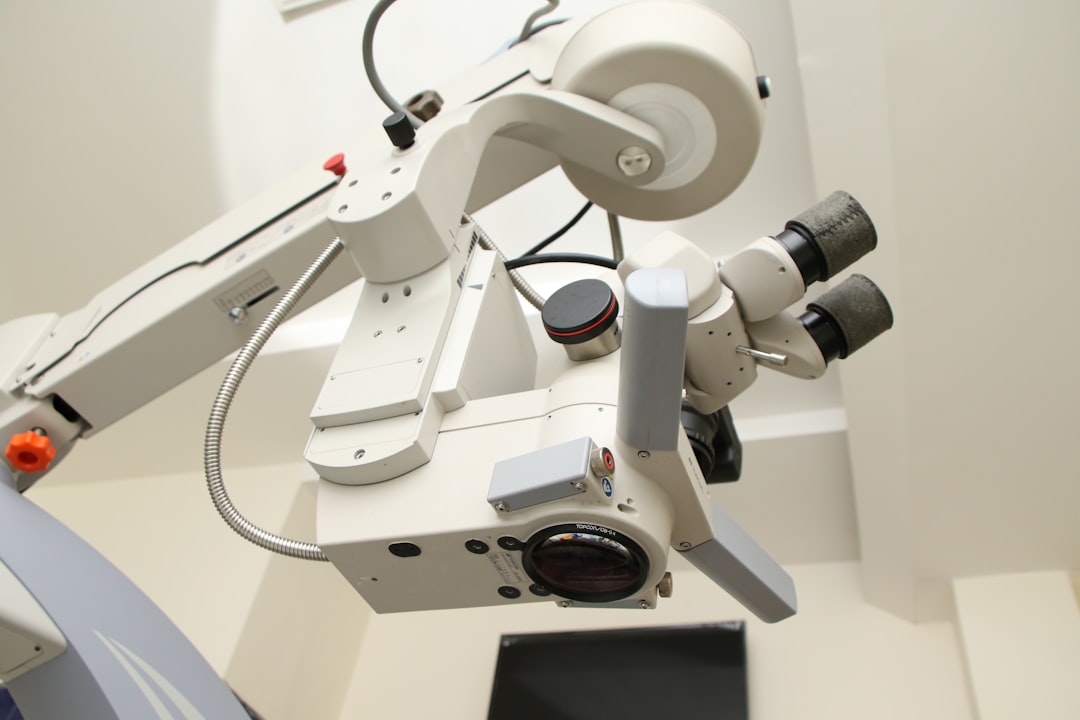 None Photo by Harpreet Singh on Unsplash |
| json metadata | {"tags": ["future", "sci-fi", "robot", "space", "ai"], "image": ["https://images.unsplash.com/photo-1614081989290-bcdba07cd9d3?crop=entropy&cs=tinysrgb&fit=max&fm=jpg&ixid=M3w4OTAwOTl8MHwxfHNlYXJjaHwyNHx8YWR2YW5jZWQlMjB0ZWNobm9sb2d5fGVufDB8MHx8fDE3NzUyMzgxMTd8MA&ixlib=rb-4.1.0&q=80&w=1080"]} |
| parent author | |
| parent permlink | hive-119463 |
| permlink | post-kispl279 |
| title | Advanced technology Guide for Beginners |
| Transaction Info | Block #104871919/Trx f3106dcb72d64b512c1c061a4508f14ee90de895 |
View Raw JSON Data
{
"block": 104871919,
"op": [
"comment",
{
"author": "silvan1989",
"body": "\n\nNone\n\nPhoto by Harpreet Singh on Unsplash",
"json_metadata": "{\"tags\": [\"future\", \"sci-fi\", \"robot\", \"space\", \"ai\"], \"image\": [\"https://images.unsplash.com/photo-1614081989290-bcdba07cd9d3?crop=entropy&cs=tinysrgb&fit=max&fm=jpg&ixid=M3w4OTAwOTl8MHwxfHNlYXJjaHwyNHx8YWR2YW5jZWQlMjB0ZWNobm9sb2d5fGVufDB8MHx8fDE3NzUyMzgxMTd8MA&ixlib=rb-4.1.0&q=80&w=1080\"]}",
"parent_author": "",
"parent_permlink": "hive-119463",
"permlink": "post-kispl279",
"title": "Advanced technology Guide for Beginners"
}
],
"op_in_trx": 0,
"timestamp": "2026-04-03T17:41:57",
"trx_id": "f3106dcb72d64b512c1c061a4508f14ee90de895",
"trx_in_block": 2,
"virtual_op": 0
}silvan1989published a new post: post-85c3azpl2026/04/02 17:55:27
silvan1989published a new post: post-85c3azpl
2026/04/02 17:55:27
| author | silvan1989 |
| body | 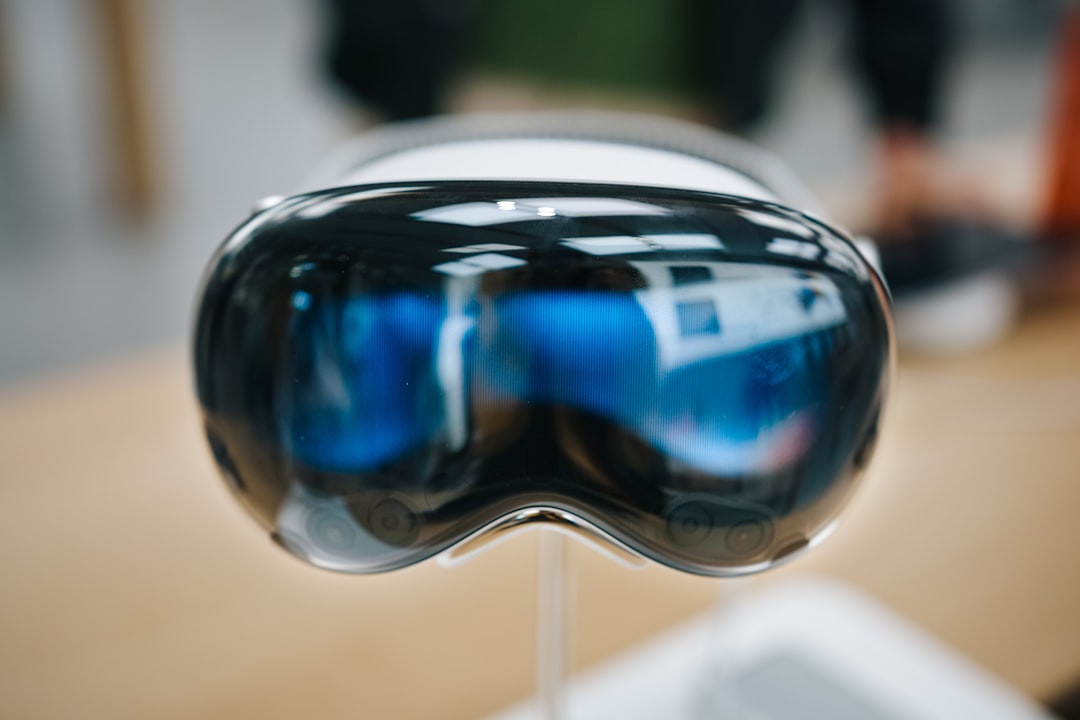 **Title: Envisioning Tomorrow: The Future Vision of Innovation and Sustainability** In an era defined by rapid technological advancements and pressing environmental challenges, our future vision must be one that harmoniously blends innovation with sustainability. As we stand on the brink of unprecedented change, the possibilities are as vast as they are exciting. Imagine cities powered entirely by renewable energy, where smart infrastructure seamlessly integrates with nature, reducing our carbon footprint while enhancing our quality of life. Autonomous vehicles and hyperloop systems could revolutionize transportation, making travel faster, safer, and more efficient. Meanwhile, advancements in artificial intelligence and robotics promise to transform industries, from healthcare to education, offering personalized solutions that were once the stuff of science fiction. However, the future vision extends beyond technology. It encompasses a global commitment to sustainability, where circular economies replace wasteful practices, and biodiversity is restored through innovative conservation efforts. The rise of vertical farming and lab-grown meats could address food security challenges, ensuring that no one goes hungry while preserving our planet's resources. As we embrace these changes, the future vision also calls for a shift in mindset—a collective recognition that our actions today shape the world of tomorrow. By fostering collaboration across borders and disciplines, we can create a future that is not only technologically advanced but also equitable and sustainable for all. In conclusion, the future vision is a tapestry woven from the threads of innovation, sustainability, and human ingenuity. It is a future where technology serves as a catalyst for positive change, and where humanity thrives in harmony with the natural world. As we look ahead, let us embrace this vision with optimism and determination, knowing that the choices we make today will define the legacy we leave for generations to come. Together, we can build a future that is not only imaginable but achievable—a future where progress and preservation go hand in hand. Photo by Sam Grozyan on Unsplash |
| json metadata | {"tags": ["future", "sci-fi", "robot", "space", "ai"], "image": ["https://images.unsplash.com/photo-1707167144646-cea7d2027ef7?crop=entropy&cs=tinysrgb&fit=max&fm=jpg&ixid=M3w4OTAwOTl8MHwxfHNlYXJjaHwyMHx8ZnV0dXJlJTIwdmlzaW9ufGVufDB8MHx8fDE3NzUxNTI1Mjh8MA&ixlib=rb-4.1.0&q=80&w=1080"]} |
| parent author | |
| parent permlink | hive-119463 |
| permlink | post-85c3azpl |
| title | Future vision Guide for Beginners |
| Transaction Info | Block #104843448/Trx 03f71e88f80cb95ce5d9b6398700b0b9f13a12f1 |
View Raw JSON Data
{
"block": 104843448,
"op": [
"comment",
{
"author": "silvan1989",
"body": "\n\n**Title: Envisioning Tomorrow: The Future Vision of Innovation and Sustainability**\n\nIn an era defined by rapid technological advancements and pressing environmental challenges, our future vision must be one that harmoniously blends innovation with sustainability. As we stand on the brink of unprecedented change, the possibilities are as vast as they are exciting. Imagine cities powered entirely by renewable energy, where smart infrastructure seamlessly integrates with nature, reducing our carbon footprint while enhancing our quality of life. Autonomous vehicles and hyperloop systems could revolutionize transportation, making travel faster, safer, and more efficient. Meanwhile, advancements in artificial intelligence and robotics promise to transform industries, from healthcare to education, offering personalized solutions that were once the stuff of science fiction.\n\nHowever, the future vision extends beyond technology. It encompasses a global commitment to sustainability, where circular economies replace wasteful practices, and biodiversity is restored through innovative conservation efforts. The rise of vertical farming and lab-grown meats could address food security challenges, ensuring that no one goes hungry while preserving our planet's resources. As we embrace these changes, the future vision also calls for a shift in mindset—a collective recognition that our actions today shape the world of tomorrow. By fostering collaboration across borders and disciplines, we can create a future that is not only technologically advanced but also equitable and sustainable for all.\n\nIn conclusion, the future vision is a tapestry woven from the threads of innovation, sustainability, and human ingenuity. It is a future where technology serves as a catalyst for positive change, and where humanity thrives in harmony with the natural world. As we look ahead, let us embrace this vision with optimism and determination, knowing that the choices we make today will define the legacy we leave for generations to come. Together, we can build a future that is not only imaginable but achievable—a future where progress and preservation go hand in hand.\n\nPhoto by Sam Grozyan on Unsplash",
"json_metadata": "{\"tags\": [\"future\", \"sci-fi\", \"robot\", \"space\", \"ai\"], \"image\": [\"https://images.unsplash.com/photo-1707167144646-cea7d2027ef7?crop=entropy&cs=tinysrgb&fit=max&fm=jpg&ixid=M3w4OTAwOTl8MHwxfHNlYXJjaHwyMHx8ZnV0dXJlJTIwdmlzaW9ufGVufDB8MHx8fDE3NzUxNTI1Mjh8MA&ixlib=rb-4.1.0&q=80&w=1080\"]}",
"parent_author": "",
"parent_permlink": "hive-119463",
"permlink": "post-85c3azpl",
"title": "Future vision Guide for Beginners"
}
],
"op_in_trx": 0,
"timestamp": "2026-04-02T17:55:27",
"trx_id": "03f71e88f80cb95ce5d9b6398700b0b9f13a12f1",
"trx_in_block": 0,
"virtual_op": 0
}silvan1989published a new post: post-iv2dqver2026/04/01 17:55:15
silvan1989published a new post: post-iv2dqver
2026/04/01 17:55:15
| author | silvan1989 |
| body |  ## Beyond Tomorrow:The Allure of Futuristic Design Futuristic design isn't merely about sleek lines and glowing screens; it's a profound exploration of possibility, a visual and conceptual language that speaks to our aspirations for a better, more efficient, and often more sustainable future. It transcends fleeting trends, instead drawing inspiration from cutting-edge technology, scientific breakthroughs, and a deep understanding of human needs and environmental challenges. This design philosophy manifests in architecture that breathes and adapts, structures that harness renewable energy seamlessly, and products that anticipate our desires before we articulate them. It embraces biomimicry, learning from nature's elegant solutions to Photo by Tasha Kostyuk on Unsplash |
| json metadata | {"tags": ["future", "sci-fi", "robot", "space", "ai"], "image": ["https://images.unsplash.com/photo-1772992552302-825bb23ffb1a?crop=entropy&cs=tinysrgb&fit=max&fm=jpg&ixid=M3w4OTAwOTl8MHwxfHNlYXJjaHwyMnx8ZnV0dXJpc3RpYyUyMGRlc2lnbnxlbnwwfDB8fHwxNzc1MDY2MTE1fDA&ixlib=rb-4.1.0&q=80&w=1080"]} |
| parent author | |
| parent permlink | hive-119463 |
| permlink | post-iv2dqver |
| title | Futuristic design Guide for Beginners |
| Transaction Info | Block #104814760/Trx 64d53f8a02dd9f292ef8d3a689413d0c16d7b208 |
View Raw JSON Data
{
"block": 104814760,
"op": [
"comment",
{
"author": "silvan1989",
"body": "\n\n\n\n## Beyond Tomorrow:The Allure of Futuristic Design\n\nFuturistic design isn't merely about sleek lines and glowing screens; it's a profound exploration of possibility, a visual and conceptual language that speaks to our aspirations for a better, more efficient, and often more sustainable future. It transcends fleeting trends, instead drawing inspiration from cutting-edge technology, scientific breakthroughs, and a deep understanding of human needs and environmental challenges. This design philosophy manifests in architecture that breathes and adapts, structures that harness renewable energy seamlessly, and products that anticipate our desires before we articulate them. It embraces biomimicry, learning from nature's elegant solutions to\n\nPhoto by Tasha Kostyuk on Unsplash",
"json_metadata": "{\"tags\": [\"future\", \"sci-fi\", \"robot\", \"space\", \"ai\"], \"image\": [\"https://images.unsplash.com/photo-1772992552302-825bb23ffb1a?crop=entropy&cs=tinysrgb&fit=max&fm=jpg&ixid=M3w4OTAwOTl8MHwxfHNlYXJjaHwyMnx8ZnV0dXJpc3RpYyUyMGRlc2lnbnxlbnwwfDB8fHwxNzc1MDY2MTE1fDA&ixlib=rb-4.1.0&q=80&w=1080\"]}",
"parent_author": "",
"parent_permlink": "hive-119463",
"permlink": "post-iv2dqver",
"title": "Futuristic design Guide for Beginners"
}
],
"op_in_trx": 0,
"timestamp": "2026-04-01T17:55:15",
"trx_id": "64d53f8a02dd9f292ef8d3a689413d0c16d7b208",
"trx_in_block": 0,
"virtual_op": 0
}silvan1989published a new post: post-hfcwnlih2026/03/31 17:59:36
silvan1989published a new post: post-hfcwnlih
2026/03/31 17:59:36
| author | silvan1989 |
| body | 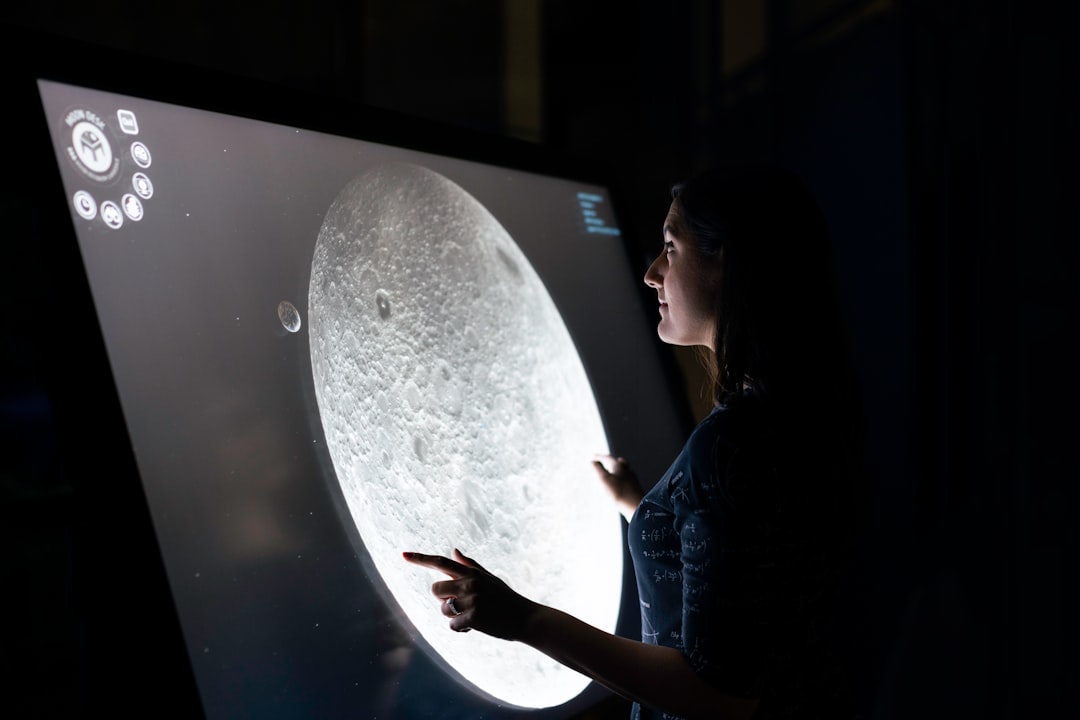 **Title: The Dawn of Future Technology and Its Transformative Impact** The world of technology is evolving faster than ever, and the future is being shaped by innovations that were once the realm of science fiction. From artificial intelligence to quantum computing, emerging technologies are redefining what we thought possible. The rapid pace of advancement not only transforms industries but also challenges our understanding of human potential and global society. As we stand on the brink of this digital revolution, it’s essential to explore the possibilities and responsibilities these breakthroughs bring. One of the most exciting areas is artificial intelligence, which is becoming increasingly integrated into daily life. From smart homes to healthcare diagnostics, AI is improving efficiency and accuracy. However, this growth raises important ethical questions about privacy, job displacement, and decision-making. The key to harnessing this technology lies in balance—leveraging its benefits while ensuring fairness and transparency. Quantum computing is another groundbreaking development, promising to solve complex problems that traditional computers can’t. This technology could revolutionize fields like medicine, finance, and climate modeling. Yet, it also poses challenges in terms of security and access. As these technologies mature, collaboration between governments, businesses, and individuals will be crucial to shaping a future that benefits everyone. In conclusion, the future of technology is both promising and challenging. By embracing innovation responsibly, we can unlock new opportunities and build a world that is smarter, safer, and more connected. Let’s stay informed and engaged as we navigate this exciting journey together. The future is not just coming—it’s being created right before our eyes. Photo by ThisisEngineering on Unsplash |
| json metadata | {"tags": ["future", "sci-fi", "robot", "space", "ai"], "image": ["https://images.unsplash.com/photo-1580983219883-8463619d50e5?crop=entropy&cs=tinysrgb&fit=max&fm=jpg&ixid=M3w4OTAwOTl8MHwxfHNlYXJjaHwyMnx8ZnV0dXJlJTIwdGVjaG5vbG9neXxlbnwwfDB8fHwxNzc0OTc5OTc3fDA&ixlib=rb-4.1.0&q=80&w=1080"]} |
| parent author | |
| parent permlink | hive-119463 |
| permlink | post-hfcwnlih |
| title | Future technology Guide for Beginners |
| Transaction Info | Block #104786114/Trx 9504717ab05b3098d29842369b6ae1cdea05f9af |
View Raw JSON Data
{
"block": 104786114,
"op": [
"comment",
{
"author": "silvan1989",
"body": "\n\n**Title: The Dawn of Future Technology and Its Transformative Impact**\n\nThe world of technology is evolving faster than ever, and the future is being shaped by innovations that were once the realm of science fiction. From artificial intelligence to quantum computing, emerging technologies are redefining what we thought possible. The rapid pace of advancement not only transforms industries but also challenges our understanding of human potential and global society. As we stand on the brink of this digital revolution, it’s essential to explore the possibilities and responsibilities these breakthroughs bring.\n\nOne of the most exciting areas is artificial intelligence, which is becoming increasingly integrated into daily life. From smart homes to healthcare diagnostics, AI is improving efficiency and accuracy. However, this growth raises important ethical questions about privacy, job displacement, and decision-making. The key to harnessing this technology lies in balance—leveraging its benefits while ensuring fairness and transparency.\n\nQuantum computing is another groundbreaking development, promising to solve complex problems that traditional computers can’t. This technology could revolutionize fields like medicine, finance, and climate modeling. Yet, it also poses challenges in terms of security and access. As these technologies mature, collaboration between governments, businesses, and individuals will be crucial to shaping a future that benefits everyone.\n\nIn conclusion, the future of technology is both promising and challenging. By embracing innovation responsibly, we can unlock new opportunities and build a world that is smarter, safer, and more connected. Let’s stay informed and engaged as we navigate this exciting journey together. The future is not just coming—it’s being created right before our eyes.\n\nPhoto by ThisisEngineering on Unsplash",
"json_metadata": "{\"tags\": [\"future\", \"sci-fi\", \"robot\", \"space\", \"ai\"], \"image\": [\"https://images.unsplash.com/photo-1580983219883-8463619d50e5?crop=entropy&cs=tinysrgb&fit=max&fm=jpg&ixid=M3w4OTAwOTl8MHwxfHNlYXJjaHwyMnx8ZnV0dXJlJTIwdGVjaG5vbG9neXxlbnwwfDB8fHwxNzc0OTc5OTc3fDA&ixlib=rb-4.1.0&q=80&w=1080\"]}",
"parent_author": "",
"parent_permlink": "hive-119463",
"permlink": "post-hfcwnlih",
"title": "Future technology Guide for Beginners"
}
],
"op_in_trx": 0,
"timestamp": "2026-03-31T17:59:36",
"trx_id": "9504717ab05b3098d29842369b6ae1cdea05f9af",
"trx_in_block": 0,
"virtual_op": 0
}silvan1989published a new post: post-f3xaae762026/03/30 17:58:21
silvan1989published a new post: post-f3xaae76
2026/03/30 17:58:21
| author | silvan1989 |
| body |  **The Fascinating World of Science Fiction Concepts: Exploration Beyond Reality** Science fiction has long served as a powerful tool for exploring ideas beyond the boundaries of our current understanding. From time machines to artificial intelligences, these imaginative narratives challenge us to think about the future and the possibilities that lie ahead. As we continue to push the limits of science and technology, sci-fi concepts remind us that the universe is far more intriguing than it appears. By delving into these imaginative worlds, we not only entertain but also inspire innovation and critical thinking about the path our civilization is taking. One of the most captivating aspects of science fiction is its ability to present complex scientific theories in a way that is accessible and thought-provoking. Concepts like time travel, parallel universes, and faster-than-light travel have sparked widespread curiosity and debate. These ideas, often grounded in theoretical physics or speculative logic, encourage us to question the rules of our reality. For example, the idea of wormholes offering shortcuts through spacetime challenges our understanding of distance and travel. Such narratives serve as a playground for scientists and thinkers alike, offering new perspectives on established concepts. Moreover, science fiction often serves as a warning about potential dangers, urging us to reflect on the consequences of our actions. Stories about dystopian societies, AI dominance, or environmental collapse resonate deeply in today’s world. They act as cautionary tales, pushing us to consider what we stand to lose and how we might prevent undesirable outcomes. By exploring these possibilities, we empower ourselves to make more informed decisions in our real-world lives. In conclusion, science fiction concepts are more than just stories—they are valuable lessons disguised in compelling narratives. They challenge our imagination, expand our understanding, and inspire us to dream of what’s possible. As we stand on the brink of a rapidly changing future, let these stories remind us of our potential and the importance of exploring the unknown. Science fiction is not just a fantasy; it’s a vital part of our journey through the stars. (Word count: 598) Photo by Roman Budnikov on Unsplash |
| json metadata | {"tags": ["future", "sci-fi", "robot", "space", "ai"], "image": ["https://images.unsplash.com/photo-1756908992154-c8a89f5e517f?crop=entropy&cs=tinysrgb&fit=max&fm=jpg&ixid=M3w4OTAwOTl8MHwxfHNlYXJjaHwxMnx8c2NpLWZpJTIwY29uY2VwdHN8ZW58MHwwfHx8MTc3NDg5MzUwMXww&ixlib=rb-4.1.0&q=80&w=1080"]} |
| parent author | |
| parent permlink | hive-119463 |
| permlink | post-f3xaae76 |
| title | Sci-fi concepts Guide for Beginners |
| Transaction Info | Block #104757354/Trx f49561973b7866dafe0283bef2c4abe0cd815665 |
View Raw JSON Data
{
"block": 104757354,
"op": [
"comment",
{
"author": "silvan1989",
"body": "\n\n**The Fascinating World of Science Fiction Concepts: Exploration Beyond Reality**\n\nScience fiction has long served as a powerful tool for exploring ideas beyond the boundaries of our current understanding. From time machines to artificial intelligences, these imaginative narratives challenge us to think about the future and the possibilities that lie ahead. As we continue to push the limits of science and technology, sci-fi concepts remind us that the universe is far more intriguing than it appears. By delving into these imaginative worlds, we not only entertain but also inspire innovation and critical thinking about the path our civilization is taking.\n\nOne of the most captivating aspects of science fiction is its ability to present complex scientific theories in a way that is accessible and thought-provoking. Concepts like time travel, parallel universes, and faster-than-light travel have sparked widespread curiosity and debate. These ideas, often grounded in theoretical physics or speculative logic, encourage us to question the rules of our reality. For example, the idea of wormholes offering shortcuts through spacetime challenges our understanding of distance and travel. Such narratives serve as a playground for scientists and thinkers alike, offering new perspectives on established concepts.\n\nMoreover, science fiction often serves as a warning about potential dangers, urging us to reflect on the consequences of our actions. Stories about dystopian societies, AI dominance, or environmental collapse resonate deeply in today’s world. They act as cautionary tales, pushing us to consider what we stand to lose and how we might prevent undesirable outcomes. By exploring these possibilities, we empower ourselves to make more informed decisions in our real-world lives.\n\nIn conclusion, science fiction concepts are more than just stories—they are valuable lessons disguised in compelling narratives. They challenge our imagination, expand our understanding, and inspire us to dream of what’s possible. As we stand on the brink of a rapidly changing future, let these stories remind us of our potential and the importance of exploring the unknown. Science fiction is not just a fantasy; it’s a vital part of our journey through the stars.\n\n(Word count: 598)\n\nPhoto by Roman Budnikov on Unsplash",
"json_metadata": "{\"tags\": [\"future\", \"sci-fi\", \"robot\", \"space\", \"ai\"], \"image\": [\"https://images.unsplash.com/photo-1756908992154-c8a89f5e517f?crop=entropy&cs=tinysrgb&fit=max&fm=jpg&ixid=M3w4OTAwOTl8MHwxfHNlYXJjaHwxMnx8c2NpLWZpJTIwY29uY2VwdHN8ZW58MHwwfHx8MTc3NDg5MzUwMXww&ixlib=rb-4.1.0&q=80&w=1080\"]}",
"parent_author": "",
"parent_permlink": "hive-119463",
"permlink": "post-f3xaae76",
"title": "Sci-fi concepts Guide for Beginners"
}
],
"op_in_trx": 0,
"timestamp": "2026-03-30T17:58:21",
"trx_id": "f49561973b7866dafe0283bef2c4abe0cd815665",
"trx_in_block": 2,
"virtual_op": 0
}silvan1989published a new post: post-swxdxl752026/03/29 17:39:54
silvan1989published a new post: post-swxdxl75
2026/03/29 17:39:54
| author | silvan1989 |
| body |  **Title: The Endless Frontier: Why Science Fiction Remains a Powerful Force in Our Culture** **Paragraph** Science fiction, often abbreviated as sci-fi, is more than a genre of speculative storytelling; it is a mirror reflecting humanity’s deepest aspirations, fears, and curiosities about the universe. Emerging in the early 20th century with pioneers like H.G. Wells and later popularized Photo by Robynne O on Unsplash |
| json metadata | {"tags": ["future", "sci-fi", "robot", "space", "ai"], "image": ["https://images.unsplash.com/photo-1568952433726-3896e3881c65?crop=entropy&cs=tinysrgb&fit=max&fm=jpg&ixid=M3w4OTAwOTl8MHwxfHNlYXJjaHw2fHxzY2llbmNlJTIwZmljdGlvbnxlbnwwfDB8fHwxNzc0ODA1OTk1fDA&ixlib=rb-4.1.0&q=80&w=1080"]} |
| parent author | |
| parent permlink | hive-119463 |
| permlink | post-swxdxl75 |
| title | Science fiction Guide for Beginners |
| Transaction Info | Block #104728256/Trx 4dc20ea5511e0c61dec2d67da24002388881934f |
View Raw JSON Data
{
"block": 104728256,
"op": [
"comment",
{
"author": "silvan1989",
"body": "\n\n**Title: The Endless Frontier: Why Science Fiction Remains a Powerful Force in Our Culture** \n\n**Paragraph** \nScience fiction, often abbreviated as sci-fi, is more than a genre of speculative storytelling; it is a mirror reflecting humanity’s deepest aspirations, fears, and curiosities about the universe. Emerging in the early 20th century with pioneers like H.G. Wells and later popularized\n\nPhoto by Robynne O on Unsplash",
"json_metadata": "{\"tags\": [\"future\", \"sci-fi\", \"robot\", \"space\", \"ai\"], \"image\": [\"https://images.unsplash.com/photo-1568952433726-3896e3881c65?crop=entropy&cs=tinysrgb&fit=max&fm=jpg&ixid=M3w4OTAwOTl8MHwxfHNlYXJjaHw2fHxzY2llbmNlJTIwZmljdGlvbnxlbnwwfDB8fHwxNzc0ODA1OTk1fDA&ixlib=rb-4.1.0&q=80&w=1080\"]}",
"parent_author": "",
"parent_permlink": "hive-119463",
"permlink": "post-swxdxl75",
"title": "Science fiction Guide for Beginners"
}
],
"op_in_trx": 0,
"timestamp": "2026-03-29T17:39:54",
"trx_id": "4dc20ea5511e0c61dec2d67da24002388881934f",
"trx_in_block": 2,
"virtual_op": 0
}silvan1989published a new post: post-b1c9yarp2026/03/28 17:37:36
silvan1989published a new post: post-b1c9yarp
2026/03/28 17:37:36
| author | silvan1989 |
| body | 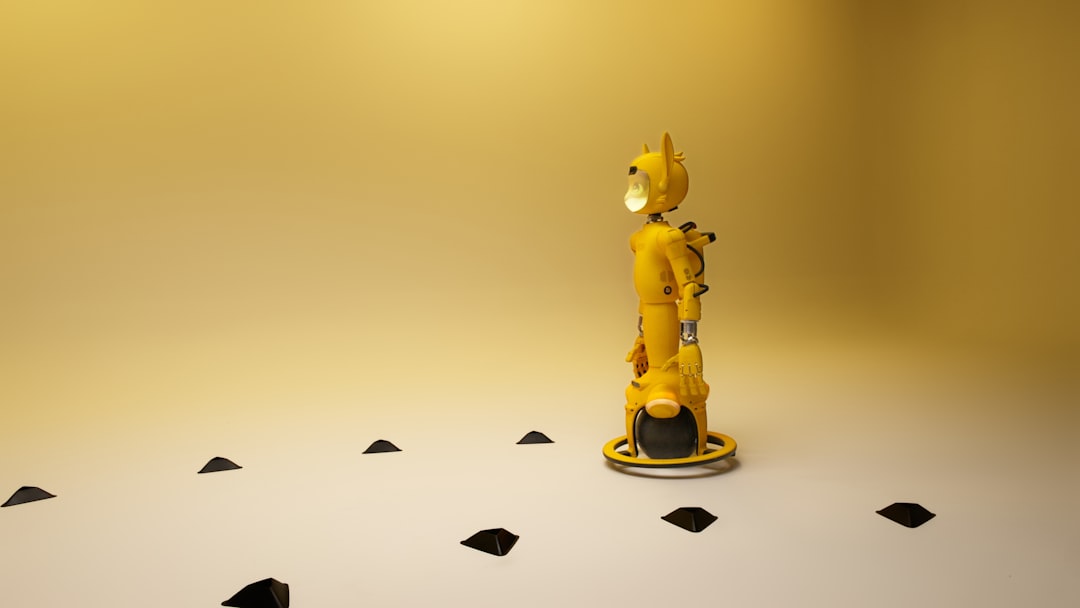 None Photo by Enchanted Tools on Unsplash |
| json metadata | {"tags": ["future", "sci-fi", "robot", "space", "ai"], "image": ["https://images.unsplash.com/photo-1768323102310-965beb4849ba?crop=entropy&cs=tinysrgb&fit=max&fm=jpg&ixid=M3w4OTAwOTl8MHwxfHNlYXJjaHwyMnx8cm9ib3RpYyUyMGlubm92YXRpb25zfGVufDB8MHx8fDE3NzQ3MTk0NTR8MA&ixlib=rb-4.1.0&q=80&w=1080"]} |
| parent author | |
| parent permlink | hive-119463 |
| permlink | post-b1c9yarp |
| title | Robotic innovations Guide for Beginners |
| Transaction Info | Block #104699799/Trx 01f1cf2795af16479df7492b796d95af05b703b2 |
View Raw JSON Data
{
"block": 104699799,
"op": [
"comment",
{
"author": "silvan1989",
"body": "\n\nNone\n\nPhoto by Enchanted Tools on Unsplash",
"json_metadata": "{\"tags\": [\"future\", \"sci-fi\", \"robot\", \"space\", \"ai\"], \"image\": [\"https://images.unsplash.com/photo-1768323102310-965beb4849ba?crop=entropy&cs=tinysrgb&fit=max&fm=jpg&ixid=M3w4OTAwOTl8MHwxfHNlYXJjaHwyMnx8cm9ib3RpYyUyMGlubm92YXRpb25zfGVufDB8MHx8fDE3NzQ3MTk0NTR8MA&ixlib=rb-4.1.0&q=80&w=1080\"]}",
"parent_author": "",
"parent_permlink": "hive-119463",
"permlink": "post-b1c9yarp",
"title": "Robotic innovations Guide for Beginners"
}
],
"op_in_trx": 0,
"timestamp": "2026-03-28T17:37:36",
"trx_id": "01f1cf2795af16479df7492b796d95af05b703b2",
"trx_in_block": 0,
"virtual_op": 0
}doodlebirdupvoted (100.00%) @silvan1989 / post-2yfayrmv2026/03/28 07:01:09
doodlebirdupvoted (100.00%) @silvan1989 / post-2yfayrmv
2026/03/28 07:01:09
| author | silvan1989 |
| permlink | post-2yfayrmv |
| voter | doodlebird |
| weight | 10000 (100.00%) |
| Transaction Info | Block #104687098/Trx ebdaa900ba0d6266e6a0a0b2e8b41ac6f5bf4aa1 |
View Raw JSON Data
{
  "block": 104687098,
  "op": [
    "vote",
    {
      "author": "silvan1989",
      "permlink": "post-2yfayrmv",
      "voter": "doodlebird",
      "weight": 10000
    }
  ],
  "op_in_trx": 0,
  "timestamp": "2026-03-28T07:01:09",
  "trx_id": "ebdaa900ba0d6266e6a0a0b2e8b41ac6f5bf4aa1",
  "trx_in_block": 0,
  "virtual_op": 0
}silvan1989published a new post: post-2yfayrmv2026/03/27 17:54:15
silvan1989published a new post: post-2yfayrmv
2026/03/27 17:54:15
| author | silvan1989 |
| body |  **Title: The Transformative Power of AI: Shaping Our Future** Artificial Intelligence (AI) is no longer a concept confined to science fiction; it is a reality that is transforming industries and reshaping our daily lives. From healthcare to finance, AI is revolutionizing the way we approach complex problems and make decisions. One of the most significant impacts of AI is in the field of healthcare, where it aids in diagnosing diseases with unprecedented accuracy, enabling personalized treatment plans, and accelerating drug discovery. In finance, AI algorithms analyze vast amounts of data to detect fraudulent activities and optimize investment strategies, enhancing security and profitability. Moreover, AI is driving innovation in transportation through the development of autonomous vehicles, promising safer and more efficient travel. In education, AI-powered tools provide personalized learning experiences, adapting to the needs of individual students and improving educational outcomes. As AI continues to evolve, it is crucial to address ethical considerations, such as data privacy and algorithmic bias, to ensure that its benefits are equitably distributed. In conclusion, AI holds immense potential to improve our world, but it requires careful management and collaboration across sectors to harness its full capabilities. As we stand on the brink of this technological revolution, embracing AI responsibly will be key to unlocking a future of unprecedented innovation and progress. Photo by Immo Wegmann on Unsplash |
| json metadata | {"tags": ["future", "sci-fi", "robot", "space", "ai"], "image": ["https://images.unsplash.com/photo-1739805591936-39f03383c9a9?crop=entropy&cs=tinysrgb&fit=max&fm=jpg&ixid=M3w4OTAwOTl8MHwxfHNlYXJjaHwxM3x8QUl8ZW58MHwwfHx8MTc3NDYzNDA1Nnww&ixlib=rb-4.1.0&q=80&w=1080"]} |
| parent author | |
| parent permlink | hive-119463 |
| permlink | post-2yfayrmv |
| title | Ai Guide for Beginners |
| Transaction Info | Block #104671394/Trx 636e6e0ba6a025a6334db3d64cc5f808d0f00d21 |
View Raw JSON Data
{
"block": 104671394,
"op": [
"comment",
{
"author": "silvan1989",
"body": "\n\n**Title: The Transformative Power of AI: Shaping Our Future**\n\nArtificial Intelligence (AI) is no longer a concept confined to science fiction; it is a reality that is transforming industries and reshaping our daily lives. From healthcare to finance, AI is revolutionizing the way we approach complex problems and make decisions. One of the most significant impacts of AI is in the field of healthcare, where it aids in diagnosing diseases with unprecedented accuracy, enabling personalized treatment plans, and accelerating drug discovery. In finance, AI algorithms analyze vast amounts of data to detect fraudulent activities and optimize investment strategies, enhancing security and profitability.\n\nMoreover, AI is driving innovation in transportation through the development of autonomous vehicles, promising safer and more efficient travel. In education, AI-powered tools provide personalized learning experiences, adapting to the needs of individual students and improving educational outcomes. As AI continues to evolve, it is crucial to address ethical considerations, such as data privacy and algorithmic bias, to ensure that its benefits are equitably distributed.\n\nIn conclusion, AI holds immense potential to improve our world, but it requires careful management and collaboration across sectors to harness its full capabilities. As we stand on the brink of this technological revolution, embracing AI responsibly will be key to unlocking a future of unprecedented innovation and progress.\n\nPhoto by Immo Wegmann on Unsplash",
"json_metadata": "{\"tags\": [\"future\", \"sci-fi\", \"robot\", \"space\", \"ai\"], \"image\": [\"https://images.unsplash.com/photo-1739805591936-39f03383c9a9?crop=entropy&cs=tinysrgb&fit=max&fm=jpg&ixid=M3w4OTAwOTl8MHwxfHNlYXJjaHwxM3x8QUl8ZW58MHwwfHx8MTc3NDYzNDA1Nnww&ixlib=rb-4.1.0&q=80&w=1080\"]}",
"parent_author": "",
"parent_permlink": "hive-119463",
"permlink": "post-2yfayrmv",
"title": "Ai Guide for Beginners"
}
],
"op_in_trx": 0,
"timestamp": "2026-03-27T17:54:15",
"trx_id": "636e6e0ba6a025a6334db3d64cc5f808d0f00d21",
"trx_in_block": 4,
"virtual_op": 0
}documenupvoted (100.00%) @silvan1989 / post-onmfc0vi2026/03/26 18:15:06
documenupvoted (100.00%) @silvan1989 / post-onmfc0vi
2026/03/26 18:15:06
| author | silvan1989 |
| permlink | post-onmfc0vi |
| voter | documen |
| weight | 10000 (100.00%) |
| Transaction Info | Block #104643068/Trx 6d7d55cef4fa5f76078eca7090cbc2712b8fcdd4 |
View Raw JSON Data
{
  "block": 104643068,
  "op": [
    "vote",
    {
      "author": "silvan1989",
      "permlink": "post-onmfc0vi",
      "voter": "documen",
      "weight": 10000
    }
  ],
  "op_in_trx": 0,
  "timestamp": "2026-03-26T18:15:06",
  "trx_id": "6d7d55cef4fa5f76078eca7090cbc2712b8fcdd4",
  "trx_in_block": 1,
  "virtual_op": 0
}silvan1989published a new post: post-onmfc0vi2026/03/26 18:03:51
silvan1989published a new post: post-onmfc0vi
2026/03/26 18:03:51
| author | silvan1989 |
| body |  **Exploring the Frontiers of Space Technology** Space technology has revolutionized our understanding of the universe and continues to push the boundaries of human exploration. From the first satellite launched into orbit to the latest Mars rovers, advancements in this field have transformed how we perceive our place in the cosmos. Today, space technology encompasses a wide array of innovations, including satellite communications, space telescopes, and interplanetary probes. These technologies not only enhance our scientific knowledge but also have practical applications on Earth, such as improving weather forecasting and global positioning systems. As private companies like SpaceX and Blue Origin enter the arena, the future of space exploration looks more promising than ever, with plans for lunar bases and manned missions to Mars on the horizon. In conclusion, space technology stands as a testament to human ingenuity and curiosity. It has opened new avenues for discovery and has the potential to address some of the most pressing challenges we face on Earth. As we continue to explore the vastness of space, the innovations born from this quest will undoubtedly lead to breakthroughs that benefit all of humanity. The journey into space is not just about reaching new worlds; it is about expanding our horizons and inspiring future generations to dream big. Photo by Jakub Żerdzicki on Unsplash |
| json metadata | {"tags": ["future", "sci-fi", "robot", "space", "ai"], "image": ["https://images.unsplash.com/photo-1759660973975-145c63d712d4?crop=entropy&cs=tinysrgb&fit=max&fm=jpg&ixid=M3w4OTAwOTl8MHwxfHNlYXJjaHw4fHxzcGFjZSUyMHRlY2hub2xvZ3l8ZW58MHwwfHx8MTc3NDU0ODIzMHww&ixlib=rb-4.1.0&q=80&w=1080"]} |
| parent author | |
| parent permlink | hive-119463 |
| permlink | post-onmfc0vi |
| title | Space technology Guide for Beginners |
| Transaction Info | Block #104642843/Trx fcafbd0e4d9190df0dedf780b91c009ad37429b0 |
View Raw JSON Data
{
"block": 104642843,
"op": [
"comment",
{
"author": "silvan1989",
"body": "\n\n**Exploring the Frontiers of Space Technology**\n\nSpace technology has revolutionized our understanding of the universe and continues to push the boundaries of human exploration. From the first satellite launched into orbit to the latest Mars rovers, advancements in this field have transformed how we perceive our place in the cosmos. Today, space technology encompasses a wide array of innovations, including satellite communications, space telescopes, and interplanetary probes. These technologies not only enhance our scientific knowledge but also have practical applications on Earth, such as improving weather forecasting and global positioning systems. As private companies like SpaceX and Blue Origin enter the arena, the future of space exploration looks more promising than ever, with plans for lunar bases and manned missions to Mars on the horizon.\n\nIn conclusion, space technology stands as a testament to human ingenuity and curiosity. It has opened new avenues for discovery and has the potential to address some of the most pressing challenges we face on Earth. As we continue to explore the vastness of space, the innovations born from this quest will undoubtedly lead to breakthroughs that benefit all of humanity. The journey into space is not just about reaching new worlds; it is about expanding our horizons and inspiring future generations to dream big.\n\nPhoto by Jakub Żerdzicki on Unsplash",
"json_metadata": "{\"tags\": [\"future\", \"sci-fi\", \"robot\", \"space\", \"ai\"], \"image\": [\"https://images.unsplash.com/photo-1759660973975-145c63d712d4?crop=entropy&cs=tinysrgb&fit=max&fm=jpg&ixid=M3w4OTAwOTl8MHwxfHNlYXJjaHw4fHxzcGFjZSUyMHRlY2hub2xvZ3l8ZW58MHwwfHx8MTc3NDU0ODIzMHww&ixlib=rb-4.1.0&q=80&w=1080\"]}",
"parent_author": "",
"parent_permlink": "hive-119463",
"permlink": "post-onmfc0vi",
"title": "Space technology Guide for Beginners"
}
],
"op_in_trx": 0,
"timestamp": "2026-03-26T18:03:51",
"trx_id": "fcafbd0e4d9190df0dedf780b91c009ad37429b0",
"trx_in_block": 1,
"virtual_op": 0
}silvan1989updated their account properties2026/03/25 22:40:00
silvan1989updated their account properties
2026/03/25 22:40:00
| account | silvan1989 |
| extensions | [] |
| json metadata | |
| posting json metadata | {"profile":{"profile_image":"https://cdn.steemitimages.com/DQmQmad1pJGopoQ1QA4fsqq1U6G497jCywrgccQsdgBo9TZ/IMG_5805.jpeg","cover_image":"https://cdn.steemitimages.com/DQmNnB4RGoF8gQaeBWr9dfp2dYb77KQj29pmXCeJsksM33E/IMG_5806.jpeg","name":"Silvanture","about":"Mapping the digital frontier. 🌌 From cyberpunk aesthetics and AI ethics to deep-space colonization.","location":"Future","version":2}} |
| Transaction Info | Block #104619622/Trx 8d3f8b955a8e111ad85713dfdbec4a1b840b5c96 |
View Raw JSON Data
{
  "block": 104619622,
  "op": [
    "account_update2",
    {
      "account": "silvan1989",
      "extensions": [],
      "json_metadata": "",
      "posting_json_metadata": "{\"profile\":{\"profile_image\":\"https://cdn.steemitimages.com/DQmQmad1pJGopoQ1QA4fsqq1U6G497jCywrgccQsdgBo9TZ/IMG_5805.jpeg\",\"cover_image\":\"https://cdn.steemitimages.com/DQmNnB4RGoF8gQaeBWr9dfp2dYb77KQj29pmXCeJsksM33E/IMG_5806.jpeg\",\"name\":\"Silvanture\",\"about\":\"Mapping the digital frontier. 🌌 From cyberpunk aesthetics and AI ethics to deep-space colonization.\",\"location\":\"Future\",\"version\":2}}"
    }
  ],
  "op_in_trx": 0,
  "timestamp": "2026-03-25T22:40:00",
  "trx_id": "8d3f8b955a8e111ad85713dfdbec4a1b840b5c96",
  "trx_in_block": 0,
  "virtual_op": 0
}inertiaupvoted (100.00%) @silvan1989 / post-5mkggf3b2026/03/25 22:38:42
inertiaupvoted (100.00%) @silvan1989 / post-5mkggf3b
2026/03/25 22:38:42
| author | silvan1989 |
| permlink | post-5mkggf3b |
| voter | inertia |
| weight | 10000 (100.00%) |
| Transaction Info | Block #104619596/Trx 97b65e3af359fd531a3f65126f05646d27e14928 |
View Raw JSON Data
{
  "block": 104619596,
  "op": [
    "vote",
    {
      "author": "silvan1989",
      "permlink": "post-5mkggf3b",
      "voter": "inertia",
      "weight": 10000
    }
  ],
  "op_in_trx": 0,
  "timestamp": "2026-03-25T22:38:42",
  "trx_id": "97b65e3af359fd531a3f65126f05646d27e14928",
  "trx_in_block": 0,
  "virtual_op": 0
}spam-filterupvoted (1.00%) @silvan1989 / post-5mkggf3b2026/03/25 22:20:39
spam-filterupvoted (1.00%) @silvan1989 / post-5mkggf3b
2026/03/25 22:20:39
| author | silvan1989 |
| permlink | post-5mkggf3b |
| voter | spam-filter |
| weight | 100 (1.00%) |
| Transaction Info | Block #104619237/Trx 2ba732e349d0460892cf356c176638efe3884961 |
View Raw JSON Data
{
  "block": 104619237,
  "op": [
    "vote",
    {
      "author": "silvan1989",
      "permlink": "post-5mkggf3b",
      "voter": "spam-filter",
      "weight": 100
    }
  ],
  "op_in_trx": 0,
  "timestamp": "2026-03-25T22:20:39",
  "trx_id": "2ba732e349d0460892cf356c176638efe3884961",
  "trx_in_block": 1,
  "virtual_op": 0
}silvan1989published a new post: post-5mkggf3b2026/03/25 22:18:42
silvan1989published a new post: post-5mkggf3b
2026/03/25 22:18:42
| author | silvan1989 |
| body | 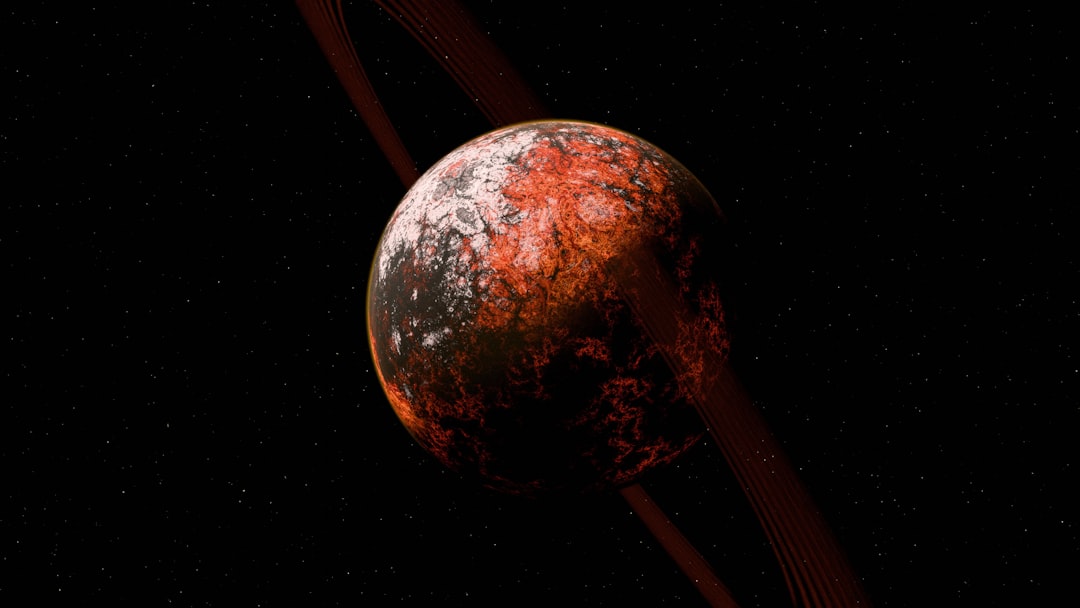 Okay, here’s a blog post about sci-fi universes, aiming for a quality and engaging read, and meeting the specified length and structure requirements: --- **Beyond the Stars: Why We Keep Returning to Rich Sci-Fi Universes** For decades, science fiction has captivated our imaginations, offering glimpses into worlds both terrifying and breathtakingly beautiful. But it’s not just about spaceships and laser guns; the *real* magic of the genre lies in the meticulously crafted universes that underpin those stories. From the sprawling galaxy of Star Wars to the gritty, dystopian streets of Cyberpunk 2077, and the complex political landscape of Dune, these universes aren’t just backdrops – they’re living, breathing entities with their own histories, cultures, technologies, and internal conflicts. What keeps us so consistently drawn back to them? It’s a combination of factors. Firstly, there’s the sheer scope of possibility. A well-developed sci-fi universe allows authors to explore ‘what if’ scenarios on a grand scale, tackling philosophical questions about humanity, society, and our place in the cosmos. Consider the Asimovian Three Laws of Robotics – they’ve spawned countless debates and stories, demonstrating the power of a single, seemingly simple rule to generate a universe of ethical dilemmas. Furthermore, the best sci-fi universes feel *real*. They have internal consistency – the technology works within the established rules, the societies have believable hierarchies and motivations, and the characters react in ways that make sense within that context. This sense of immersion is crucial; it’s what allows us to truly lose ourselves in the narrative and forget, for a little while, that we’re reading a story. The ongoing expansion of these universes through books, films, games, and even fan-created content only deepens the experience, offering new layers of lore and perspectives. The success of franchises like Star Trek and Marvel Comics isn’t accidental. They’ve built incredibly detailed universes that have evolved over decades, incorporating new characters, storylines, and technological advancements while retaining the core elements that made them appealing in the first place. Marvel’s multiverse, for example, allows for infinite variations on characters and stories, constantly refreshing the experience for long-time fans and attracting new readers. Similarly, Star Trek’s exploration of diplomacy and ethical dilemmas continues to resonate with audiences, even as the series adapts to new formats and technologies. Photo by Marek Pavlík on Unsplash |
| json metadata | {"tags": ["future", "sci-fi", "robot", "space", "ai"], "image": ["https://images.unsplash.com/photo-1754851342161-083a48d2e075?crop=entropy&cs=tinysrgb&fit=max&fm=jpg&ixid=M3w4OTAwOTl8MHwxfHNlYXJjaHw3fHxzY2ktZmklMjB1bml2ZXJzZXxlbnwwfDB8fHwxNzc0NDc3MTIyfDA&ixlib=rb-4.1.0&q=80&w=1080"]} |
| parent author | |
| parent permlink | hive-119463 |
| permlink | post-5mkggf3b |
| title | Sci-fi universe Guide for Beginners |
| Transaction Info | Block #104619198/Trx a6398a9c1a40e8c1202e0f3f66a293cac72e0676 |
View Raw JSON Data
{
"block": 104619198,
"op": [
"comment",
{
"author": "silvan1989",
"body": "\n\nOkay, here’s a blog post about sci-fi universes, aiming for a quality and engaging read, and meeting the specified length and structure requirements:\n\n---\n\n**Beyond the Stars: Why We Keep Returning to Rich Sci-Fi Universes**\n\nFor decades, science fiction has captivated our imaginations, offering glimpses into worlds both terrifying and breathtakingly beautiful. But it’s not just about spaceships and laser guns; the *real* magic of the genre lies in the meticulously crafted universes that underpin those stories. From the sprawling galaxy of Star Wars to the gritty, dystopian streets of Cyberpunk 2077, and the complex political landscape of Dune, these universes aren’t just backdrops – they’re living, breathing entities with their own histories, cultures, technologies, and internal conflicts. What keeps us so consistently drawn back to them? It’s a combination of factors. Firstly, there’s the sheer scope of possibility. A well-developed sci-fi universe allows authors to explore ‘what if’ scenarios on a grand scale, tackling philosophical questions about humanity, society, and our place in the cosmos. Consider the Asimovian Three Laws of Robotics – they’ve spawned countless debates and stories, demonstrating the power of a single, seemingly simple rule to generate a universe of ethical dilemmas. Furthermore, the best sci-fi universes feel *real*. They have internal consistency – the technology works within the established rules, the societies have believable hierarchies and motivations, and the characters react in ways that make sense within that context. This sense of immersion is crucial; it’s what allows us to truly lose ourselves in the narrative and forget, for a little while, that we’re reading a story. The ongoing expansion of these universes through books, films, games, and even fan-created content only deepens the experience, offering new layers of lore and perspectives.\n\nThe success of franchises like Star Trek and Marvel Comics isn’t accidental. They’ve built incredibly detailed universes that have evolved over decades, incorporating new characters, storylines, and technological advancements while retaining the core elements that made them appealing in the first place. Marvel’s multiverse, for example, allows for infinite variations on characters and stories, constantly refreshing the experience for long-time fans and attracting new readers. Similarly, Star Trek’s exploration of diplomacy and ethical dilemmas continues to resonate with audiences, even as the series adapts to new formats and technologies. \n\nPhoto by Marek Pavlík on Unsplash",
"json_metadata": "{\"tags\": [\"future\", \"sci-fi\", \"robot\", \"space\", \"ai\"], \"image\": [\"https://images.unsplash.com/photo-1754851342161-083a48d2e075?crop=entropy&cs=tinysrgb&fit=max&fm=jpg&ixid=M3w4OTAwOTl8MHwxfHNlYXJjaHw3fHxzY2ktZmklMjB1bml2ZXJzZXxlbnwwfDB8fHwxNzc0NDc3MTIyfDA&ixlib=rb-4.1.0&q=80&w=1080\"]}",
"parent_author": "",
"parent_permlink": "hive-119463",
"permlink": "post-5mkggf3b",
"title": "Sci-fi universe Guide for Beginners"
}
],
"op_in_trx": 0,
"timestamp": "2026-03-25T22:18:42",
"trx_id": "a6398a9c1a40e8c1202e0f3f66a293cac72e0676",
"trx_in_block": 0,
"virtual_op": 0
}steemdelegated 10.053 SP to @silvan19892026/03/23 15:10:09
steemdelegated 10.053 SP to @silvan1989
2026/03/23 15:10:09
| delegatee | silvan1989 |
| delegator | steem |
| vesting shares | 16350.346106 VESTS |
| Transaction Info | Block #104553166/Trx 3501a05b239d07f1a42f804c3ebd6d8ad16d7b90 |
View Raw JSON Data
{
  "block": 104553166,
  "op": [
    "delegate_vesting_shares",
    {
      "delegatee": "silvan1989",
      "delegator": "steem",
      "vesting_shares": "16350.346106 VESTS"
    }
  ],
  "op_in_trx": 0,
  "timestamp": "2026-03-23T15:10:09",
  "trx_id": "3501a05b239d07f1a42f804c3ebd6d8ad16d7b90",
  "trx_in_block": 0,
  "virtual_op": 0
}steemdelegated 10.710 SP to @silvan19892026/03/23 14:47:33
steemdelegated 10.710 SP to @silvan1989
2026/03/23 14:47:33
| delegatee | silvan1989 |
| delegator | steem |
| vesting shares | 17419.000000 VESTS |
| Transaction Info | Block #104552715/Trx 432338c5a100e007ed248aa59665b39cf97615c1 |
View Raw JSON Data
{
  "block": 104552715,
  "op": [
    "delegate_vesting_shares",
    {
      "delegatee": "silvan1989",
      "delegator": "steem",
      "vesting_shares": "17419.000000 VESTS"
    }
  ],
  "op_in_trx": 0,
  "timestamp": "2026-03-23T14:47:33",
  "trx_id": "432338c5a100e007ed248aa59665b39cf97615c1",
  "trx_in_block": 1,
  "virtual_op": 0
}steemcurator01created a new account: @silvan19892026/03/23 14:47:30
steemcurator01created a new account: @silvan1989
2026/03/23 14:47:30
| active | {"account_auths":[],"key_auths":[["STM84jMGXzeWQL6XsHWr5J85QBHWv1hSPKuch5FfxYjdjPUg4fwp9",1]],"weight_threshold":1} |
| creator | steemcurator01 |
| extensions | [] |
| json metadata | {} |
| memo key | STM6MyaHyuGbpcv2RWV6WRSfWDroTdTyG9wJB3fDJZFZv5MQE9d85 |
| new account name | silvan1989 |
| owner | {"account_auths":[],"key_auths":[["STM6ppyYGvZq96jrJBSicuF1nxtP3emDPjXqFBHKnpwAzFGyEh4gR",1]],"weight_threshold":1} |
| posting | {"account_auths":[],"key_auths":[["STM5aig6x9P76MTXTDF9msx3MTYjTdJ8F9Es5AChcBTDzFWmZyyaJ",1]],"weight_threshold":1} |
| Transaction Info | Block #104552714/Trx c970a1e458916e8a89896beb75a7b5a03abaeae5 |
View Raw JSON Data
{
  "block": 104552714,
  "op": [
    "create_claimed_account",
    {
      "active": {
        "account_auths": [],
        "key_auths": [
          [
            "STM84jMGXzeWQL6XsHWr5J85QBHWv1hSPKuch5FfxYjdjPUg4fwp9",
            1
          ]
        ],
        "weight_threshold": 1
      },
      "creator": "steemcurator01",
      "extensions": [],
      "json_metadata": "{}",
      "memo_key": "STM6MyaHyuGbpcv2RWV6WRSfWDroTdTyG9wJB3fDJZFZv5MQE9d85",
      "new_account_name": "silvan1989",
      "owner": {
        "account_auths": [],
        "key_auths": [
          [
            "STM6ppyYGvZq96jrJBSicuF1nxtP3emDPjXqFBHKnpwAzFGyEh4gR",
            1
          ]
        ],
        "weight_threshold": 1
      },
      "posting": {
        "account_auths": [],
        "key_auths": [
          [
            "STM5aig6x9P76MTXTDF9msx3MTYjTdJ8F9Es5AChcBTDzFWmZyyaJ",
            1
          ]
        ],
        "weight_threshold": 1
      }
    }
  ],
  "op_in_trx": 0,
  "timestamp": "2026-03-23T14:47:30",
  "trx_id": "c970a1e458916e8a89896beb75a7b5a03abaeae5",
  "trx_in_block": 8,
  "virtual_op": 0
}Manabar
Voting Power100.00%
Downvote Power100.00%
Resource Credits100.00%
Reputation Progress0.00%
{
  "voting_manabar": {
    "current_mana": "16350346106",
    "last_update_time": 1774278609
  },
  "downvote_manabar": {
    "current_mana": 4087586527,
    "last_update_time": 1774278609
  },
  "rc_account": {
    "account": "silvan1989",
    "max_rc": "21255449590",
    "max_rc_creation_adjustment": {
      "amount": "4905103484",
      "nai": "@@000000037",
      "precision": 6
    },
    "rc_manabar": {
      "current_mana": "19441232706",
      "last_update_time": 1778179776
    }
  }
}
Account Metadata
| POSTING JSON METADATA | |
| profile | {"profile_image":"https://cdn.steemitimages.com/DQmQmad1pJGopoQ1QA4fsqq1U6G497jCywrgccQsdgBo9TZ/IMG_5805.jpeg","cover_image":"https://cdn.steemitimages.com/DQmNnB4RGoF8gQaeBWr9dfp2dYb77KQj29pmXCeJsksM33E/IMG_5806.jpeg","name":"Silvanture","about":"Mapping the digital frontier. 🌌 From cyberpunk aesthetics and AI ethics to deep-space colonization.","location":"Future","version":2} |
| JSON METADATA | |
| None | |
{
  "posting_json_metadata": {
    "profile": {
      "profile_image": "https://cdn.steemitimages.com/DQmQmad1pJGopoQ1QA4fsqq1U6G497jCywrgccQsdgBo9TZ/IMG_5805.jpeg",
      "cover_image": "https://cdn.steemitimages.com/DQmNnB4RGoF8gQaeBWr9dfp2dYb77KQj29pmXCeJsksM33E/IMG_5806.jpeg",
      "name": "Silvanture",
      "about": "Mapping the digital frontier. 🌌 From cyberpunk aesthetics and AI ethics to deep-space colonization.",
      "location": "Future",
      "version": 2
    }
  },
  "json_metadata": {}
}
Auth Keys
Owner
Single Signature
Public Keys
STM6ppyYGvZq96jrJBSicuF1nxtP3emDPjXqFBHKnpwAzFGyEh4gR1/1
Active
Single Signature
Public Keys
STM84jMGXzeWQL6XsHWr5J85QBHWv1hSPKuch5FfxYjdjPUg4fwp91/1
Posting
Single Signature
Public Keys
STM5aig6x9P76MTXTDF9msx3MTYjTdJ8F9Es5AChcBTDzFWmZyyaJ1/1
Memo
STM6MyaHyuGbpcv2RWV6WRSfWDroTdTyG9wJB3fDJZFZv5MQE9d85
{
  "owner": {
    "account_auths": [],
    "key_auths": [
      [
        "STM6ppyYGvZq96jrJBSicuF1nxtP3emDPjXqFBHKnpwAzFGyEh4gR",
        1
      ]
    ],
    "weight_threshold": 1
  },
  "active": {
    "account_auths": [],
    "key_auths": [
      [
        "STM84jMGXzeWQL6XsHWr5J85QBHWv1hSPKuch5FfxYjdjPUg4fwp9",
        1
      ]
    ],
    "weight_threshold": 1
  },
  "posting": {
    "account_auths": [],
    "key_auths": [
      [
        "STM5aig6x9P76MTXTDF9msx3MTYjTdJ8F9Es5AChcBTDzFWmZyyaJ",
        1
      ]
    ],
    "weight_threshold": 1
  },
  "memo": "STM6MyaHyuGbpcv2RWV6WRSfWDroTdTyG9wJB3fDJZFZv5MQE9d85"
}
Witness Votes
0 / 30
No active witness votes.
[]