

VOTING POWER100.00%
DOWNVOTE POWER100.00%
RESOURCE CREDITS100.00%
REPUTATION PROGRESS7.94%
Net Worth
0.136USD
STEEM
0.002STEEM
SBD
0.201SBD
Effective Power
5.007SP
├── Own SP
0.685SP
└── Incoming DelegationsDeleg
+4.321SP
Detailed Balance
| STEEM | ||
| balance | 0.002STEEM | STEEM |
| market_balance | 0.000STEEM | STEEM |
| savings_balance | 0.000STEEM | STEEM |
| reward_steem_balance | 0.000STEEM | STEEM |
| STEEM POWER | ||
| Own SP | 0.685SP | SP |
| Delegated Out | 0.000SP | SP |
| Delegation In | 4.321SP | SP |
| Effective Power | 5.007SP | SP |
| Reward SP (pending) | 0.000SP | SP |
| SBD | ||
| sbd_balance | 0.201SBD | SBD |
| sbd_conversions | 0.000SBD | SBD |
| sbd_market_balance | 0.000SBD | SBD |
| savings_sbd_balance | 0.000SBD | SBD |
| reward_sbd_balance | 0.000SBD | SBD |
{
  "balance": "0.002 STEEM",
  "savings_balance": "0.000 STEEM",
  "reward_steem_balance": "0.000 STEEM",
  "vesting_shares": "1114.845810 VESTS",
  "delegated_vesting_shares": "0.000000 VESTS",
  "received_vesting_shares": "7028.813996 VESTS",
  "sbd_balance": "0.201 SBD",
  "savings_sbd_balance": "0.000 SBD",
  "reward_sbd_balance": "0.000 SBD",
  "conversions": []
}
Account Info
| name | usmanutmanzai |
| id | 537634 |
| rank | 1,293,620 |
| reputation | 1020508933 |
| created | 2017-12-29T07:00:39 |
| recovery_account | steem |
| proxy | None |
| post_count | 51 |
| comment_count | 0 |
| lifetime_vote_count | 0 |
| witnesses_voted_for | 0 |
| last_post | 2018-01-20T12:09:27 |
| last_root_post | 2018-01-20T12:09:27 |
| last_vote_time | 2018-01-20T13:07:27 |
| proxied_vsf_votes | 0, 0, 0, 0 |
| can_vote | 1 |
| voting_power | 0 |
| delayed_votes | 0 |
| balance | 0.002 STEEM |
| savings_balance | 0.000 STEEM |
| sbd_balance | 0.201 SBD |
| savings_sbd_balance | 0.000 SBD |
| vesting_shares | 1114.845810 VESTS |
| delegated_vesting_shares | 0.000000 VESTS |
| received_vesting_shares | 7028.813996 VESTS |
| reward_vesting_balance | 0.000000 VESTS |
| vesting_balance | 0.000 STEEM |
| vesting_withdraw_rate | 0.000000 VESTS |
| next_vesting_withdrawal | 1969-12-31T23:59:59 |
| withdrawn | 0 |
| to_withdraw | 0 |
| withdraw_routes | 0 |
| savings_withdraw_requests | 0 |
| last_account_recovery | 1970-01-01T00:00:00 |
| reset_account | null |
| last_owner_update | 1970-01-01T00:00:00 |
| last_account_update | 2017-12-31T20:56:39 |
| mined | No |
| sbd_seconds | 0 |
| sbd_last_interest_payment | 2018-02-02T05:34:03 |
| savings_sbd_last_interest_payment | 1970-01-01T00:00:00 |
{
  "id": 537634,
  "name": "usmanutmanzai",
  "owner": {
    "weight_threshold": 1,
    "account_auths": [],
    "key_auths": [
      [
        "STM6tWBndmRBjabqcpPq4EAD3wXTk23i436bdxwr2HGBQdZKaMYUc",
        1
      ]
    ]
  },
  "active": {
    "weight_threshold": 1,
    "account_auths": [],
    "key_auths": [
      [
        "STM5hn6PnTiWrkh8vgDe2tk2ej2b2KQM1K9GsaMdfarRp4oJ66RZm",
        1
      ]
    ]
  },
  "posting": {
    "weight_threshold": 1,
    "account_auths": [],
    "key_auths": [
      [
        "STM7LFa8Rvho7xsZivdehpYxov8aNVxVJaktaPEWiaN3ouKaKx6Ax",
        1
      ]
    ]
  },
  "memo_key": "STM64Cja2ZfgyAA8Qgq9JLL6vyNnkBYHmJJVoUrSYAy2JXCPxGysa",
  "json_metadata": "{\"profile\":{\"name\":\"Usmanutmanzai\",\"about\":\"Doctor(M.D) \",\"location\":\"Pakistan\",\"profile_image\":\"https://scontent-sin.xx.fbcdn.net/v/t1.0-9/13055584_1050561115030401_7747926211190310705_n.jpg?_nc_fx=ffjr1-1&oh=74923c42ec1b2198888ef48f58b4c0bb&oe=5AFF1538\"}}",
  "posting_json_metadata": "{\"profile\":{\"name\":\"Usmanutmanzai\",\"about\":\"Doctor(M.D) \",\"location\":\"Pakistan\",\"profile_image\":\"https://scontent-sin.xx.fbcdn.net/v/t1.0-9/13055584_1050561115030401_7747926211190310705_n.jpg?_nc_fx=ffjr1-1&oh=74923c42ec1b2198888ef48f58b4c0bb&oe=5AFF1538\"}}",
  "proxy": "",
  "last_owner_update": "1970-01-01T00:00:00",
  "last_account_update": "2017-12-31T20:56:39",
  "created": "2017-12-29T07:00:39",
  "mined": false,
  "recovery_account": "steem",
  "last_account_recovery": "1970-01-01T00:00:00",
  "reset_account": "null",
  "comment_count": 0,
  "lifetime_vote_count": 0,
  "post_count": 51,
  "can_vote": true,
  "voting_manabar": {
    "current_mana": "8143659806",
    "last_update_time": 1779090648
  },
  "downvote_manabar": {
    "current_mana": 2035914951,
    "last_update_time": 1779090648
  },
  "voting_power": 0,
  "balance": "0.002 STEEM",
  "savings_balance": "0.000 STEEM",
  "sbd_balance": "0.201 SBD",
  "sbd_seconds": "0",
  "sbd_seconds_last_update": "2018-02-02T05:34:03",
  "sbd_last_interest_payment": "2018-02-02T05:34:03",
  "savings_sbd_balance": "0.000 SBD",
  "savings_sbd_seconds": "0",
  "savings_sbd_seconds_last_update": "1970-01-01T00:00:00",
  "savings_sbd_last_interest_payment": "1970-01-01T00:00:00",
  "savings_withdraw_requests": 0,
  "reward_sbd_balance": "0.000 SBD",
  "reward_steem_balance": "0.000 STEEM",
  "reward_vesting_balance": "0.000000 VESTS",
  "reward_vesting_steem": "0.000 STEEM",
  "vesting_shares": "1114.845810 VESTS",
  "delegated_vesting_shares": "0.000000 VESTS",
  "received_vesting_shares": "7028.813996 VESTS",
  "vesting_withdraw_rate": "0.000000 VESTS",
  "next_vesting_withdrawal": "1969-12-31T23:59:59",
  "withdrawn": 0,
  "to_withdraw": 0,
  "withdraw_routes": 0,
  "curation_rewards": 7,
  "posting_rewards": 72,
  "proxied_vsf_votes": [
    0,
    0,
    0,
    0
  ],
  "witnesses_voted_for": 0,
  "last_post": "2018-01-20T12:09:27",
  "last_root_post": "2018-01-20T12:09:27",
  "last_vote_time": "2018-01-20T13:07:27",
  "post_bandwidth": 0,
  "pending_claimed_accounts": 0,
  "vesting_balance": "0.000 STEEM",
  "reputation": 1020508933,
  "transfer_history": [],
  "market_history": [],
  "post_history": [],
  "vote_history": [],
  "other_history": [],
  "witness_votes": [],
  "tags_usage": [],
  "guest_bloggers": [],
  "rank": 1293620
}
Withdraw Routes
| Incoming | Outgoing |
|---|---|
Empty | Empty |
{
  "incoming": [],
  "outgoing": []
}From Date
To Date
steemdelegated 4.321 SP to @usmanutmanzai2026/05/18 07:50:48
steemdelegated 4.321 SP to @usmanutmanzai
2026/05/18 07:50:48
| delegator | steem |
| delegatee | usmanutmanzai |
| vesting shares | 7028.813996 VESTS |
| Transaction Info | Block #106152523/Trx 89fca0b8fcff069fef8ef739ae1ad683fdb5bbb5 |
View Raw JSON Data
{
  "trx_id": "89fca0b8fcff069fef8ef739ae1ad683fdb5bbb5",
  "block": 106152523,
  "trx_in_block": 1,
  "op_in_trx": 0,
  "virtual_op": 0,
  "timestamp": "2026-05-18T07:50:48",
  "op": [
    "delegate_vesting_shares",
    {
      "delegator": "steem",
      "delegatee": "usmanutmanzai",
      "vesting_shares": "7028.813996 VESTS"
    }
  ]
}steemdelegated 2.654 SP to @usmanutmanzai2026/05/13 10:39:03
steemdelegated 2.654 SP to @usmanutmanzai
2026/05/13 10:39:03
| delegator | steem |
| delegatee | usmanutmanzai |
| vesting shares | 4316.603591 VESTS |
| Transaction Info | Block #106012596/Trx b5f789bc98ad7738b7b9e03754708cb8674e762e |
View Raw JSON Data
{
  "trx_id": "b5f789bc98ad7738b7b9e03754708cb8674e762e",
  "block": 106012596,
  "trx_in_block": 2,
  "op_in_trx": 0,
  "virtual_op": 0,
  "timestamp": "2026-05-13T10:39:03",
  "op": [
    "delegate_vesting_shares",
    {
      "delegator": "steem",
      "delegatee": "usmanutmanzai",
      "vesting_shares": "4316.603591 VESTS"
    }
  ]
}steemdelegated 4.329 SP to @usmanutmanzai2026/04/26 07:00:39
steemdelegated 4.329 SP to @usmanutmanzai
2026/04/26 07:00:39
| delegator | steem |
| delegatee | usmanutmanzai |
| vesting shares | 7041.329752 VESTS |
| Transaction Info | Block #105519969/Trx b426fff7f1c4a353de2ce49a5697c43892f587c3 |
View Raw JSON Data
{
  "trx_id": "b426fff7f1c4a353de2ce49a5697c43892f587c3",
  "block": 105519969,
  "trx_in_block": 3,
  "op_in_trx": 0,
  "virtual_op": 0,
  "timestamp": "2026-04-26T07:00:39",
  "op": [
    "delegate_vesting_shares",
    {
      "delegator": "steem",
      "delegatee": "usmanutmanzai",
      "vesting_shares": "7041.329752 VESTS"
    }
  ]
}steemdelegated 2.679 SP to @usmanutmanzai2026/01/24 04:12:12
steemdelegated 2.679 SP to @usmanutmanzai
2026/01/24 04:12:12
| delegator | steem |
| delegatee | usmanutmanzai |
| vesting shares | 4358.150410 VESTS |
| Transaction Info | Block #102876241/Trx e22861b415fc80a18ec3fbe27f4b54a3fb45f87d |
View Raw JSON Data
{
  "trx_id": "e22861b415fc80a18ec3fbe27f4b54a3fb45f87d",
  "block": 102876241,
  "trx_in_block": 4,
  "op_in_trx": 0,
  "virtual_op": 0,
  "timestamp": "2026-01-24T04:12:12",
  "op": [
    "delegate_vesting_shares",
    {
      "delegator": "steem",
      "delegatee": "usmanutmanzai",
      "vesting_shares": "4358.150410 VESTS"
    }
  ]
}steemdelegated 2.780 SP to @usmanutmanzai2024/12/17 23:20:54
steemdelegated 2.780 SP to @usmanutmanzai
2024/12/17 23:20:54
| delegator | steem |
| delegatee | usmanutmanzai |
| vesting shares | 4522.369607 VESTS |
| Transaction Info | Block #91322437/Trx 5ff0fa34fb66e03ee5f1a50482b85e6aea3d965f |
View Raw JSON Data
{
  "trx_id": "5ff0fa34fb66e03ee5f1a50482b85e6aea3d965f",
  "block": 91322437,
  "trx_in_block": 3,
  "op_in_trx": 0,
  "virtual_op": 0,
  "timestamp": "2024-12-17T23:20:54",
  "op": [
    "delegate_vesting_shares",
    {
      "delegator": "steem",
      "delegatee": "usmanutmanzai",
      "vesting_shares": "4522.369607 VESTS"
    }
  ]
}steemdelegated 2.884 SP to @usmanutmanzai2023/11/14 14:59:30
steemdelegated 2.884 SP to @usmanutmanzai
2023/11/14 14:59:30
| delegator | steem |
| delegatee | usmanutmanzai |
| vesting shares | 4691.503139 VESTS |
| Transaction Info | Block #79876523/Trx d433d7ab71138a813c93ebeda06765faade743ad |
View Raw JSON Data
{
  "trx_id": "d433d7ab71138a813c93ebeda06765faade743ad",
  "block": 79876523,
  "trx_in_block": 3,
  "op_in_trx": 0,
  "virtual_op": 0,
  "timestamp": "2023-11-14T14:59:30",
  "op": [
    "delegate_vesting_shares",
    {
      "delegator": "steem",
      "delegatee": "usmanutmanzai",
      "vesting_shares": "4691.503139 VESTS"
    }
  ]
}steemdelegated 4.690 SP to @usmanutmanzai2023/09/22 12:13:21
steemdelegated 4.690 SP to @usmanutmanzai
2023/09/22 12:13:21
| delegator | steem |
| delegatee | usmanutmanzai |
| vesting shares | 7628.411925 VESTS |
| Transaction Info | Block #78365054/Trx 957f8404c24a74f4424af376fec4b6568e0406b4 |
View Raw JSON Data
{
  "trx_id": "957f8404c24a74f4424af376fec4b6568e0406b4",
  "block": 78365054,
  "trx_in_block": 3,
  "op_in_trx": 0,
  "virtual_op": 0,
  "timestamp": "2023-09-22T12:13:21",
  "op": [
    "delegate_vesting_shares",
    {
      "delegator": "steem",
      "delegatee": "usmanutmanzai",
      "vesting_shares": "7628.411925 VESTS"
    }
  ]
}steemdelegated 4.827 SP to @usmanutmanzai2022/11/03 19:28:18
steemdelegated 4.827 SP to @usmanutmanzai
2022/11/03 19:28:18
| delegator | steem |
| delegatee | usmanutmanzai |
| vesting shares | 7850.463363 VESTS |
| Transaction Info | Block #69122540/Trx b80edf51705f95e3e14d449399ffaa29529fec01 |
View Raw JSON Data
{
  "trx_id": "b80edf51705f95e3e14d449399ffaa29529fec01",
  "block": 69122540,
  "trx_in_block": 2,
  "op_in_trx": 0,
  "virtual_op": 0,
  "timestamp": "2022-11-03T19:28:18",
  "op": [
    "delegate_vesting_shares",
    {
      "delegator": "steem",
      "delegatee": "usmanutmanzai",
      "vesting_shares": "7850.463363 VESTS"
    }
  ]
}steemdelegated 4.962 SP to @usmanutmanzai2022/01/18 00:31:09
steemdelegated 4.962 SP to @usmanutmanzai
2022/01/18 00:31:09
| delegator | steem |
| delegatee | usmanutmanzai |
| vesting shares | 8070.570964 VESTS |
| Transaction Info | Block #60825608/Trx cde4e04578f58ab83c8a3aea84e49f537c340bdd |
View Raw JSON Data
{
  "trx_id": "cde4e04578f58ab83c8a3aea84e49f537c340bdd",
  "block": 60825608,
  "trx_in_block": 39,
  "op_in_trx": 0,
  "virtual_op": 0,
  "timestamp": "2022-01-18T00:31:09",
  "op": [
    "delegate_vesting_shares",
    {
      "delegator": "steem",
      "delegatee": "usmanutmanzai",
      "vesting_shares": "8070.570964 VESTS"
    }
  ]
}steemdelegated 5.075 SP to @usmanutmanzai2021/06/14 07:38:12
steemdelegated 5.075 SP to @usmanutmanzai
2021/06/14 07:38:12
| delegator | steem |
| delegatee | usmanutmanzai |
| vesting shares | 8254.765252 VESTS |
| Transaction Info | Block #54615850/Trx ce0efefb83c38f4e31d2c3a51e82e04a224a7d80 |
View Raw JSON Data
{
  "trx_id": "ce0efefb83c38f4e31d2c3a51e82e04a224a7d80",
  "block": 54615850,
  "trx_in_block": 3,
  "op_in_trx": 0,
  "virtual_op": 0,
  "timestamp": "2021-06-14T07:38:12",
  "op": [
    "delegate_vesting_shares",
    {
      "delegator": "steem",
      "delegatee": "usmanutmanzai",
      "vesting_shares": "8254.765252 VESTS"
    }
  ]
}steemdelegated 5.190 SP to @usmanutmanzai2020/12/11 17:49:03
steemdelegated 5.190 SP to @usmanutmanzai
2020/12/11 17:49:03
| delegator | steem |
| delegatee | usmanutmanzai |
| vesting shares | 8442.187226 VESTS |
| Transaction Info | Block #49363066/Trx 0e2f0b43b3197fb83a1c0cf25624ace2a36b2ad0 |
View Raw JSON Data
{
  "trx_id": "0e2f0b43b3197fb83a1c0cf25624ace2a36b2ad0",
  "block": 49363066,
  "trx_in_block": 3,
  "op_in_trx": 0,
  "virtual_op": 0,
  "timestamp": "2020-12-11T17:49:03",
  "op": [
    "delegate_vesting_shares",
    {
      "delegator": "steem",
      "delegatee": "usmanutmanzai",
      "vesting_shares": "8442.187226 VESTS"
    }
  ]
}steemdelegated 1.176 SP to @usmanutmanzai2020/12/06 11:24:09
steemdelegated 1.176 SP to @usmanutmanzai
2020/12/06 11:24:09
| delegator | steem |
| delegatee | usmanutmanzai |
| vesting shares | 1912.543513 VESTS |
| Transaction Info | Block #49214577/Trx 55f205d1854941e569c11e75e27732a7614f9f50 |
View Raw JSON Data
{
  "trx_id": "55f205d1854941e569c11e75e27732a7614f9f50",
  "block": 49214577,
  "trx_in_block": 9,
  "op_in_trx": 0,
  "virtual_op": 0,
  "timestamp": "2020-12-06T11:24:09",
  "op": [
    "delegate_vesting_shares",
    {
      "delegator": "steem",
      "delegatee": "usmanutmanzai",
      "vesting_shares": "1912.543513 VESTS"
    }
  ]
}steemdelegated 5.194 SP to @usmanutmanzai2020/12/05 21:26:51
steemdelegated 5.194 SP to @usmanutmanzai
2020/12/05 21:26:51
| delegator | steem |
| delegatee | usmanutmanzai |
| vesting shares | 8448.395080 VESTS |
| Transaction Info | Block #49198148/Trx 5d5d3b1b042e39d3ec0b79f83d76f75921da676d |
View Raw JSON Data
{
  "trx_id": "5d5d3b1b042e39d3ec0b79f83d76f75921da676d",
  "block": 49198148,
  "trx_in_block": 1,
  "op_in_trx": 0,
  "virtual_op": 0,
  "timestamp": "2020-12-05T21:26:51",
  "op": [
    "delegate_vesting_shares",
    {
      "delegator": "steem",
      "delegatee": "usmanutmanzai",
      "vesting_shares": "8448.395080 VESTS"
    }
  ]
}steemdelegated 1.180 SP to @usmanutmanzai2020/11/03 05:28:51
steemdelegated 1.180 SP to @usmanutmanzai
2020/11/03 05:28:51
| delegator | steem |
| delegatee | usmanutmanzai |
| vesting shares | 1920.017158 VESTS |
| Transaction Info | Block #48274097/Trx f037397f5ebc419c2180120523659aa04d263d31 |
View Raw JSON Data
{
  "trx_id": "f037397f5ebc419c2180120523659aa04d263d31",
  "block": 48274097,
  "trx_in_block": 0,
  "op_in_trx": 0,
  "virtual_op": 0,
  "timestamp": "2020-11-03T05:28:51",
  "op": [
    "delegate_vesting_shares",
    {
      "delegator": "steem",
      "delegatee": "usmanutmanzai",
      "vesting_shares": "1920.017158 VESTS"
    }
  ]
}steemdelegated 5.319 SP to @usmanutmanzai2020/05/09 12:28:39
steemdelegated 5.319 SP to @usmanutmanzai
2020/05/09 12:28:39
| delegator | steem |
| delegatee | usmanutmanzai |
| vesting shares | 8651.200439 VESTS |
| Transaction Info | Block #43224931/Trx 9ca65f5676c31f841866222274ee1ca37ba000c7 |
View Raw JSON Data
{
  "trx_id": "9ca65f5676c31f841866222274ee1ca37ba000c7",
  "block": 43224931,
  "trx_in_block": 23,
  "op_in_trx": 0,
  "virtual_op": 0,
  "timestamp": "2020-05-09T12:28:39",
  "op": [
    "delegate_vesting_shares",
    {
      "delegator": "steem",
      "delegatee": "usmanutmanzai",
      "vesting_shares": "8651.200439 VESTS"
    }
  ]
}steemdelegated 1.201 SP to @usmanutmanzai2020/05/08 17:05:27
steemdelegated 1.201 SP to @usmanutmanzai
2020/05/08 17:05:27
| delegator | steem |
| delegatee | usmanutmanzai |
| vesting shares | 1953.311140 VESTS |
| Transaction Info | Block #43202212/Trx d0313a5ae07497f3599505b1f6ddf86bd8bac1da |
View Raw JSON Data
{
  "trx_id": "d0313a5ae07497f3599505b1f6ddf86bd8bac1da",
  "block": 43202212,
  "trx_in_block": 17,
  "op_in_trx": 0,
  "virtual_op": 0,
  "timestamp": "2020-05-08T17:05:27",
  "op": [
    "delegate_vesting_shares",
    {
      "delegator": "steem",
      "delegatee": "usmanutmanzai",
      "vesting_shares": "1953.311140 VESTS"
    }
  ]
}steemdelegated 5.327 SP to @usmanutmanzai2020/04/16 04:09:42
steemdelegated 5.327 SP to @usmanutmanzai
2020/04/16 04:09:42
| delegator | steem |
| delegatee | usmanutmanzai |
| vesting shares | 8664.087887 VESTS |
| Transaction Info | Block #42570161/Trx aee1a712e402179270e665caaea5c858b7d7f83e |
View Raw JSON Data
{
  "trx_id": "aee1a712e402179270e665caaea5c858b7d7f83e",
  "block": 42570161,
  "trx_in_block": 4,
  "op_in_trx": 0,
  "virtual_op": 0,
  "timestamp": "2020-04-16T04:09:42",
  "op": [
    "delegate_vesting_shares",
    {
      "delegator": "steem",
      "delegatee": "usmanutmanzai",
      "vesting_shares": "8664.087887 VESTS"
    }
  ]
}2019/12/29 08:24:06
2019/12/29 08:24:06
| parent author | usmanutmanzai |
| parent permlink | orhvvww3 |
| author | steemitboard |
| permlink | steemitboard-notify-usmanutmanzai-20191229t082405000z |
| title | |
| body | Congratulations @usmanutmanzai! You received a personal award! <table><tr><td>https://steemitimages.com/70x70/http://steemitboard.com/@usmanutmanzai/birthday2.png</td><td>Happy Birthday! - You are on the Steem blockchain for 2 years!</td></tr></table> <sub>_You can view [your badges on your Steem Board](https://steemitboard.com/@usmanutmanzai) and compare to others on the [Steem Ranking](https://steemitboard.com/ranking/index.php?name=usmanutmanzai)_</sub> ###### [Vote for @Steemitboard as a witness](https://v2.steemconnect.com/sign/account-witness-vote?witness=steemitboard&approve=1) to get one more award and increased upvotes! |
| json metadata | {"image":["https://steemitboard.com/img/notify.png"]} |
| Transaction Info | Block #39456140/Trx 7ed71e249720e062bfb478a47076313f130e7bf9 |
View Raw JSON Data
{
  "trx_id": "7ed71e249720e062bfb478a47076313f130e7bf9",
  "block": 39456140,
  "trx_in_block": 3,
  "op_in_trx": 0,
  "virtual_op": 0,
  "timestamp": "2019-12-29T08:24:06",
  "op": [
    "comment",
    {
      "parent_author": "usmanutmanzai",
      "parent_permlink": "orhvvww3",
      "author": "steemitboard",
      "permlink": "steemitboard-notify-usmanutmanzai-20191229t082405000z",
      "title": "",
      "body": "Congratulations @usmanutmanzai! You received a personal award!\n\n<table><tr><td>https://steemitimages.com/70x70/http://steemitboard.com/@usmanutmanzai/birthday2.png</td><td>Happy Birthday! - You are on the Steem blockchain for 2 years!</td></tr></table>\n\n<sub>_You can view [your badges on your Steem Board](https://steemitboard.com/@usmanutmanzai) and compare to others on the [Steem Ranking](https://steemitboard.com/ranking/index.php?name=usmanutmanzai)_</sub>\n\n\n###### [Vote for @Steemitboard as a witness](https://v2.steemconnect.com/sign/account-witness-vote?witness=steemitboard&approve=1) to get one more award and increased upvotes!",
      "json_metadata": "{\"image\":[\"https://steemitboard.com/img/notify.png\"]}"
    }
  ]
}dtubesent 0.001 STEEM to @usmanutmanzai- "Time is running out, claim your DTube account now before anyone else can! Login at https://d.tube"2019/08/22 16:39:51
dtubesent 0.001 STEEM to @usmanutmanzai- "Time is running out, claim your DTube account now before anyone else can! Login at https://d.tube"
2019/08/22 16:39:51
| from | dtube |
| to | usmanutmanzai |
| amount | 0.001 STEEM |
| memo | Time is running out, claim your DTube account now before anyone else can! Login at https://d.tube |
| Transaction Info | Block #35780006/Trx 3dcab40e1326e9d7d740a28f5dafc665ee82fac8 |
View Raw JSON Data
{
  "trx_id": "3dcab40e1326e9d7d740a28f5dafc665ee82fac8",
  "block": 35780006,
  "trx_in_block": 5,
  "op_in_trx": 0,
  "virtual_op": 0,
  "timestamp": "2019-08-22T16:39:51",
  "op": [
    "transfer",
    {
      "from": "dtube",
      "to": "usmanutmanzai",
      "amount": "0.001 STEEM",
      "memo": "Time is running out, claim your DTube account now before anyone else can! Login at https://d.tube"
    }
  ]
}steemdelegated 5.447 SP to @usmanutmanzai2019/05/12 21:17:27
steemdelegated 5.447 SP to @usmanutmanzai
2019/05/12 21:17:27
| delegator | steem |
| delegatee | usmanutmanzai |
| vesting shares | 8859.704700 VESTS |
| Transaction Info | Block #32853148/Trx 33fb69c2129b313f07e5939bea048dae6d49771b |
View Raw JSON Data
{
  "trx_id": "33fb69c2129b313f07e5939bea048dae6d49771b",
  "block": 32853148,
  "trx_in_block": 10,
  "op_in_trx": 0,
  "virtual_op": 0,
  "timestamp": "2019-05-12T21:17:27",
  "op": [
    "delegate_vesting_shares",
    {
      "delegator": "steem",
      "delegatee": "usmanutmanzai",
      "vesting_shares": "8859.704700 VESTS"
    }
  ]
}2018/12/29 08:26:06
2018/12/29 08:26:06
| parent author | usmanutmanzai |
| parent permlink | orhvvww3 |
| author | steemitboard |
| permlink | steemitboard-notify-usmanutmanzai-20181229t082605000z |
| title | |
| body | Congratulations @usmanutmanzai! You received a personal award! <table><tr><td>https://steemitimages.com/70x70/http://steemitboard.com/@usmanutmanzai/birthday1.png</td><td>1 Year on Steemit</td></tr></table> <sub>_[Click here to view your Board](https://steemitboard.com/@usmanutmanzai)_</sub> **Do not miss the last post from @steemitboard:** <table><tr><td><a href="https://steemit.com/christmas/@steemitboard/christmas-challenge-send-a-gift-to-to-your-friends-the-party-continues"><img src="https://steemitimages.com/64x128/http://i.cubeupload.com/kf4SJb.png"></a></td><td><a href="https://steemit.com/christmas/@steemitboard/christmas-challenge-send-a-gift-to-to-your-friends-the-party-continues">Christmas Challenge - The party continues</a></td></tr></table> > Support [SteemitBoard's project](https://steemit.com/@steemitboard)! **[Vote for its witness](https://v2.steemconnect.com/sign/account-witness-vote?witness=steemitboard&approve=1)** and **get one more award**! |
| json metadata | {"image":["https://steemitboard.com/img/notify.png"]} |
| Transaction Info | Block #28982958/Trx 0a89bac5f951aa19f3ea2894cef174e8721247c8 |
View Raw JSON Data
{
  "trx_id": "0a89bac5f951aa19f3ea2894cef174e8721247c8",
  "block": 28982958,
  "trx_in_block": 4,
  "op_in_trx": 0,
  "virtual_op": 0,
  "timestamp": "2018-12-29T08:26:06",
  "op": [
    "comment",
    {
      "parent_author": "usmanutmanzai",
      "parent_permlink": "orhvvww3",
      "author": "steemitboard",
      "permlink": "steemitboard-notify-usmanutmanzai-20181229t082605000z",
      "title": "",
      "body": "Congratulations @usmanutmanzai! You received a personal award!\n\n<table><tr><td>https://steemitimages.com/70x70/http://steemitboard.com/@usmanutmanzai/birthday1.png</td><td>1 Year on Steemit</td></tr></table>\n\n<sub>_[Click here to view your Board](https://steemitboard.com/@usmanutmanzai)_</sub>\n\n\n**Do not miss the last post from @steemitboard:**\n<table><tr><td><a href=\"https://steemit.com/christmas/@steemitboard/christmas-challenge-send-a-gift-to-to-your-friends-the-party-continues\"><img src=\"https://steemitimages.com/64x128/http://i.cubeupload.com/kf4SJb.png\"></a></td><td><a href=\"https://steemit.com/christmas/@steemitboard/christmas-challenge-send-a-gift-to-to-your-friends-the-party-continues\">Christmas Challenge - The party continues</a></td></tr></table>\n\n> Support [SteemitBoard's project](https://steemit.com/@steemitboard)! **[Vote for its witness](https://v2.steemconnect.com/sign/account-witness-vote?witness=steemitboard&approve=1)** and **get one more award**!",
      "json_metadata": "{\"image\":[\"https://steemitboard.com/img/notify.png\"]}"
    }
  ]
}steemdelegated 5.570 SP to @usmanutmanzai2018/05/17 03:32:42
steemdelegated 5.570 SP to @usmanutmanzai
2018/05/17 03:32:42
| delegator | steem |
| delegatee | usmanutmanzai |
| vesting shares | 9059.219792 VESTS |
| Transaction Info | Block #22498552/Trx 3babc29710baa2d710c347f548a330711eac97b2 |
View Raw JSON Data
{
  "trx_id": "3babc29710baa2d710c347f548a330711eac97b2",
  "block": 22498552,
  "trx_in_block": 21,
  "op_in_trx": 0,
  "virtual_op": 0,
  "timestamp": "2018-05-17T03:32:42",
  "op": [
    "delegate_vesting_shares",
    {
      "delegator": "steem",
      "delegatee": "usmanutmanzai",
      "vesting_shares": "9059.219792 VESTS"
    }
  ]
}steemdelegated 18.134 SP to @usmanutmanzai2018/03/22 22:46:09
steemdelegated 18.134 SP to @usmanutmanzai
2018/03/22 22:46:09
| delegator | steem |
| delegatee | usmanutmanzai |
| vesting shares | 29495.426893 VESTS |
| Transaction Info | Block #20909831/Trx 2314e73cc93bdff3140545e85aa9a42af61180c2 |
View Raw JSON Data
{
  "trx_id": "2314e73cc93bdff3140545e85aa9a42af61180c2",
  "block": 20909831,
  "trx_in_block": 49,
  "op_in_trx": 0,
  "virtual_op": 0,
  "timestamp": "2018-03-22T22:46:09",
  "op": [
    "delegate_vesting_shares",
    {
      "delegator": "steem",
      "delegatee": "usmanutmanzai",
      "vesting_shares": "29495.426893 VESTS"
    }
  ]
}usmanutmanzaiclaimed reward balance: 0.008 SBD, 0.003 SP2018/02/02 05:34:03
usmanutmanzaiclaimed reward balance: 0.008 SBD, 0.003 SP
2018/02/02 05:34:03
| account | usmanutmanzai |
| reward steem | 0.000 STEEM |
| reward sbd | 0.008 SBD |
| reward vests | 4.093483 VESTS |
| Transaction Info | Block #19509001/Trx 32c4967b5ee5a66a69278919f5b84c793abc7a74 |
View Raw JSON Data
{
  "trx_id": "32c4967b5ee5a66a69278919f5b84c793abc7a74",
  "block": 19509001,
  "trx_in_block": 42,
  "op_in_trx": 0,
  "virtual_op": 0,
  "timestamp": "2018-02-02T05:34:03",
  "op": [
    "claim_reward_balance",
    {
      "account": "usmanutmanzai",
      "reward_steem": "0.000 STEEM",
      "reward_sbd": "0.008 SBD",
      "reward_vests": "4.093483 VESTS"
    }
  ]
}five34a4breplied to @usmanutmanzai / orhvvww3-comment2018/01/25 23:48:03
five34a4breplied to @usmanutmanzai / orhvvww3-comment
2018/01/25 23:48:03
| parent author | usmanutmanzai |
| parent permlink | orhvvww3 |
| author | five34a4b |
| permlink | orhvvww3-comment |
| title | orhvvww3-comment |
| body | I really like this post usmanutmanzai! keep it up! |
| json metadata | {} |
| Transaction Info | Block #19300675/Trx 6410541f006b7c246d5a33a78492a4c3b2228a1e |
View Raw JSON Data
{
  "trx_id": "6410541f006b7c246d5a33a78492a4c3b2228a1e",
  "block": 19300675,
  "trx_in_block": 18,
  "op_in_trx": 0,
  "virtual_op": 0,
  "timestamp": "2018-01-25T23:48:03",
  "op": [
    "comment",
    {
      "parent_author": "usmanutmanzai",
      "parent_permlink": "orhvvww3",
      "author": "five34a4b",
      "permlink": "orhvvww3-comment",
      "title": "orhvvww3-comment",
      "body": "I really like this post usmanutmanzai! keep it up!",
      "json_metadata": "{}"
    }
  ]
}money-dreamersent 0.001 STEEM to @usmanutmanzai- "Gift!"2018/01/25 23:38:15
money-dreamersent 0.001 STEEM to @usmanutmanzai- "Gift!"
2018/01/25 23:38:15
| from | money-dreamer |
| to | usmanutmanzai |
| amount | 0.001 STEEM |
| memo | Gift! |
| Transaction Info | Block #19300479/Trx 128f79aa1271e0e1335d1fa79edfe62a4fa6b3d5 |
View Raw JSON Data
{
  "trx_id": "128f79aa1271e0e1335d1fa79edfe62a4fa6b3d5",
  "block": 19300479,
  "trx_in_block": 13,
  "op_in_trx": 0,
  "virtual_op": 0,
  "timestamp": "2018-01-25T23:38:15",
  "op": [
    "transfer",
    {
      "from": "money-dreamer",
      "to": "usmanutmanzai",
      "amount": "0.001 STEEM",
      "memo": "Gift!"
    }
  ]
}usmanutmanzaireceived 0.008 SBD, 0.003 SP author reward for @usmanutmanzai / rw6qkr6w2018/01/25 04:31:57
usmanutmanzaireceived 0.008 SBD, 0.003 SP author reward for @usmanutmanzai / rw6qkr6w
2018/01/25 04:31:57
| author | usmanutmanzai |
| permlink | rw6qkr6w |
| sbd payout | 0.008 SBD |
| steem payout | 0.000 STEEM |
| vesting payout | 4.093483 VESTS |
| Transaction Info | Block #19277562/Virtual Operation #3 |
View Raw JSON Data
{
  "trx_id": "0000000000000000000000000000000000000000",
  "block": 19277562,
  "trx_in_block": 4294967295,
  "op_in_trx": 0,
  "virtual_op": 3,
  "timestamp": "2018-01-25T04:31:57",
  "op": [
    "author_reward",
    {
      "author": "usmanutmanzai",
      "permlink": "rw6qkr6w",
      "sbd_payout": "0.008 SBD",
      "steem_payout": "0.000 STEEM",
      "vesting_payout": "4.093483 VESTS"
    }
  ]
}dtubereceived 0.001 SP benefactor reward from @usmanutmanzai2018/01/25 04:31:57
dtubereceived 0.001 SP benefactor reward from @usmanutmanzai
2018/01/25 04:31:57
| benefactor | dtube |
| author | usmanutmanzai |
| permlink | rw6qkr6w |
| sbd payout | 0.000 SBD |
| steem payout | 0.000 STEEM |
| vesting payout | 2.046741 VESTS |
| Transaction Info | Block #19277562/Virtual Operation #2 |
View Raw JSON Data
{
  "trx_id": "0000000000000000000000000000000000000000",
  "block": 19277562,
  "trx_in_block": 4294967295,
  "op_in_trx": 0,
  "virtual_op": 2,
  "timestamp": "2018-01-25T04:31:57",
  "op": [
    "comment_benefactor_reward",
    {
      "benefactor": "dtube",
      "author": "usmanutmanzai",
      "permlink": "rw6qkr6w",
      "sbd_payout": "0.000 SBD",
      "steem_payout": "0.000 STEEM",
      "vesting_payout": "2.046741 VESTS"
    }
  ]
}2018/01/22 02:55:39
2018/01/22 02:55:39
| parent author | usmanutmanzai |
| parent permlink | orhvvww3 |
| author | sid9999 |
| permlink | re-usmanutmanzai-orhvvww3-20180122t025523510z |
| title | |
| body | Ai and data science is the future and really you have pointed out very well this post will surely help me as a cs student..... Thanks for sharing @usmanutmanzai |
| json metadata | {"tags":["health"],"users":["usmanutmanzai"],"app":"steemit/0.1"} |
| Transaction Info | Block #19189270/Trx 7721e019504fabe6bd3094b92af4652a7aeae4a2 |
View Raw JSON Data
{
  "trx_id": "7721e019504fabe6bd3094b92af4652a7aeae4a2",
  "block": 19189270,
  "trx_in_block": 11,
  "op_in_trx": 0,
  "virtual_op": 0,
  "timestamp": "2018-01-22T02:55:39",
  "op": [
    "comment",
    {
      "parent_author": "usmanutmanzai",
      "parent_permlink": "orhvvww3",
      "author": "sid9999",
      "permlink": "re-usmanutmanzai-orhvvww3-20180122t025523510z",
      "title": "",
      "body": "Ai and data science is the future and really you have pointed out very well this post will surely help me as a cs student..... Thanks for sharing @usmanutmanzai",
      "json_metadata": "{\"tags\":[\"health\"],\"users\":[\"usmanutmanzai\"],\"app\":\"steemit/0.1\"}"
    }
  ]
}sid9999upvoted (100.00%) @usmanutmanzai / orhvvww32018/01/22 02:55:36
sid9999upvoted (100.00%) @usmanutmanzai / orhvvww3
2018/01/22 02:55:36
| voter | sid9999 |
| author | usmanutmanzai |
| permlink | orhvvww3 |
| weight | 10000 (100.00%) |
| Transaction Info | Block #19189269/Trx f92fbab180a293c0166187bab4a55fff6f074f44 |
View Raw JSON Data
{
  "trx_id": "f92fbab180a293c0166187bab4a55fff6f074f44",
  "block": 19189269,
  "trx_in_block": 33,
  "op_in_trx": 0,
  "virtual_op": 0,
  "timestamp": "2018-01-22T02:55:36",
  "op": [
    "vote",
    {
      "voter": "sid9999",
      "author": "usmanutmanzai",
      "permlink": "orhvvww3",
      "weight": 10000
    }
  ]
}five34a4breplied to @usmanutmanzai / orhvvww3-comment2018/01/21 23:40:42
five34a4breplied to @usmanutmanzai / orhvvww3-comment
2018/01/21 23:40:42
| parent author | usmanutmanzai |
| parent permlink | orhvvww3 |
| author | five34a4b |
| permlink | orhvvww3-comment |
| title | orhvvww3-comment |
| body | you always have the best content |
| json metadata | {} |
| Transaction Info | Block #19185372/Trx 24b6df6148e8b9ccef9c63441dda8b799327e789 |
View Raw JSON Data
{
  "trx_id": "24b6df6148e8b9ccef9c63441dda8b799327e789",
  "block": 19185372,
  "trx_in_block": 52,
  "op_in_trx": 0,
  "virtual_op": 0,
  "timestamp": "2018-01-21T23:40:42",
  "op": [
    "comment",
    {
      "parent_author": "usmanutmanzai",
      "parent_permlink": "orhvvww3",
      "author": "five34a4b",
      "permlink": "orhvvww3-comment",
      "title": "orhvvww3-comment",
      "body": "you always have the best content",
      "json_metadata": "{}"
    }
  ]
}usmanutmanzaicustom json: follow2018/01/20 13:19:45
usmanutmanzaicustom json: follow
2018/01/20 13:19:45
| required auths | [] |
| required posting auths | ["usmanutmanzai"] |
| id | follow |
| json | ["reblog",{"account":"usmanutmanzai","author":"cristi","permlink":"ketosis-for-type-2-diabetes-research"}] |
| Transaction Info | Block #19144167/Trx ceb8b18f767880d2078a3e3c55f15a76331fa294 |
View Raw JSON Data
{
  "trx_id": "ceb8b18f767880d2078a3e3c55f15a76331fa294",
  "block": 19144167,
  "trx_in_block": 22,
  "op_in_trx": 0,
  "virtual_op": 0,
  "timestamp": "2018-01-20T13:19:45",
  "op": [
    "custom_json",
    {
      "required_auths": [],
      "required_posting_auths": [
        "usmanutmanzai"
      ],
      "id": "follow",
      "json": "[\"reblog\",{\"account\":\"usmanutmanzai\",\"author\":\"cristi\",\"permlink\":\"ketosis-for-type-2-diabetes-research\"}]"
    }
  ]
}usmanutmanzaipublished a new post: artificial-sweeteners-for-weightloss-and-for-diabetes-are-they-safe-enough2018/01/20 13:14:39
usmanutmanzaipublished a new post: artificial-sweeteners-for-weightloss-and-for-diabetes-are-they-safe-enough
2018/01/20 13:14:39
| parent author | |
| parent permlink | medical |
| author | usmanutmanzai |
| permlink | artificial-sweeteners-for-weightloss-and-for-diabetes-are-they-safe-enough |
| title | Artificial Sweeteners For WEIGHTLOSS and FOR DIABETES.Are They SAFE Enough?! |
| body | 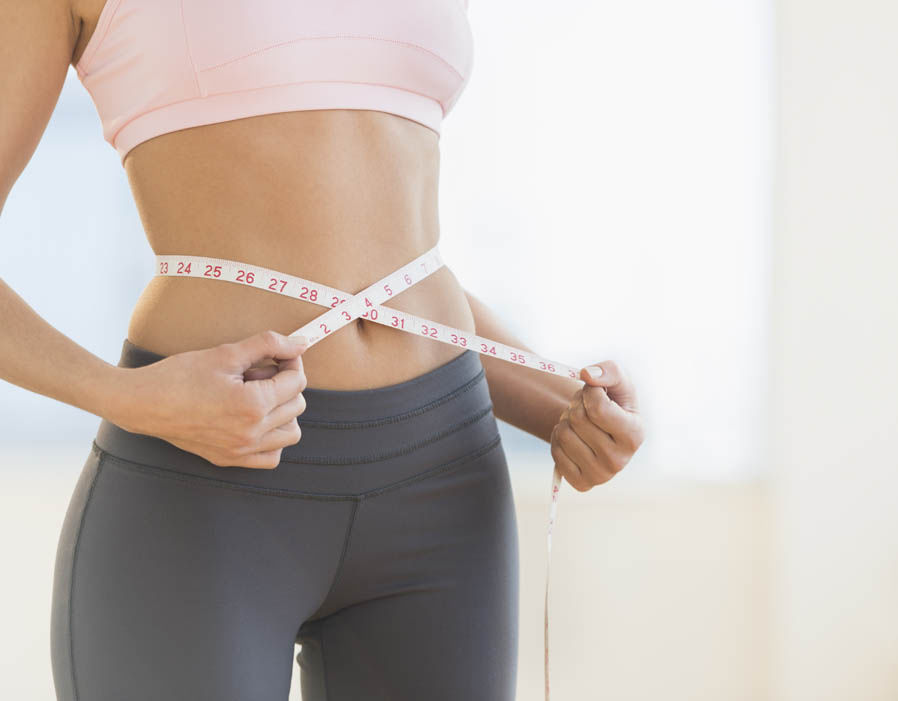<h1>Artificial Sweeteners:</h1> An Artificial Sweetener is a food additive that provides a sweet taste like that of sugar while containing significantly less food energy. Some sugar substitutes are produced by nature, and others produced synthetically. Those that are not produced by nature are, in general, called artificial sweeteners. Artificial Sweeteners are high-intensity sweeteners. These are compounds with many times the sweetness of sucrose, common table sugar. As a result, much less sweetener is required and energy contribution is often negligible. By offering the taste of sweetness without any calories, artificial sweeteners seem like they could be one answer to effective weight loss. The average 12-ounce can of sugar-sweetened soda delivers about 150 calories, almost all of them from sugar. The same amount of diet soda—zero calories. The choice seems like a no-brainer. Artificial sweeteners are widely used in processed foods, including baked goods, soft drinks, powdered drink mixes, candy, puddings, canned foods, jams and jellies, dairy products, and scores of other foods and beverages. <h1>Why To Use Artificial Sweeteners:</h1> 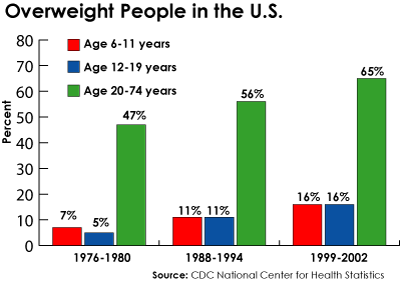 With obesity rates among Americans at an all-time high, many people may think they have to give up sweets in order to lose weight. But there’s good news if you love sweets: Low-calorie sweeteners offer a way to reduce calories in sweet foods and beverages, which may help you lose or maintain your weight. They also offer a way for people with diabetes to decrease their carbohydrate intake. The American Heart Association (AHA) and American Diabetes Association (ADA) have given a cautious nod to the use of artificial sweeteners in place of sugar to combat obesity, metabolic syndrome, and diabetes, all risk factors for heart disease. <h3>Possible Health Benefits:</h3>One benefit of artificial sweeteners is that they don't contribute to tooth decay and cavities. They may also help with the following: <h5>Weight control.</h5>One of the most appealing aspects of artificial sweeteners is that they are non-nutritive — they have virtually no calories. In contrast, each gram of regular table sugar contains 4 calories. A teaspoon of sugar is about 4 grams. For perspective, consider that one 12-ounce can of a sweetened cola contains 10 teaspoons of added sugar, or about 150 calories. If you're trying to lose weight or prevent weight gain, products sweetened with artificial sweeteners, rather than with higher calorie table sugar, may be an attractive option. On the other hand, some research has suggested that consuming artificial sweeteners may be associated with increased weight, but the cause is not yet known. <h5>Diabetes.</h5>Artificial sweeteners may be a good alternative to sugar if you have diabetes. Unlike sugar, artificial sweeteners generally don't raise blood sugar levels because they are not carbohydrates. But because of concerns about how sugar substitutes are labeled and categorized, always check with your doctor or dietitian about using any sugar substitutes if you have diabetes. <h1>Functioning Of Artificial Sweeteners:</h1> The degree of sweetness we taste depends on how well the receptors in our tongue interact with the molecules. The stronger the interaction, the sweeter we perceive the taste. Taste scientists at a company called Senomyx have identified the taste bud receptor that is responsible for finding what we consider "sweet." Sugar and artificial sweeteners bind to this receptor, creating the sweet sensation that we get when we eat them. The receptors are found on the surfaces of cells all over the tongue and inside the mouth. They send messages to the brain to tell it that we're eating something sweet. Artificial sweeteners are compounds that have been found to elicit the same (or a similar) "sweet" flavor we get from sugars. Some are low-calorie because they are so much sweeter than sugar that only a tiny amount is needed. For instance Sucralose is approximately 600 times as sweet as sugar. On the other hand most of Artificial Sweeteners are NOT Digested by the body. They simply pass through our digestive system without being absorbed. These all functions contributes to LOW CALORIES. <h1>Different Types Of Artificial Sweeteners:</h1> There are Five Artificial Sweeteners that have been approved for use in U.S. The others are: <h5>Sucralose</h5><h5>Aspartame</h5><h5>Neotame</h5><h5>Saccharin</h5><h5>Acesulfame potassium</h5> <h1>Are Artificial Sweeteners Safe?:</h1> The topic of sugar substitutes can be confusing. One problem is that the terminology is often open to interpretation. For instance, some manufacturers call their sweeteners "natural" even though they're processed or refined, as is the case with stevia(Plant) preparations. And some artificial sweeteners are derived from naturally occurring substances — sucralose comes from sugar. Most of the Artificial Sweeteners have always been considered to be biologically inert, meaning it passes through the human body untouched. However, a recent article posted to the Journal of Toxicology and Environmental Health noted that some of the ingested sweetener is metabolized, meaning that it is not entirely inert. Artificial sweeteners have been scrutinized intensely for decades. Critics of artificial sweeteners say that they cause a variety of health problems, including cancer. That's largely because of studies dating to the 1970s that linked saccharin to bladder cancer in laboratory rats. Because of those studies, saccharin once carried a warning label that it may be hazardous to your health. But according to the National Cancer Institute and other health agencies, there's no sound scientific evidence that any of the artificial sweeteners approved for use in the U.S. cause cancer or other serious health problems. And numerous research studies confirm that artificial sweeteners are generally safe in limited quantities, even for pregnant women. As a result of the newer studies, the warning label for saccharin was dropped. In addition to cancer, thousands of Web sites and forums have information on other dangers and side effects associated with aspartame, sucralose, and other artificial sweeteners. Multiple sclerosis, Alzheimer's disease, brain tumors, nervous disorders and other health problems have been blamed on them. Aspartame is getting most of the criticism, but sucralose is also under scrutiny. There are other interactions that medical researchers are currently investigating; for instance, ingested sucralose has been linked to altered intestinal microbe levels in mice; and it is believed that cooking with sucralose may produce toxic compounds called chloropropanols. Human and rodent studies also indicate that sucralose might alter glucose and insulin levels in the blood. More research is needed to confirm these findings, but this challenges the idea that the compound is inert. Recent research, published in the International Journal of Occupational and Environmental Health, suggests that Splenda may play a role in certain cancers. The researchers fed mice various levels of sucralose and noted any effects the sweetener had across their lifespan. Overall, the team noted an increase in malignant cancers as their intake of sucralose increased. Specifically, the researchers found a higher incidence of leukemia in male mice associated with sucralose intake. The teams' findings go against the known data on sucralose up until this point; they note that, due to the popularity of Splenda, follow-up studies should be seen as urgent. Human studies will be necessary to establish the connection, if any, between cancer and sucralose. Largely due to this study, the Center for Science in the Public Interest (CSPI) recently downgraded the safety rating of sucralose for a second time, from "caution" to "avoid." However, Michael F. Jacobsen, the president of CSPI noted that: <h4>"The risk posed by over-consumption of sugar and high-fructose corn syrup, particularly from soda and other sugar-sweetened beverages, of diabetes, heart disease, and obesity, far outweighs the cancer risk posed by sucralose and most other artificial sweeteners."</h4> Artificial sweeteners are regulated by the Food and Drug Administration (FDA) as food additives. They must be reviewed and approved by the FDA before being made available for sale. In some cases, the FDA declares a substance "generally recognized as safe" (GRAS). These GRAS substances, including highly refined stevia preparations, are deemed by qualified professionals based on scientific data as being safe for their intended use, or they have such a lengthy history of common use in food that they're considered generally safe and don't require FDA approval before sale. The FDA has also established an acceptable daily intake (ADI) for each artificial sweetener. This is the maximum amount considered safe to consume each day over the course of your lifetime. ADIs are intended to be about 100 times less than the smallest amount that might cause health concerns. <h2>What’s your definition of safe?</h2> Whether non-nutritive sweeteners are safe depends on your definition of safe. Studies leading to FDA approval have ruled out cancer risk, for the most part. However, those studies were done using far smaller amounts of diet soda than the 24 ounces a day consumed by many people who drink diet soda. We really don’t know what effect large amounts of these chemicals will have over many years. And there are other health concerns beside cancer. In the Multiethnic Study of Atherosclerosis, daily consumption of diet drinks was associated with a 36% greater risk for metabolic syndrome and a 67% increased risk for type 2 diabetes. Aren’t these diseases that artificial sweeteners may help prevent in the first place? MOST OF THE INFORMATION IN THIS BLOG IS COLLECTED FROM FOLLOWING ARTICLES AND WEBSITES: https://www.health.harvard.edu/blog/artificial-sweeteners-sugar-free-but-at-what-cost-201207165030 https://www.mayoclinic.org/healthy-lifestyle/nutrition-and-healthy-eating/in-depth/artificial-sweeteners/art-20046936 https://www.medicalnewstoday.com/articles/262475.php https://science.howstuffworks.com/innovation/edible-innovations/artificial-sweetener3.htm https://en.wikipedia.org/wiki/Sugar_substitute |
| json metadata | {"tags":["medical","health","weightloss","diabetes","food"],"image":["https://steemitimages.com/DQmZ9MVwosSLxHaWUvW2XYXNuYZpvEoMXWJ6rHFmMEBb9iZ/235011.jpg","https://steemitimages.com/DQmS9yiEzHdxbjzsj9yahKUAcspmkZ77S5ucteqo9Rt2YUh/obesity-statistics.gif"],"links":["https://www.health.harvard.edu/blog/artificial-sweeteners-sugar-free-but-at-what-cost-201207165030","https://www.mayoclinic.org/healthy-lifestyle/nutrition-and-healthy-eating/in-depth/artificial-sweeteners/art-20046936","https://www.medicalnewstoday.com/articles/262475.php","https://science.howstuffworks.com/innovation/edible-innovations/artificial-sweetener3.htm","https://en.wikipedia.org/wiki/Sugar_substitute"],"app":"steemit/0.1","format":"markdown"} |
| Transaction Info | Block #19144065/Trx c054074440d1347b1cfee38f81a979241995362c |
View Raw JSON Data
{
"trx_id": "c054074440d1347b1cfee38f81a979241995362c",
"block": 19144065,
"trx_in_block": 20,
"op_in_trx": 0,
"virtual_op": 0,
"timestamp": "2018-01-20T13:14:39",
"op": [
"comment",
{
"parent_author": "",
"parent_permlink": "medical",
"author": "usmanutmanzai",
"permlink": "artificial-sweeteners-for-weightloss-and-for-diabetes-are-they-safe-enough",
"title": "Artificial Sweeteners For WEIGHTLOSS and FOR DIABETES.Are They SAFE Enough?!",
"body": "<h1>Artificial Sweeteners:</h1>\nAn Artificial Sweetener is a food additive that provides a sweet taste like that of sugar while containing significantly less food energy. Some sugar substitutes are produced by nature, and others produced synthetically. Those that are not produced by nature are, in general, called artificial sweeteners. \n\nArtificial Sweeteners are high-intensity sweeteners. These are compounds with many times the sweetness of sucrose, common table sugar. As a result, much less sweetener is required and energy contribution is often negligible.\n\nBy offering the taste of sweetness without any calories, artificial sweeteners seem like they could be one answer to effective weight loss. The average 12-ounce can of sugar-sweetened soda delivers about 150 calories, almost all of them from sugar. The same amount of diet soda—zero calories. The choice seems like a no-brainer.\n\nArtificial sweeteners are widely used in processed foods, including baked goods, soft drinks, powdered drink mixes, candy, puddings, canned foods, jams and jellies, dairy products, and scores of other foods and beverages.\n\n\n<h1>Why To Use Artificial Sweeteners:</h1>\n\nWith obesity rates among Americans at an all-time high, many people may think they have to give up sweets in order to lose weight. But there’s good news if you love sweets: Low-calorie sweeteners offer a way to reduce calories in sweet foods and beverages, which may help you lose or maintain your weight. They also offer a way for people with diabetes to decrease their carbohydrate intake.\n\nThe American Heart Association (AHA) and American Diabetes Association (ADA) have given a cautious nod to the use of artificial sweeteners in place of sugar to combat obesity, metabolic syndrome, and diabetes, all risk factors for heart disease.\n\n<h3>Possible Health Benefits:</h3>One benefit of artificial sweeteners is that they don't contribute to tooth decay and cavities. They may also help with the following:\n\n<h5>Weight control.</h5>One of the most appealing aspects of artificial sweeteners is that they are non-nutritive — they have virtually no calories. In contrast, each gram of regular table sugar contains 4 calories. A teaspoon of sugar is about 4 grams. For perspective, consider that one 12-ounce can of a sweetened cola contains 10 teaspoons of added sugar, or about 150 calories. If you're trying to lose weight or prevent weight gain, products sweetened with artificial sweeteners, rather than with higher calorie table sugar, may be an attractive option. On the other hand, some research has suggested that consuming artificial sweeteners may be associated with increased weight, but the cause is not yet known.\n<h5>Diabetes.</h5>Artificial sweeteners may be a good alternative to sugar if you have diabetes. Unlike sugar, artificial sweeteners generally don't raise blood sugar levels because they are not carbohydrates. But because of concerns about how sugar substitutes are labeled and categorized, always check with your doctor or dietitian about using any sugar substitutes if you have diabetes.\n\n<h1>Functioning Of Artificial Sweeteners:</h1>\n\nThe degree of sweetness we taste depends on how well the receptors in our tongue interact with the molecules. The stronger the interaction, the sweeter we perceive the taste.\nTaste scientists at a company called Senomyx have identified the taste bud receptor that is responsible for finding what we consider \"sweet.\" Sugar and artificial sweeteners bind to this receptor, creating the sweet sensation that we get when we eat them. The receptors are found on the surfaces of cells all over the tongue and inside the mouth. They send messages to the brain to tell it that we're eating something sweet.\nArtificial sweeteners are compounds that have been found to elicit the same (or a similar) \"sweet\" flavor we get from sugars. Some are low-calorie because they are so much sweeter than sugar that only a tiny amount is needed. For instance Sucralose is approximately 600 times as sweet as sugar.\nOn the other hand most of Artificial Sweeteners are NOT Digested by the body. They simply pass through our digestive system without being absorbed.\nThese all functions contributes to LOW CALORIES.\n\n<h1>Different Types Of Artificial Sweeteners:</h1>\nThere are Five Artificial Sweeteners that have been approved for use in U.S. The others are:\n\n<h5>Sucralose</h5><h5>Aspartame</h5><h5>Neotame</h5><h5>Saccharin</h5><h5>Acesulfame potassium</h5>\n\n<h1>Are Artificial Sweeteners Safe?:</h1>\nThe topic of sugar substitutes can be confusing. One problem is that the terminology is often open to interpretation. For instance, some manufacturers call their sweeteners \"natural\" even though they're processed or refined, as is the case with stevia(Plant) preparations. And some artificial sweeteners are derived from naturally occurring substances — sucralose comes from sugar.\n\nMost of the Artificial Sweeteners have always been considered to be biologically inert, meaning it passes through the human body untouched. However, a recent article posted to the Journal of Toxicology and Environmental Health noted that some of the ingested sweetener is metabolized, meaning that it is not entirely inert.\n\nArtificial sweeteners have been scrutinized intensely for decades. Critics of artificial sweeteners say that they cause a variety of health problems, including cancer. That's largely because of studies dating to the 1970s that linked saccharin to bladder cancer in laboratory rats. Because of those studies, saccharin once carried a warning label that it may be hazardous to your health.\nBut according to the National Cancer Institute and other health agencies, there's no sound scientific evidence that any of the artificial sweeteners approved for use in the U.S. cause cancer or other serious health problems. And numerous research studies confirm that artificial sweeteners are generally safe in limited quantities, even for pregnant women. As a result of the newer studies, the warning label for saccharin was dropped.\nIn addition to cancer, thousands of Web sites and forums have information on other dangers and side effects associated with aspartame, sucralose, and other artificial sweeteners. Multiple sclerosis, Alzheimer's disease, brain tumors, nervous disorders and other health problems have been blamed on them. Aspartame is getting most of the criticism, but sucralose is also under scrutiny.\n\nThere are other interactions that medical researchers are currently investigating; for instance, ingested sucralose has been linked to altered intestinal microbe levels in mice; and it is believed that cooking with sucralose may produce toxic compounds called chloropropanols.\nHuman and rodent studies also indicate that sucralose might alter glucose and insulin levels in the blood. More research is needed to confirm these findings, but this challenges the idea that the compound is inert.\n\nRecent research, published in the International Journal of Occupational and Environmental Health, suggests that Splenda may play a role in certain cancers.\n\nThe researchers fed mice various levels of sucralose and noted any effects the sweetener had across their lifespan.\n\nOverall, the team noted an increase in malignant cancers as their intake of sucralose increased. Specifically, the researchers found a higher incidence of leukemia in male mice associated with sucralose intake.\n\nThe teams' findings go against the known data on sucralose up until this point; they note that, due to the popularity of Splenda, follow-up studies should be seen as urgent. Human studies will be necessary to establish the connection, if any, between cancer and sucralose.\n\nLargely due to this study, the Center for Science in the Public Interest (CSPI) recently downgraded the safety rating of sucralose for a second time, from \"caution\" to \"avoid.\" However, Michael F. Jacobsen, the president of CSPI noted that:\n\n<h4>\"The risk posed by over-consumption of sugar and high-fructose corn syrup, particularly from soda and other sugar-sweetened beverages, of diabetes, heart disease, and obesity, far outweighs the cancer risk posed by sucralose and most other artificial sweeteners.\"</h4>\n\nArtificial sweeteners are regulated by the Food and Drug Administration (FDA) as food additives. They must be reviewed and approved by the FDA before being made available for sale.\n\nIn some cases, the FDA declares a substance \"generally recognized as safe\" (GRAS). These GRAS substances, including highly refined stevia preparations, are deemed by qualified professionals based on scientific data as being safe for their intended use, or they have such a lengthy history of common use in food that they're considered generally safe and don't require FDA approval before sale.\n\nThe FDA has also established an acceptable daily intake (ADI) for each artificial sweetener. This is the maximum amount considered safe to consume each day over the course of your lifetime. ADIs are intended to be about 100 times less than the smallest amount that might cause health concerns.\n<h2>What’s your definition of safe?</h2>\nWhether non-nutritive sweeteners are safe depends on your definition of safe. Studies leading to FDA approval have ruled out cancer risk, for the most part. However, those studies were done using far smaller amounts of diet soda than the 24 ounces a day consumed by many people who drink diet soda. We really don’t know what effect large amounts of these chemicals will have over many years.\n\nAnd there are other health concerns beside cancer. In the Multiethnic Study of Atherosclerosis, daily consumption of diet drinks was associated with a 36% greater risk for metabolic syndrome and a 67% increased risk for type 2 diabetes. Aren’t these diseases that artificial sweeteners may help prevent in the first place?\n\nMOST OF THE INFORMATION IN THIS BLOG IS COLLECTED FROM FOLLOWING ARTICLES AND WEBSITES:\nhttps://www.health.harvard.edu/blog/artificial-sweeteners-sugar-free-but-at-what-cost-201207165030\nhttps://www.mayoclinic.org/healthy-lifestyle/nutrition-and-healthy-eating/in-depth/artificial-sweeteners/art-20046936\nhttps://www.medicalnewstoday.com/articles/262475.php\nhttps://science.howstuffworks.com/innovation/edible-innovations/artificial-sweetener3.htm\nhttps://en.wikipedia.org/wiki/Sugar_substitute",
"json_metadata": "{\"tags\":[\"medical\",\"health\",\"weightloss\",\"diabetes\",\"food\"],\"image\":[\"https://steemitimages.com/DQmZ9MVwosSLxHaWUvW2XYXNuYZpvEoMXWJ6rHFmMEBb9iZ/235011.jpg\",\"https://steemitimages.com/DQmS9yiEzHdxbjzsj9yahKUAcspmkZ77S5ucteqo9Rt2YUh/obesity-statistics.gif\"],\"links\":[\"https://www.health.harvard.edu/blog/artificial-sweeteners-sugar-free-but-at-what-cost-201207165030\",\"https://www.mayoclinic.org/healthy-lifestyle/nutrition-and-healthy-eating/in-depth/artificial-sweeteners/art-20046936\",\"https://www.medicalnewstoday.com/articles/262475.php\",\"https://science.howstuffworks.com/innovation/edible-innovations/artificial-sweetener3.htm\",\"https://en.wikipedia.org/wiki/Sugar_substitute\"],\"app\":\"steemit/0.1\",\"format\":\"markdown\"}"
}
]
}usmanutmanzaiclaimed reward balance: 0.193 SBD, 0.053 SP2018/01/20 13:09:33
usmanutmanzaiclaimed reward balance: 0.193 SBD, 0.053 SP
2018/01/20 13:09:33
| account | usmanutmanzai |
| reward steem | 0.000 STEEM |
| reward sbd | 0.193 SBD |
| reward vests | 86.024113 VESTS |
| Transaction Info | Block #19143963/Trx a25fba16d85a4ace62f3a1f1a1b3462887a2fdbc |
View Raw JSON Data
{
  "trx_id": "a25fba16d85a4ace62f3a1f1a1b3462887a2fdbc",
  "block": 19143963,
  "trx_in_block": 12,
  "op_in_trx": 0,
  "virtual_op": 0,
  "timestamp": "2018-01-20T13:09:33",
  "op": [
    "claim_reward_balance",
    {
      "account": "usmanutmanzai",
      "reward_steem": "0.000 STEEM",
      "reward_sbd": "0.193 SBD",
      "reward_vests": "86.024113 VESTS"
    }
  ]
}usmanutmanzaifollowed @irime2018/01/20 13:08:39
usmanutmanzaifollowed @irime
2018/01/20 13:08:39
| required auths | [] |
| required posting auths | ["usmanutmanzai"] |
| id | follow |
| json | ["follow",{"follower":"usmanutmanzai","following":"irime","what":["blog"]}] |
| Transaction Info | Block #19143945/Trx 12f9d99df1779c74cc357c48d4de2356f5e6ae9e |
View Raw JSON Data
{
  "trx_id": "12f9d99df1779c74cc357c48d4de2356f5e6ae9e",
  "block": 19143945,
  "trx_in_block": 41,
  "op_in_trx": 0,
  "virtual_op": 0,
  "timestamp": "2018-01-20T13:08:39",
  "op": [
    "custom_json",
    {
      "required_auths": [],
      "required_posting_auths": [
        "usmanutmanzai"
      ],
      "id": "follow",
      "json": "[\"follow\",{\"follower\":\"usmanutmanzai\",\"following\":\"irime\",\"what\":[\"blog\"]}]"
    }
  ]
}2018/01/20 13:07:27
2018/01/20 13:07:27
| voter | usmanutmanzai |
| author | irime |
| permlink | alkaline-diets-do-they-really-work-can-you-really-get-rid-of-disease-by-affecting-the-ph-balance-of-your-body |
| weight | 10000 (100.00%) |
| Transaction Info | Block #19143921/Trx 83e531ecd183f505c23a34acf829b20bd27bae60 |
View Raw JSON Data
{
  "trx_id": "83e531ecd183f505c23a34acf829b20bd27bae60",
  "block": 19143921,
  "trx_in_block": 21,
  "op_in_trx": 0,
  "virtual_op": 0,
  "timestamp": "2018-01-20T13:07:27",
  "op": [
    "vote",
    {
      "voter": "usmanutmanzai",
      "author": "irime",
      "permlink": "alkaline-diets-do-they-really-work-can-you-really-get-rid-of-disease-by-affecting-the-ph-balance-of-your-body",
      "weight": 10000
    }
  ]
}usmanutmanzaicustom json: follow2018/01/20 13:07:18
usmanutmanzaicustom json: follow
2018/01/20 13:07:18
| required auths | [] |
| required posting auths | ["usmanutmanzai"] |
| id | follow |
| json | ["reblog",{"account":"usmanutmanzai","author":"irime","permlink":"alkaline-diets-do-they-really-work-can-you-really-get-rid-of-disease-by-affecting-the-ph-balance-of-your-body"}] |
| Transaction Info | Block #19143918/Trx 6e959035d7e66fa32753492a58fa1347452f39e0 |
View Raw JSON Data
{
  "trx_id": "6e959035d7e66fa32753492a58fa1347452f39e0",
  "block": 19143918,
  "trx_in_block": 37,
  "op_in_trx": 0,
  "virtual_op": 0,
  "timestamp": "2018-01-20T13:07:18",
  "op": [
    "custom_json",
    {
      "required_auths": [],
      "required_posting_auths": [
        "usmanutmanzai"
      ],
      "id": "follow",
      "json": "[\"reblog\",{\"account\":\"usmanutmanzai\",\"author\":\"irime\",\"permlink\":\"alkaline-diets-do-they-really-work-can-you-really-get-rid-of-disease-by-affecting-the-ph-balance-of-your-body\"}]"
    }
  ]
}usmanutmanzaifollowed @chef.cook2018/01/20 12:36:48
usmanutmanzaifollowed @chef.cook
2018/01/20 12:36:48
| required auths | [] |
| required posting auths | ["usmanutmanzai"] |
| id | follow |
| json | ["follow",{"follower":"usmanutmanzai","following":"chef.cook","what":["blog"]}] |
| Transaction Info | Block #19143308/Trx a3b912e39f28d0d0282bfab5e7e4e1cd21ea65ad |
View Raw JSON Data
{
  "trx_id": "a3b912e39f28d0d0282bfab5e7e4e1cd21ea65ad",
  "block": 19143308,
  "trx_in_block": 30,
  "op_in_trx": 0,
  "virtual_op": 0,
  "timestamp": "2018-01-20T12:36:48",
  "op": [
    "custom_json",
    {
      "required_auths": [],
      "required_posting_auths": [
        "usmanutmanzai"
      ],
      "id": "follow",
      "json": "[\"follow\",{\"follower\":\"usmanutmanzai\",\"following\":\"chef.cook\",\"what\":[\"blog\"]}]"
    }
  ]
}dromzzupvoted (100.00%) @usmanutmanzai / orhvvww32018/01/20 12:11:18
dromzzupvoted (100.00%) @usmanutmanzai / orhvvww3
2018/01/20 12:11:18
| voter | dromzz |
| author | usmanutmanzai |
| permlink | orhvvww3 |
| weight | 10000 (100.00%) |
| Transaction Info | Block #19142798/Trx 285af2758e5b40e2cd0b7004e56e4f1ed5eab78c |
View Raw JSON Data
{
  "trx_id": "285af2758e5b40e2cd0b7004e56e4f1ed5eab78c",
  "block": 19142798,
  "trx_in_block": 12,
  "op_in_trx": 0,
  "virtual_op": 0,
  "timestamp": "2018-01-20T12:11:18",
  "op": [
    "vote",
    {
      "voter": "dromzz",
      "author": "usmanutmanzai",
      "permlink": "orhvvww3",
      "weight": 10000
    }
  ]
}2018/01/20 12:11:12
2018/01/20 12:11:12
| parent author | usmanutmanzai |
| parent permlink | orhvvww3 |
| author | dromzz |
| permlink | re-usmanutmanzai-orhvvww3-20180120t121116364z |
| title | |
| body | I drink Gfuel (energy drink) every day and I just hope I don't die from it one day :D |
| json metadata | {"tags":["health"],"app":"steemit/0.1"} |
| Transaction Info | Block #19142796/Trx 690fc8733743ac80500f684673fdde5af6b8719a |
View Raw JSON Data
{
  "trx_id": "690fc8733743ac80500f684673fdde5af6b8719a",
  "block": 19142796,
  "trx_in_block": 24,
  "op_in_trx": 0,
  "virtual_op": 0,
  "timestamp": "2018-01-20T12:11:12",
  "op": [
    "comment",
    {
      "parent_author": "usmanutmanzai",
      "parent_permlink": "orhvvww3",
      "author": "dromzz",
      "permlink": "re-usmanutmanzai-orhvvww3-20180120t121116364z",
      "title": "",
      "body": "I drink Gfuel (energy drink) every day and I just hope I don't die from it one day :D",
      "json_metadata": "{\"tags\":[\"health\"],\"app\":\"steemit/0.1\"}"
    }
  ]
}teleandrupvoted (100.00%) @usmanutmanzai / orhvvww32018/01/20 12:09:42
teleandrupvoted (100.00%) @usmanutmanzai / orhvvww3
2018/01/20 12:09:42
| voter | teleandr |
| author | usmanutmanzai |
| permlink | orhvvww3 |
| weight | 10000 (100.00%) |
| Transaction Info | Block #19142766/Trx 41e3fc2366be2105a7aede4ef4b8d1156bba5213 |
View Raw JSON Data
{
  "trx_id": "41e3fc2366be2105a7aede4ef4b8d1156bba5213",
  "block": 19142766,
  "trx_in_block": 6,
  "op_in_trx": 0,
  "virtual_op": 0,
  "timestamp": "2018-01-20T12:09:42",
  "op": [
    "vote",
    {
      "voter": "teleandr",
      "author": "usmanutmanzai",
      "permlink": "orhvvww3",
      "weight": 10000
    }
  ]
}usmanutmanzaiupdated options for orhvvww32018/01/20 12:09:27
usmanutmanzaiupdated options for orhvvww3
2018/01/20 12:09:27
| author | usmanutmanzai |
| permlink | orhvvww3 |
| max accepted payout | 1000000.000 SBD |
| percent steem dollars | 10000 |
| allow votes | true |
| allow curation rewards | true |
| extensions | [[0,{"beneficiaries":[{"account":"dtube","weight":2500}]}]] |
| Transaction Info | Block #19142761/Trx 1b744b685461410d13ba4f3d04fc499bbaedf108 |
View Raw JSON Data
{
  "trx_id": "1b744b685461410d13ba4f3d04fc499bbaedf108",
  "block": 19142761,
  "trx_in_block": 5,
  "op_in_trx": 0,
  "virtual_op": 0,
  "timestamp": "2018-01-20T12:09:27",
  "op": [
    "comment_options",
    {
      "author": "usmanutmanzai",
      "permlink": "orhvvww3",
      "max_accepted_payout": "1000000.000 SBD",
      "percent_steem_dollars": 10000,
      "allow_votes": true,
      "allow_curation_rewards": true,
      "extensions": [
        [
          0,
          {
            "beneficiaries": [
              {
                "account": "dtube",
                "weight": 2500
              }
            ]
          }
        ]
      ]
    }
  ]
}usmanutmanzaipublished a new post: orhvvww32018/01/20 12:09:27
usmanutmanzaipublished a new post: orhvvww3
2018/01/20 12:09:27
| parent author | |
| parent permlink | health |
| author | usmanutmanzai |
| permlink | orhvvww3 |
| title | WEIGHT LOSS By Using Artificial Sweeteners.(Are They SAFE Enough?!) |
| body | <center><a href='https://d.tube/#!/v/usmanutmanzai/orhvvww3'><img src='https://ipfs.io/ipfs/Qmbb4FdPzuBaGwbzqnkKFEdzYwxjLJErVL9tdHKNYtDdm5'></a></center><hr> <h1>Artificial Sweeteners:</h1> An Artificial Sweetener is a food additive that provides a sweet taste like that of sugar while containing significantly less food energy. Some sugar substitutes are produced by nature, and others produced synthetically. Those that are not produced by nature are, in general, called artificial sweeteners. Artificial Sweeteners are high-intensity sweeteners. These are compounds with many times the sweetness of sucrose, common table sugar. As a result, much less sweetener is required and energy contribution is often negligible. By offering the taste of sweetness without any calories, artificial sweeteners seem like they could be one answer to effective weight loss. The average 12-ounce can of sugar-sweetened soda delivers about 150 calories, almost all of them from sugar. The same amount of diet soda—zero calories. The choice seems like a no-brainer. Artificial sweeteners are widely used in processed foods, including baked goods, soft drinks, powdered drink mixes, candy, puddings, canned foods, jams and jellies, dairy products, and scores of other foods and beverages. <h1>Why To Use Artificial Sweeteners:</h1> With obesity rates among Americans at an all-time high, many people may think they have to give up sweets in order to lose weight. But there’s good news if you love sweets: Low-calorie sweeteners offer a way to reduce calories in sweet foods and beverages, which may help you lose or maintain your weight. They also offer a way for people with diabetes to decrease their carbohydrate intake. The American Heart Association (AHA) and American Diabetes Association (ADA) have given a cautious nod to the use of artificial sweeteners in place of sugar to combat obesity, metabolic syndrome, and diabetes, all risk factors for heart disease. <h3>Possible Health Benefits:</h3>One benefit of artificial sweeteners is that they don't contribute to tooth decay and cavities. They may also help with the following: <h5>Weight control.</h5>One of the most appealing aspects of artificial sweeteners is that they are non-nutritive — they have virtually no calories. In contrast, each gram of regular table sugar contains 4 calories. A teaspoon of sugar is about 4 grams. For perspective, consider that one 12-ounce can of a sweetened cola contains 10 teaspoons of added sugar, or about 150 calories. If you're trying to lose weight or prevent weight gain, products sweetened with artificial sweeteners, rather than with higher calorie table sugar, may be an attractive option. On the other hand, some research has suggested that consuming artificial sweeteners may be associated with increased weight, but the cause is not yet known. <h5>Diabetes.</h5>Artificial sweeteners may be a good alternative to sugar if you have diabetes. Unlike sugar, artificial sweeteners generally don't raise blood sugar levels because they are not carbohydrates. But because of concerns about how sugar substitutes are labeled and categorized, always check with your doctor or dietitian about using any sugar substitutes if you have diabetes. <h1>Functioning Of Artificial Sweeteners:</h1> The degree of sweetness we taste depends on how well the receptors in our tongue interact with the molecules. The stronger the interaction, the sweeter we perceive the taste. Taste scientists at a company called Senomyx have identified the taste bud receptor that is responsible for finding what we consider "sweet." Sugar and artificial sweeteners bind to this receptor, creating the sweet sensation that we get when we eat them. The receptors are found on the surfaces of cells all over the tongue and inside the mouth. They send messages to the brain to tell it that we're eating something sweet. Artificial sweeteners are compounds that have been found to elicit the same (or a similar) "sweet" flavor we get from sugars. Some are low-calorie because they are so much sweeter than sugar that only a tiny amount is needed. For instance Sucralose is approximately 600 times as sweet as sugar. On the other hand most of Artificial Sweeteners are NOT Digested by the body. They simply pass through our digestive system without being absorbed. These all functions contributes to LOW CALORIES. <h1>Different Types Of Artificial Sweeteners:</h1> There are Five Artificial Sweeteners that have been approved for use in U.S. The others are: <h5>Sucralose</h5><h5>Aspartame</h5><h5>Neotame</h5><h5>Saccharin</h5><h5>Acesulfame potassium</h5> <h1>Are Artificial Sweeteners Safe?:</h1> The topic of sugar substitutes can be confusing. One problem is that the terminology is often open to interpretation. For instance, some manufacturers call their sweeteners "natural" even though they're processed or refined, as is the case with stevia(Plant) preparations. And some artificial sweeteners are derived from naturally occurring substances — sucralose comes from sugar. Most of the Artificial Sweeteners have always been considered to be biologically inert, meaning it passes through the human body untouched. However, a recent article posted to the Journal of Toxicology and Environmental Health noted that some of the ingested sweetener is metabolized, meaning that it is not entirely inert. Artificial sweeteners have been scrutinized intensely for decades. Critics of artificial sweeteners say that they cause a variety of health problems, including cancer. That's largely because of studies dating to the 1970s that linked saccharin to bladder cancer in laboratory rats. Because of those studies, saccharin once carried a warning label that it may be hazardous to your health. But according to the National Cancer Institute and other health agencies, there's no sound scientific evidence that any of the artificial sweeteners approved for use in the U.S. cause cancer or other serious health problems. And numerous research studies confirm that artificial sweeteners are generally safe in limited quantities, even for pregnant women. As a result of the newer studies, the warning label for saccharin was dropped. In addition to cancer, thousands of Web sites and forums have information on other dangers and side effects associated with aspartame, sucralose, and other artificial sweeteners. Multiple sclerosis, Alzheimer's disease, brain tumors, nervous disorders and other health problems have been blamed on them. Aspartame is getting most of the criticism, but sucralose is also under scrutiny. There are other interactions that medical researchers are currently investigating; for instance, ingested sucralose has been linked to altered intestinal microbe levels in mice; and it is believed that cooking with sucralose may produce toxic compounds called chloropropanols. Human and rodent studies also indicate that sucralose might alter glucose and insulin levels in the blood. More research is needed to confirm these findings, but this challenges the idea that the compound is inert. Recent research, published in the International Journal of Occupational and Environmental Health, suggests that Splenda may play a role in certain cancers. The researchers fed mice various levels of sucralose and noted any effects the sweetener had across their lifespan. Overall, the team noted an increase in malignant cancers as their intake of sucralose increased. Specifically, the researchers found a higher incidence of leukemia in male mice associated with sucralose intake. The teams' findings go against the known data on sucralose up until this point; they note that, due to the popularity of Splenda, follow-up studies should be seen as urgent. Human studies will be necessary to establish the connection, if any, between cancer and sucralose. Largely due to this study, the Center for Science in the Public Interest (CSPI) recently downgraded the safety rating of sucralose for a second time, from "caution" to "avoid." However, Michael F. Jacobsen, the president of CSPI noted that: <h4>"The risk posed by over-consumption of sugar and high-fructose corn syrup, particularly from soda and other sugar-sweetened beverages, of diabetes, heart disease, and obesity, far outweighs the cancer risk posed by sucralose and most other artificial sweeteners."</h4> Artificial sweeteners are regulated by the Food and Drug Administration (FDA) as food additives. They must be reviewed and approved by the FDA before being made available for sale. In some cases, the FDA declares a substance "generally recognized as safe" (GRAS). These GRAS substances, including highly refined stevia preparations, are deemed by qualified professionals based on scientific data as being safe for their intended use, or they have such a lengthy history of common use in food that they're considered generally safe and don't require FDA approval before sale. The FDA has also established an acceptable daily intake (ADI) for each artificial sweetener. This is the maximum amount considered safe to consume each day over the course of your lifetime. ADIs are intended to be about 100 times less than the smallest amount that might cause health concerns. <h2>What’s your definition of safe?</h2> Whether non-nutritive sweeteners are safe depends on your definition of safe. Studies leading to FDA approval have ruled out cancer risk, for the most part. However, those studies were done using far smaller amounts of diet soda than the 24 ounces a day consumed by many people who drink diet soda. We really don’t know what effect large amounts of these chemicals will have over many years. And there are other health concerns beside cancer. In the Multiethnic Study of Atherosclerosis, daily consumption of diet drinks was associated with a 36% greater risk for metabolic syndrome and a 67% increased risk for type 2 diabetes. Aren’t these diseases that artificial sweeteners may help prevent in the first place? MOST OF THE INFORMATION IN THIS BLOG IS COLLECTED FROM FOLLOWING ARTICLES AND WEBSITES: https://www.health.harvard.edu/blog/artificial-sweeteners-sugar-free-but-at-what-cost-201207165030 https://www.mayoclinic.org/healthy-lifestyle/nutrition-and-healthy-eating/in-depth/artificial-sweeteners/art-20046936 https://www.medicalnewstoday.com/articles/262475.php https://science.howstuffworks.com/innovation/edible-innovations/artificial-sweetener3.htm https://en.wikipedia.org/wiki/Sugar_substitute <hr><a href='https://d.tube/#!/v/usmanutmanzai/orhvvww3'> ▶️ DTube</a><br /><a href='https://ipfs.io/ipfs/QmZf1Fcz7t7o59oB2kMfmmFXBgcQ4aBS6owcd2ng5vPUU1'> ▶️ IPFS</a> |
| json metadata | {"video":{"info":{"title":"WEIGHT LOSS By Using Artificial Sweeteners.(Are They SAFE Enough?!)","snaphash":"QmTvcpZ1LvsE6Daxagh896eZTYJfoMxJdhB8Newe2eU9Nb","author":"usmanutmanzai","permlink":"orhvvww3","duration":210.349569,"filesize":30045298,"spritehash":"QmeEKKMbAafKCmKYZVN7bHghrywrP8up8tBDNkBEddN3je"},"content":{"videohash":"QmZf1Fcz7t7o59oB2kMfmmFXBgcQ4aBS6owcd2ng5vPUU1","video480hash":"QmXp71wehxKqGdv19BrJ49MCeTKMVge9CuaaJEvxHnNp6w","magnet":"","description":"<h1>Artificial Sweeteners:</h1>\nAn Artificial Sweetener is a food additive that provides a sweet taste like that of sugar while containing significantly less food energy. Some sugar substitutes are produced by nature, and others produced synthetically. Those that are not produced by nature are, in general, called artificial sweeteners. \n\nArtificial Sweeteners are high-intensity sweeteners. These are compounds with many times the sweetness of sucrose, common table sugar. As a result, much less sweetener is required and energy contribution is often negligible.\n\nBy offering the taste of sweetness without any calories, artificial sweeteners seem like they could be one answer to effective weight loss. The average 12-ounce can of sugar-sweetened soda delivers about 150 calories, almost all of them from sugar. The same amount of diet soda—zero calories. The choice seems like a no-brainer.\n\nArtificial sweeteners are widely used in processed foods, including baked goods, soft drinks, powdered drink mixes, candy, puddings, canned foods, jams and jellies, dairy products, and scores of other foods and beverages.\n\n\n<h1>Why To Use Artificial Sweeteners:</h1>\n\nWith obesity rates among Americans at an all-time high, many people may think they have to give up sweets in order to lose weight. But there’s good news if you love sweets: Low-calorie sweeteners offer a way to reduce calories in sweet foods and beverages, which may help you lose or maintain your weight. They also offer a way for people with diabetes to decrease their carbohydrate intake.\n\nThe American Heart Association (AHA) and American Diabetes Association (ADA) have given a cautious nod to the use of artificial sweeteners in place of sugar to combat obesity, metabolic syndrome, and diabetes, all risk factors for heart disease.\n\n<h3>Possible Health Benefits:</h3>One benefit of artificial sweeteners is that they don't contribute to tooth decay and cavities. They may also help with the following:\n\n<h5>Weight control.</h5>One of the most appealing aspects of artificial sweeteners is that they are non-nutritive — they have virtually no calories. In contrast, each gram of regular table sugar contains 4 calories. A teaspoon of sugar is about 4 grams. For perspective, consider that one 12-ounce can of a sweetened cola contains 10 teaspoons of added sugar, or about 150 calories. If you're trying to lose weight or prevent weight gain, products sweetened with artificial sweeteners, rather than with higher calorie table sugar, may be an attractive option. On the other hand, some research has suggested that consuming artificial sweeteners may be associated with increased weight, but the cause is not yet known.\n<h5>Diabetes.</h5>Artificial sweeteners may be a good alternative to sugar if you have diabetes. Unlike sugar, artificial sweeteners generally don't raise blood sugar levels because they are not carbohydrates. But because of concerns about how sugar substitutes are labeled and categorized, always check with your doctor or dietitian about using any sugar substitutes if you have diabetes.\n\n<h1>Functioning Of Artificial Sweeteners:</h1>\n\nThe degree of sweetness we taste depends on how well the receptors in our tongue interact with the molecules. The stronger the interaction, the sweeter we perceive the taste.\nTaste scientists at a company called Senomyx have identified the taste bud receptor that is responsible for finding what we consider \"sweet.\" Sugar and artificial sweeteners bind to this receptor, creating the sweet sensation that we get when we eat them. The receptors are found on the surfaces of cells all over the tongue and inside the mouth. They send messages to the brain to tell it that we're eating something sweet.\nArtificial sweeteners are compounds that have been found to elicit the same (or a similar) \"sweet\" flavor we get from sugars. Some are low-calorie because they are so much sweeter than sugar that only a tiny amount is needed. For instance Sucralose is approximately 600 times as sweet as sugar.\nOn the other hand most of Artificial Sweeteners are NOT Digested by the body. They simply pass through our digestive system without being absorbed.\nThese all functions contributes to LOW CALORIES.\n\n<h1>Different Types Of Artificial Sweeteners:</h1>\nThere are Five Artificial Sweeteners that have been approved for use in U.S. The others are:\n\n<h5>Sucralose</h5><h5>Aspartame</h5><h5>Neotame</h5><h5>Saccharin</h5><h5>Acesulfame potassium</h5>\n\n<h1>Are Artificial Sweeteners Safe?:</h1>\nThe topic of sugar substitutes can be confusing. One problem is that the terminology is often open to interpretation. For instance, some manufacturers call their sweeteners \"natural\" even though they're processed or refined, as is the case with stevia(Plant) preparations. And some artificial sweeteners are derived from naturally occurring substances — sucralose comes from sugar.\n\nMost of the Artificial Sweeteners have always been considered to be biologically inert, meaning it passes through the human body untouched. However, a recent article posted to the Journal of Toxicology and Environmental Health noted that some of the ingested sweetener is metabolized, meaning that it is not entirely inert.\n\nArtificial sweeteners have been scrutinized intensely for decades. Critics of artificial sweeteners say that they cause a variety of health problems, including cancer. That's largely because of studies dating to the 1970s that linked saccharin to bladder cancer in laboratory rats. Because of those studies, saccharin once carried a warning label that it may be hazardous to your health.\nBut according to the National Cancer Institute and other health agencies, there's no sound scientific evidence that any of the artificial sweeteners approved for use in the U.S. cause cancer or other serious health problems. And numerous research studies confirm that artificial sweeteners are generally safe in limited quantities, even for pregnant women. As a result of the newer studies, the warning label for saccharin was dropped.\nIn addition to cancer, thousands of Web sites and forums have information on other dangers and side effects associated with aspartame, sucralose, and other artificial sweeteners. Multiple sclerosis, Alzheimer's disease, brain tumors, nervous disorders and other health problems have been blamed on them. Aspartame is getting most of the criticism, but sucralose is also under scrutiny.\n\nThere are other interactions that medical researchers are currently investigating; for instance, ingested sucralose has been linked to altered intestinal microbe levels in mice; and it is believed that cooking with sucralose may produce toxic compounds called chloropropanols.\nHuman and rodent studies also indicate that sucralose might alter glucose and insulin levels in the blood. More research is needed to confirm these findings, but this challenges the idea that the compound is inert.\n\nRecent research, published in the International Journal of Occupational and Environmental Health, suggests that Splenda may play a role in certain cancers.\n\nThe researchers fed mice various levels of sucralose and noted any effects the sweetener had across their lifespan.\n\nOverall, the team noted an increase in malignant cancers as their intake of sucralose increased. Specifically, the researchers found a higher incidence of leukemia in male mice associated with sucralose intake.\n\nThe teams' findings go against the known data on sucralose up until this point; they note that, due to the popularity of Splenda, follow-up studies should be seen as urgent. Human studies will be necessary to establish the connection, if any, between cancer and sucralose.\n\nLargely due to this study, the Center for Science in the Public Interest (CSPI) recently downgraded the safety rating of sucralose for a second time, from \"caution\" to \"avoid.\" However, Michael F. Jacobsen, the president of CSPI noted that:\n\n<h4>\"The risk posed by over-consumption of sugar and high-fructose corn syrup, particularly from soda and other sugar-sweetened beverages, of diabetes, heart disease, and obesity, far outweighs the cancer risk posed by sucralose and most other artificial sweeteners.\"</h4>\n\nArtificial sweeteners are regulated by the Food and Drug Administration (FDA) as food additives. They must be reviewed and approved by the FDA before being made available for sale.\n\nIn some cases, the FDA declares a substance \"generally recognized as safe\" (GRAS). These GRAS substances, including highly refined stevia preparations, are deemed by qualified professionals based on scientific data as being safe for their intended use, or they have such a lengthy history of common use in food that they're considered generally safe and don't require FDA approval before sale.\n\nThe FDA has also established an acceptable daily intake (ADI) for each artificial sweetener. This is the maximum amount considered safe to consume each day over the course of your lifetime. ADIs are intended to be about 100 times less than the smallest amount that might cause health concerns.\n<h2>What’s your definition of safe?</h2>\nWhether non-nutritive sweeteners are safe depends on your definition of safe. Studies leading to FDA approval have ruled out cancer risk, for the most part. However, those studies were done using far smaller amounts of diet soda than the 24 ounces a day consumed by many people who drink diet soda. We really don’t know what effect large amounts of these chemicals will have over many years.\n\nAnd there are other health concerns beside cancer. In the Multiethnic Study of Atherosclerosis, daily consumption of diet drinks was associated with a 36% greater risk for metabolic syndrome and a 67% increased risk for type 2 diabetes. Aren’t these diseases that artificial sweeteners may help prevent in the first place?\n\nMOST OF THE INFORMATION IN THIS BLOG IS COLLECTED FROM FOLLOWING ARTICLES AND WEBSITES:\nhttps://www.health.harvard.edu/blog/artificial-sweeteners-sugar-free-but-at-what-cost-201207165030\nhttps://www.mayoclinic.org/healthy-lifestyle/nutrition-and-healthy-eating/in-depth/artificial-sweeteners/art-20046936\nhttps://www.medicalnewstoday.com/articles/262475.php\nhttps://science.howstuffworks.com/innovation/edible-innovations/artificial-sweetener3.htm\nhttps://en.wikipedia.org/wiki/Sugar_substitute","tags":["health","weightloss","food","medical"]},"_id":"44017fa7e066b3f349eacbed0b9ea78d"},"tags":["health","weightloss","food","medical","dtube"],"app":"dtube/0.6"} |
| Transaction Info | Block #19142761/Trx 1b744b685461410d13ba4f3d04fc499bbaedf108 |
View Raw JSON Data
{
  "trx_id": "1b744b685461410d13ba4f3d04fc499bbaedf108",
  "block": 19142761,
  "trx_in_block": 5,
  "op_in_trx": 0,
  "virtual_op": 0,
  "timestamp": "2018-01-20T12:09:27",
  "op": [
    "comment",
    {
      "parent_author": "",
      "parent_permlink": "health",
      "author": "usmanutmanzai",
      "permlink": "orhvvww3",
      "title": "WEIGHT LOSS By Using Artificial Sweeteners.(Are They SAFE Enough?!)",
      "body": "<center><a href='https://d.tube/#!/v/usmanutmanzai/orhvvww3'><img src='https://ipfs.io/ipfs/Qmbb4FdPzuBaGwbzqnkKFEdzYwxjLJErVL9tdHKNYtDdm5'></a></center><hr>\n\n<h1>Artificial Sweeteners:</h1>\nAn Artificial Sweetener is a food additive that provides a sweet taste like that of sugar while containing significantly less food energy. Some sugar substitutes are produced by nature, and others produced synthetically. Those that are not produced by nature are, in general, called artificial sweeteners. \n\nArtificial Sweeteners are high-intensity sweeteners. These are compounds with many times the sweetness of sucrose, common table sugar. As a result, much less sweetener is required and energy contribution is often negligible.\n\nBy offering the taste of sweetness without any calories, artificial sweeteners seem like they could be one answer to effective weight loss. The average 12-ounce can of sugar-sweetened soda delivers about 150 calories, almost all of them from sugar. The same amount of diet soda—zero calories. The choice seems like a no-brainer.\n\nArtificial sweeteners are widely used in processed foods, including baked goods, soft drinks, powdered drink mixes, candy, puddings, canned foods, jams and jellies, dairy products, and scores of other foods and beverages.\n\n\n<h1>Why To Use Artificial Sweeteners:</h1>\n\nWith obesity rates among Americans at an all-time high, many people may think they have to give up sweets in order to lose weight. But there’s good news if you love sweets: Low-calorie sweeteners offer a way to reduce calories in sweet foods and beverages, which may help you lose or maintain your weight. They also offer a way for people with diabetes to decrease their carbohydrate intake.\n\nThe American Heart Association (AHA) and American Diabetes Association (ADA) have given a cautious nod to the use of artificial sweeteners in place of sugar to combat obesity, metabolic syndrome, and diabetes, all risk factors for heart disease.\n\n<h3>Possible Health Benefits:</h3>One benefit of artificial sweeteners is that they don't contribute to tooth decay and cavities. They may also help with the following:\n\n<h5>Weight control.</h5>One of the most appealing aspects of artificial sweeteners is that they are non-nutritive — they have virtually no calories. In contrast, each gram of regular table sugar contains 4 calories. A teaspoon of sugar is about 4 grams. For perspective, consider that one 12-ounce can of a sweetened cola contains 10 teaspoons of added sugar, or about 150 calories. If you're trying to lose weight or prevent weight gain, products sweetened with artificial sweeteners, rather than with higher calorie table sugar, may be an attractive option. On the other hand, some research has suggested that consuming artificial sweeteners may be associated with increased weight, but the cause is not yet known.\n<h5>Diabetes.</h5>Artificial sweeteners may be a good alternative to sugar if you have diabetes. Unlike sugar, artificial sweeteners generally don't raise blood sugar levels because they are not carbohydrates. But because of concerns about how sugar substitutes are labeled and categorized, always check with your doctor or dietitian about using any sugar substitutes if you have diabetes.\n\n<h1>Functioning Of Artificial Sweeteners:</h1>\n\nThe degree of sweetness we taste depends on how well the receptors in our tongue interact with the molecules. The stronger the interaction, the sweeter we perceive the taste.\nTaste scientists at a company called Senomyx have identified the taste bud receptor that is responsible for finding what we consider \"sweet.\" Sugar and artificial sweeteners bind to this receptor, creating the sweet sensation that we get when we eat them. The receptors are found on the surfaces of cells all over the tongue and inside the mouth. They send messages to the brain to tell it that we're eating something sweet.\nArtificial sweeteners are compounds that have been found to elicit the same (or a similar) \"sweet\" flavor we get from sugars. Some are low-calorie because they are so much sweeter than sugar that only a tiny amount is needed. For instance Sucralose is approximately 600 times as sweet as sugar.\nOn the other hand most of Artificial Sweeteners are NOT Digested by the body. They simply pass through our digestive system without being absorbed.\nThese all functions contributes to LOW CALORIES.\n\n<h1>Different Types Of Artificial Sweeteners:</h1>\nThere are Five Artificial Sweeteners that have been approved for use in U.S. The others are:\n\n<h5>Sucralose</h5><h5>Aspartame</h5><h5>Neotame</h5><h5>Saccharin</h5><h5>Acesulfame potassium</h5>\n\n<h1>Are Artificial Sweeteners Safe?:</h1>\nThe topic of sugar substitutes can be confusing. One problem is that the terminology is often open to interpretation. For instance, some manufacturers call their sweeteners \"natural\" even though they're processed or refined, as is the case with stevia(Plant) preparations. And some artificial sweeteners are derived from naturally occurring substances — sucralose comes from sugar.\n\nMost of the Artificial Sweeteners have always been considered to be biologically inert, meaning it passes through the human body untouched. However, a recent article posted to the Journal of Toxicology and Environmental Health noted that some of the ingested sweetener is metabolized, meaning that it is not entirely inert.\n\nArtificial sweeteners have been scrutinized intensely for decades. Critics of artificial sweeteners say that they cause a variety of health problems, including cancer. That's largely because of studies dating to the 1970s that linked saccharin to bladder cancer in laboratory rats. Because of those studies, saccharin once carried a warning label that it may be hazardous to your health.\nBut according to the National Cancer Institute and other health agencies, there's no sound scientific evidence that any of the artificial sweeteners approved for use in the U.S. cause cancer or other serious health problems. And numerous research studies confirm that artificial sweeteners are generally safe in limited quantities, even for pregnant women. As a result of the newer studies, the warning label for saccharin was dropped.\nIn addition to cancer, thousands of Web sites and forums have information on other dangers and side effects associated with aspartame, sucralose, and other artificial sweeteners. Multiple sclerosis, Alzheimer's disease, brain tumors, nervous disorders and other health problems have been blamed on them. Aspartame is getting most of the criticism, but sucralose is also under scrutiny.\n\nThere are other interactions that medical researchers are currently investigating; for instance, ingested sucralose has been linked to altered intestinal microbe levels in mice; and it is believed that cooking with sucralose may produce toxic compounds called chloropropanols.\nHuman and rodent studies also indicate that sucralose might alter glucose and insulin levels in the blood. More research is needed to confirm these findings, but this challenges the idea that the compound is inert.\n\nRecent research, published in the International Journal of Occupational and Environmental Health, suggests that Splenda may play a role in certain cancers.\n\nThe researchers fed mice various levels of sucralose and noted any effects the sweetener had across their lifespan.\n\nOverall, the team noted an increase in malignant cancers as their intake of sucralose increased. Specifically, the researchers found a higher incidence of leukemia in male mice associated with sucralose intake.\n\nThe teams' findings go against the known data on sucralose up until this point; they note that, due to the popularity of Splenda, follow-up studies should be seen as urgent. Human studies will be necessary to establish the connection, if any, between cancer and sucralose.\n\nLargely due to this study, the Center for Science in the Public Interest (CSPI) recently downgraded the safety rating of sucralose for a second time, from \"caution\" to \"avoid.\" However, Michael F. Jacobsen, the president of CSPI noted that:\n\n<h4>\"The risk posed by over-consumption of sugar and high-fructose corn syrup, particularly from soda and other sugar-sweetened beverages, of diabetes, heart disease, and obesity, far outweighs the cancer risk posed by sucralose and most other artificial sweeteners.\"</h4>\n\nArtificial sweeteners are regulated by the Food and Drug Administration (FDA) as food additives. They must be reviewed and approved by the FDA before being made available for sale.\n\nIn some cases, the FDA declares a substance \"generally recognized as safe\" (GRAS). These GRAS substances, including highly refined stevia preparations, are deemed by qualified professionals based on scientific data as being safe for their intended use, or they have such a lengthy history of common use in food that they're considered generally safe and don't require FDA approval before sale.\n\nThe FDA has also established an acceptable daily intake (ADI) for each artificial sweetener. This is the maximum amount considered safe to consume each day over the course of your lifetime. ADIs are intended to be about 100 times less than the smallest amount that might cause health concerns.\n<h2>What’s your definition of safe?</h2>\nWhether non-nutritive sweeteners are safe depends on your definition of safe. Studies leading to FDA approval have ruled out cancer risk, for the most part. However, those studies were done using far smaller amounts of diet soda than the 24 ounces a day consumed by many people who drink diet soda. We really don’t know what effect large amounts of these chemicals will have over many years.\n\nAnd there are other health concerns beside cancer. In the Multiethnic Study of Atherosclerosis, daily consumption of diet drinks was associated with a 36% greater risk for metabolic syndrome and a 67% increased risk for type 2 diabetes. Aren’t these diseases that artificial sweeteners may help prevent in the first place?\n\nMOST OF THE INFORMATION IN THIS BLOG IS COLLECTED FROM FOLLOWING ARTICLES AND WEBSITES:\nhttps://www.health.harvard.edu/blog/artificial-sweeteners-sugar-free-but-at-what-cost-201207165030\nhttps://www.mayoclinic.org/healthy-lifestyle/nutrition-and-healthy-eating/in-depth/artificial-sweeteners/art-20046936\nhttps://www.medicalnewstoday.com/articles/262475.php\nhttps://science.howstuffworks.com/innovation/edible-innovations/artificial-sweetener3.htm\nhttps://en.wikipedia.org/wiki/Sugar_substitute\n\n<hr><a href='https://d.tube/#!/v/usmanutmanzai/orhvvww3'> ▶️ DTube</a><br /><a href='https://ipfs.io/ipfs/QmZf1Fcz7t7o59oB2kMfmmFXBgcQ4aBS6owcd2ng5vPUU1'> ▶️ IPFS</a>",
      "json_metadata": "{\"video\":{\"info\":{\"title\":\"WEIGHT LOSS By Using Artificial Sweeteners.(Are They SAFE Enough?!)\",\"snaphash\":\"QmTvcpZ1LvsE6Daxagh896eZTYJfoMxJdhB8Newe2eU9Nb\",\"author\":\"usmanutmanzai\",\"permlink\":\"orhvvww3\",\"duration\":210.349569,\"filesize\":30045298,\"spritehash\":\"QmeEKKMbAafKCmKYZVN7bHghrywrP8up8tBDNkBEddN3je\"},\"content\":{\"videohash\":\"QmZf1Fcz7t7o59oB2kMfmmFXBgcQ4aBS6owcd2ng5vPUU1\",\"video480hash\":\"QmXp71wehxKqGdv19BrJ49MCeTKMVge9CuaaJEvxHnNp6w\",\"magnet\":\"\",\"description\":\"<h1>Artificial Sweeteners:</h1>\\nAn Artificial Sweetener is a food additive that provides a sweet taste like that of sugar while containing significantly less food energy. Some sugar substitutes are produced by nature, and others produced synthetically. Those that are not produced by nature are, in general, called artificial sweeteners. \\n\\nArtificial Sweeteners are high-intensity sweeteners. These are compounds with many times the sweetness of sucrose, common table sugar. As a result, much less sweetener is required and energy contribution is often negligible.\\n\\nBy offering the taste of sweetness without any calories, artificial sweeteners seem like they could be one answer to effective weight loss. The average 12-ounce can of sugar-sweetened soda delivers about 150 calories, almost all of them from sugar. The same amount of diet soda—zero calories. The choice seems like a no-brainer.\\n\\nArtificial sweeteners are widely used in processed foods, including baked goods, soft drinks, powdered drink mixes, candy, puddings, canned foods, jams and jellies, dairy products, and scores of other foods and beverages.\\n\\n\\n<h1>Why To Use Artificial Sweeteners:</h1>\\n\\nWith obesity rates among Americans at an all-time high, many people may think they have to give up sweets in order to lose weight. But there’s good news if you love sweets: Low-calorie sweeteners offer a way to reduce calories in sweet foods and beverages, which may help you lose or maintain your weight. They also offer a way for people with diabetes to decrease their carbohydrate intake.\\n\\nThe American Heart Association (AHA) and American Diabetes Association (ADA) have given a cautious nod to the use of artificial sweeteners in place of sugar to combat obesity, metabolic syndrome, and diabetes, all risk factors for heart disease.\\n\\n<h3>Possible Health Benefits:</h3>One benefit of artificial sweeteners is that they don't contribute to tooth decay and cavities. They may also help with the following:\\n\\n<h5>Weight control.</h5>One of the most appealing aspects of artificial sweeteners is that they are non-nutritive — they have virtually no calories. In contrast, each gram of regular table sugar contains 4 calories. A teaspoon of sugar is about 4 grams. For perspective, consider that one 12-ounce can of a sweetened cola contains 10 teaspoons of added sugar, or about 150 calories. If you're trying to lose weight or prevent weight gain, products sweetened with artificial sweeteners, rather than with higher calorie table sugar, may be an attractive option. On the other hand, some research has suggested that consuming artificial sweeteners may be associated with increased weight, but the cause is not yet known.\\n<h5>Diabetes.</h5>Artificial sweeteners may be a good alternative to sugar if you have diabetes. Unlike sugar, artificial sweeteners generally don't raise blood sugar levels because they are not carbohydrates. But because of concerns about how sugar substitutes are labeled and categorized, always check with your doctor or dietitian about using any sugar substitutes if you have diabetes.\\n\\n<h1>Functioning Of Artificial Sweeteners:</h1>\\n\\nThe degree of sweetness we taste depends on how well the receptors in our tongue interact with the molecules. The stronger the interaction, the sweeter we perceive the taste.\\nTaste scientists at a company called Senomyx have identified the taste bud receptor that is responsible for finding what we consider \\\"sweet.\\\" Sugar and artificial sweeteners bind to this receptor, creating the sweet sensation that we get when we eat them. The receptors are found on the surfaces of cells all over the tongue and inside the mouth. They send messages to the brain to tell it that we're eating something sweet.\\nArtificial sweeteners are compounds that have been found to elicit the same (or a similar) \\\"sweet\\\" flavor we get from sugars. Some are low-calorie because they are so much sweeter than sugar that only a tiny amount is needed. For instance Sucralose is approximately 600 times as sweet as sugar.\\nOn the other hand most of Artificial Sweeteners are NOT Digested by the body. They simply pass through our digestive system without being absorbed.\\nThese all functions contributes to LOW CALORIES.\\n\\n<h1>Different Types Of Artificial Sweeteners:</h1>\\nThere are Five Artificial Sweeteners that have been approved for use in U.S. The others are:\\n\\n<h5>Sucralose</h5><h5>Aspartame</h5><h5>Neotame</h5><h5>Saccharin</h5><h5>Acesulfame potassium</h5>\\n\\n<h1>Are Artificial Sweeteners Safe?:</h1>\\nThe topic of sugar substitutes can be confusing. One problem is that the terminology is often open to interpretation. For instance, some manufacturers call their sweeteners \\\"natural\\\" even though they're processed or refined, as is the case with stevia(Plant) preparations. And some artificial sweeteners are derived from naturally occurring substances — sucralose comes from sugar.\\n\\nMost of the Artificial Sweeteners have always been considered to be biologically inert, meaning it passes through the human body untouched. However, a recent article posted to the Journal of Toxicology and Environmental Health noted that some of the ingested sweetener is metabolized, meaning that it is not entirely inert.\\n\\nArtificial sweeteners have been scrutinized intensely for decades. Critics of artificial sweeteners say that they cause a variety of health problems, including cancer. That's largely because of studies dating to the 1970s that linked saccharin to bladder cancer in laboratory rats. Because of those studies, saccharin once carried a warning label that it may be hazardous to your health.\\nBut according to the National Cancer Institute and other health agencies, there's no sound scientific evidence that any of the artificial sweeteners approved for use in the U.S. cause cancer or other serious health problems. And numerous research studies confirm that artificial sweeteners are generally safe in limited quantities, even for pregnant women. As a result of the newer studies, the warning label for saccharin was dropped.\\nIn addition to cancer, thousands of Web sites and forums have information on other dangers and side effects associated with aspartame, sucralose, and other artificial sweeteners. Multiple sclerosis, Alzheimer's disease, brain tumors, nervous disorders and other health problems have been blamed on them. Aspartame is getting most of the criticism, but sucralose is also under scrutiny.\\n\\nThere are other interactions that medical researchers are currently investigating; for instance, ingested sucralose has been linked to altered intestinal microbe levels in mice; and it is believed that cooking with sucralose may produce toxic compounds called chloropropanols.\\nHuman and rodent studies also indicate that sucralose might alter glucose and insulin levels in the blood. More research is needed to confirm these findings, but this challenges the idea that the compound is inert.\\n\\nRecent research, published in the International Journal of Occupational and Environmental Health, suggests that Splenda may play a role in certain cancers.\\n\\nThe researchers fed mice various levels of sucralose and noted any effects the sweetener had across their lifespan.\\n\\nOverall, the team noted an increase in malignant cancers as their intake of sucralose increased. Specifically, the researchers found a higher incidence of leukemia in male mice associated with sucralose intake.\\n\\nThe teams' findings go against the known data on sucralose up until this point; they note that, due to the popularity of Splenda, follow-up studies should be seen as urgent. Human studies will be necessary to establish the connection, if any, between cancer and sucralose.\\n\\nLargely due to this study, the Center for Science in the Public Interest (CSPI) recently downgraded the safety rating of sucralose for a second time, from \\\"caution\\\" to \\\"avoid.\\\" However, Michael F. Jacobsen, the president of CSPI noted that:\\n\\n<h4>\\\"The risk posed by over-consumption of sugar and high-fructose corn syrup, particularly from soda and other sugar-sweetened beverages, of diabetes, heart disease, and obesity, far outweighs the cancer risk posed by sucralose and most other artificial sweeteners.\\\"</h4>\\n\\nArtificial sweeteners are regulated by the Food and Drug Administration (FDA) as food additives. They must be reviewed and approved by the FDA before being made available for sale.\\n\\nIn some cases, the FDA declares a substance \\\"generally recognized as safe\\\" (GRAS). These GRAS substances, including highly refined stevia preparations, are deemed by qualified professionals based on scientific data as being safe for their intended use, or they have such a lengthy history of common use in food that they're considered generally safe and don't require FDA approval before sale.\\n\\nThe FDA has also established an acceptable daily intake (ADI) for each artificial sweetener. This is the maximum amount considered safe to consume each day over the course of your lifetime. ADIs are intended to be about 100 times less than the smallest amount that might cause health concerns.\\n<h2>What’s your definition of safe?</h2>\\nWhether non-nutritive sweeteners are safe depends on your definition of safe. Studies leading to FDA approval have ruled out cancer risk, for the most part. However, those studies were done using far smaller amounts of diet soda than the 24 ounces a day consumed by many people who drink diet soda. We really don’t know what effect large amounts of these chemicals will have over many years.\\n\\nAnd there are other health concerns beside cancer. In the Multiethnic Study of Atherosclerosis, daily consumption of diet drinks was associated with a 36% greater risk for metabolic syndrome and a 67% increased risk for type 2 diabetes. Aren’t these diseases that artificial sweeteners may help prevent in the first place?\\n\\nMOST OF THE INFORMATION IN THIS BLOG IS COLLECTED FROM FOLLOWING ARTICLES AND WEBSITES:\\nhttps://www.health.harvard.edu/blog/artificial-sweeteners-sugar-free-but-at-what-cost-201207165030\\nhttps://www.mayoclinic.org/healthy-lifestyle/nutrition-and-healthy-eating/in-depth/artificial-sweeteners/art-20046936\\nhttps://www.medicalnewstoday.com/articles/262475.php\\nhttps://science.howstuffworks.com/innovation/edible-innovations/artificial-sweetener3.htm\\nhttps://en.wikipedia.org/wiki/Sugar_substitute\",\"tags\":[\"health\",\"weightloss\",\"food\",\"medical\"]},\"_id\":\"44017fa7e066b3f349eacbed0b9ea78d\"},\"tags\":[\"health\",\"weightloss\",\"food\",\"medical\",\"dtube\"],\"app\":\"dtube/0.6\"}"
    }
  ]
}2018/01/20 09:44:06
2018/01/20 09:44:06
| parent author | usmanutmanzai |
| parent permlink | artificial-sweeteners-for-weightloss-and-for-diabetes-are-they-safe-enough |
| author | farah-kamran |
| permlink | re-usmanutmanzai-artificial-sweeteners-for-weightloss-and-for-diabetes-are-they-safe-enough-20180120t094356505z |
| title | |
| body | useful information thanks |
| json metadata | {"tags":["medical"],"app":"steemit/0.1"} |
| Transaction Info | Block #19139856/Trx 2141422488cf1b82f7ef62ac7b2ce5bca5844746 |
View Raw JSON Data
{
  "trx_id": "2141422488cf1b82f7ef62ac7b2ce5bca5844746",
  "block": 19139856,
  "trx_in_block": 3,
  "op_in_trx": 0,
  "virtual_op": 0,
  "timestamp": "2018-01-20T09:44:06",
  "op": [
    "comment",
    {
      "parent_author": "usmanutmanzai",
      "parent_permlink": "artificial-sweeteners-for-weightloss-and-for-diabetes-are-they-safe-enough",
      "author": "farah-kamran",
      "permlink": "re-usmanutmanzai-artificial-sweeteners-for-weightloss-and-for-diabetes-are-they-safe-enough-20180120t094356505z",
      "title": "",
      "body": "useful information thanks",
      "json_metadata": "{\"tags\":[\"medical\"],\"app\":\"steemit/0.1\"}"
    }
  ]
}2018/01/20 09:43:24
2018/01/20 09:43:24
| voter | farah-kamran |
| author | usmanutmanzai |
| permlink | artificial-sweeteners-for-weightloss-and-for-diabetes-are-they-safe-enough |
| weight | 10000 (100.00%) |
| Transaction Info | Block #19139842/Trx dda85a93539ef409d65c3ab1a123b3bf4239dd38 |
View Raw JSON Data
{
  "trx_id": "dda85a93539ef409d65c3ab1a123b3bf4239dd38",
  "block": 19139842,
  "trx_in_block": 28,
  "op_in_trx": 0,
  "virtual_op": 0,
  "timestamp": "2018-01-20T09:43:24",
  "op": [
    "vote",
    {
      "voter": "farah-kamran",
      "author": "usmanutmanzai",
      "permlink": "artificial-sweeteners-for-weightloss-and-for-diabetes-are-they-safe-enough",
      "weight": 10000
    }
  ]
}2018/01/20 09:42:33
2018/01/20 09:42:33
| voter | thedrifter |
| author | usmanutmanzai |
| permlink | artificial-sweeteners-for-weightloss-and-for-diabetes-are-they-safe-enough |
| weight | 10000 (100.00%) |
| Transaction Info | Block #19139825/Trx cbc50ae36efb168e5b618268a1955897b09184dc |
View Raw JSON Data
{
  "trx_id": "cbc50ae36efb168e5b618268a1955897b09184dc",
  "block": 19139825,
  "trx_in_block": 39,
  "op_in_trx": 0,
  "virtual_op": 0,
  "timestamp": "2018-01-20T09:42:33",
  "op": [
    "vote",
    {
      "voter": "thedrifter",
      "author": "usmanutmanzai",
      "permlink": "artificial-sweeteners-for-weightloss-and-for-diabetes-are-they-safe-enough",
      "weight": 10000
    }
  ]
}usmanutmanzaipublished a new post: artificial-sweeteners-for-weightloss-and-for-diabetes-are-they-safe-enough2018/01/20 09:39:36
usmanutmanzaipublished a new post: artificial-sweeteners-for-weightloss-and-for-diabetes-are-they-safe-enough
2018/01/20 09:39:36
| parent author | |
| parent permlink | medical |
| author | usmanutmanzai |
| permlink | artificial-sweeteners-for-weightloss-and-for-diabetes-are-they-safe-enough |
| title | Artificial Sweeteners For WEIGHTLOSS and FOR DIABETES.Are They SAFE Enough?! |
| body | <h1>Artificial Sweeteners:</h1> An Artificial Sweetener is a food additive that provides a sweet taste like that of sugar while containing significantly less food energy. Some sugar substitutes are produced by nature, and others produced synthetically. Those that are not produced by nature are, in general, called artificial sweeteners. Artificial Sweeteners are high-intensity sweeteners. These are compounds with many times the sweetness of sucrose, common table sugar. As a result, much less sweetener is required and energy contribution is often negligible. By offering the taste of sweetness without any calories, artificial sweeteners seem like they could be one answer to effective weight loss. The average 12-ounce can of sugar-sweetened soda delivers about 150 calories, almost all of them from sugar. The same amount of diet soda—zero calories. The choice seems like a no-brainer. Artificial sweeteners are widely used in processed foods, including baked goods, soft drinks, powdered drink mixes, candy, puddings, canned foods, jams and jellies, dairy products, and scores of other foods and beverages. <h1>Why To Use Artificial Sweeteners:</h1>  With obesity rates among Americans at an all-time high, many people may think they have to give up sweets in order to lose weight. But there’s good news if you love sweets: Low-calorie sweeteners offer a way to reduce calories in sweet foods and beverages, which may help you lose or maintain your weight. They also offer a way for people with diabetes to decrease their carbohydrate intake. The American Heart Association (AHA) and American Diabetes Association (ADA) have given a cautious nod to the use of artificial sweeteners in place of sugar to combat obesity, metabolic syndrome, and diabetes, all risk factors for heart disease. <h3>Possible Health Benefits:</h3>One benefit of artificial sweeteners is that they don't contribute to tooth decay and cavities. They may also help with the following: <h5>Weight control.</h5>One of the most appealing aspects of artificial sweeteners is that they are non-nutritive — they have virtually no calories. In contrast, each gram of regular table sugar contains 4 calories. A teaspoon of sugar is about 4 grams. For perspective, consider that one 12-ounce can of a sweetened cola contains 10 teaspoons of added sugar, or about 150 calories. If you're trying to lose weight or prevent weight gain, products sweetened with artificial sweeteners, rather than with higher calorie table sugar, may be an attractive option. On the other hand, some research has suggested that consuming artificial sweeteners may be associated with increased weight, but the cause is not yet known. <h5>Diabetes.</h5>Artificial sweeteners may be a good alternative to sugar if you have diabetes. Unlike sugar, artificial sweeteners generally don't raise blood sugar levels because they are not carbohydrates. But because of concerns about how sugar substitutes are labeled and categorized, always check with your doctor or dietitian about using any sugar substitutes if you have diabetes. <h1>Functioning Of Artificial Sweeteners:</h1> The degree of sweetness we taste depends on how well the receptors in our tongue interact with the molecules. The stronger the interaction, the sweeter we perceive the taste. Taste scientists at a company called Senomyx have identified the taste bud receptor that is responsible for finding what we consider "sweet." Sugar and artificial sweeteners bind to this receptor, creating the sweet sensation that we get when we eat them. The receptors are found on the surfaces of cells all over the tongue and inside the mouth. They send messages to the brain to tell it that we're eating something sweet. Artificial sweeteners are compounds that have been found to elicit the same (or a similar) "sweet" flavor we get from sugars. Some are low-calorie because they are so much sweeter than sugar that only a tiny amount is needed. For instance Sucralose is approximately 600 times as sweet as sugar. On the other hand most of Artificial Sweeteners are NOT Digested by the body. They simply pass through our digestive system without being absorbed. These all functions contributes to LOW CALORIES. <h1>Different Types Of Artificial Sweeteners:</h1> There are Five Artificial Sweeteners that have been approved for use in U.S. The others are: <h5>Sucralose</h5><h5>Aspartame</h5><h5>Neotame</h5><h5>Saccharin</h5><h5>Acesulfame potassium</h5> <h1>Are Artificial Sweeteners Safe?:</h1> The topic of sugar substitutes can be confusing. One problem is that the terminology is often open to interpretation. For instance, some manufacturers call their sweeteners "natural" even though they're processed or refined, as is the case with stevia(Plant) preparations. And some artificial sweeteners are derived from naturally occurring substances — sucralose comes from sugar. Most of the Artificial Sweeteners have always been considered to be biologically inert, meaning it passes through the human body untouched. However, a recent article posted to the Journal of Toxicology and Environmental Health noted that some of the ingested sweetener is metabolized, meaning that it is not entirely inert. Artificial sweeteners have been scrutinized intensely for decades. Critics of artificial sweeteners say that they cause a variety of health problems, including cancer. That's largely because of studies dating to the 1970s that linked saccharin to bladder cancer in laboratory rats. Because of those studies, saccharin once carried a warning label that it may be hazardous to your health. But according to the National Cancer Institute and other health agencies, there's no sound scientific evidence that any of the artificial sweeteners approved for use in the U.S. cause cancer or other serious health problems. And numerous research studies confirm that artificial sweeteners are generally safe in limited quantities, even for pregnant women. As a result of the newer studies, the warning label for saccharin was dropped. In addition to cancer, thousands of Web sites and forums have information on other dangers and side effects associated with aspartame, sucralose, and other artificial sweeteners. Multiple sclerosis, Alzheimer's disease, brain tumors, nervous disorders and other health problems have been blamed on them. Aspartame is getting most of the criticism, but sucralose is also under scrutiny. There are other interactions that medical researchers are currently investigating; for instance, ingested sucralose has been linked to altered intestinal microbe levels in mice; and it is believed that cooking with sucralose may produce toxic compounds called chloropropanols. Human and rodent studies also indicate that sucralose might alter glucose and insulin levels in the blood. More research is needed to confirm these findings, but this challenges the idea that the compound is inert. Recent research, published in the International Journal of Occupational and Environmental Health, suggests that Splenda may play a role in certain cancers. The researchers fed mice various levels of sucralose and noted any effects the sweetener had across their lifespan. Overall, the team noted an increase in malignant cancers as their intake of sucralose increased. Specifically, the researchers found a higher incidence of leukemia in male mice associated with sucralose intake. The teams' findings go against the known data on sucralose up until this point; they note that, due to the popularity of Splenda, follow-up studies should be seen as urgent. Human studies will be necessary to establish the connection, if any, between cancer and sucralose. Largely due to this study, the Center for Science in the Public Interest (CSPI) recently downgraded the safety rating of sucralose for a second time, from "caution" to "avoid." However, Michael F. Jacobsen, the president of CSPI noted that: <h4>"The risk posed by over-consumption of sugar and high-fructose corn syrup, particularly from soda and other sugar-sweetened beverages, of diabetes, heart disease, and obesity, far outweighs the cancer risk posed by sucralose and most other artificial sweeteners."</h4> Artificial sweeteners are regulated by the Food and Drug Administration (FDA) as food additives. They must be reviewed and approved by the FDA before being made available for sale. In some cases, the FDA declares a substance "generally recognized as safe" (GRAS). These GRAS substances, including highly refined stevia preparations, are deemed by qualified professionals based on scientific data as being safe for their intended use, or they have such a lengthy history of common use in food that they're considered generally safe and don't require FDA approval before sale. The FDA has also established an acceptable daily intake (ADI) for each artificial sweetener. This is the maximum amount considered safe to consume each day over the course of your lifetime. ADIs are intended to be about 100 times less than the smallest amount that might cause health concerns. <h2>What’s your definition of safe?</h2> Whether non-nutritive sweeteners are safe depends on your definition of safe. Studies leading to FDA approval have ruled out cancer risk, for the most part. However, those studies were done using far smaller amounts of diet soda than the 24 ounces a day consumed by many people who drink diet soda. We really don’t know what effect large amounts of these chemicals will have over many years. And there are other health concerns beside cancer. In the Multiethnic Study of Atherosclerosis, daily consumption of diet drinks was associated with a 36% greater risk for metabolic syndrome and a 67% increased risk for type 2 diabetes. Aren’t these diseases that artificial sweeteners may help prevent in the first place? MOST OF THE INFORMATION IN THIS BLOG IS COLLECTED FROM FOLLOWING ARTICLES AND WEBSITES: https://www.health.harvard.edu/blog/artificial-sweeteners-sugar-free-but-at-what-cost-201207165030 https://www.mayoclinic.org/healthy-lifestyle/nutrition-and-healthy-eating/in-depth/artificial-sweeteners/art-20046936 https://www.medicalnewstoday.com/articles/262475.php https://science.howstuffworks.com/innovation/edible-innovations/artificial-sweetener3.htm https://en.wikipedia.org/wiki/Sugar_substitute |
| json metadata | {"tags":["medical","health","weightloss","diabetes","food"],"image":["https://steemitimages.com/DQmZ9MVwosSLxHaWUvW2XYXNuYZpvEoMXWJ6rHFmMEBb9iZ/235011.jpg","https://steemitimages.com/DQmS9yiEzHdxbjzsj9yahKUAcspmkZ77S5ucteqo9Rt2YUh/obesity-statistics.gif"],"links":["https://www.health.harvard.edu/blog/artificial-sweeteners-sugar-free-but-at-what-cost-201207165030","https://www.mayoclinic.org/healthy-lifestyle/nutrition-and-healthy-eating/in-depth/artificial-sweeteners/art-20046936","https://www.medicalnewstoday.com/articles/262475.php","https://science.howstuffworks.com/innovation/edible-innovations/artificial-sweetener3.htm","https://en.wikipedia.org/wiki/Sugar_substitute"],"app":"steemit/0.1","format":"markdown"} |
| Transaction Info | Block #19139766/Trx d1a941bc08083eb4fc4845fde5bac62623c15a5b |
View Raw JSON Data
{
"trx_id": "d1a941bc08083eb4fc4845fde5bac62623c15a5b",
"block": 19139766,
"trx_in_block": 19,
"op_in_trx": 0,
"virtual_op": 0,
"timestamp": "2018-01-20T09:39:36",
"op": [
"comment",
{
"parent_author": "",
"parent_permlink": "medical",
"author": "usmanutmanzai",
"permlink": "artificial-sweeteners-for-weightloss-and-for-diabetes-are-they-safe-enough",
"title": "Artificial Sweeteners For WEIGHTLOSS and FOR DIABETES.Are They SAFE Enough?!",
"body": "<h1>Artificial Sweeteners:</h1>\nAn Artificial Sweetener is a food additive that provides a sweet taste like that of sugar while containing significantly less food energy. Some sugar substitutes are produced by nature, and others produced synthetically. Those that are not produced by nature are, in general, called artificial sweeteners. \n\nArtificial Sweeteners are high-intensity sweeteners. These are compounds with many times the sweetness of sucrose, common table sugar. As a result, much less sweetener is required and energy contribution is often negligible.\n\nBy offering the taste of sweetness without any calories, artificial sweeteners seem like they could be one answer to effective weight loss. The average 12-ounce can of sugar-sweetened soda delivers about 150 calories, almost all of them from sugar. The same amount of diet soda—zero calories. The choice seems like a no-brainer.\n\nArtificial sweeteners are widely used in processed foods, including baked goods, soft drinks, powdered drink mixes, candy, puddings, canned foods, jams and jellies, dairy products, and scores of other foods and beverages.\n\n\n<h1>Why To Use Artificial Sweeteners:</h1>\n\nWith obesity rates among Americans at an all-time high, many people may think they have to give up sweets in order to lose weight. But there’s good news if you love sweets: Low-calorie sweeteners offer a way to reduce calories in sweet foods and beverages, which may help you lose or maintain your weight. They also offer a way for people with diabetes to decrease their carbohydrate intake.\n\nThe American Heart Association (AHA) and American Diabetes Association (ADA) have given a cautious nod to the use of artificial sweeteners in place of sugar to combat obesity, metabolic syndrome, and diabetes, all risk factors for heart disease.\n\n<h3>Possible Health Benefits:</h3>One benefit of artificial sweeteners is that they don't contribute to tooth decay and cavities. They may also help with the following:\n\n<h5>Weight control.</h5>One of the most appealing aspects of artificial sweeteners is that they are non-nutritive — they have virtually no calories. In contrast, each gram of regular table sugar contains 4 calories. A teaspoon of sugar is about 4 grams. For perspective, consider that one 12-ounce can of a sweetened cola contains 10 teaspoons of added sugar, or about 150 calories. If you're trying to lose weight or prevent weight gain, products sweetened with artificial sweeteners, rather than with higher calorie table sugar, may be an attractive option. On the other hand, some research has suggested that consuming artificial sweeteners may be associated with increased weight, but the cause is not yet known.\n<h5>Diabetes.</h5>Artificial sweeteners may be a good alternative to sugar if you have diabetes. Unlike sugar, artificial sweeteners generally don't raise blood sugar levels because they are not carbohydrates. But because of concerns about how sugar substitutes are labeled and categorized, always check with your doctor or dietitian about using any sugar substitutes if you have diabetes.\n\n<h1>Functioning Of Artificial Sweeteners:</h1>\n\nThe degree of sweetness we taste depends on how well the receptors in our tongue interact with the molecules. The stronger the interaction, the sweeter we perceive the taste.\nTaste scientists at a company called Senomyx have identified the taste bud receptor that is responsible for finding what we consider \"sweet.\" Sugar and artificial sweeteners bind to this receptor, creating the sweet sensation that we get when we eat them. The receptors are found on the surfaces of cells all over the tongue and inside the mouth. They send messages to the brain to tell it that we're eating something sweet.\nArtificial sweeteners are compounds that have been found to elicit the same (or a similar) \"sweet\" flavor we get from sugars. Some are low-calorie because they are so much sweeter than sugar that only a tiny amount is needed. For instance Sucralose is approximately 600 times as sweet as sugar.\nOn the other hand most of Artificial Sweeteners are NOT Digested by the body. They simply pass through our digestive system without being absorbed.\nThese all functions contributes to LOW CALORIES.\n\n<h1>Different Types Of Artificial Sweeteners:</h1>\nThere are Five Artificial Sweeteners that have been approved for use in U.S. The others are:\n\n<h5>Sucralose</h5><h5>Aspartame</h5><h5>Neotame</h5><h5>Saccharin</h5><h5>Acesulfame potassium</h5>\n\n<h1>Are Artificial Sweeteners Safe?:</h1>\nThe topic of sugar substitutes can be confusing. One problem is that the terminology is often open to interpretation. For instance, some manufacturers call their sweeteners \"natural\" even though they're processed or refined, as is the case with stevia(Plant) preparations. And some artificial sweeteners are derived from naturally occurring substances — sucralose comes from sugar.\n\nMost of the Artificial Sweeteners have always been considered to be biologically inert, meaning it passes through the human body untouched. However, a recent article posted to the Journal of Toxicology and Environmental Health noted that some of the ingested sweetener is metabolized, meaning that it is not entirely inert.\n\nArtificial sweeteners have been scrutinized intensely for decades. Critics of artificial sweeteners say that they cause a variety of health problems, including cancer. That's largely because of studies dating to the 1970s that linked saccharin to bladder cancer in laboratory rats. Because of those studies, saccharin once carried a warning label that it may be hazardous to your health.\nBut according to the National Cancer Institute and other health agencies, there's no sound scientific evidence that any of the artificial sweeteners approved for use in the U.S. cause cancer or other serious health problems. And numerous research studies confirm that artificial sweeteners are generally safe in limited quantities, even for pregnant women. As a result of the newer studies, the warning label for saccharin was dropped.\nIn addition to cancer, thousands of Web sites and forums have information on other dangers and side effects associated with aspartame, sucralose, and other artificial sweeteners. Multiple sclerosis, Alzheimer's disease, brain tumors, nervous disorders and other health problems have been blamed on them. Aspartame is getting most of the criticism, but sucralose is also under scrutiny.\n\nThere are other interactions that medical researchers are currently investigating; for instance, ingested sucralose has been linked to altered intestinal microbe levels in mice; and it is believed that cooking with sucralose may produce toxic compounds called chloropropanols.\nHuman and rodent studies also indicate that sucralose might alter glucose and insulin levels in the blood. More research is needed to confirm these findings, but this challenges the idea that the compound is inert.\n\nRecent research, published in the International Journal of Occupational and Environmental Health, suggests that Splenda may play a role in certain cancers.\n\nThe researchers fed mice various levels of sucralose and noted any effects the sweetener had across their lifespan.\n\nOverall, the team noted an increase in malignant cancers as their intake of sucralose increased. Specifically, the researchers found a higher incidence of leukemia in male mice associated with sucralose intake.\n\nThe teams' findings go against the known data on sucralose up until this point; they note that, due to the popularity of Splenda, follow-up studies should be seen as urgent. Human studies will be necessary to establish the connection, if any, between cancer and sucralose.\n\nLargely due to this study, the Center for Science in the Public Interest (CSPI) recently downgraded the safety rating of sucralose for a second time, from \"caution\" to \"avoid.\" However, Michael F. Jacobsen, the president of CSPI noted that:\n\n<h4>\"The risk posed by over-consumption of sugar and high-fructose corn syrup, particularly from soda and other sugar-sweetened beverages, of diabetes, heart disease, and obesity, far outweighs the cancer risk posed by sucralose and most other artificial sweeteners.\"</h4>\n\nArtificial sweeteners are regulated by the Food and Drug Administration (FDA) as food additives. They must be reviewed and approved by the FDA before being made available for sale.\n\nIn some cases, the FDA declares a substance \"generally recognized as safe\" (GRAS). These GRAS substances, including highly refined stevia preparations, are deemed by qualified professionals based on scientific data as being safe for their intended use, or they have such a lengthy history of common use in food that they're considered generally safe and don't require FDA approval before sale.\n\nThe FDA has also established an acceptable daily intake (ADI) for each artificial sweetener. This is the maximum amount considered safe to consume each day over the course of your lifetime. ADIs are intended to be about 100 times less than the smallest amount that might cause health concerns.\n<h2>What’s your definition of safe?</h2>\nWhether non-nutritive sweeteners are safe depends on your definition of safe. Studies leading to FDA approval have ruled out cancer risk, for the most part. However, those studies were done using far smaller amounts of diet soda than the 24 ounces a day consumed by many people who drink diet soda. We really don’t know what effect large amounts of these chemicals will have over many years.\n\nAnd there are other health concerns beside cancer. In the Multiethnic Study of Atherosclerosis, daily consumption of diet drinks was associated with a 36% greater risk for metabolic syndrome and a 67% increased risk for type 2 diabetes. Aren’t these diseases that artificial sweeteners may help prevent in the first place?\n\nMOST OF THE INFORMATION IN THIS BLOG IS COLLECTED FROM FOLLOWING ARTICLES AND WEBSITES:\nhttps://www.health.harvard.edu/blog/artificial-sweeteners-sugar-free-but-at-what-cost-201207165030\nhttps://www.mayoclinic.org/healthy-lifestyle/nutrition-and-healthy-eating/in-depth/artificial-sweeteners/art-20046936\nhttps://www.medicalnewstoday.com/articles/262475.php\nhttps://science.howstuffworks.com/innovation/edible-innovations/artificial-sweetener3.htm\nhttps://en.wikipedia.org/wiki/Sugar_substitute",
"json_metadata": "{\"tags\":[\"medical\",\"health\",\"weightloss\",\"diabetes\",\"food\"],\"image\":[\"https://steemitimages.com/DQmZ9MVwosSLxHaWUvW2XYXNuYZpvEoMXWJ6rHFmMEBb9iZ/235011.jpg\",\"https://steemitimages.com/DQmS9yiEzHdxbjzsj9yahKUAcspmkZ77S5ucteqo9Rt2YUh/obesity-statistics.gif\"],\"links\":[\"https://www.health.harvard.edu/blog/artificial-sweeteners-sugar-free-but-at-what-cost-201207165030\",\"https://www.mayoclinic.org/healthy-lifestyle/nutrition-and-healthy-eating/in-depth/artificial-sweeteners/art-20046936\",\"https://www.medicalnewstoday.com/articles/262475.php\",\"https://science.howstuffworks.com/innovation/edible-innovations/artificial-sweetener3.htm\",\"https://en.wikipedia.org/wiki/Sugar_substitute\"],\"app\":\"steemit/0.1\",\"format\":\"markdown\"}"
}
]
}usmanutmanzairemoved vote from (0.00%) @usmanutmanzai / rw6qkr6w2018/01/19 05:24:15
usmanutmanzairemoved vote from (0.00%) @usmanutmanzai / rw6qkr6w
2018/01/19 05:24:15
| voter | usmanutmanzai |
| author | usmanutmanzai |
| permlink | rw6qkr6w |
| weight | 0 (0.00%) |
| Transaction Info | Block #19105888/Trx 890083b157c35cc62be1c52c102bc16e540c9222 |
View Raw JSON Data
{
  "trx_id": "890083b157c35cc62be1c52c102bc16e540c9222",
  "block": 19105888,
  "trx_in_block": 15,
  "op_in_trx": 0,
  "virtual_op": 0,
  "timestamp": "2018-01-19T05:24:15",
  "op": [
    "vote",
    {
      "voter": "usmanutmanzai",
      "author": "usmanutmanzai",
      "permlink": "rw6qkr6w",
      "weight": 0
    }
  ]
}usmanutmanzaiupdated options for 14fkv0gm2018/01/18 19:42:33
usmanutmanzaiupdated options for 14fkv0gm
2018/01/18 19:42:33
| author | usmanutmanzai |
| permlink | 14fkv0gm |
| max accepted payout | 1000000.000 SBD |
| percent steem dollars | 10000 |
| allow votes | true |
| allow curation rewards | true |
| extensions | [[0,{"beneficiaries":[{"account":"dtube","weight":2500}]}]] |
| Transaction Info | Block #19094254/Trx 63ca7841aa54d548d720006a1e1befb9b5954224 |
View Raw JSON Data
{
  "trx_id": "63ca7841aa54d548d720006a1e1befb9b5954224",
  "block": 19094254,
  "trx_in_block": 22,
  "op_in_trx": 0,
  "virtual_op": 0,
  "timestamp": "2018-01-18T19:42:33",
  "op": [
    "comment_options",
    {
      "author": "usmanutmanzai",
      "permlink": "14fkv0gm",
      "max_accepted_payout": "1000000.000 SBD",
      "percent_steem_dollars": 10000,
      "allow_votes": true,
      "allow_curation_rewards": true,
      "extensions": [
        [
          0,
          {
            "beneficiaries": [
              {
                "account": "dtube",
                "weight": 2500
              }
            ]
          }
        ]
      ]
    }
  ]
}usmanutmanzaipublished a new post: 14fkv0gm2018/01/18 19:42:33
usmanutmanzaipublished a new post: 14fkv0gm
2018/01/18 19:42:33
| parent author | |
| parent permlink | health |
| author | usmanutmanzai |
| permlink | 14fkv0gm |
| title | The Virus That Kills Drug-Resistant Superbugs |
| body | <center><a href='https://d.tube/#!/v/usmanutmanzai/14fkv0gm'><img src='https://ipfs.io/ipfs/QmfBNoucAdkjmdq6WkNdyVzzP9pGSWxwbpypdBdUgcHasy'></a></center><hr> Phage therapy could offer a safe and effective alternative to antibiotics in the treatment of Cystic Fibrosis lung infections, researchers have demonstrated. Phages are viruses that kill bacteria but are otherwise harmless. A major advantage is that phages only target the harmful bacteria, so there are less side of the effects often associated with antibiotics. <hr><a href='https://d.tube/#!/v/usmanutmanzai/14fkv0gm'> ▶️ DTube</a><br /><a href='https://ipfs.io/ipfs/QmWNWrxmxMPqyia1FnYN2SWe3HVfXojbttNCqwJdY8YoNq'> ▶️ IPFS</a> |
| json metadata | {"video":{"info":{"title":"The Virus That Kills Drug-Resistant Superbugs","snaphash":"QmZiv7DSL51UK1U41AuYnqyMkzwbHsrpH5oBuXN9iPePnN","author":"usmanutmanzai","permlink":"14fkv0gm","duration":872.930975,"filesize":107493951,"spritehash":"QmNPQuPwYk1MffXv2yRTXo2ehNWVywzXkJUTBsMAo4azHP"},"content":{"videohash":"QmWNWrxmxMPqyia1FnYN2SWe3HVfXojbttNCqwJdY8YoNq","video480hash":"Qmct89uwjVGVRvXcJzvwHXEVqQtA545HG4ssCGtjukgC85","magnet":"","description":"Phage therapy could offer a safe and effective alternative to antibiotics in the treatment of Cystic Fibrosis lung infections, researchers have demonstrated. Phages are viruses that kill bacteria but are otherwise harmless. A major advantage is that phages only target the harmful bacteria, so there are less side of the effects often associated with antibiotics.","tags":["health","medicine","medical","antibiotic"]},"_id":"87ef1719bb36f4ba0d6e1df201639086"},"tags":["health","medicine","medical","antibiotic","dtube"],"app":"dtube/0.6"} |
| Transaction Info | Block #19094254/Trx 63ca7841aa54d548d720006a1e1befb9b5954224 |
View Raw JSON Data
{
  "trx_id": "63ca7841aa54d548d720006a1e1befb9b5954224",
  "block": 19094254,
  "trx_in_block": 22,
  "op_in_trx": 0,
  "virtual_op": 0,
  "timestamp": "2018-01-18T19:42:33",
  "op": [
    "comment",
    {
      "parent_author": "",
      "parent_permlink": "health",
      "author": "usmanutmanzai",
      "permlink": "14fkv0gm",
      "title": "The Virus That Kills Drug-Resistant Superbugs",
      "body": "<center><a href='https://d.tube/#!/v/usmanutmanzai/14fkv0gm'><img src='https://ipfs.io/ipfs/QmfBNoucAdkjmdq6WkNdyVzzP9pGSWxwbpypdBdUgcHasy'></a></center><hr>\n\nPhage therapy could offer a safe and effective alternative to antibiotics in the treatment of Cystic Fibrosis lung infections, researchers have demonstrated. Phages are viruses that kill bacteria but are otherwise harmless. A major advantage is that phages only target the harmful bacteria, so there are less side of the effects often associated with antibiotics.\n\n<hr><a href='https://d.tube/#!/v/usmanutmanzai/14fkv0gm'> ▶️ DTube</a><br /><a href='https://ipfs.io/ipfs/QmWNWrxmxMPqyia1FnYN2SWe3HVfXojbttNCqwJdY8YoNq'> ▶️ IPFS</a>",
      "json_metadata": "{\"video\":{\"info\":{\"title\":\"The Virus That Kills Drug-Resistant Superbugs\",\"snaphash\":\"QmZiv7DSL51UK1U41AuYnqyMkzwbHsrpH5oBuXN9iPePnN\",\"author\":\"usmanutmanzai\",\"permlink\":\"14fkv0gm\",\"duration\":872.930975,\"filesize\":107493951,\"spritehash\":\"QmNPQuPwYk1MffXv2yRTXo2ehNWVywzXkJUTBsMAo4azHP\"},\"content\":{\"videohash\":\"QmWNWrxmxMPqyia1FnYN2SWe3HVfXojbttNCqwJdY8YoNq\",\"video480hash\":\"Qmct89uwjVGVRvXcJzvwHXEVqQtA545HG4ssCGtjukgC85\",\"magnet\":\"\",\"description\":\"Phage therapy could offer a safe and effective alternative to antibiotics in the treatment of Cystic Fibrosis lung infections, researchers have demonstrated. Phages are viruses that kill bacteria but are otherwise harmless. A major advantage is that phages only target the harmful bacteria, so there are less side of the effects often associated with antibiotics.\",\"tags\":[\"health\",\"medicine\",\"medical\",\"antibiotic\"]},\"_id\":\"87ef1719bb36f4ba0d6e1df201639086\"},\"tags\":[\"health\",\"medicine\",\"medical\",\"antibiotic\",\"dtube\"],\"app\":\"dtube/0.6\"}"
    }
  ]
}usmanutmanzaiupvoted (100.00%) @usmanutmanzai / rw6qkr6w2018/01/18 16:01:39
usmanutmanzaiupvoted (100.00%) @usmanutmanzai / rw6qkr6w
2018/01/18 16:01:39
| voter | usmanutmanzai |
| author | usmanutmanzai |
| permlink | rw6qkr6w |
| weight | 10000 (100.00%) |
| Transaction Info | Block #19089840/Trx 02dd314fc6e9a5397a470d7afd6562ba25e0f3ef |
View Raw JSON Data
{
  "trx_id": "02dd314fc6e9a5397a470d7afd6562ba25e0f3ef",
  "block": 19089840,
  "trx_in_block": 62,
  "op_in_trx": 0,
  "virtual_op": 0,
  "timestamp": "2018-01-18T16:01:39",
  "op": [
    "vote",
    {
      "voter": "usmanutmanzai",
      "author": "usmanutmanzai",
      "permlink": "rw6qkr6w",
      "weight": 10000
    }
  ]
}sivashenupvoted (100.00%) @usmanutmanzai / rw6qkr6w2018/01/18 14:25:03
sivashenupvoted (100.00%) @usmanutmanzai / rw6qkr6w
2018/01/18 14:25:03
| voter | sivashen |
| author | usmanutmanzai |
| permlink | rw6qkr6w |
| weight | 10000 (100.00%) |
| Transaction Info | Block #19087909/Trx 5c6fb5c7da06ccf8dd4eb7f23dfe570ea12214e3 |
View Raw JSON Data
{
  "trx_id": "5c6fb5c7da06ccf8dd4eb7f23dfe570ea12214e3",
  "block": 19087909,
  "trx_in_block": 28,
  "op_in_trx": 0,
  "virtual_op": 0,
  "timestamp": "2018-01-18T14:25:03",
  "op": [
    "vote",
    {
      "voter": "sivashen",
      "author": "usmanutmanzai",
      "permlink": "rw6qkr6w",
      "weight": 10000
    }
  ]
}bolka13upvoted (100.00%) @usmanutmanzai / rw6qkr6w2018/01/18 14:23:33
bolka13upvoted (100.00%) @usmanutmanzai / rw6qkr6w
2018/01/18 14:23:33
| voter | bolka13 |
| author | usmanutmanzai |
| permlink | rw6qkr6w |
| weight | 10000 (100.00%) |
| Transaction Info | Block #19087879/Trx e1510e6eaacbf06d52b72328212128af787412d4 |
View Raw JSON Data
{
  "trx_id": "e1510e6eaacbf06d52b72328212128af787412d4",
  "block": 19087879,
  "trx_in_block": 38,
  "op_in_trx": 0,
  "virtual_op": 0,
  "timestamp": "2018-01-18T14:23:33",
  "op": [
    "vote",
    {
      "voter": "bolka13",
      "author": "usmanutmanzai",
      "permlink": "rw6qkr6w",
      "weight": 10000
    }
  ]
}usmanutmanzaiupdated options for cmptz0au2018/01/18 13:15:00
usmanutmanzaiupdated options for cmptz0au
2018/01/18 13:15:00
| author | usmanutmanzai |
| permlink | cmptz0au |
| max accepted payout | 1000000.000 SBD |
| percent steem dollars | 10000 |
| allow votes | true |
| allow curation rewards | true |
| extensions | [[0,{"beneficiaries":[{"account":"dtube","weight":2500}]}]] |
| Transaction Info | Block #19086510/Trx d1b4402bd5bf96b427c7a22967821350a8d22379 |
View Raw JSON Data
{
  "trx_id": "d1b4402bd5bf96b427c7a22967821350a8d22379",
  "block": 19086510,
  "trx_in_block": 6,
  "op_in_trx": 0,
  "virtual_op": 0,
  "timestamp": "2018-01-18T13:15:00",
  "op": [
    "comment_options",
    {
      "author": "usmanutmanzai",
      "permlink": "cmptz0au",
      "max_accepted_payout": "1000000.000 SBD",
      "percent_steem_dollars": 10000,
      "allow_votes": true,
      "allow_curation_rewards": true,
      "extensions": [
        [
          0,
          {
            "beneficiaries": [
              {
                "account": "dtube",
                "weight": 2500
              }
            ]
          }
        ]
      ]
    }
  ]
}usmanutmanzaipublished a new post: cmptz0au2018/01/18 13:15:00
usmanutmanzaipublished a new post: cmptz0au
2018/01/18 13:15:00
| parent author | |
| parent permlink | health |
| author | usmanutmanzai |
| permlink | cmptz0au |
| title | How Does Our Body Fight Against Infections |
| body | <center><a href='https://d.tube/#!/v/usmanutmanzai/cmptz0au'><img src='https://ipfs.io/ipfs/QmcfZ7YEiUCZ4EzSahHaLPEugbnm2YWyqc2c1pMpZYHQCy'></a></center><hr> <hr><a href='https://d.tube/#!/v/usmanutmanzai/cmptz0au'> ▶️ DTube</a><br /><a href='https://ipfs.io/ipfs/QmXB7bUzcnPcGbcUe5UdEAas7qyPGSUKP2vk4JY44gBx2d'> ▶️ IPFS</a> |
| json metadata | {"video":{"info":{"title":"How Does Our Body Fight Against Infections ","snaphash":"QmWNh9PP3TDdsapLjkGezNoEfGZ39KMFmsXhWHsyavWuU4","author":"usmanutmanzai","permlink":"cmptz0au","duration":320.876531,"filesize":25356956,"spritehash":"QmNzpwAr4wP4e7e9VerPEjxcVDZT41QJy39rE1uL5AegFa"},"content":{"videohash":"QmXB7bUzcnPcGbcUe5UdEAas7qyPGSUKP2vk4JY44gBx2d","video480hash":"QmaRPM6acHijqdqAnNaiQth6kW8eVHRxDikBbsiiUyRqwe","magnet":"","description":"","tags":["health","medicine","medical","infections"]},"_id":"decfcf6bdcbe72bc30d55f023ad50f79"},"tags":["health","medicine","medical","infections","dtube"],"app":"dtube/0.6"} |
| Transaction Info | Block #19086510/Trx d1b4402bd5bf96b427c7a22967821350a8d22379 |
View Raw JSON Data
{
  "trx_id": "d1b4402bd5bf96b427c7a22967821350a8d22379",
  "block": 19086510,
  "trx_in_block": 6,
  "op_in_trx": 0,
  "virtual_op": 0,
  "timestamp": "2018-01-18T13:15:00",
  "op": [
    "comment",
    {
      "parent_author": "",
      "parent_permlink": "health",
      "author": "usmanutmanzai",
      "permlink": "cmptz0au",
      "title": "How Does Our Body Fight Against Infections ",
      "body": "<center><a href='https://d.tube/#!/v/usmanutmanzai/cmptz0au'><img src='https://ipfs.io/ipfs/QmcfZ7YEiUCZ4EzSahHaLPEugbnm2YWyqc2c1pMpZYHQCy'></a></center><hr>\n\n\n\n<hr><a href='https://d.tube/#!/v/usmanutmanzai/cmptz0au'> ▶️ DTube</a><br /><a href='https://ipfs.io/ipfs/QmXB7bUzcnPcGbcUe5UdEAas7qyPGSUKP2vk4JY44gBx2d'> ▶️ IPFS</a>",
      "json_metadata": "{\"video\":{\"info\":{\"title\":\"How Does Our Body Fight Against Infections \",\"snaphash\":\"QmWNh9PP3TDdsapLjkGezNoEfGZ39KMFmsXhWHsyavWuU4\",\"author\":\"usmanutmanzai\",\"permlink\":\"cmptz0au\",\"duration\":320.876531,\"filesize\":25356956,\"spritehash\":\"QmNzpwAr4wP4e7e9VerPEjxcVDZT41QJy39rE1uL5AegFa\"},\"content\":{\"videohash\":\"QmXB7bUzcnPcGbcUe5UdEAas7qyPGSUKP2vk4JY44gBx2d\",\"video480hash\":\"QmaRPM6acHijqdqAnNaiQth6kW8eVHRxDikBbsiiUyRqwe\",\"magnet\":\"\",\"description\":\"\",\"tags\":[\"health\",\"medicine\",\"medical\",\"infections\"]},\"_id\":\"decfcf6bdcbe72bc30d55f023ad50f79\"},\"tags\":[\"health\",\"medicine\",\"medical\",\"infections\",\"dtube\"],\"app\":\"dtube/0.6\"}"
    }
  ]
}cheetahreplied to @usmanutmanzai / cheetah-re-usmanutmanzairw6qkr6w2018/01/18 04:32:24
cheetahreplied to @usmanutmanzai / cheetah-re-usmanutmanzairw6qkr6w
2018/01/18 04:32:24
| parent author | usmanutmanzai |
| parent permlink | rw6qkr6w |
| author | cheetah |
| permlink | cheetah-re-usmanutmanzairw6qkr6w |
| title | |
| body | Hi! I am a robot. I just upvoted you! I found similar content that readers might be interested in: https://www.livescience.com/33731-anesthesia-work.html |
| json metadata | |
| Transaction Info | Block #19076069/Trx 1d9f575e9092287ee09a599a5d632d799fe0039e |
View Raw JSON Data
{
  "trx_id": "1d9f575e9092287ee09a599a5d632d799fe0039e",
  "block": 19076069,
  "trx_in_block": 30,
  "op_in_trx": 0,
  "virtual_op": 0,
  "timestamp": "2018-01-18T04:32:24",
  "op": [
    "comment",
    {
      "parent_author": "usmanutmanzai",
      "parent_permlink": "rw6qkr6w",
      "author": "cheetah",
      "permlink": "cheetah-re-usmanutmanzairw6qkr6w",
      "title": "",
      "body": "Hi! I am a robot. I just upvoted you! I found similar content that readers might be interested in:\nhttps://www.livescience.com/33731-anesthesia-work.html",
      "json_metadata": ""
    }
  ]
}cheetahupvoted (0.08%) @usmanutmanzai / rw6qkr6w2018/01/18 04:32:15
cheetahupvoted (0.08%) @usmanutmanzai / rw6qkr6w
2018/01/18 04:32:15
| voter | cheetah |
| author | usmanutmanzai |
| permlink | rw6qkr6w |
| weight | 8 (0.08%) |
| Transaction Info | Block #19076066/Trx e44302b90f8bae582ca36bb48c2664796c463bcd |
View Raw JSON Data
{
  "trx_id": "e44302b90f8bae582ca36bb48c2664796c463bcd",
  "block": 19076066,
  "trx_in_block": 27,
  "op_in_trx": 0,
  "virtual_op": 0,
  "timestamp": "2018-01-18T04:32:15",
  "op": [
    "vote",
    {
      "voter": "cheetah",
      "author": "usmanutmanzai",
      "permlink": "rw6qkr6w",
      "weight": 8
    }
  ]
}whiphoennaupvoted (100.00%) @usmanutmanzai / rw6qkr6w2018/01/18 04:32:09
whiphoennaupvoted (100.00%) @usmanutmanzai / rw6qkr6w
2018/01/18 04:32:09
| voter | whiphoenna |
| author | usmanutmanzai |
| permlink | rw6qkr6w |
| weight | 10000 (100.00%) |
| Transaction Info | Block #19076064/Trx 542166d53f6b64c087ac1edc1b394238101728bf |
View Raw JSON Data
{
  "trx_id": "542166d53f6b64c087ac1edc1b394238101728bf",
  "block": 19076064,
  "trx_in_block": 8,
  "op_in_trx": 0,
  "virtual_op": 0,
  "timestamp": "2018-01-18T04:32:09",
  "op": [
    "vote",
    {
      "voter": "whiphoenna",
      "author": "usmanutmanzai",
      "permlink": "rw6qkr6w",
      "weight": 10000
    }
  ]
}usmanutmanzaiupdated options for rw6qkr6w2018/01/18 04:31:57
usmanutmanzaiupdated options for rw6qkr6w
2018/01/18 04:31:57
| author | usmanutmanzai |
| permlink | rw6qkr6w |
| max accepted payout | 1000000.000 SBD |
| percent steem dollars | 10000 |
| allow votes | true |
| allow curation rewards | true |
| extensions | [[0,{"beneficiaries":[{"account":"dtube","weight":2500}]}]] |
| Transaction Info | Block #19076060/Trx 908c70cf326a10f3edca73b751186d6a271f54a0 |
View Raw JSON Data
{
  "trx_id": "908c70cf326a10f3edca73b751186d6a271f54a0",
  "block": 19076060,
  "trx_in_block": 25,
  "op_in_trx": 0,
  "virtual_op": 0,
  "timestamp": "2018-01-18T04:31:57",
  "op": [
    "comment_options",
    {
      "author": "usmanutmanzai",
      "permlink": "rw6qkr6w",
      "max_accepted_payout": "1000000.000 SBD",
      "percent_steem_dollars": 10000,
      "allow_votes": true,
      "allow_curation_rewards": true,
      "extensions": [
        [
          0,
          {
            "beneficiaries": [
              {
                "account": "dtube",
                "weight": 2500
              }
            ]
          }
        ]
      ]
    }
  ]
}usmanutmanzaipublished a new post: rw6qkr6w2018/01/18 04:31:57
usmanutmanzaipublished a new post: rw6qkr6w
2018/01/18 04:31:57
| parent author | |
| parent permlink | health |
| author | usmanutmanzai |
| permlink | rw6qkr6w |
| title | How does anesthesia work - Steven Zheng |
| body | <center><a href='https://d.tube/#!/v/usmanutmanzai/rw6qkr6w'><img src='https://ipfs.io/ipfs/QmUkkhgPtgY6rhv23G1iVjLQTkteti1fp3decf4VDNZXsw'></a></center><hr> If you’ve ever had surgery, unless you are super tough, you’ve gone through it with the benefit of anesthetics. But, how do these body-numbing elixirs work? Prior to the invention of anesthesia in the mid-1800s, surgeons had to hack off limbs, sew up wounds and remove mysterious growths with nothing to dull the patient's pain but opium or booze. While these drugs may have numbed the patient, they didn’t always completely block the pain, or erase the memory of it. Since then, doctors have gotten much better at putting us out with drug combinations that ease pain, relax muscles and, in some cases, put us in a deep state of hypnosis that gives us temporary amnesia. Today, there are two primary types of anesthesia drugs: those that knockout the whole body (general) and those that only numb things up locally. Local anesthetics block the nerves that connect a particular body part or region to the brain, preventing the nerves from carrying pain signals to your brain. Examples include novocaine shots, which dentists use to numb the nerves in your mouth during a root canal, and epidurals, which allow for a (relatively) painless childbirth by blocking the nerves that originate at the base of the spinal cord and serve the pelvic region. For serious surgeries that require a patient to be completely unaware, doctors turn to general anesthesia. This renders patients unconscious with no perception or memory of the surgery (though pain from the surgical procedure will be apparent once you wake up). It also limits the physiological responses to surgical cuts, keeping blood pressure, stress hormone release and heart rate constant during the procedure. The earliest examples of general anesthesia include ether and chloroform. But, there is a fine line between the amount of these drugs needed for surgery and the amount that can be fatal; these drugs were often administered with nothing more than a soaked sponge to the nose, which made it hard to control the dose. Today, the most common modern general anesthetics are mixtures of inhalable gases, which include nitrous oxide (laughing gas) and various derivatives of ether, such as Isoflurane, Sevoflurane, and desflurane. Skilled anesthesiologists administer the drugs via machines that measure the specific amount necessary to keep the patient out for the surgery, but not forever. Additionally, because the drugs interfere with breathing, patients are often intubated — meaning a plastic or rubber tube is inserted in the trachea to keep the airway open — and kept on a mechanical ventilator. <hr><a href='https://d.tube/#!/v/usmanutmanzai/rw6qkr6w'> ▶️ DTube</a><br /><a href='https://ipfs.io/ipfs/QmRsfvu9SBE6i8Gwz38VNKPXvZfzR7N5xTgfG58nTNFfDy'> ▶️ IPFS</a> |
| json metadata | {"video":{"info":{"title":"How does anesthesia work - Steven Zheng","snaphash":"QmNyRgGXqLSJDNeBb8xkyMLh4bbyUzi13Z5uKa2b8FoU4g","author":"usmanutmanzai","permlink":"rw6qkr6w","duration":295.891882,"filesize":15981476,"spritehash":"QmRh6tP8Vc3ngvFZhv5Yk9bRMxATWkG57tXyZK1BGyUNiq"},"content":{"videohash":"QmRsfvu9SBE6i8Gwz38VNKPXvZfzR7N5xTgfG58nTNFfDy","video480hash":"QmTZ71ZtKzEcw9XLHqA37o4miWuL3PeQaBJE81GjUZ6f8u","magnet":"","description":"If you’ve ever had surgery, unless you are super tough, you’ve gone through it with the benefit of anesthetics. But, how do these body-numbing elixirs work?\n\nPrior to the invention of anesthesia in the mid-1800s, surgeons had to hack off limbs, sew up wounds and remove mysterious growths with nothing to dull the patient's pain but opium or booze. While these drugs may have numbed the patient, they didn’t always completely block the pain, or erase the memory of it.\n\nSince then, doctors have gotten much better at putting us out with drug combinations that ease pain, relax muscles and, in some cases, put us in a deep state of hypnosis that gives us temporary amnesia. Today, there are two primary types of anesthesia drugs: those that knockout the whole body (general) and those that only numb things up locally.\n\nLocal anesthetics block the nerves that connect a particular body part or region to the brain, preventing the nerves from carrying pain signals to your brain. Examples include novocaine shots, which dentists use to numb the nerves in your mouth during a root canal, and epidurals, which allow for a (relatively) painless childbirth by blocking the nerves that originate at the base of the spinal cord and serve the pelvic region.\n\nFor serious surgeries that require a patient to be completely unaware, doctors turn to general anesthesia. This renders patients unconscious with no perception or memory of the surgery (though pain from the surgical procedure will be apparent once you wake up). It also limits the physiological responses to surgical cuts, keeping blood pressure, stress hormone release and heart rate constant during the procedure.\n\nThe earliest examples of general anesthesia include ether and chloroform. But, there is a fine line between the amount of these drugs needed for surgery and the amount that can be fatal; these drugs were often administered with nothing more than a soaked sponge to the nose, which made it hard to control the dose.\n\nToday, the most common modern general anesthetics are mixtures of inhalable gases, which include nitrous oxide (laughing gas) and various derivatives of ether, such as Isoflurane, Sevoflurane, and desflurane. Skilled anesthesiologists administer the drugs via machines that measure the specific amount necessary to keep the patient out for the surgery, but not forever. Additionally, because the drugs interfere with breathing, patients are often intubated — meaning a plastic or rubber tube is inserted in the trachea to keep the airway open — and kept on a mechanical ventilator.","tags":["health","anesthesia","surgery","medicine"]},"_id":"05e225cdc0bdcd8635c337e6b3bc9ff6"},"tags":["health","anesthesia","surgery","medicine","dtube"],"app":"dtube/0.6"} |
| Transaction Info | Block #19076060/Trx 908c70cf326a10f3edca73b751186d6a271f54a0 |
View Raw JSON Data
{
  "trx_id": "908c70cf326a10f3edca73b751186d6a271f54a0",
  "block": 19076060,
  "trx_in_block": 25,
  "op_in_trx": 0,
  "virtual_op": 0,
  "timestamp": "2018-01-18T04:31:57",
  "op": [
    "comment",
    {
      "parent_author": "",
      "parent_permlink": "health",
      "author": "usmanutmanzai",
      "permlink": "rw6qkr6w",
      "title": "How does anesthesia work - Steven Zheng",
      "body": "<center><a href='https://d.tube/#!/v/usmanutmanzai/rw6qkr6w'><img src='https://ipfs.io/ipfs/QmUkkhgPtgY6rhv23G1iVjLQTkteti1fp3decf4VDNZXsw'></a></center><hr>\n\nIf you’ve ever had surgery, unless you are super tough, you’ve gone through it with the benefit of anesthetics. But, how do these body-numbing elixirs work?\n\nPrior to the invention of anesthesia in the mid-1800s, surgeons had to hack off limbs, sew up wounds and remove mysterious growths with nothing to dull the patient's pain but opium or booze. While these drugs may have numbed the patient, they didn’t always completely block the pain, or erase the memory of it.\n\nSince then, doctors have gotten much better at putting us out with drug combinations that ease pain, relax muscles and, in some cases, put us in a deep state of hypnosis that gives us temporary amnesia. Today, there are two primary types of anesthesia drugs: those that knockout the whole body (general) and those that only numb things up locally.\n\nLocal anesthetics block the nerves that connect a particular body part or region to the brain, preventing the nerves from carrying pain signals to your brain. Examples include novocaine shots, which dentists use to numb the nerves in your mouth during a root canal, and epidurals, which allow for a (relatively) painless childbirth by blocking the nerves that originate at the base of the spinal cord and serve the pelvic region.\n\nFor serious surgeries that require a patient to be completely unaware, doctors turn to general anesthesia. This renders patients unconscious with no perception or memory of the surgery (though pain from the surgical procedure will be apparent once you wake up). It also limits the physiological responses to surgical cuts, keeping blood pressure, stress hormone release and heart rate constant during the procedure.\n\nThe earliest examples of general anesthesia include ether and chloroform. But, there is a fine line between the amount of these drugs needed for surgery and the amount that can be fatal; these drugs were often administered with nothing more than a soaked sponge to the nose, which made it hard to control the dose.\n\nToday, the most common modern general anesthetics are mixtures of inhalable gases, which include nitrous oxide (laughing gas) and various derivatives of ether, such as Isoflurane, Sevoflurane, and desflurane. Skilled anesthesiologists administer the drugs via machines that measure the specific amount necessary to keep the patient out for the surgery, but not forever. Additionally, because the drugs interfere with breathing, patients are often intubated — meaning a plastic or rubber tube is inserted in the trachea to keep the airway open — and kept on a mechanical ventilator.\n\n<hr><a href='https://d.tube/#!/v/usmanutmanzai/rw6qkr6w'> ▶️ DTube</a><br /><a href='https://ipfs.io/ipfs/QmRsfvu9SBE6i8Gwz38VNKPXvZfzR7N5xTgfG58nTNFfDy'> ▶️ IPFS</a>",
      "json_metadata": "{\"video\":{\"info\":{\"title\":\"How does anesthesia work - Steven Zheng\",\"snaphash\":\"QmNyRgGXqLSJDNeBb8xkyMLh4bbyUzi13Z5uKa2b8FoU4g\",\"author\":\"usmanutmanzai\",\"permlink\":\"rw6qkr6w\",\"duration\":295.891882,\"filesize\":15981476,\"spritehash\":\"QmRh6tP8Vc3ngvFZhv5Yk9bRMxATWkG57tXyZK1BGyUNiq\"},\"content\":{\"videohash\":\"QmRsfvu9SBE6i8Gwz38VNKPXvZfzR7N5xTgfG58nTNFfDy\",\"video480hash\":\"QmTZ71ZtKzEcw9XLHqA37o4miWuL3PeQaBJE81GjUZ6f8u\",\"magnet\":\"\",\"description\":\"If you’ve ever had surgery, unless you are super tough, you’ve gone through it with the benefit of anesthetics. But, how do these body-numbing elixirs work?\\n\\nPrior to the invention of anesthesia in the mid-1800s, surgeons had to hack off limbs, sew up wounds and remove mysterious growths with nothing to dull the patient's pain but opium or booze. While these drugs may have numbed the patient, they didn’t always completely block the pain, or erase the memory of it.\\n\\nSince then, doctors have gotten much better at putting us out with drug combinations that ease pain, relax muscles and, in some cases, put us in a deep state of hypnosis that gives us temporary amnesia. Today, there are two primary types of anesthesia drugs: those that knockout the whole body (general) and those that only numb things up locally.\\n\\nLocal anesthetics block the nerves that connect a particular body part or region to the brain, preventing the nerves from carrying pain signals to your brain. Examples include novocaine shots, which dentists use to numb the nerves in your mouth during a root canal, and epidurals, which allow for a (relatively) painless childbirth by blocking the nerves that originate at the base of the spinal cord and serve the pelvic region.\\n\\nFor serious surgeries that require a patient to be completely unaware, doctors turn to general anesthesia. This renders patients unconscious with no perception or memory of the surgery (though pain from the surgical procedure will be apparent once you wake up). It also limits the physiological responses to surgical cuts, keeping blood pressure, stress hormone release and heart rate constant during the procedure.\\n\\nThe earliest examples of general anesthesia include ether and chloroform. But, there is a fine line between the amount of these drugs needed for surgery and the amount that can be fatal; these drugs were often administered with nothing more than a soaked sponge to the nose, which made it hard to control the dose.\\n\\nToday, the most common modern general anesthetics are mixtures of inhalable gases, which include nitrous oxide (laughing gas) and various derivatives of ether, such as Isoflurane, Sevoflurane, and desflurane. Skilled anesthesiologists administer the drugs via machines that measure the specific amount necessary to keep the patient out for the surgery, but not forever. Additionally, because the drugs interfere with breathing, patients are often intubated — meaning a plastic or rubber tube is inserted in the trachea to keep the airway open — and kept on a mechanical ventilator.\",\"tags\":[\"health\",\"anesthesia\",\"surgery\",\"medicine\"]},\"_id\":\"05e225cdc0bdcd8635c337e6b3bc9ff6\"},\"tags\":[\"health\",\"anesthesia\",\"surgery\",\"medicine\",\"dtube\"],\"app\":\"dtube/0.6\"}"
    }
  ]
}usmanutmanzaifollowed @dtube2018/01/17 17:19:30
usmanutmanzaifollowed @dtube
2018/01/17 17:19:30
| required auths | [] |
| required posting auths | ["usmanutmanzai"] |
| id | follow |
| json | ["follow",{"follower":"usmanutmanzai","following":"dtube","what":["blog"]}] |
| Transaction Info | Block #19062612/Trx 01f8795a1a77e85156a6d78bf9223ccf95abb8fc |
View Raw JSON Data
{
  "trx_id": "01f8795a1a77e85156a6d78bf9223ccf95abb8fc",
  "block": 19062612,
  "trx_in_block": 29,
  "op_in_trx": 0,
  "virtual_op": 0,
  "timestamp": "2018-01-17T17:19:30",
  "op": [
    "custom_json",
    {
      "required_auths": [],
      "required_posting_auths": [
        "usmanutmanzai"
      ],
      "id": "follow",
      "json": "[\"follow\",{\"follower\":\"usmanutmanzai\",\"following\":\"dtube\",\"what\":[\"blog\"]}]"
    }
  ]
}usmanutmanzaireceived 0.010 SBD, 0.003 SP author reward for @usmanutmanzai / driverless-vehicle-technology-will-go-mainstream-in-2018-experts-claim2018/01/17 17:16:33
usmanutmanzaireceived 0.010 SBD, 0.003 SP author reward for @usmanutmanzai / driverless-vehicle-technology-will-go-mainstream-in-2018-experts-claim
2018/01/17 17:16:33
| author | usmanutmanzai |
| permlink | driverless-vehicle-technology-will-go-mainstream-in-2018-experts-claim |
| sbd payout | 0.010 SBD |
| steem payout | 0.000 STEEM |
| vesting payout | 4.095006 VESTS |
| Transaction Info | Block #19062552/Virtual Operation #3 |
View Raw JSON Data
{
  "trx_id": "0000000000000000000000000000000000000000",
  "block": 19062552,
  "trx_in_block": 4294967295,
  "op_in_trx": 0,
  "virtual_op": 3,
  "timestamp": "2018-01-17T17:16:33",
  "op": [
    "author_reward",
    {
      "author": "usmanutmanzai",
      "permlink": "driverless-vehicle-technology-will-go-mainstream-in-2018-experts-claim",
      "sbd_payout": "0.010 SBD",
      "steem_payout": "0.000 STEEM",
      "vesting_payout": "4.095006 VESTS"
    }
  ]
}2018/01/16 16:50:54
2018/01/16 16:50:54
| parent author | usmanutmanzai |
| parent permlink | the-world-s-deadliest-snakes-and-understand-how-different-venom-s-work |
| author | cheetah |
| permlink | cheetah-re-usmanutmanzaithe-world-s-deadliest-snakes-and-understand-how-different-venom-s-work |
| title | |
| body | Hi! I am a robot. I just upvoted you! I found similar content that readers might be interested in: https://www.timsreptiles.co.za/uncategorized/venom-types-and-there-effects-on-humans |
| json metadata | |
| Transaction Info | Block #19033244/Trx c5224afc47bc71db36cac367f9cc4b60382b25c2 |
View Raw JSON Data
{
  "trx_id": "c5224afc47bc71db36cac367f9cc4b60382b25c2",
  "block": 19033244,
  "trx_in_block": 28,
  "op_in_trx": 0,
  "virtual_op": 0,
  "timestamp": "2018-01-16T16:50:54",
  "op": [
    "comment",
    {
      "parent_author": "usmanutmanzai",
      "parent_permlink": "the-world-s-deadliest-snakes-and-understand-how-different-venom-s-work",
      "author": "cheetah",
      "permlink": "cheetah-re-usmanutmanzaithe-world-s-deadliest-snakes-and-understand-how-different-venom-s-work",
      "title": "",
      "body": "Hi! I am a robot. I just upvoted you! I found similar content that readers might be interested in:\nhttps://www.timsreptiles.co.za/uncategorized/venom-types-and-there-effects-on-humans",
      "json_metadata": ""
    }
  ]
}2018/01/16 16:50:45
2018/01/16 16:50:45
| voter | cheetah |
| author | usmanutmanzai |
| permlink | the-world-s-deadliest-snakes-and-understand-how-different-venom-s-work |
| weight | 8 (0.08%) |
| Transaction Info | Block #19033241/Trx 16b581f207b21b2087b4822c437c4ebf5fcbf4e4 |
View Raw JSON Data
{
  "trx_id": "16b581f207b21b2087b4822c437c4ebf5fcbf4e4",
  "block": 19033241,
  "trx_in_block": 32,
  "op_in_trx": 0,
  "virtual_op": 0,
  "timestamp": "2018-01-16T16:50:45",
  "op": [
    "vote",
    {
      "voter": "cheetah",
      "author": "usmanutmanzai",
      "permlink": "the-world-s-deadliest-snakes-and-understand-how-different-venom-s-work",
      "weight": 8
    }
  ]
}usmanutmanzaipublished a new post: the-world-s-deadliest-snakes-and-understand-how-different-venom-s-work2018/01/16 15:23:09
usmanutmanzaipublished a new post: the-world-s-deadliest-snakes-and-understand-how-different-venom-s-work
2018/01/16 15:23:09
| parent author | |
| parent permlink | snake |
| author | usmanutmanzai |
| permlink | the-world-s-deadliest-snakes-and-understand-how-different-venom-s-work |
| title | The World's Deadliest Snakes And Understand How Different Venom's Work. |
| body | This article will cover three different snake venom types, Cytotoxic, neurotoxic and hemotoxic. I have also added a category for other” which will describe venom types not covered by the three main types. Please note that many venomous snakes have a combination of venoms not just a single type. Example of this is the Papuan Taipan which has neurotoxic, myotoxins and hemotoxins in its venom, so you will experience the combined effects of all these different types of venom in a single bite. <h2>Cytotoxins:</h2>  <h3>Major cytotoxic snakes include: </h3> PUFF ADDERS, GABOON ADDERS, MOZAMBIQUE SPITTING COBRA, WESTERN BARRED SPITTING COBRA (Namibia), WOOD’S BLACK SPITTING COBRA. Spitting Cobras have a Cytotoxic and to a lesser extent Neurotoxic venom. Rinkhals in some areas have a strong cytotoxic effect as well. <h3>Minor cytotoxic snakes include:</h3> Stiletto snake (also known as the burrowing asp), Horned Adder and Many-horned Adder, Night Adder and Snouted Night Adder, Desert Mountain Adder and Plain Mountain Adder. https://www.youtube.com/watch?v=_5dtpMj9Ehs Snake venom consists mainly of proteins. It is these proteins which cause the toxic effects on the body. Cytotoxic venom works on a molecular level by destroying the cell membrane thus destroying the tissue cell by cell. The macro effect of this cell destruction and the effect we can see with the naked eye is tissue necrosis. The swelling seen on cytotoxic bites is the bodys immune system flushing the area with lymphatic fluid in order to dilute the effects of the venom and to remove the destroyed cells. Cytotoxic venom will cause extreme pain as your bodies pain response is activated to tell you that you are experiencing a massive injury, our pain response is our nervous systems way of alerting us to bodily damage so we stop and do something about it and pain is relative to the degree of injury suffered, which shows you what a serious injury a cytotoxic envenomation is. The pain from a cytotoxic bite is almost immediate and swelling and tissue necrosis will begin at the bite site and progress from there as the venom spreads through the body. Imagine getting bitten on the finger by a Puff Adder ( most bites occur on the limbs) you would experience pain from the moment you get bitten alerting you to the fact you are injured, the venom would begin destroying tissue cell by cell resulting in tissue necrosis even bone is slowly eaten away by the venom. You would then get massive swelling as your body desperately tries to slow down the effects of the venom proteins now causing havoc in your body, toxins in the venom will increase your heart rate in order to allow for greater disbursement of venom into your system. The muscle tissue which the cytotoxins are slowly eating away get into your blood stream and end up being filtered through your kidneys and liver, however the pieces of muscle tissue are too big to be properly processed by your kidneys and end up clogging them. Death will not come from the necrosis on your limb but from organ failure, or you will lose a limb and have partially functioning kidneys for the rest of your life. The previous is the worst case scenario were antivenom was needed but not given. Even bites from snakes considered much less venomous such as White Lipped Vipers and Copperheads can result in fewer fingers and reduced kidney function. <h2>Hemotoxic:</h2> .jpg) <h3>Major haemotoxic snakes include:</h3> BOOMSLANG, BIRD or TWIG SNAKE,North American Pit Vipers, Saw Scaled Vipers, African Bush Vipers, White Lipped Vipers. https://www.youtube.com/watch?v=rtkHNMk2jdE Hemotoxic venoms can work in two ways they can affect the clotting factors in the blood or they will destroy the red blood cells. Imagine being bitten by a Boomslang there would be very little pain at the bite site and symptoms would be delayed for several hours. Inside your body the venom is busy destroying the lining of your red blood cells causing uncontrolled internal bleeding, the first outward signs of this would be bleeding from the bite site and bleeding from your mucus membranes in your mouth and eyes, death would occur from internal bleeding. This type of venom shows little external problems, its your insides that liquefy from massive internal bleeding. North American Pit Vipers have strong hemotoxins in their venom and patients have to go repeatedly for blood tests weeks after the bite to make sure their blood is clotting properly even after anti venom has been administered. There are also hemotoxins which cause the blood to clot. Some Australian Elapids have procoagulants in their venom which causes the blood to clot, you will eventually die of a heart attack as the blood cannot pump through the veins and your heart has to beat ever harder in order to try to circulate blood through your body causing your heart to overwork itself and heart attack follows. Many snakes that have cytotoxic venom also have hemotoxic effects, examples being the North American Pit Vipers, Saw Scaled Vipers, African Bush Vipers, White Lipped Vipers. The bruising seen in snake bites is caused by hemotoxins and dead blood cells can be mistaken for tissue necrosis this has been known to occur with treatment of the South American Lance Heads (Bothrops species). Hemotoxins can also result in kidney problems as the body has to filter large amounts of dead blood cells clogging the kidneys and resulting in reduced kidney function. In some of the bites from these snakes such as Western Diamond Back Rattlesnakes and Copperheads, blood blisters will develop near the bite site, this is caused by bleeding through the tissue just under the surface of the skin. <h2>Neurotoxins:</h2>  <h3>Major neurotoxic snakes include:</h3> BLACK MAMBA, GREEN MAMBA, CAPE COBRA, FOREST COBRA, SNOUTED COBRA (formerly known as Egyptian Cobra), RINKHALS, SEA SNAKES. Rinkhals have a Cytotoxic as well as a Neurotoxic venom. <h3>Minor neurotoxic snakes include:</h3> Coral Snakes, Shield Nose Snakes, Garter Snakes, Berg adders (generally do not cause respiratory distress). https://www.youtube.com/watch?v=JKyzoUpxcGA Neurotoxins in snake venom can be presynaptic or postsynaptic, both types can be found in a single species venom or only one can be present, these two different toxins work on two different nerve functions effecting the way nerve synapses function. Neurotoxins bind to the nerve receptors causing them to stop functioning. Neurotoxins effect the central nervous system and death will result from the nerves in your diaphragm not functioning and you will die from respiratory failure. Other signs of neurotoxic envenomation is drooping eyelids, slurred speech and excessive salvation all caused by nerves not functioning properly. There is very little pain from a neurotoxic snake bite and brain damage does not occur from the venom as the venom molecules are too big to pass through the blood brain barrier, although brain damage will occur from oxygen deprivation should you stop breathing for too long. Permanent nerve damage does not occur in most species such as Mambas and Cobras as the venom does not damage the nerve cell, however with bites from the Asian Kraits permanent or semi-permanent nerve damage can occur as the toxins adhere to the nerve cells for much longer. An interesting side effect from a neurotoxic snake from Australia the Collet’s Snake is the permanent loss of taste or smell after the bite has been successful treated. Bites from Berg Adders can also result in problems with smell and taste, however these effects are not permanent. |
| json metadata | {"tags":["snake","health","medical","medicine","venom"],"image":["https://steemitimages.com/DQmNbnbbL3HEUZR1XggCTMZtwxSNwU1Wj82SCgEtrcTH3Tj/cobra.jpg","https://img.youtube.com/vi/_5dtpMj9Ehs/0.jpg","https://steemitimages.com/DQmdxbBLtLdN1UPC8sQzVaFDxYfScxbEGWmVzdKUVXvEY24/%D0%91%D1%83%D0%BC%D1%81%D0%BB%D0%B0%D0%BD%D0%B3_(Dispholidus_typus).jpg","https://img.youtube.com/vi/rtkHNMk2jdE/0.jpg","https://steemitimages.com/DQmSNzUS97Z8Gw6v3GTLnWcgM3bBLmmubvxprLStHqSrbgX/blackmamba_small.png","https://img.youtube.com/vi/JKyzoUpxcGA/0.jpg"],"links":["https://www.youtube.com/watch?v=_5dtpMj9Ehs","https://www.youtube.com/watch?v=rtkHNMk2jdE","https://www.youtube.com/watch?v=JKyzoUpxcGA"],"app":"steemit/0.1","format":"markdown"} |
| Transaction Info | Block #19031489/Trx 73ad7f45f3750271bbdf0fb0565882c38a243fdd |
View Raw JSON Data
{
"trx_id": "73ad7f45f3750271bbdf0fb0565882c38a243fdd",
"block": 19031489,
"trx_in_block": 31,
"op_in_trx": 0,
"virtual_op": 0,
"timestamp": "2018-01-16T15:23:09",
"op": [
"comment",
{
"parent_author": "",
"parent_permlink": "snake",
"author": "usmanutmanzai",
"permlink": "the-world-s-deadliest-snakes-and-understand-how-different-venom-s-work",
"title": "The World's Deadliest Snakes And Understand How Different Venom's Work.",
"body": "This article will cover three different snake venom types, Cytotoxic, neurotoxic and hemotoxic. I have also added a category for other” which will describe venom types not covered by the three main types. Please note that many venomous snakes have a combination of venoms not just a single type. Example of this is the Papuan Taipan which has neurotoxic, myotoxins and hemotoxins in its venom, so you will experience the combined effects of all these different types of venom in a single bite.\n\n<h2>Cytotoxins:</h2>\n\n\n\n<h3>Major cytotoxic snakes include: </h3>\nPUFF ADDERS, GABOON ADDERS, MOZAMBIQUE SPITTING COBRA, WESTERN BARRED SPITTING COBRA (Namibia), WOOD’S BLACK SPITTING COBRA.\n\nSpitting Cobras have a Cytotoxic and to a lesser extent Neurotoxic venom.\nRinkhals in some areas have a strong cytotoxic effect as well.\n\n<h3>Minor cytotoxic snakes include:</h3>\nStiletto snake (also known as the burrowing asp), Horned Adder and Many-horned Adder, Night Adder and Snouted Night Adder, Desert Mountain Adder and Plain Mountain Adder.\n\nhttps://www.youtube.com/watch?v=_5dtpMj9Ehs\n\nSnake venom consists mainly of proteins. It is these proteins which cause the toxic effects on the body. Cytotoxic venom works on a molecular level by destroying the cell membrane thus destroying the tissue cell by cell. The macro effect of this cell destruction and the effect we can see with the naked eye is tissue necrosis. The swelling seen on cytotoxic bites is the bodys immune system flushing the area with lymphatic fluid in order to dilute the effects of the venom and to remove the destroyed cells. Cytotoxic venom will cause extreme pain as your bodies pain response is activated to tell you that you are experiencing a massive injury, our pain response is our nervous systems way of alerting us to bodily damage so we stop and do something about it and pain is relative to the degree of injury suffered, which shows you what a serious injury a cytotoxic envenomation is. The pain from a cytotoxic bite is almost immediate and swelling and tissue necrosis will begin at the bite site and progress from there as the venom spreads through the body. Imagine getting bitten on the finger by a Puff Adder ( most bites occur on the limbs) you would experience pain from the moment you get bitten alerting you to the fact you are injured, the venom would begin destroying tissue cell by cell resulting in tissue necrosis even bone is slowly eaten away by the venom. You would then get massive swelling as your body desperately tries to slow down the effects of the venom proteins now causing havoc in your body, toxins in the venom will increase your heart rate in order to allow for greater disbursement of venom into your system. The muscle tissue which the cytotoxins are slowly eating away get into your blood stream and end up being filtered through your kidneys and liver, however the pieces of muscle tissue are too big to be properly processed by your kidneys and end up clogging them. Death will not come from the necrosis on your limb but from organ failure, or you will lose a limb and have partially functioning kidneys for the rest of your life. The previous is the worst case scenario were antivenom was needed but not given. Even bites from snakes considered much less venomous such as White Lipped Vipers and Copperheads can result in fewer fingers and reduced kidney function.\n\n<h2>Hemotoxic:</h2>\n\n.jpg)\n\n<h3>Major haemotoxic snakes include:</h3>\nBOOMSLANG, BIRD or TWIG SNAKE,North American Pit Vipers, Saw Scaled Vipers, African Bush Vipers, White Lipped Vipers.\n\nhttps://www.youtube.com/watch?v=rtkHNMk2jdE\n\nHemotoxic venoms can work in two ways they can affect the clotting factors in the blood or they will destroy the red blood cells. Imagine being bitten by a Boomslang there would be very little pain at the bite site and symptoms would be delayed for several hours. Inside your body the venom is busy destroying the lining of your red blood cells causing uncontrolled internal bleeding, the first outward signs of this would be bleeding from the bite site and bleeding from your mucus membranes in your mouth and eyes, death would occur from internal bleeding. This type of venom shows little external problems, its your insides that liquefy from massive internal bleeding. North American Pit Vipers have strong hemotoxins in their venom and patients have to go repeatedly for blood tests weeks after the bite to make sure their blood is clotting properly even after anti venom has been administered. There are also hemotoxins which cause the blood to clot. Some Australian Elapids have procoagulants in their venom which causes the blood to clot, you will eventually die of a heart attack as the blood cannot pump through the veins and your heart has to beat ever harder in order to try to circulate blood through your body causing your heart to overwork itself and heart attack follows. Many snakes that have cytotoxic venom also have hemotoxic effects, examples being the North American Pit Vipers, Saw Scaled Vipers, African Bush Vipers, White Lipped Vipers. The bruising seen in snake bites is caused by hemotoxins and dead blood cells can be mistaken for tissue necrosis this has been known to occur with treatment of the South American Lance Heads (Bothrops species). Hemotoxins can also result in kidney problems as the body has to filter large amounts of dead blood cells clogging the kidneys and resulting in reduced kidney function. In some of the bites from these snakes such as Western Diamond Back Rattlesnakes and Copperheads, blood blisters will develop near the bite site, this is caused by bleeding through the tissue just under the surface of the skin.\n\n<h2>Neurotoxins:</h2>\n\n\n\n<h3>Major neurotoxic snakes include:</h3>\nBLACK MAMBA, GREEN MAMBA, CAPE COBRA, FOREST COBRA, SNOUTED COBRA (formerly known as Egyptian Cobra), RINKHALS, SEA SNAKES.\n\nRinkhals have a Cytotoxic as well as a Neurotoxic venom.\n\n<h3>Minor neurotoxic snakes include:</h3>\nCoral Snakes, Shield Nose Snakes, Garter Snakes, Berg adders (generally do not cause respiratory distress).\n\nhttps://www.youtube.com/watch?v=JKyzoUpxcGA\n\nNeurotoxins in snake venom can be presynaptic or postsynaptic, both types can be found in a single species venom or only one can be present, these two different toxins work on two different nerve functions effecting the way nerve synapses function. Neurotoxins bind to the nerve receptors causing them to stop functioning. Neurotoxins effect the central nervous system and death will result from the nerves in your diaphragm not functioning and you will die from respiratory failure. Other signs of neurotoxic envenomation is drooping eyelids, slurred speech and excessive salvation all caused by nerves not functioning properly. There is very little pain from a neurotoxic snake bite and brain damage does not occur from the venom as the venom molecules are too big to pass through the blood brain barrier, although brain damage will occur from oxygen deprivation should you stop breathing for too long. Permanent nerve damage does not occur in most species such as Mambas and Cobras as the venom does not damage the nerve cell, however with bites from the Asian Kraits permanent or semi-permanent nerve damage can occur as the toxins adhere to the nerve cells for much longer. An interesting side effect from a neurotoxic snake from Australia the Collet’s Snake is the permanent loss of taste or smell after the bite has been successful treated. Bites from Berg Adders can also result in problems with smell and taste, however these effects are not permanent.",
"json_metadata": "{\"tags\":[\"snake\",\"health\",\"medical\",\"medicine\",\"venom\"],\"image\":[\"https://steemitimages.com/DQmNbnbbL3HEUZR1XggCTMZtwxSNwU1Wj82SCgEtrcTH3Tj/cobra.jpg\",\"https://img.youtube.com/vi/_5dtpMj9Ehs/0.jpg\",\"https://steemitimages.com/DQmdxbBLtLdN1UPC8sQzVaFDxYfScxbEGWmVzdKUVXvEY24/%D0%91%D1%83%D0%BC%D1%81%D0%BB%D0%B0%D0%BD%D0%B3_(Dispholidus_typus).jpg\",\"https://img.youtube.com/vi/rtkHNMk2jdE/0.jpg\",\"https://steemitimages.com/DQmSNzUS97Z8Gw6v3GTLnWcgM3bBLmmubvxprLStHqSrbgX/blackmamba_small.png\",\"https://img.youtube.com/vi/JKyzoUpxcGA/0.jpg\"],\"links\":[\"https://www.youtube.com/watch?v=_5dtpMj9Ehs\",\"https://www.youtube.com/watch?v=rtkHNMk2jdE\",\"https://www.youtube.com/watch?v=JKyzoUpxcGA\"],\"app\":\"steemit/0.1\",\"format\":\"markdown\"}"
}
]
}2018/01/16 04:44:15
2018/01/16 04:44:15
| parent author | usmanutmanzai |
| parent permlink | how-does-anesthesia-work |
| author | cheetah |
| permlink | cheetah-re-usmanutmanzaihow-does-anesthesia-work |
| title | |
| body | Hi! I am a robot. I just upvoted you! I found similar content that readers might be interested in: https://www.livescience.com/33731-anesthesia-work.html |
| json metadata | |
| Transaction Info | Block #19018713/Trx 2107d88e7b182699b427ad95958196df386faf7e |
View Raw JSON Data
{
  "trx_id": "2107d88e7b182699b427ad95958196df386faf7e",
  "block": 19018713,
  "trx_in_block": 10,
  "op_in_trx": 0,
  "virtual_op": 0,
  "timestamp": "2018-01-16T04:44:15",
  "op": [
    "comment",
    {
      "parent_author": "usmanutmanzai",
      "parent_permlink": "how-does-anesthesia-work",
      "author": "cheetah",
      "permlink": "cheetah-re-usmanutmanzaihow-does-anesthesia-work",
      "title": "",
      "body": "Hi! I am a robot. I just upvoted you! I found similar content that readers might be interested in:\nhttps://www.livescience.com/33731-anesthesia-work.html",
      "json_metadata": ""
    }
  ]
}cheetahupvoted (0.08%) @usmanutmanzai / how-does-anesthesia-work2018/01/16 04:44:09
cheetahupvoted (0.08%) @usmanutmanzai / how-does-anesthesia-work
2018/01/16 04:44:09
| voter | cheetah |
| author | usmanutmanzai |
| permlink | how-does-anesthesia-work |
| weight | 8 (0.08%) |
| Transaction Info | Block #19018711/Trx e3748fb737f28bf6d2f9deaa14d6fdf59bcf7def |
View Raw JSON Data
{
  "trx_id": "e3748fb737f28bf6d2f9deaa14d6fdf59bcf7def",
  "block": 19018711,
  "trx_in_block": 39,
  "op_in_trx": 0,
  "virtual_op": 0,
  "timestamp": "2018-01-16T04:44:09",
  "op": [
    "vote",
    {
      "voter": "cheetah",
      "author": "usmanutmanzai",
      "permlink": "how-does-anesthesia-work",
      "weight": 8
    }
  ]
}usmanutmanzaipublished a new post: how-does-anesthesia-work2018/01/16 04:22:27
usmanutmanzaipublished a new post: how-does-anesthesia-work
2018/01/16 04:22:27
| parent author | |
| parent permlink | health |
| author | usmanutmanzai |
| permlink | how-does-anesthesia-work |
| title | How Does Anesthesia Work? |
| body |  If you’ve ever had surgery, unless you are super tough, you’ve gone through it with the benefit of anesthetics. But, how do these body-numbing elixirs work? Prior to the invention of anesthesia in the mid-1800s, surgeons had to hack off limbs, sew up wounds and remove mysterious growths with nothing to dull the patient's pain but opium or booze. While these drugs may have numbed the patient, they didn’t always completely block the pain, or erase the memory of it. Since then, doctors have gotten much better at putting us out with drug combinations that ease pain, relax muscles and, in some cases, put us in a deep state of hypnosis that gives us temporary amnesia. Today, there are two primary types of anesthesia drugs: those that knockout the whole body (general) and those that only numb things up locally. Local anesthetics block the nerves that connect a particular body part or region to the brain, preventing the nerves from carrying pain signals to your brain. Examples include novocaine shots, which dentists use to numb the nerves in your mouth during a root canal, and epidurals, which allow for a (relatively) painless childbirth by blocking the nerves that originate at the base of the spinal cord and serve the pelvic region. For serious surgeries that require a patient to be completely unaware, doctors turn to general anesthesia. This renders patients unconscious with no perception or memory of the surgery (though pain from the surgical procedure will be apparent once you wake up). It also limits the physiological responses to surgical cuts, keeping blood pressure, stress hormone release and heart rate constant during the procedure. The earliest examples of general anesthesia include ether and chloroform. But, there is a fine line between the amount of these drugs needed for surgery and the amount that can be fatal; these drugs were often administered with nothing more than a soaked sponge to the nose, which made it hard to control the dose. Today, the most common modern general anesthetics are mixtures of inhalable gases, which include nitrous oxide (laughing gas) and various derivatives of ether, such as Isoflurane, Sevoflurane, and desflurane. Skilled anesthesiologists administer the drugs via machines that measure the specific amount necessary to keep the patient out for the surgery, but not forever. Additionally, because the drugs interfere with breathing, patients are often intubated — meaning a plastic or rubber tube is inserted in the trachea to keep the airway open — and kept on a mechanical ventilator. Despite their necessity in modern medicine, scientists aren't sure exactly how anesthetics work. The best theory suggests that they dissolve some of the fat present in brain cells, changing the cells’ activity. But, the precise mechanisms remain unknown. For now, next time you find yourself under the knife, just be happy they do. https://www.youtube.com/watch?v=B_tTymvDWXk |
| json metadata | {"tags":["health","medical","medicine","drugs","surgery"],"image":["https://steemitimages.com/DQmUribRfjmWvrDtC14fkoKByenpMfA2BNHafMHrhfF8hvR/image.png","https://img.youtube.com/vi/B_tTymvDWXk/0.jpg"],"links":["https://www.youtube.com/watch?v=B_tTymvDWXk"],"app":"steemit/0.1","format":"markdown"} |
| Transaction Info | Block #19018277/Trx 9b0b6063d8dc3109f7925ae7acc4bcbf8f001dd2 |
View Raw JSON Data
{
"trx_id": "9b0b6063d8dc3109f7925ae7acc4bcbf8f001dd2",
"block": 19018277,
"trx_in_block": 27,
"op_in_trx": 0,
"virtual_op": 0,
"timestamp": "2018-01-16T04:22:27",
"op": [
"comment",
{
"parent_author": "",
"parent_permlink": "health",
"author": "usmanutmanzai",
"permlink": "how-does-anesthesia-work",
"title": "How Does Anesthesia Work?",
"body": "\n\n\nIf you’ve ever had surgery, unless you are super tough, you’ve gone through it with the benefit of anesthetics. But, how do these body-numbing elixirs work?\n\nPrior to the invention of anesthesia in the mid-1800s, surgeons had to hack off limbs, sew up wounds and remove mysterious growths with nothing to dull the patient's pain but opium or booze. While these drugs may have numbed the patient, they didn’t always completely block the pain, or erase the memory of it.\n\nSince then, doctors have gotten much better at putting us out with drug combinations that ease pain, relax muscles and, in some cases, put us in a deep state of hypnosis that gives us temporary amnesia. Today, there are two primary types of anesthesia drugs: those that knockout the whole body (general) and those that only numb things up locally.\n\nLocal anesthetics block the nerves that connect a particular body part or region to the brain, preventing the nerves from carrying pain signals to your brain. Examples include novocaine shots, which dentists use to numb the nerves in your mouth during a root canal, and epidurals, which allow for a (relatively) painless childbirth by blocking the nerves that originate at the base of the spinal cord and serve the pelvic region. \n\nFor serious surgeries that require a patient to be completely unaware, doctors turn to general anesthesia. This renders patients unconscious with no perception or memory of the surgery (though pain from the surgical procedure will be apparent once you wake up). It also limits the physiological responses to surgical cuts, keeping blood pressure, stress hormone release and heart rate constant during the procedure.\n\nThe earliest examples of general anesthesia include ether and chloroform. But, there is a fine line between the amount of these drugs needed for surgery and the amount that can be fatal; these drugs were often administered with nothing more than a soaked sponge to the nose, which made it hard to control the dose.\n\nToday, the most common modern general anesthetics are mixtures of inhalable gases, which include nitrous oxide (laughing gas) and various derivatives of ether, such as Isoflurane, Sevoflurane, and desflurane. Skilled anesthesiologists administer the drugs via machines that measure the specific amount necessary to keep the patient out for the surgery, but not forever. Additionally, because the drugs interfere with breathing, patients are often intubated — meaning a plastic or rubber tube is inserted in the trachea to keep the airway open — and kept on a mechanical ventilator.\n\nDespite their necessity in modern medicine, scientists aren't sure exactly how anesthetics work. The best theory suggests that they dissolve some of the fat present in brain cells, changing the cells’ activity. But, the precise mechanisms remain unknown. For now, next time you find yourself under the knife, just be happy they do. \n\nhttps://www.youtube.com/watch?v=B_tTymvDWXk",
"json_metadata": "{\"tags\":[\"health\",\"medical\",\"medicine\",\"drugs\",\"surgery\"],\"image\":[\"https://steemitimages.com/DQmUribRfjmWvrDtC14fkoKByenpMfA2BNHafMHrhfF8hvR/image.png\",\"https://img.youtube.com/vi/B_tTymvDWXk/0.jpg\"],\"links\":[\"https://www.youtube.com/watch?v=B_tTymvDWXk\"],\"app\":\"steemit/0.1\",\"format\":\"markdown\"}"
}
]
}2018/01/14 16:52:09
2018/01/14 16:52:09
| voter | usmanutmanzai |
| author | ohiosumua |
| permlink | my-little-life-with-hope-steemitlife-high-cost-of-getting-even |
| weight | 10000 (100.00%) |
| Transaction Info | Block #18975708/Trx a88d1736bbadf4e6c0d6f74fe8f8f6afcf140d7f |
View Raw JSON Data
{
  "trx_id": "a88d1736bbadf4e6c0d6f74fe8f8f6afcf140d7f",
  "block": 18975708,
  "trx_in_block": 61,
  "op_in_trx": 0,
  "virtual_op": 0,
  "timestamp": "2018-01-14T16:52:09",
  "op": [
    "vote",
    {
      "voter": "usmanutmanzai",
      "author": "ohiosumua",
      "permlink": "my-little-life-with-hope-steemitlife-high-cost-of-getting-even",
      "weight": 10000
    }
  ]
}2018/01/14 11:14:18
2018/01/14 11:14:18
| voter | ohiosumua |
| author | usmanutmanzai |
| permlink | mars-hides-a-fantastic-find-of-thick-sheets-of-ice-just-below-the-surface |
| weight | 10000 (100.00%) |
| Transaction Info | Block #18968953/Trx 9960dc6b958f16f28c2acc7348dd5ea64bf184c2 |
View Raw JSON Data
{
  "trx_id": "9960dc6b958f16f28c2acc7348dd5ea64bf184c2",
  "block": 18968953,
  "trx_in_block": 0,
  "op_in_trx": 0,
  "virtual_op": 0,
  "timestamp": "2018-01-14T11:14:18",
  "op": [
    "vote",
    {
      "voter": "ohiosumua",
      "author": "usmanutmanzai",
      "permlink": "mars-hides-a-fantastic-find-of-thick-sheets-of-ice-just-below-the-surface",
      "weight": 10000
    }
  ]
}2018/01/14 11:13:18
2018/01/14 11:13:18
| voter | ohiosumua |
| author | usmanutmanzai |
| permlink | embracing-underdog-status-eagles-players-wear-dog-masks-after-beating-falcons |
| weight | 10000 (100.00%) |
| Transaction Info | Block #18968933/Trx a7a9f8071dee57b7d3cd5afdd049941558c4e4ca |
View Raw JSON Data
{
  "trx_id": "a7a9f8071dee57b7d3cd5afdd049941558c4e4ca",
  "block": 18968933,
  "trx_in_block": 88,
  "op_in_trx": 0,
  "virtual_op": 0,
  "timestamp": "2018-01-14T11:13:18",
  "op": [
    "vote",
    {
      "voter": "ohiosumua",
      "author": "usmanutmanzai",
      "permlink": "embracing-underdog-status-eagles-players-wear-dog-masks-after-beating-falcons",
      "weight": 10000
    }
  ]
}2018/01/14 10:48:18
2018/01/14 10:48:18
| parent author | |
| parent permlink | news |
| author | usmanutmanzai |
| permlink | embracing-underdog-status-eagles-players-wear-dog-masks-after-beating-falcons |
| title | Embracing 'underdog' status, Eagles players wear dog masks after beating Falcons |
| body | https://www.youtube.com/watch?v=CRNGp8ZGeZc PHILADELPHIA -- The Eagles embraced the underdog role. Boy, did they embrace it. So much so that a pair of veterans, right tackle Lane Johnson and defensive end Chris Long, went out and bought dog masks -- German Shepherd masks, to be precise -- to sport in order to get into full character in the days leading up to the game.  "Me and Chris Long were talking [at lunch], and everybody's calling us underdogs, so hey, let's go get us a dog mask," Johnson said. "That's what we did." The sixth-seeded Atlanta Falcons entered Saturday's divisional-round game in Philadelphia as three-point favorites. It was the first time in NFL history that a top seed was not favored in its first postseason game. The Eagles organization pounced on this angle, playing up the idea that they were being disrespected. The Eagles even hung up copies of analyst predictions to show how many people were siding with the Falcons. Philly used that edge to help fight past Atlanta 15-10 and into the NFC Championship Game. And the dog masks were donned after the game. EDITOR'S PICKS Nick Foles, Eagles prove doubters wrong, advance to NFC title game The underdog Eagles used a mistake-free performance from their backup QB and a spirited defensive performance to advance to the NFC title game. Jones on 4th-and-goal play: 'I can make those' Falcons receiver Julio Jones didn't make any excuses for slipping and failing to come up with what would have been a winning touchdown reception in the final moments of Saturday's playoff loss to the Eagles. "When did Carson [Wentz] go down? Since that point, no one's given us a chance," Eagles coach Doug Pederson coach, referring to the QB's Dec. 10 ACL tear. "I understand Carson's a great player, but every week our guys are hearing the same thing. Now, all of a sudden, we're not good enough? We're 13-3, best record in football, home-field advantage throughout. "The guys are gonna motivate themselves based on what they've heard for the last month. It really doesn't matter what you guys talk about, because [our] locker room is united. I'll go to bat for every one of those guys; I'll go to war for every one of those guys in that dressing room." The loss of Wentz certainly factored into the questions about the Eagles' playoff viability, as did the shaky play of his replacement, Nick Foles, to close out the regular season. On Saturday, the offense was up and down against Atlanta and found the end zone just once, but it was backed by a lights-out defense that came up with a big stand in the shadow of the end zone to close the game. The Eagles advance as a result and await the winner of Sunday's game between the New Orleans Saints and Minnesota Vikings. Philadelphia will have home-field advantage again, but as of Saturday, would be underdogs against either foe (Vikings -4.5, Saints -3), per the Westgate Sportsbook. The Eagles certainly earned some respect by taking care of the Falcons, but Johnson is holding onto the dog mask, just in case. "I would imagine we're probably not going to be favored next week, either," Johnson said. "At this point in the season, it really don't matter; it's anybody's game." |
| json metadata | {"tags":["news","football","superbowl","entertainment"],"image":["https://img.youtube.com/vi/CRNGp8ZGeZc/0.jpg","https://steemitimages.com/DQmdxrC7THg39AghAAKHXHEK3ZAtVnLeMUgXot99EnghEd1/i.jpg"],"links":["https://www.youtube.com/watch?v=CRNGp8ZGeZc"],"app":"steemit/0.1","format":"markdown"} |
| Transaction Info | Block #18968433/Trx 74d0f9a2ce9fe49497638b3f26887af79e88a491 |
View Raw JSON Data
{
"trx_id": "74d0f9a2ce9fe49497638b3f26887af79e88a491",
"block": 18968433,
"trx_in_block": 25,
"op_in_trx": 0,
"virtual_op": 0,
"timestamp": "2018-01-14T10:48:18",
"op": [
"comment",
{
"parent_author": "",
"parent_permlink": "news",
"author": "usmanutmanzai",
"permlink": "embracing-underdog-status-eagles-players-wear-dog-masks-after-beating-falcons",
"title": "Embracing 'underdog' status, Eagles players wear dog masks after beating Falcons",
"body": "https://www.youtube.com/watch?v=CRNGp8ZGeZc\n\n\nPHILADELPHIA -- The Eagles embraced the underdog role.\n\nBoy, did they embrace it.\n\nSo much so that a pair of veterans, right tackle Lane Johnson and defensive end Chris Long, went out and bought dog masks -- German Shepherd masks, to be precise -- to sport in order to get into full character in the days leading up to the game.\n\n\n\n\"Me and Chris Long were talking [at lunch], and everybody's calling us underdogs, so hey, let's go get us a dog mask,\" Johnson said. \"That's what we did.\"\n\nThe sixth-seeded Atlanta Falcons entered Saturday's divisional-round game in Philadelphia as three-point favorites. It was the first time in NFL history that a top seed was not favored in its first postseason game.\n\nThe Eagles organization pounced on this angle, playing up the idea that they were being disrespected. The Eagles even hung up copies of analyst predictions to show how many people were siding with the Falcons.\n\nPhilly used that edge to help fight past Atlanta 15-10 and into the NFC Championship Game.\n\nAnd the dog masks were donned after the game.\n\nEDITOR'S PICKS\n\nNick Foles, Eagles prove doubters wrong, advance to NFC title game\nThe underdog Eagles used a mistake-free performance from their backup QB and a spirited defensive performance to advance to the NFC title game.\n\n\nJones on 4th-and-goal play: 'I can make those'\nFalcons receiver Julio Jones didn't make any excuses for slipping and failing to come up with what would have been a winning touchdown reception in the final moments of Saturday's playoff loss to the Eagles.\n\n\"When did Carson [Wentz] go down? Since that point, no one's given us a chance,\" Eagles coach Doug Pederson coach, referring to the QB's Dec. 10 ACL tear. \"I understand Carson's a great player, but every week our guys are hearing the same thing. Now, all of a sudden, we're not good enough? We're 13-3, best record in football, home-field advantage throughout.\n\n\"The guys are gonna motivate themselves based on what they've heard for the last month. It really doesn't matter what you guys talk about, because [our] locker room is united. I'll go to bat for every one of those guys; I'll go to war for every one of those guys in that dressing room.\"\n\nThe loss of Wentz certainly factored into the questions about the Eagles' playoff viability, as did the shaky play of his replacement, Nick Foles, to close out the regular season. On Saturday, the offense was up and down against Atlanta and found the end zone just once, but it was backed by a lights-out defense that came up with a big stand in the shadow of the end zone to close the game.\n\nThe Eagles advance as a result and await the winner of Sunday's game between the New Orleans Saints and Minnesota Vikings. Philadelphia will have home-field advantage again, but as of Saturday, would be underdogs against either foe (Vikings -4.5, Saints -3), per the Westgate Sportsbook.\n\nThe Eagles certainly earned some respect by taking care of the Falcons, but Johnson is holding onto the dog mask, just in case.\n\n\"I would imagine we're probably not going to be favored next week, either,\" Johnson said. \"At this point in the season, it really don't matter; it's anybody's game.\"",
"json_metadata": "{\"tags\":[\"news\",\"football\",\"superbowl\",\"entertainment\"],\"image\":[\"https://img.youtube.com/vi/CRNGp8ZGeZc/0.jpg\",\"https://steemitimages.com/DQmdxrC7THg39AghAAKHXHEK3ZAtVnLeMUgXot99EnghEd1/i.jpg\"],\"links\":[\"https://www.youtube.com/watch?v=CRNGp8ZGeZc\"],\"app\":\"steemit/0.1\",\"format\":\"markdown\"}"
}
]
}usmanutmanzaiupvoted (100.00%) @cryptorg / kodak-launches-own-cryptocurrency-kodakcoin2018/01/14 09:32:12
usmanutmanzaiupvoted (100.00%) @cryptorg / kodak-launches-own-cryptocurrency-kodakcoin
2018/01/14 09:32:12
| voter | usmanutmanzai |
| author | cryptorg |
| permlink | kodak-launches-own-cryptocurrency-kodakcoin |
| weight | 10000 (100.00%) |
| Transaction Info | Block #18966912/Trx 3be1b0393f89234475fb7ad708539e804bd370c4 |
View Raw JSON Data
{
  "trx_id": "3be1b0393f89234475fb7ad708539e804bd370c4",
  "block": 18966912,
  "trx_in_block": 24,
  "op_in_trx": 0,
  "virtual_op": 0,
  "timestamp": "2018-01-14T09:32:12",
  "op": [
    "vote",
    {
      "voter": "usmanutmanzai",
      "author": "cryptorg",
      "permlink": "kodak-launches-own-cryptocurrency-kodakcoin",
      "weight": 10000
    }
  ]
}2018/01/14 09:31:03
2018/01/14 09:31:03
| parent author | cryptorg |
| parent permlink | snapshot-on-the-falcon-rocket-that-will-transport-humans-to-mars-built-by-elon-musk |
| author | usmanutmanzai |
| permlink | re-cryptorg-snapshot-on-the-falcon-rocket-that-will-transport-humans-to-mars-built-by-elon-musk-20180114t093516718z |
| title | |
| body | Life on Mars is going to be a truth... Read the new news which only 2 days old by Washington Post News Service (DC) 1/11/2018 2:15:18 PM Central Standard Time. https://steemit.com/news/@usmanutmanzai/mars-hides-a-fantastic-find-of-thick-sheets-of-ice-just-below-the-surface |
| json metadata | {"tags":["mars"],"links":["https://steemit.com/news/@usmanutmanzai/mars-hides-a-fantastic-find-of-thick-sheets-of-ice-just-below-the-surface"],"app":"steemit/0.1"} |
| Transaction Info | Block #18966889/Trx 347460d27073683c1736c5b19de202124321acc6 |
View Raw JSON Data
{
  "trx_id": "347460d27073683c1736c5b19de202124321acc6",
  "block": 18966889,
  "trx_in_block": 56,
  "op_in_trx": 0,
  "virtual_op": 0,
  "timestamp": "2018-01-14T09:31:03",
  "op": [
    "comment",
    {
      "parent_author": "cryptorg",
      "parent_permlink": "snapshot-on-the-falcon-rocket-that-will-transport-humans-to-mars-built-by-elon-musk",
      "author": "usmanutmanzai",
      "permlink": "re-cryptorg-snapshot-on-the-falcon-rocket-that-will-transport-humans-to-mars-built-by-elon-musk-20180114t093516718z",
      "title": "",
      "body": "Life on Mars is going to be a truth...\nRead the new news which only 2 days old by Washington Post News Service (DC)\n\n1/11/2018 2:15:18 PM Central Standard Time.\n\nhttps://steemit.com/news/@usmanutmanzai/mars-hides-a-fantastic-find-of-thick-sheets-of-ice-just-below-the-surface",
      "json_metadata": "{\"tags\":[\"mars\"],\"links\":[\"https://steemit.com/news/@usmanutmanzai/mars-hides-a-fantastic-find-of-thick-sheets-of-ice-just-below-the-surface\"],\"app\":\"steemit/0.1\"}"
    }
  ]
}2018/01/14 09:28:45
2018/01/14 09:28:45
| parent author | jungleebitcoin |
| parent permlink | 4jnb9l-nasa-s-newly-released-amazing-pictures-of-mars-must-watch |
| author | usmanutmanzai |
| permlink | re-jungleebitcoin-4jnb9l-nasa-s-newly-released-amazing-pictures-of-mars-must-watch-20180114t093256892z |
| title | |
| body | awesome post ..... also read the new news which is only 2 days old by Washington Post News Service (DC) 1/11/2018 2:15:18 PM Central Standard Time. https://steemit.com/news/@usmanutmanzai/mars-hides-a-fantastic-find-of-thick-sheets-of-ice-just-below-the-surface |
| json metadata | {"tags":["nasa"],"links":["https://steemit.com/news/@usmanutmanzai/mars-hides-a-fantastic-find-of-thick-sheets-of-ice-just-below-the-surface"],"app":"steemit/0.1"} |
| Transaction Info | Block #18966843/Trx 0bfb83be8b5d21128eac4de9009cb36b5f65cde5 |
View Raw JSON Data
{
  "trx_id": "0bfb83be8b5d21128eac4de9009cb36b5f65cde5",
  "block": 18966843,
  "trx_in_block": 28,
  "op_in_trx": 0,
  "virtual_op": 0,
  "timestamp": "2018-01-14T09:28:45",
  "op": [
    "comment",
    {
      "parent_author": "jungleebitcoin",
      "parent_permlink": "4jnb9l-nasa-s-newly-released-amazing-pictures-of-mars-must-watch",
      "author": "usmanutmanzai",
      "permlink": "re-jungleebitcoin-4jnb9l-nasa-s-newly-released-amazing-pictures-of-mars-must-watch-20180114t093256892z",
      "title": "",
      "body": "awesome post ..... also read the new news which is only 2 days old by \n\nWashington Post News Service (DC)\n\n1/11/2018 2:15:18 PM Central Standard Time.\n\nhttps://steemit.com/news/@usmanutmanzai/mars-hides-a-fantastic-find-of-thick-sheets-of-ice-just-below-the-surface",
      "json_metadata": "{\"tags\":[\"nasa\"],\"links\":[\"https://steemit.com/news/@usmanutmanzai/mars-hides-a-fantastic-find-of-thick-sheets-of-ice-just-below-the-surface\"],\"app\":\"steemit/0.1\"}"
    }
  ]
}Manabar
Voting Power100.00%
Downvote Power100.00%
Resource Credits100.00%
Reputation Progress7.94%
{
  "voting_manabar": {
    "current_mana": "8143659806",
    "last_update_time": 1779090648
  },
  "downvote_manabar": {
    "current_mana": 2035914951,
    "last_update_time": 1779090648
  },
  "rc_account": {
    "account": "usmanutmanzai",
    "rc_manabar": {
      "current_mana": "10164408779",
      "last_update_time": 1779090648
    },
    "max_rc_creation_adjustment": {
      "amount": "2020748973",
      "precision": 6,
      "nai": "@@000000037"
    },
    "max_rc": "10164408779"
  }
}
Account Metadata
| POSTING JSON METADATA | |
| profile | {"name":"Usmanutmanzai","about":"Doctor(M.D) ","location":"Pakistan","profile_image":"https://scontent-sin.xx.fbcdn.net/v/t1.0-9/13055584_1050561115030401_7747926211190310705_n.jpg?_nc_fx=ffjr1-1&oh=74923c42ec1b2198888ef48f58b4c0bb&oe=5AFF1538"} |
| JSON METADATA | |
| profile | {"name":"Usmanutmanzai","about":"Doctor(M.D) ","location":"Pakistan","profile_image":"https://scontent-sin.xx.fbcdn.net/v/t1.0-9/13055584_1050561115030401_7747926211190310705_n.jpg?_nc_fx=ffjr1-1&oh=74923c42ec1b2198888ef48f58b4c0bb&oe=5AFF1538"} |
{
  "posting_json_metadata": {
    "profile": {
      "name": "Usmanutmanzai",
      "about": "Doctor(M.D) ",
      "location": "Pakistan",
      "profile_image": "https://scontent-sin.xx.fbcdn.net/v/t1.0-9/13055584_1050561115030401_7747926211190310705_n.jpg?_nc_fx=ffjr1-1&oh=74923c42ec1b2198888ef48f58b4c0bb&oe=5AFF1538"
    }
  },
  "json_metadata": {
    "profile": {
      "name": "Usmanutmanzai",
      "about": "Doctor(M.D) ",
      "location": "Pakistan",
      "profile_image": "https://scontent-sin.xx.fbcdn.net/v/t1.0-9/13055584_1050561115030401_7747926211190310705_n.jpg?_nc_fx=ffjr1-1&oh=74923c42ec1b2198888ef48f58b4c0bb&oe=5AFF1538"
    }
  }
}
Auth Keys
Owner
Single Signature
Public Keys
STM6tWBndmRBjabqcpPq4EAD3wXTk23i436bdxwr2HGBQdZKaMYUc1/1
Active
Single Signature
Public Keys
STM5hn6PnTiWrkh8vgDe2tk2ej2b2KQM1K9GsaMdfarRp4oJ66RZm1/1
Posting
Single Signature
Public Keys
STM7LFa8Rvho7xsZivdehpYxov8aNVxVJaktaPEWiaN3ouKaKx6Ax1/1
Memo
STM64Cja2ZfgyAA8Qgq9JLL6vyNnkBYHmJJVoUrSYAy2JXCPxGysa
{
  "owner": {
    "weight_threshold": 1,
    "account_auths": [],
    "key_auths": [
      [
        "STM6tWBndmRBjabqcpPq4EAD3wXTk23i436bdxwr2HGBQdZKaMYUc",
        1
      ]
    ]
  },
  "active": {
    "weight_threshold": 1,
    "account_auths": [],
    "key_auths": [
      [
        "STM5hn6PnTiWrkh8vgDe2tk2ej2b2KQM1K9GsaMdfarRp4oJ66RZm",
        1
      ]
    ]
  },
  "posting": {
    "weight_threshold": 1,
    "account_auths": [],
    "key_auths": [
      [
        "STM7LFa8Rvho7xsZivdehpYxov8aNVxVJaktaPEWiaN3ouKaKx6Ax",
        1
      ]
    ]
  },
  "memo": "STM64Cja2ZfgyAA8Qgq9JLL6vyNnkBYHmJJVoUrSYAy2JXCPxGysa"
}
Witness Votes
0 / 30
No active witness votes.
[]